Pontianak Travel Guide: Indonesia’s Equator City

This Pontianak travel guide is for first-time visitors who want a practical overview of Indonesia’s Equator City. Pontianak is the capital of West Kalimantan, set around the Kapuas River and Landak River, and it works well as both a city stop and a gateway to wider Kalimantan. It is not a resort destination, so the best trip is built around geography, river life, local food, everyday neighborhoods, and realistic logistics. This guide covers when to go, where to stay, how to get around, what to see, what to budget, and how to plan side trips safely.
Pontianak at a Glance
Why Pontianak Is Worth Considering
Pontianak is the main city of West Kalimantan and one of the most useful entry points for travelers who want to understand Indonesian Borneo beyond the better-known tourist routes. Its strongest identity is geographic: the city sits close to the equator, and the Equator Monument gives visitors a clear reason to cross to the northern side of the city.
The city is also shaped by rivers. The Kapuas River, one of the great waterways of Kalimantan, influences how Pontianak feels, moves, and gathers in the evening. Local tourism descriptions such as Indonesia Tourism present Pontianak as the capital of West Kalimantan and a base for wider regional travel, which matches how many independent travelers use the city.
The main thing to understand is expectation. Pontianak is a working Indonesian city with malls, markets, traffic, humidity, and daily routines. Its appeal is not polished sightseeing from morning to night. It is more rewarding for travelers who enjoy city texture, riverfront atmosphere, local dining, and the feeling of being in a place that is important regionally but still low-profile internationally.
How Long to Stay and Who It Suits
One night can work if Pontianak is only a transit stop before a flight, a work meeting, or a longer journey in West Kalimantan. With one night, keep plans simple: choose a convenient hotel, have a local meal, and visit the riverfront or the Equator Monument if time and weather allow.
Two days is a more comfortable length for most first-time visitors. It gives enough time for the Equator Monument, the Kapuas riverfront, a market or central dining area, a religious landmark, and a relaxed indoor break during the hottest or wettest part of the day. Three or more days makes sense if you want to add Singkawang, arrange a nature-focused trip, or use Pontianak as a logistics base for remote parts of West Kalimantan.
Pontianak suits curious travelers, domestic culture seekers, river-city enthusiasts, and people who want to see a different side of Indonesia. It is less suitable for travelers whose priority is beaches, dense nightlife, luxury resorts, or a highly organized tourist circuit. Heat, rain, and transport planning matter here, so a flexible schedule is better than a packed checklist.
Best Time to Visit Pontianak
What the Equatorial Climate Means
Pontianak has an equatorial climate, which means heat, humidity, and rainfall are part of travel planning in every month. Temperatures do not vary dramatically through the year, so the main seasonal difference is not cold versus hot, but less rainy versus more rainy. Climate summaries from Climatestotravel describe Pontianak as hot, humid, and rainy throughout the year, with rain generally more frequent and abundant in some months than others.
For visitors, this changes the rhythm of the day. Start outdoor sightseeing early when possible, use midday for lunch, rest, malls, cafes, or hotel time, and save riverfront walks for late afternoon or evening. A short shower may pass quickly, but heavier rain can affect traffic, comfort, and outdoor plans.
Do not plan as if Pontianak has a guaranteed dry season. Even in relatively more comfortable periods, rain is still possible. A good Pontianak itinerary leaves space for weather changes and avoids depending on one perfect day for every outdoor activity.
Planning Around Rain, Heat, and River Conditions
Many travelers find the period from roughly late May to September, especially June to August, somewhat easier for city travel, but this should be treated as a general planning guide rather than a promise of dry weather. Conditions can vary, and short-term forecasts are important before boat trips, long drives, or remote excursions.
City travel and remote nature travel have different risk levels. In central Pontianak, rain may mainly mean slower movement, wet shoes, and a need for indoor breaks. In wetlands, river areas, or interior routes, rain and water levels can affect access, timing, and safety more seriously. If you plan to visit Danau Sentarum National Park or other nature areas, allow extra time and confirm local conditions with guides or operators.
Pack for comfort rather than fashion. Lightweight breathable clothing, sun protection, refillable water, mosquito repellent, a compact umbrella or rain jacket, and a waterproof bag for electronics are useful. Shoes that can handle wet pavement are also helpful. The best plan is not to avoid weather completely, but to reduce how much it disrupts your day.
City Layout and Best Areas to Stay
Pontianak is divided into districts including Pontianak Kota, Pontianak Selatan, Pontianak Barat, and Pontianak Utara. For visitors, the most useful way to think about the city is by function: central river and commercial areas, southern mall and road corridors, and northern areas connected to the Equator Monument. Research on movement toward markets and shopping facilities, including work published through Jurnal Untan, supports the idea that commercial nodes shape everyday travel in Pontianak.
Pontianak Kota and the Central Riverfront
Pontianak Kota and nearby central areas are often practical for first-time visitors because they put you closer to services, food, markets, river access, and short rides to several city landmarks. If you want to understand Pontianak as a river city, staying near the central riverfront can make the evenings easier and more atmospheric.
Jalan Gajah Mada is a useful central commercial reference point when comparing hotel locations, although the exact convenience depends on the property. Before booking, check the map carefully. Look at distance to restaurants, recent guest comments about transport access, and whether the hotel is set on a main road or inside a smaller street.
Do not assume that a central address means every place is pleasant to reach on foot. Heat, rain, road crossings, and pavement conditions can make short ride-hailing trips more comfortable than walking longer distances. A central base is convenient because it reduces travel time, not because it removes the need for transport.
Pontianak Selatan and the Ayani Corridor
Pontianak Selatan can work well for travelers who want modern conveniences, easier access to malls, and a practical base for meals, shopping, and business-style travel. Jalan Jenderal Ahmad Yani and the Ayani Megamall area are useful local anchors for this part of the city.
This area is not the main reason to visit Pontianak, but it can make the trip easier. In a hot and rainy city, having air-conditioned dining, ATMs, pharmacies, supermarkets, and transport access nearby can be valuable. Mid-range travelers, business visitors, and families may prefer this kind of base because it reduces daily friction.
Walking comfort should still be judged block by block. Distances that look short on a map can feel longer in humidity or heavy traffic. If you stay in this corridor, plan to use short rides for many movements and treat the mall area as practical infrastructure rather than a complete travel experience.
North and West Pontianak for Local Context
Pontianak Utara, including the Siantan area, matters to most travelers because of the Equator Monument. Many visitors cross north for that landmark and then return to a central or southern base. It can be interesting to see this side of the city, but it is not usually the simplest accommodation choice for a short first visit unless you have a specific reason to stay there.
Pontianak Barat can provide more everyday commercial and residential context. It is useful for travelers who want to understand how the city works beyond the most obvious visitor stops. However, for a first trip, central or southern areas usually make meals, transport, and rainy-day planning easier.
Avoid choosing a district based only on price. A cheaper room far from food or transport can cost more in time and rides. For most visitors, the best base is the one that reduces unnecessary cross-city travel while still giving easy access to meals, services, and your priority sights.
Getting to Pontianak and Getting Around
Arriving via Supadio International Airport
Supadio International Airport is the main air gateway for Pontianak and a key entry point for West Kalimantan. Many travelers arrive by domestic flight, then continue into the city by taxi, app-based service, private pickup, or bus where available.
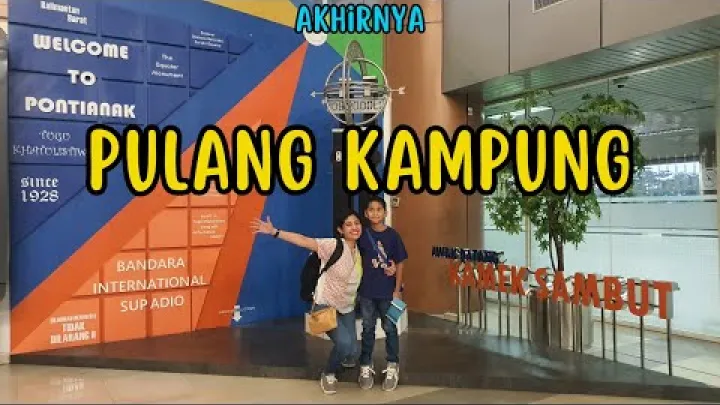
Airport transport details can change, so confirm current pickup points, fares, and schedules before you travel or after you land. A Pontianak airport guide from Kupi notes DAMRI buses, taxis, and online services as transport connections, but travelers should still check what is operating on the day of arrival.
Allow flexibility for traffic and weather. If you arrive late, are carrying heavy luggage, or do not speak Indonesian, a hotel pickup or clearly priced taxi can be worth the extra cost. If you arrive during the day and have mobile data, ride-hailing may be convenient, depending on current airport rules and app availability.
Local Transport: Ride-Hailing, Taxis, and Oplet
For many visitors, taxis and app-based ride services are the simplest way to move around Pontianak. They reduce the need to negotiate routes, help with language barriers, and are useful in heat or rain. Keep your hotel name and destination written clearly, and check the vehicle details before getting in.

Pontianak also has local shared transport known as oplet, similar to an angkot-style minibus in other Indonesian cities. Travel information from Kupi describes oplet as a common collective transport option following specific routes. It can be cheaper than private rides, but routes, stops, and payment may be confusing for newcomers.
If you want to try oplet, ask your hotel or a local contact which route to use and carry small cash. For time-sensitive travel, bad weather, or evening movements, a taxi or ride-hailing service is usually easier. Mobile data, map apps, and a translation app are among the most useful travel tools in Pontianak.
Walking and Everyday Navigation
Short walks can be pleasant and useful, especially near the riverfront, markets, hotel clusters, or commercial streets. However, Pontianak is not a city where most visitors should plan long sightseeing days on foot. Heat, humidity, rain, traffic, and uneven pedestrian conditions can make walking tiring.
Use mornings and late afternoons for walking when possible. During midday, plan meals, indoor stops, or rest. After heavy rain, be ready for wet pavement and slower crossings. If a route requires several busy road crossings, it may be better to take a short ride even when the distance looks manageable.
Navigation is easiest when you group nearby stops. For example, combine a central meal with the riverfront, or visit the Equator Monument as a separate north-side trip rather than adding it between unrelated stops. This reduces time in traffic and makes the day more comfortable.
Best Things to Do in Pontianak
Visit the Equator Monument
The Equator Monument is Pontianak’s signature landmark and the clearest symbol of its zero-latitude identity. It is generally associated with the Siantan or northern Pontianak area, so treat it as a dedicated trip rather than a quick walk from most central hotels.
The appeal is simple but memorable: photos, geographic curiosity, and the experience of standing at a place built around the equator. It is a meaningful introduction to the city, but it may not fill a long part of the day. Many travelers pair it with a meal, a river stop, or a wider north-side drive.
Before going, check current access details, opening conditions, and any renovation information through your hotel or local contacts. Avoid building your whole day around exact hours unless you have confirmed them recently.
Spend Time Along the Kapuas Riverfront
The Kapuas River is central to Pontianak’s atmosphere. It gives the city a sense of openness and movement, and the riverfront is one of the easiest places to feel how local life gathers outside formal attractions.

Late afternoon and evening are usually the most comfortable times to visit. You can stroll, watch boats, try snacks, take photos, and observe families and friends gathering near the water. The experience is best approached slowly rather than as a checklist stop.
Some travelers may be interested in boat or river perspectives. If you arrange any river activity, check operators, weather, safety equipment, and conditions locally. Do not assume that casual river access is the same as a structured tour.
See Religious Landmarks, Civic Sites, and Markets
Pontianak’s religious landmarks and civic spaces help visitors understand the city as a multiethnic, everyday urban center. Saint Joseph Cathedral and Masjid Raya Mujahidin are two major landmarks often included in city sightseeing, and markets add a different view of daily trade, food, and movement.
At religious sites, dress modestly, keep your voice low, and avoid interrupting prayer or ceremonies. If you are unsure whether photography is appropriate, ask first or observe local behavior. At markets, keep valuables secure, carry small cash, and be patient when language differences slow a purchase.
The goal is not to rush through a long attraction list. A church, a mosque, a market, and a civic square each show a different side of Pontianak. Choose a few and leave time to notice the details: food stalls opening, motorbikes arriving, people meeting after work, and the city shifting from day to evening.
Use Malls and Indoor Stops Strategically
Indoor venues such as Ayani Megamall are useful travel tools in Pontianak. They can provide meals, ATMs, supplies, phone help, toilets, air-conditioning, and an easy place to wait out heavy rain. This is especially useful for families, business travelers, or anyone adjusting to equatorial humidity.
Malls should not replace markets or the riverfront, but they help pace the day. A good plan might include an outdoor morning, a mall or cafe break at midday, and a riverfront walk later. This rhythm is more realistic than trying to stay outdoors all day.
Do not rely on a specific store or opening time unless you have checked current information. Use malls as flexible backup stops, not as fixed attractions that require detailed scheduling.
Food, Costs, and Daily Budget
Food Culture and Where to Eat
Pontianak’s food scene is shaped by Malay, Chinese, and wider Indonesian influences, with dining options that range from simple warungs and market stalls to cafes, hotel restaurants, and mall food courts. For first-time visitors, the variety is one of the easiest ways to enjoy the city without needing complex logistics.
Budget travelers can eat well at busy local places, while mid-range travelers may prefer simple restaurants or malls for comfort and clearer menus. Hotels can be useful for breakfast or late arrivals, but eating outside the hotel usually gives a better sense of the city.
Use normal food-safety judgment. Choose stalls with high turnover, drink sealed or properly filtered water, and be cautious with unfamiliar ingredients if you have allergies or a sensitive stomach. If you do not speak Indonesian, translation apps and photos can help, but confirm important dietary restrictions carefully.
Typical Costs for Budget and Mid-Range Travelers
Pontianak can be planned as a relatively affordable Indonesian city, but exact costs vary by season, booking channel, comfort level, and how much you use taxis or private transport. Broad Indonesia travel budget benchmarks from Never Ending Footsteps suggest that daily spending can differ widely between budget and mid-range styles, so use any number as a planning range rather than a promise.
The main cost categories are accommodation, meals, local transport, activities, and side trips. City sightseeing can be inexpensive if you use simple food and occasional shared transport, but costs rise with private drivers, airport transfers, better hotels, and regional excursions.
| Category | Budget approach | Mid-range approach |
|---|---|---|
| Accommodation | Simple guesthouse or basic hotel | Better-located hotel with more comfort |
| Meals | Warungs, markets, simple restaurants | Restaurants, cafes, malls, hotel meals |
| Local transport | Some walking, oplet where practical, limited rides | Ride-hailing, taxis, private pickup when useful |
| Activities | City landmarks and riverfront | City sights plus arranged transport or guide |
| Side trips | Limited or independently planned | Driver, guide, flexible schedule, higher buffer |
Carry Indonesian rupiah for small purchases, local transport, and markets. Cards may work in larger hotels, malls, and some restaurants, but cash remains useful. Exchange rates change, so check current rates shortly before travel and keep a small buffer for delays or weather-related changes.
Booking Practicalities for Accommodation and Tours
When booking accommodation, prioritize exact map location, recent reviews, transport access, and proximity to food or services. A hotel that looks central may still be inconvenient if it is difficult to reach during rain or far from the places where you expect to eat.
For city travel, you usually do not need complex tour planning. For regional nature trips, the situation is different. Remote areas may require guides, permits, boat or road coordination, and weather flexibility. Confirm what is included, where pickup happens, what happens in bad weather, and how cancellation rules work.
Avoid booking side trips based only on a beautiful description. Ask practical questions: How long is the road journey likely to be in current conditions? Is boat travel involved? What should you bring? Is mobile signal reliable? Who handles park or community access if needed? Clear answers matter more than polished marketing.
Itineraries and Side Trips in West Kalimantan
A Practical One-Day Pontianak Plan
For one day in Pontianak, keep the route compact and realistic. Start with the Equator Monument if the weather is good and you have enough time for the north-side journey. Then return toward the center for lunch, a market stop, or a simple look at civic and religious landmarks.
Use the hottest or wettest part of the day for an indoor break. This might be your hotel, a cafe, or a mall such as Ayani Megamall if it fits your route. In the late afternoon or evening, spend time along the Kapuas riverfront for a slower and more atmospheric end to the day.
If rain is heavy, reverse the plan or reduce it. A late arrival might mean skipping the monument and focusing on dinner and the riverfront. A low-energy day might be better with one landmark, one good meal, and one evening walk rather than a crowded schedule.
A Two-Day Pontianak Plan
Two days gives Pontianak room to breathe. On the first day, focus on the city’s identity: the Equator Monument, central orientation, a local meal, and the Kapuas River. Keep transfers simple and leave space for weather or traffic delays.
On the second day, explore more slowly. You might visit Saint Joseph Cathedral or Masjid Raya Mujahidin, add a market, take more time around commercial streets, or use an indoor stop when the weather is uncomfortable. This is also a good day for cafes, simple shopping, or a second riverfront visit at a different time of day.
A wet-weather version should reduce outdoor walking and rely more on short rides, indoor meals, and flexible sightseeing. Two days is not about seeing everything. It is about understanding the city without rushing through heat, rain, and cross-city travel.
Side Trips to Singkawang and Nature Areas
Singkawang is a possible extension for travelers who want to see another West Kalimantan city with coastal and cultural interest. It is often discussed as a road trip from Pontianak, but exact travel time, road conditions, and transport options should be checked close to your travel date.
Danau Sentarum National Park and other nature areas belong in a different category. They are regional trips, not simple city excursions. They may require extra days, guides, transport coordination, seasonal planning, and realistic expectations about comfort and access.
Pontianak works well as a logistics base because it has the airport, hotels, supplies, and services. However, the farther you go from the city, the more important local confirmation becomes. Check weather, water levels where relevant, road conditions, operator reliability, and what support is available if plans change.
Safety, Etiquette, and Essential Travel Tips
Urban Safety and Current Advisory Checks
Use normal city precautions in Pontianak. Keep valuables secure, avoid displaying large amounts of cash, use reliable transport at night, and be cautious in isolated areas after dark. Keep copies of your passport, insurance, and important booking details in a separate place from the originals.
Because conditions can change, check your own government’s travel advisory for Indonesia before departure and look at current local news if you are planning regional travel. This is especially important if your itinerary goes beyond Pontianak into remote areas, border regions, or weather-sensitive destinations.
Do not treat general statements about safety as guarantees. Most visitor risk management is practical: plan transport, protect documents, stay aware in crowded places, and avoid making late-night decisions when tired or unfamiliar with the area.
Health, Weather, Connectivity, and Language Basics
Hydration is important in Pontianak’s heat and humidity. Drink safe water, rest when needed, use sun protection, and take mosquito precautions, especially around dusk or in greener areas. Travel insurance is a sensible backup for medical issues, delays, and cancellations.
A local SIM or eSIM can make the trip much easier. It helps with maps, ride-hailing, translation, messaging hotels, and contacting drivers. Do not assume coverage will be equally strong on remote side trips, so download key maps and booking information when you have a good connection.
Useful words include terima kasih for thank you, permisi for excuse me, berapa for how much, and di mana for where. Even a few polite phrases can make market visits, transport questions, and hotel communication smoother.
Final Tips for Planning Your Pontianak Trip
Pontianak is most rewarding when you plan it as a real working city with a distinctive equatorial identity, not as a polished resort stop. Stay in a convenient central or southern area, group your sightseeing by location, and build each day around heat, rain, meals, and transport.
For a short visit, focus on the Equator Monument, the Kapuas riverfront, local food, markets, and a few civic or religious landmarks. For a longer trip, use Pontianak as a base for West Kalimantan, but give side trips the extra planning they deserve.
The best Pontianak travel plan is flexible, practical, and curious. If you allow time for weather, choose your base carefully, and keep expectations grounded, the city offers a memorable introduction to Kalimantan and a useful gateway to the wider region.
Select area
Create a post
Posting is free and no registration is required.