Ubud Budget Guide: Daily Costs, Hotels and Saving Tips
An Ubud budget can be very flexible: the same trip can feel inexpensive, mid-range, or luxury depending on where you sleep, how you move around, and how often you choose cafes, tours, yoga, and spa treatments. Ubud, Bali is still good value for many international travelers, but it is not uniformly cheap because wellness tourism, boutique villas, and popular central streets can raise prices quickly. This guide breaks down typical Ubud travel budget ranges for accommodation, food, transport, activities, payments, and everyday extras. Use the numbers as planning ranges, then check live prices for your dates before booking.
Quick Answer: How Much to Budget for Ubud
For most visitors, Ubud costs less than many major Western destinations but more than the cheapest rural areas of Indonesia. A careful traveler can keep costs low with hostels or homestays, local warungs, walking, and limited paid activities. A comfortable traveler will spend more on private rooms, cafes, drivers, yoga classes, and curated day trips.
Daily Budget Ranges by Travel Style
For Ubud budget planning, a realistic starting point is roughly USD 20 to 30 per person per day for a shoestring trip, USD 30 to 50 for a budget or lower mid-range trip, USD 50 to 90 for a comfortable mid-range trip, and USD 150 or more for high-end travel. These estimates exclude international flights and assume you are already in Bali or Indonesia.

Independent Indonesia budget benchmarks vary by travel style. For example, Never Ending Footsteps reports broad Indonesia daily travel costs in the budget to mid-range band, which is useful context but should be localized carefully because Ubud has both low-cost homestays and expensive resorts.
| Travel style | Accommodation | Meals | Transport | Activities | Estimated daily total |
|---|---|---|---|---|---|
| Shoestring | Hostel bed or simple homestay | Mostly warungs | Walking or limited local rides | Low-cost walks and few entries | About USD 20 to 30 |
| Budget | Basic guesthouse or budget hotel | Warungs plus occasional cafe | Scooter if safe, or short rides | Some paid attractions | About USD 30 to 50 |
| Comfortable | Good guesthouse, boutique hotel, or modest villa | Cafes and restaurants mixed with local meals | Ride-hailing, drivers, or scooter | Yoga, tours, spas, and entries | About USD 50 to 90 |
| High-end | Private villa or luxury resort | Premium restaurants and bars | Private drivers | Private tours and spa packages | From about USD 150 upward |
Prices move with exchange rates, season, property quality, location, and booking timing. Treat every total as a planning range, not a guaranteed price.
What the Daily Budget Includes and Excludes
The daily estimates above should cover local accommodation, meals, local transport, basic sightseeing, and small everyday costs. They do not include international flights, full travel insurance, major medical costs, shopping, premium spa packages, expensive private tours, or special celebrations.
Some costs are fixed or semi-fixed and affect short trips more than long stays. These include the Bali tourist levy, visa-on-arrival fees where applicable, SIM cards, and transfers from Ngurah Rai International Airport or another part of Bali.
Solo travelers often pay more per person for rooms and private drivers because they cannot split the cost. Couples and groups can reduce the per-person cost of villas, car transfers, and private day trips, although they may spend more overall on comfort and activities.
What Makes Ubud Cheap or Expensive
Ubud is not one price level. A traveler sleeping in a family homestay, eating nasi campur at local warungs, and walking around central Ubud will have a very different budget from someone staying in a private pool villa and taking a driver to waterfalls, temples, and rice terraces every day.
The Biggest Cost Drivers
Accommodation style is usually the largest controllable expense. Hostel beds, simple homestays, budget hotels, guesthouses, villas, boutique hotels, and luxury resorts all exist in and around Ubud. The difference between a basic room and a private villa can be larger than the difference between eating cheaply and eating comfortably.
Food is the next big variable. Local warungs can keep an Ubud on a budget plan realistic, while tourist cafes, smoothie bowls, specialty coffee, cocktails, and restaurants with tax and service charges can quickly push spending higher.
Costs rise fastest when you:
- Book a private villa or resort instead of a homestay or guesthouse.
- Eat most meals in tourist-oriented cafes and restaurants.
- Use private drivers for many short trips instead of planning routes carefully.
- Add daily yoga classes, cooking classes, spa treatments, and guided tours.
- Travel during high-demand periods, weekends, festivals, or with last-minute bookings.
- Drink alcohol often, especially cocktails or imported drinks.
Season matters across Bali. Low-demand periods can be a savings lever if you can accept more weather uncertainty and compare rates carefully; Bali Villa Hub notes that lower-season travel is often one of the more reliable ways to reduce Bali trip costs. Exact discounts are not guaranteed, so compare live accommodation prices for your dates.
Short Trips Versus Longer Stays
Short vacation travelers usually spend more per day because they compress experiences into limited time. A one-week traveler may book drivers, restaurants, yoga, a cooking class, and several attraction entries within a few days. That is enjoyable, but the daily average rises quickly.
Long-stay travelers can lower the average through slower pacing. They can ask for weekly or monthly accommodation rates, rent a scooter monthly if they are experienced and properly licensed, cook or choose simple meals more often, and alternate paid experiences with quiet low-cost days.
For example, imagine two travelers each spend USD 35 on a visa, IDR 150,000 on a Bali tourist levy, USD 15 on a SIM or data setup, and USD 35 on an airport transfer. On a seven-day trip, those fixed costs add a noticeable amount to each day. On a thirty-day trip, the same costs have much less impact per day. This is why a short Ubud trip may feel more expensive even when the hotel and food choices are modest.
Accommodation Costs in Ubud
Accommodation is the heart of most Ubud travel budget decisions. The best value depends on whether you want to walk, ride a scooter, work remotely, share a room, cook sometimes, or stay in a quiet rice-field setting.
Hostels, Homestays, and Budget Hotels
Searches for budget hotel Ubud and budget accommodation Ubud usually lead to hostel beds, family-run homestays, simple guesthouses, and basic hotels. These are often the cheapest ways to stay in Ubud, especially if you are flexible on location, room size, and facilities.
Some simple rooms may include breakfast, a private bathroom, Wi-Fi, or family-run service. Others may be very basic. Before booking, check recent reviews for air conditioning or fan quality, hot water, Wi-Fi stability, noise, cleanliness, insects, and the exact walking distance to the places you plan to visit.
Hotel-platform averages can be skewed upward by Ubud's luxury inventory, so do not rely only on a headline average. Live hotel search results from KAYAK show that Ubud has very cheap listings as well as expensive properties, which is why comparing your exact dates matters.
Guesthouses, Villas, and Comfortable Stays
Mid-range Ubud accommodation can offer strong value. Many guesthouses and small hotels provide private rooms, pools, garden settings, breakfast, and attractive design at prices that may be lower than comparable stays in many Western destinations.
Villas can be good value for couples, families, groups, or longer stays, especially when the price is split. They are often less efficient for solo travelers unless the traveler strongly values space, privacy, or a private pool.
Do not treat every villa as the same product. A modest villa may be a simple private unit with a small kitchen. A boutique villa may include a private pool, stylish interiors, and daily service. A luxury resort villa may include large grounds, spa access, fine dining, and premium service. Compare the total stay cost, not only the nightly rate. Taxes, service fees, included breakfast, kitchen access, workspace, and airport transfer inclusions can change the true value.
Where to Stay to Control Costs
Very central areas near Jalan Monkey Forest, Jalan Raya Ubud, Ubud Palace, and the Sacred Monkey Forest Sanctuary are convenient. They can reduce transport costs because many cafes, shops, markets, restaurants, and central attractions may be reachable on foot. However, central convenience can also come with higher prices, traffic noise, and more demand.
Nearby bases such as Penestanan, Nyuh Kuning, and quieter village lanes around Ubud can often offer better value or a calmer setting, but transport becomes more important. Areas toward Tegallalang may appeal to travelers who want rice-field views or villa stays, but the savings can disappear if you need frequent taxis or drivers.
| Base | Best for | Budget trade-off |
|---|---|---|
| Central Ubud | Walking, cafes, shops, Ubud Palace, Monkey Forest area | Often higher room rates but lower daily transport |
| Quiet village lanes | Calmer stays and guesthouses | Good value if transport is easy |
| Rice-field edge | Views, slower pace, boutique stays | Check walking access, lighting, and rain conditions |
| Farther-out villas | Families, groups, private pools, long stays | Can be affordable per person, but transport adds up |
A simple rule: pay more to stay central if you will not ride a scooter and want to walk often. Look farther out only if the transport plan is safe, affordable, and realistic.
Food and Drink Prices in Ubud
Food can be one of the easiest categories to control in Ubud. The difference between local meals and cafe meals is large enough that one decision per day can change your whole budget.

Warungs and Local Meals
Local warungs are the foundation of an Ubud on a budget food plan. Simple Indonesian dishes such as nasi campur, nasi goreng, mie goreng, rice plates, and noodle dishes can be filling and inexpensive, especially away from the most tourist-focused streets.
Recent Bali food-price guidance from Seven Paintings Ubud lists local rice-stall meals around IDR 15,000 to IDR 25,000 and boutique cafe or restaurant meals around IDR 60,000 to IDR 95,000. In practice, central Ubud prices can vary, so treat these as helpful ranges rather than fixed menu prices.
A low-cost daily food example might be a simple breakfast included with your homestay, a nasi campur lunch at a warung, a local dinner, and one bottled drink or coffee. That pattern can keep food spending modest while still allowing an occasional cafe meal.
Warungs and small stalls often prefer cash. They may not add formal tax and service charges in the same way as tourist restaurants, but prices, portion sizes, and hygiene standards vary. Choose busy places, check menus before ordering, and carry small Indonesian rupiah notes.
Cafes, Restaurants, and Plus-Plus Bills
Ubud's cafe culture is a major reason travelers overshoot a tight budget. Smoothie bowls, specialty coffee, Western breakfasts, vegan cafes, organic menus, and design-focused restaurants may still feel reasonable by international standards, but they can cost several times more than a local warung meal.
The budget impact is simple. If one warung meal costs around IDR 25,000 and one cafe meal costs around IDR 90,000 before drinks or service charges, replacing two daily meals with cafe meals can add a meaningful amount over a week.
Also check whether menu prices are nett or marked with plus-plus. A nett price usually means the listed price is the final price. A plus-plus price means tax and service charges may be added. For example, a menu item listed at IDR 100,000++ may become noticeably higher when the bill arrives. If you are watching your Ubud travel budget, ask or check the menu notes before ordering.
A balanced pattern works well for many travelers: one cafe meal or coffee stop, plus one or two local meals. This lets you enjoy Ubud's cafe scene without making every meal a premium meal.
Alcohol, Bars, and Treat Meals
Alcohol, cocktails, imported drinks, and frequent bar visits can raise food-and-drink spending quickly. Ubud has bars, live music venues, and relaxed evening spots, but it is generally a different scene from Bali's major beach-party areas.
If you drink often, treat it as a separate budget category rather than hiding it inside food costs. Travelers who do not drink can keep daily costs much lower. If you want a special dinner, a fine dining meal, or cocktails with a view, plan those as occasional treat expenses instead of everyday assumptions.
Transport and Getting Around Costs
Transport in Ubud depends on your confidence, safety standards, base location, and trip style. The cheapest option is not always the best option if it increases risk or wastes time.
Scooter Rental and Fuel
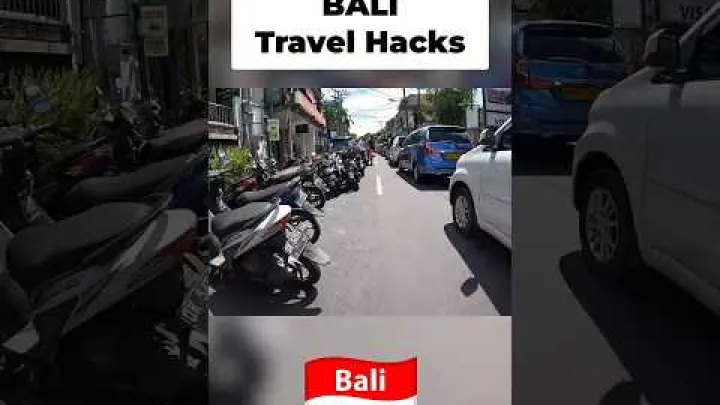
Scooters are often the cheapest flexible way to move around Ubud and nearby villages for experienced riders. They can reduce dependence on taxis and make it easier to reach accommodation outside the center. Fuel is usually a small but real line item.
Transport cost guides for Bali commonly place short local transport and shuttle options in broad ranges; Bali Villa Hub notes that fares vary by route length and mode, with shuttles and transfers often priced differently from point-to-point rides. Scooter rental can be economical, especially for longer stays, but exact daily, weekly, and monthly rates depend on bike type, condition, insurance, and demand.
Do not ride only to save money if you are inexperienced. Wear a helmet, understand traffic conditions, carry the correct license or permit, and check whether your travel insurance covers scooter accidents. If you are not confident, choose walking, short rides, shuttles, or private drivers instead.
Ride-Hailing, Shuttles, and Private Drivers
Ride-hailing motorbikes, taxis, shuttles, and private drivers make sense when you do not want to ride a scooter, when roads are wet, when you are carrying luggage, or when you are visiting several attractions in one day. Availability, local rules, and pickup points can vary, so confirm current options with your accommodation and in apps.
Private drivers are often better value when shared by two or more people. A solo traveler pays the whole car cost, while a couple or group splits it. For day trips, cluster attractions by area instead of crossing Bali repeatedly. For example, do not plan scattered stops only because each looks close on a map; traffic, narrow roads, and parking time can make repeated transfers expensive.
Shuttles can be useful between major Bali areas, while short local rides may be better for point-to-point travel. Check fare estimates before committing and ask whether parking, waiting time, entrance fees, and fuel are included.
Walking, Cycling, and Choosing a Base
Central Ubud can reduce daily transport spending because many cafes, shops, Ubud Palace, markets, and the Monkey Forest area may be reachable on foot from nearby lodging. This is one reason a slightly higher central room rate can be cheaper overall for travelers who do not ride scooters.
Walking is not always as easy as it looks on a map. Sidewalks can be uneven or missing, traffic can be heavy, rain can be intense, and night walking may feel less comfortable on quiet lanes. Bicycles may work for some travelers, but hills, traffic, heat, and road conditions can make cycling less practical than expected.
Choose your base according to your transport plan. If you want to walk, stay central. If you ride safely and legally, a quieter area may be better value. If you plan to use drivers, stay somewhere with easy pickup access and cluster your sightseeing.
Activities, Attractions, and Wellness Costs
Ubud's activities are one of its main attractions and one of its biggest budget variables. Entry fees are usually manageable, but repeated classes, tours, and wellness experiences add up.

Entry Fees, Tourist Levy, and Visas
Travelers often forget fixed and semi-fixed costs such as the Bali tourist levy, visa-on-arrival fees where applicable, and attraction entry fees. Recent Ubud visitor information from Discover Ubud lists the Bali tourist levy at IDR 150,000 and gives major local fee examples such as the Sacred Monkey Forest Sanctuary. Fees can change, so check current prices before visiting.
Visa rules depend on nationality, passport, trip length, and current Indonesian regulations. For eligible travelers, Bali.com describes the Indonesia visa on arrival or eVoA fee as USD 35 in its current visitor guidance. Always confirm requirements before travel because immigration rules and eligible nationalities can change.
Yoga, Cooking Classes, Tours, and Day Trips
Ubud is known for yoga, meditation, cooking classes, craft workshops, temple visits, rice terrace trips, waterfall excursions, spa treatments, and private driver days. These can be excellent experiences, but they are the category that most often moves a traveler from budget to comfortable spending.
Indicative online listings show that yoga classes and wellness sessions can range from affordable drop-in classes to more expensive guided experiences. GetYourGuide, for example, lists Ubud yoga activities with some options around the low tens of US dollars, but platform prices depend on inclusions, pickup, class length, and cancellation terms.
A long-stay traveler might take one or two paid experiences per week and keep the average daily cost moderate. A short holiday traveler who books a tour every day will have a much higher daily average. Compare local booking options, online platforms, group size, entrance fees, pickup areas, and what is actually included before paying.
Free and Low-Cost Ways to Fill Your Days
Low-cost days make an Ubud budget sustainable. You can explore rice-field paths where access is permitted, walk through village lanes respectfully, visit markets, see temple exteriors where appropriate, or spend a quiet afternoon working or reading in a cafe after buying a drink.
Be careful with the word free. Some cultural performances, temple areas, rice-field paths, natural attractions, waterfalls, and viewpoints may require entry, a donation, sarong rental, parking, or a local guide. Costs may be small, but they are still part of the budget.
Alternate paid experiences with simple days. For example, take a cooking class one day, then spend the next day walking, visiting a market, and eating at local warungs. Respect local communities, temple rules, private land, and rice-field work areas. A low-cost day should still be considerate.
Money, Payments, and Everyday Extras
Good money habits help you avoid overspending in Ubud. Indonesian rupiah notes have large values, and small cash purchases can be difficult to track if you do not record them.
Cash, Cards, ATMs, and Money Changers
The local currency is the Indonesian rupiah. Many visitors need a few days to become comfortable with large note values, and small cash purchases can be difficult to track if you do not record them.
Cards are accepted in many hotels, cafes, and tourist businesses, while cash remains important for warungs, markets, parking, small fees, tips, and some homestays. Bali.com advises travelers to use reputable ATMs and professional or authorized money changers rather than informal exchange options.
Check for card surcharges, minimum payments, and dynamic currency conversion. If a card machine asks whether to pay in your home currency or Indonesian rupiah, compare the rate carefully; your bank may offer a better exchange rate. To stay disciplined, set a daily cash allowance for small purchases and record ATM fees separately.
Laundry, SIM Cards, Insurance, and Emergency Buffer
Small recurring costs make a travel budget more realistic. Laundry, mobile data, toiletries, medicines, replacement chargers, rain ponchos, sunscreen, and small repairs can all appear during an Ubud stay.
Local laundry and SIM cards are usually modest compared with accommodation and tours, but prices depend on service level, data allowance, delivery speed, and convenience. A hotel laundry service may cost much more than a local laundry by weight. A large data package or airport SIM may cost more than a basic local option.
Travel insurance is not a daily leisure cost, but it should be planned separately. Medical treatment, evacuation, lost items, and trip disruption can be far more expensive than a few saved dollars on accommodation. Add a trip-level buffer for unexpected transport, rain changes, lost items, ATM fees, price increases, or last-minute room changes.
Sample Ubud Travel Budgets and Saving Plan
The following scenarios show how different choices affect total spending. They exclude international flights and use approximate per-person daily ranges. Solo, couple, and group costs differ most for rooms and private drivers.
Three Daily Budget Scenarios
| Scenario | Stay | Food | Transport | Activities | Extras | Daily total |
|---|---|---|---|---|---|---|
| Budget | Hostel, homestay, or basic guesthouse | Mostly warungs | Walking or short rides | Few paid entries | Laundry and small cash costs | About USD 30 to 50 |
| Mid-range | Good guesthouse or budget hotel | Warungs plus cafes | Scooter if safe, or ride-hailing | Some yoga, tours, and attractions | SIM, laundry, buffer | About USD 50 to 90 |
| Comfortable | Boutique hotel, villa, or resort-style stay | Cafes, restaurants, and treat meals | Drivers and convenient rides | Regular classes, spas, and day trips | Higher buffer and service charges | About USD 90 to 150+ |
The same destination can cost very different amounts. Room type, cafe frequency, transport choice, alcohol, and paid experiences matter more than the fact that you are in Ubud.
One-Week and One-Month Planning Notes
For a simple one-week estimate, multiply your daily target by seven, then add fixed costs such as visa, tourist levy, SIM card, airport transfer, and insurance. A USD 50 daily plan becomes roughly USD 350 before those fixed costs and any major tours or shopping.
For a one-month estimate, multiply your daily target by about thirty, but do not assume the same daily rate will apply. Ask about weekly or monthly accommodation rates, especially for guesthouses, homestays, and villas. If you are experienced, properly licensed, and insured for scooter riding, monthly scooter rental may also reduce transport costs compared with daily rental or repeated rides.
One-week travelers should prioritize must-do activities instead of trying to do every tour. One-month travelers should build a rhythm: simple meals, a few cafe days, some paid experiences, and enough quiet days to keep the average under control. Prices can change around high season, weekends, school holidays, festivals, and special events.
High-Impact Ways to Save Money in Ubud
The best savings are not always the cheapest choices. A very cheap room far from the center may cost more once transport is added. A scooter may save money only if you can ride safely and legally. Skipping insurance may look cheap until something goes wrong.
- Stay slightly outside the busiest central streets if transport remains affordable and safe.
- Travel in lower-demand periods when possible, and compare midweek and weekend room rates.
- Mix local warungs with cafes instead of eating every meal in tourist venues.
- Share private drivers when possible and cluster attractions by area.
- Limit daily paid tours; alternate them with low-cost days.
- Check whether restaurant prices are nett or subject to tax and service charges.
- Compare total accommodation cost, including taxes, fees, breakfast, and location.
- Carry enough cash for small payments, but track small purchases.
- Keep a buffer for rain, delays, ATM fees, medical needs, and last-minute changes.
Before booking, use this quick checklist: choose your base, decide whether you will walk, ride, or use drivers, compare live room rates, estimate food style honestly, pick your top paid experiences, and add fixed arrival costs separately.
Conclusion: Build the Ubud Budget That Fits Your Trip
Ubud can work for shoestring travelers, budget travelers, comfortable holidaymakers, and high-end visitors. The key is to decide what matters most: central location, quiet surroundings, private space, local food, cafes, wellness, tours, or convenience.
Plan around daily ranges, then adjust for your travel style. Keep accommodation, food, transport, activities, fixed fees, and small extras separate in your budget. With realistic expectations and a few smart trade-offs, you can enjoy Ubud without losing control of your spending.
Select area
Create a post
Posting is free and no registration is required.