Best Time to Visit Tianjin: Weather by Month & Seasons

The best time to visit Tianjin is usually mid-April to mid-May or mid-September to mid-October. These windows often offer the most comfortable balance for walking, cultural sightseeing, photography, and time near the waterfront. Tianjin has cold, dry winters, hot and wetter summers, and short spring and autumn transition periods. This guide explains the weather by season and month, then connects it to clothing, crowds, prices, outdoor plans, and the live forecast you should check before departure.
The Best Time to Visit Tianjin at a Glance
Tianjin is easiest to explore when temperatures are moderate and rainfall is not at its summer peak. Spring and autumn are therefore the strongest general choices, but the right month depends on your tolerance for heat and cold, the amount of walking in your itinerary, and whether you want to reduce demand and possibly find better prices.
| Travel window | Typical feel | Best fit | Main trade-off |
|---|---|---|---|
| Mid-April to mid-May | Mild and increasingly warm | Walking, culture, photography | Wind can affect exposed plans |
| Mid-September to mid-October | Comfortable cooling period | All-round city sightseeing | The favorable period is relatively short |
| June to August | Hot, humid, and wetter | Flexible indoor and outdoor trips | Rain, thunderstorms, and muggy nights |
| December to February | Cold, dry, and sometimes windy | Indoor culture and lower-demand travel | Limited outdoor comfort and variable air quality |
The Best Overall Windows for Comfortable Sightseeing
For most visitors, the best overall travel windows are mid-April to mid-May and mid-September to mid-October. Spring brings a clear move away from winter cold without the full heat of summer. Autumn offers a similar advantage in the opposite direction: September and early October are generally comfortable for long walks before November becomes much colder.
Both periods normally have a better walking balance than July and August, when humidity and rain can interrupt a city itinerary. They are also more practical than midwinter for visitors who want to move between outdoor streets, cultural sites, and waterfront areas. These are climate-based recommendations, not guarantees for a particular year. A cool or rainy spell can occur inside a normally favorable month.
What to Choose for a Short City Break
Choose spring if you prefer warming days and do not mind some early-season wind. Choose autumn if you prefer cooler, often more settled conditions for sightseeing. For a short visit, mid-April to mid-May and mid-September to mid-October give you the best chance of using much of each day outdoors without building the itinerary around heat, rain, or freezing conditions.
Summer can still work if you tolerate humidity and will use indoor alternatives. Winter is practical mainly for visitors focused on museums, restaurants, business, or other indoor activities. It may also suit travelers seeking a quieter period, but the savings and demand level should be checked for the exact dates rather than assumed.
Tianjin Climate: What Travelers Need to Know
Understanding Tianjin's broad climate pattern makes it easier to interpret a month-by-month guide. The key contrast is between dry winter conditions and the hot, wetter monsoon season.
How Tianjin's Coastal Monsoon Climate Shapes Travel
Tianjin is a North China coastal city with a continental monsoon pattern. Winter is generally cold, dry, and windy. Summer is hot and wetter, with most of the year's rain concentrated in the warmer monsoon period. Spring and autumn are short transitions between these two extremes, so conditions can change noticeably from one month to the next.
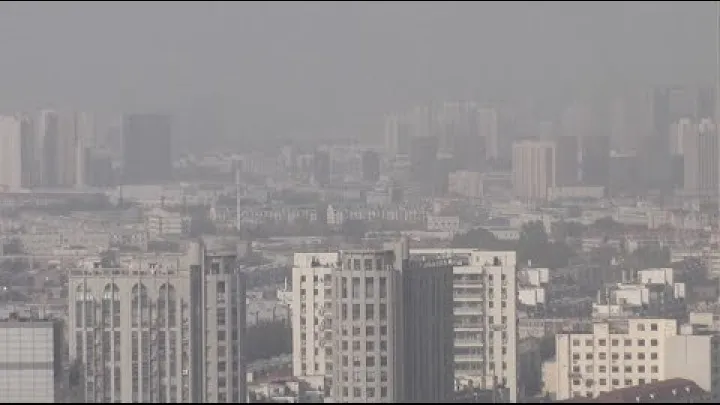
The coastal setting matters most for plans near Tianjin Port and the Bohai coast. Humidity, wind, fog, and reduced visibility can make an exposed waterfront feel different from a sheltered urban street. Coastal weather can also affect photography and the comfort of standing outdoors for long periods. These effects are not constant, and a citywide monthly average cannot describe conditions at one particular port or shoreline.
A local Study in Tianjin profile reports average annual rainfall of about 559.1 millimeters, with most of it concentrated in summer. The same profile reports a port freezing period of about 80 days. This is useful as broad climate context, not as a timetable for port operations or a statement that access will be restricted. For any coastal plan, current local conditions and access information matter more than a general seasonal description.
Climate Averages Versus the Forecast for Your Dates
Monthly climate averages describe what is typical over a long period. They can show that July is normally hotter and wetter than October, but they cannot tell you whether it will rain on the day you arrive, how strong the wind will be, or whether a warning will be active during your stay.
One published climate summary reports a mean annual temperature of 13.3°C for Tianjin and identifies July as the warmest month, with an average maximum of 27.3°C in its dataset. Use these figures only as a broad comparison because the available material here does not provide a complete official Tianjin station-normal table covering every month and measurement method. Read the dataset as one climate baseline, rather than combining figures from different products as though they came from one consistent record. The Climate-Data.org summary is useful for that broad comparison.
For the conditions that will affect your actual trip, use the China Meteorological Service close to departure. Check the local forecast and warnings for heavy rain, heat, cold, strong wind, and visibility. Current air-quality information and advisories should also be considered when you plan extended outdoor time, especially in winter. The China Meteorological Administration's wider climate-data work is discussed by Meteorological Technology International, but broad datasets still do not replace a current local forecast.
Tianjin Season-by-Season Travel Guide
Each season offers a different balance of comfort, rain, clothing needs, and itinerary flexibility. The most useful travel decision is not simply warm versus cold. It is whether the season supports the way you want to spend each day.
Spring in Tianjin: Mild Days, Wind, and a Short Comfort Window
Spring runs from March through May and is a warming transition from winter toward summer. March can still feel like winter in the morning and evening, while May is increasingly warm and may begin to feel more humid. Rainfall is generally more modest than during the summer peak, which helps outdoor sightseeing, but spring weather is not equally comfortable across all three months.

Mid-April to mid-May is the most useful spring window for walking, photography, and general urban exploration. March is more variable, with cool mornings, wind, and sudden differences between shade and sunshine. Windy early-spring days can also bring intermittent dust or sand conditions that reduce visibility or make exposed streets less pleasant. Treat these as occasional risks rather than permanent features of the season.
Pack layers and a light wind-resistant outer layer. A morning jacket may be useful even when the afternoon is mild. If wind or visibility becomes uncomfortable, shorten exposed outdoor plans and use indoor cultural activities, cafés, or other sheltered stops instead. This is especially helpful when your itinerary includes long walks or open waterfront areas.
Summer in Tianjin: Heat, Humidity, and Rainy-Season Logistics
June through August is the hottest and wettest part of the year. July is identified in the available climate summaries as the peak month for heat and rainfall. High humidity can make walking feel harder than the temperature alone suggests, and warm nights may reduce recovery after a full day in the city.

Rain is a scheduling issue rather than a predictable daily timetable. A summer day may bring a short shower, a longer period of rain, or a more intense thunderstorm. This makes flexible sequencing important. Do outdoor walks when conditions are more comfortable, keep indoor stops available, and avoid placing every essential activity in one exposed time block.
Summer can suit travelers who enjoy warm evenings or want to include waterfront time, but it is not the strongest general recommendation for comfort. Wear breathable clothing, use sun protection, carry water, and keep compact rain protection with you. Allow extra time for breaks and for changes between outdoor and indoor plans. Check current warnings when heavy rain or thunderstorms are possible, rather than relying only on the fact that it is the rainy season.
Autumn in Tianjin: The Most Reliable All-Round Choice
Autumn covers September through November and is the most balanced season for many visitors. September remains relatively warm but begins to move away from summer conditions. October is usually the strongest month for walking and general sightseeing, while November becomes increasingly cool and approaches winter.
The prime autumn window is mid-September to mid-October. It combines comfortable temperatures with a generally lower rainfall pattern than summer, making it suitable for city walks, photography, and an itinerary that mixes outdoor streets with indoor venues. Early October and later October can feel different, so do not treat the whole month as identical.
Light layers work well in September and October, with a warmer layer becoming more useful as the season advances. By November, cold mornings and evenings can limit long outdoor periods even though the month is drier than summer. Autumn is best understood as a short favorable period, not as three months of guaranteed mild weather.
Winter in Tianjin: Dry Cold, Wind, and Indoor Travel
December through February is the coldest and driest part of the year. January is generally the coldest month in the available climate summaries. Low precipitation can make a schedule more predictable than a summer itinerary, but freezing temperatures, wind, and wind chill can sharply reduce the time most visitors want to spend outside.
Winter works well for indoor-focused cultural visits, business travel, and lower-demand travel if you accept the cold. Group indoor stops together, keep outdoor transfers short, and avoid assuming that dry weather means comfortable weather. Proper insulation, a wind-protective outer layer, warm footwear, and coverage for hands and ears are important for extended outdoor time.
Air quality can vary during the winter heating season. This does not mean that every winter day has poor air quality, but it is a reason to review current advisories before planning long outdoor activities. A local profile also reports a freezing period for ports in Tianjin. Treat that information as regional climate context only; it does not confirm the status of any particular port-area visit or activity.
Tianjin Weather by Month: A Simple Planning Guide
The table below gives a quick month-by-month feel. It describes typical planning conditions, not a forecast. The most important changes occur at the transitions: March is not yet consistently mild, June is the shift into summer, and October gradually becomes colder as it progresses.
| Month | General feel | Outdoor suitability | Useful clothing |
|---|---|---|---|
| January | Coldest and driest feel | Limited for long walks | Insulated winter layers |
| February | Cold with gradual warming | Limited, especially morning and evening | Winter layers and wind protection |
| March | Variable early spring | Mixed; best on mild days | Layers and a wind-resistant jacket |
| April | Mild and relatively dry | Very good for sightseeing | Light layers and walking shoes |
| May | Warm with rising humidity | Very good, with rain flexibility | Light or breathable layers and rain gear |
| June | Hotter; rainy season begins | Good with heat and rain breaks | Breathable clothing and compact rain gear |
| July | Hottest, most humid, and wettest | Demanding for long outdoor days | Breathable clothing, sun protection, rain gear |
| August | Hot, humid, and rainy | Possible with a flexible plan | Breathable clothing and rain gear |
| September | Cooling and more comfortable | Very good, especially later | Light layers |
| October | Cool and generally favorable | Excellent, especially early | Light layers and a warmer layer |
| November | Cool to cold and drier | Moderate to limited | Warmer layers and wind protection |
| December | Cold and dry | Best for shorter outdoor periods | Insulated layers and warm footwear |
January to March: Winter Gradually Becomes Early Spring
January has the strongest winter feel. It is generally cold and dry, and long outdoor walks can become uncomfortable because of cold air and wind. Plan an indoor-focused schedule or divide outdoor sightseeing into short sections. Insulated clothing, wind protection, and warm shoes are more important than rain gear during this month.
February remains winter, although afternoons may begin to feel less severe. Cold nights and mornings still require winter layers, and the month is not a dependable spring choice. It can suit travelers who prefer quieter periods and have a strong indoor itinerary, but it offers less flexibility for open-air sightseeing.
March is a transition month. Some afternoons may be mild, but mornings and evenings can remain cold. Wind can make the temperature feel lower, and intermittent dust or reduced visibility may affect photography and exposed walking. Use layers that can be removed during the afternoon and add a wind-resistant outer layer for variable days.
April to June: From the Best Spring Conditions to Early Summer
April is one of the best months for a Tianjin city break. Conditions are usually mild, relatively dry, and bright enough for long walks, although individual days can still be windy or cooler than expected. Light layers and comfortable walking shoes are a practical combination.
May continues to offer strong outdoor potential while becoming warmer. The first half of May is particularly attractive for visitors who want spring comfort without the cooler feel of March. Humidity and rainfall begin to become more relevant, so breathable clothing and compact rain protection are useful additions.
June marks the move toward summer. Heat becomes more noticeable, and the main rainy-season pattern begins to influence planning. Late spring is usually a better general choice than June for travelers seeking comfortable walking, but June can work if you schedule breaks, use shade, and keep indoor alternatives available.
July to September: Peak Rain and Heat Give Way to Autumn
July combines peak heat, humidity, and rainfall, making it the most demanding month for long outdoor city sightseeing. Plan shorter walking blocks, protect yourself from the sun, drink water regularly, and leave room for rain or thunderstorms to change the order of activities.
August generally continues the hot, humid, and rainy pattern. The end of the month may begin a transition toward autumn, but it is not reliably dry or cool. Travelers who prefer warm weather or waterfront evenings can still visit, provided they accept flexible timing and do not build the trip around a guaranteed clear day.
September brings a gradual return to more comfortable conditions. Later September is often a useful start to the strongest autumn window, while early September may still feel like summer. This month is a good compromise for visitors who want warmth but prefer to avoid the most intense part of the rainy season.
October to December: Cool Autumn Becomes Dry Winter
October is usually cool and favorable for walking. Early October fits most closely with the recommended autumn window, while later October can bring cooler mornings and evenings. Bring light layers and add a warmer jacket if you plan to stay outdoors after sunset.
November moves quickly toward early winter. It is generally drier than the summer months, but dryness alone does not make it a best month for every traveler. Falling temperatures and shorter comfortable outdoor periods matter more if your itinerary depends on long walks or open spaces.
December is cold and dry, with winter clothing needed for outdoor time. Indoor cultural visits remain feasible, and a well-paced schedule can work for visitors who accept the seasonal trade-off. Climate averages can show the broad pattern, but only a current forecast can indicate the exact rain, wind, or cold conditions during your dates.
The Best Time to Visit Tianjin for Different Travel Purposes
The best season changes slightly depending on what you want to do. A traveler who wants long urban walks has different needs from someone who mainly plans indoor culture, a waterfront visit, or a low-demand budget trip.
Best Months for Walking, Outdoor Exploration, and Photography
Choose mid-April to mid-May or mid-September to mid-October for the strongest outdoor comfort. These periods usually make it easier to spend several hours outside, move between city areas on foot, and take photographs without planning the entire day around heat or cold.
Early spring wind and occasional dust can affect visibility, while late autumn cold can shorten outdoor sessions. Good seasonal averages also do not guarantee clear skies on a particular day. Pack layers, wear comfortable walking shoes, and be ready to replace an exposed activity with a sheltered one if conditions become unpleasant.
The same shoulder-season logic can help with hiking or outdoor exploration outside the urban area. However, no single city climate summary can confirm conditions on a specific route. Check the local weather and access status for the exact area, especially after strong rain, wind, or a rapid seasonal change.
Best Months for Culture and City Sightseeing
Spring and autumn are the easiest periods for combining indoor cultural venues with walking between stops in the Tianjin urban area. Moderate temperatures reduce the need for long indoor recovery breaks, so you can create a balanced day instead of choosing between air-conditioned interiors and uncomfortable outdoor transfers.
Winter can also suit a culture-focused trip because precipitation is limited. The trade-off is that cold and variable air-quality conditions reduce the amount of outdoor flexibility between venues. Group indoor activities together and keep outdoor sections brief.
Summer visitors can make a culture-focused trip more manageable by placing outdoor transfers in the cooler parts of the day. Leave space for a slower lunch or indoor rest during the hottest period, and keep a rain alternative for any activity that requires crossing open streets. This approach makes summer possible without treating it as the most comfortable season.
Best Months for Waterfront and Coastal Plans
Late spring through early autumn is generally more comfortable for a waterfront visit because temperatures are warmer and outdoor time is easier to enjoy. Tianjin Port and the Bohai coast are useful local anchors for understanding this type of plan, but a waterfront visit is not the same as a beach, boating, or marine activity recommendation.

Fog, wind, heavy rain, and low visibility can change the experience near the coast even when the urban forecast looks acceptable. Seasonal averages cannot guarantee calm wind, clear views, or suitable sea conditions. Do not assume that a warm month provides reliable conditions for a fixed coastal activity.
Before committing to a port or Bohai coast plan, verify current visibility, wind, sea conditions, and any local access notices. Check the specific site or operator if your plan involves an activity beyond general sightseeing. The available climate evidence does not verify particular beaches, facilities, marine operators, or access arrangements.
Best Months for Lower Prices and Lighter Demand
Winter and some shoulder-season dates may have lower demand than the most comfortable spring and autumn windows. However, the available evidence does not support a universal ranking of the cheapest Tianjin months. Prices depend on the exact hotel, transport route, event calendar, booking lead time, and demand on your chosen dates.
For a budget trip, compare several dates across late winter, early spring, late autumn, and other flexible periods. Then weigh the actual saving against the need for warmer clothing, shorter outdoor days, or a larger indoor program. A lower-demand period can reduce costs without being the best weather period.
Keep major holiday effects separate from climate assumptions. A favorable weather month may still be busy or expensive around a national holiday, while a less popular date in the same month may be easier to book. Use actual lodging and transport prices for your dates rather than relying on a fixed cheapest-month claim.
Practical Tianjin Weather Planning
A good Tianjin itinerary needs more than a preferred month. Clothing, daily pacing, and a small amount of flexibility can make the same season feel much easier.
What to Pack for Each Season
- Spring: Pack layers, a light wind-resistant outer layer, and comfortable walking shoes. Add practical protection for variable mornings and for occasional dusty or windy conditions.
- Summer: Choose breathable clothing, sun protection, and reliable hydration supplies. Carry compact rain gear because showers and heavier storms can interrupt outdoor plans.
- Autumn: Use light layers in September and October, then add warmer clothing as November progresses. Comfortable shoes remain important because the season is well suited to city walking.
- Winter: Bring insulated layers, wind protection, warm footwear, and practical coverage for freezing outdoor conditions. A dry forecast does not remove the need for cold-weather clothing.
How to Plan Each Day Around Heat, Rain, Wind, and Cold
In spring and autumn, place your longest outdoor walking blocks in the middle of the day, when temperatures are often more comfortable than at the start or end of the day. Keep a light layer available because wind and shade can change how the conditions feel.
In summer, schedule demanding outdoor activities during cooler parts of the day and use the hottest period for indoor stops, meals, or rest. Keep the order of activities flexible so that a shower or thunderstorm does not disrupt the whole day. Water, shade, breathable clothing, and compact rain protection are more useful than a tightly fixed schedule.
In winter, shorten exposed outdoor stretches and group indoor stops together. Allow for wind chill and cold evenings even if precipitation is unlikely. A flexible sequence is useful in every season because a monthly pattern improves the odds of comfort but does not create clear conditions every day.
What to Verify Before Booking and Departure
- Dates and demand: Check the current national holiday calendar before fixing dates. Holiday timing can affect availability, crowds, and prices even when the weather is favorable.
- Live weather: Review the official Tianjin forecast and warnings close to departure. Look specifically for heavy rain, thunderstorms, heat, cold, strong wind, and visibility information.
- Coastal plans: If you plan to visit Tianjin Port or the Bohai coast, verify current visibility, wind, sea conditions, and any local access notices. Do not rely on a citywide monthly average for a specific waterfront activity.
- Seasonal transitions: If you are traveling near March, June, September, November, or another transition point, use flexible reservations and keep an indoor or sheltered alternative available.
These checks turn a climate-based decision into a practical travel plan. A favorable season improves the chance of comfortable travel, but it cannot replace a live forecast or a current local access notice.
Final Recommendation: When Should You Visit Tianjin?
For the best overall balance of weather and sightseeing comfort, visit Tianjin from mid-April to mid-May or from mid-September to mid-October. Choose spring for warming days and autumn for a cooler, often more comfortable all-round experience. April and early October are especially strong choices for visitors who want long walks and a flexible city itinerary.
Choose summer only if you are comfortable with heat, humidity, and rain logistics. Choose winter if indoor culture, business travel, lower demand, or potentially lower prices matter more than outdoor comfort. Whatever month you select, compare actual prices, check the current holiday calendar, and review the official forecast before departure.
Select area
Create a post
Posting is free and no registration is required.