Muara Travel Guide, Brunei: Beaches, Transport and Bases

Muara is a coastal port town in Brunei–Muara District, known more for beaches, maritime access, and a quieter pace than for a large urban center. It sits within a wider travel area that also includes Mukim Serasa, Muara Port, Serasa Ferry Terminal, and the road connection to Bandar Seri Begawan. This Muara travel guide explains how the areas differ, how to reach them, what to do, where to base yourself, and how to plan around weather and transport. It is designed for first-time visitors who want a realistic day trip, overnight stay, ferry connection, or coastal activity plan.
Muara at a Glance: What to Expect
Muara is easiest to understand as one part of the wider Brunei–Muara travel area. The town, beaches, ferry facilities, port, and nearby capital attractions can fit into one itinerary, but they do not offer the same experience or services.
Muara’s Role in Brunei–Muara District
Muara Town, also known as Pekan Muara, is a working port town with a coastal setting. Its identity is shaped by maritime activity and nearby beaches rather than by a dense historic center, extensive shopping district, or large concentration of visitor services. Travelers who expect a compact resort town may find Muara more practical and residential than expected.
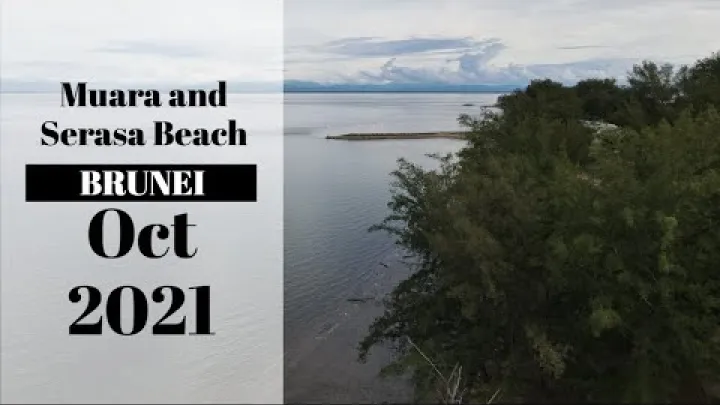
The nearby Serasa area adds much of the recreational context. The coastal cluster includes Muara Beach Recreational Park, Serasa Beach, the Brunei–Australia War Memorial, and Serasa Ferry Terminal. Roads connect this area with Bandar Seri Begawan, so many visitors use the capital as their base and travel to Muara for part of a day.
The Brunei Tourism overview is useful for understanding the district as a collection of cultural, coastal, and heritage attractions. Use that wider framing carefully: an attraction listed under Brunei–Muara is not necessarily in Muara Town itself.
Is Muara a Day Trip, an Overnight Base, or a Transit Stop?
For many first-time visitors, Muara works well as a day trip from Bandar Seri Begawan. Choose this option if your main goals are a beach visit, a short coastal walk, the war memorial, or one pre-arranged activity. A day trip also lets you keep access to the capital’s larger choice of hotels, restaurants, museums, and indoor alternatives.
An overnight stay becomes more useful when you have an early ferry, several diving or watersports sessions, or a strong preference for a quiet coastal setting. Staying nearby can reduce the need for an early road transfer and gives you more time to adapt your plans around activity departure times.
Muara can also be a transit stop for cruise and ferry travelers, but it is not automatically the most convenient base for every connection. Travelers seeking dense shopping, nightlife, many restaurants within walking distance, or a tightly concentrated historic center will usually find Bandar Seri Begawan more suitable. Muara is worth visiting when its beaches, maritime setting, or water activities match your interests, not because it offers the same experience as the capital.
Muara, Serasa, and Bandar Seri Begawan: How the Areas Differ
The names can overlap in travel listings, so choose an area based on the experience and logistics you need. Muara Town, Mukim Serasa, and Bandar Seri Begawan are related parts of the same broader district context, but they are not interchangeable destinations.
| Area | Main character | Best suited to |
|---|---|---|
| Muara Town | Working port-town setting with local services and access toward the coast | Travelers interested in Muara Beach, maritime context, and a quieter stop |
| Serasa | Coastal recreation and watersports area near beaches and the passenger terminal | Beach visits, water activities, diving plans, and early ferry departures |
| Bandar Seri Begawan | Capital-area concentration of culture, dining, accommodation, and transport | First-time visitors, city sightseeing, public-transport users, and flexible itineraries |
Muara Beach is geographically associated with Mukim Serasa even though its name uses Muara. The stable geographic context is summarized by the Muara Beach reference. When booking accommodation, read the map and exact location rather than relying only on the label used by a platform.
Getting to Muara and Getting Around
Most visitors reach Muara by road after arriving through Brunei International Airport or spending time in Bandar Seri Begawan. The right transport choice depends on budget, luggage, activity timing, and whether you need a direct connection to a terminal.
Reaching Muara from Bandar Seri Begawan and Brunei International Airport
The common arrival pattern is simple: reach the airport or the capital area, then continue by road toward Muara or Serasa. A taxi or private transfer is the most flexible option for luggage, early departures, and accommodation outside the main town. An organized tour may include transport for a beach, heritage, or boat itinerary, while public buses can be considered when cost matters more than speed and flexibility.

Direct foreign access to Muara is mainly relevant to cruise and ferry travelers. Most air arrivals do not arrive in Muara itself; they continue from the airport area or Bandar Seri Begawan. Cruise passengers should distinguish between arriving at a port facility and reaching a specific beach, town center, or hotel.
- Identify the exact destination: Muara Town, Muara Beach, Serasa Beach, Serasa Ferry Terminal, or Muara Port.
- Confirm where a driver or tour representative will meet you, especially after a late flight.
- Allow space for luggage, beach equipment, dive gear, or ferry baggage.
- Choose an arrival time that leaves room for road delays and check-in procedures.
Do not rely on a general map label when arranging a pickup. The difference between a town address, a beach access point, a port entrance, and a ferry terminal can affect the whole day.
Public Buses, Taxis, and Pre-Arranged Transfers
Public buses from the Jalan Cator bus terminal can be the lowest-cost choice, but they may be less predictable for a short coastal itinerary. Evening services, route changes, waiting time, and the final connection to a beach or accommodation can make a low fare less useful if you have a fixed ferry or activity departure. The available Wikivoyage transport context is helpful for orientation, but it should not be treated as a live timetable.
| Option | Advantages | Main limitation |
|---|---|---|
| Public bus | Lower cost and useful for travelers with time | Routes, final stops, evening service, and waiting time may not suit a tight plan |
| Taxi | Direct and practical for luggage or several stops | Higher cost and possible difficulty arranging late or return travel |
| Private transfer | Good for airport arrivals, ferry timing, groups, or equipment | Usually costs more and should be arranged in advance |
| Organized tour | May combine transport, guiding, and a scheduled activity | Less flexibility and possible limits on time at each stop |
Use the bus when the route and final connection are clear and your schedule is open. A taxi or pre-arranged transfer is usually more sensible for a late arrival, bulky equipment, an early ferry, a cruise shore visit, or a one-day plan with several separate stops.
Before depending on public transport, ask the terminal, your hotel, or a local operator for the current route number, final service time, pickup point, fare, payment method, and return option. Treat older online route or fare information as provisional. The practical decision is a balance between cost, flexibility, and the value of arriving at the right place on time.
Muara Port and Serasa Ferry Terminal
Muara Port and Serasa Ferry Terminal serve different purposes. Muara Port is associated with cruise and cargo activity, while Serasa Ferry Terminal serves passenger-ferry travel. They should not be treated as two names for the same facility or assumed to have a seamless town-to-terminal connection.

Cruise passengers should arrange shore transport before arrival if they want to visit a beach, memorial, or city attraction. A ship transfer may take you only to the port access area, not directly to the place you want to explore. Independent ferry travelers should plan the route from their accommodation to Serasa Ferry Terminal separately.
For a ferry journey, confirm the following directly with the ferry operator or terminal:
- Current departure date and time, including any seasonal or weather-related change.
- Required check-in time, identification, travel documents, and baggage rules.
- The exact terminal entrance and the transfer time from your accommodation.
- Whether onward transport is included or must be booked separately.
- The procedure if the crossing is delayed or canceled.
Leave a generous buffer at the terminal. Avoid pairing a ferry crossing with a tight flight, long-distance connection, or non-refundable activity on the same schedule. A confirmed departure is useful, but the full plan also needs room for check-in, road transfers, weather changes, and possible delays.
Best Things to Do in and around Muara
Muara is best for combining a coastal stop with one or two focused activities. Trying to include every beach, boat trip, dive, ferry connection, and city attraction in one day usually creates more transfer time than travel time.
Muara Beach Recreational Park and the Brunei–Australia War Memorial
Muara Beach Recreational Park is a managed coastal leisure stop suited to a walk, picnic, relaxed shoreline time, or family outing. It offers a different atmosphere from the working port areas, even though the wider coastal setting remains connected to maritime activity. The beach is a practical choice when you want outdoor time without committing to a full boat excursion.
The nearby Brunei–Australia War Memorial adds a historical and commemorative dimension. Visit it as a place of remembrance, not only as a photo stop. A simple sequence is to visit the memorial respectfully, spend time at the beach, and then continue to Serasa or return toward the capital. Keep the order flexible so the most comfortable outdoor period is used for the shoreline.
Follow current signs regarding access, photography, swimming, facilities, and conduct. Do not assume that lifeguards, designated swimming zones, public toilets, or food services are available at every visit. If heavy rain interrupts the beach plan, replace part of the coastal block with a museum or city activity in Bandar Seri Begawan when its current opening information allows.
Serasa Beach and Coastal Watersports
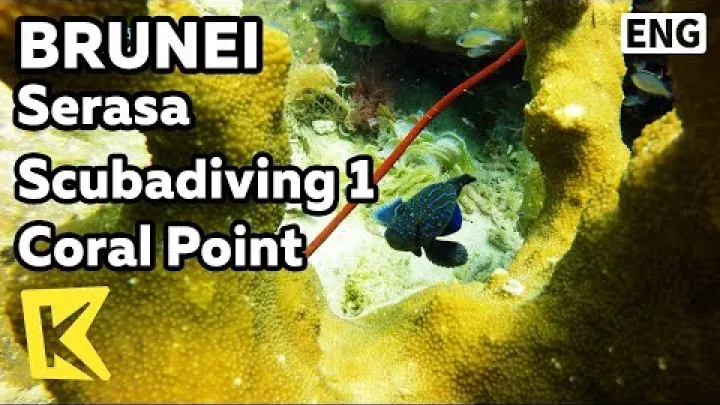
Serasa Beach is a distinct recreation area within the Muara and Serasa coastal cluster. It can suit a relaxed beach visit, family time, or a more active plan, depending on what is operating on the day and where the activity provider departs.
- Relaxed beach visit: Allow time for walking, sitting by the coast, and enjoying the quieter setting.
- Family recreation: Choose a simple shoreline plan and keep supervision close, especially near open water.
- Active watersports: Activities such as kayaking, windsurfing, jet skiing, or similar experiences may be available through particular providers, but they are examples rather than a daily schedule.
Not every activity operates every day, and activities listed for Serasa may not all start from the same access point. A calm-looking or sheltered area also does not guarantee safe conditions. Follow posted guidance and the activity briefing, and treat general beach leisure as separate from a bookable, weather-dependent watersports session.
Brunei Bay, Mangroves, Diving, and Boat Trips
Brunei Bay provides the setting for several different experiences, including mangrove trips, water-village visits, wildlife viewing, snorkeling, diving, wreck experiences, and other boat-based excursions. These activities are not interchangeable: a quiet cultural cruise has different timing, equipment, and physical demands from a specialist dive trip.
Some tours depart from Bandar Seri Begawan or another marina rather than Muara. Confirm the departure location, meeting time, transfer requirement, and return point before treating a boat trip as a Muara activity. A hotel in Muara does not automatically place you near every Brunei Bay operator.
For a quieter experience, consider a nature or cultural cruise that matches your available time. For diving or snorkeling, allow additional planning for equipment, transfers, briefings, and sea conditions. Wildlife sightings and underwater visibility are naturally variable, so promotional descriptions should be read as possibilities rather than guarantees.
At booking, read what is included: transport, equipment, meals, guides, insurance, and cancellation terms. Keep the specialist operator checks for safety, qualifications, supervision, and equipment condition in the booking section below rather than assuming that an attractive itinerary description proves a provider is suitable.
Where to Stay, Eat, and Budget for Muara
Your accommodation choice should follow the shape of the itinerary. Bandar Seri Begawan offers convenience and variety, while Muara or Serasa can reduce the transfer burden for coastal and ferry-focused plans.
Choosing Bandar Seri Begawan as Your Main Base
Bandar Seri Begawan is the default base for many first-time visitors. It offers a stronger concentration of accommodation, dining, cultural attractions, and transport services, while also providing a practical starting point for a road trip to Muara. It is especially useful when the itinerary includes the Royal Regalia Museum, Kampong Ayer, mosques, museums, or other capital-area experiences.
- Best for first-time visitors: You can combine Muara with the capital’s main cultural sights without changing hotels.
- Best for culture-focused travelers: Museums, Kampong Ayer, and city attractions are easier to combine with meals and indoor alternatives.
- Best for public-transport users: The main bus terminal and broader service network are concentrated in the capital area.
The trade-off is a road transfer to Muara or Serasa. This is usually worthwhile for a single beach day, but less convenient if you have an early ferry or several consecutive water-activity departures. A central base also gives you more options when rain changes an outdoor plan.
Staying near Muara or Serasa
Choose accommodation near Muara or Serasa when you have an early ferry, several days of diving or watersports, or a deliberate preference for a quiet coastal stay. The shorter local transfer can matter more than the difference between accommodation prices, especially when an activity begins early or you are carrying equipment.
Accommodation inventory is thinner than in Bandar Seri Begawan, and booking platforms may label properties as Muara even when they are elsewhere in the wider Brunei–Muara District. Check the exact map location before paying. A coastal property may also have fewer nearby restaurants, shops, and late services.
- Confirm the exact location and distance from Serasa Ferry Terminal, Muara Beach, or your activity meeting point.
- Ask about check-in time, late arrival, parking, transfers, and luggage storage.
- Confirm whether breakfast or other meals are included, especially for early departures.
- Read cancellation terms and the conditions for changing an arrival date.
In simple terms, choose Muara or Serasa for access and quiet, and choose Bandar Seri Begawan for choice, culture, services, and transport flexibility.
Food, Services, and Practical Daily Needs
Muara has basic local dining and everyday services, but the range and opening-hour coverage are generally broader in Bandar Seri Begawan and the larger commercial areas of Gadong and Kiulap. Do not plan a beach, ferry, or boat day on the assumption that a full selection of meals and supplies will be available beside the water.
Arrange food, drinking water, sun protection, and other necessities around the day’s transport schedule. This is particularly important for early ferry departures, remote-feeling coastal stops, and boat trips that keep you away from town for several hours. A homestay or hotel with breakfast can be useful when nearby restaurants may not open early enough.
Use current local information for individual restaurants and services rather than relying on an old review or a listing that does not show opening hours. For a short visit, it is often easier to eat in Bandar Seri Begawan before or after the Muara excursion, unless your coastal accommodation includes a dependable meal option.
Typical Costs and Booking Strategy
Muara travel costs are easier to estimate by category than by one fixed daily amount. Room rates, transport arrangements, ferry prices, and activity fees can vary by date, provider, equipment, and inclusions. A useful framework is:
- Lower-cost planning: Public buses, simple meals, self-guided beach time, and one base in Bandar Seri Begawan.
- Middle-range planning: A standard hotel, several taxi journeys, and one local excursion or organized day activity.
- Higher-cost planning: Private airport or ferry transfers, coastal accommodation for convenience, specialist diving, private boat trips, or several paid watersports sessions.
Public buses can reduce the road-transport budget, while taxis and private transfers increase it in exchange for direct service. Beach visits and memorial stops may require little activity spending, but transport, food, and time remain part of the real cost. Ferry travel should be budgeted as a separate ticket plus the transfers needed on both sides. Boat trips and diving can become the largest activity cost, particularly when equipment or transport is not included.
Before paying, confirm the all-in price, taxes or other fees, deposit, payment method, transport inclusions, equipment, meals, and cancellation terms. Ask whether the quoted amount covers each traveler or the whole vehicle or boat. Keep written confirmation of the meeting point and inclusions so an apparently low price does not become more expensive through separate transfers or mandatory add-ons.
When to Visit and How to Plan Around the Climate
Climate planning matters in Muara because heat, rain, wind, and sea conditions can affect both comfort and transport. A flexible itinerary is more useful than a promise of perfect beach weather.
Weather and the Most Comfortable Travel Windows
Muara is hot and humid, and rain can occur throughout the year. There is no simple guaranteed dry season that makes every beach, ferry, boat, diving, or watersports plan reliable. A sunny morning can also be followed by a shower or changing sea conditions.
Some travelers consider February and March when planning outdoor activities, but do not treat those months as a guaranteed best window. Use current official meteorological information for your travel dates. If the forecast and local outlook suggest a more comfortable period, use that information as a preference rather than a promise.
Weather affects more than whether the beach looks attractive. Heavy rain and thunderstorms can reduce outdoor comfort, while wind and sea conditions may affect ferries, boat trips, diving, snorkeling, and watersports. Before leaving for a weather-sensitive activity, check the current official forecast and ask the operator whether the trip is proceeding under the expected conditions. Keep a replacement activity ready instead of assuming that a prepaid coastal plan will operate unchanged.
What to Pack and How to Plan Around Rain and Heat
Pack for heat, short rain events, and different types of movement. A simple checklist includes:
- Breathable clothing and comfortable shoes for beach paths, town walks, and transfers.
- Sun protection, a hat, and drinking water for exposed coastal areas.
- A lightweight rain layer or compact umbrella for sudden showers.
- Insect protection for mangrove or other nature-based boat trips.
- Dry bags or waterproof protection for phones, documents, and small electronics near boats.
- Any essential personal medication and basic travel documents.
Morning or late-afternoon outdoor blocks can be more comfortable than placing every beach and walking activity in the hottest part of the day. During heavy showers, use a museum, cultural attraction, or other city activity in Bandar Seri Begawan when it is open. Leave space between a ferry, boat, and watersports booking so one delay or shower does not disrupt the entire itinerary.
Safety, Respect, and Booking Practicalities
Muara is generally suited to independent travel, but coastal activities and transport connections require ordinary planning. The most useful precautions are specific: understand the water conditions, verify the activity provider, and keep current travel and medical information available.
Beach, Boat, and Watersports Safety
At beaches, follow posted signs and local instructions, assess the water before entering, and stay within your own ability. Do not assume that a quiet shoreline is supervised or that a calm surface means there is no current, swell, or boat traffic. Families should keep children close to the water and avoid letting a photo stop become an unsupervised swim.
For boat trips, snorkeling, diving, kayaking, jet skiing, and similar activities, use the safety briefing and the required flotation equipment. Tell the provider about relevant experience or limitations rather than accepting an activity that exceeds your ability. Boat transfers also require care when boarding, moving around a wet deck, or carrying equipment.
Before booking a watersports or diving operator, confirm:
- That a clear safety briefing and suitable supervision are provided.
- That equipment is appropriate for the activity and appears properly maintained.
- That the staff have relevant experience or qualifications for the service offered.
- That the plan explains weather cancellation, rescheduling, and refund arrangements.
- That the advertised departure point, duration, transport, and equipment match your itinerary.
A provider that cannot explain these points clearly is not a good choice simply because the activity is convenient or inexpensive.
Health, Emergencies, and Current Travel Conditions
Read a current official travel advisory before departure and follow local guidance for security, medical access, entry conditions, and other information that can change. The current Travel.State.gov advisory describes Brunei as generally safe for travelers and notes that basic emergency medical care is available, while response times may be limited in some situations.
Save your travel insurance details, emergency contacts, accommodation information, and relevant medical contacts offline. Carry essential medication in your hand luggage and keep a plan for delayed transport, a canceled activity, or limited after-hours services. Do not infer an emergency number, entry rule, or medical guarantee from an old travel post; use current official or local information for those details.
General planning advice remains stable, but the current advisory, transport situation, and medical arrangements should be checked close to departure. Keep the safety approach calm and practical: prepare for small disruptions, protect your health, and avoid putting a fixed connection immediately after a weather-sensitive activity.
Respectful Travel at Beaches, Villages, and Memorial Sites
Use different standards of behavior for different places. At the Brunei–Australia War Memorial, keep voices low, follow access instructions, and treat the site as a place of remembrance. At beaches, use bins where provided, avoid disturbing other visitors, and leave the shoreline as you found it.
In villages, water settlements, and cultural or religious locations, follow posted guidance on photography, dress, access, and conduct. Ask before photographing people or private homes. Rules and expectations can vary by site, so posted instructions are more reliable than a general assumption about what is permitted.
Boat travelers should avoid touching reefs, disturbing wildlife, or leaving food and plastic behind in mangrove areas. Visit villages and communities as places where people live, not as scenery created for visitors. Low-impact behavior makes the experience more respectful and protects the coastal environment that draws travelers to Muara.
Sample Muara Itineraries
Use these plans as flexible templates. Confirm activity times first, then arrange the road transfer and choose the base that leaves enough space for delays and weather changes.
A One-Day Muara Itinerary
A day trip from Bandar Seri Begawan can work well when you choose one main coastal focus rather than trying to cover the entire district.
- Relaxed beach-and-history day: Travel from Bandar Seri Begawan to the Muara Beach area, visit the Brunei–Australia War Memorial respectfully, spend time at the coast, and continue to Serasa Beach if energy and transport allow. Return to the capital for a wider choice of meals and evening services.
- Activity-focused day: Build the day around one confirmed watersports, diving, snorkeling, or boat departure. Add a short beach or memorial visit only if the activity time, transfer, and return journey leave a comfortable margin.
Do not add a ferry crossing, a full Brunei Bay excursion, several beaches, and major Bandar Seri Begawan sightseeing to the same day. If rain affects the coast, switch to an indoor or urban attraction in the capital after checking that it is open. The best order depends on the confirmed activity time and the day’s weather, not on a fixed timetable.
An Overnight, Ferry, or Diving-Focused Plan
An overnight in Muara or Serasa is worthwhile when the logistics are the main reason for visiting. It can suit an early ferry departure, several days of diving or watersports, or a deliberate coastal retreat with fewer city transfers.
- Ferry traveler: Stay near the terminal when the departure is early, confirm the check-in plan, and avoid adding a long-distance connection immediately after the crossing.
- Water-activity traveler: Choose a base near the confirmed meeting point, leave recovery and transfer time between sessions, and keep a non-water alternative for a canceled departure.
- General sightseeing traveler: Stay in Bandar Seri Begawan if your priority is culture, dining, public transport, and a flexible day trip to Muara.
Before finalizing an overnight plan, confirm the accommodation location, transfer arrangement, activity departure point, current weather outlook, payment and cancellation terms, and a fallback if transport or an activity changes. A coastal base is not automatically better; it is better when it solves a real timing or activity problem.
Final Takeaways for Planning a Muara Visit
Muara is a practical coastal destination rather than a substitute for Bandar Seri Begawan. Visit for Muara Beach, Serasa Beach, maritime access, the Brunei–Australia War Memorial, Brunei Bay activities, or a quieter pace. Use Bandar Seri Begawan as your main base when you want the widest choice of hotels, food, culture, public transport, and weather alternatives.
For a successful Muara trip, separate the town from Serasa and the wider Brunei–Muara District, distinguish Muara Port from Serasa Ferry Terminal, and match your transport to your schedule. Keep ferry, weather, operator, and payment details current. With those practical decisions made early, Muara can work equally well as a relaxed day trip, a ferry stop, or the base for a focused coastal adventure.
Select area
Create a post
Posting is free and no registration is required.