Bandar Seri Begawan Travel Guide for First-Time Visitors
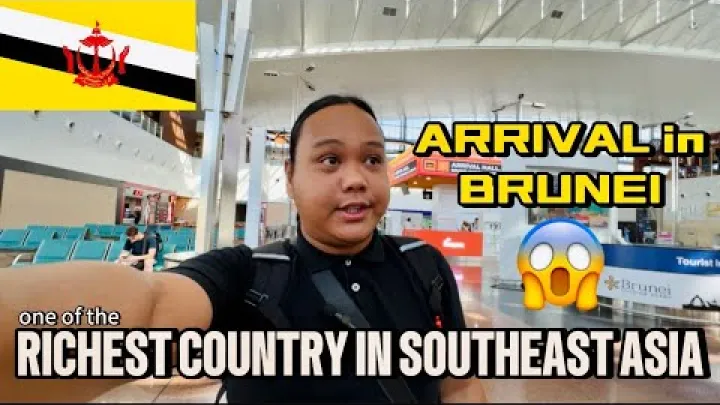
This Bandar Seri Begawan travel guide is designed for first-time visitors who want a clear plan without rushing through Brunei's capital. The city combines a compact riverfront core, royal and Islamic landmarks, a living water settlement, markets, green spaces, and a calm evening atmosphere. You will find practical guidance on where the city is laid out, how to move between its districts, where to stay, what activities cost in relative terms, and how to plan around weather and local customs. Use the one-day and two- or three-day plans at the end to turn these choices into a manageable visit.
What to Know Before Visiting Bandar Seri Begawan
Bandar Seri Begawan rewards visitors who plan by area rather than trying to cover every attraction from one transport stop. The central sights are close enough to combine, while Gadong and Jerudong offer different dining, shopping, and resort experiences within the wider Brunei-Muara District.
The City in Context
Bandar Seri Begawan is the capital of Brunei and the main base for travelers visiting the capital area. Its central visitor zone sits around the Brunei River and includes Omar Ali Saifuddien Mosque, the Royal Regalia Museum, Tamu Kianggeh, the waterfront, Kampong Ayer access points, and Jalan Cator bus terminal. This gives the city a compact cultural core, but the wider urban area extends beyond the places that are convenient to explore on foot.
Expect a quiet and orderly atmosphere rather than a dense, continuously active city center. Government buildings, religious sites, royal heritage, markets, river views, and green spaces shape the visitor experience. Gadong and Jerudong are in the broader Brunei-Muara setting, but they should not be treated as interchangeable downtown neighborhoods. A hotel in one of those areas can work well for food, shopping, or resort time while requiring a separate transport plan for central Bandar Seri Begawan.
How Many Days to Plan
A short stop can cover the essential central sights, but two or three days gives you more time to experience the city at its natural pace. Choose the length of your visit according to what you want from Brunei rather than using a single ideal number for every traveler.
- One day: Focus on the central mosque area, the Royal Regalia Museum, Tamu Kianggeh, the waterfront, and a short Kampong Ayer visit.
- Two days: Add a slower river experience, Gadong for food and shopping, Tasek Lama Recreational Park, or Jame Asr Sultan Hassanal Bolkiah Mosque.
- Three days: Consider Jerudong, a mangrove outing, or an organized excursion beyond the city if transport, weather, and operator arrangements suit your plans.
One day is enough for an informative city stop, especially if you are connecting through Brunei International Airport. A slower cultural visit is better served by two days, while a wider Brunei itinerary needs additional time beyond Bandar Seri Begawan itself. Nature trips and destinations in other parts of Brunei should be counted separately because they are not simply extra downtown attractions.
The Main Areas of Bandar Seri Begawan
The most useful way to understand Bandar Seri Begawan is to divide it into practical visitor zones. This helps you choose a hotel, group attractions efficiently, and avoid assuming that every place labeled as being in the capital is within an easy walk.
Downtown and the Riverfront
The downtown and riverfront area is the best starting point for a first visit. Around this zone, you can combine Omar Ali Saifuddien Mosque, the Royal Regalia Museum, Tamu Kianggeh, the waterfront promenade, Kampong Ayer departure points, and Jalan Cator bus terminal. These landmarks form a useful sightseeing cluster, although the best order depends on opening arrangements, prayer schedules, heat, and rain.
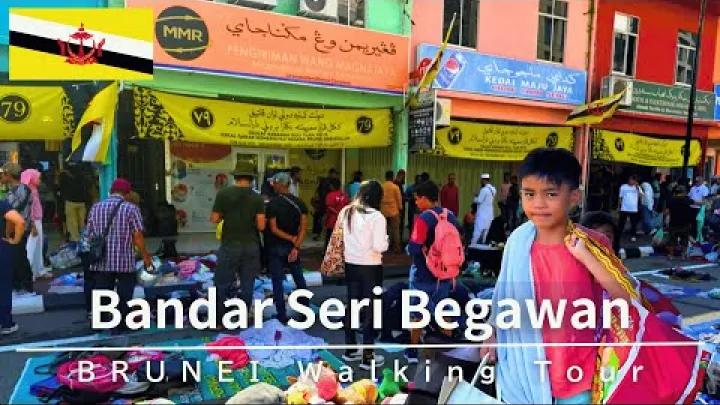
The center often feels most active during the day, when visitors use the museums, markets, offices, transport facilities, and riverfront. Evenings are generally quieter. Walk between nearby sights when the weather is comfortable, but do not assume that every short-looking route will feel easy in tropical heat or heavy rain. A short vehicle transfer may be more comfortable for luggage, older travelers, children, or journeys that continue toward Gadong or Jerudong.
Kampong Ayer and the Brunei River
Kampong Ayer is a living stilted settlement on the Brunei River, not a museum-only attraction. Homes, schools, mosques, services, walkways, and water-taxi connections are part of an active community. The downtown waterfront provides access to boat transport, while the Kampong Ayer Cultural and Tourism Gallery offers an orientation point for visitors who want more context before or after exploring.

Plan to move slowly and respectfully. Wear footwear with a secure sole because walkways may be uneven or wet, and take care near the water. Photograph buildings and views thoughtfully, but ask before photographing residents, children, or private activities. Do not enter a home unless you are clearly invited. The most rewarding visit treats Kampong Ayer as a community where people live, rather than as a staged village designed only for tourists.
Gadong and Jerudong
Gadong is the more practical choice for everyday activity outside the historic center. The Mall Gadong, supermarkets, casual restaurants, cafés, and Gadong Night Market make it useful for travelers who want food and shopping close to their accommodation. It can feel more socially active in the evening than the administrative core, although current business operations and venue hours vary.

Jerudong has a more spread-out, coastal, and resort-oriented character. The Empire Brunei is a major high-end anchor for visitors seeking spacious facilities and a resort stay rather than immediate access to downtown heritage sights. Gadong and Jerudong are nearby parts of the wider capital area, but neither should be planned as a walkable extension of the riverfront. Your choice between them depends on whether your priority is food and shopping, resort comfort, or efficient access to central attractions.
Getting to and Around Bandar Seri Begawan
Transport in Bandar Seri Begawan is manageable when you match the method to the distance and time available. Walking and water taxis work well for selected central and riverfront experiences, while buses, taxis, private transfers, and organized tours become more useful when you have luggage, rain, a tight schedule, or several districts to visit. Routes, hours, fares, and operator availability can change, so use current local information rather than relying on an old travel blog or map.
Arriving Through Brunei International Airport
For air arrivals, Brunei International Airport is the airport to plan around. The simplest choice is often a hotel-arranged transfer, particularly when you arrive late, have substantial luggage, or are staying outside central Bandar Seri Begawan. A taxi or private transfer can be more flexible, while public transport may suit travelers who arrive during a service period and are comfortable allowing extra time.
Do not assume that a taxi, bus, or hotel driver will be immediately available at every hour. Confirm the arrangement with your accommodation before departure, especially for a late-night or early-morning arrival. The Brunei Tourism tourist information centres listing can also help you identify a current information point for maps, visitor advice, and local tour contacts.
- Save the accommodation name, full address, and a local contact number offline.
- Ask whether the quoted transfer includes airport pickup, luggage, waiting time, and any late-hour arrangement.
- Keep a payment method that works for the chosen transfer and ask in advance about the accepted currency or payment process.
- Have a backup plan, such as a taxi or another confirmed transfer contact, if your flight is delayed.
- Keep your arrival details accessible instead of depending only on an internet connection after landing.
Buses, Taxis, and Private Transfers
Local buses are the lower-cost option for travelers who have time and flexibility. The network can help connect the central area with places beyond a comfortable walk, but it may not provide the same predictability as a prearranged vehicle, particularly when you are traveling in the evening or trying to fit several districts into one day. The current JPD public bus route information is the right place to check route maps instead of relying on old route names or screenshots.

Taxis and private transfers cost more but can save time and reduce uncertainty. They are especially practical for an airport arrival, a hotel in Jerudong, a visit to Jame Asr Sultan Hassanal Bolkiah Mosque, a rain-affected day, or a half-day itinerary that crosses several areas. An organized city tour may be worthwhile for a short stopover when the price includes transport and the schedule covers the places you want to see.
| Transport | Best for | Main trade-off |
|---|---|---|
| Walking | Central landmarks | Heat, rain, and limited shade |
| Bus | Lower-cost local travel | Routes and schedules need flexibility |
| Taxi or private transfer | Airport, luggage, outer areas | Higher and variable cost |
| Organized tour | Short visits and grouped sights | Less control over the schedule |
| Water taxi | Kampong Ayer and river travel | Route and fare must be agreed |
Before depending on public transport for a fixed booking, check the latest route coverage and operating hours. For a water taxi or private transfer, agree the destination, route, and price before setting off. This small amount of planning is more useful than treating any single transport method as universally convenient.
Water Taxis and Walking
Water taxis are part of everyday movement around Kampong Ayer and the Brunei River, as well as a practical visitor experience. A short crossing can connect the downtown waterfront with the water settlement, while a longer boat outing may show more of the river or continue toward mangrove areas. These are different experiences, so tell the operator whether you need a simple transfer, a return ride, or a sightseeing trip.
The central core can usually be explored on foot in sections around the mosque, museum, market, waterfront, and selected green spaces. Start early or walk later in the afternoon when possible, and carry water, sun protection, and footwear that remains comfortable on mixed surfaces. Broad roads, heat, sudden rain, and limited shade can make a route feel slower than it looks on a map. When boarding a boat, move carefully, use available handholds, and keep phones and valuables secure.
Best Things to Do in Bandar Seri Begawan
The best things to do in Bandar Seri Begawan combine royal history, Islamic architecture, river life, local food, and short green escapes. You do not need to treat every attraction as a separate expedition: several can be grouped into a central walking day, with water transport or a vehicle added for the places farther out.
Kampong Ayer and River or Mangrove Experiences
Build a Kampong Ayer visit around four elements: a water-taxi crossing, an introduction at the cultural and tourism gallery, respectful exploration of accessible walkways, and views back toward the downtown skyline. Brunei Tourism's Kampong Ayer guide describes the settlement as one of the major water settlements in Southeast Asia, which helps explain why it is central to the identity of a Bandar Seri Begawan visit.
Choose the experience that fits your time. A short crossing is enough to add river transport to a city day. A guided river trip provides more interpretation and may include views of the settlement and surrounding waterways. A longer mangrove outing takes more planning and should be treated as a separate, weather-sensitive activity rather than a guaranteed extension of a downtown boat ride. Boat availability, gallery access, departure arrangements, and prices are best confirmed locally on the day or through a current operator.
Wear secure shoes, protect cameras and phones from spray or rain, and keep your behavior low-key near homes and community facilities. Wildlife sightings are never guaranteed, so value the landscape and local setting even when an outing does not produce a particular animal sighting.
Royal Regalia Museum and the Major Mosques
The Royal Regalia Museum is the main downtown stop for royal ceremony, regalia, diplomatic gifts, and national presentation. The Brunei Tourism Royal Regalia Museum guide describes displays connected with the Sultan's royal regalia and jubilee celebrations. Allow enough time to read the exhibits rather than treating the museum only as a short stop between photographs.
Omar Ali Saifuddien Mosque is the central architectural landmark in the riverfront area. Jame Asr Sultan Hassanal Bolkiah Mosque is another major mosque visit, but it sits outside the immediate downtown cluster and normally requires a separate transfer. The two sites can be appreciated as part of the same cultural itinerary, while their location and visitor arrangements should be considered separately.
Access to mosque interiors depends on prayer schedules and the rules at each site. Wear modest clothing, remove shoes where instructed, keep your voice low, and use any visitor route, robe, or head covering provided by the site rather than assuming the arrangements are identical everywhere. Check current visiting hours, Friday or prayer-time closures, interior access, and photography rules before setting out. Non-Muslim visitors should never assume that interior access is guaranteed.
Markets, Food, Parks, and Quiet Evenings
Tamu Kianggeh is a useful central market stop and fits naturally into a downtown walking route. Gadong Night Market offers a busier evening food setting and gives you a reason to visit the commercial area after the central sights have quietened. Stall selection, opening patterns, and atmosphere can change, so approach both as places to explore rather than as fixed menus with guaranteed vendors.
Tasek Lama Recreational Park provides a nearby green-space option for travelers who want a short rainforest or waterfall experience without committing to a distant excursion. Wear shoes suited to damp or uneven ground and choose a route appropriate to your time and fitness. Evenings in the capital are generally low-key. Plan around markets, local food, cafés, hotel dining, a walk, or river views rather than expecting conventional nightlife or a dense late-night entertainment district.
Where to Stay and How to Budget
There is no single best area to stay in Bandar Seri Begawan. Central accommodation prioritizes heritage sightseeing and Kampong Ayer access, Gadong prioritizes food and commercial convenience, and Jerudong prioritizes space and resort facilities. Your room rate is only one part of the decision: the cost and availability of transport can change the practical value of a cheaper or more distant hotel.
Central Bandar Seri Begawan: Best for First-Time Sightseeing
Choose central Bandar Seri Begawan if you want to walk to the Royal Regalia Museum, Omar Ali Saifuddien Mosque, Tamu Kianggeh, the waterfront, and the main bus terminal. This is the most efficient base for a short stopover because you can begin sightseeing without arranging a vehicle for every central attraction. It also makes a Kampong Ayer visit easier to fit around the rest of the day.
The trade-off is atmosphere. The center may feel institutional and quiet after daytime activity decreases. That is useful for travelers who prefer a calm base, but less suitable if your main priority is a busy evening dining and shopping scene. From central accommodation, plan a taxi, bus, or private transfer when your itinerary extends to Gadong, Jerudong, or other outlying areas.
Gadong: Best for Food, Shopping, and Everyday Activity
Gadong is a strong base for travelers who value shopping centers, supermarkets, casual restaurants, cafés, and evening food. Staying near The Mall Gadong or the Gadong Night Market can make everyday meals and supplies simple, and the area may feel more active after dark than the downtown core.
Gadong is less convenient for a schedule built around repeated walks to the riverfront, mosque area, or Royal Regalia Museum. It can still work well if you plan central sightseeing on one or two grouped days and use a vehicle for those transfers. Choose it because its food and commercial setting match your priorities, not because it is universally better than staying downtown.
Jerudong: Best for a Resort-Style Stay
Jerudong suits travelers who want a quieter, more spacious, coastal or resort-oriented setting. The Empire Brunei is the principal high-end anchor in this area, but the wider reason to choose Jerudong is the resort experience rather than immediate access to central heritage attractions.
A Jerudong stay works best when you have enough time to enjoy the property and do not mind planning city sightseeing in advance. Trips to central Bandar Seri Begawan can add transfer time and cost, especially when you are trying to reach several downtown stops in one day. Check current facilities, access arrangements, room rates, and transport options before choosing a resort as your only base.
Accommodation Tiers and Daily Spending
Accommodation ranges from simple dormitory or hostel-style options to mid-range hotels, serviced apartments, and luxury resorts. Instead of relying on one destination-wide daily average, build a budget around the way you will actually travel. A solo visitor in a dormitory who uses buses has a different cost pattern from a couple sharing a mid-range room, while a family or short-stopover traveler may value private transfers more than the lowest room rate.
Separate your expected spending into accommodation, food, local transport, water or river activities, entrance fees, and optional private tours. Local meals and simple market visits may keep food spending controlled, while a private vehicle, resort room, or longer boat trip can change the total quickly. Ask what is included in a hotel, transfer, or tour quote, particularly when comparing airport pickup, guide services, return transport, and boat time.
| Budget level | Typical approach | Main cost to watch |
|---|---|---|
| Lower cost | Simple room or dormitory, local food, buses | Extra time for transport |
| Mid-range | Central or Gadong hotel, mixed transport | Transfers between areas |
| Comfort-focused | Serviced apartment or quality hotel, taxis | Private transport and activities |
| Luxury | Resort stay, private transfers, guided outings | Room rates and organized excursions |
Room rates, tours, and transfers are live costs rather than permanent destination facts. Compare current accommodation listings and operator quotes, then keep a buffer for private transport and weather-related changes. This is more reliable than choosing a daily figure that ignores your base area, travel party, or activity level.
When to Visit and How to Handle the Weather
Weather affects the comfort and order of a Bandar Seri Begawan itinerary more than the number of attractions does. A good plan combines indoor and outdoor stops, leaves room for changing conditions, and avoids treating any calendar period as a guarantee of clear weather.
Tropical Heat, Rain, and Daily Timing
Bandar Seri Begawan is warm and humid throughout the year, and rain can interrupt boat trips, park walks, waterfront time, and open-air markets. Plan the most exposed activities for the morning or later afternoon when possible. Use indoor attractions such as the Royal Regalia Museum during the hottest part of the day, and avoid packing every outdoor stop into one fixed sequence.
Bring breathable clothing, drinking water, sun protection, and lightweight rain gear. A small dry bag or waterproof cover is useful for phones and documents during river travel. Check a current local forecast before booking or setting out for a boat trip, park visit, or other outdoor activity, and keep a nearby indoor alternative available if conditions change.
Best Travel Window and Ramadan Considerations
January to May is a provisional planning window often presented as generally favorable for visiting Brunei, but it should not be treated as a promise of dry weather or comfortable conditions every day. Bandar Seri Begawan remains a year-round destination for travelers who can work with flexible plans. Choose dates according to your priorities: more predictable outdoor planning, a cultural interest in Ramadan, or the ability to adapt when schedules change.
Ramadan follows the Islamic lunar calendar, so its dates move each year. During Ramadan, daytime dining and drinking in public may require greater awareness, and some restaurants, attractions, tourist information services, or businesses may use different hours. Evening activity may begin later, while mosque areas can be especially important places of worship. Visitors should eat and drink discreetly where appropriate, dress respectfully, and confirm current operating arrangements when Ramadan overlaps their trip.
Safety, Laws, and Cultural Etiquette
Most first-time visitors can enjoy Bandar Seri Begawan with ordinary travel precautions and a respectful approach to local customs. The practical issues are not only personal security: visitors also need to understand mosque etiquette, photography boundaries, public conduct, transport arrangements, and rules that may differ from those at home.
Personal Safety and Health Preparation
Brunei is generally considered a low-risk destination for ordinary visitors, but that does not mean the city is crime-free or that normal precautions are unnecessary. Keep valuables secure, avoid leaving bags visible in vehicles, use care around unfamiliar areas after dark, and make sure your accommodation details are accessible. The U.S. Department of State Brunei travel advisory notes that basic emergency medical care is available, while response times may be limited in some situations.
Travel insurance is useful for medical treatment, cancellations, and activity-related problems, especially if your itinerary includes boat trips or travel beyond the capital. Save current official emergency numbers before departure, and keep your accommodation contact, embassy or consular details, insurance information, and relevant medical information together. Outside the urban area, services may be slower or more limited, so do not assume that every excursion has the same access to care as the capital.
Dress, Mosques, and Public Conduct
Modest clothing is a practical choice in mosques, government areas, markets, museums, and other public settings. Visitors do not need to imitate local dress exactly, but shoulders and knees covered with loose, comfortable clothing make it easier to enter religious or formal spaces respectfully. Carry a light layer or scarf if it helps you meet the rules of a particular site.
At a mosque, follow the designated visitor route, remove shoes where instructed, keep quiet, and ask before taking photographs of people. Do not block worshippers or treat prayer areas as photo sets. Friday prayers can affect access and activity around mosques, while Ramadan can change public routines. Around Kampong Ayer, remember that homes and walkways are part of a living community; ask permission for personal photographs and respect signs, private areas, and invitations.
Public displays of affection should be restrained, and behavior that is harmless in a private tourist setting may be inappropriate in a religious or community space. Courtesy is not only a legal concern. It also makes conversations, market visits, museum experiences, and time in Kampong Ayer more comfortable for both visitors and residents.
Alcohol, Smoking, Photography, and Legal Boundaries
Alcohol, smoking, photography, public behavior, drugs, and access to restricted infrastructure are subject to rules that may differ from those in neighboring destinations. Do not assume that a practice permitted at home, in an airport, or at a hotel is acceptable in a mosque, market, government building, transport facility, or public area in Brunei.
Follow posted instructions and staff directions at museums, mosques, government buildings, bridges, airports, and security-sensitive locations. Ask before photographing people, private homes, official facilities, or ceremonies. Drug offenses and other legal violations can have serious consequences, so avoid carrying anything whose status you do not understand.
Before departure, review current official Brunei conduct guidance and any applicable travel advisory. Pay particular attention to alcohol, smoking, photography, dress, public conduct, and restricted sites. Distinguish a legal requirement from a matter of social courtesy, but follow both: the first protects you from legal problems, and the second helps you travel respectfully.
Sample First-Time Itineraries
These itineraries are frameworks rather than fixed schedules. They group places by area, leave space for meals and rest, and allow for prayer schedules, weather, transport, and the time you actually want to spend inside each attraction.
A One-Day City-Centre Plan
Begin in the central mosque area and see Omar Ali Saifuddien Mosque from the appropriate visitor areas. Continue to the Royal Regalia Museum while you are already downtown, then stop at Tamu Kianggeh if its current operating pattern fits your route. Use the waterfront as the transition to Kampong Ayer rather than crossing the city for each individual stop.
Take a water taxi or arranged boat transfer for a short Kampong Ayer visit, adding the cultural and tourism gallery if it is open and suits your timing. Return to the waterfront for river views, a meal, or a quiet walk. If a mosque or museum is unavailable, use the waterfront, market, or an additional indoor stop as the flexible part of the day. A one-day visitor should prioritize the Royal Regalia Museum, the central mosque area, and Kampong Ayer, while treating longer river trips and outlying districts as optional.
A Two- or Three-Day Plan
On the second day, slow down the river experience or choose between Gadong, Tasek Lama Recreational Park, and Jame Asr Sultan Hassanal Bolkiah Mosque. Gadong works well for food, shopping, and the night market, while Tasek Lama adds green space closer to the capital. If you want more religious architecture, plan the second mosque as a separate transfer and allow for its visitor arrangements.
A third day can be used for Jerudong, a longer mangrove outing, or a wider Brunei excursion. These options should be chosen only when the current operator, transport, and weather logistics fit your schedule. Independent travelers can arrange the day around one main area, while visitors with limited time may prefer a half-day or full-day private tour that groups distant stops. A central hotel makes the first day efficient; a Gadong base may make the commercial evening easier; a Jerudong base is most efficient when resort time is part of the goal.
Final Planning Checklist
- Choose central Bandar Seri Begawan for efficient first-time sightseeing, Gadong for food and shopping, or Jerudong for a resort-style stay.
- Group the mosque area, Royal Regalia Museum, Tamu Kianggeh, waterfront, and Kampong Ayer into one central itinerary where possible.
- Save your accommodation address and arrange an airport transfer before a late-night or early-morning arrival.
- Use current JPD route information if you plan to travel by bus, and allow flexibility for journeys outside the central walking area.
- Agree the destination and fare before a longer water-taxi or private-transfer journey.
- Pack modest clothing, comfortable shoes, water, sun protection, and lightweight rain protection.
- Keep indoor alternatives available for boat trips, park walks, and markets affected by rain.
- Review current mosque access, Ramadan arrangements, legal guidance, and emergency information before departure.
- Compare live accommodation, tour, and transfer prices, and keep a budget buffer for private transport.
With a central base, a flexible transport plan, and respect for religious and community spaces, Bandar Seri Begawan is easy to approach as a first visit to Brunei. Keep the core day focused, add Gadong or Jerudong according to your interests, and allow the river, weather, and local pace to shape the experience.
Select area
Create a post
Posting is free and no registration is required.