Bien Hoa Travel Guide: Practical Tips for a First-Time Visit
![Preview image for the video "[MYO] Under the Blazing Sun of Đồng Nai | Exploring Văn MiếuTrấn Biên".](/sites/default/files/styles/media_720x405/public/oembed_thumbnails/2026-07/yAx5_JXWIvwnvb7NxUTvlfXpC1EaIMUKsjqjQbWKv6g.jpg.webp?itok=706qznUT "Preview image for the video \"[MYO] Under the Blazing Sun of Đồng Nai | Exploring Văn MiếuTrấn Biên\".")
This Bien Hoa travel guide is for travelers who want a realistic, practical look at a less touristed city near Ho Chi Minh City. Bien Hoa is not a polished beach resort or a classic old-town destination, but it can be rewarding if you enjoy local urban life, family leisure attractions, cultural stops, and access to wider Dong Nai Province. The main challenge is planning around transport, heat, rain, and spread-out attractions. This guide explains when to go, how to get there, where to stay, what to do, and what to check before you travel.
Quick Overview of Bien Hoa
What to Expect From Bien Hoa
Bien Hoa is best understood as a lived-in regional hub rather than a city designed mainly for international tourism. You will find busy roads, local cafes, shopping centers, temples, lakeside leisure spaces, business hotels, industrial corridors, and family-oriented attractions. The experience is more local and practical than scenic or resort-like.
For first-time visitors, the most important expectation is that Bien Hoa is not arranged around one compact tourist quarter. Attractions such as Buu Long Tourist Area, Tran Bien Temple of Literature, Dong Nai Museum, and The Amazing Bay are not all clustered within an easy walking circuit. A good visit depends on choosing a sensible base and arranging taxis, ride-hailing, hotel transport, or a private car when needed.
Bien Hoa can be interesting because it shows another side of southern Vietnam beyond central Ho Chi Minh City. It works best when you approach it with a flexible plan, not a checklist of must-see landmarks.
Who Should Visit Bien Hoa
Bien Hoa is a good choice for travelers who have already seen the main sights of Ho Chi Minh City and want a different day trip or short overnight stay. It can also suit repeat visitors to southern Vietnam, families interested in water parks and relaxed leisure spaces, business travelers with free time, or people visiting friends and relatives in Dong Nai Province.
If you have only a few days in Vietnam, Bien Hoa may not be the strongest first stop unless you have a specific reason to visit. Classic first-time routes usually prioritize Ho Chi Minh City, Hanoi, Hoi An, Hue, the Mekong Delta, or Vietnam's coast. However, if you are based in Ho Chi Minh City for longer, Bien Hoa can add useful contrast.
A day trip is enough for one main attraction and one smaller stop. An overnight stay gives you more breathing room and avoids returning through traffic after a long day. Two or three days make sense if you want to use Bien Hoa as a base for Dong Nai attractions or a slower local experience.
Where Bien Hoa Fits in Southern Vietnam
Bien Hoa sits in Dong Nai Province, northeast of Ho Chi Minh City, and is often reached through Vietnam's largest southern gateway. For broader trip planning, the official tourism website Visit Vietnam is useful for understanding how southern Vietnam fits into a national itinerary.
Bien Hoa, Dong Nai, and Ho Chi Minh City
For most international visitors, the route to Bien Hoa begins at Tan Son Nhat International Airport or in Ho Chi Minh City. From there, the route toward Bien Hoa may involve urban traffic, major roads such as Hanoi Highway, and connections toward National Highway 1 or other regional routes depending on your destination.
Bien Hoa is closely connected to Ho Chi Minh City in practical travel terms, but it feels different. Ho Chi Minh City has more international hotels, tour desks, English-language services, nightlife, museums, and visitor infrastructure. Bien Hoa has a more local and industrial character, with scattered cultural, leisure, and family attractions along the Dong Nai River and surrounding urban areas.
Travel sources may describe Bien Hoa as a city, a provincial hub, or a local area depending on the context and date of publication. For travelers, the key point is not the administrative label. The key point is that you are planning a trip into Dong Nai Province, close enough to Ho Chi Minh City for a day trip, but spread out enough to require careful local transport planning.
Best Base Choices for Different Trips
Your base should match your reason for visiting. Staying in the wrong area can add unnecessary road time, especially during heat, rain, or busy traffic periods.
| Base | Best for | Main trade-off |
|---|---|---|
| Ho Chi Minh City | Simple day trips, airport access, first-time Vietnam services | Longer travel to Bien Hoa attractions |
| Central Bien Hoa | Overnight stays, cafes, taxis, local sightseeing, practical Dong Nai base | Less international tourism infrastructure |
| Nature-focused areas in Dong Nai | Forest trips, reserves, multi-day outdoor plans | Transport access can be limited and must be planned |
Choose Ho Chi Minh City if you mainly want convenience and a single Bien Hoa outing. Choose central Bien Hoa if you want early starts, quieter evenings, or a practical base for local attractions. Choose rural or nature-area accommodation only when the trip is specifically focused on reserves or outdoor experiences, and confirm road access and return transport before booking.
Best Time to Visit Bien Hoa
Dry Season, Rainy Season, and Heat
Bien Hoa has a hot, humid southern Vietnam climate. Climate summaries for the city show warm average conditions and substantial annual rainfall; Climate-Data.org lists an average annual temperature of about 26.9 degrees Celsius and high yearly precipitation. In practical travel terms, the drier months are generally easier for outdoor sightseeing.
The drier season is commonly considered to run from around November to April. This is usually the better period for Buu Long Tourist Area, temple visits, walking between nearby stops, and outdoor photos. The wetter season, generally from around May to October, is still possible for travel, but heavy showers can affect roads, comfort, and plans that depend on open-air spaces.
| Season | Typical travel experience | Planning tip |
|---|---|---|
| November to April | Drier and generally easier for outdoor plans | Book popular leisure stops early during holidays |
| May to October | More rain and possible heavy showers | Keep flexible indoor options and avoid tight transfers |
| Year-round | Heat and humidity can affect comfort | Plan outdoor time for morning or late afternoon |
How to Plan Your Day Around the Weather
Start outdoor activities early when possible. Morning is often more comfortable for lake areas, temple grounds, local markets, and any walking. Late afternoon can also be pleasant, especially if you are visiting a riverside or open-air area, but check closing times before delaying a visit.
Use midday for cafes, malls, museums, hotel breaks, or air-conditioned restaurants. Vincom Plaza Bien Hoa can be useful as a practical indoor stop if it fits your route and current operating details. Dong Nai Museum is another possible weather-flexible stop for travelers interested in local history.
Carry water, sun protection, and light rain gear. If you use motorbike taxis, a sudden shower can make travel uncomfortable quickly. Water parks such as The Amazing Bay can be enjoyable in warm weather, but heavy storms may affect comfort, ride availability, and operations, so check same-day conditions before going.
How to Get to and Around Bien Hoa
From Ho Chi Minh City and Tan Son Nhat Airport
For most international visitors, the route to Bien Hoa begins at Tan Son Nhat International Airport or in Ho Chi Minh City. From the airport, common choices include private car, taxi, ride-hailing service, train after transferring to a station, or bus after reaching a suitable departure point.
Private cars and taxis are usually the simplest choices when you have luggage, children, or a late arrival. Ride-hailing can be convenient if available and if the app clearly shows the destination and fare estimate. Trains can be useful for travelers who prefer rail travel and can reach the right station. Buses may be cheaper, but they can be less straightforward for first-time visitors who do not read Vietnamese or who are unfamiliar with local stops.
Travel time can vary significantly with traffic, rain, roadworks, and your exact start and end points. Avoid tight onward connections, especially if you are heading to a hotel check-in, an attraction with fixed opening hours, or a same-day return to Ho Chi Minh City.
Train, Bus, Private Car, and Ride-Hailing Options
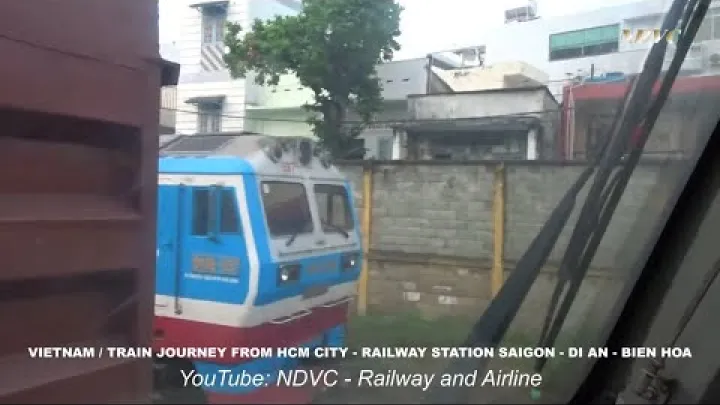
Bien Hoa Station and Bien Hoa Bus Station are useful local anchors when planning public transport, but current schedules, fares, and stopping points should be checked close to travel. Aggregators such as CheckMyBus can show bus availability between Ho Chi Minh City and Bien Hoa, but listings may change and may not include every local option.
| Mode | Best use | What to check |
|---|---|---|
| Private car | Families, luggage, direct hotel transfers | Total fare, pickup point, waiting time |
| Taxi or ride-hailing | Flexible city-to-city or local trips | App availability, destination name, traffic |
| Train | Travelers comfortable with station transfers | Current timetable and station access |
| Bus | Budget travelers with flexible time | Route, departure point, arrival point, fare |
If comfort and simplicity matter, arrange direct transport. If budget matters more, compare buses and trains, but keep extra time for reaching stations, finding the correct vehicle, and navigating on arrival.
Local Transport, Traffic, and Motorbike Caution
Within Bien Hoa, most visitors rely on taxis, ride-hailing, local buses, hotel-arranged transport, or motorbikes. Walking can work for short distances near your hotel, but it is not a realistic way to cover the main attractions across the wider city.
Ride-hailing and taxis are the easiest options for most first-time visitors. Save destination names in Vietnamese, keep the address on your phone, and ask hotel staff to help confirm the correct pickup point. Translation apps are useful because English may be less widely used than in central Ho Chi Minh City.
Motorbike rental should be considered only by confident, legally compliant riders who understand Vietnamese traffic conditions. Roads can be busy, and heavy rain can make riding less comfortable and less safe. If you are unsure, use a car, taxi, or arranged driver instead.
Where to Stay and What It Costs
Best Areas to Stay
Bien Hoa does not have one obvious international tourist district. Choose accommodation based on your planned activities, road access, and how easily you can find taxis or ride-hailing services. A hotel that looks close on a map may still be inconvenient if road connections are poor or traffic is heavy.
For first-time visitors, central or well-connected hotel areas are usually the safest choice. They give easier access to restaurants, cafes, shopping, taxis, and onward transfers. This is especially helpful if you arrive late from Ho Chi Minh City or plan to return to Tan Son Nhat International Airport.
Staying closer to Buu Long Tourist Area, The Amazing Bay, or routes toward nature areas can make sense for specific itineraries. The trade-off is that you may be farther from general services, evening dining, or transport options. Before booking, check the exact map location, recent guest comments about transport, and whether the hotel can help arrange cars.
Hotel Styles and Booking Expectations
The lodging mix in Bien Hoa includes budget guesthouses, mid-range hotels, business-oriented properties, and some resort-style or leisure-focused options. Travel platforms such as Expedia list examples including The Mira Central Park Hotel and Aurora Hotel Plaza, but platform listings should be treated as starting points rather than definitive rankings.
When comparing hotels, focus on practical details: air conditioning, cleanliness, recent reviews, location, breakfast, parking, English-language support, and help with transport. These factors matter more in Bien Hoa than being near a famous nightlife street or backpacker area.
Book ahead during Vietnamese public holidays, school holiday periods, major family travel weekends, or when visiting for an event. If you are planning a water-park trip or a family weekend, confirm check-in time, room size, and whether the hotel can arrange a vehicle to your main attraction.
Daily Budget, Food, and Local Prices
Bien Hoa can be affordable by international standards, especially if you eat local meals and use short local rides. However, total costs vary widely by hotel category, transport style, holiday timing, exchange rate, and booking platform fees. Avoid planning around exact prices unless you have checked current listings and fares.
Budget travelers will spend mainly on simple accommodation, local meals, and public or shared transport where practical. Mid-range travelers should budget more for comfortable hotels, taxis or ride-hailing, cafes, and paid attractions. Families should pay special attention to transport, attraction tickets, meals, and the cost of keeping plans flexible in wet weather.
Carry some cash for small vendors, local food stops, parking, and smaller shops. Cards or digital payments may be accepted in larger hotels, malls, and some restaurants, but cash remains useful in everyday situations.
Best Things to Do in Bien Hoa
The best things to do in Bien Hoa combine outdoor leisure, local culture, and everyday city experiences. Do not try to see everything in one day. Choose one main attraction, then add a nearby cultural stop, cafe, or indoor break.
Buu Long Tourist Area
Buu Long Tourist Area is one of Bien Hoa's strongest visitor anchors because it combines lake scenery, temples, landscaped leisure spaces, and photo-friendly views. It is often the most natural first choice for travelers who want an easy introduction to the city beyond roads and shopping centers.
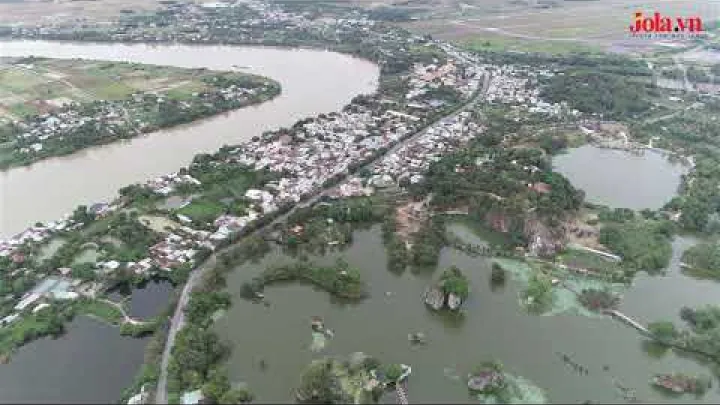
Plan Buu Long as a half-day visit rather than a quick stop. The experience is better when you have time to walk, rest, take photos, and avoid rushing back through traffic. Drier weather usually makes the visit more comfortable, especially if you want outdoor views and lakeside areas.
Before going, check current opening days, entrance fees, and transport options. If you are coming from Ho Chi Minh City, avoid packing too many other attractions into the same day because the return journey can take longer than expected.
Tran Bien Temple of Literature and Dong Nai Museum
Tran Bien Temple of Literature is a key cultural and historical stop in Bien Hoa. Travel descriptions such as Asia King Travel present it as an important local heritage site, but visitors should still check current access and opening details before building a schedule around it.
Pairing the temple with Dong Nai Museum creates a useful cultural mini-itinerary. The temple gives a quieter setting connected with education, history, and respect for learning, while the museum can help visitors understand more about the province and its regional identity.
Dress modestly for temple spaces, speak quietly where appropriate, and follow posted rules. Ask before photographing ceremonies, religious activity, or people. If you are visiting during heat or rain, put the museum or a nearby cafe in the middle of the day and leave temple grounds for a more comfortable time.
The Amazing Bay and Family-Friendly Leisure
The Amazing Bay, associated with the Son Tien area, is a major modern water-park and leisure option near Bien Hoa. It is best for families, groups, and travelers who want a full recreational day rather than a cultural sightseeing route.
This type of attraction needs different planning from a temple or museum visit. Check current ticket prices, opening hours, ride availability, locker rules, swimwear requirements, food policies, and weather before leaving your hotel. If you are traveling with children, plan transport both ways in advance and avoid relying on last-minute return options late in the day.
Choose The Amazing Bay if your priority is a fun, active day. Choose Buu Long or cultural stops if you prefer scenery, local history, and a slower pace. Trying to combine both into a single day can be tiring unless you have private transport and a very early start.
Pottery, Cafes, Shopping, and Everyday Local Life
Bien Hoa also rewards lower-key exploration. Cafes, shopping centers, local food stops, and everyday neighborhoods can give visitors a better sense of daily life than a strict attraction list. These stops are especially useful during rain, midday heat, or gaps between transport times.
Vincom Plaza Bien Hoa can work as an air-conditioned break if it fits your route. Cafes are useful places to rest, cool down, and adjust your plan. Local food can be affordable and satisfying, but choose busy places, check cleanliness, and use translation tools if menus are not in English.
Bien Hoa and the surrounding area are sometimes associated with pottery and ceramics traditions, but casual workshop access can vary. Do not assume every craft site welcomes walk-in visitors. Ask hotel staff, local contacts, or a guide for current recommendations, and ask permission before photographing artisans, tools, or workshop activity.
Nature Trips and Short Itineraries
Dong Nai Nature Areas Near Bien Hoa
Bien Hoa can work as a staging point for wider Dong Nai nature experiences, but many natural areas are outside the city center. Dong Nai Culture and Nature Reserve and Cat Tien National Park are broader regional options, not walkable Bien Hoa sights.
Before committing to a nature trip, check distance, access, opening rules, permits, guide requirements, road conditions, and return transport. This is especially important during the rainy season, when roads and outdoor activities may be affected. Travelers without Vietnamese language skills or motorbike confidence should consider guided or pre-arranged transport.
If nature is the main purpose of your trip, decide whether central Bien Hoa is the right base or whether accommodation closer to the nature area is more practical. For a casual first visit, it may be better to keep nature plans simple and focus on one well-arranged excursion rather than several distant sites.
One-Day Trip From Ho Chi Minh City
A realistic day trip from Ho Chi Minh City should have one main goal. Leave early, allow extra time for traffic, and avoid planning a late-night return if you are not sure about transport. Bring water, sun protection, and a backup indoor stop in case of rain.
For a scenery and culture version, start early for Buu Long Tourist Area, then add Tran Bien Temple of Literature or a cafe stop if time and energy allow. Return before late evening unless you have a confirmed car or comfortable transport plan.
For a family leisure version, treat The Amazing Bay as the main event. Do not add too many extra stops. A water park can take most of the day once you include transport, entry, changing, meals, rest breaks, and the return journey.
Two- or Three-Day Bien Hoa Base Plan
With one overnight stay, use the arrival day for check-in, a local meal, a cafe, and a simple orientation walk near your hotel. Avoid scheduling an attraction immediately after a long airport or Ho Chi Minh City transfer unless your arrival is early and smooth.
Use the full day for your main attraction. Choose Buu Long Tourist Area plus a cultural stop, or choose The Amazing Bay as a full-day leisure plan. Keep midday flexible for heat, rain, or a hotel break. In the evening, stay close to your hotel unless you have a reliable transport option.
On a third day, add Dong Nai Museum, shopping, cafes, or a pre-arranged nature extension. Group nearby activities rather than crossing the city repeatedly. Business travelers can adapt this plan by using free half-days for one nearby cultural stop or a relaxed dinner rather than trying to complete a full sightseeing route.
Safety, Entry Rules, and Practical Planning Checks
Visas, Advisories, and Current Formalities
Bien Hoa is not where most international visitors complete arrival formalities. Entry checks usually happen at airports, land borders, or seaports before you reach the city. If you fly into Tan Son Nhat International Airport, your Vietnam entry requirements must be handled before or during arrival there, not later in Bien Hoa.
Visa rules, passport validity requirements, entry and exit procedures, and health or declaration rules can vary by nationality and can change. Check official government or embassy guidance close to travel. The U.S. Embassy in Vietnam provides entry and exit information for U.S. citizens, and travelers from other countries should consult their own official sources as well.
Also check current travel advisories, especially for road safety, local regulations, and administrative changes. Keep digital and printed copies of your passport information, visa approval or e-visa details where applicable, hotel address, and emergency contacts.
Road Safety, Weather Disruptions, and Restricted Areas
Road safety is one of the main practical concerns in Bien Hoa. Visitors may use taxis, ride-hailing vehicles, buses, or motorbikes in mixed urban traffic. Wear seat belts when available, use helmets on motorbikes, avoid rushing transfers, and do not assume that short map distances mean short travel times.
Heavy rain can reduce visibility, slow traffic, flood low areas, and make motorbike travel uncomfortable. If storms are forecast, move outdoor plans earlier, choose indoor alternatives, or use car transport instead of a motorbike.
Bien Hoa Air Base should not be treated as a tourist attraction. Research available through PMC discusses contamination history at the airbase, but travelers do not need to investigate the site themselves. Avoid restricted military, remediation, or environmentally sensitive areas, follow local signs, and respect official rules.
Responsible Travel and Local Etiquette
Bien Hoa is a working local city, so respectful behavior matters. Dress modestly at temples and heritage spaces, keep noise low where people are praying or studying, and follow posted instructions. At museums and cultural sites, do not touch displays unless clearly allowed.
In nature areas, reduce waste, stay on marked paths, avoid disturbing wildlife, and follow park or reserve rules. If you arrange a craft or pottery-related visit, ask before entering work areas or photographing people, tools, products, or religious objects.
Simple Vietnamese phrases, patience, and respectful curiosity can improve your trip. Not every place will have English-language signs or tourist-style service, so a flexible attitude is part of the experience.
Final Thoughts on Planning a Bien Hoa Trip
Bien Hoa is worth visiting when you want a practical, local, and less conventional side of southern Vietnam. It is strongest as a day trip from Ho Chi Minh City, an overnight stop, a family leisure base, or a gateway to selected Dong Nai experiences.
Plan around transport, weather, and location before you book. Choose one main attraction per day, keep indoor options for heat or rain, and confirm current hours, fares, and access details before setting out. With realistic expectations, Bien Hoa can add useful depth to a southern Vietnam itinerary without trying to compete with the country's major tourist centers.
Select area
Create a post
Posting is free and no registration is required.