Can Tho Travel Guide: Where to Stay and What to See
![Preview image for the video "[MYO] Step Back 100 Years at Binh Thuy Ancient House | Can Tho Travel".](/sites/default/files/styles/media_720x405/public/oembed_thumbnails/2026-07/rWag1YqKNrz9PBn3bBNdq8N-MHPe5mcsgVSSWSpUQA8.jpg.webp?itok=2syvNNax "Preview image for the video \"[MYO] Step Back 100 Years at Binh Thuy Ancient House | Can Tho Travel\".")
Can Tho is one of the most practical places to experience Vietnam's Mekong Delta without giving up the convenience of a full-service city. It combines the Hau River and early-morning boat trips with hotels, restaurants, markets, heritage sites, and road connections to Ho Chi Minh City. This Can Tho travel guide explains where to base yourself, how to reach the city, what to see beyond Cai Rang Floating Market, and how to build a realistic trip. It is designed for first-time visitors who want both river life and enough time to enjoy the city at a comfortable pace.
Start With Can Tho's Role in the Mekong Delta
Can Tho is a useful hub for travelers who want a Mekong Delta stay rather than a fast day trip from Ho Chi Minh City. The city has the services and transport links that make planning easier, while waterways, orchards, and smaller communities lie within reach of its urban center.
Why Can Tho Works as a Delta Base
In southern Vietnam, Can Tho functions as a regional city with accommodation choices, restaurants, transport providers, and access to river-based excursions. That combination makes it easier to take an early boat trip, return for a rest during the heat, and continue with a heritage visit or a meal in the evening. It is especially suitable for travelers who do not want every part of their Mekong Delta experience arranged as a long excursion from Ho Chi Minh City.
Set expectations carefully. Can Tho is not a small rural settlement surrounded only by canals. It is a working city with busy roads, commercial streets, local markets, and a developed riverfront. Its appeal comes from the contrast: urban convenience sits close to the Hau River, agricultural landscapes, orchards, and water routes. The national Visit Vietnam website is a useful starting point for placing a Can Tho stay within a wider Vietnam itinerary.
What the City Experience Is Like
Ninh Kieu Wharf is the easiest place to understand the city rhythm. Around the riverfront, visitors can walk beside the Hau River, find cafes and restaurants, and arrange or join early boat departures. Nearby streets feel distinctly urban, while the waterways visited on excursions can feel much quieter. This is a destination where the most memorable activity may begin before sunrise, but the rest of the day often moves slowly.
A balanced day commonly starts with a river excursion, followed by breakfast and a break at the hotel during the warmest hours. Later, you can visit a temple, a market, or a heritage site, then return to the riverfront for an evening walk and meal. This pattern is more enjoyable than trying to turn Can Tho into a checklist of distant stops.
How Long to Stay
One night can work if your priority is a dawn trip to Cai Rang Floating Market and you have well-timed onward transport. It is a compact introduction, not a complete Mekong Delta stay. You will have limited time for Binh Thuy, rural attractions, food exploration, or a relaxed evening by the river.
Two nights is a better default for most first-time visitors. It allows one morning for the floating market and river routes, then another day for heritage, orchards, or a slower city visit. Choose three nights if you are traveling with children, prefer unhurried mornings, want a rural property, or use Can Tho as a base for broader delta exploration. The simple decision rule is this: stay one night for a focused market visit, and two or more nights if you want to understand the city and its surrounding landscape.
Choose the Best Time to Visit Can Tho
Can Tho is warm throughout the year. The more important planning question is how rain, humidity, heat, holidays, and river conditions will affect the way you move around and how much flexibility you need.
Understand Can Tho's Warm, Wet-and-Dry Climate
Can Tho has a tropical climate with a broadly drier period and a rainier period. Temperatures stay high in every season, so comfortable travel depends less on finding cool weather and more on managing sun, humidity, and rainfall. Climate averages published by Climate to Travel indicate consistently warm conditions across the year; averages are useful for general planning but cannot predict the weather on a specific day.
For travelers, this means early starts are valuable in any month. Morning is usually the best time for boat trips, walking, and market visits, before stronger heat and possible afternoon rain. Pack light, breathable clothing, comfortable footwear that can handle wet surfaces, and an extra layer only if you tend to feel cold in air-conditioned vehicles or hotels.
Dry-Season Advantages and Holiday Demand
The drier part of the year is often convenient for a first visit because outdoor plans, road transfers, and walks around Ninh Kieu can feel more predictable. It can be a good choice for travelers with a short schedule or a strong preference for being outdoors. However, drier conditions do not remove the need for sun protection, drinking water, or an early start.
Holiday periods can change the experience more than the weather. Tet and other major holidays may increase demand for transport and accommodation, alter business hours, and affect the pace of markets and local services. Exact holiday dates change from year to year. If your trip overlaps a holiday, allow more time for bookings and avoid assuming that every attraction, restaurant, or transport option will operate on its normal pattern.
Rainy-Season Trade-Offs
The rainy season does not make Can Tho unsuitable for travel. Showers may be heavy, humidity can be intense, and some outdoor activities may need to shift, but rain often arrives in periods rather than lasting all day. Travelers who keep their schedule flexible can still enjoy a floating-market visit, local food, temples, and the riverfront.
Potential benefits include greener scenery and, in some cases, less pressure on accommodation than during busy holiday periods. Plan outdoor activities in the morning and leave afternoons open for a cafe, a museum-like heritage visit, a meal, or rest. A small umbrella or light rain jacket is useful, but footwear with grip matters just as much on wet pavements and boat landings.
Prepare for River Weather
Boat decks are exposed to reflected sun, wind, spray, and sudden rain. Bring sun protection, water, a hat that will not blow away easily, and a compact rain layer. Keep electronics in a waterproof pouch or sealed bag, especially if you are carrying a phone for photographs.
Before committing to a river excursion, check the short-range forecast and ask the operator what happens if weather affects departure or the route. Small-boat trips may be adjusted in poor conditions. Confirm the operator's rescheduling or refund policy before booking rather than relying on a seasonal assumption made weeks earlier.
Choose Where to Stay in Can Tho
Your accommodation location will shape how much time you spend in traffic, whether you can walk to dinner, and how easily you can make an early boat departure. Most first-time visitors should begin by choosing between central Ninh Kieu convenience and a quieter rural setting.
Ninh Kieu District for First-Time Visitors
Ninh Kieu District is the most practical default base. Staying near Ninh Kieu Wharf puts riverfront walks, restaurants, markets, central sights, and many boat pickup arrangements within easy reach. It is a strong choice for a one- or two-night stay, travelers without their own vehicle, and anyone who wants to be able to walk out for food after returning from an excursion.
Riverfront hotels may offer views and simple access to the evening promenade, but they can cost more and may have more surrounding activity. Inner-street hotels and guesthouses can be quieter or better value, though a short taxi ride may be needed for the wharf. Check the property's map location rather than relying only on descriptions such as “riverside” or “central.”
Binh Thuy for Heritage and a Quieter Setting
Binh Thuy District is worth considering for travelers interested in gardens, suburban streets, and heritage architecture. Binh Thuy Ancient House is the best-known stop in this area and is commonly treated as an excursion from central Can Tho. A local visitor guide places it about 6 kilometers from downtown and publishes reported opening hours and admission information; use Vemekong to check details close to your visit.
As an overnight base, Binh Thuy may suit repeat visitors or travelers who value a quieter atmosphere more than immediate access to the riverfront. It is less convenient for central evening walks and may require road transport for several major sights. Treat it as a deliberate choice for atmosphere, not the automatic best location for a first trip.
Cai Rang and Rural Areas for a Slower Stay
Properties farther from central Ninh Kieu can offer more greenery, canal views, orchard settings, or a resort-style experience. This can work well for a longer stay, families who want space, and travelers whose main goal is a slower landscape-focused break. Some rural stays can also make it easier to include cycling, farm meals, or arranged boat activities.
The trade-off is logistics. Restaurants, shops, and central attractions may be farther away, and public transport may not be convenient for visitors. Before selecting a peripheral property, ask about transfers, meals, language support, bicycle availability, and whether boat access is direct or requires a road journey. These details matter more than a scenic description in a booking listing.
Match Accommodation Type to Your Trip
| Accommodation type | Best for | Main trade-off |
|---|---|---|
| Budget guesthouse | Low-cost city stay | Fewer facilities |
| Mid-range city hotel | Convenience and comfort | Less rural atmosphere |
| Riverfront property | Walkable evenings and views | Higher price or more noise |
| Rural homestay or resort | Gardens and slower pace | More transfer dependence |
Recent guest reviews can reveal issues that star ratings do not show, such as road noise, room maintenance, breakfast quality, or whether the advertised location is actually walkable to the riverfront. Also check cancellation terms, room cooling, breakfast arrangements, and the time needed to reach your planned boat departure. For an early Cai Rang trip, a dependable pickup arrangement can be more valuable than a slightly larger room.
Plan Your Journey to and Around Can Tho
Road transport is central to Can Tho travel. Most international visitors reach southern Vietnam through a major gateway, then continue by road or, where available, a domestic flight connection.
Travel from Ho Chi Minh City by Road
Buses, vans, and private cars are the main practical options between Ho Chi Minh City and Can Tho. Shared transport is usually the value choice for solo travelers and those comfortable with fixed pickup points. A private transfer can be more suitable for families, small groups, travelers arriving with substantial luggage, or anyone who wants direct collection from an airport or hotel.
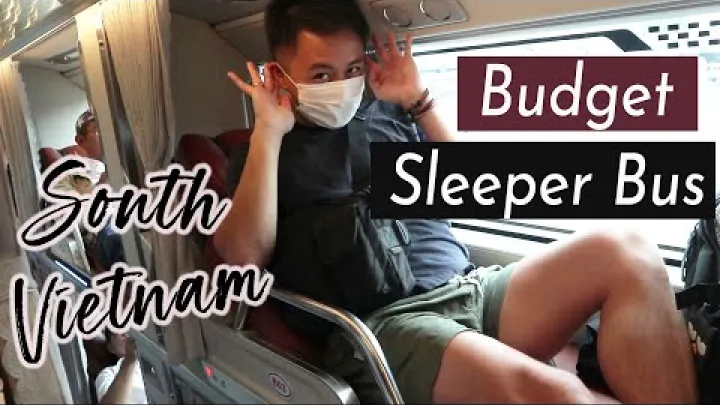
Travel times depend on traffic, departure point, rest stops, and the final drop-off location, so treat any advertised duration as an estimate. Online marketplaces show examples of bus and private-transfer products, including connections from Ho Chi Minh City and its airport, through GetYourGuide. Use listings only as an option comparison, not as a guarantee of a particular service or fare.
Consider Can Tho Airport and Regional Connections
Can Tho Airport may be useful for selected domestic connections, but routes and frequencies can change. For most international travelers, the safer planning approach is to enter Vietnam through a major gateway and confirm the onward connection for the exact travel date. Do not build a tightly timed itinerary around a flight route until it is available to book directly with the airline or airport information channel.
There is no direct rail arrival that solves the journey into the Mekong Delta. In practical terms, compare road travel with available domestic flights rather than searching for a train connection to Can Tho. If you land late in Ho Chi Minh City, an overnight there before continuing may be less stressful than trying to coordinate a same-day onward journey.
Use Taxis, Ride-Hailing, Motorbikes, and Boats Locally
Walking works well for sightseeing around central Ninh Kieu, particularly along the riverfront and nearby streets. For longer city journeys, taxis, ride-hailing services where available, or a hired car are generally straightforward options. Motorbike taxis can be useful for short urban distances if you are comfortable as a passenger and can travel with light luggage.
Renting a motorbike requires more caution. Road traffic can be demanding, and travelers should understand licensing, insurance coverage, local traffic conditions, and their own riding ability before choosing this option. Boats are essential for floating-market and canal experiences, but they are not automatically the fastest or cheapest route to every land attraction. Choose a boat provider that explains the planned route and provides suitable life jackets before departure.
Book Transfers and Boat Trips Carefully
Advance booking is most useful for pre-dawn boat departures, holiday travel, airport pickups, and days with tight onward connections. A hotel can be a helpful intermediary when communication is difficult, but compare what is included rather than assuming all tours follow the same route or use the same size boat.
Confirm the exact pier or pickup point, total fare, inclusions, cancellation terms, boat or vehicle type, luggage arrangements, and expected return time directly with the provider. For transfers, also confirm whether the fare includes tolls and whether the drop-off is at your hotel or a central point. These checks reduce surprises caused by variable schedules and differing pickup arrangements.
Build a Can Tho Sightseeing Plan
Can Tho rewards a plan that combines one early river experience with a small number of land-based activities. Trying to visit every orchard, pagoda, and market in one day usually means spending too much time in vehicles.
Visit Cai Rang Floating Market at the Right Time
Cai Rang Floating Market is usually approached by boat before or around dawn, when the light is softer, the air is less hot, and river activity is more visible. Departing late can mean a very different experience, so ask your operator when the boat actually leaves the pier and how long it will take to reach the market area. Have breakfast plans in mind: some tours include a stop, while others return to the city after the excursion.
It is best understood as a working market shaped by changing trade patterns and tourism, not as an attraction preserved unchanged for visitors. Shared boats can be economical and social, hotel-arranged trips can simplify logistics, and smaller private boats can offer more control over timing. None is automatically best; choose according to budget, desired pace, group size, and the level of explanation you want from the operator.
Bring sun protection, drinking water, a rain layer in wet weather, and a secure place for your phone. Ask where the boat returns and whether the itinerary includes canals, a food stop, or other attractions, since these details vary.
Explore Ninh Kieu Wharf and the Riverfront
Ninh Kieu Wharf is Can Tho's simplest low-logistics attraction. The riverfront area gives you a view of the Hau River, public gardens, nearby streets, and the pedestrian bridge. It is easy to visit independently, and it works well on arrival day, after a morning tour, or on an evening when you do not want another arranged activity.
The atmosphere changes across the day. Early morning is linked to boat movements and quiet walks; midday is better for a break; and the evening brings more people to the promenade, casual food options, and river views. This makes the riverfront a useful alternative for travelers who prefer a flexible city experience rather than a full-day excursion.
Explore Orchards, Farms, and Rural Attractions
Orchard visits, cycling routes, canals, cacao-related experiences, and farm meals offer a different view of the agricultural landscape around Can Tho. My Khanh Tourist Village is one of the better-known organized rural attractions, while smaller farms and gardens may offer more limited access or require advance contact. Think about the kind of experience you want: a convenient activity complex, a guided half-day outing, or a more independent visit with transport arranged separately.

These activities pair naturally with a second day. A very early floating-market trip can leave enough time for a short afternoon activity, but a slower rural excursion is often more satisfying when given its own half-day. Confirm what is included, especially transport, food, cycling equipment, and any boat segment, so the day matches your expectations.
Visit Temples and Heritage Sites
Central stops such as Chua Ong, Munir Ansay Pagoda, and Phat Hoc Pagoda can add cultural context to a city-focused itinerary. They are active religious places rather than simply photo locations. Dress modestly, speak quietly, follow posted instructions, and ask before photographing people at worship.
Binh Thuy Ancient House is the main architectural and social-history excursion for many visitors. Its setting and design provide a useful contrast to the central riverfront. Check current visiting hours and access shortly before going, as operational details can change. Truc Lam Phuong Nam Zen Monastery is another spacious option for travelers who have time for a road journey and prefer a quieter stop outside the immediate center.
Eat, Shop, and Connect With Local Life
Food and everyday public life are an important part of a Can Tho visit. The most useful approach is to eat in several settings rather than searching for a single definitive dish or one heavily promoted venue.
Try Delta Food and Fresh Produce
The Mekong Delta's food culture draws on freshwater fish, rice, noodles, herbs, coconut, and tropical fruit. In Can Tho, try a local eatery for a casual meal, visit a market for snacks and produce, consider an orchard meal if you are taking a rural excursion, and use the riverfront for an easy evening option. Menus, ingredients, and English descriptions vary, so pointing to a dish or asking hotel staff for a recommendation can be useful.
Seasonal fruit is one of the simplest ways to connect with the region's agricultural character. Buy from busy vendors, choose items that can be washed or peeled when appropriate, and be clear about portion size before ordering. Travelers with allergies or dietary restrictions should explain them plainly and avoid assuming that a familiar-looking dish uses the same ingredients as at home.
Shop at Markets and Buy Practical Souvenirs
Can Tho Market and smaller market areas can be useful for browsing food, everyday items, and simple souvenirs. Orchard products, cacao items, rice paper, coconut products, and packaged snacks are possible choices, although selection varies by seller and season. Everyday markets are primarily places where local residents shop, while some stalls near visitor areas are more tourist-oriented.
Compare prices calmly, check packaging and expiry information on edible products, and consider whether food items can be carried through your next border or flight. Market locations, opening times, and evening stalls can change, especially around events and holidays, so ask locally if a particular market is central to your plans.
Enjoy Evenings Without Overplanning
Can Tho is generally better suited to relaxed evenings than to an intensive nightlife schedule. A walk near Ninh Kieu, dinner at a casual restaurant, a cafe, or a selected rooftop venue can be enough after an early start. This pace works well for families, couples, and independent travelers who want to enjoy the city without arranging another major activity.
Keep public spaces pleasant by disposing of litter properly, moderating noise, and showing respect near religious buildings and residential areas. If you want a particular restaurant or venue, ask your accommodation for current recommendations rather than planning the evening around an old online listing.
Set a Realistic Budget and Handle Practicalities
Can Tho can be more budget-friendly than Vietnam's largest tourist centers, but total spending depends heavily on hotel location, private transport, boat choices, and travel dates. Build a budget from components rather than relying on one daily figure.
Estimate Costs by Trip Component
| Trip component | Lower-cost choice | Higher-cost choice |
|---|---|---|
| Accommodation | Inner-street guesthouse | Riverfront hotel or resort |
| Arrival | Shared bus or van | Private direct transfer |
| River trip | Shared boat | Private boat with flexible route |
| Meals | Local eateries and markets | Hotel dining and curated meals |
| Activities | Self-guided riverfront walks | Guided rural excursions |
Accommodation, intercity transport, local rides, boat trips, admissions, meals, drinks, and guided excursions should each have their own line in your plan. Riverfront rooms, private boats, rural resorts, and holiday dates can raise spending quickly. Current prices change, so use live booking results for comparison and leave a small margin for transport or weather-related adjustments.
Check Entry Requirements Before Traveling
International travelers should verify visa eligibility, permitted length of stay, passport validity requirements, and any transit rules that apply to their nationality and routing. Administrative requirements can change and may differ even between travelers on the same flight. Check an official Vietnamese government source or the relevant embassy or consulate before departure.
Do not rely on social-media posts, informal travel groups, or another visitor's experience as proof that the same rules apply to you. This single pre-departure check is particularly important if you have multiple entries, a long stay, a passport with limited remaining validity, or a connection through another country.
Use Normal Urban and River Safety Precautions
Can Tho is commonly visited without serious difficulty, but normal city precautions remain appropriate. Government travel advice notes that violent crime against foreign visitors is rare while theft, pickpocketing, and bag-snatching can occur, particularly in crowded places. Read current guidance from GOV.UK travel advice before your trip.
Keep phones, wallets, and bags secured and away from exposed sides when walking through busy areas or traveling on boats. Be alert around traffic, avoid displaying valuables unnecessarily, and use a cross-body bag or a zipped bag held close to your body. On the water, follow crew instructions, use provided safety equipment, and take care when stepping on and off boats or moving across wet surfaces.
Use Sample Itineraries and a Final Planning Checklist
These examples are frameworks rather than fixed schedules. Adjust them for your arrival time, weather, energy level, and the exact boat or transport arrangements available during your stay.
A One-Night Can Tho Itinerary
On arrival, check into a central Ninh Kieu property, take a gentle walk along the riverfront, and have an early dinner. Keep the evening simple because the next day begins before sunrise. Arrange the Cai Rang Floating Market departure in advance and confirm the return point.
On the following morning, take the floating-market trip, return for breakfast and luggage collection, then continue to your next destination. This plan gives you the essential river experience and a glimpse of the city, but it leaves out Binh Thuy Ancient House, rural attractions, and unhurried exploration. Confirm onward transport before committing to a tight post-tour departure.
A Two- or Three-Night Can Tho Itinerary
For two nights, use the first evening for Ninh Kieu Wharf and rest. Make the second morning your Cai Rang Floating Market and canal excursion, then spend the afternoon relaxing or visiting a central temple. On the final day, choose either Binh Thuy Ancient House and nearby heritage stops or an orchard and rural activity such as My Khanh Tourist Village.
With three nights, separate these experiences further. Give one day to the market and riverfront, one to heritage and city food, and one to orchards, cycling, farms, or a slower rural excursion. Leave room for heat, rain, meals, and rest. A city-focused stay can center on Ninh Kieu and Binh Thuy, while a broader delta stay can devote more time to the rural landscape outside the center.
Final Checks Before Booking
- Choose dates with your weather tolerance and activity priorities in mind.
- Confirm passport, visa, and entry requirements for your nationality.
- Check whether your accommodation is near Ninh Kieu or requires regular road transfers.
- Book or confirm the airport, bus, or private-transfer arrangement.
- Confirm the boat departure point, route, inclusions, and return time.
- Carry a suitable payment method, small cash for routine purchases, and essential contact details.
- Recheck opening hours, prices, transport schedules, event dates, and the short-range weather forecast shortly before travel.
For most first-time visitors, a base near Ninh Kieu offers the easiest balance of food, walks, boat access, and transport. Choose a rural stay instead when the slower pace, gardens, and surrounding landscape are more important to you than being close to the city riverfront. Either approach can work well when the location and daily schedule match the kind of Mekong Delta trip you want.
Select area
Create a post
Posting is free and no registration is required.