Can Tho Best Time to Visit: Weather, Seasons & Monthly Guide

The best time to visit Can Tho for most first-time travelers is late December to February. This is usually the driest and most manageable period for exploring the city, taking an early boat trip to Cai Rang Floating Market, and spending time along the Hau River. Can Tho stays warm throughout the year, however, so the choice is less about finding cool weather and more about balancing rain risk, heat, seasonal landscapes, fruit gardens, crowds, and budget. This guide explains the seasonal pattern, the monthly feel, and how to choose dates that fit your travel priorities.
The Best Time to Visit Can Tho at a Glance
Can Tho has a tropical Mekong Delta climate with relatively small temperature changes across the year. Rainfall, humidity, sunshine, and river conditions have a much larger effect on how a visit feels than the temperature alone.
Best Overall: Late December to February
Late December to February is the best overall time to visit Can Tho. It generally brings the lower-rainfall part of the year, warm but less punishing conditions than late dry season, and more reliable conditions for walking, cycling, and time on the river. For a short first visit, this makes it easier to combine Ninh Kieu Wharf, central Can Tho, local food, and a morning trip to Cai Rang Floating Market without building the entire itinerary around rain.
The word “comfortable” is relative here. Can Tho is warm year-round, not cool in a temperate-climate sense. Even in January and February, travelers should expect tropical warmth, sun, and humidity during the day. The advantage is that rainfall is typically much less disruptive than in the middle of the wet season, and mornings can feel more pleasant for outdoor activities.
The trade-off is demand. The period around the Lunar New Year holiday, known as Tet, can bring busier transport, more domestic travel, changed business hours, and higher prices for rooms or tours. Travelers who want the weather advantage with smoother logistics may prefer dates outside the main holiday period. Climate patterns describe what is typical, not a promise of dry weather on every day.
Choose a Different Window for Fruit, High Water, or Lower Prices
A different season can be better if your trip has a specific focus. June to August is a strong option for travelers interested in fruit gardens and orchards around Can Tho, when rural scenery is especially green and seasonal tropical fruit is often a major part of the experience. The cost is more frequent showers and higher humidity.
From around mid-August into October, the wider Mekong Delta enters a more water-defined period. Travelers interested in high-water landscapes, canals, and the changing character of the delta may find this appealing, but it is not the best choice for a tightly timed city break. June to November can also be quieter and may offer better value, although actual prices depend on holidays, accommodation, and individual operators. The central choice is simple: choose December to February for weather reliability, or accept more weather uncertainty for lush scenery, fruit, high water, or possible savings.
How Can Tho Weather Shapes a Visit
Can Tho sits in the low-lying Mekong Delta, where weather affects both urban sightseeing and rural activities. It is useful to separate the rainfall season from the river-related high-water period, because they overlap but do not mean exactly the same thing.
Dry, Rainy, and High-Water Seasons Are Not the Same
For practical travel planning, Can Tho is usually described as having a drier period from December to April and a rainy period from May to November. The regional pattern is shaped by the Mekong monsoon system; the Mekong River Commission describes a broad dry and monsoon cycle across the Lower Mekong basin. Local timing and rainfall intensity can vary, so these should be treated as travel categories rather than exact boundaries.
The dry season normally makes outdoor plans easier, particularly city walks, riverside time, and trips that include several stops. The rainy season brings more cloud, humidity, and short or prolonged heavy showers. A rainy day does not necessarily mean continuous rain from morning to evening, but a storm can interrupt cycling, orchard visits, a boat outing, or a walk along the riverfront.
High water is a separate river condition. It becomes more relevant in the delta from around mid-August into autumn, when upstream flows and seasonal rain can make waterways and low-lying landscapes look markedly different. It can create a more immersive delta setting, but it can also affect rural access, boat routes, and street conditions. High water does not automatically mean dangerous flooding across all of Can Tho, and conditions can differ substantially between the central city, a river route, and rural districts.
Heat, Humidity, Sunshine, and Rainfall Patterns
Temperature changes modestly through the year, while humidity and rainfall create the larger contrast. Long-term climate data for Can Tho indicates a mean annual temperature of about 26.7°C and annual rainfall of roughly 1,895 mm, according to Climate-Data.org. These figures are useful for understanding the general climate, not for predicting a particular week.
March and April are commonly the hottest part of the year. Strong sun and humid air can make a moderate-looking temperature feel demanding during a long walk, a bicycle ride, or a midday market visit. September and October are generally among the wettest months, when heavier rain and saturated ground can have a greater effect on comfort and movement.
Rainy-season showers can be intense even when there are usable dry periods before or after them. Plan outdoor activities for the morning when possible, and avoid treating a clear morning as proof that the afternoon will stay dry. In every season, breathable clothing and a realistic pace make Can Tho more enjoyable than trying to fill the hottest hours with outdoor sightseeing.
Climate Averages Versus the Live Forecast
Use climate averages to choose a broad travel month, then use the live forecast to decide whether a particular day suits a boat trip, cycling route, or rural excursion. A normally dry month can still have rain, while a normally wet month can include clear and workable periods. Monthly averages cannot tell you whether a thunderstorm, heavy rain, or weather warning will affect your planned morning.
A practical sequence is to choose your season first, review the official forecast a few days before departure, and reconfirm conditions before any boat or countryside activity. The NCHMF provides official Vietnamese hydrometeorological forecasts and warnings. For outdoor excursions, use the forecast together with advice from the operator, who can assess local river and access conditions on the day.
Can Tho Month-by-Month Climate Guide
This summary gives a practical month-by-month feel rather than a daily forecast. Seasonal transitions can arrive earlier or later in a given year, especially around the beginning and end of the rainy period.
| Period | Typical feel | Best for | Main trade-off |
|---|---|---|---|
| January–February | Drier, warm, relatively comfortable | First visits, city and river outings | Holiday demand |
| March–April | Mostly dry, hottest period | Low rain risk | Strong heat and sun |
| May–July | Rain increases, countryside turns lush | Fruit gardens and flexible travel | Showers and humidity |
| August–October | Wet, high-water character | Seasonal delta landscapes | Greater disruption risk |
| November–December | Transition toward drier weather | Possible shoulder-season balance | Variable conditions |
January and February: Driest and Most Comfortable Overall
January and February are the strongest months for a general Can Tho itinerary. Rain is usually limited compared with the wet season, days are warm, and the chance of a weather interruption is lower. This is a useful time for an early Cai Rang Floating Market visit, a walk around Ninh Kieu Wharf, and wider Mekong Delta exploration.
Early morning is still the most comfortable time for the floating market and river activities. The market’s daily rhythm matters as much as the season, so confirm the operator’s departure time and meeting point when booking rather than relying on a fixed online schedule. Later in the day, heat and sunlight can still build quickly.
Tet may fall in January or February. Visiting around the holiday can be rewarding for travelers who want to experience a major Vietnamese festival period, but transport and room availability need more advance attention. Travelers who prioritize predictable services and easier reservations can choose dates before or after the busiest holiday days.
March and April: Hottest but Still Mostly Dry
March and April often retain the dry-season advantage, making them practical for travelers who place a high value on lower rain risk. The important compromise is heat. These are typically the hottest months, and the combination of sun, warm air, and humidity can make noon-to-afternoon sightseeing tiring even if it does not rain.
This period works best with a heat-aware schedule. Start river tours, market visits, walks, and cycling early; take a shaded or indoor break in the middle of the day; then return outdoors in the later afternoon. Museums, cafés, meals, and rest time can be used to reduce the physical load during the hottest hours.
March and April are not automatically unsuitable, but they are less appealing for heat-sensitive travelers than January or February. They suit visitors who would rather manage heat than plan around rain, and who are comfortable shaping each day around the sun.
May to July: Rainy-Season Start and Fruit-Garden Season
From May to July, showers become more frequent, cloud cover increases, and the air often feels more humid. Temperatures may ease somewhat from the late dry-season peak, but the change does not make the climate cool. Instead, the landscape becomes greener, canals and gardens feel more lush, and rural areas can show a distinctly tropical side of the Mekong Delta.

June to August is commonly associated with fruit gardens and orchards around Can Tho. This can be an appealing period for travelers who want seasonal produce, garden visits, and a greener countryside experience. Fruit availability varies by orchard, crop, and weather, so do not assume that every fruit will be available at every garden. Ask locally what is in season when arranging a visit.
Rain does not make outdoor travel impossible, but it changes the pace. Cycling, orchard walks, and rural-road journeys are easier with a flexible schedule, a compact rain layer, and waterproof protection for phones and cameras. This period can be a good value choice for travelers who accept weather uncertainty and prefer a quieter atmosphere, although discounts are never guaranteed.
August to December: Peak Rain, High Water, and the Return to Drier Conditions
August to October is generally the wettest and least predictable portion of the year. Frequent rain can overlap with the Mekong Delta high-water period, creating a landscape in which waterways, canals, and low-lying areas play a more visible role. This can be attractive for travelers seeking seasonal character rather than conventional dry-weather sightseeing.

The practical disadvantage is that wet roads, thunderstorms, changing water conditions, and localized inundation can alter plans. Boat experiences may require route changes, and rural outings can become less convenient. This does not mean every day is lost to rain or every part of the city is affected, but it does make a fixed, activity-heavy itinerary less dependable.
November is a transition month. Rain and high-water effects may start to ease, but they should not be assumed to have ended. December usually marks a clearer shift toward drier and more dependable conditions, while visitor demand begins to rise. Late November or early December can be a reasonable shoulder-season compromise for travelers willing to accept some variability in exchange for potentially less peak-season pressure.
Best Time to Visit Can Tho by Travel Style
The best season depends on what you want to do. A traveler focused on city walks and a morning floating market has different needs from someone seeking orchard visits or the visual drama of the high-water season.
City Sightseeing and Cai Rang Floating Market
Choose late December to February if your priorities are city sightseeing, Ninh Kieu Wharf, markets, temples, museums, and a comfortable morning visit to Cai Rang Floating Market. The lower rain risk makes it easier to keep a simple schedule and spend more time outdoors without carrying extensive wet-weather gear.
Floating-market trips remain possible in rainy months, but rain can reduce comfort and may lead to changes in the route or timing. Arrange an early departure, and confirm the departure point and planned duration with the operator. Season affects weather reliability; the market’s activity also depends on its daily early-morning rhythm.
River Cruises and Mekong Waterways
December to March is the most dependable general window for a comfort-first river outing. Lower rainfall usually means a more pleasant experience on open boats and fewer weather-related interruptions. It is a good choice for travelers who want waterways to complement a city stay rather than define every part of the itinerary.
Some visitors intentionally choose the high-water period for a more water-dominated delta landscape. That is a specialist seasonal preference, not necessarily the easiest time for a standard cruise. Routes, docking arrangements, and schedules can be more sensitive to heavy rain, storms, and elevated water conditions. Before paying, ask the operator how itinerary changes are handled and what cancellation or rescheduling terms apply.
Fruit Gardens, Food, and Rural Life
June to August is the most appealing broad window for travelers who place fruit gardens, tropical produce, and green rural scenery at the center of their trip. Orchards around Can Tho can offer a more seasonal experience during this period, though the selection at an individual garden changes with harvest cycles and local growing conditions.
Food-focused travel is rewarding throughout the year. Dry-season visitors may find it easier to move between markets, restaurants, and riverfront dining without rain interruptions, while rainy-season visitors can combine meals with orchard visits and the richer green landscape. The choice is between easier logistics in the drier months and stronger seasonal countryside character in the wetter months.
Budget Travel and Fewer Crowds
The rainy season may bring lower demand and quieter travel conditions, particularly from June to November. Some accommodation and tour prices can be more favorable outside the drier peak period, but rates vary by weekend, holiday, booking timing, and operator. Treat possible savings as an opportunity to compare options, not as a guaranteed seasonal discount.
For budget travelers, May to July often provides a more balanced trade-off than the later wet season: rain is part of the trip, but fruit gardens and green scenery add value. August to October may be quieter, yet it carries the strongest weather and access compromises. Late November or early December can also work as a compromise if improving weather matters more than finding the lowest possible price.
Tet is an exception to normal seasonal patterns. Demand connected with the holiday can raise prices and reduce availability even when it falls within the otherwise recommended January-to-February period.
When to Avoid Can Tho and How to Plan Around Weather
There is no single period when all travelers should avoid Can Tho. The least suitable dates depend on your tolerance for heat, rain, and changes to outdoor plans.
Periods to Avoid for Heat-Sensitive Travelers
Heat-sensitive travelers should think carefully about March and April. These months can be relatively dry, but a dry itinerary is not necessarily an easy one when the sun is strong and the air is humid. Long walks, cycling, and unshaded river activities can feel physically demanding during the middle of the day.
If heat is a greater concern than occasional showers, January and February are the better first choice. The earlier rainy season can be another alternative for travelers who would rather accept rain breaks than the strongest late-dry-season heat. Anyone visiting in March or April should plan outdoor activities for early morning or late afternoon, carry water, use sun protection, wear light breathable clothing, and reserve midday for shade, food, rest, or indoor activities.
Rain, High Water, Flooding, and Storm Disruption
August to October deserves the most caution if you need predictable road access, boat schedules, or rural tours. Ordinary seasonal rain is different from a localized flooding episode, elevated river conditions, thunderstorms, or occasional storm-related disruption. Can Tho’s low-lying delta setting means the effect can vary by neighborhood, river route, and rural district.
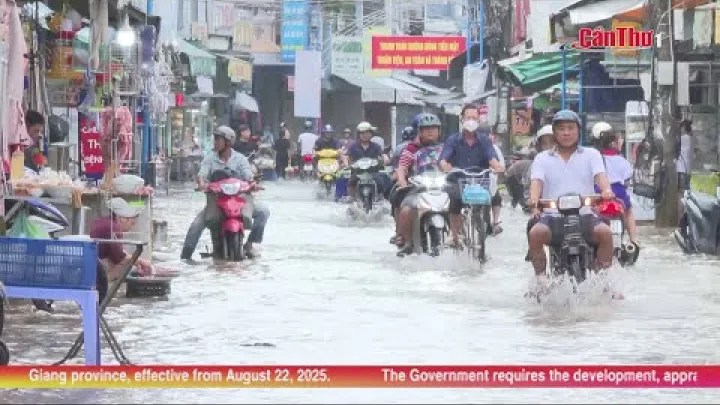
Research on Can Tho’s urban flood vulnerability, including work published in Hydrology and Earth System Sciences, provides context for why local water conditions matter. It is not a prediction that a particular trip will be flooded. During the high-water and storm-prone period, confirm boat and rural-tour operating conditions locally and keep a city-based indoor or flexible alternative for the day.
What to Pack and How to Schedule Each Day
Pack for warmth in every season: lightweight breathable clothing, comfortable footwear, a refillable water bottle, sunglasses, and sun protection are useful year-round. For May through November, add a compact rain jacket or poncho and a waterproof bag or phone cover, especially for boat rides, cycling, and orchard visits.
- Schedule floating-market trips and long outdoor excursions in the early morning.
- Use the hottest part of the day for lunch, rest, or indoor sightseeing.
- Keep footwear practical for wet pavements and uneven rural paths in the rainy season.
- Carry dry protection for electronics rather than relying only on an umbrella.
- Leave one unstructured block in the day so a rain shower does not disrupt the entire plan.
This daily rhythm works in both seasons. In drier months, it reduces heat exposure; in wetter months, it gives you room to shift an outdoor activity around a shower.
A Simple Decision Guide for Your Trip
Choose dates by your main priority rather than looking for a perfect month. Can Tho rewards different kinds of travelers at different times of year.
Choose Your Dates by Priority
- Best overall comfort: late December to February for lower rainfall and easier outdoor planning.
- Mostly dry conditions: March to April, if you are comfortable managing stronger heat.
- Fruit gardens and lush countryside: June to August, with rain protection and a flexible schedule.
- High-water landscapes: August to October, for travelers who accept greater weather and access uncertainty.
- Possible budget value and fewer visitors: June to November, with the later wet months carrying the largest practical trade-offs.
- Possible shoulder balance: late November or early December, when conditions may be improving before the busiest dry-season period.
No single month is best for every trip. For a first visit that combines the city and the Mekong Delta with the lowest planning risk, the late-December-to-February recommendation remains the safest choice.
Final Planning Checklist Before Departure
- Check the current official forecast and any warnings shortly before travel.
- Confirm meeting points, start times, and rescheduling terms for boat trips and rural tours.
- Review Tet dates if traveling in January or February, and book key transport or rooms early if needed.
- Pack for sun in all months and add reliable rain protection in the rainy season.
- Leave room in the itinerary for a weather-related change of plan.
Late December to February is the best general answer to when to visit Can Tho. Choose another period only when its particular rewards—fruit gardens, lush rainy-season scenery, high-water landscapes, or possible lower demand—matter more to you than dry-weather reliability.
Select area
Create a post
Posting is free and no registration is required.