Khon Kaen Travel Guide: First Trip to Thailand’s Isaan Hub

This Khon Kaen travel guide is for travelers who want to understand one of northeastern Thailand’s most important cities before they arrive. Khon Kaen is not a beach resort or a heavily packaged tourist stop; it is a working Isaan city with temples, markets, universities, silk traditions, and useful transport links. A good first trip is built around a central base, simple local transport plans, flexible weather expectations, and one or two carefully chosen day trips. This guide covers when to go, where to stay, how to move around, what to see, and what to verify before booking.
Why Visit Khon Kaen
Khon Kaen is a practical introduction to Isaan, the large northeastern region of Thailand. It gives visitors a different view of the country from Bangkok, Chiang Mai, Phuket, or the southern islands. The city works best when you approach it as a place for daily life, food, temples, markets, and regional culture rather than as a checklist destination.
Where Khon Kaen Fits in Isaan
Isaan is Thailand’s northeast, a region with its own food culture, language influences, music, farming landscapes, and strong links to Laos and the Mekong area. Khon Kaen sits inside this wider region as a major urban center. The Tourism Authority of Thailand describes Khon Kaen as a commercial and political center of northeastern Thailand and notes its association with high-quality silk.
For international visitors, this matters because Khon Kaen offers both city infrastructure and regional identity. You can spend the morning at a temple near Bueng Kaen Nakhon, eat grilled meats and sticky rice at a casual market, visit a university-area cafe, and plan a nature or dinosaur-focused day trip into the province. The experience is urban, local, and often lower pressure than in Thailand’s most famous visitor centers.
Local anchors help you understand the city quickly. Bueng Kaen Nakhon is the main lake and orientation point in the center. Wat Nong Waeng and Phra Mahathat Kaen Nakhon are major temple landmarks nearby. Khon Kaen University gives the northwest side of the city a younger and more contemporary feel. Ton Tan Market, silk culture, Chonnabot, Phu Wiang, Nam Phong National Park, and Ubolratana Dam add variety beyond the central streets.
Who Khon Kaen Is Best For
Khon Kaen is a good fit if you enjoy everyday Thai urban life, regional food, markets, temples, craft culture, and slower travel. It can suit budget travelers, cultural travelers, people studying or working in Thailand, and visitors building a wider Isaan itinerary. It is also useful for travelers who want a city with airports, hospitals, universities, shopping, and transport links without the intensity of Bangkok.
It is not ideal if your main goal is a beach holiday, resort nightlife, luxury island scenery, or a city where most visitor logistics are designed for foreign tourists. English support may be more limited in local markets, songthaews, rural attractions, and small restaurants. This does not make travel difficult for everyone, but it does mean that patience, translation apps, hotel assistance, and flexible plans are helpful.
| Traveler type | Good fit? | Why |
|---|---|---|
| Food and culture travelers | Yes | Strong Isaan food, temples, markets, and silk traditions. |
| Short-stay city visitors | Yes, with focus | Stay central and choose a few easy sights. |
| Beach travelers | No | Khon Kaen is inland and has no coast. |
| Travelers without transport patience | Maybe | Local transport can require more planning than in resort areas. |
When to Visit Khon Kaen
Khon Kaen can be visited year-round, but comfort changes by season. Because many activities involve temples, markets, lakeside walks, parks, and longer drives, weather can strongly affect how much you enjoy each day.
Best Season for Comfortable Sightseeing
The cooler and drier part of the year is generally the most comfortable time for first-time sightseeing in Khon Kaen. This is when lake walks, temple visits, city exploring, and full-day excursions are usually easier to manage. It is also a better time to combine outdoor attractions with markets and evening food areas without planning every hour around heat or rain.
This does not mean the weather will be perfect every day. Forecasts can change, and outdoor plans still need flexibility. If your trip depends on viewpoints, national parks, rural roads, or long walking days, check current forecasts before locking in your schedule.
| Season | Main advantage | Main trade-off |
|---|---|---|
| Cooler, drier months | Best general comfort for sightseeing. | Some popular dates may need earlier booking. |
| Hot season | Clearer planning for city stops may be possible. | Heat can make midday sightseeing tiring. |
| Rainy season | Greener landscapes and often quieter travel. | Rain can affect roads, parks, trails, and viewpoints. |
Hot Season and Rainy Season Trade-Offs
During hot periods, plan temples and lake walks for early morning or late afternoon. Keep the middle of the day for meals, cafes, museums, shopping centers, hotel rest, or shaded transport. Carry water, sun protection, breathable clothing, and a hat if you will be outside for more than a short walk.
During rainy periods, Khon Kaen and the surrounding province can feel greener and quieter, but outdoor plans become less predictable. Rural roads, park access, waterfall conditions, and viewpoints can change locally. If you want to visit Phu Wiang National Park, Nam Phong National Park, or reservoir areas, build in a backup day or a city-based alternative.
Rain protection is useful, but flexibility is more important than equipment. Avoid assuming that rain will be brief or that all roads and trails will remain easy. Ask your accommodation or driver about local conditions before setting out on a long day trip.
How to Get to Khon Kaen and Move Around
Khon Kaen is one of the easier Isaan cities to include in a Thailand itinerary, but the best transport choice depends on your time, budget, comfort level, and onward route.
Flights to Khon Kaen
Flying is often the simplest option for short-stay visitors coming from Bangkok or another Thai hub. Khon Kaen Airport is the city’s air gateway, and it reduces travel time compared with long overland journeys. Before booking, check current airline schedules, baggage rules, and airport transfer options directly with operators or your accommodation.
For arrival, plan your first transfer before you land. Taxi availability, hotel transfers, and app-based transport can change by time of day and local conditions. If you arrive late, it is sensible to stay in a central area and leave serious sightseeing for the next morning.
Trains, Buses, and Driving Routes
Overland travel can be useful if you are watching costs or combining Khon Kaen with other Isaan destinations. Trains can be more comfortable for travelers who prefer space and a slower journey. Long-distance buses may offer broad route coverage and can be practical for budget travelers. A private car gives the most flexibility, especially if you want to add rural stops, but it also requires confidence with Thai traffic, insurance details, parking, and weather conditions.
A broad transport overview from Kupi compares flights, trains, buses, and driving routes to Khon Kaen, but exact schedules and ticket details should always be confirmed with current operators before departure.
| Option | Best for | Main caution |
|---|---|---|
| Flight | Short trips and easy arrival. | Check current schedules and baggage rules. |
| Train | Budget-conscious travelers who prefer a slower route. | Verify station, ticket, and timing details. |
| Bus | Regional links and lower-cost travel. | Confirm terminal and departure location. |
| Car | Flexible day trips and multi-stop routes. | Consider traffic, weather, insurance, and fatigue. |
Local Transport Inside the City
Khon Kaen is partly walkable around central anchors such as Bueng Kaen Nakhon, nearby temples, and some food areas. However, the city is spread out enough that most visitors will need local transport at some point. Common options may include songthaews, tuk-tuks, taxis, and app-based rides where available.
Route information and signage may be more Thai-language oriented than in tourist-heavy cities. If you plan to use songthaews, ask your hotel or a local contact which route is easiest for your destination. For tuk-tuks or rides without a meter, agree on the fare before the trip starts.
If you prefer not to ride a motorbike, choose accommodation in a convenient area and use taxis, hired cars, or app-based transport when available. This may cost more than using local shared transport, but it can make short stays easier and reduce stress.
Transport for Day Trips
Day trips require more planning than city sightseeing. National parks, reservoirs, craft villages, and museums may not be simple to reach by public transport, especially if you want to return the same day. For many non-riders, the safest practical choice is a hired car or driver when available.
Motorbikes can offer flexibility, but they are not a casual choice. Riders should have appropriate skill, a valid license for the vehicle, travel insurance that covers riding, a helmet, and strong awareness of Thai traffic. Wet roads, rural lighting, animals, and unfamiliar routes increase the risk.
Before leaving the city, confirm pickup time, return time, entrance hours, expected travel time, fuel or charging needs, and whether your driver will wait. Plan to return before dark when possible, especially during rainy season or on rural roads.
Where to Stay in Khon Kaen
Your base matters in Khon Kaen because the city is not as compact as some historic old-town destinations. A cheaper room far from the places you want to visit can become less convenient if local transport is difficult or time-consuming.
City Center and Bueng Kaen Nakhon
For most first-time visitors, the city center near Bueng Kaen Nakhon is the simplest default base. The Tourism Authority of Thailand places Bueng Kaen Nakhon in Nai Mueang Subdistrict in the center of the city, which makes it a useful orientation point.
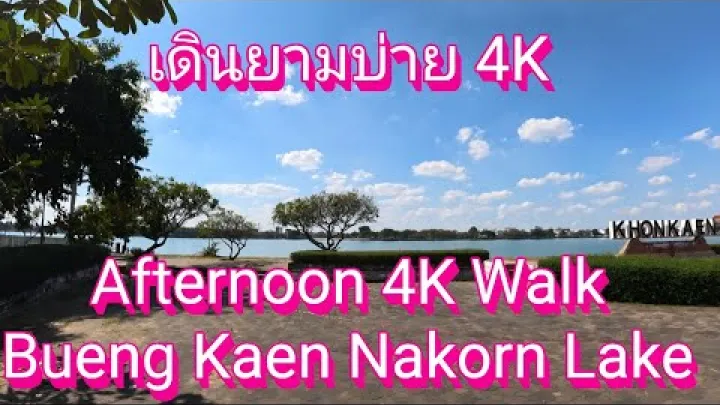
This area is best for short stays, first visits, easy evenings, temple access, lake walks, casual food, and shorter rides to markets. It is convenient rather than guaranteed to feel perfectly walkable in every direction. Even central Khon Kaen can have wide roads, heat, traffic, and gaps between points of interest.
If you are staying only one or two nights, central accommodation reduces decision fatigue. You can combine Wat Nong Waeng, Phra Mahathat Kaen Nakhon, Bueng Kaen Nakhon, meals, and evening market plans without building your whole day around transfers.
Khon Kaen University Area
The Khon Kaen University area can be a good base for longer stays, casual food, cafes, student energy, and a more contemporary local atmosphere. Travelers working online may appreciate the cafe scene, but they should check Wi-Fi quality, seating, noise, and power access at specific places rather than assuming every cafe is suitable for work.
The trade-off is location. The university area may be farther from classic city-center sights such as Bueng Kaen Nakhon and Wat Nong Waeng. It can be a better choice if you value daily routine, food options, and a less sightseeing-focused stay. The city center is usually easier for a first short visit.
| Area | Best for | Trade-off |
|---|---|---|
| City center and lake area | First trips, temples, markets, short stays. | Still not fully walkable everywhere. |
| University area | Longer stays, cafes, casual food. | Farther from some central sights. |
| Suburban or rural base | Car-based trips and quiet stays. | Transport planning becomes essential. |
Suburban and Nature-Focused Bases
Suburban hotels or quieter resorts can work if you have a car, a driver, or a specific plan outside the city. They may offer a slower pace and easier access to certain roads, reservoirs, or rural districts. For a first trip with limited time, however, they can create avoidable transport problems.
Before booking outside the center, check a current map, recent reviews, nearby food options, and how you will return at night. A lower room rate is not always better value if every meal or attraction requires a separate ride.
Best Things to Do in Khon Kaen City
The best city plan mixes one major temple, time around the lake, local food, and a market or craft experience. Khon Kaen has enough sights to fill several days, but the city is more enjoyable when you do not rush between too many stops.
Phra Mahathat Kaen Nakhon and Wat Nong Waeng
Phra Mahathat Kaen Nakhon at Wat Nong Waeng is the main city landmark for many visitors. It is close to Bueng Kaen Nakhon, so it pairs naturally with a lake walk and a meal nearby. The Tourism Authority of Thailand includes Phra Mahathat Kaen Nakhon among its highlighted things to do in Khon Kaen.

Visit early or late in the day if you want to reduce heat. If upper levels or viewpoints are accessible during your visit, you may get a broader sense of the city layout. Do not assume access, hours, or conditions are always the same; check locally if this is important to your plan.
Temple etiquette matters. Cover shoulders and knees, remove shoes where required, keep your voice low, and avoid treating prayer areas as only photo locations. If people are worshipping, give them space and move slowly.
Phrathat Kham Kaen and Wat Thung Setthi
Phrathat Kham Kaen and Wat Thung Setthi are good additional sacred-site options if you want more than the main city-center temple. They are useful for travelers interested in temple architecture, local religious culture, and a wider view of Khon Kaen beyond the lake area.
Because these sites may require more transport planning than Wat Nong Waeng, short-stay visitors should be selective. If you have only one full day, prioritize Phra Mahathat Kaen Nakhon and Bueng Kaen Nakhon first. If you have a second city day or a driver, add one of these extra temples rather than trying to see every major site quickly.
Use the same respectful behavior at all sacred sites: dress modestly, remove shoes where required, and ask before taking close photos of people or ceremonies.
Markets, Street Food, and Evening Life
Khon Kaen’s evening life is more about food, markets, and local social spaces than foreign-tourist nightlife. Ton Tan Market is a useful named anchor for visitors, but market days and operating hours can change, so check current details before planning your evening around one location.
Isaan food is a major reason to visit. Expect grilled meats, sticky rice, papaya salad, soups, sausages, herbs, and strong flavors. Spice levels can be high, so ask for less chili if needed. Carry cash because small vendors may not accept cards or international payment apps.
Markets are also a window into local daily life. Some menus and signs may be in Thai. A translation app, pointing politely, and patience are usually enough for simple meals. Choose busy stalls, look for food that is cooked fresh, and be careful with raw items if you have a sensitive stomach.
Silk, Handicrafts, and Local Culture
Khon Kaen province is associated with high-quality silk, including Mudmee or Matmi-style textiles. This craft is not only a souvenir category; it reflects local skill, design, dyeing, weaving, and commerce. Chonnabot is often connected with silk culture in the province and can be considered if textiles are a priority for your trip.
If you want to visit a workshop, showroom, or community craft space, check access and language support in advance. Some places may be designed for local buyers rather than casual international visitors. Buying directly and respectfully can support artisans, but avoid bargaining aggressively in a way that ignores the labor behind the work.
Always ask before photographing artisans, looms, private workspaces, or close-up details of people at work. A craft visit is best treated as a cultural exchange, not only a shopping stop.
Best Day Trips from Khon Kaen
Day trips add depth to a Khon Kaen itinerary, but they are where planning matters most. Choose one main direction per day and avoid combining too many distant stops. Weather, road conditions, entrance rules, and return transport should be checked before you leave the city.
Phu Wiang National Park
Phu Wiang National Park is one of the major nature options in Khon Kaen province. The Tourism Authority of Thailand describes it as a high plateau area with sedimentary rock formations, and the wider Phu Wiang area is strongly associated with dinosaur fossil discoveries.
For travelers, the appeal is the combination of landscape, geology, and a very different experience from city temples and markets. Viewpoints, trails, waterfalls, and access conditions can be seasonal, so avoid planning the day around unverified assumptions. Check current opening hours, fees, closures, and road conditions before visiting.
A private vehicle or hired driver can make this day trip much easier. Public transport may not fit the timing or exact access points you need, especially if you want to combine the park with another stop.
Phu Wiang Dinosaur Museum
Phu Wiang Dinosaur Museum is an educational stop for travelers interested in dinosaurs, geology, and family-friendly activities. It pairs naturally with Phu Wiang National Park, but it should be treated as a separate attraction for planning purposes. Hours, admission, management, and closure days may differ from the national park.
If the museum is a priority, check current opening days and facilities before you go. International visitors may also want to confirm how much exhibit information is available in English or whether a guide or translation app would improve the visit.
Do not rush both the park and the museum unless you have transport arranged and enough time. It is better to see fewer places well than to spend most of the day in transit.
Nam Phong National Park and Ubolratana Dam
Nam Phong National Park is another nature option connected with lake and dam scenery. The Tourism Authority of Thailand notes the park’s connection with the lake over Ubolratana Dam, making it a useful anchor for travelers interested in open landscapes and quieter outdoor time.
Plan this as scenery, viewpoints, and outdoor recreation rather than assuming that specific activities such as boating or fishing will be available. Activity access can depend on season, weather, operators, and local rules.
This area can be a quieter alternative to Phu Wiang, especially if you want less emphasis on museums and fossils. Heat and wet-season conditions still matter, so bring water, sun protection, and a flexible schedule.
Khon Kaen Itineraries and Costs
A good Khon Kaen itinerary leaves space for meals, transport delays, heat, and local discovery. The city is not best experienced by rushing through a long attraction list. Costs are often good value compared with Thailand’s most tourist-heavy destinations, but day-trip transport can change your budget quickly.
One-Day and Two-Day Starter Plans
For one day, keep the plan simple. In the morning, visit Wat Nong Waeng and Phra Mahathat Kaen Nakhon, then walk or rest around Bueng Kaen Nakhon. In the afternoon, take a slow lunch, add one extra temple or a cafe stop, and avoid the hottest hours if the weather is intense. In the evening, focus on a market or casual food area such as Ton Tan Market if current opening details work for your dates.
With two days, use the first day for the city and the second for one carefully chosen day trip. Choose Phu Wiang if you are interested in geology, dinosaurs, and national park scenery. Choose Nam Phong and Ubolratana Dam if you want a quieter landscape-focused day. Choose a silk-focused outing if textiles and craft culture matter more to you than nature.
If you arrive late, do not force a full sightseeing day. Have dinner, check transport, and start early the next morning. Flexible timing is important because opening hours, traffic, weather, and market schedules can change.
Three Days or More in Khon Kaen and Isaan
Three days or more allows Khon Kaen to make more sense. You can spend one day around the city center, one day on a nature or museum trip, and another day exploring food, silk, the university area, or an extra temple. This slower rhythm fits the city better than a rushed overnight stay.
Khon Kaen can also be part of a broader Isaan route. Travelers often think in terms of moving onward to other northeastern cities, Mekong-side provinces, national parks, or cultural sites. Keep the route planning high level until you confirm transport links, because exact journey times and terminals can change.
Longer stays are best for travelers who like everyday routines: morning coffee, local lunches, evening markets, and quiet exploration. If you need constant famous landmarks, Khon Kaen may feel too understated.
Typical Travel Costs
Khon Kaen is generally a good-value city compared with Thailand’s most tourist-heavy beach and big-city destinations. Local food, simple accommodation, and everyday transport can be reasonable, especially if you stay near the places you plan to visit.
The main cost categories are accommodation, local meals, coffee or nightlife spending, local transport, day-trip transport, attraction fees, and shopping. The biggest budget surprise is often not the room rate but the cost of reaching places outside the center. Hiring a driver for a day trip can raise costs, but it may improve safety, comfort, and efficiency.
| Cost category | What affects it most | Planning tip |
|---|---|---|
| Accommodation | Location, comfort level, season. | Pay more for a useful base if time is short. |
| Food | Street stalls, restaurants, cafes. | Markets and local restaurants help control costs. |
| Local transport | Distance, time of day, ride type. | Stay central to reduce repeated rides. |
| Day trips | Driver, vehicle, distance, waiting time. | Confirm the full cost before departure. |
| Attractions | Fees, separate tickets, closures. | Check current fees and hours before going. |
Safety, Etiquette, and Planning Checks
Khon Kaen does not require unusual precautions for most travelers, but it should not be treated as risk-free. The main issues are heat, traffic, transport decisions, weather, and respectful behavior in places that are less tourism-oriented.
Safety and Health Basics
Use normal urban travel precautions. Keep valuables secure, watch your belongings in busy areas, and be careful when crossing roads. Traffic is one of the main practical risks for visitors, especially if you are not used to Thai driving behavior.
Heat and sun exposure can affect temple days, lake walks, and outdoor markets. Drink water, rest during the hottest part of the day, and avoid overloading your first day if you have just arrived from a long journey. Travel insurance is strongly recommended, especially if you plan to ride a motorbike, visit rural areas, or do outdoor activities.
Check current official travel advisories before departure, particularly for health, weather, or administrative updates. For rural driving and day trips, be extra cautious during rainy periods and avoid late returns when roads are unfamiliar.
Temple Etiquette and Local Courtesy
At temples, dress modestly, remove shoes where required, keep your voice low, and avoid blocking worshippers. Shoulders and knees should be covered at important religious sites. Some areas may restrict photography, so follow signs and local guidance.
In markets and craft spaces, patience matters. These places may not be designed mainly for foreign tourists. A smile, simple greetings, a translation app, and polite pointing can solve many communication problems.
Ask before taking close-up photos of people, monks, artisans, children, or private workspaces. Respectful behavior is more important than getting a perfect image.
What to Verify Before You Go
Before traveling, check the items that can change: flight schedules, train times, bus terminals, ticket rules, airport transfers, taxi or app-based ride availability, park access, museum hours, market days, entrance fees, and weather. Khon Kaen has good city infrastructure, but it has less foreign-tourist redundancy than Thailand’s biggest visitor centers.
For day trips, confirm the plan with your accommodation, driver, or a local operator before committing. Ask where you will be picked up, how long the drive may take, whether the driver waits, what is included, and when you should return.
A simple first-trip plan works best: choose a central base, verify transport, pick one main day trip, and keep weather flexibility. This approach gives you enough structure without removing the slower rhythm that makes Khon Kaen rewarding.
Conclusion
Khon Kaen is a strong choice for travelers who want a practical, local, and less crowded introduction to Isaan. Base yourself near the city center or Bueng Kaen Nakhon for a first visit, spend time at Wat Nong Waeng and Phra Mahathat Kaen Nakhon, eat at local markets, and add one day trip if your schedule allows.
The city rewards preparation more than rushing. Check current transport, weather, market, museum, and park details before you go, then leave room for food, local routines, and quiet discoveries. With realistic expectations, Khon Kaen can become one of the most memorable urban stops in northeastern Thailand.
Select area
Create a post
Posting is free and no registration is required.