Lopburi Best Time to Visit: Weather and Month-by-Month Guide

The Lopburi best time to visit is usually late November to February, when the weather is generally drier and less hot than the rest of the year. This inland Central Thailand city is best enjoyed on foot, especially around Khmer-era ruins, temples, macaque areas, and nearby sunflower fields. Heat, humidity, and rain can strongly affect comfort, so choosing the right month matters. This guide explains Lopburi weather by season and month, with practical advice for sightseeing, photography, festivals, rural excursions, and flexible travel planning.
Quick Answer: The Best Time to Visit Lopburi
If you want the simplest answer, choose the dry-season months first. Lopburi is warm all year, but some months are much easier for walking, outdoor sightseeing, and day trips into the surrounding countryside.
Best Overall Window: Late November to February
The best time to visit Lopburi for most travelers is late November to February. This period is usually drier, less humid, and more comfortable for walking around Lopburi city, visiting ruins, and spending time outdoors.
December and January are especially strong choices for general sightseeing. They are often among the most reliable months for dry weather, although Lopburi is not cool in the way many visitors from temperate climates may expect. “Cool season” in Central Thailand usually means less hot, not cold.
This is also a more popular travel period. Weekends, festival dates, and sunflower areas around Lopburi may feel busier than in the rainy season, so it is wise to plan key activities early in the day.
Months to Approach Carefully: April and September
April is typically the most difficult month for heat-sensitive travelers. The hot season is already well established, and exposed ruins, stone surfaces, pavement, and midday walking can feel harsh.
September is usually the most rain-sensitive month. Based on available Lopburi average weather summaries, Holiday Weather identifies April as the hottest month and September as the wettest month. These averages are useful for planning, but they do not predict the exact conditions on your travel dates.
April and September are not absolute no-go months. Heat-tolerant travelers may still visit in April with early starts and long breaks. Flexible travelers may still enjoy September if they accept rain delays. For comfort, December to February is usually safer; for off-season flexibility, May or October can be more manageable than the peak heat or peak rain months.
Shoulder Months for Value and Flexibility
March, May, October, and early November are shoulder-style months for Lopburi. They can work well for travelers who are flexible, but they are not the most reliable choices for first-time visitors who want easy weather.
March is often dry but increasingly hot. May can combine high heat with the start of more regular monsoon showers. October is still part of the rainy-season pattern, but conditions may begin to improve as the dry season approaches. Early November can be attractive if drier weather arrives and local seasonal attractions begin, but timing varies by year.
These months may also be quieter than the peak dry season, and accommodation or transport demand may be lower at times. Still, prices are not guaranteed to fall, so treat budget advantages as possible rather than certain.
How Lopburi’s Climate Works
Lopburi sits on the inland plain of Central Thailand. Its travel climate is mainly about heat, humidity, rain, and sun exposure, not beaches, sea conditions, or mountain cold.
Inland Central Thailand Climate Basics
Lopburi should be planned as an inland city and countryside destination. Travelers usually come for Khmer-era ruins in Lopburi, temples, macaques, local streets, train access, and sunflower fields around the province rather than coastal activities.
Temperatures remain warm or hot throughout the year. There is no true cold season for most international visitors. The main pattern is a drier and less hot period from about November to February, a hot season from March to May, and a rainy monsoon period from about May to October.
Thailand-wide climate data from the World Bank Climate Change Knowledge Portal supports the broader pattern of consistently warm temperatures and seasonally concentrated rainfall. Because that data is national or regional rather than a single Lopburi city station record, it should be used as background context, not as an exact local forecast.
Climate Averages Versus Live Forecasts
Climate averages help you choose a travel month months in advance. They tell you which periods are usually hotter, wetter, or more comfortable.
Live forecasts help you make decisions during the travel week. They are more useful for choosing whether to visit the sunflower fields today, walk through ruins in the morning, or wait for a storm to pass.
Before and during your trip, especially from May to October, check official updates from the Thai Meteorological Department. Heavy-rain advisories, flood warnings, or unusual storm systems should take priority over any general seasonal guide.
Lopburi Seasons: Dry, Hot, and Rainy
The Lopburi climate is easiest to understand in three travel seasons. Each season has advantages, but comfort levels vary greatly if you plan to spend many hours outdoors.
Cool and Dry Season: November to February
November to February is the most comfortable season for general Lopburi sightseeing. Rain is usually more limited than in the monsoon months, and the heat is less intense than in March to May.

December and January are often the best months for dry conditions and outdoor comfort. This is a strong period for exploring ruins, visiting temples, walking around macaque areas, taking photos, and planning rural trips to sunflower fields.
The word “cool” should be understood as a travel shorthand. Days are still warm, and sun protection remains important. The main benefit is that walking around exposed sites is usually easier than in the hot season.
High-season trade-offs include more visitors on popular weekends, near festival dates, and around flower areas when fields are at their best. If your schedule is fixed, book key services early and start sightseeing in the morning.
Hot Season: March to May
Heat builds in March and usually peaks around April. This is the season when Lopburi can feel most difficult for long outdoor walks, especially around exposed ruins, railway station approaches, paved streets, and open temple grounds.
April can still suit heat-tolerant travelers, but it requires careful planning. Start early, rest during the hottest part of the day, drink water often, and return outdoors in the late afternoon. Songkran in April may interest some visitors traveling in Thailand, but the heat should be planned for seriously.
May is a transition month. It can still be hot, while rain becomes more frequent as the monsoon pattern develops. This mix can make the air feel heavy and humid, but it can also bring short cooling breaks after showers.
Rainy Season: May to October
The rainy season in Lopburi usually runs from about May to October. It is wetter and more humid, with showers or downpours that can interrupt outdoor plans. This does not mean every day is unusable. Many rainy-season days still have dry periods, especially if you plan with flexibility.

August and September are generally higher-rain months, with September typically the wettest based on available Lopburi average weather information. Rain can affect walking comfort, rural tracks, and transport timing, and localized flooding can happen during heavy rain periods. Check official advisories if severe weather is forecast.
The rainy season also has advantages. Landscapes can look greener, visitor numbers may be lower, and some travelers may find better value. It is a good period for flexible visitors who do not mind changing plans around the weather.
Month-by-Month Weather Feel in Lopburi
The month-by-month guide below gives a practical feel rather than exact daily predictions. Use it for choosing dates, then rely on live forecasts close to travel.
Month-by-Month Snapshot Table
| Month | Typical feel | Travel comfort | Best for |
|---|---|---|---|
| January | Dry and warm | Excellent | Ruins, monkeys, flowers |
| February | Dry and warming | Very good | City walks, photography |
| March | Hotter and mostly dry | Good with heat planning | Short outdoor visits |
| April | Very hot | Difficult for heat-sensitive visitors | Early starts only |
| May | Hot with increasing rain | Mixed | Flexible off-season travel |
| June | Humid with regular rain | Moderate | Greener scenery |
| July | Humid and rainy | Moderate | Flexible city stays |
| August | Rainier monsoon feel | Lower | Dramatic skies |
| September | Often wettest | Lowest for rain-sensitive travelers | Flexible indoor breaks |
| October | Late monsoon transition | Mixed but improving | Quieter trips |
| November | Improving and less wet | Good to very good | Start of best season |
| December | Dry and relatively comfortable | Excellent | Flowers, ruins, festivals |
This table is based on seasonal patterns and available average weather summaries. It is useful for planning, but a rainy day can happen in a dry month, and a sunny break can happen during the rainy season.
How to Interpret Comfort, Rain, and Activity Fit
For first-time visitors, late November to February is the best category. These months offer the strongest balance of dry weather, manageable heat, and activity options.
March, May, June, October, and early November are good with trade-offs. They can suit repeat visitors, photographers, and budget-aware travelers who can change plans if conditions shift.
April and September are the least comfortable choices for many visitors. Avoid April if you are sensitive to heat. Avoid September if rain interruptions would seriously affect your trip.
Best Time to Visit Lopburi by Travel Purpose
The best month for Lopburi depends on what you want to do. Ruins, monkeys, sunflower fields, festivals, and photography all respond differently to weather and timing.
Ruins, Temples, and Monkey-Watching
Late November to February is the best time for walking around Lopburi’s ruins, temples, and macaque areas. These activities are exposed to sun and rain, so comfort matters more than small differences in average temperature.
In any season, visit in the morning or late afternoon when possible. Midday heat can make even short walks feel tiring. Carry water, protect your skin from the sun, and move calmly around macaque areas.
Rainy-season visits can still work if you accept delays. Surfaces around old ruins and temple grounds may become slippery, so wear shoes with good grip and avoid rushing after rain.
Sunflower Fields and Rural Excursions
Lopburi sunflower fields are usually a November to January attraction. December is often a strong target month because it can combine flowering landscapes with drier, more comfortable weather.
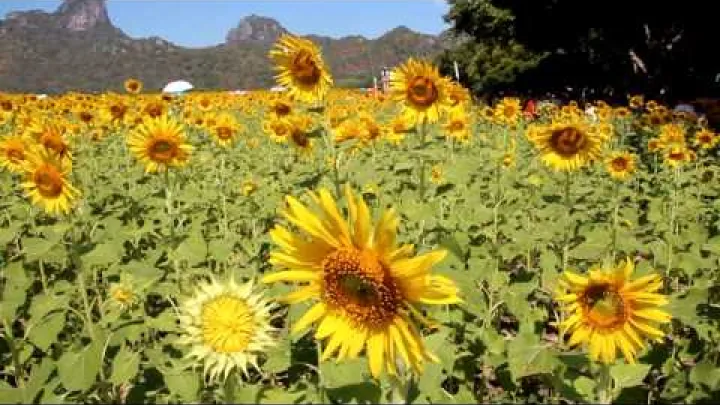
Bloom timing varies by year because of weather and planting conditions. A local travel report from LittleWanderingWren also notes that the sunflower season is usually from November to January but depends on the year.
If sunflowers are the main reason for your trip, verify current bloom status locally before committing to a dedicated field visit. The Khao Chin Lae area is often associated with Lopburi sunflower excursions, but field access, peak bloom, and rural road conditions can change, especially after rain.
Festivals, Photography, and Budget Travel
The Monkey Buffet Festival is commonly associated with late November in Lopburi, but exact dates and arrangements should be checked before booking travel around it. Treat festival timing separately from general weather advice.
For reliable photography of ruins, temples, monkeys, and sunflower fields, December and January are strong choices. Dry-season light and clearer days often make outdoor shooting easier.
Rainy season can also be rewarding for photographers who are flexible. Green countryside, reflections, and dramatic skies can be attractive, but you may need to wait under shelter and protect equipment from sudden showers.
For budget travel, May to October may be quieter and sometimes cheaper, but lower prices are not guaranteed. The main advantage is often flexibility: fewer peak-season crowds and more ability to adjust plans around weather.
Practical Weather Planning for a Lopburi City Stay
A good Lopburi trip plan should match the weather to the way you move through the city. Most visitors spend time walking, entering open-air sites, waiting for transport, and possibly visiting rural fields.
Heat, Humidity, and What to Wear
Wear light, breathable clothing year-round. Even in the coolest months, Lopburi is warm by many visitors’ standards. A hat, sunglasses, sunscreen, and regular water breaks are useful in every season.
Plan shade and air-conditioned breaks, especially from March to May. Shorter outdoor sessions are better than one long midday walk.
For footwear, choose comfortable walking shoes with non-slip soles. This matters around ruins, uneven pavements, train station areas, and wet surfaces during rainy months. From May to October, carry a compact umbrella or light rain layer.
Rain Logistics, Shelter, and Local Movement
Rainy-season showers can interrupt outdoor plans, but they often pass. Build extra time into ruin visits, rural excursions, and transfers so that waiting under shelter does not ruin the day.
Central city walking is usually easier to adjust than rural sunflower trips. Field paths and rural access roads can be more affected by muddy conditions after heavy rain.
If you plan to hire local transport for flower fields or countryside stops, ask about current conditions before leaving. Avoid relying on fixed assumptions about road access or field quality during wet periods.
Checking Official Weather Updates Before and During Travel
Check official weather updates before traveling to Lopburi, especially from May to October. Live forecasts help you choose the best day for ruins, long walks, sunflower fields, or countryside excursions.
Official advisories matter most when heavy rain, flooding risk, or storm systems are forecast. A dry-season trip can still have unusual rain, and a rainy-season trip can still include useful sunny periods.
When current advisories conflict with general travel guides, follow the current advisory. Weather averages are planning tools, not safety instructions.
Regional Context: How Lopburi Differs From Other Parts of Thailand
Generic Thailand best-season advice can be helpful, but it does not always fit Lopburi perfectly. Inland Central Thailand has different travel concerns from beaches, islands, and mountain areas.
Inland Planning Versus Beach or Mountain Planning
Lopburi does not require planning for sea conditions, boat safety, snorkeling visibility, or beach monsoon patterns. The main issues are heat, humidity, rain interruptions, slippery surfaces, and occasional localized flooding risk during heavy rain.
This differs from coastal destinations, where monsoon timing may affect boats and beach activities. It also differs from mountain or highland areas, where cooler temperatures, visibility, and road access may be more important.
For Lopburi, the key question is simple: will the weather be comfortable enough for walking and outdoor sightseeing?
Combining Lopburi With Wider Thailand Itineraries
If you combine Lopburi with Bangkok, northern Thailand, islands, or beach areas, check each destination separately. Late November to February is a strong general window for Lopburi and many classic Thailand itineraries, but it is not a perfect guarantee for every region.
When planning a multi-stop trip, give Lopburi your driest available day for ruins, macaque areas, and flower excursions. If you travel from May to October, keep plans flexible and avoid scheduling every outdoor activity on one fixed day.
Lopburi-specific planning is mainly about inland city comfort. If the day is dry, not too hot, and clear enough for walking, you can usually enjoy the main city experience well.
Final Recommendation: Choosing Your Lopburi Travel Dates
For most visitors, the best time to visit Lopburi is late November to February, with December and January as the strongest all-round months. This period usually gives the best mix of dry weather, manageable heat, ruin sightseeing, monkey-watching, photography, and sunflower-field possibilities.
Choose March, May, October, or early November if you are flexible and accept trade-offs. Avoid April if extreme heat would reduce your enjoyment, and avoid September if rain disruptions would be a major problem.
Whatever month you choose, check live weather close to travel and adjust outdoor plans around the day’s conditions. Lopburi is easiest to enjoy when you plan for sun, heat, and possible rain rather than relying only on the season name.
Select area
Create a post
Posting is free and no registration is required.