Hua Hin Travel Guide: Where to Stay, Things to Do & Tips

This Hua Hin travel guide is for first-time visitors who want a practical beach break in Central Thailand without planning an island transfer. Hua Hin combines a long Gulf of Thailand coastline, night markets, royal-era heritage, golf, wellness resorts, and easy overland access from Bangkok. It is a good choice if you want beach time, local food, and day trips without a heavy party focus. This guide explains where to stay, when to visit, how to arrive, how to get around, what to do, and how to build a realistic itinerary.
Hua Hin at a Glance
Hua Hin is a coastal resort town in Prachuap Khiri Khan province. It is often used as a Bangkok beach escape, but it also works as a longer base for families, couples, golfers, wellness travelers, and slow travelers.
Why Hua Hin Works for First-Time Thailand Travelers
Hua Hin is one of Thailand's more accessible beach destinations for travelers who prefer overland travel from Bangkok. The official Tourism Authority of Thailand highlights Hua Hin as a destination with many attractions and activities that is not far from Bangkok. That combination is the town's main strength: you can reach the coast without adding a domestic flight or ferry to your plans.
The atmosphere is usually more relaxed than Thailand's best-known nightlife destinations, although Hua Hin is not silent or empty. The town has busy markets, seafood restaurants, shopping areas, resort zones, family attractions, and weekend visitor demand. For many first-time travelers, the appeal is balance: Hua Hin Beach during the day, Hua Hin Night Market in the evening, and short excursions to temples, palaces, parks, or coastal towns.
Hua Hin also suits travelers who want a softer landing in Thailand. There are many hotels, restaurants, transport options, medical services, and visitor facilities compared with smaller beach towns. At the same time, the trip still needs planning because hotel location, weather, traffic, and day-trip access can strongly affect the experience.
How Hua Hin Fits Into Central Thailand
Hua Hin sits on Thailand's Central Thailand coastal fringe, in Prachuap Khiri Khan province on the Gulf of Thailand. Its location shapes the way most people visit. Instead of treating Hua Hin like a remote island holiday, it is better to see it as a practical coastal base that connects easily with Bangkok, Cha-am, Pranburi, Prachuap Khiri Khan, and nature areas farther south and west.
Bangkok access is the reason Hua Hin appears in many Thailand itineraries. Travelers often visit after a few days in Bangkok, before returning to the capital or continuing south. Nearby options such as Cha-am and Pranburi give the region more variety: Cha-am is north of Hua Hin, while Pranburi and Khao Sam Roi Yot National Park lie farther south. This makes Hua Hin a flexible base for travelers who want both town convenience and day-trip choices.
Best Time to Visit Hua Hin
Weather is one of the biggest planning variables for a Hua Hin trip. Seasonal patterns can guide your decision, but you should still check a current forecast before booking outdoor excursions, beach days, or national park plans.
Cooler Dry-Season Months
November to February is commonly recommended as the most comfortable visitor window for Hua Hin. Visitor-facing seasonal guidance from Chiva-Som also points to this period as cooler and suitable for beach activities and sightseeing. In practical terms, these months are often easier for walking around town, visiting outdoor sites, and planning day trips.
The trade-off is demand. Cooler, drier months can bring more competition for popular beachfront resorts and central hotels, especially around holidays and weekends. If you have a specific resort, room type, or golf schedule in mind, book earlier and keep your itinerary realistic.
Even in the generally preferred season, weather is not guaranteed. Sea conditions, heat, haze, rain, and local events can change daily plans. Check the forecast before committing to a long beach day, a cave hike, or a waterfall trip.
Hot-Season and Rainy-Season Trade-Offs
Hotter months can still be enjoyable, but they require a different rhythm. Midday walking, exposed temple visits, market wandering, and hiking can feel tiring. Plan outdoor sightseeing early in the morning or later in the afternoon, and save the hottest part of the day for a pool, spa, cafe, mall, or hotel break.
Rainy periods do not always mean constant rain. Flexible travelers may still have good beach time and quieter sightseeing windows. However, rain can disrupt the activities that depend most on conditions, including Phraya Nakhon Cave, Pala-U Waterfall, forest trails, boat access, and some national park routes.
The possible benefit is value and flexibility. Some travelers find lower pressure on accommodation or tours outside peak periods, but prices are not guaranteed to fall. Season, weekends, public holidays, events, and hotel category all influence cost.
Weather-Sensitive Activities to Keep Flexible
Keep your most weather-sensitive plans movable. Hua Hin Beach, Phraya Nakhon Cave, Pala-U Waterfall, Kaeng Krachan area excursions, and national park hikes are all better when conditions are suitable. Wet trails, high heat, rough sea conditions, or poor visibility can make a good plan less comfortable or less safe.
Have backup activities ready. Good alternatives include Hua Hin Railway Station, cafes, spa treatments, shopping, Vana Nava Water Jungle, short temple visits, Hua Hin Night Market, Cicada Market, or Tamarind Market if they are open. Before visiting markets or attractions, check current opening days, ticketing rules, and access details because schedules can change.
Where to Stay in Hua Hin
Where you stay matters more in Hua Hin than many first-time visitors expect. A hotel may be close to the beach but not close to the night market, or convenient for markets but not resort-like. Choose your base according to how you want to spend most of your time.
Town Center and Night Market Area
The town center and Hua Hin Night Market area are best for travelers who want practical convenience. This area can suit solo travelers, couples, budget travelers, and visitors who want to walk to restaurants, shops, transport points, and evening food options. The railway station area is also nearby for many central stays, making it easier to include Hua Hin Railway Station as a short heritage stop.
The main advantage is flexibility. You can eat at night markets, find simple meals, arrange local transport, and return to your hotel without planning every movement around a taxi. Staying slightly inland may also improve value while keeping you close to the action.
The trade-off is atmosphere. Central Hua Hin can feel more urban and busier than a beachfront resort. Exact walkability depends on your hotel location, the heat, the roads around your hotel, and your comfort with walking in Thai traffic conditions.
Beachfront Resorts and Quieter Coastal Stretches
Beachfront resorts are best for travelers who want sea views, direct beach access, pools, spa facilities, and a slower holiday rhythm. This option works well for families, couples, wellness travelers, and anyone planning to spend meaningful time at the hotel rather than using the room only for sleeping.
The trade-off is movement. Some larger resorts are outside the densest central area, so you may need taxis, hotel shuttles, private cars, or ride-hailing where available to reach Hua Hin Night Market, Cicada Market, Tamarind Market, or the railway station area. Ask your hotel how guests usually reach town and how easy it is to return at night.
Beach atmosphere can vary by stretch. Some areas feel more active, while others are quieter and more resort-focused. If swimming, long beach walks, or direct sand access matter to you, check recent guest photos and current local conditions before choosing a property.
Khao Takiab, Pranburi, and Nearby Alternatives
Khao Takiab, south of central Hua Hin, is a useful option for travelers who want a slightly more outlying coastal stay with access to a hill, temple area, beach, and viewpoints. It can feel calmer than the most central streets, but you should still check the exact hotel location because distance and transport access vary.
Pranburi is a quieter, more nature-oriented alternative south of Hua Hin. It can appeal to travelers who prefer coastal scenery, low-key cafes, mangrove areas, and a slower pace. The trade-off is reduced immediate access to Hua Hin's central markets, railway station area, and broader restaurant choice.
Cha-am, north of Hua Hin, is another coastal alternative. For first-time visitors who want the widest mix of transport, food, markets, hotels, and day-trip options, Hua Hin remains the most versatile default base. Nearby alternatives are best when their quieter setting is more important to you than central convenience.
| Base area | Best for | Main trade-off |
|---|---|---|
| Town center | Markets, food, transport, shorter stays | More urban, less resort-like |
| Beachfront resorts | Families, couples, wellness, pools | May need transport for town |
| Khao Takiab | Coastal stay with hill and temple access | Less central than town |
| Pranburi | Quiet coast, nature, slow travel | Less convenient for Hua Hin nightlife and markets |
Getting to Hua Hin and Getting Around
Most international travelers reach Hua Hin from Bangkok or Suvarnabhumi Airport. Transport options change over time, so treat this section as decision guidance and confirm current timetables, pickup points, luggage rules, and booking policies before travel.
Choosing Your Arrival Route From Bangkok
The main arrival choices are bus or coach, train, private car, and hotel-arranged transfer. Buses and coaches are often practical for travelers who want a direct overland route. Trains can be more atmospheric and add heritage value because Hua Hin Railway Station is itself a landmark. Private transfers cost more but give more control over pickup time, luggage, stops, and hotel drop-off.
Suvarnabhumi Airport is a common gateway for visitors heading directly to Hua Hin after landing in Thailand. Before you rely on a direct airport transfer, check current routes, departure points, and arrival locations. If you land late, travel with children, or carry heavy luggage, a private transfer or hotel-arranged car may be easier than changing transport in Bangkok.
Road travel from Bangkok can be affected by traffic, weather, holidays, and construction. Do not plan a tight same-day connection unless you have a generous buffer.
Trains, Buses, and Private Transfers Compared
There is no single best route for every traveler. The right choice depends on comfort, budget, luggage, schedule, and whether the journey itself is part of the experience. Travelers with flexible schedules may enjoy the train, while families or late arrivals may prefer a direct car.

| Mode | Strength | Best for | Check before booking |
|---|---|---|---|
| Coach or bus | Practical overland option | Budget-aware travelers, simple routes | Pickup point, luggage, current timetable |
| Train | Scenic and atmospheric | Flexible travelers, railway fans | Station, seat class, arrival time |
| Private transfer | Door-to-door flexibility | Families, late arrivals, heavy luggage | Vehicle type, tolls, pickup instructions |
| Hotel transfer | Simple coordination | Resort stays, first-time visitors | Price, waiting policy, cancellation rules |
A train arrival has an extra benefit: Hua Hin Railway Station is one of the town's signature heritage sights. If you arrive by another mode, it is still worth including the station as a short photo and orientation stop.
Local Transport Inside Hua Hin
Inside Hua Hin, central areas can be walkable for short distances, especially around the town center, beach access points, restaurants, and markets. However, heat, road layout, traffic, and your hotel position can make a place feel less walkable than it looks on a map.
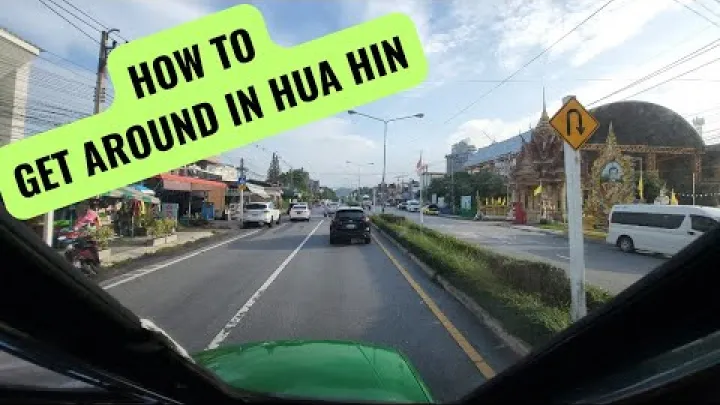
Local options may include taxis, hotel-arranged cars, songthaews, and ride-hailing where available. Availability can vary by time and location, so always have a backup plan. Ask your hotel about typical fares, return options from outlying areas, and whether it is easy to get transport after dinner or a market visit.
Scooter rental is common in many Thai beach towns, but it is not the right choice for every visitor. If you consider riding, check license requirements, helmet rules, insurance coverage, road conditions, and your real riding experience. For many first-time travelers, taxis or hotel transport are safer and less stressful.
Best Things to Do in Hua Hin
The best Hua Hin itinerary mixes beach time with markets, cultural stops, and at least one excursion. You do not need to see everything. Choose activities based on weather, energy, and where you are staying.
Hua Hin Beach and the Historic Railway Station
Hua Hin Beach is the town's main leisure anchor. Visitors come for walking, sunbathing, relaxed meals near the sea, and swimming when conditions are suitable. It is a good place to begin because it gives you an immediate sense of the town's coastal character.

Pair the beach with Hua Hin Railway Station for an easy first-day introduction. The station is tied to Hua Hin's older resort identity and is one of the most recognizable landmarks in town. You do not need a long visit, but it is a useful orientation stop, especially if you are staying near the center.
A simple first day might include a slow beach walk, a rest at your hotel, the railway station in the late afternoon, and Hua Hin Night Market in the evening. This structure keeps the schedule light after the journey from Bangkok.
Night Markets, Seafood, and Creative Evening Spots
Hua Hin Night Market is the classic evening stop for street food, seafood, snacks, souvenirs, and casual browsing. Bring small cash, arrive with patience, and sample several smaller dishes rather than committing to one large meal too early.
Cicada Market and Tamarind Market are popular evening options with a more curated or creative feel. They can be especially useful for travelers who enjoy crafts, casual dining, live music, and a more organized market layout. Opening days and hours can change, so confirm current schedules before planning your evening around either market.
Hua Hin nightlife is often more food, markets, family outings, and live music than club-focused nightlife. If your ideal trip is built around late-night clubs, another Thai beach destination may fit better. If you prefer seafood dinners, relaxed drinks, and market wandering, Hua Hin is a comfortable match.
Temples, Palaces, Parks, and Family Attractions
Hua Hin has many non-beach activities that add depth to a short trip. Wat Huay Mongkol is a temple visit suited to travelers interested in religious sites and local devotion. Khao Takiab combines a coastal hill setting, temple area, views, and the chance to experience a different part of the Hua Hin coastline.
Maruekhathaiyawan Palace and Rajabhakti Park add royal, historical, and memorial context to the region. Before visiting palace sites, royal monuments, or memorial spaces, check current access rules, dress expectations, ticketing, and photography restrictions. These are places to approach respectfully, not simply as photo stops.
Families may appreciate structured attractions such as Vana Nava Water Jungle, especially during hot afternoons when long walking tours are less appealing. As with all ticketed attractions, check current hours, prices, maintenance schedules, and weather policies before going.
Golf, Wellness, and Slow Travel Activities
Hua Hin has a strong reputation among travelers who enjoy golf, spa breaks, wellness stays, and slow travel. Golfers may look at local courses such as Pineapple Valley Golf Club, while non-golfers may prefer spa treatments, yoga, cafes, cooking experiences, or simply a slower resort rhythm.
These activities are one reason Hua Hin works better for a longer stay than a quick stop for some travelers. If you only have one night, you will probably focus on the beach and night market. If you have four or five days, you can add golf, wellness, a second market evening, and a nature day trip without feeling rushed.
This slower style also differentiates Hua Hin from destinations that revolve more strongly around nightlife. Hua Hin is often at its best when you allow time for rest between activities.
Best Day Trips From Hua Hin
Hua Hin's day trips are a major reason to stay more than one night. The wider Prachuap Khiri Khan area includes coastal towns, national parks, caves, waterfalls, and quieter beaches. The Tourism Authority of Thailand describes Prachuap Khiri Khan as an accessible province with attractive alternatives for visitors who want to avoid overcrowded resorts.
Khao Sam Roi Yot National Park and Phraya Nakhon Cave
Khao Sam Roi Yot National Park is one of the most distinctive nature day trips from Hua Hin. It is known for limestone scenery, wetlands, coast, and cave landscapes. For many travelers, the highlight is Phraya Nakhon Cave, but it requires more effort than a simple viewpoint stop.
Before committing, check trail conditions, boat access if relevant, weather, tide or sea conditions where applicable, and current park information. Wear suitable footwear, carry water, use sun protection, and be honest about your fitness. The cave can be rewarding, but it is not the best choice for travelers who cannot handle heat, steps, uneven paths, or a more active outing.
A private driver, organized tour, or carefully planned rental car can make the day easier. Public transport may not fit every route or schedule, so confirm your return plan before leaving Hua Hin.
Pranburi and the Quieter Southern Coast
Pranburi is a calmer coastal and nature-oriented area south of Hua Hin. It can include quieter beaches, mangrove scenery, low-key cafes, and a slower pace than central Hua Hin. It is a good day trip if you want a change of atmosphere without committing to a major hike.
Pranburi can also work as an alternative base. You gain a quieter setting and easier access to some nature-focused areas, but you lose the immediate convenience of Hua Hin's night markets, railway station area, and wider restaurant selection. For a first trip, many travelers prefer to stay in Hua Hin and visit Pranburi for the day.
Kaeng Krachan Area and Pala-U Waterfall
The Kaeng Krachan area and Pala-U Waterfall are more nature-oriented options for travelers interested in forest, waterfalls, and hiking. These trips require more planning than central town sightseeing because transport is less convenient and conditions matter more.
Seasonal rain can affect trails, water levels, slippery surfaces, insects, and overall comfort. Do not expect guaranteed wildlife sightings, and do not treat waterfall paths as casual city walks. Wear shoes with grip, carry water, protect yourself from sun and insects, and follow local instructions.
Before departure, check current park access, weather, and any rules that affect visitors. If you do not have your own suitable transport, arrange a driver or tour in advance and confirm the pickup and return details.
Costs, Trip Length, and Itinerary Ideas
Hua Hin can fit several budgets, but your total cost depends heavily on season, hotel location, transport choices, food style, and activities. A traveler staying inland and eating at markets will have a very different budget from a family staying at a beachfront resort with private transfers and water park tickets.
Typical Budget Choices
Accommodation is the largest variable for many visitors. Simple guesthouses and inland hotels can help control costs, while beachfront resorts, villas, spa hotels, and golf-focused stays can increase the budget quickly. Central location can reduce local transport costs, while outlying resorts may add taxis or hotel transfers.
Food can be flexible. Hua Hin Night Market, casual restaurants, and local food stalls can keep meals affordable, while seafood restaurants, resort dining, and international restaurants cost more. Markets are useful because you can choose how much to eat and spend.
Transport and activities are the other major variables. Shared transport from Bangkok is usually more budget-friendly than private transfers, but private cars may be worth it for families or late arrivals. Day trips, golf, spas, water parks, and private drivers can add significantly to the total.
How Many Days to Spend in Hua Hin
One to two nights is enough for a quick beach-and-market stop. This works if you mainly want to break up a Bangkok itinerary, see Hua Hin Beach, visit the railway station, and enjoy one evening market.
Three to five days is better for most first-time travelers. This gives you time for beach relaxation, Hua Hin Night Market, Cicada Market or Tamarind Market if open, Khao Takiab, one or two cultural sights, and at least one day trip such as Pranburi or Khao Sam Roi Yot National Park.
Longer stays suit golf, wellness, remote work, slow travel, or deeper regional exploration. If you want spa time, golf, national parks, relaxed meals, and rest days, a week can feel natural rather than excessive.
Simple Itinerary Structures
Do not overpack Hua Hin. Heat, transport, and weather can make a full checklist feel tiring. Use these structures as flexible templates rather than strict schedules.
| Trip length | Good structure | Best for |
|---|---|---|
| Two days | Arrival, beach, railway station, night market, one nearby sight | Quick Bangkok beach break |
| Three to four days | Add Khao Takiab, cultural sites, creative markets, one day trip | Most first-time visitors |
| Five days or more | Add golf, spa, extra beach time, second regional excursion | Slow travel, wellness, families |
For a rainy-day swap, move outdoor excursions to a better day and use the wet day for cafes, spa time, markets if open, shopping, or a short central sightseeing loop. Build rest into the schedule, especially if you are arriving from a long international flight.
Safety, Etiquette, and Practical Travel Tips
Hua Hin is a mainstream tourist destination, but no destination is risk-free. Plan with normal travel precautions, check current advice, and make conservative choices around transport, heat, water, wildlife, and late-night movement.
General Safety and Current Advisory Checks
Before departure, check current Thailand travel advisories and follow local authority guidance. The U.S. Department of State provides country-level safety information for Thailand, including advisory updates. Travelers from other countries should also check their own government's travel advice.
In Hua Hin, use standard precautions. Keep valuables secure, avoid leaving belongings unattended on the beach, be careful with alcohol, and use reputable transport services. If you go out at night, plan how you will return before you leave your hotel, especially if you are staying outside the center.
For tours, drivers, and activities, choose providers with clear communication, transparent pricing, and safe equipment. If something feels unclear, ask your hotel or a trusted local operator before paying.
Traffic, Heat, Wildlife, and Beach Common Sense
Road safety matters in Thailand. If you ride a scooter or motorcycle, wear a helmet, confirm license and insurance requirements, and be realistic about traffic conditions. If you are not experienced, use taxis, hotel cars, or arranged transport instead.
Heat and sun exposure are everyday concerns. Carry water, use sun protection, take breaks, and avoid the most exposed outdoor plans during the hottest part of the day. Insects can also be an issue in greener areas, especially around parks, waterfalls, and mangroves.
At beaches and waterfalls, check conditions before swimming or walking on rocks. At Khao Takiab and in natural areas, be cautious around monkeys and other wildlife. Do not feed animals, hold food openly near monkeys, or try to provoke animals for photos.
Temple, Palace, and Market Etiquette
At temples, palace sites, royal monuments, and memorial spaces, dress modestly and behave respectfully. Cover shoulders and knees where required, remove shoes where instructed, keep your voice low, and follow posted rules. Sites such as Wat Huay Mongkol, Maruekhathaiyawan Palace, and Rajabhakti Park are not only attractions; they are places with religious, royal, or memorial meaning.
At markets, carry small cash, be patient in crowded areas, and ask before photographing people closely. Bargaining expectations vary by stall and setting, so keep interactions polite and friendly. If a price is fixed, accept it or move on.
In national parks and protected areas, stay on marked paths, avoid littering, and follow ranger or operator instructions. Respecting local rules protects both visitors and the places they came to see.
Final Thoughts on Planning a Hua Hin Trip
Hua Hin is a strong choice for travelers who want a practical Central Thailand beach destination with easy Bangkok access, comfortable hotels, markets, heritage sights, and varied day trips. It is not the most remote or nightlife-heavy beach option in Thailand, and that is part of its appeal.
For most first-time visitors, the best plan is three to five days based in either the town center or a beachfront resort, with time for Hua Hin Beach, Hua Hin Railway Station, night markets, Khao Takiab, and one nature-focused day trip. Keep weather-sensitive plans flexible, confirm transport details before travel, and choose your base according to how you want to spend your evenings.
With realistic expectations and a flexible schedule, Hua Hin can be an easy, rewarding addition to a Thailand itinerary.
Select area
Create a post
Posting is free and no registration is required.