Bangkok Budget: Daily Costs, Trip Prices & Saving Tips

A realistic Bangkok budget depends less on one average price and more on how you sleep, eat, move, and spend your evenings. Bangkok can still be very affordable for travelers who use street food, rail transport, and simple rooms, but central hotels, taxis in traffic, rooftop bars, malls, and paid landmarks can raise costs quickly. This guide breaks down typical Bangkok travel costs in Thai baht first, with rough US dollar equivalents for context. Use it to estimate your daily spend, compare budget and mid-range choices, and avoid common underbudgeting mistakes.
Bangkok Budget at a Glance
For local daily planning, separate Bangkok in-city costs from international flights. The numbers below cover the normal daily travel categories: accommodation, meals, local transport, sightseeing, and modest extras.
Daily budget ranges for budget, mid-range, and comfortable travelers
As a practical starting point, many travelers can plan around three daily budget levels. A Thailand backpacking estimate from Global Gallivanting gives useful context for low-cost travel, while broader Thailand travel budgets from Agoda show how quickly costs rise for mid-range and higher-comfort trips. Bangkok sits inside that wide range because it has both very cheap local options and expensive international-city spending opportunities.
| Travel style | Daily budget per person | What it usually buys |
|---|---|---|
| Budget | 1,200–2,000 THB, about US$34–57 | Dorm or simple room share, mostly street food, rail transport, low-cost sights, limited alcohol |
| Mid-range | 2,500–4,500 THB, about US$71–129 | Private room, mixed local meals and restaurants, BTS or MRT plus taxis, paid landmarks |
| Comfortable | 5,000–8,000+ THB, about US$143–229+ | Central hotel, restaurant-heavy dining, more taxis, tours, cocktails, shopping, or premium views |
Use foreign-currency equivalents only as a rough guide because exchange rates change. If your home currency is volatile against the Thai baht, add a small buffer rather than planning to the exact baht.
What is included in a Bangkok daily budget
This article treats a Bangkok daily budget as your in-city cost: lodging, meals, local transport, entry fees, and everyday extras such as water, snacks, coffee, and small tips. It does not include international airfare, travel insurance, visas, major shopping, medical costs, or long-distance Thailand transport to islands, Chiang Mai, or other provinces.
Flights are often the largest pre-trip cost, but they vary heavily by origin city, airline, route, season, baggage rules, and booking timing. A traveler flying from Singapore, London, Sydney, Dubai, or New York will have very different airfare, even if their Bangkok daily spend is identical. A useful formula is: total trip cost equals flights and pre-trip costs, plus Bangkok daily budget multiplied by nights, plus special experiences and shopping.
The biggest factors that change your Bangkok trip cost
The largest cost driver is accommodation. A solo traveler taking a private room pays the entire room rate alone, while two travelers can split the same hotel. This is why Bangkok can feel much cheaper for couples or friends than for solo travelers who do not want hostels.
Neighborhood also matters. Staying near Siam, Asok, Phrom Phong, Nana, Silom, Sathorn, or the Chao Phraya River can increase nightly rates, especially near BTS Skytrain or MRT Blue Line stations. However, a cheaper hotel far from rail may cost more in taxis and time. Dining style, nightlife, paid attractions, and taxi use create the next biggest differences.
Prices can rise during major holidays, festivals, long weekends, large events, and high-demand travel periods. If your dates are fixed, book cancellable accommodation early, then compare again closer to travel only if you can switch without penalty.
Accommodation Costs in Bangkok
Accommodation is the category that most clearly separates a shoestring Bangkok budget from a comfortable one. Always compare the final price after taxes and fees, not only the first nightly rate shown in search results.
Hostel dorms and ultra-budget guesthouses
Bangkok has dorm beds at very low entry prices, but the cheapest bed is not always the best value. Listings on Hostelworld show that Bangkok hostel beds can start from only a few euros on some dates, while better-rated or better-located dorms usually cost more. A cautious planning range is about 180–600 THB for a dorm bed, with higher prices for boutique hostels, capsule-style beds, private bathrooms, or central locations.
Very cheap beds often involve trade-offs: larger dorms, older buildings, less privacy, weaker soundproofing, fewer amenities, or a location that requires more transport. Khao San Road remains popular with backpackers, Chinatown can work well for food-focused travelers, and selected Sukhumvit side streets may offer budget stays with rail access. Do not assume one district is always cheapest; compare reviews, location, taxes, lockers, air conditioning, and walking distance to transport.
Budget hotels and mid-range private rooms
Private rooms change the calculation. A solo traveler may find a dorm much cheaper, but two travelers sharing a simple private room can often get strong value. Private hostel rooms, guesthouses, and two- or three-star hotels may start around 700–1,500 THB per room on good dates, while more reliable mid-range hotels often sit around 1,500–3,500 THB or more depending on area and season.

Hotel platforms change prices constantly, but Expedia regularly shows examples of three-star Bangkok hotels from low headline rates. Read the details carefully: the best comparison is the total price including taxes, fees, cancellation rules, breakfast, and room type.
Neighborhood price differences and value areas
The best value area is the one that reduces your total cost, not only your room rate.
If most of your plans are around Siam, Sukhumvit, Silom, the Grand Palace, Wat Pho, Wat Arun, Chinatown, or Chatuchak, choose a base that limits long cross-city journeys.
Khao San Road is often strongest for backpacker social hostels and cheap guesthouses, but it is less convenient for BTS- and MRT-based days. Chinatown can be good value for food and MRT access. Sukhumvit has a wide price range, yet Asok, Phrom Phong, and Nana usually cost more close to stations. Siam is convenient but often pricier. Silom and Sathorn can offer business-district deals on some dates, while riverside hotels near the Chao Phraya River often charge more for views and resort-style facilities. Pratunam can work for shoppers, but check walking distance to rail because taxi time can erase room-rate savings.
Food and Drink Prices in Bangkok
Food is where Bangkok can feel wonderfully affordable. It is also where a budget can quietly expand if every day includes imported coffee, mall restaurants, desserts, cocktails, and late-night snacks.
Street food and local Thai meals
Street food and simple local restaurants are the easiest way to keep your Bangkok travel budget low while still eating well. A basic local dish such as noodle soup, fried rice, pad thai, khao man gai, som tam, or a curry-rice plate may cost roughly 50–100 THB in many local settings. Tourist-heavy streets, night markets with high visitor traffic, and attractive food courts can charge more for the same kind of meal.
Snacks and sweets also vary. Grilled skewers, fruit, small desserts, and mango sticky rice can be cheap in local markets but more expensive in polished tourist zones. If you eat mostly local meals, a daily food budget of 250–500 THB is possible for many travelers, excluding alcohol and premium coffee.
Restaurants, malls, coffee, and international food
Casual Thai restaurants, air-conditioned mall restaurants, hotel restaurants, brunch cafés, and international food raise daily spending. A simple restaurant meal may be modest, but service charge, tax, drinks, and dessert can make the total much higher than street food.
Think in eating patterns rather than isolated menu prices. A low-cost food day may include convenience-store breakfast, local lunch, street-food dinner, and bottled water. A mixed day may include coffee, a local lunch, a mall dinner, and snacks. A comfortable day may include hotel breakfast, café coffee, restaurant lunch, cocktails, and a nicer dinner. Those patterns can turn a 300 THB food day into a 1,500 THB food day without any single purchase feeling extreme.
Water, beer, cocktails, and hidden daily extras
Small repeat purchases are a common reason travelers underestimate Bangkok prices. Bottled water, soft drinks, convenience-store snacks, iced coffee, fruit shakes, and quick taxi rides can add hundreds of baht per day.
Alcohol is the bigger swing factor. A beer can cost less at a convenience store than at a bar, and cocktails at rooftop bars or hotel lounges can cost as much as several simple meals. If nightlife is part of your plan, create a separate drink and entertainment allowance instead of hiding it inside your food budget.
Local Transport Costs in Bangkok
Bangkok transport can be inexpensive, but only if your accommodation and itinerary work with the rail network. Traffic, tolls, and late-night rides can quickly change the daily cost.
BTS, MRT, and Airport Rail Link fares
The BTS Skytrain and MRT Blue Line are the most useful cost anchors for many visitors. BTS fares are distance-based and can be checked through the official BTS route and fare tools. The MRT Blue Line also uses distance-based fares; Nation Thailand reported that the Blue Line fare range was set at 17–44 THB from July 2026, so check current fares if you travel around a fare-change period.

For airport access, the Airport Rail Link is often one of the lowest-cost options from Suvarnabhumi Airport. Bangkok Airport Online lists City Line fares from 15–45 THB, with connections toward Phaya Thai and Makkasan. This is very useful for light luggage travelers, although a taxi may be more convenient for late arrivals, families, or heavy bags.
Taxis, ride-hailing, motorcycle taxis, and tuk-tuks
Taxis and ride-hailing can be affordable by international standards, but Bangkok traffic changes the real cost in both baht and time. Airport surcharges, expressway tolls, long distances, demand pricing, and slow traffic can raise totals. A short metered ride may be reasonable; a cross-city ride during rush hour may not feel cheap.
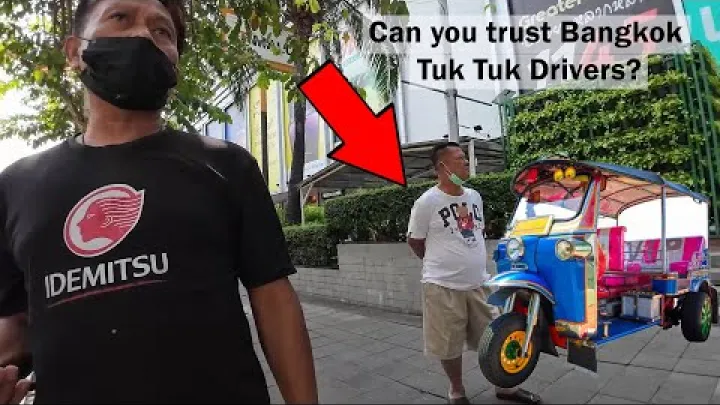
Motorcycle taxis can be useful for short hops, especially from a station to a nearby hotel or office, but they are not suitable for every traveler, every comfort level, or luggage. Tuk-tuks are better treated as an occasional Bangkok experience than the default budget option. Fares are negotiated, and a tuk-tuk can cost more than a metered taxi if you do not agree clearly before the ride.
Daily transport budgets by travel style
A mostly public-transport day may cost 80–180 THB if you take a few BTS, MRT, or Airport Rail Link rides. A mixed day with rail plus one taxi or ride-hailing trip may cost 200–500 THB. A taxi-heavy day, especially with longer distances or traffic, can exceed 700–1,200 THB.
Couples and groups can split taxi costs, which makes occasional rides more attractive. Solo travelers should be more careful because the full taxi fare lands on one person. If a cheaper hotel is far from rail, calculate the likely extra taxi cost before booking.
Attraction, Tour, and Nightlife Costs
Bangkok sightseeing can be very cheap on neighborhood days and much more expensive on first-time landmark days. Plan both types so your average cost stays realistic.
Major temple and palace entrance fees
The Grand Palace and Wat Phra Kaew, Wat Pho, Wat Arun, and the Golden Mount are common first-time cultural stops. Entrance fees can change, but many travelers should budget roughly 500 THB for the Grand Palace area, around 200–300 THB for major temples such as Wat Pho or Wat Arun, and a smaller fee for Golden Mount. Before visiting, check current fees, opening hours, dress rules, and access conditions.
A first-time temple and palace day can be one of the most expensive sightseeing days in an otherwise modest Bangkok budget. If you visit several paid landmarks, take boats or taxis between them, and stop for drinks in the heat, your attraction-day cost may be much higher than a market or neighborhood day.
Free and low-cost sights, markets, and neighborhoods
Lower-spend days are easy to build in Bangkok. Chinatown walks, riverside areas, local neighborhoods, malls for air-conditioned breaks, smaller temples, and public spaces can keep costs low. Chatuchak is budget-friendly to visit if you mainly browse, but it becomes expensive if you shop heavily.
Free-entry places still involve transport, water, food, and optional purchases. A realistic low-cost sightseeing day might include MRT to Chinatown, street food, a riverside walk, a small temple donation, and a simple dinner. It is not zero cost, but it can be far cheaper than a day of major landmarks, tours, and bars.
Tours, river cruises, nightlife, and shopping allowances
Guided tours, cooking classes, dinner cruises, observation decks, shows, bars, clubs, rooftop drinks, and shopping are optional layers. They are not necessary for a basic Bangkok daily budget, but they may be important to your trip.
The safest budgeting method is to separate core daily costs from splurge costs. For example, keep your normal daily budget for room, food, transport, and sightseeing, then add a separate allowance for one rooftop bar, one river cruise, one guided food tour, or one shopping day. This prevents extras from quietly overtaking your plan.
Sample Bangkok Trip Budgets
Daily averages are useful, but real trips are uneven. Airport transfers, major landmarks, and nightlife can cluster into one or two days, especially on short visits.
Three-day first-time Bangkok budget
A three-day Bangkok trip often has a higher daily average because airport transfers and major entrance fees are spread across fewer days. The example below excludes international flights and major shopping.
| Traveler type | 3-day local budget | Typical pattern |
|---|---|---|
| Solo budget traveler | 4,000–7,000 THB | Dorm, street food, rail, one major sightseeing day, limited nightlife |
| Two-person mid-range trip | 16,000–28,000 THB total for two | Shared private hotel, mixed restaurants, rail and taxis, key landmarks |
| Comfortable traveler | 15,000–30,000+ THB per person | Central hotel, taxis, restaurants, paid sights, cocktails or a special experience |
Use this as a template, not a fixed itinerary. If your three days include shopping malls, rooftop bars, and a dinner cruise, add those costs separately.
One-week Bangkok travel budget
A one-week Bangkok budget usually smooths out better than a short trip. You may still have one or two expensive sightseeing days, but you can balance them with Chinatown, markets, casual food, neighborhood walks, and rest days.
| Travel style | 7-day estimate per person | Main cost difference |
|---|---|---|
| Budget | 8,500–14,000 THB | Hostel or low-cost room, local meals, public transport |
| Mid-range | 17,500–31,500 THB | Private accommodation, restaurants, taxis, paid attractions |
| Comfortable | 35,000–56,000+ THB | Central hotel, frequent taxis, premium dining, tours, nightlife |
Accommodation and dining pattern remain the biggest differences. Attraction costs matter, but they are usually smaller than seven nights of hotel choices or seven days of restaurant-heavy eating.
Longer stays and monthly cost logic
Longer stays work differently from tourist trips. Monthly rentals, serviced apartments, laundry, groceries, coworking, utilities, gym access, and local phone plans may become part of the budget. Resident-style cost benchmarks can help, but they are not the same as tourist spending.
For context, Numbeo lists Bangkok monthly living-cost estimates excluding rent, but short-term visitors may spend more because they use hotels, serviced apartments, restaurants, and flexible bookings. Prime BTS locations and short leases can cost far more than local long-term rental examples.
How Bangkok Prices Compare and Where to Save
Bangkok is not simply cheap or expensive. It is a city with a wide price range, which means your choices shape your cost more than the destination alone.
Bangkok versus islands, resorts, and northern Thailand
Compared with many northern or rural parts of Thailand, Bangkok can be more expensive for central accommodation, premium coffee, international restaurants, and nightlife. Compared with major island and resort destinations, Bangkok can offer better value for comparable urban hotels, local food, and public transport.
Exact comparisons depend on season, destination, and travel style. A backpacker eating local food in Bangkok may spend less than a resort traveler on an island. A traveler staying in a luxury riverside hotel and drinking cocktails in Bangkok may spend more than someone living simply in northern Thailand.
Practical saving tactics that do not ruin the trip
The best savings are the ones that protect convenience and reduce waste. Book accommodation early for busy dates, especially if you need a central location. Stay near BTS or MRT when it saves daily travel time. Use the Airport Rail Link from Suvarnabhumi Airport when it fits your luggage and arrival time. Eat local food often, then choose specific meals for restaurants or splurges.
Alternate paid landmark days with low-cost neighborhood days. Set a daily cash or app-tracked limit for taxis, drinks, and snacks. Before comparing hotel prices, check whether rates include taxes, breakfast, and free cancellation. A lower headline rate can be worse value if it adds fees or forces expensive transport every day.
When paying more is worth it
The lowest possible Bangkok budget is not always the best budget. Paying more can be worth it for a central hotel on a short stay, a well-reviewed room, air-conditioned transport with luggage, a safer late-night return, or a location that saves hours in traffic.
False economy is common. Saving 200 THB on a distant room may cost more in taxis and lost time. Skipping a convenient airport transfer may be stressful after a long flight. Spend more on the parts that protect your time, comfort, and safety, then cut costs on less important categories.
Frequently Asked Questions
Is Bangkok cheap for tourists?
Bangkok can be cheap for tourists who choose hostels, street food, public transport, and free or low-cost sights. It becomes much less cheap with central hotels, taxis, rooftop bars, international dining, tours, and shopping.
How much money do I need per day in Bangkok?
Plan about 1,200–2,000 THB per day for a budget trip, 2,500–4,500 THB for a mid-range trip, and 5,000–8,000+ THB for a comfortable trip. These ranges exclude international flights and major shopping.
Is 1000 THB a day enough in Bangkok?
1,000 THB a day can work only for a very strict budget traveler, usually with a cheap dorm, local food, limited paid sightseeing, and minimal nightlife. It is safer to budget more if you want a private room or major attractions.
What is the cheapest area to stay in Bangkok?
There is no single cheapest area every day. Khao San Road, parts of Chinatown, and some outer or side-street areas often have low-cost options, but you should compare total price, reviews, and transport access before booking.
Are taxis or public transport cheaper in Bangkok?
Public transport is usually cheaper for solo travelers, especially BTS, MRT, and Airport Rail Link rides. Taxis can be good value for couples or groups on short trips, but traffic, tolls, and demand pricing can raise costs.
Should I include flights in my Bangkok travel budget?
Keep flights as a separate pre-trip cost. Airfare depends on your origin, airline, season, luggage, and booking timing, so it should not be mixed into your Bangkok daily spending estimate.
Final Budget Planning Checklist
Start with your travel style, then build your Bangkok budget from the largest costs downward. Choose your accommodation type and neighborhood first, because this affects both room price and daily transport. Add a realistic food pattern, not just the cheapest meals you hope to find. Then include BTS, MRT, taxi, or Airport Rail Link costs based on where you will actually stay.
- Separate flights from daily costs: keep airfare, insurance, visas, and long-distance Thailand travel outside your Bangkok daily budget.
- Price accommodation by total cost: compare taxes, fees, breakfast, cancellation terms, reviews, and distance to BTS or MRT.
- Plan different day types: include at least one paid landmark day and one lower-cost neighborhood or market day.
- Give drinks and extras their own allowance: coffee, snacks, beer, cocktails, and taxis can quietly raise spending.
- Keep a buffer: add extra baht for weather, traffic, late arrivals, price changes, and experiences you decide to add once in Bangkok.
A sensible Bangkok budget is not about spending as little as possible. It is about knowing where your money goes, choosing the comforts that matter, and using Bangkok’s affordable food and transport options to protect the rest of your trip fund.
Select area
Create a post
Posting is free and no registration is required.