Lake Sebu Travel Guide: Lakes, Seven Falls and Culture

This Lake Sebu travel guide is for first-time visitors who want a clear, practical overview before traveling to the highlands of South Cotabato. Lake Sebu is known for lakes, waterfalls, tilapia meals, cool upland air, and T'boli cultural heritage, but it takes more planning than a simple beach weekend or city stay. This guide explains when to go, how to get there, where to stay, what to do, how to move around, and how to approach safety and community visits responsibly.
Start Here: What Makes Lake Sebu Different
Lake Sebu is best understood as an eco-cultural destination. It rewards travelers who are comfortable with slower movement, flexible schedules, and local arrangements rather than fixed resort-style logistics.
Where Lake Sebu Is and Why It Feels Different
Lake Sebu is a municipality in South Cotabato, within the Soccsksargen region of Mindanao in the southern Philippines. The official local government website of the Municipality of Lake Sebu is a useful starting point for administrative context and local contact information.
For travelers, Lake Sebu feels different from many mainstream Philippine destinations because the main appeal is not beaches, nightlife, or shopping. The draw is a highland landscape of lakes, waterfalls, farms, quiet roads, and cultural experiences connected with T'boli communities. The atmosphere can feel cooler than nearby lowland cities, especially in the morning and evening, but weather varies and should be checked close to travel.
It is also less commercialized than places with large airports and dense tourism infrastructure. That can make a visit more rewarding, but it also means you should plan transport, cash, accommodation, and activity schedules more carefully.
How the Lakes, Town Center, and Waterfalls Fit Together
The destination is spread across several areas rather than concentrated in one walkable tourist strip. Visitors commonly move between the main Lake Sebu area, Poblacion or the town center, Lake Seloton, Lake Lahit, and the Seven Falls corridor.
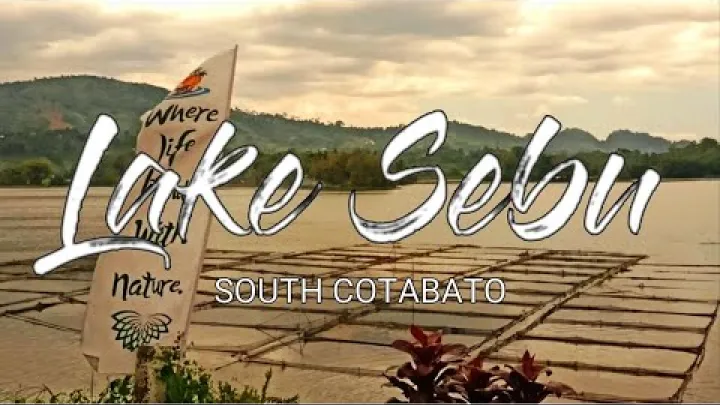
Poblacion is useful for transport connections, markets, basic services, and budget logistics. Lakefront areas are better for scenery, meals by the water, and boat arrangements. Seven Falls offers a different experience again, with viewpoints, forested surroundings, and adventure activities when conditions and site operations allow.
Because attractions are scattered, it is not realistic to explore everything only on foot. Most travelers combine local motorcycle transport, arranged drivers, boat rides, and short walks. This layout is one reason an overnight stay is usually more comfortable than a rushed day trip.
How Long to Stay
One day in Lake Sebu is possible if you are already nearby, start early, and choose your priorities carefully. A one-day visit should focus on either Seven Falls and a lake meal, or one lake activity with a short cultural or viewpoint stop. Trying to include every lake, waterfall, boat ride, meal, and cultural visit in one day can make the trip feel stressful.
Two nights is a better plan for most first-time visitors. It gives you time for an early morning lake experience, Seven Falls, tilapia meals, town-center errands, and at least one cultural stop without relying on perfect weather or perfect transport timing.
Three days or more suits photographers, slow travelers, hikers, and visitors who want more meaningful community-based experiences. Longer stays also help if you are coming from Davao City or another farther gateway, because a large part of the first and last day may be spent on the road.
Best Time to Visit Lake Sebu
Lake Sebu can be visited in different seasons, but outdoor plans are strongly shaped by rain, visibility, road conditions, and same-day activity operations. Build flexibility into your schedule whenever possible.
Cool Dry Months for First-Time Visitors
The drier months are generally easier for first-time visitors because roads, views, boat rides, and outdoor activities are less likely to be disrupted. This does not mean every day will be clear. In a highland environment, mist, sudden rain, and changing cloud cover can still affect views and plans.
The cooler upland feel is part of the appeal, especially for travelers arriving from hotter lowland areas such as General Santos City, Koronadal, or Davao City. A light jacket or long-sleeved layer is useful for early mornings, evenings, and boat rides.
Before traveling, check current forecasts rather than relying only on seasonal expectations. If your itinerary depends on a sunrise boat ride, Seven Falls visit, or zipline activity, ask your accommodation or local driver about the latest conditions the day before and again on the morning of travel.
Rainy Season, Typhoon Risk, and Flexible Planning
Rainy months can make the landscape greener and more atmospheric, but they can also bring muddy paths, slippery steps, reduced visibility, and changes to road or activity access. Waterfall areas may be more dramatic after rain, but access and safety rules depend on local conditions.
Typhoon-season planning should be approached at a national and regional level, not by assuming that every storm will directly affect Lake Sebu. Weather systems can still influence flights, roads, rain intensity, and transport connections across the Philippines. If you travel during wetter months, keep buffer time between long transfers and important bookings.
Boating, zipline operations, and waterfall access may depend on same-day weather, water levels, wind, and site decisions. Treat your itinerary as a plan, not a promise. If conditions are poor, switch to lower-risk activities such as lakeside meals, markets, craft visits, or rest time.
How to Get to Lake Sebu
Lake Sebu does not have its own airport. Most visitors fly into a regional city and continue by road, often through several transport layers.
Main Gateways: General Santos and Davao
General Santos City is commonly treated as the closer major gateway for travelers flying in from other parts of the Philippines. From there, visitors usually continue by road toward South Cotabato and onward to Lake Sebu. Davao City is a larger gateway with more urban services and flight options, but the land journey to Lake Sebu is longer.
Manila and Cebu are best understood as broader flight connection points, not direct access points to Lake Sebu. Route tools such as Rome2rio can help you understand broad combinations of flights, buses, ferries, taxis, and road transfers, but live schedules, fares, and travel times should be checked with current operators and local contacts.
Do not plan your arrival too tightly. Flight delays, terminal transfers, waiting time, road works, rain, and limited late-day transport can change the real door-to-door journey. If you arrive in a gateway city late in the day, consider staying overnight before continuing uphill.
Public Transport Through Koronadal and Surallah
Public transport to Lake Sebu is often routed through Koronadal and Surallah. Travelers coming from General Santos may use regional buses or vans from Bulaong Terminal toward Koronadal or Surallah, then continue by local connections into Lake Sebu. Travelers coming from Davao may start from Davao Ecoland Terminal and travel through major road hubs before connecting onward.
The final leg into Lake Sebu may involve vans, jeepneys, or motorcycle transport depending on timing and availability. Public transport can be affordable, but it requires patience and the ability to manage transfers. Exact fares, last trips, and terminal arrangements can change, so ask locally before committing to a same-day plan.
Arriving in daylight is strongly recommended, especially if this is your first visit. Daylight makes it easier to find the correct vehicle, communicate with drivers, check your accommodation location, and travel more comfortably on unfamiliar upland roads.
Private Transfers, Tours, and Day Trip Limits
A private transfer can be worth the extra cost if you are traveling as a group, carrying heavy luggage, arriving late, or uncomfortable with multiple transfers. It can also make sense if you are combining Lake Sebu with other South Cotabato stops and want better control over timing.
Organized tours from nearby cities may simplify the visit by bundling transport, stops, and a guide or driver. The trade-off is cost and less flexibility. Before booking, confirm pickup time, vehicle type, inclusions, waiting time, meals, entrance fees, and what happens if weather affects activities.
A day trip can be possible from nearer bases, but it often feels rushed. The upland journey, scattered attractions, meal stops, and weather checks take time. If sunrise, lake views, Seven Falls, food, and cultural experiences are important to you, plan at least one night in Lake Sebu.
Getting Around After You Arrive
Local movement is part of the Lake Sebu travel experience. Roads, weather, and attraction spacing affect how much you can realistically do in a day.
Motorcycle Tours and Mountain Roads
Motorcycle-based transport is common for reaching attractions around the municipality. In many parts of the Philippines, motorcycle taxis are often called habal-habal, and visitors may arrange rides through accommodations, local contacts, or drivers in town.

Mountain roads can be winding, steep, wet, or uneven depending on the route and season. If you are not used to motorcycle travel, be honest about your comfort level. Ask about helmets, agree on the route and price before leaving, and avoid carrying large luggage on a motorcycle when safer options are available.
Daytime travel is best. Rain, fog, and heavy downpours can reduce visibility and make surfaces slippery. If the weather looks poor, delay non-essential trips or choose a closer activity.
Boat Rides and Lake Access
Lake experiences are usually arranged by specific lake area, resort, or local boat operator. A boat ride on the main Lake Sebu should not be assumed to include Lake Seloton or Lake Lahit. Ask clearly which lake you will visit, how long the ride lasts, what is included, and whether the route depends on weather.
Sunrise rides, short scenic cruises, and meals by the water are common visitor experiences. Early morning can be especially beautiful when there is mist, soft light, and calmer conditions, but clear views and perfect reflections are never guaranteed.
Before boarding, confirm the price, route, estimated duration, passenger capacity, and safety expectations. If life vests are available or required, use them. Avoid pushing for a ride if local operators advise against it because of wind, rain, or visibility.
Where to Stay in Lake Sebu
Your base affects how easy it is to arrange transport, meals, boat rides, and early morning activities. First-time visitors should choose location before choosing a specific property.
Main Lake and Town Center for Convenience
The main Lake Sebu shore and the town center are practical choices for first-time visitors. Lakefront stays can be convenient for boat rides, lakeside meals, and cultural performances where available. Punta Isla Lake Resort is a known example in the main lake area, but availability, amenities, rates, and programming should be confirmed directly before you plan around it.
Town-center stays may be less scenic, but they can be useful for budget travelers and visitors who prioritize transport, food access, supplies, and easier coordination with local drivers. Staying near Poblacion can also simplify early departures.
Book ahead during peak domestic travel periods, long weekends, and holidays when possible. Even if Lake Sebu is less commercialized than major resort destinations, the best-located rooms can still be limited.
Lake Seloton for Sunrise and Quiet Stays
Lake Seloton is often chosen by travelers who want a quieter base and better chances of a peaceful sunrise setting. It suits photographers, couples, slow travelers, and visitors who prefer calm scenery over immediate access to town services.
The trade-off is transport. Staying near Lake Seloton may add time and cost when visiting Seven Falls, Poblacion, restaurants, markets, or other lake areas. Sunrise Garden Lake Resort is a known example associated with this area, but you should confirm current access, room type, food options, and transport arrangements before booking.
If you choose a quieter lake base, ask your accommodation in advance how to reach it, whether drivers can be arranged, and what time you should arrive. Do not assume that late-night transport will be easy.
Homestays and Simple Lodges
Simple lodges, eco-style stays, and community-based homestays can appeal to budget travelers and visitors who want a more local experience. These stays may offer closer contact with daily life, but they can also have basic facilities, variable connectivity, cooler nights, and fewer standardized services.
Set expectations clearly before you arrive. Ask about bathrooms, bedding, meals, transport, power reliability, mobile signal, and payment method. Not all homestays are listed on global booking platforms, so arrangements may need to be made through trusted local channels.
When staying with or visiting local families, treat the arrangement as a paid service and a personal space, not as a free cultural exhibit. Agree on payment, ask before taking photos, and respect household rules.
Top Things to Do in Lake Sebu
The best Lake Sebu itinerary balances scenery, food, waterfalls, and culture. Avoid treating the destination as a checklist; weather and local schedules matter.
Seven Falls and the Zipline
Seven Falls is one of Lake Sebu's signature attractions. Visitors come for waterfall viewpoints, forested scenery, and the well-known zipline experience when it is operating. The area can be a highlight, especially for travelers who want something more active than a lake cruise.
Access, trails, viewing areas, fees, opening hours, and zipline operations can change with weather, maintenance, and site rules. Do not rely on old prices or old blog schedules. Ask locally before going, especially after heavy rain.
Wear footwear with grip, keep electronics protected from spray or rain, and follow staff instructions around viewpoints and activity areas. If visibility is poor or paths are slippery, slow down and treat the visit as a nature stop rather than an adventure challenge.
Lake Cruises, Water Lilies, and Viewpoints
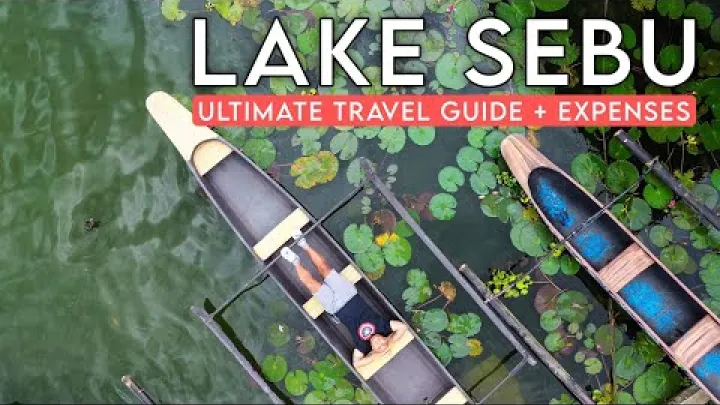
Boat rides on the main lake and Lake Seloton are core scenic experiences. Early morning is often the best time to try for mist, reflections, birds, quiet water, and soft light, although weather may not cooperate.

Some travelers casually describe the pink flowers seen on Lake Sebu as lotus, but traveler reporting and local clarification noted by Ambot Ah describe them as water lilies rather than lotus. Blooms, density, and viewing quality can vary, so do not plan your entire trip around guaranteed flowers.
Viewpoint stops can be added depending on your route, driver, and weather. Ask your accommodation or local boat operator about the best timing for the lake you want to visit. A quiet, shorter ride in good conditions is often better than an overpacked route in poor visibility.
Weaving Traditions and Cultural Experiences
T'nalak weaving is one of the most important cultural reasons to visit Lake Sebu. It is associated with T'boli heritage and should be approached as living culture, not as entertainment created only for visitors.
Depending on local availability, travelers may encounter weaving centers, craft demonstrations, music, dance, cultural presentations, or opportunities to buy textiles and handmade items. Experiences vary, and not every activity is available every day. Ask locally and be willing to adapt.
When buying crafts, purchase directly or fairly from artisans when possible. Avoid aggressive bargaining, especially for handmade work that takes time, skill, and cultural knowledge. Ask before photographing artisans, looms, homes, or performances.
Local Food and Tilapia Meals
Tilapia is one of the food experiences most closely associated with Lake Sebu. Visitors often try grilled, fried, or sauced tilapia in local restaurants or lakefront settings, sometimes as part of a slow meal after a boat ride or waterfall visit.
Menus, preparation styles, and prices vary by restaurant and season. Instead of assuming a fixed cost, check the menu before ordering and ask whether dishes are priced per serving, per kilo, or by preparation.
A lakeside tilapia meal is not just about the fish. It is also a simple way to slow down, enjoy the view, and build a less rushed day. If you have dietary restrictions, communicate them early because smaller restaurants may have limited alternatives.
Safety, Health, and Responsible Travel
Planning for Lake Sebu should include both general Mindanao travel awareness and everyday practical safety. Balanced preparation is better than either ignoring risk or exaggerating it.
How to Read Mindanao Travel Advisories
Some foreign governments issue broad travel advisories for the Philippines or parts of Mindanao. The U.S. Department of State, for example, advises increased caution in the Philippines and identifies some areas with increased risk.
Travel advisories are important, but they should be read carefully. A regional advisory does not automatically describe conditions at every tourism site in the same way. At the same time, a pleasant tourist experience does not cancel the need to check current information.
Before traveling, review current government advisories from your own country, check your travel insurance terms, and ask local contacts or accommodation staff about present conditions. Make your decision based on current updates, your route, your experience level, and your personal risk tolerance.
Weather, Roads, and Activity Safety
The most common practical issues for visitors are often weather and terrain: rain, fog, slippery steps, uneven roads, wet motorcycle rides, and activity closures. These issues can affect comfort and safety even when the broader security situation is calm.
Avoid unnecessary night travel on unfamiliar upland roads. If you must arrive late, arrange transport in advance and confirm that your accommodation is expecting you. Keep personal medication, basic rain protection, and important documents accessible rather than buried in luggage.
For activities such as boating, waterfall visits, or zipline rides, follow same-day advice from staff and local operators. Serious medical care may require travel to a larger urban center, so travelers with medical conditions should plan conservatively and carry essential supplies.
Respectful Visits to Indigenous Communities
Respectful travel in Lake Sebu means recognizing that T'boli communities are not tourist props. Traditional clothing, music, weaving, homes, ceremonies, and daily work should be treated with consent and care.
Ask permission before photographing people, homes, artisans at work, children, or community activities. If someone declines, accept the answer without pressure. If a guide explains a community rule, follow it even if other visitors are not paying attention.
Pay fairly for guiding, performances, crafts, homestays, and demonstrations. Responsible cultural travel should benefit local people and protect dignity, not only provide attractive photos for visitors.
Itineraries, Costs, and Packing Tips
Use the following ideas as flexible planning tools. Weather, transport, and local schedules can change, so leave space in your day.
One-Day, Two-Day, and Three-Day Itinerary Ideas
A one-day visit should be selective. If you arrive early, choose a main focus: Seven Falls and a lakeside tilapia meal, or a lake boat ride with a short cultural stop. Avoid adding too many distant stops unless you have a private vehicle and good weather.
A two-day plan is more balanced. On day one, travel to Lake Sebu, settle in, eat by the lake, and arrange the next morning's activity. On day two, do an early lake ride, visit Seven Falls when conditions allow, and add a weaving or cultural stop if available.
A three-day plan gives you space for sunrise, rain delays, extra viewpoints, markets, slower meals, and community-based experiences. It is the best fit for travelers who want the destination to feel calm rather than compressed.
| Trip length | Best for | Sample focus |
|---|---|---|
| One day | Nearby travelers with limited time | Seven Falls plus lake meal, or one boat ride |
| Two days | Most first-time visitors | Sunrise lake time, waterfalls, food, cultural stop |
| Three days | Slow travelers and photographers | Extra sunrise time, markets, viewpoints, community visits |
Typical Budget Categories
Lake Sebu can be budget-friendly compared with many resort destinations, but total cost depends on your gateway, comfort level, transport style, and activities. A public-transport traveler staying in simple lodging will spend very differently from a group using a private transfer and lakefront accommodation.
Plan your budget by category rather than relying on a single total. The main costs are long-distance transport, local transfers, accommodation, food, attraction fees, boat rides, motorcycle transport, guides, and craft purchases.
Carry enough cash for small operators, drivers, food stalls, markets, entrance fees, and crafts. Card or online payment acceptance may not be consistent, and connectivity can vary. Budget for handmade crafts and community experiences fairly rather than treating them as optional bargaining wins.
| Category | What to consider | Planning tip |
|---|---|---|
| Transport | Flights, buses, vans, motorcycles, private transfers | Check current schedules and allow transfer time |
| Accommodation | Town lodging, lakefront resorts, homestays | Choose location based on your itinerary |
| Activities | Waterfalls, zipline, boat rides, guides | Confirm fees and operations locally |
| Food | Tilapia meals, local restaurants, snacks | Ask how dishes are priced before ordering |
| Culture and crafts | Weaving, performances, handmade items | Pay fairly and buy directly when possible |
What to Pack and What to Verify Locally
Pack for a highland, wet-weather, rural destination. Useful items include a light jacket, rain protection, quick-drying clothes, sturdy footwear, sun protection, insect protection if you usually use it, personal medication, cash, a power bank, and offline maps.
Before heading uphill, save your accommodation contact details and confirm your arrival plan. Do not rely only on last-minute online access for important information. Connectivity may be good in some places and weaker in others, so it is safer to have key details available offline.
Verify current transport schedules, terminal arrangements, attraction fees, zipline operations, boat availability, weather, and local advisories close to travel. These are the details most likely to change and the ones that most affect a smooth trip.
Final Tips for Planning Your Lake Sebu Trip
A good Lake Sebu trip is not about doing everything. It is about matching your time, energy, weather, and interests to the right mix of scenery, food, waterfalls, and culture.
When Lake Sebu Is the Right Trip for You
Lake Sebu is a strong choice if you enjoy cool highland settings, lakes, waterfalls, simple local food, cultural learning, and slower travel. It suits visitors who can handle transfers, changing weather, and local arrangements without needing everything to be fixed far in advance.
It may not be the best fit if you need luxury infrastructure, direct airport access, nightlife, highly predictable schedules, or a destination where every activity can be booked instantly online. The experience is more local, more flexible, and sometimes less polished.
Plan your route carefully, arrive in daylight when possible, carry cash, check current conditions, support local communities, and leave room for weather changes. The best Lake Sebu travel guide advice is simple: balance the lakes, Seven Falls, tilapia meals, T'nalak weaving, and responsible decision-making, and you will give the destination enough time to make sense.
Select area
Create a post
Posting is free and no registration is required.