General Santos Getting There: Flights, Ferries and Buses

This General Santos getting there guide explains the main ways to reach General Santos City in Soccsksargen, Philippines. For most travelers, the choice is between flying into General Santos International Airport, taking a long ferry, arriving by bus from another Mindanao city, or using a private car transfer. Schedules, fares and route availability can change, so this guide focuses on practical decision-making and what to confirm before you travel. It also covers last-mile arrival points such as General Santos city center, KCC Mall, SM City General Santos and the public market area.
Quick Route Planner For General Santos
General Santos is in south-central Mindanao, beside Sarangani Bay, and is a major gateway for the wider Soccsksargen area. Your best route depends on where you start, how much time you have, and how comfortable you are with schedule uncertainty.
Choose The Best Arrival Option
For travelers coming from Luzon, the Visayas or outside the Philippines, a domestic flight to General Santos International Airport is usually the fastest and simplest option. For travelers already in Mindanao, intercity buses and private vehicles are often the most practical choices, especially from Davao City, Koronadal City, Cotabato City or Cagayan de Oro.
Ferry travel is possible, especially on long routes involving Manila, but it is slow and more sensitive to schedule changes. Rail is not a practical arrival option for General Santos based on available public transport evidence.
| Arrival option | Best for | Relative speed | Booking difficulty | Reliability note |
|---|---|---|---|---|
| Domestic flight | Manila, Cebu, Clark, Iloilo and international connections via Philippine gateways | Fastest | Easy to moderate | Check airline status near departure |
| Intercity bus | Davao, Cagayan de Oro, Koronadal, Cotabato and regional Mindanao travel | Moderate to slow | Moderate | Terminal and schedule details can vary |
| Private car or driver | Families, groups, late arrivals, heavy luggage or remote stays | Flexible | Moderate | Agree route and price before leaving |
| Long-distance ferry | Flexible travelers who prefer sea travel | Slow | Moderate to hard | Verify sailing status directly |
| RoRo or through-bus | Slow travel from other islands | Very slow | Harder | Ferry delays can affect the whole trip |
Check Current Schedules Before Travel
Philippine domestic transport schedules can change because of weather, holiday demand, road conditions, operational issues and route reviews. This is especially important for ferries and long provincial bus routes, where online information may be incomplete or outdated.
Use route aggregators for planning, but check the final details with the airline, ferry operator, bus company, terminal or live-status source before you pay for a non-refundable ticket. If you are traveling during public holidays, school breaks or peak family travel periods, book earlier and keep more flexibility in your plan.
Any fare or duration mentioned in this guide should be treated as a planning reference, not a promise. Confirm the latest departure time, arrival point, baggage rules and cancellation policy before committing to hotels or onward transport.
Arriving By Air At General Santos International Airport
General Santos International Airport is the main air gateway to the city. Its airport code is GES, and it is commonly used by travelers heading to General Santos, Sarangani, South Cotabato and other parts of Soccsksargen.
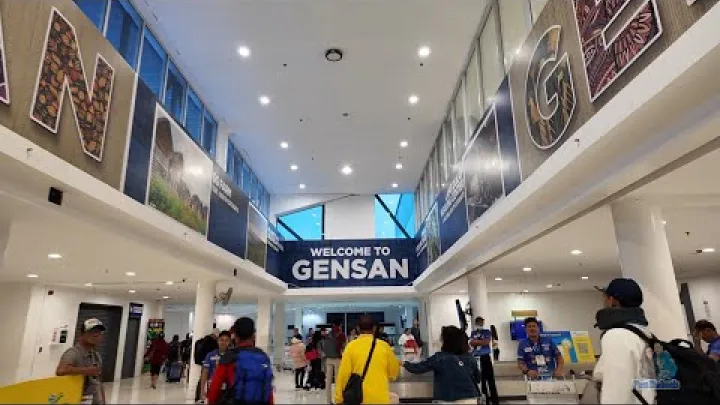
Domestic Gateways To GES
Domestic flights are the most efficient way to reach General Santos from many parts of the Philippines. Online flight listings commonly show Cebu Pacific and Philippine Airlines among the key airlines associated with GES, as reflected by Expedia. Routes and frequencies change, so always confirm with the airline before booking.
Manila is usually the most important gateway for travelers coming from Luzon or from abroad. Cebu and Clark can also be useful gateways depending on current schedules and your international entry point. Iloilo may appear in some flight searches, but it should be checked carefully for current operation before you build a trip around it.
| Gateway | Typical use | Planning note |
|---|---|---|
| Manila | Main national and international gateway | Check terminal transfers and connection time |
| Cebu | Useful for Visayas and some international connections | Confirm same-day connection options |
| Clark | Alternative Luzon gateway | Good only if current flights fit your itinerary |
| Iloilo | Possible Visayas routing when available | Verify current service before relying on it |
Flight times are much shorter than land or sea journeys, but delays can still happen. If you have a same-day hotel pickup, business meeting or onward bus trip, build in buffer time.
International Connections Through Philippine Gateways
Most international travelers should expect to enter the Philippines through a larger airport such as Manila, Cebu or Clark, then connect to a domestic flight to General Santos. Immigration and customs are normally handled at the first Philippine entry point, so your connection to GES is usually domestic after that process is complete.
General Santos has an international airport name, but that does not mean international scheduled flights are always available. Local airport guidance from Gensanhub notes the practical point that travelers should not assume regular international flights. Check the airline directly if you see an international routing in a search engine.
If you are using separate tickets, allow conservative layover time. You may need to collect baggage, clear arrival procedures, change terminal or recheck luggage. Missing a domestic connection on a separate ticket can be costly.
Davao City can also work as a Mindanao gateway if flights into General Santos are not convenient. In that case, you would normally continue by bus, van or private car, not by assuming a short Davao to General Santos flight.
Booking Flights And Monitoring Delays
A practical booking sequence is simple: compare routes on a flight search site, confirm the exact schedule and baggage rules with the airline, then monitor the flight close to departure. Airline apps and official booking channels are usually better than third-party platforms when you need fast help during disruptions.
Before heading to the airport or sending a driver for pickup, check live arrivals and departures for GES. Flightradar24 provides live flight information for General Santos International Airport, including delays and cancellations.
Delays can begin at a larger hub such as Manila or Cebu even when the weather in General Santos is acceptable. If you are connecting to a long bus trip, ferry, prepaid driver or remote accommodation, leave enough margin between arrival and the next movement.
Arriving By Ferry Through The Port Of General Santos
The Port of General Santos is an important maritime gateway on Sarangani Bay, but passenger ferry planning requires more caution than flight planning. Sea routes may have fewer departures, longer journey times and more schedule sensitivity.
Manila To General Santos Ferry
The Manila to General Santos ferry is one of the more visible long-distance sea options in public booking searches. Ferry aggregator information from Directferries shows the General Santos City to Manila route and indicates that departure times and journey duration should be checked before travel.

2GO Travel is commonly associated with long-distance Philippine passenger ferry services, but you should verify the route directly with the operator or an authorized ticketing channel before relying on it. Ferry schedules can change, and aggregator availability does not always mean a sailing is suitable for your exact date.
| Route | Likely operator context | Planning use | Key caveat |
|---|---|---|---|
| Manila to General Santos | Check 2GO Travel or authorized ticket sellers | Slow sea route from Luzon | Confirm sailing status, class and arrival time |
Sea travel is far slower than flying. It may still suit travelers who prefer a slower journey, have flexible time, or need to compare cabin classes and baggage options. Before booking, confirm the cabin type, baggage allowance, boarding port, check-in time, refund rules and whether any special rules apply for vehicles or pets.
Other Ferry Options And Evidence Limits
Public evidence for other regular passenger ferry routes into General Santos is limited and sometimes inconsistent. The port is important for maritime and cargo activity, but that does not automatically mean many convenient passenger options are available for travelers.
Some routes may be seasonal, suspended, locally advertised or not visible in international booking searches. If you want to arrive by sea from a less common origin, ask the ferry operator, port office or a local ticketing agent for current information. Do this before booking accommodation or arranging onward transport from the port.
When Sea Travel Makes Sense
Ferry travel makes the most sense when your schedule is flexible and the journey itself is part of your plan. It can also be useful if the available fare class, baggage allowance or travel style fits you better than flying.
It is less suitable when you need a guaranteed arrival time. A late ferry can affect hotel check-in, bus connections, domestic flights and private drivers. Avoid tight same-day connections after a long sea journey.
- Confirm the operator, vessel, departure day and boarding point.
- Check the latest sailing status shortly before travel.
- Ask what fare class includes and whether meals are included.
- Confirm baggage, vehicle and pet rules if relevant.
- Leave a time buffer after arrival at the Port of General Santos.
Reaching General Santos By Bus Or Car From Mindanao
If you are already in Mindanao, bus or car travel is often the most practical way to reach General Santos. The city is connected to other regional centers, but the exact terminal, operator and schedule should always be checked locally.
Davao To General Santos
Davao to General Santos is one of the most important overland corridors for visitors already in Mindanao. Bus travel is the normal public transport option, while private transfers are useful for families, business travelers, groups or people arriving late.
Booking platforms such as Bookaway show bus and ticket options between General Santos and Davao, but actual travel time and fare can vary by operator, stopping pattern, road conditions and bus class. Bus-company names and terminal arrangements can change, so confirm the current terminal and schedule before travel.
| Route card | Practical guidance |
|---|---|
| Typical use | Travelers flying into Davao or moving between major Mindanao cities |
| Approximate duration | Usually several hours, depending on stops and traffic |
| Booking advice | Check operator, terminal and last departure before you arrive |
| Late arrival advice | Consider overnighting in Davao or pre-arranging a driver |
If your international or domestic flight lands late in Davao, do not assume easy onward transport to General Santos. A hotel night in Davao may be safer and less stressful than starting a long road trip while tired.
Cagayan De Oro To General Santos
Cagayan de Oro to General Santos is a much longer north-to-south Mindanao journey. It usually requires more planning than the Davao route because the travel day is longer and there may be fewer convenient departures.
Route information from 12Go gives a broad planning range of about 8 to 13 hours for the journey, depending on the option shown. Treat this as a guide only. Stops, road conditions, operator schedules and transfers can change the real travel time.
Rural Transit is one operator name associated with longer Mindanao bus routes. For a trip of this length, bring water, snacks, a light layer, a charged phone and a power bank. Avoid planning a same-day flight, ferry or important meeting immediately after arrival in General Santos.
Cotabato, Koronadal And Regional Soccsksargen Routes
General Santos is a key access point for the wider Soccsksargen area, including connections involving Koronadal City, Cotabato City, Sarangani and South Cotabato. Regional routes may use different terminals or operator-specific stops rather than one fully integrated station.
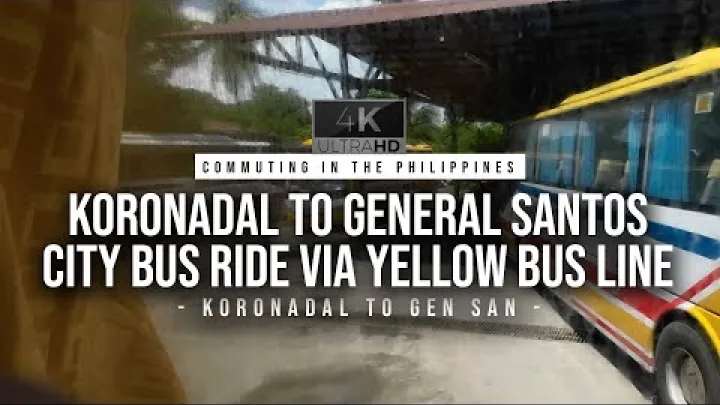
Travelers may encounter operator names such as Husky Bus Lines, Yellow Bus Line, Mindanao Star or Rural Transit on regional routes; Wikivoyage provides useful local route context where official public schedule evidence is limited. Public online schedule evidence is not always complete, so avoid relying only on old posts or screenshots. Confirm the right terminal, departure time and destination sign before you leave.
If you are traveling onward to smaller towns, ask your hotel, local host or bus terminal staff where to board. This is especially important if your destination is outside the main General Santos city center.
Private Car And Driver Options
A private car or driver makes sense if you are traveling with family, carrying heavy luggage, arriving at night, staying outside the center, or visiting several places in Soccsksargen. It can also reduce stress if you are unfamiliar with Mindanao road routes.
Agree on the price, pickup point, route, waiting time, fuel, parking and any extra charges before you depart. If the trip is long, ask whether the driver is comfortable with the route and whether rest stops are planned.
- Ask if the quoted price is per vehicle or per person.
- Confirm whether fuel, tolls, parking and waiting time are included.
- Share your hotel name, address and map pin before pickup.
- For longer rural segments, travel by day when practical.
- Keep your phone charged and carry small cash for stops.
Long Overland And RoRo Routes From Other Islands
Travelers with more time may consider long overland routes that combine buses, highways and RoRo ferries. These can be interesting for slow travel, but they are not the default recommendation for most first-time visitors.
RoRo And Through-Bus Routes From Other Islands
Ceres Liner route information lists long routes involving General Santos City and RoRo ferry travel, but these routes require careful confirmation because departure days, travel times and included ferry segments can change.
These journeys are much slower and more complex than flying. You need to know the boarding point, departure day, expected ferry segments and whether one ticket covers the entire journey. If a ferry is delayed, the whole overland schedule may be affected.
For backpackers or slow travelers, this can be a valid route if the journey is part of the experience. For travelers with limited time, flights are usually a better way to reach General Santos.
Who Should Avoid Slow Multi-Modal Routes
Long RoRo or through-bus routes are usually a poor fit for travelers with tight schedules, same-day international connections, limited mobility, heavy fatigue concerns or low tolerance for uncertainty. They can involve overnight travel, waiting at ferry ports, terminal transfers and long periods without easy access to personal space.
Choose air travel or a simpler hub-and-bus combination if reliability matters more than the lowest possible fare. Weather and ferry suspensions can affect multi-modal trips more than a simple domestic flight plan, so keep extra time in reserve if you choose this route.
Getting From Gateways To The City Center
Arriving in General Santos does not end at the airport, port or bus terminal. You still need a final local ride to your hotel, mall, meeting point or residential address.
From The Airport To Central General Santos
General Santos International Airport is outside the main commercial center, in the direction of Barangay Fatima. After landing, you need road transport to reach central areas such as KCC Mall, SM City General Santos, the General Santos public market or nearby hotels.
Local airport guidance from Gensanhub describes common airport transport options such as shuttle vans, multicabs and taxis, with example shared-ride fares in the ₱100 to ₱150 range depending on vehicle and destination. Treat those figures as recent local guidance, not a fixed tariff. Confirm the fare before riding, or use a metered taxi where available.
If you arrive late, have large luggage or are traveling with children, a hotel pickup or pre-arranged driver is often the easiest option. Keep your destination written clearly, including the hotel phone number and map pin.
From The Port Or Bus Terminals To Your Accommodation
Ferry and bus arrivals also require a final local ride. Taxis, tricycles, jeepneys and multicabs may be available depending on where you arrive and the time of day. Routes and fares should be checked locally because operators and terminals can change.
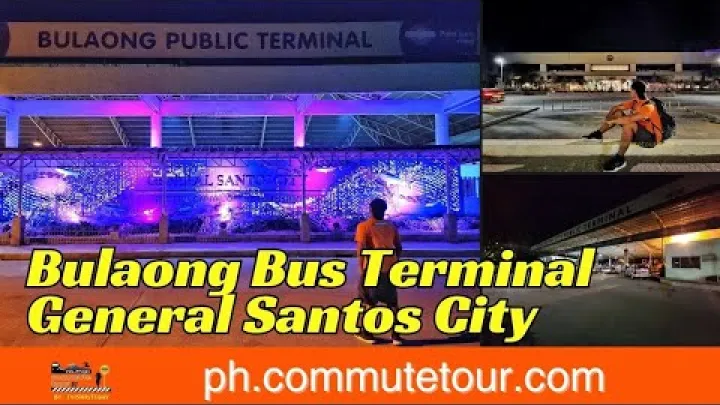
Bus companies may use different terminals or stops, so confirm your exact arrival point before arranging pickup. If your hotel is sending a driver, share the bus company name, origin city and expected arrival time.
When you are tired or arriving after dark, avoid unclear unofficial offers. Use official pickup areas where possible, agree on the fare before leaving, and keep small-denomination cash for local transport.
Travel Timing, Safety And Booking Tips
Good timing is one of the most important parts of getting to General Santos smoothly. Build your itinerary around current conditions, not only the shortest schedule shown online.
Weather, Holidays And Schedule Disruptions
Weather can affect flights, ferries and roads. Ferries are especially sensitive to safety-related suspensions, while road travel can be affected by rain, traffic, roadworks or local disruptions.
Holiday periods can increase demand and reduce seat availability. If you are traveling during a major Philippine holiday period or school break, reserve earlier and avoid relying on the last available departure of the day.
For time-sensitive travel, check current weather information, airline updates, ferry notices and terminal guidance before departure. Practical buffers include leaving earlier, adding an extra night before an international flight, and choosing refundable or flexible bookings where possible.
Common Arrival Problems And Practical Precautions
Common problems include unclear taxi pricing, accepting unofficial transport offers without a firm price, going to the wrong terminal, planning overly tight connections and relying on outdated online schedules. Most of these can be avoided with simple preparation.
- Use reputable transport operators and official booking channels when possible.
- Confirm the terminal, port or airport pickup point before travel day.
- Keep your hotel address, phone number and map pin ready.
- Carry small cash for short local rides and snacks.
- Leave extra time after flights, ferries and long bus routes.
- For travel beyond the city to remote areas, ask local contacts for current advice and travel by day when practical.
Personal safety advice should be practical rather than alarmist. Stay aware, keep valuables secure, avoid unclear offers, and ask your accommodation for guidance if you are unsure about a late-night arrival.
Conclusion: The Best Way To Get To General Santos
The best way to get to General Santos is usually by domestic flight to GES if you are coming from Manila, Cebu, Clark, Iloilo or an international gateway. If you are already in Mindanao, buses and private cars are often more practical, especially from Davao City, Cagayan de Oro, Koronadal City or Cotabato City.
Ferries and RoRo routes can work for flexible travelers, but they require more schedule checking and more time. Whatever route you choose, confirm current departures, keep buffer time, and plan your final transfer from the airport, port or bus terminal into General Santos city center before you arrive.
Select area
Create a post
Posting is free and no registration is required.