Taguig Travel Guide: BGC, Stays, Things to Do

This Taguig travel guide is for first-time visitors who want a practical base in Metro Manila, especially around Bonifacio Global City. Taguig is best known for BGC, Fort Bonifacio, modern malls, dining, nightlife, museums, and convenient access to the airport and other parts of Manila. It is not a beach destination or a full picture of the Philippines, but it can be one of the easiest places to start or end a wider trip. This guide covers where to stay, what to do, when to visit, how to get around, safety habits, costs, and simple itinerary ideas.
Taguig at a Glance
Taguig is a city in Metro Manila with two very different travel faces. Many visitors experience it through polished areas such as Bonifacio Global City and McKinley Hill, while other parts of the city are more residential and less focused on tourism. Understanding this contrast helps you choose the right base and set realistic expectations.
What Makes Taguig Different in Metro Manila
Taguig stands out because it contains Bonifacio Global City, often called BGC, one of Metro Manila's most modern and visitor-friendly urban districts. BGC is known for wide streets, business towers, hotels, restaurants, malls, public art, and a more organized layout than many older parts of the capital region.
The city also includes Fort Bonifacio and nearby areas with historical and institutional importance, plus McKinley Hill, a planned district with the Venice Grand Canal Mall as a recognizable leisure stop. These areas give Taguig a modern, international feel that can be comfortable for travelers arriving in the Philippines for the first time.
At the same time, Taguig is not the best place to look for beaches, island scenery, or colonial-era streets. Travelers who want old Manila architecture, Spanish-period history, and classic heritage sites should plan day trips to places such as Intramuros and other parts of Manila. Taguig works better as an urban base for dining, shopping, nightlife, museums, business travel, and wider Metro Manila access.
Who Should Base in Taguig
Taguig is a strong choice for travelers who value comfort, reliable hotels, dining choice, nightlife, and easier arrival from Ninoy Aquino International Airport than some northern parts of Metro Manila. It is especially convenient for cautious first-timers who want a softer landing before continuing to islands, provinces, or other Philippine cities.
Families may like BGC and McKinley Hill because indoor attractions, malls, restaurants, and hotels are close together. Business travelers often choose Taguig because many offices, conference venues, and serviced apartments are in or near BGC. Nightlife travelers may prefer BGC for its bar and restaurant clusters, while still using normal late-night precautions.
The trade-off is cost and atmosphere. BGC can feel more expensive and less traditional than older neighborhoods in Manila, Quezon City, or parts of Makati. If your main goal is colonial history, local street markets, or a lower-cost stay, Taguig can still be useful, but you may spend more time traveling outside the city.
Best Time to Visit Taguig
Weather matters in Taguig because many visitor plans involve walking between malls, restaurants, outdoor plazas, and transport pick-up points. Heat, humidity, and rain can affect your comfort even when your itinerary is mostly urban.
Dry Season, Rainy Season, and Humidity
The Philippines has a tropical maritime climate with high temperature, high humidity, and abundant rainfall, according to PAGASA. For trip planning, visitors commonly think in terms of a drier season from around December to May and a rainier period from around June to November, with local variation from year to year.
In Taguig, dry-season travel is usually easier for walking around Bonifacio High Street, public art areas, and outdoor dining streets. The rainy season does not make travel impossible, but it can change your day quickly. Heavy rain can make short walks uncomfortable, slow down traffic, and make it harder to move between districts.
Pack for heat and sudden weather changes. Light clothing, comfortable walking shoes, sun protection, a reusable water bottle, and a compact umbrella or rain jacket are practical choices. During storm-prone periods, check current weather advisories before traveling and avoid scheduling tight airport transfers after outdoor sightseeing.
Best Months for Different Trip Styles
December to February is often the most comfortable period for visitors who want to walk around BGC, explore outdoor plazas, and combine Taguig with wider Manila sightseeing. The weather can still be warm and humid, but the dry-season pattern generally makes city travel easier.
March to May can work well for short stays, business trips, shopping, dining, and nightlife, but daytime heat may feel stronger. If you visit during these months, plan outdoor walks in the morning or late afternoon and use malls, museums, cafés, and hotel breaks during the hottest part of the day.
Rainy-season travel can still suit visitors focused on restaurants, malls, The Mind Museum, BGC Arts Center events, hotel stays, and nightlife. Families should keep flexible backup plans, and travelers connecting to beach destinations should allow extra time around flights in case weather affects roads or schedules.
Where to Stay in Taguig
Where you stay will shape your Taguig experience more than any single attraction. The best base depends on your budget, walking comfort, nightlife plans, airport timing, and how much of Metro Manila you want to see.
Bonifacio Global City
Bonifacio Global City is the best default base for most first-time Taguig visitors. The district has a high concentration of hotels, serviced apartments, restaurants, cafés, malls, offices, nightlife venues, and open-air areas. Its official district presence is maintained by Bonifacio Global City, and travelers should still check individual venues for current hours and event details.

Staying in BGC makes it easy to build a day around Bonifacio High Street, Uptown Mall, SM Aura Premier, Market! Market!, The Mind Museum, and the BGC Arts Center area. Many visitors can walk between several of these places, especially in good weather and during daylight.
The main disadvantage is cost. Hotels, restaurants, and bars in BGC often feel more premium than in many other parts of Metro Manila. BGC can also feel international and controlled, so travelers who want a more traditional street-life experience should plan time outside the district.
McKinley Hill and Venice Grand Canal Area
McKinley Hill is a secondary base near the Venice Grand Canal Mall. It can suit couples, families, and travelers who prefer condo-style stays or a quieter environment close to BGC. The area is more self-contained than central BGC, with a themed leisure setting and dining options around the mall.
The Venice Grand Canal Mall is best understood as a themed photo, dining, and leisure stop rather than a heritage attraction. It can be enjoyable for an easy evening, a family meal, or a relaxed side trip, but it should not be confused with a traditional cultural district.
Transport is the main trade-off. McKinley Hill may look close to BGC on a map, but walking can be uncomfortable in heat, rain, or heavy traffic conditions. Many visitors will use ride-hailing services or taxis when moving between McKinley Hill, BGC, and the airport.
Arca South and Non-Core Neighborhoods
Arca South is an emerging mixed-use area in Taguig rather than a fully mature tourist district. It may be practical for travelers with specific business, event, or southbound access needs, but short-stay leisure visitors should compare its location carefully against BGC and McKinley Hill.
Other non-core Taguig neighborhoods can offer lower costs and a more everyday residential environment. This can be attractive for longer stays, budget-conscious visitors, or travelers with local contacts. However, these areas usually have less visitor infrastructure, fewer walkable tourist clusters, and more need for local transport knowledge.
Before booking outside BGC or McKinley Hill, check the exact address, nearby transport options, late-night arrival plan, and distance to the places you will visit most. This is especially important if you are arriving with luggage, traveling with children, or landing late at night.
Best Base Recommendations
For most first-time visitors, the simplest answer is to stay in BGC. Choose another area only when it clearly fits your plans, budget, or reason for visiting Taguig.
| Area | Best for | Advantages | Trade-offs |
|---|---|---|---|
| BGC | First-timers, business, nightlife, families | Hotels, dining, malls, walkable clusters | Higher costs, less traditional atmosphere |
| McKinley Hill | Couples, families, quieter stays | Venice Grand Canal Mall, condo-style options | More reliance on taxis or ride-hailing |
| Arca South | Specific business or southbound access needs | Emerging mixed-use setting | Less mature as a tourist base |
| Non-core areas | Longer stays, budget travel, local visits | Lower-cost potential, everyday city life | Less visitor infrastructure and walkability |
The best decision factors are simple: stay near the places you will visit most, think carefully about late-night transport, and do not underestimate traffic. Paying more for a better location can sometimes save time, stress, and transport costs.
Top Things to Do in Taguig
Taguig's main visitor activities are concentrated in and around BGC, Fort Bonifacio, and McKinley Hill. The best approach is to plan by nearby clusters instead of crossing the city repeatedly.
Bonifacio High Street, Malls, and Public Art
A relaxed half-day in Taguig often starts around Bonifacio High Street. This area combines open-air walking space, shops, restaurants, cafés, public art, and access to nearby malls. Commonly listed Taguig attractions include Bonifacio High Street, Uptown Mall, The Mind Museum, BGC Arts Center, SM Aura Premier, and Venice Grand Canal Mall on Expedia, but current opening hours and specific events should be checked before you go.
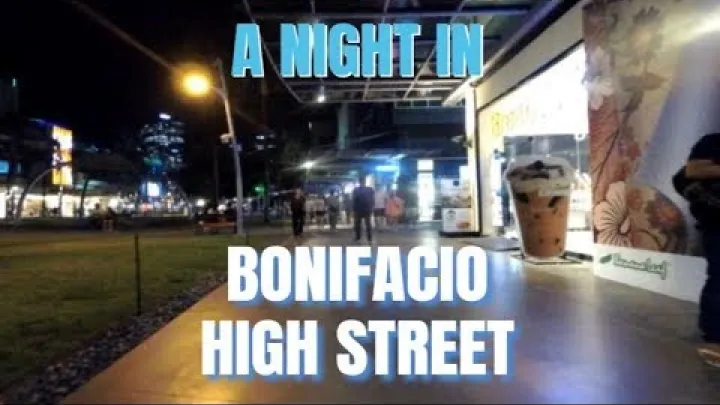
For a simple BGC circuit, begin with coffee or brunch near Bonifacio High Street, walk through public spaces when the weather is comfortable, then move toward SM Aura Premier or Market! Market! for shopping and casual meals. Uptown Mall and the surrounding dining areas can work well later in the day or evening.
This is also a useful rainy-day plan because malls and covered dining areas give you flexibility. In hot weather, avoid long midday walks and use indoor stops to break up the day.
The Mind Museum, BGC Arts Center, and Family Stops
The Mind Museum is one of Taguig's main family-friendly and educational attractions. It is a good choice for travelers with children, science interests, or a rainy-day schedule. Before visiting, check current hours, ticketing, and any entry rules directly with the venue.

The BGC Arts Center is another useful anchor for visitors who want performances, exhibitions, or cultural programming. Events can change by season, so treat it as a flexible option rather than a guaranteed stop unless you have confirmed the schedule.
Families should keep pacing simple. Pair one indoor attraction with a nearby meal, mall time, or a short walk instead of planning too many transfers in one day. This reduces stress in heat, rain, and traffic.
Manila American Cemetery and Fort Bonifacio Heritage
The Manila American Cemetery and Memorial adds a solemn historical dimension to a Taguig visit. Located in the Fort Bonifacio area near BGC, it is a memorial site rather than a casual entertainment stop. Visitors should behave respectfully, keep noise low, follow posted rules, and check current visiting access before arriving.
This stop helps balance a Taguig itinerary that might otherwise focus only on malls, restaurants, and nightlife. It also reminds visitors that Fort Bonifacio has a deeper history within Metro Manila's military, civic, and urban development story.
If you are interested in history, you can combine this with a separate Manila heritage day, but do not overload the schedule. Intramuros, old Manila, and other historic districts require time and traffic buffers from Taguig.
Venice Grand Canal Mall and McKinley Hill Leisure
Venice Grand Canal Mall is one of Taguig's most recognizable leisure stops. It is known for its themed canal-side setting, dining areas, and photo opportunities. It works best as a half-day or evening side trip from BGC rather than as the main reason to visit the city.
Set the right expectation before you go. This is a themed mall environment, not a historic canal district. That does not make it uninteresting, but it means the appeal is comfort, scenery, dining, and easy leisure rather than traditional culture.
Ride-hailing or taxis are often the simplest way to visit from BGC, especially at night, in rain, or with children. Check current mall hours, restaurant availability, and pick-up points before finalizing your plan.
Food, Nightlife, and Local Culture
Food and nightlife are major reasons travelers choose Taguig. The city is especially convenient for visitors who want many dining choices close to hotels, but it is still worth looking beyond polished venues when your schedule and comfort level allow.
Where Travelers Commonly Eat and Drink
BGC and McKinley Hill offer a broad range of food choices, from mall food courts and casual cafés to international restaurants, family dining, date-night venues, and higher-end hotel restaurants. This variety is one reason Taguig works well for groups with different budgets and preferences.
Expect BGC to feel more premium than many other parts of Metro Manila. You can control costs by mixing casual meals with one or two special restaurants, using food courts for quick lunches, and choosing accommodation near the dining areas you will use most.
If you want more local flavor, ask hotel staff or trusted local contacts for simple Filipino meal options nearby. Keep convenience and transport in mind, especially if you are unfamiliar with Metro Manila at night.
Nightlife Areas and Practical Precautions
BGC is one of Metro Manila's well-known nightlife areas, with bars, restaurants, lounges, and late-evening dining around major commercial clusters. It can be a convenient choice because many venues are near hotels and ride pick-up points.
Use normal big-city precautions. Watch your drink, keep valuables secure, avoid carrying more cash than necessary, and travel with companions when possible. Late at night, use reputable transport, confirmed pick-up locations, or hotel-arranged options instead of walking long distances through unfamiliar areas.
Dress codes, cover charges, age rules, and opening hours can vary by venue. Check details before going out, especially for clubs, rooftop bars, hotel lounges, and ticketed events.
Tours, Events, and Barangay-Level Culture
Guided walks, public-art routes, food experiences, and local events can help visitors understand Taguig beyond its malls. These experiences are most useful when they are led by knowledgeable local guides or organized by reputable venues.
Older barangays and residential parts of Taguig may show a more everyday side of the city, but they can be harder for first-time visitors to navigate independently. If you are unfamiliar with Metro Manila transport, local guidance can make these areas easier to approach respectfully and safely.
For events, check official venue channels, local tourism information, or hotel recommendations close to your travel dates. Schedules, access rules, and permits can change, so avoid building a trip around an unconfirmed event.
Getting to Taguig and Around the City
Transport is one of the most important parts of planning a Taguig trip. Distances can look short on a map, but traffic, rain, luggage, and time of day can change the experience quickly.
Airport Arrival from NAIA
Most international travelers arrive through Ninoy Aquino International Airport and continue by road to Taguig. For first-time visitors, the simplest transfer choices are usually reputable ride-hailing, official airport taxis, or hotel-arranged transfers. Public transport combinations may be possible, but they are more complex with luggage or late arrivals.
A hotel transfer can cost more, but it may be worth it for families, business travelers, first-time visitors, or anyone arriving late at night. Ride-hailing can be convenient when you have mobile data, a working payment method, and a clear pick-up point. Official taxi channels can also be practical, but always confirm the process at the airport and keep your destination written clearly.
Do not plan a tight schedule on arrival day. Traffic between NAIA and Taguig can vary significantly, and immigration, baggage, rain, and terminal movement can add time. For your first night, choose a simple plan near your hotel.
Walking, Buses, Ride-Hailing, and Taxis
Walking is practical within many parts of BGC, especially around Bonifacio High Street, nearby malls, cafés, restaurants, and office blocks. It becomes less comfortable during heavy rain, strong heat, or late at night, and it is not equally practical across wider Taguig.
Transport options in and around Taguig can include buses serving BGC, taxis, ride-hailing, jeepneys, vans, and other Metro Manila public transport links. Routes, fares, payment systems, and operating patterns can change, so check current operator information or ask hotel staff before relying on a specific route.
Use a simple rule: walk for short, familiar, daylight trips inside BGC; use ride-hailing or taxis for luggage, rain, late nights, and less familiar areas; use public transport when you are comfortable with Metro Manila navigation or have reliable local guidance.
Traffic Buffers for Manila Day Trips
Taguig can work as a base for visiting Intramuros, Makati, Pasay, Manila Bay, museums, shopping districts, and other Metro Manila areas. The challenge is that travel time can be unpredictable, even when places look close on a map.
Group attractions by area. For example, keep old Manila and Intramuros together on one day, airport or Pasay activities on another, and BGC dining or nightlife on the evening when you return to Taguig. Avoid crossing the city several times in one day unless you have a flexible schedule.
Start early for important day trips, build in rest time, and avoid major sightseeing right before a flight. During rainy periods, keep an indoor backup plan and be prepared to adjust meal reservations or evening plans.
Safety, Local Rules, and Practical Etiquette
Taguig's main visitor areas may feel orderly and easy to navigate, but it is still a large urban environment. Balanced planning is better than either overconfidence or fear.
Everyday Safety in BGC and Wider Taguig
Use normal big-city safety habits in BGC and wider Taguig. Keep your phone and wallet secure, avoid displaying expensive items unnecessarily, and be careful in crowded areas, transport queues, nightlife districts, and unfamiliar streets.
Petty theft, overcharging, confusing transport arrangements, and poor late-night decisions are practical concerns in many large cities. Confirm fares or app details, use reputable transport, and avoid isolated pick-up points if you are unsure of the area.
Travel advisories can change, and risks elsewhere in the Philippines may differ from those in Metro Manila. Before visiting, check current advice from your own government, especially if your itinerary continues beyond Taguig to other regions.
Local Rules Travelers Should Check
Travelers should follow local signs and current rules on smoking, vaping, waste disposal, public conduct, venue security, and nightlife behavior. Malls, hotels, bars, offices, and residential buildings may also have their own entry rules, bag checks, dress standards, or visitor procedures.
For city-level notices and local information, the City of Taguig is the official local government source. Hotel staff can also help explain current rules that affect visitors, such as event access, road closures, or building procedures.
For emergency preparedness, keep your hotel address saved offline, carry identification, and make sure someone in your group has mobile data. Use official local channels or your hotel for current emergency contact information rather than relying on outdated numbers found online.
Costs, Trip Length, and Itinerary Ideas
Taguig can be as simple or as expensive as you make it. Your biggest cost decisions will usually be where you stay, how often you use ride-hailing or taxis, and how much you spend on dining and nightlife.
How Many Days to Spend in Taguig
One to two days is enough for a quick BGC-focused stop. This works well if you are arriving in Manila, recovering from a long flight, enjoying a few restaurants, and preparing for onward travel.
Two to three days is better if you want a comfortable Taguig stay with BGC, The Mind Museum or BGC Arts Center, Venice Grand Canal Mall, and one wider Manila day trip. This pace allows you to enjoy the city without turning every day into a transport challenge.
Longer stays make sense for business travelers, remote workers, visiting family, medical or administrative appointments, or slow travel. If old Manila history is important to you, add time outside Taguig rather than trying to compress everything into one day.
Accommodation, Food, Transport, and Activity Budgets
The main cost categories for a Taguig trip are accommodation, meals, nightlife, taxis or ride-hailing, public transport, and paid attractions. BGC is generally a more premium area than many other parts of Metro Manila, so budget expectations should reflect that.
Budget-conscious travelers can save by staying slightly outside the most expensive hotel clusters, choosing casual meals, grouping activities by area, and walking within BGC when weather and safety conditions are comfortable. Mid-range travelers may find Taguig convenient because the higher accommodation cost can be balanced by reduced transport stress.
Comfort-focused travelers may prefer hotels or serviced apartments near Bonifacio High Street, Uptown, or office areas, plus hotel transfers from the airport. This approach is more expensive, but it can be valuable for short trips where time and convenience matter more than minimizing every cost.
A Practical First-Time Taguig Itinerary
A good first-time itinerary should be modular. Choose the pieces that match your arrival time, weather, and interest level instead of trying to visit every attraction.
| Trip length | Simple plan | Best for |
|---|---|---|
| One day | BGC walk, Bonifacio High Street, mall time, dinner | Airport stopovers and first arrivals |
| Two days | Day one BGC, day two The Mind Museum or Venice Grand Canal Mall | Families, couples, relaxed city stays |
| Three days | Two Taguig days plus one Manila or Intramuros day trip | First-time Metro Manila visitors |
Keep airport days light. If you arrive in the afternoon, plan only dinner near your hotel. If you depart later in the day, avoid far cross-city sightseeing before your flight. Check current hours, ticketing, and transport conditions before finalizing each day.
Final Planning Takeaways
Taguig is one of the easiest Metro Manila bases for first-time travelers who want hotels, restaurants, malls, nightlife, business access, and a relatively comfortable urban arrival. BGC is the best default area for most visitors, while McKinley Hill, Arca South, and non-core neighborhoods fit more specific needs.
Plan around weather, traffic, and location. Use walkable clusters inside BGC, keep airport days conservative, and allow extra time for trips to Intramuros, Pasay, Makati, or other parts of Manila. For the best experience, treat Taguig as a practical city base and combine it with deeper cultural, historical, or island destinations elsewhere in the Philippines.
Select area
Create a post
Posting is free and no registration is required.