Vigan Travel Guide: First-Time Tips for Ilocos Sur
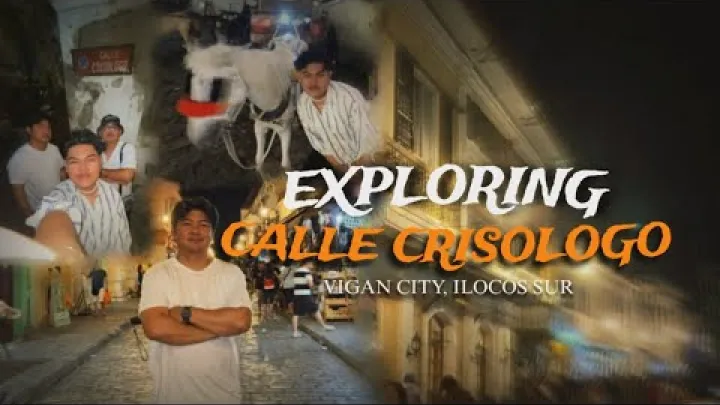
This Vigan travel guide is for first-time visitors who want a practical, realistic plan for one of the most atmospheric heritage cities in the Philippines. Vigan is best known for Calle Crisologo, ancestral houses, Ilocano food, and a walkable historic core, but it is also a living city with schools, churches, markets, traffic, and local routines. This guide explains when to go, how to reach Vigan from Manila or Laoag, where to stay, what to eat, how to plan an itinerary, and what to check before you travel.
Vigan at a Glance
Vigan is compact enough for a short visit but interesting enough for a slower two- or three-day stay. The main decision is whether you want Vigan as a heritage-focused city break or as one stop in a wider Ilocos itinerary.
Why Vigan Is Worth Visiting
Vigan is worth visiting if you enjoy history, architecture, photography, food, and slow city walks. The main draw is the heritage area around Calle Crisologo, where cobblestone streets, old houses, shops, cafes, and kalesa carriages create a strong sense of place. It is not only an open-air museum. People live, work, worship, and do business in and around the historic center, so the best visit balances sightseeing with respect for local life.
Most first-time visitors can see the core sights in one full day if they arrive early and stay nearby. Two nights are better if you want museums, food stops, pottery, nearby attractions, and evening photos without rushing. Travelers who mainly want beaches or island hopping may prefer to keep Vigan as a short stop before continuing to Ilocos Norte, La Union, or another coastal destination.
How Vigan Fits into Ilocos and the Philippines
Vigan is in Ilocos Sur, in northwestern Luzon, the largest island group in the Philippines. The Vigan City Government describes the city as located in the northwestern part of the Philippines, which makes it a natural heritage anchor for trips through the Ilocos region.
For travelers starting in Manila, Vigan is a northern overland trip rather than a quick metro-area excursion. Laoag City, in Ilocos Norte, is the main northern gateway for travelers who prefer to fly part of the route or continue toward Paoay, Bangui, and Pagudpud. In a simple Ilocos route, Vigan usually provides the heritage streets, ancestral houses, museums, and food, while Ilocos Norte adds churches, dunes, windmills, and beaches.
Best Time to Visit Vigan
Weather affects how much you enjoy Vigan because the main activities involve walking, outdoor photography, plazas, and short rides between attractions. Plan your day around heat and rain, not only around attraction lists.
Dry Season, Heat, and Rain Planning
The most comfortable period for many visitors is generally the cooler and drier part of the year, especially for walking on cobblestone streets and exploring plazas. Hotter months require a slower pace, more water, sun protection, and breaks in shaded cafes or museums. Before and during your trip, check current weather information from PAGASA, the Philippine weather authority, especially if you are traveling during rainy periods or planning long road journeys.
Rain can affect Vigan in practical ways. Cobblestones may become slippery, kalesa rides may be less comfortable, and road travel to or from the city can take longer. A good sightseeing rhythm is to walk early in the morning, rest during the hottest hours, then return to Calle Crisologo, Plaza Salcedo, Plaza Burgos, or the cathedral area in the late afternoon or evening.
Festivals and Peak Travel Dates
Festivals and local events can make Vigan more lively, but they also bring higher demand for central rooms, more traffic, and busier streets. January often attracts food and fiesta interest, including attention around Vigan longganisa, but event dates and programs can change. Holy Week, national holidays, long weekends, and school breaks can also increase crowding.
If you want atmosphere, book early and stay near the historic core so you can walk instead of depending on transport at busy times. If you prefer quiet streets and easier restaurant access, avoid major holiday periods when possible. Before booking around events, check current updates from local tourism pages or the Department of Tourism Region 1.
How to Get to and Around Vigan
Vigan is reachable by long-distance bus, by road from Laoag after a flight, or by private vehicle. Your best option depends on your budget, time, comfort with overnight travel, and whether you plan to add other Ilocos stops.
Manila to Vigan by Bus
For many travelers, the most straightforward public transport option from Manila to Vigan is a long-distance bus. Partas is one of the known operators serving Ilocos routes, and the Partas Bus booking site lists Manila, Ilocos, Laoag, and Vigan services. Schedules, terminals, fares, and seat classes can change, so confirm details directly before booking.

An overnight bus can save daylight hours and one hotel night, but it may leave you tired on arrival. A day bus is easier for travelers who dislike sleeping in transit, but it uses most of a day. First-timers should check the exact departure terminal in Manila, arrival point in Vigan or nearby Bantay, luggage rules, restroom stops, and whether the bus is direct or part of a longer Ilocos route.
Laoag to Vigan by Flight and Road
Flying to Laoag can reduce the longest overland segment from Manila, especially if you are also visiting Ilocos Norte. From Laoag, travelers usually continue to Vigan by road through a bus, private car, van arrangement, or taxi. This option can be useful when flight times match your schedule, but it is not automatically faster or cheaper once airport transfers and waiting time are included.
For international readers, think of the route as three parts: flight to Laoag, transfer from the airport to a bus terminal or arranged pickup, then road travel south to Vigan. It works best for travelers who want to combine Vigan with Paoay, Bangui, Pagudpud, or Laoag City rather than only visit Vigan.
Driving to Vigan and Ilocos Route Choices
A private car or rental vehicle gives the most flexibility for families, groups, photographers, and travelers who want to combine Vigan with Ilocos Norte attractions. It also makes it easier to stop for meals, viewpoints, churches, and smaller towns. The tradeoff is that Manila to Vigan is a long overland journey that can be affected by city traffic, roadworks, holiday congestion, weather, and rest stops.
If you drive, choose lodging with clear parking information and ask whether vehicle access is easy during festivals or street closures. Self-driving in the Philippines also requires comfort with local road behavior, motorcycles, tricycles, buses, and variable road conditions. For a relaxed trip, consider splitting long drives instead of treating Vigan as a quick same-day stop from Manila.
Local Transport: Walking, Tricycles, and Kalesa
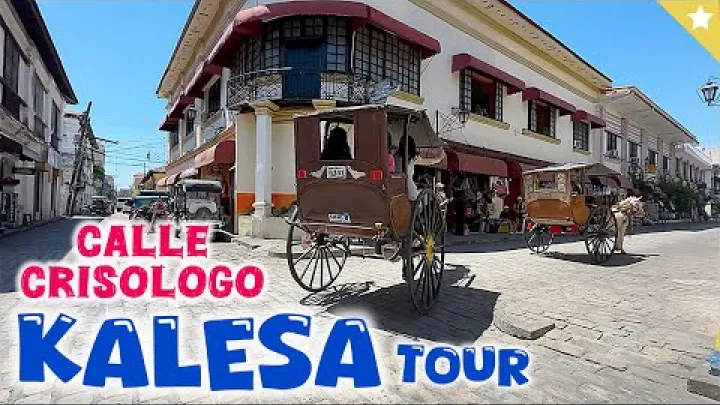
The heritage core around Calle Crisologo is best explored on foot. Wear supportive shoes because cobblestones and uneven edges can be tiring. Tricycles are useful for bus terminals, hotels outside the core, markets, Bantay Bell Tower, Hidden Garden, Baluarte, and other short local rides. Kalesa rides are both transport and a heritage experience, but agree on the route, duration, and fare before you ride.
| Option | Best for | Practical note |
|---|---|---|
| Walking | Calle Crisologo, plazas, cathedral area | Best early morning or late afternoon |
| Tricycle | Hotels outside the core, terminals, nearby stops | Confirm fare before starting |
| Kalesa | Short heritage ride and photos | Agree on route and duration first |
Where to Stay in Vigan
Vigan is compact, so location matters more than distance alone. A place a little outside the core can still be practical if transport is easy, but staying central is the simplest choice for a short first visit.
Historic Core and Calle Crisologo
The historic core around Calle Crisologo is the best area for first-time visitors, couples, photographers, and anyone staying only one night. You can walk to the main heritage streets, Plaza Salcedo, Plaza Burgos, St. Paul Metropolitan Cathedral, shops, cafes, and many food stops. It is also convenient for night photography, when the streets have a different atmosphere.

The tradeoff is that central stays can cost more and may be noisier during weekends, festivals, or peak travel dates. Some heritage-style properties may have older building layouts, stairs, or smaller rooms. Before booking, check recent reviews, air conditioning, noise comments, luggage access, and whether the property is inside or just near the most walkable zone.
Budget and Practical Areas Outside the Core
Inns, transient rooms, guesthouses, and modern hotels outside the main heritage streets can be better for budget travelers, groups, and drivers. These places may offer parking, larger rooms, quieter nights, or lower rates, but you may need short tricycle rides to reach Calle Crisologo and the plazas.
When comparing options, do not choose only by room price. Check the real travel time to the historic core, whether tricycles are easy to find, whether the area feels comfortable at night, and whether the room has reliable cooling. Vigan is small enough that nearby areas can still work well, especially if you do not need to step out directly onto the heritage streets.
Best Things to Do in Vigan
The best Vigan itinerary combines the heritage core, museums, food, crafts, and nearby stops. Do not rush every attraction. The city is most enjoyable when you leave time to walk slowly, take photos, and sit between stops.
Calle Crisologo, Plazas, and the Cathedral Area
Start with Calle Crisologo because it is the strongest visual anchor of the Vigan Heritage Village. Walk slowly along the cobblestones, look at the preserved facades, browse small shops, and notice how cafes, souvenir stores, and private buildings share the same heritage setting. Some buildings are private or active community spaces, so photograph respectfully and avoid blocking doorways.
A simple walking route is Calle Crisologo, then Plaza Burgos, St. Paul Metropolitan Cathedral, and Plaza Salcedo. This gives you a clear orientation without needing transport. If you want evening photos or a fountain-related visit, check the current schedule locally because show times and operations can change.
Museums and Ancestral Houses
Museums and ancestral houses add context to the beautiful streets. Father Burgos Museum, Syquia Mansion, and other house-museum experiences help visitors understand local history, colonial-era society, and the families connected with Vigan’s past. They are especially useful if you want more than photos.
If you have limited time, choose one or two museums instead of rushing through all available sites. Confirm current opening days, hours, fees, and access rules before building a tight schedule. Some heritage buildings may close for maintenance, private events, holidays, or staffing reasons.
Crafts, Gardens, and Family-Friendly Stops
Beyond the core, Vigan has nearby stops that are easier by tricycle, kalesa route, or arranged transport. RG Jar Factory and other pagburnayan-style pottery experiences are good for travelers interested in local crafts. Hidden Garden can work as a relaxed stop that combines plants, dining, and a break from the hottest part of the day, if it is open during your visit.
![Preview image for the video "[4KHDR]Vigan City Ilocos Sur Philippines 🇵🇭One Day Tour".](/sites/default/files/styles/media_720x405/public/oembed_thumbnails/2026-06/dzTUVZlCZH9mp1T7MikhB4wAW0wTctF0eHtulQyMp1c.jpg.webp?itok=v_dd9iN9 "Preview image for the video \"[4KHDR]Vigan City Ilocos Sur Philippines 🇵🇭One Day Tour\".")
Bantay Bell Tower is a common nearby landmark, though access conditions can vary. Baluarte is another well-known family-oriented stop, but some travelers may want to consider their own views on animal welfare before visiting. Group these sights by location instead of crossing back and forth across the city.
Tours, River Experiences, and Guided Options
Guided options can help if you have limited time, mobility concerns, or a strong interest in history. A kalesa loop can structure a short heritage visit, while guided Ilocos tours may combine Vigan with nearby churches, craft stops, and food. River experiences around the Mestizo River area may also be available depending on current operations and weather.
A tour is worth paying for if it saves transport effort, provides a reliable sequence, or adds local explanation that you would not get from walking alone. If you are staying central and mainly want Calle Crisologo, the plazas, and one museum, self-guided walking may be enough. Always check pickup points, inclusions, operation status, weather, and whether the guide or operator is clearly identified.
What to Eat in Vigan
Food is one of the strongest reasons to include Vigan in an Ilocos travel guide. The local cuisine is hearty, savory, and often pork-heavy, so plan ahead if you have dietary limits.
Longganisa, Bagnet, and Empanada
Vigan longganisa is a small local sausage known for a strong garlicky flavor. Bagnet is deep-fried pork, usually crisp and rich. Vigan-style empanada is a fried filled pastry often associated with egg, vegetables, and meat, served hot from stalls or simple eateries. These dishes are easy to build into a day around Plaza Burgos, markets, or casual restaurants.
If you do not eat pork, prefer lighter meals, or avoid fried food, check ingredients before ordering. Many signature dishes are salty, oily, or strongly flavored. You can balance them with vegetable dishes, soup, fruit, or cafe meals, especially if you are staying for several days.
Markets, Cafes, and Food Souvenirs
Markets, plaza-area stalls, casual eateries, and heritage cafes all have a place in a Vigan food plan. Stalls are convenient for empanada and quick snacks, while cafes are useful for resting during hot or rainy hours. Public markets can be good for seeing local ingredients and buying simple take-home items.
Common food souvenirs may include chichacorn and packaged local specialties, depending on availability. Carry cash and small bills for small vendors. If you are taking food home, check packaging, freshness, luggage limits, and any transport rules that apply to your airline or next destination.
Suggested Vigan Itineraries
A good Vigan itinerary should protect your energy. The city rewards walking and observation, so build in rest rather than treating each day as a checklist.
One-Day Vigan Heritage Route
A one-day Vigan route works best if you arrive the night before or very early in the morning. It is not a comfortable same-day return from Manila for most travelers because the overland distance is long. Start with an early walk along Calle Crisologo before the day becomes hotter. Continue to Plaza Burgos, St. Paul Metropolitan Cathedral, and Plaza Salcedo for orientation.
Use the middle of the day for a museum, ancestral house, lunch, or a shaded cafe break. In the afternoon, choose one nearby stop such as pottery, Bantay Bell Tower, Hidden Garden, or another short ride. Return to the heritage core in the evening for photos, dinner, and a slower walk. Keep the plan flexible if rain, heat, or transport delays appear.
Two- or Three-Day Vigan Plan
Two nights is a comfortable choice for most first-time visitors. Use the first day for arrival, Calle Crisologo, the plazas, and a relaxed dinner. Use the second day for museums, an ancestral house, pottery, nearby sights, and more food. If you have a third day, keep it slow: revisit the streets early, buy souvenirs, take a craft stop, or depart without rushing.
Families may prefer fewer stops and longer breaks. Photographers may want sunrise, blue-hour, and evening walks. History-focused visitors should prioritize museums and guided explanation. Budget travelers can stay slightly outside the core and use tricycles selectively, while short-stay visitors benefit most from central lodging.
Adding Laoag, Paoay, Bangui, or Pagudpud
Vigan fits naturally into a wider Ilocos loop, but it is not the best base for every northern attraction. If your priority is heritage, food, and a compact walking city, base in Vigan. If you want easier access to Paoay, Laoag, dunes, churches, or Bangui, consider splitting nights farther north. If your main goal is beach time, Pagudpud is usually a better base than Vigan.
A rushed plan that tries to visit Vigan, Laoag, Paoay, Bangui, and Pagudpud in one day can become more time in a vehicle than time enjoying places. Early starts help, but split-night planning is more comfortable. Road conditions, weather, traffic, and photo stops all affect travel time, so keep your route realistic.
Budget, Safety, and Responsible Travel
Vigan can fit a range of budgets, from simple inns and food stalls to heritage hotels and private tours. The main practical issue is not only how much you spend, but whether you have enough cash, time, and flexibility.
Typical Costs and Cash Planning
Your main cost categories are long-distance transport, lodging, local transport, food, museum or attraction fees, tours, and souvenirs. Prices vary by season, room type, bus class, booking timing, and whether you travel independently or with a tour. Avoid relying on old fare or hotel figures from outdated travel posts; check current rates before booking.
| Travel style | Likely choices | Cash tip |
|---|---|---|
| Budget | Bus, simple inn, stalls, self-guided walks | Carry small bills for rides and snacks |
| Mid-range | Central hotel, cafes, selected museums, tricycles | Keep cash for small vendors and fees |
| Comfort-focused | Heritage stay, private transfers, guided tour | Confirm card acceptance before relying on it |
Cash is useful for tricycles, kalesa rides, markets, small eateries, tips, and some attractions. ATMs may be available in the city, but it is still wise to carry smaller notes and not wait until late at night to withdraw money. Book early for holidays and festival periods.
Safety, Health, and Weather Precautions
Vigan is generally approached with standard city travel precautions. Watch belongings in crowded plazas, markets, bus areas, and night events. Use well-lit routes after dark, agree on transport fares before riding, and keep valuables secure when taking photos. Avoid leaving bags unattended in cafes, kalesa stops, or terminals.
Health and comfort risks are often practical rather than dramatic: heat, dehydration, sun exposure, rain, slippery cobblestones, and long overland travel. Bring water, sun protection, basic medicine, and shoes with good grip. Monitor weather, local tourism updates, and road conditions if traveling during rainy periods or long weekends. Travel insurance and extra time between long-distance connections are sensible for overland Ilocos routes.
Accessibility, Cobblestones, and Traveler Comfort
Vigan’s charm can also create comfort challenges. Uneven cobblestones, steps into older buildings, limited vehicle access in parts of the heritage core, and the need to climb into tricycles or kalesa carriages can affect older travelers, families with small children, and visitors with mobility concerns.
If accessibility matters, book central lodging to reduce transport steps, ask hotels directly about stairs and room access, and choose shorter sightseeing blocks. Supportive footwear and light luggage make a real difference. Do not assume that museums, ancestral houses, or heritage buildings have barrier-free access; confirm directly before booking a tight itinerary.
Responsible Heritage Travel
Responsible travel in Vigan means remembering that the heritage area is part of a living community. Respect private homes, active churches, local residents, and preservation rules. Do not enter restricted areas for photos, fly drones without proper permission, or block narrow streets and doorways.
With kalesa rides, agree on the route and price clearly and consider the condition of the horse and carriage before riding. Dispose of waste properly, be patient in crowded streets, and support local guides, craftspeople, eateries, and small businesses when the service fits your needs. Small choices help protect the heritage value that makes Vigan special.
Final Planning Takeaways
Vigan is one of the most rewarding heritage stops in the Philippines for travelers who enjoy walking, history, architecture, and Ilocano food. Stay near Calle Crisologo if it is your first visit and you want the easiest experience, or choose practical lodging outside the core if you need parking, quieter nights, or lower rates. Plan around heat, rain, long road travel, and peak dates, and check current transport, weather, attraction, and event details before you go.
For most first-time visitors, the ideal Vigan trip is simple: one or two relaxed days in the heritage core, a few carefully chosen museums or nearby stops, several local food experiences, and enough time to enjoy the city after sunset. If you are continuing through Ilocos, use Vigan as the heritage and food anchor, then split your nights farther north for Laoag, Paoay, Bangui, or Pagudpud.
Select area
Create a post
Posting is free and no registration is required.