Best Time to Visit Vigan: Weather & Month Guide

The Vigan best time to visit is usually from December to February, when the city is generally cooler and drier than in the wetter middle months of the year. This is the most comfortable period for walking around the Vigan historic core, seeing Calle Crisologo, and enjoying evening strolls without the strongest heat. Weather in Vigan City, Ilocos Sur, is warm all year, so the real travel decision is about rain, humidity, heat, and flexibility. This guide explains the best months, the rainy season, typhoon risk, month-by-month conditions, and practical planning tips for city stays and wider Ilocos trips.
Quick Answer: The Best Months to Visit Vigan
If you want a simple answer, choose the cooler dry months first, then consider shoulder months if you need lower crowd pressure or more flexible prices. Vigan can be visited at any time of year, but some months make outdoor sightseeing easier than others.
Best Overall Window: December to February
The best time to visit Vigan is generally December to February. These months are usually more comfortable because they fall within the drier part of the year and avoid the most intense heat of the late dry season.

This window is ideal for first-time visitors who want to spend several hours outdoors. It is especially good for walking through the historic core, taking photos on Calle Crisologo, visiting plaza areas, and enjoying the city in the early morning or evening. Warm weather still applies, but the conditions are often easier for long walks than in April, May, or the wettest months.
December to February does not guarantee perfect weather. Short showers can still happen, and holiday periods can bring stronger demand for hotels and transport. Even so, for comfort and sightseeing reliability, this is the safest default choice.
Good Shoulder Months: November, March, April, and Late October
November is a useful shoulder month because weather conditions often improve as the city moves toward the dry season. Later November is usually a better bet than early November, especially if your plans include outdoor photography or a relaxed walking itinerary.
March and April are also practical choices if you mainly want dry-weather sightseeing. The trade-off is heat. These months can feel very warm at midday, so you should plan outdoor activities early in the morning and late in the afternoon. Midday is better for museums, churches, cafés, restaurants, or rest time.
Late October can work for value-focused travelers, but it remains a transition period. Rain risk may still be present, so it is better for visitors who can adjust their plans if showers or thunderstorms occur. If you have a tight schedule with little flexibility, December to February is still the better option.
Months to Treat with Caution: June to September
June to September is the period to treat with the most caution for Vigan travel planning. These months are more humid and rain-prone, and July to September often require the most flexibility.
The main concern is not that travel becomes impossible. The concern is that heavy rain can affect the experience. Sudden downpours may make cobblestone streets slippery, reduce visibility for photography, interrupt walking tours, or delay transport. If you are visiting for a short weekend and every hour matters, this period is less ideal.
Budget travelers may still choose these months if they accept uncertainty. The best approach is to keep plans flexible, check official forecasts, and avoid building an itinerary that depends entirely on clear skies.
Understanding Vigan Weather and Seasons
Vigan sits in lowland Ilocos Sur on the western side of Luzon. It does not have the cooler mountain climate that travelers may associate with highland destinations, so city comfort depends heavily on shade, timing, hydration, and rain planning.
Why Vigan Feels Warm All Year
Vigan City is a lowland heritage city, so visitors should expect warm conditions throughout the year. There is no highland cooling effect like in mountain areas, and warm nights are common enough that light clothing is useful in every season.
This matters because many of Vigan’s best experiences are outdoors. Walking in the Vigan historic core, standing in open plaza areas, visiting Calle Crisologo, and moving between heritage buildings can feel tiring when the sun is strong. The nearby Ilocos Region western Luzon coast also contributes to a warm, humid travel feel, especially during the rainy season.
For most visitors, comfort improves when the day is planned around the weather. Start early, rest during the hottest hours, and return outdoors when the light is softer. This rhythm works in every month, but it becomes especially important from March to June.
Dry Season, Hot Season, and Rainy Season
The Vigan City Government describes the local dry season as November to April and the wet season as June to October. This is a helpful planning base, but May and November should be treated as transition months rather than fixed weather guarantees.
National climate guidance from PAGASA also helps explain why rainfall, monsoons, and regional exposure can create different travel conditions across the Philippines. For Vigan, the most useful distinction is between the cooler dry months, the hotter dry months, and the wetter months.
| Season period | Typical travel feel | Best planning use |
|---|---|---|
| December to February | Cooler dry-season feel, usually more comfortable | Best for heritage walks and first visits |
| March to April | Often dry but hotter, especially at midday | Good if you plan around heat |
| May and November | Transition months with mixed conditions | Good for flexible shoulder-season trips |
| June to October | Wetter and more humid, with higher rain risk | Better for flexible or budget-focused travelers |
Rain, Humidity, and Typhoon Risk
Rainfall usually matters more than temperature when choosing when to visit Vigan because the city stays warm year-round. A rainy day can change walking plans more than a small difference in temperature.
During wetter months, visitors should expect a higher chance of showers, thunderstorms, overcast skies, and humid conditions. Rain may be short and intense rather than continuous all day, but even a short downpour can affect walking on older street surfaces and cobblestones.
Tropical cyclone risk is also a planning factor in the Philippines, especially from the mid-year period into early autumn. However, no seasonal guide can predict a specific storm for your travel dates. For date-specific decisions, current forecasts and official advisories are more important than climate averages.
Vigan Month-by-Month Weather Feel
Month-by-month guidance is useful for choosing your travel window, but it should not be treated as a precise forecast. Local climate normals for the former Vigan-Sinait weather station help show the long-term pattern, while live forecasts are still needed close to your trip.
January to March
January is one of the strongest months for Vigan sightseeing. It is usually part of the cooler, drier period, making it comfortable for walking around Calle Crisologo, visiting churches, and spending time in open public spaces.
February is also among the best months to visit Vigan. It often provides a good balance of lower rainfall risk and manageable heat. This is a strong month for travelers who want outdoor photos and relaxed evening walks.
March is still generally favorable for dry-weather plans, but the hot season begins to feel more noticeable. Sightseeing remains practical, yet midday walking can be tiring. Plan major outdoor stops early in the morning or late in the afternoon.
April to June
April is often hot and still relatively dry. Rain may be less of a problem than heat, so the main challenge is managing sun exposure. A hat, water bottle, sunglasses, and slower pacing make a big difference.
May is a transition month. It can bring some of the strongest heat of the year, while shower risk may begin to increase. If you visit in May, avoid long outdoor walks during midday and keep an indoor backup plan ready.
June is more humid and increasingly wet for trip-planning purposes. It does not mean rain all day every day, but it does mean you should expect a greater chance of sudden showers and plan more flexibly than you would in January or February.
July to September
July to September is the core wet-season period to treat carefully when planning a Vigan trip. These months can still be enjoyable for visitors who are flexible, but they are less suitable for tightly packed outdoor itineraries.
Practical effects include sudden downpours, slippery cobblestones, possible transport delays, and reduced visibility for views and photography. If your trip includes nearby Ilocos coastal and upland side trips, the weather risk becomes more important because wet roads, poor visibility, or rougher coastal conditions may affect plans.
September may have cultural appeal for some travelers depending on current events and city activities, but weather flexibility is essential. Before planning around any event, check current Vigan City announcements for dates, routes, and possible changes.
October to December
October is a wet-to-dry transition month. Early October can still feel like part of the rainy period, while late October is generally more promising for travelers who want a shoulder-season visit. It is still best to keep some flexibility.
November usually improves as the dry season approaches. It can be a good choice for travelers who want fewer crowds than peak holiday periods while still aiming for better weather than the wettest months. Later November is often the stronger choice.
December is one of the best months to visit Vigan. It combines a cooler, drier travel feel with a festive city atmosphere. The trade-off is that holidays can increase demand for rooms and transport, so booking earlier is wise if your dates fall near Christmas, New Year, or major local events.
Best Time to Visit Vigan by Travel Style
The best month depends on what you want to do. A traveler focused on heritage walks may choose differently from someone seeking lower costs, cultural events, or a wider Ilocos itinerary.
For Heritage Walks and Photography
For heritage walks and photography, December to February is the best overall window. The weather is generally more comfortable for slow walks through the historic core, especially on streets where shade may be limited.

Calle Crisologo, plaza areas, and open streets are most enjoyable when you avoid the strongest sun and the heaviest rain. In any season, early morning and evening are the best times for softer light and a more pleasant walking pace.
Clear skies are never guaranteed, so photographers should keep plans flexible. If clouds or rain arrive, use covered areas, indoor heritage stops, cafés, or churches until conditions improve.
For Festivals and Cultural Events
Event-focused travelers should prioritize confirmed festival and cultural event dates over perfect weather. Vigan’s cultural atmosphere can be a major reason to visit, but event schedules, routes, and crowd conditions can change from year to year.
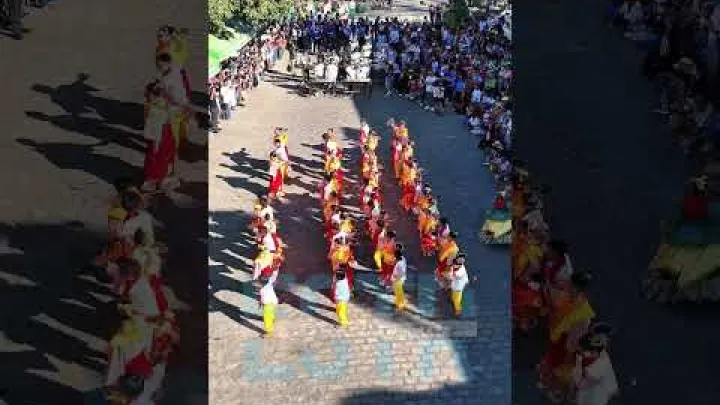
Well-known Vigan events may increase accommodation demand and make the city busier than usual. If your trip is built around a celebration, book earlier and check current city announcements before finalizing your dates.
For some travelers, a festival is worth the trade-off of more crowds or less ideal weather. For others, a quieter December-to-February weekday may provide a better heritage experience.
For Budget Travel and Fewer Crowds
Travelers who prioritize value and quieter streets can consider shoulder periods such as late November, late October, or June. These times may have less crowd pressure than peak holiday periods, but they come with trade-offs.
Late November often gives a good balance of improving weather and pre-peak timing. Late October may offer a quieter visit but still carries residual rain risk. June can be quieter for some travelers, but humidity and showers become more important.
Because accommodation and transport prices change with demand, holidays, events, and booking timing, it is better to compare current options rather than rely on fixed price expectations. Choose shoulder months only if the potential savings are worth the heat or rain uncertainty.
For Nearby Beaches, Upland Stops, and Wider Ilocos Trips
If Vigan is part of a wider Ilocos itinerary, the dry season is the safer default. Multi-stop trips are more exposed to weather because rain can affect roads, visibility, beach plans, and travel time between destinations.
For nearby Ilocos coastal and upland side trips, heavy rain may mean rougher sea conditions, wet roads, lower visibility, or slower journeys. These effects can be more disruptive than rain inside the city because there are fewer easy indoor substitutes.
Choose December to April for the most practical outdoor planning, with December to February offering the best comfort. If you travel from June to October, leave more buffer time and monitor advisories closely.
Practical City-Stay Tips for Each Season
Good timing can make Vigan feel much easier, even in hot or rainy months. The key is to plan your day around the weather rather than forcing the same schedule in every season.
How to Plan Walking Time Around Heat and Rain
Use a simple daily rhythm: walk early, rest at midday, and go out again in the late afternoon or evening. This is especially important from March to June, when heat can make long midday walks uncomfortable.
During the hottest or wettest hours, shift to indoor or covered stops such as museums, churches, cafés, restaurants, and shops. This keeps the day useful without exhausting yourself or waiting outdoors in rain.
Wet cobblestones and older street surfaces can become slippery during showers. Wear shoes with grip, slow your pace, and be careful when taking photos or crossing uneven surfaces.
What to Wear and Pack
Pack breathable clothing for Vigan in every month. Lightweight shirts, comfortable walking clothes, and quick-dry fabrics work well because the city is warm and can feel humid.
For dry and hot months, bring a hat, sunscreen, sunglasses, and a reusable water bottle. These items are useful even in the cooler dry months because much of the best sightseeing is outdoors.
For the wet season, add a compact umbrella, a light rain jacket, quick-dry clothing, and shoes with good grip. Footwear matters in the historic core because rain can make cobblestone streets and older surfaces slick.
How to Build a Flexible Itinerary
In the rainy season, avoid scheduling every outdoor stop tightly. Leave buffer time between activities, especially if you are arriving by land transport or combining Vigan with other Ilocos destinations.
Keep indoor alternatives ready for sudden showers. A flexible plan might place Calle Crisologo and outdoor photography in the morning, then reserve museums, churches, cafés, or shopping for the afternoon.
When traveling during the wettest months, look for flexible transport and accommodation terms where available. Not every provider offers changes, so check conditions before booking if your dates fall from June to October.
Weather Checks Before and During Your Trip
Seasonal patterns help you choose the month, but they cannot replace current weather information. This is especially important if your trip is during the rainy season or if you are planning outdoor side trips from Vigan.
Use Climate Averages for Choosing the Month
Climate averages are useful for comparing months because they show long-term patterns. The PAGASA climatological normals for Sinait, Ilocos Sur, identified as the former Vigan station, are a relevant local reference for understanding temperature and rainfall patterns near Vigan.
Use this type of data to decide whether January, April, July, or November fits your travel style. It can show the general difference between cooler dry months, hotter dry months, and wetter months.
However, averages do not predict the weather for your exact travel date. Station location, averaging periods, and year-to-year variation can affect the exact conditions you experience.
Use Official Forecasts and Advisories for Final Decisions
Before departure and during your trip, check official forecasts and advisories from PAGASA, especially from June to October. Watch for heavy rainfall, thunderstorms, tropical cyclone advisories, and rainfall monitoring updates.
It is also wise to check local government announcements when weather is active or when you are traveling for a major event. Local updates can affect schedules, routes, access, and public safety guidance.
Adjust outdoor plans based on current conditions. If heavy rain is expected, move heritage walks to a clearer period, keep indoor stops ready, and avoid unnecessary travel during severe weather.
Conclusion: Choosing Your Vigan Travel Dates
For most travelers, December to February is the best time to visit Vigan because it usually offers the most comfortable balance of drier weather and lower heat. November, March, April, and late October can also work well if you understand the trade-offs between heat, rain risk, crowds, and value.
June to September is less ideal for tight outdoor itineraries, but it can still suit flexible travelers who monitor forecasts and prepare for rain. If your trip includes Calle Crisologo, Bantay Bell Tower, the Vigan historic core, and nearby Ilocos side trips, choose the driest and most comfortable months when possible. Use climate averages to choose your month, then rely on official forecasts for final decisions close to travel.
Select area
Create a post
Posting is free and no registration is required.