Laoag Travel Guide: First-Time Visitor Plan for Ilocos Norte
This Laoag travel guide is for first-time visitors who want a practical base for exploring Ilocos Norte without overcomplicating the trip. Laoag City is compact enough for a short heritage stop, but useful enough as a gateway for Paoay, the sand dunes, Pagudpud, and wider northern Luzon routes. This guide explains when to go, how to arrive, how to move around, where to stay, what to do, and what to check before booking. Use it as a planning framework, then confirm current schedules, rates, weather, and opening hours close to your travel date.
Laoag Travel Guide Overview
Laoag is not a large resort city or a big nightlife destination. Its value is in its position: a provincial capital with transport links, heritage landmarks, local services, and access to some of the best-known sights in Ilocos Norte.
Where Laoag Fits in Ilocos Norte
Laoag City is the capital of Ilocos Norte and one of the most practical entry points for northwest Luzon travel. Many visitors arrive through Laoag International Airport or by long-distance bus, then use the city as a base for nearby towns and outdoor activities.
The city works well as both a short stop and a logistics hub. In the historic core, first-time visitors can orient themselves around St. William's Cathedral, the Sinking Bell Tower, plazas, and Museo Ilocos Norte. Just outside the center, the La Paz Sand Dunes and Laoag Sand Dunes give the trip a more active outdoor element.
For a wider Ilocos Norte itinerary, Laoag also connects naturally with Paoay, San Nicolas, Pagudpud, and coastal areas. This makes it a sensible base if you want a mix of heritage, local food, sand dune activities, and day trips without changing hotels every night.
Who Laoag Is Best For
Laoag is best for travelers who want a grounded Ilocos experience rather than a purely beach-resort holiday. It suits first-time Ilocos visitors, domestic road trippers, families, heritage travelers, and people who want to combine city sights with sand dunes, churches, food, and nearby coastal routes.
It is less suitable if your main goal is island hopping, luxury beach isolation, late-night entertainment, or a large urban shopping scene. Laoag has practical services and modern conveniences, especially in and around the city and nearby San Nicolas, but it still feels like a smaller provincial city.
The best expectation is simple: Laoag gives you local streets, transport access, Ilocano culture, and a useful base. If you plan around that role, the city is easier to enjoy.
How Many Days to Spend in Laoag
One full day can cover a fast overview of Laoag's historic core, a museum stop, local food, and a dune activity if your arrival time is early and the weather cooperates. This is enough for travelers passing through, but it can feel rushed in hot weather or after an overnight bus.
Two to three days is the more comfortable choice for most first-time visitors. This gives you time for Laoag city sights, La Paz Sand Dunes, Paoay, relaxed meals, and flexible transport. It also leaves room for rain delays or midday heat breaks.
Four days or more is better if you want to include Pagudpud, Vigan, Baguio, or a longer northern Luzon route.| Trip length | Best for | Planning note |
|---|---|---|
| 1 day | Quick Laoag overview | Keep the route compact and avoid too many stops. |
| 2 to 3 days | Laoag, dunes, and Paoay | Best balance for most first-time visitors. |
| 4 days or more | Wider Ilocos Norte route | Add Pagudpud or other northern Luzon stops with advance transport planning. |
Best Time to Visit Laoag
Timing matters in Laoag because many of the most enjoyable activities are outdoors. Heat, rain, holiday crowds, and transport demand can all affect how comfortable the trip feels.
Dry Season, Rain, and Heat
Laoag is generally hot and humid, so plan your day around heat even when the weather is dry. Early mornings and late afternoons are usually more comfortable for walking, outdoor photos, and sand dune activities. Midday is better for museums, meals, rest, or short transfers.
The dry season is generally the easier period for sightseeing, sand dunes, and beach-oriented side trips. Clearer weather can make road travel and outdoor activities more predictable, although conditions can still change.
Rainy months can still work for a Laoag trip, especially if your focus is food, city sights, and indoor stops. However, rain may affect dune activities, coastal plans, and road comfort. Before departure, check current forecasts and local weather advisories, then keep one or two flexible backup activities in your plan.
Festivals, Holidays, and Booking Pressure
Hotel availability and transport demand can change during festivals, long weekends, school breaks, and national holidays. If you are traveling during a popular period, book accommodation earlier and confirm transport arrangements before arrival.
Laoag is associated with local celebrations such as Pamulinawen Festival, but event dates and programs can change. If a festival is part of your reason for visiting, check current announcements from official local channels before finalizing flights, buses, or hotel nights.
For peak dry-season trips, choose your base early and avoid leaving airport or late-night transfers to chance. For rainy-season travel, keep the itinerary flexible and confirm whether outdoor activities are operating before you pay.
How to Get to Laoag
Laoag is reachable by air and overland routes. The best choice depends on your starting point, budget, time, luggage, and whether Laoag is your first stop or one part of a longer Luzon itinerary.
Flights to Laoag International Airport
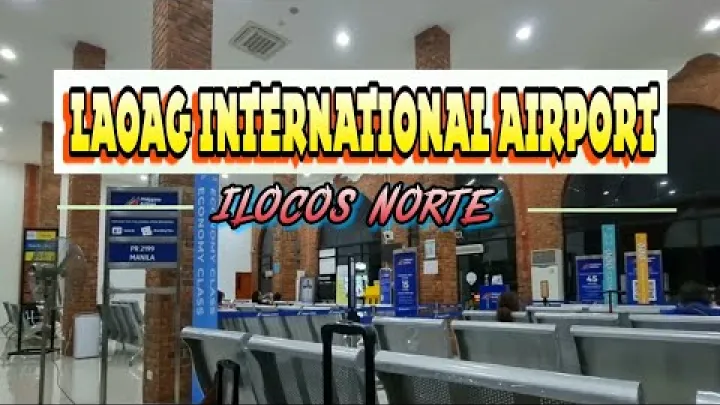
Laoag International Airport is the main air gateway for Laoag City and Ilocos Norte. Flying is usually the fastest way to reach the area, especially for travelers with limited vacation time or families who want to avoid a long overland ride.
The main caution is that flight routes, schedules, baggage rules, and airport services can change. Check current airline information before booking, and look at arrival times carefully. A late arrival may require a hotel-arranged transfer or a clearly agreed local ride.
Before you fly, ask your hotel about airport pickup options, expected transfer time, and how payment should be handled. If you plan to use a tricycle or other local transport, confirm the fare before leaving the airport area.
Buses from Manila, Baguio, and Nearby Luzon Routes
Long-distance buses are the main overland alternative for reaching Laoag from Manila and other parts of Luzon. They are usually chosen by budget travelers, domestic travelers, and people building a wider northern Luzon route.

The Laoag City Government describes overland access to Laoag, including bus and van connections from nearby provinces, but travelers should treat any route examples as starting points rather than fixed current schedules. Operators may change terminals, departure times, service classes, and fares.
When comparing buses, check the departure terminal, total travel time, seat type, luggage policy, arrival point in Laoag, and whether the trip runs during the day or overnight. A night bus can save one hotel night, but you may arrive tired and need a lighter first day.
Choosing the Best Arrival Option
Flying is usually best if your trip is short, your budget allows it, or you want to save energy for sightseeing. It is also convenient if you plan to spend only two or three days in Ilocos Norte.
Buses can make sense if you are watching costs, starting from a route where overland travel is direct, or combining Laoag with Vigan, Baguio, or other northern Luzon stops. Overland travel also gives more flexibility for travelers who do not want to backtrack to Manila.
There is no universally best option. Choose based on your total trip length, luggage, comfort tolerance, arrival time, and onward plans. If you arrive by bus after a long ride, avoid scheduling the most tiring dune or beach activities immediately.
How to Get Around Laoag
Getting around Laoag is usually simple, but it is not always as formal as transport in larger cities. Visitors should be ready to ask questions, confirm fares, and plan day trips with enough buffer time.
Tricycles, Jeepneys, and Local Buses
For many visitors, tricycles are the most practical short-distance transport inside Laoag. They are useful for moving between hotels, the historic core, restaurants, markets, and short city stops when walking is uncomfortable because of heat or luggage.

The Laoag City Government lists tricycles, jeepneys, and buses among local transport modes in and around the city. Jeepneys and buses may help with inter-municipal movement when the route matches your itinerary, but they require more patience and local route awareness.
For informal rides, confirm the fare before boarding. Use clear, polite questions such as: “How much is the total fare to this place?” and “Is waiting time included?” If you are unsure, ask your hotel or a local tourism office for current fare guidance before starting the day.
City Tours, Fare Agreements, and Day-Trip Transport
Short tricycle or vehicle-based city tours are common because Laoag's sights are easier to combine with a planned route. This can be useful if you want to cover the cathedral, bell tower, museum, plazas, and nearby stops without negotiating a new ride each time.
Before the tour begins, agree on the route, total price, waiting time, number of passengers, and what is not included. If the route includes Paoay, the dunes, or a farther stop, confirm whether the vehicle and driver are suitable for the distance.
For day trips outside Laoag, especially to Paoay or Pagudpud, compare options through your hotel, local operators, tourism offices, and current booking platforms. Do not rely on old traveler-reported prices as current rates. Treat them only as historical examples and ask for updated quotes.
Where to Stay in Laoag
Your best base depends on how you plan to spend your time. First-time visitors usually choose between the city center, nearby San Nicolas, and properties closer to the airport, coast, or dunes.
City Center for Heritage and Short Walks
The city center is a strong base if you want quick access to St. William's Cathedral, the Sinking Bell Tower, plazas, local streets, and short tricycle rides. It works especially well for a one- or two-night stay focused on heritage and simple logistics.
Central Laoag can be walkable for some travelers, but do not assume every route will be comfortable for everyone. Heat, humidity, traffic, uneven walking surfaces, rain, and luggage can all change what feels easy.
Older travelers, families with children, and visitors with mobility needs should choose accommodation carefully. Look at the exact hotel location, not just the city name, and ask about stairs, elevators, parking, and transport access if those details matter.
San Nicolas for Malls and Practical Convenience
San Nicolas is adjacent to Laoag and can be a practical base for travelers who want modern conveniences, mall access, and straightforward transport links. It is not the historic core of Laoag, but it may be easier for some families, business travelers, and road trippers.
Robinsons Place Ilocos Norte is a useful local anchor in this area for shopping, meals, supplies, and meeting points. Staying nearby can reduce small daily errands, especially if you are traveling with children or using Laoag as a logistics hub.
Before booking, check the exact distance to the places you care about most. A property that looks close on a map may still require tricycle rides, and transport availability can vary by time of day.
Coastal and Airport-Side Areas for Resort Stays
Some travelers prefer accommodation closer to the coast, airport, or dune areas. This can suit visitors who want more space, resort-style facilities, easier outdoor access, or a quieter base outside the busiest central streets.
The trade-off is location. These stays may be less convenient for spontaneous walks around central Laoag, heritage stops, markets, and local eateries. Public transport may also be less convenient at certain times.
If you choose an airport-side, coastal, or resort-style property, confirm transfer arrangements before booking. This is especially important for late arrivals, early departures, families with luggage, and travelers who do not plan to rent a vehicle.
Best Things to Do in Laoag
The best Laoag itinerary mixes heritage, local culture, food, and at least one outdoor activity if the weather allows. Keep the order flexible so you can avoid the worst heat and move indoor stops into rainy periods.
Historic Core: St. William's Cathedral and the Sinking Bell Tower
St. William's Cathedral and the Sinking Bell Tower are two of Laoag's most recognizable central landmarks. They are practical first stops because they help visitors understand the layout of the historic core and provide an easy starting point for walking or short tricycle rides.

The Laoag City Government highlights local visitor places including heritage sites, churches, and the Laoag Sand Dunes. Use official tourism information as a starting point, then confirm access details locally if you plan to enter specific sites.
When visiting active religious spaces, dress and behave respectfully. Keep voices low, avoid blocking worshippers, and ask before taking photos in sensitive areas. If services or ceremonies are taking place, observe from an appropriate distance.
Museo Ilocos Norte and Local Heritage
Museo Ilocos Norte is a useful indoor stop for understanding Ilocano culture, local history, and the wider identity of the province. It works well early in the trip because it gives context for what you will see in Laoag, Paoay, and other Ilocos Norte towns.
The museum is also a practical choice during hot or rainy parts of the day. Instead of pushing through outdoor stops at midday, place the museum between morning and late-afternoon activities.
Before visiting, check current opening hours, ticket details, and holiday closures through local contacts or current official information. Museum schedules can change, and it is better to confirm than to build a tight itinerary around outdated hours.
La Paz Sand Dunes and Outdoor Activities
The La Paz Sand Dunes are among Laoag's most distinctive outdoor experiences. Travelers often associate the area with 4x4 rides and sandboarding, but availability, rates, safety briefings, and operating conditions depend on current operators and weather.
If you plan to go, consider early morning or late afternoon. These times are usually more comfortable than midday and can be better for photos. Avoid packing the activity immediately after a long bus arrival unless you are sure you will have enough energy.
Bring sun protection, water, secure footwear, and a small bag that can be closed. Keep phones, cameras, and loose items secure during rides. If weather looks poor or the operator gives safety warnings, treat the activity as weather-dependent rather than guaranteed.
Food, Plazas, and Everyday Local Life
Leave time for simple local exploration. Laoag is not only a checklist of landmarks; part of the experience is eating in local places, walking around plazas when the weather is cooler, and observing everyday city life.
For food, look for busy local eateries, ask hotel staff for nearby recommendations, and choose places with good turnover. Ilocano cuisine is a major part of travel in the region, but restaurant quality and opening hours vary, so avoid building the whole trip around one unconfirmed restaurant.
Evening can be a pleasant time for relaxed walks near central areas, especially after the heat drops. Use normal city awareness, keep valuables secure, and take a tricycle back to your hotel if the route feels too far or poorly lit.
Side Trips and Wider Ilocos Routes
Laoag becomes more valuable when you connect it with nearby towns. The key is to decide whether you want short extensions or a wider regional route, because each choice affects transport and hotel planning.
Paoay for Church, Lake, and Heritage Stops
Paoay is one of the easiest and most common extensions from Laoag. Many travelers include Paoay Church and nearby heritage or lake-area stops as part of a half-day or full-day route.
If your time is limited, you can combine Paoay with a Laoag city tour, but this works best when transport is arranged clearly in advance. If you prefer slower travel, give Paoay a separate half day so you can avoid rushing between stops.
Use Paoay for a different kind of experience from the Laoag Sand Dunes. Instead of duplicating the outdoor adventure part of the trip, treat Paoay as a heritage and landscape extension.
Pagudpud and Northern Ilocos Beaches
Pagudpud is a longer northern Ilocos beach extension, not a quick central Laoag stop. It can be rewarding for beach-focused travelers, but it deserves realistic time planning.
A same-day loop may feel rushed depending on your transport, road conditions, weather, and how many stops you add. If beaches are a major reason for your trip, consider staying overnight closer to the coast rather than using all your time in transit.
Before committing, check current transport options and weather. Beach conditions, road comfort, and activity availability can change, so build the route around current information rather than fixed assumptions.
Vigan, Baguio, and Longer Northern Luzon Itineraries
Laoag can also connect with wider northern Luzon itineraries. Vigan, Baguio, and other regional stops can fit into a longer road or bus trip, especially for travelers who want heritage cities, mountain areas, and coastal landscapes in one journey.
Adding these places changes the trip. It is no longer only a Laoag visit; it becomes a northern Luzon route with more transport planning, more hotel decisions, and more time in transit.
If you have only a few days, focus on Laoag, Paoay, and possibly one nearby outdoor activity. If you have a week or more, map the route carefully to avoid unnecessary backtracking.
Suggested Laoag Itineraries
These sample itineraries are flexible modules, not strict schedules. Adjust them for arrival time, heat, rain, energy level, and whether you prefer heritage, food, outdoor activities, or beaches.
One-Day Laoag Plan
For a one-day Laoag plan, start with the historic core around St. William's Cathedral, the Sinking Bell Tower, nearby plazas, and central streets. Add Museo Ilocos Norte during the hotter part of the day or if rain interrupts outdoor sightseeing.
If timing and weather work, schedule La Paz Sand Dunes for late afternoon rather than midday. This keeps the route more comfortable and gives you a clear highlight without overloading the day.
If you arrive by overnight bus, simplify the plan. Choose the historic core and one indoor stop, then decide later whether you still have enough energy for the dunes. If it rains, replace outdoor activities with food, museum time, and short tricycle rides.
Two- or Three-Day Laoag Plan
For two days, use the first day for Laoag city sights, Museo Ilocos Norte, local food, and the dunes. Use the second day for Paoay or a slower local exploration day, depending on your interests.
With three days, the trip becomes more comfortable. You can schedule outdoor activities early or late, leave midday for rest, and add markets, relaxed meals, or another nearby excursion without rushing.
This format works well for families and first-time visitors because it includes flexibility. Instead of trying to see every attraction, choose a few strong experiences and give yourself enough time to enjoy them.
Four-Day Ilocos Norte Route
A four-day route can use Laoag as the anchor for a broader Ilocos Norte plan. One day can focus on Laoag, one on Paoay and nearby heritage stops, and another on a northern beach direction such as Pagudpud if transport and weather make sense.
Longer routes work best when you plan transport in advance. Avoid unnecessary backtracking, especially if you are carrying luggage or using public transport.
Some travelers may split nights between Laoag and a beach area. This can reduce long same-day transfers and give beach-focused travelers a more relaxed experience.
Costs, Booking, Safety, and Final Tips
The final planning step is to turn the itinerary into a realistic budget and checklist. Laoag can be manageable for budget travelers, but paid tours, resort stays, private transport, and peak-season bookings can raise the total quickly.
Typical Costs to Budget For
Budget for several main categories: transport to Laoag, local transport, accommodation, food, tours, paid activities, and contingency money. The biggest differences usually come from whether you fly or take a bus, stay centrally or in a resort-style property, and choose public transport or private day trips.
| Cost category | What affects it | How to control it |
|---|---|---|
| Transport to Laoag | Flight or bus, season, baggage, arrival city | Compare total cost, not only base fare. |
| Local transport | Tricycles, jeepneys, buses, private vehicles | Confirm fares and group nearby stops. |
| Accommodation | Location, room type, demand, booking date | Book earlier for holidays and weekends. |
| Food | Local eateries, cafes, hotel meals | Mix simple local meals with planned treats. |
| Tours and activities | Dunes, day trips, private transport | Ask for current inclusions before paying. |
Budget travelers can reduce costs by staying in simpler lodging, eating at local places, using public transport where practical, and limiting private day trips. Travelers who choose resort stays, private vehicles, and paid adventure activities should expect a higher total.
What to Book or Verify Before You Go
Before traveling, confirm your flights or bus schedules, hotel location, check-in time, airport or terminal transfer plan, and expected local transport options. If you are arriving late, do not assume transport will be as easy as during the day.
Also verify weather, festival dates, museum hours, tour rates, dune activity conditions, and whether your hotel can help arrange reliable local transport. Prices and schedules can change, especially during holidays and busy travel periods.
A practical checklist is simple: book the first night, confirm how you will reach the hotel, identify your first full-day plan, and keep one indoor backup for rain or extreme heat. This reduces stress and gives you room to adjust once you arrive.
Safety, Scams, and Common-Sense Precautions
Travelers should keep national-level advisory context in mind without assuming every area has the same risk profile. The U.S. Department of State advises increased caution in the Philippines and identifies some areas with higher risk; check current advisories from your own government before travel.
For Laoag itself, use standard urban precautions. Keep valuables secure, avoid displaying large amounts of cash, agree on informal transport fares before riding, use well-lit routes at night, and ask your hotel or trusted local contacts for current advice if you are unsure about an area or transfer.
For outdoor activities, follow operator instructions, protect yourself from sun and dehydration, and avoid pushing ahead during poor weather. Travel insurance can be useful, especially if your itinerary includes flights, long-distance buses, paid tours, or adventure activities.
Laoag is easiest to enjoy when you plan it as a practical Ilocos Norte base: choose the right number of days, stay in a location that matches your priorities, confirm transport before key movements, and keep the itinerary flexible for heat and weather.
Select area
Create a post
Posting is free and no registration is required.