Samal Travel Guide: Where to Stay, What to Do, and Tips
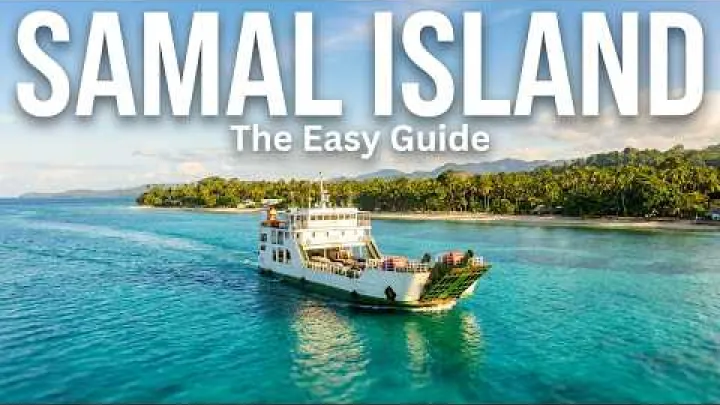
This Samal travel guide is designed for first-time visitors who want a practical, balanced overview before booking a trip. Samal, officially known as the Island Garden City of Samal, sits in the Davao Region of the Philippines and is closely connected to Davao City across Davao Gulf. It is best known for beach resorts, island-hopping, snorkeling, nature stops, and easy short escapes from the city. This guide covers when to go, how to get there, where to stay, what to do, estimated planning costs, and the safety checks that matter before you travel.
Why Samal Works for First-Time Visitors
Samal is a good introduction to island travel in Mindanao because it can be visited as a day trip from Davao City or as a slower beach stay. It has enough resorts, local transport, and visitor facilities to be approachable, but it still requires planning because ferry crossings, island distances, weather, and boat schedules can shape the trip.
Where Samal Is and What Kind of Trip It Offers
Samal is located across Davao Gulf from Davao City, with main visitor areas including Babak, Peñaplata, Kaputian, and nearby Talicud Island. The official local tourism site, Samal Turismo, is a useful starting point for destination identity and locally named places.

For most travelers, Samal is not a remote backpacking island where you arrive with no plan. It is better understood as a resort, beach, nature, and short-break destination. Many visitors combine it with a Davao City itinerary, using Davao as the flight gateway and Samal as the island portion of the trip.
The island offers a mix of public beaches, private resorts, boat trips, snorkeling areas, inland roads, viewpoints, wildlife stops, and quieter coastlines. The experience can feel very different depending on where you stay. Babak and the north coast are more convenient for access, Kaputian and the south coast are stronger for beach-focused trips, and Talicud Island suits travelers who want a simpler, quieter stay.
How Many Days to Spend in Samal
A day trip can work if you are based in Davao City and want a quick beach or nature escape. Keep it simple: choose one main beach or resort area, add one nature stop if time allows, and return with a generous buffer for the ferry and traffic.
An overnight stay is better if you want to feel the island pace rather than spend much of your day in transfers. Two to three days is the most comfortable choice for many first-time visitors because it allows time for beaches, island-hopping, one or two nature stops, and relaxed meals without overloading the schedule.
Longer stays suit resort travelers, divers, remote workers, families, or anyone who wants rest rather than a packed sightseeing plan. If you are choosing quickly, use this guide: one day for a sample visit, one night for a short beach break, two to three days for a balanced Samal itinerary, and four or more days for resort time, diving, or a slower island rhythm.
Best Time to Visit Samal
Weather is one of the most important planning factors for Samal because many activities depend on sea conditions, clear skies, and boat operations. Treat season advice as a general guide, then check current forecasts and local updates close to your travel dates.
Dry Season, Peak Travel, and Beach Weather
Travelers generally prefer drier months for Samal because beaches, boat trips, snorkeling, diving, and outdoor stops are easier to plan when rain is less likely. Calmer seas may be more likely in favorable weather windows, but they are never guaranteed. Even in a good season, wind, tides, rain showers, and local sea conditions can affect island-hopping routes.
Weekends, Philippine holidays, school breaks, and peak domestic travel periods can make resorts and public beaches busier. If you want a popular beachfront resort, a private boat tour, or a family room, book ahead rather than assuming you can arrange everything after arrival.
For beach-focused visitors, the best strategy is to plan your most weather-dependent activity early in the trip. If conditions are not suitable, you still have time to move it to another day.
Rainy Season, Shoulder Months, and Flexible Planning
Off-peak or less predictable months can still be rewarding. You may find fewer crowds and better value, especially outside weekends. The trade-off is that boat trips, snorkeling plans, and exposed beach activities may need more flexibility.
Do not assume rainy-season travel is automatically unsafe or unpleasant. Instead, build a plan that can adjust. Choose accommodation where you would be comfortable spending extra time, ask about cancellation or rescheduling rules for boat tours, and keep backup ideas such as resort facilities, cafes, inland stops, spa time, or a return to Davao City.
Ferry and small-boat operations may change during unsafe sea or weather conditions. If your flight depends on leaving Samal at a specific time, avoid planning a tight same-day connection.
How to Get to Samal and Around the Island
Most Samal trips begin in Davao City. The usual sequence is simple in theory: fly into Davao, transfer to a ferry access point, cross to Samal, and continue by local transport or resort transfer. In practice, queues, traffic, luggage, weather, and arrival time can make the difference between a smooth transfer and a stressful one.
Flying into Davao and Reaching the Ferry
Davao International Airport is the usual air gateway for visitors heading to Samal. From the airport or a Davao City hotel, travelers commonly use a taxi, pre-arranged transfer, private car, or hotel transport to reach a ferry access point. A private transfer provider, Welcome Pickups, describes the airport-to-Samal route as a common transfer path, but travelers should confirm current road conditions, ferry access, and timing locally.
If you land late in the day, consider spending the first night in Davao City unless your accommodation confirms that onward transfer to Samal is realistic. This is especially useful for families, travelers with large luggage, and anyone arriving after a long international connection.
Ferry Crossings and First-Day Logistics
The ferry crossing is central to most Samal trips, so it should not be treated as a minor detail. It can affect when you arrive, how much daylight you have, and whether a day trip feels relaxed or rushed.
Allow buffer time for queues, weather, maintenance, weekend demand, and different procedures for vehicles and foot passengers. If you are bringing a vehicle, your waiting time and boarding process may differ from a passenger arriving on foot. If you are taking public transport and then a tricycle or van, you also need time for the next connection after landing on the island.
Before travel, confirm current ferry details through your accommodation, local contacts, or current operator information. First-time visitors should avoid same-day tight connections between a Samal departure and an early or important flight from Davao.
Getting Around Samal by Tricycle, Van, Motorcycle, and Boat
Samal is more spread out than many visitors expect. Distances between Babak, Peñaplata, Kaputian, inland stops, and boat departure areas can take time, especially with rain, hills, road conditions, or weekend traffic.

| Transport option | Best for | Planning notes |
|---|---|---|
| Tricycle | Short local hops | Confirm fare and route before starting. |
| Van or arranged transfer | Families, luggage, low-stress trips | Useful for resort stays and longer island distances. |
| Motorcycle | Flexible independent travel | Use only if licensed, experienced, and insured. |
| Boat | Island-hopping and Talicud access | Check weather, safety gear, inclusions, and pickup point. |
For first-time visitors who prefer low-stress logistics, the easiest option is to arrange transport through your accommodation or book a driver for the day. Motorcycle rental can be flexible, but it is not the best choice for inexperienced riders or travelers unfamiliar with local roads.
Where to Stay in Samal
The best area to stay in Samal depends on your priorities. Choose based on access, beach style, transport needs, and how much independence you want. Do not choose only from photos, because a beautiful property can still be inconvenient if it is far from your planned activities.
Babak and the North Coast
Babak and the north coast are convenient choices for many first-time visitors because they are closer to common access points from Davao. This area suits short stays, travelers arriving after a flight, and visitors who want easier logistics for a one-night or two-night trip.
Accommodation can range from simple guesthouse-style stays to more developed resort options. The trade-off is that the area may feel less secluded than southern or island locations. If your priority is convenience, Babak is often a sensible base. If your priority is a quiet beach escape, compare it carefully with Kaputian, the south coast, or Talicud Island.
Peñaplata and Inland Areas
Peñaplata and nearby inland areas are more practical service and transit zones than classic beachfront bases. They may appeal to travelers who want access to local services, quieter inland settings, viewpoints, or a location that is not entirely resort-focused.
The main trade-off is transport. If you stay inland, you may need more planning for beach time, boat tours, and evening meals. Before booking, ask your accommodation how guests usually reach beaches, ferry points, restaurants, and tour pickup areas.
Kaputian and the South Coast
Kaputian and the south coast are strong options for beach-focused visitors. This part of Samal can feel more relaxed and may be more suitable if your plan includes southern beach areas, public beach time, or boat access toward nearby islands.
The trade-off is distance from Davao-facing ferry access and some services. If you have heavy luggage, young children, or an early departure from Davao International Airport, check transfer time carefully. Popular public beaches and coastal areas can also become busier on weekends and holidays, so weekday travel may feel more relaxed.
Talicud Island
Talicud Island can offer a quieter, more beach-oriented stay for travelers who are comfortable with simpler logistics. It is best suited to snorkeling, low-key beach time, and visitors who do not need nightlife, frequent transport, or many urban conveniences.
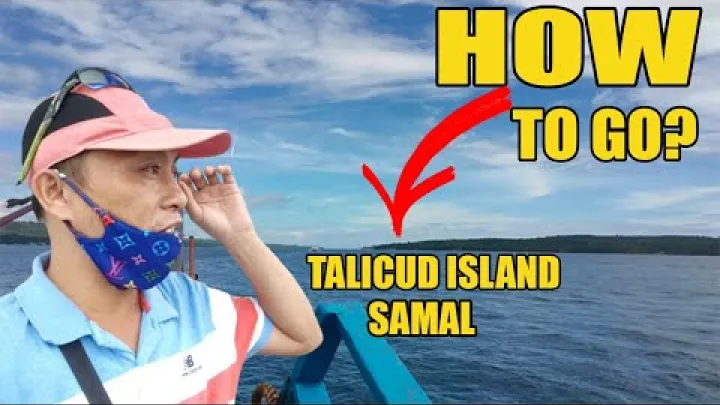
Before staying overnight on Talicud, confirm boat schedules, food options, cash needs, accommodation facilities, and what happens if weather affects transport. Talicud can be rewarding, but it is not the best base for travelers who want maximum flexibility or easy access to Davao City services.
Best Things to Do in Samal
Samal’s main appeal is the mix of beaches, boat trips, marine activities, resorts, and nature stops. The best plan combines one or two headline experiences with enough downtime to enjoy the island rather than moving constantly.
Beaches, Sandbars, and Island-Hopping
Beaches and island-hopping are the core of many Samal trips. Possible routes may include coastal stops around Samal, Talicud Island, Kaputian Beach Park, Vanishing Island, or resort-area stops, depending on the operator, tides, sea conditions, and current access rules. A commercial Talicud island-hopping listing from Traveloka shows how tour routes can bundle several beach destinations, but actual stops should always be confirmed with the provider you book.
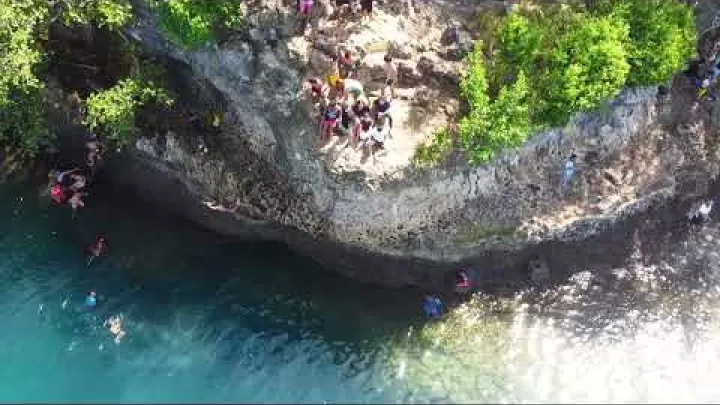
Before booking a boat trip, ask what is included. Clarify pickup point, return point, food, drinking water, snorkel gear, entrance fees, environmental fees, docking fees, guide support, and whether the route changes with tides or weather. If you are visiting shallow marine areas, do not remove starfish from the water, stand on coral, feed fish, or leave trash behind.
Snorkeling, Diving, and Marine Life
Snorkeling and diving are major reasons to visit Samal and nearby islands. Conditions can vary by weather, season, tide, and recent rainfall, so avoid expecting perfect visibility every day. If marine life is a priority, speak with current local operators rather than relying only on old photos or blogs.
Beginners should choose guided snorkeling or beginner-friendly dive experiences with operators who explain safety rules and provide suitable equipment. Certified divers should confirm dive site conditions, guide credentials, equipment condition, boat safety, and cancellation policies before committing.
Reef-safe behavior matters. Do not touch coral, do not stand on reefs, keep fins away from fragile areas, and avoid disturbing marine animals. These habits protect the places visitors come to see and usually lead to a better experience for everyone on the boat.
Monfort Bat Sanctuary and Other Nature Stops
Monfort Bat Sanctuary is one of Samal’s distinctive nature stops and adds variety to a trip that might otherwise focus only on beaches. It is best approached as a wildlife-viewing and conservation-oriented visit rather than a casual photo stop.
Before visiting, check current opening hours, access procedures, viewing rules, and whether reservations or local guidance are needed. At any wildlife site, keep noise low, avoid flash if rules prohibit it, do not attempt to touch animals, and follow staff instructions.
Other inland or nature stops may include viewpoints, garden-style resorts, river areas, or short adventure activities, depending on current access and local conditions. Confirm details locally because hours, fees, and road access can change.
Viewpoints, Light Adventure, and Local Culture
Samal also has optional add-ons for travelers who want more than beach time. Depending on the season and local availability, this may include viewpoints, inland resorts, river stops, water activities, cliff-jumping areas, and local cultural events.
Adventure activities should be treated as safety-dependent. For cliff-jumping, river swimming, and water sports, check water depth, weather, guide supervision, equipment, and your own ability. Do not join an activity just because other visitors are doing it.
If you are interested in cultural events such as Pangapog Festival, check the annual schedule before planning a trip around it. When visiting markets, villages, events, or community sites, be respectful, ask before photographing people, and support local guides and small eateries where appropriate.
Sample Samal Itineraries and Travel Costs
A good Samal itinerary leaves room for transport delays and weather changes. The island is close to Davao City, but that does not mean every attraction can fit comfortably into one day.
One-Day Samal Trip from Davao
For a one-day Samal trip from Davao, keep the route focused. Start early, cross to Samal, choose one nature stop or viewpoint, have lunch, spend the main part of the day at a beach or resort, then return to Davao with a generous buffer before evening plans.
Trying to combine island-hopping, multiple inland stops, a long lunch, beach time, and a rushed return can make the day feel more like transport than travel. If island-hopping is your main goal, consider making that the central activity and skipping extra inland stops. If you are traveling with children or older family members, a single resort day may be the most comfortable version of a day trip.
Two to Three Days in Samal
Two to three days gives Samal room to work well. On the first day, focus on arrival, check-in, a nearby beach, and a relaxed meal. On the second day, plan your most important activity, such as island-hopping, snorkeling, diving, or a resort beach day. On the third day, add a nature stop such as Monfort Bat Sanctuary, a viewpoint, or a slow morning before returning to Davao.
Choose your base to match this plan. Stay around Babak or the north coast for easier access. Choose Kaputian or the south coast for a more beach-focused stay. Choose Talicud Island only if you are comfortable with simpler services and more limited transport options.
If you have an early flight from Davao, consider returning to Davao City the night before. This reduces the risk of ferry delays, weather changes, or early-morning transport problems.
Budget, Mid-Range, and Resort Spending
Samal trip costs vary widely. A simple day trip using basic transport and public beach access can be modest, while a luxury resort stay at properties such as Pearl Farm Beach Resort or Discovery Samal can be a major vacation expense. Prices also change by season, weekend demand, holidays, room type, and tour inclusions.
| Cost category | What to confirm | Why it matters |
|---|---|---|
| Davao transfer | Airport or hotel pickup, vehicle type | Late arrivals may need private transport. |
| Ferry | Current fare, schedule, vehicle rules | Details can affect arrival and departure time. |
| Local transport | Tricycle, van, driver, or motorcycle | Distances can be longer than expected. |
| Accommodation | Room rate, meals, transfers, taxes | Resort inclusions vary strongly. |
| Boat tours | Route, fees, food, gear, pickup point | The cheapest quote may exclude key items. |
| Activities | Entrance fees, guides, equipment | Small costs add up across several stops. |
Budget travelers should focus on simple lodging, public transport where practical, and a limited number of paid activities. Mid-range travelers may prefer arranged transfers and a comfortable beachfront stay. Resort travelers should compare not only room rates, but also meals, transfers, activities, and whether the property location suits the rest of the itinerary.
Practical Tips for a Smooth Samal Trip
The best Samal trips are usually the ones planned with a little flexibility. Bring enough cash, confirm key transfers, and avoid leaving important details until the last minute during weekends or holidays.
Money, Connectivity, and What to Book Ahead
Carry enough Philippine pesos for small vendors, tricycles, tips, local eateries, environmental fees, and remote beach areas. Card acceptance, ATM access, and mobile signal may vary by area and accommodation type, so do not rely on one payment method.
Book popular resorts, private transfers, and boat tours ahead during weekends, holidays, and peak travel periods. If you plan to work remotely, join online meetings, or upload large files, ask your accommodation directly about Wi-Fi speed, mobile signal, backup power, and workspace conditions.
- Confirm ferry and transfer plans before arrival.
- Carry cash in small denominations.
- Ask boat operators what is included before paying.
- Pack sun protection, reef-safe habits, and a dry bag for boat trips.
- Save important addresses and contact numbers offline.
Safety, Health, and Current Advisory Checks
Travelers should check current official travel advisories for the Philippines and local updates before departure. The U.S. Department of State advises increased caution in the Philippines and notes that some areas have higher risk, so visitors should review current guidance rather than relying on broad assumptions about Mindanao.
In Samal, practical safety means securing valuables, using reputable transport, following boat crew instructions, avoiding risky sea conditions, and choosing activities that match your ability. Travel insurance is strongly recommended, especially if you plan to dive, ride a motorcycle, or join boat trips.
For health planning, bring personal medicines and basic supplies. Major medical needs may require access to larger facilities in Davao City, so travelers with medical conditions should plan more carefully and choose accommodation with reliable transport support.
Responsible Travel on Beaches, Reefs, and Community Sites
Responsible travel in Samal is practical, not complicated. Do not touch coral, remove starfish from the water, feed fish, leave trash on beaches, or damage shallow marine areas for photos. Choose boat operators who explain safety and environmental rules, and follow those rules even when other visitors do not.
At wildlife sites, cultural events, villages, and markets, behave as a guest. Ask before photographing people, keep noise low where appropriate, and avoid treating local communities as attractions. Spending with local guides, small eateries, and community businesses can make your visit more beneficial locally.
Final Planning Advice for Samal
Samal is one of the most accessible island escapes from Davao City, but it rewards travelers who plan with realistic expectations. Choose your base carefully, avoid overloading a short itinerary, and build buffer time around ferries, weather, and boat activities.
For a quick visit, keep the route simple and focus on one strong beach or nature experience. For the best first-time trip, stay two to three days and divide your time between the coast, island-hopping or snorkeling, and one inland or wildlife stop. Before you go, confirm current transport, accommodation details, tour inclusions, weather, and advisory information so your Samal trip feels relaxed rather than rushed.
Select area
Create a post
Posting is free and no registration is required.