Banaue Getting There: Manila Bus and Ifugao Routes

Banaue getting there planning is different from planning a trip to a beach city or an airport town. Banaue is an inland mountain destination in Ifugao, in the Cordillera region of northern Luzon, and most travelers arrive by road. The most practical route for many visitors is an overnight bus from Manila, followed by local transport in Banaue town for rice terrace villages such as Batad, Bangaan, Hungduan, and Mayoyao. This guide explains the main routes, what to verify before departure, how to handle arrival in Poblacion, and how to avoid tight connections on mountain roads.
Banaue Getting There at a Glance
If you only need the basic decision, choose the overnight bus from Manila to Banaue and build in extra time on both ends. It is usually simpler than combining flights, multiple provincial buses, and uncertain local transfers.
Best Overall Route for Most Travelers
For most first-time visitors, the best overall route to Banaue is an overnight bus from Manila. This keeps the journey on one long-distance service, avoids a separate hotel night in a transfer city, and brings you into Banaue town early enough to arrange local plans for the day.
Banaue has no direct commercial airport, no railway station, and no ferry port. Road access is therefore the main way in and out. Regional routes through Baguio, Bontoc, and Sagada can be useful if you are building a wider Cordillera itinerary, but they are not automatically faster than the direct Manila route.
Use all journey times and fare estimates as planning ranges, not promises. Bus schedules, seat classes, road conditions, and booking channels can change, especially around holidays and weather disruptions.
Why Banaue Is Not a Fly-In Destination
Banaue is not a fly-in destination in the practical travel sense. You cannot land in Banaue on a scheduled commercial flight, step onto a train, or arrive by ferry. Even if a route search tool suggests a nearby regional airport, the final part still requires a long road journey through northern Luzon.
Air and road combinations may work for travelers with specific flight deals or private transfers, but they add planning risk. You must confirm the flight, the airport arrival time, the onward bus or van availability, and the road travel time separately.
For this reason, bus travel should not be treated as a second-best option. For Banaue, it is the normal access method for many independent travelers.
What to Check Before You Travel
Before you travel to Banaue, check the details that can affect the whole trip. Do not rely only on a saved screenshot or an old blog post, because transport in mountain provinces can change with demand, roadworks, weather, and operator decisions.
- Confirm the bus operator, departure date, terminal, and exact destination on your ticket.
- Check whether your bus goes directly to Banaue or to another Ifugao destination such as Lagawe.
- Verify baggage rules, seat class, payment method, and refund or rebooking conditions.
- Look for recent road or weather updates during the rainy season or after storms.
- Ask your accommodation about early arrival, luggage storage, guides, and onward rides to villages.
- Carry enough cash for tricycles, food, local fees, and rural transport.
Aggregator listings can be useful for comparing options, but operator websites, operator social channels, ticket details, and local tourism information are more important when you are close to departure.
Getting to Banaue from Manila
Manila is the main gateway for most international travelers heading to Banaue. The usual pattern is to arrive at Ninoy Aquino International Airport or elsewhere in Metro Manila, transfer to the correct bus terminal, take an evening or overnight bus, and arrive in Banaue the next morning.
Overnight Buses from Manila to Banaue
Overnight buses are the core Manila to Banaue transport option. They generally leave in the evening and arrive early in the morning, although actual timing depends on traffic, stops, weather, and mountain road conditions.
Ohayami lists Manila, Banaue, Lagawe, and Baguio among its trip schedule references, making it one of the key operators to check when planning this route.
Coda Lines also lists routes including Manila to Banaue, Manila to Ifugao, Manila to Bontoc, and Manila to Sagada. This is useful if you are comparing a direct Banaue journey with a wider Cordillera route through Bontoc or Sagada.
Pay attention to the exact destination. A direct Banaue bus is different from a service that stops in or continues through nearby Ifugao towns. Lagawe, for example, is important in Ifugao transport, but it is not the same as arriving in Banaue town. If your ticket says a nearby town rather than Banaue, ask how the onward connection works before paying.
Manila Terminals and Airport Connection Planning
Banaue-bound buses do not all leave from one central Manila terminal. Depending on the operator and route, departures may be associated with areas such as Sampaloc, Cubao, or other Metro Manila terminal points. Always follow the terminal address printed on your ticket or shown by the operator for your exact departure.
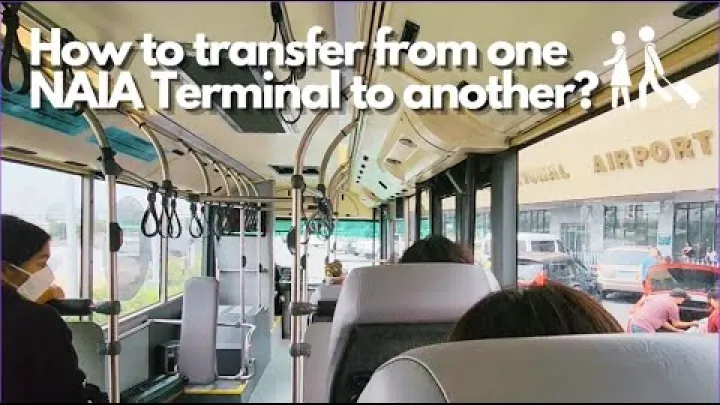
If you are arriving at Ninoy Aquino International Airport on the same day as your bus, allow generous time. Manila traffic can be slow and unpredictable, and airport procedures can take longer than expected. A safe plan includes time for immigration, baggage, money withdrawal or exchange, mobile data setup, food, and the transfer to the terminal.
Avoid booking an evening Banaue bus immediately after a late international arrival unless you are comfortable with the risk of missing it. If your flight lands late or during a busy travel period, spending a night in Manila can be less stressful than racing across the city with luggage.
Typical Travel Time, Fares, and Seat Choices
The Manila to Banaue bus journey is commonly planned as an overnight trip of roughly 8 to 10 hours, but delays are possible. Some traveler reports and booking platforms show longer ranges, especially when road conditions, traffic, and stops are included. Fare ranges also vary by operator, seat class, season, and booking channel.
12Go is one booking platform that compares Manila to Banaue travel times and fares, but you should still cross-check the operator details before payment.
| Route | Mode | Typical planning time | Best use case |
|---|---|---|---|
| Manila to Banaue | Overnight bus | About 8 to 10 hours, sometimes longer | Most first-time visitors |
| Manila to Lagawe, then Banaue | Bus plus local transfer | Long journey plus extra transfer time | When direct Banaue seats are unavailable |
| Baguio to Banaue | Mountain bus or regional service | Long mountain-road journey | Travelers already in northern Luzon |
| Clark to Banaue | Bus transfers, often via Baguio | Most of a day or more, depending on connections | Travelers landing at Clark International Airport |
Seat choices may include regular air-conditioned seats and, on some services, premium or sleeper-style options. Choose based on your budget, comfort needs, and ability to sleep on winding roads. Check all prices and times before paying, because fare and class names can change.
How to Book Tickets and Avoid Sold-Out Departures
The main booking channels are operator websites, operator contact channels, physical terminals, and selected booking platforms. If your itinerary is fixed, book earlier rather than waiting until the day of travel.
Weekends, Philippine holidays, school breaks, and festival periods can increase demand. During these times, the risk is not only that all buses are sold out, but also that only less convenient seat classes or departure dates remain.
- Choose your preferred travel date and decide whether you need a direct Banaue bus.
- Check the operator schedule and terminal information.
- Compare available booking channels, including any service fees.
- Confirm passenger names, date, destination, and boarding point before payment.
- Save the ticket, operator contact details, and terminal address offline.
- If your return date is fixed, secure your return ticket early.
Third-party listings are helpful for searching, but they can lag behind operator changes. When possible, cross-check the route with the operator or ask your accommodation in Banaue if the service is currently operating as expected.
Getting to Banaue from Other Gateways
Manila is the easiest gateway to understand, but not every traveler starts there. Banaue can also fit into northern Luzon routes through Baguio, Bontoc, Sagada, Clark, and other regional points. These routes are useful, but they need more checking than a simple direct overnight bus.
From Baguio to Banaue
Baguio can make sense if you are already in northern Luzon, if you are coming from Clark, or if you want to include Baguio in a Cordillera trip. It is also a practical rest stop for some travelers who do not want to travel all the way from an airport to Banaue in one push.

Services between Baguio and Banaue have been reported by operators and local travel channels, but exact timetables should be verified close to travel. Do not assume that the route runs frequently or that seats will be available when you arrive.
The Baguio to Banaue segment is still a long mountain-road journey. It is not a short transfer between nearby towns. If you reach Baguio late in the day, consider staying overnight and continuing to Banaue when daytime connections are clearer.
From Sagada and Bontoc to Banaue
The Banaue, Bontoc, and Sagada corridor is a common Cordillera travel pattern. Many travelers visit Banaue for the Ifugao rice terraces, continue toward Bontoc, and then go to Sagada, or do the same route in reverse.

Depending on the current schedule, you may use buses, vans, or local jeepney-style services for parts of this corridor. Departures can be limited and are often more practical earlier in the day, so arrive at the terminal early and ask locally before building a tight plan.
If you are coming from Sagada, it may be easier to think in stages: Sagada to Bontoc, then Bontoc to Banaue. However, do not assume that the next vehicle will be waiting when you arrive. Weather, roadworks, full vehicles, and local demand can affect the connection.
From Clark via Baguio or Central Luzon
Clark International Airport can be a starting point for Banaue, especially for travelers using low-cost or regional flights. However, Clark is not a direct gateway to Banaue. You will usually need at least one major transfer.

For many visitors, the simplest concept is Clark to Baguio, then Baguio to Banaue. This breaks the journey into understandable stages and gives you a recognized city for an overnight stop if connections do not line up.
Other lowland routes through Central Luzon and Nueva Vizcaya may be possible, with transfers toward towns such as Solano and onward to Ifugao. These can work for experienced travelers who are comfortable asking at terminals, but they are less straightforward for first-time visitors with luggage or limited time.
Air and Road Combinations via Regional Airports
Some route tools may suggest flying to regional airports such as Cauayan or Tuguegarao and continuing by land. These options are not direct flights to Banaue. They simply move you closer to northern Luzon before you still need a road connection.
Air and road combinations can be useful in special cases, such as when flight prices are favorable or when you are already visiting another province. They are less suitable if you need a simple, low-risk route.
The main difficulty is the final road leg. Vans, buses, or taxis may not align with flight arrival times, may not be easy to book online, or may require local negotiation. Treat these combinations as advanced options unless every segment is confirmed.
Arriving in Banaue Town
Arriving in Banaue is not the end of the transport plan. Most long-distance buses bring travelers into or near Banaue town, but your rice terrace village, accommodation, or trailhead may still require a local ride and sometimes a walk.
Where Buses Arrive and Why the Tourism Office Matters
Long-distance buses usually arrive in or near Banaue town center, with Poblacion serving as the practical arrival area for many travelers. The exact drop-off point can differ by operator and ticket, so check your booking rather than assuming every bus stops at the same place.
The Banaue Municipal Tourism Office area is an important local anchor for visitors. It can help with current local information, guide questions, transport advice, and any registration or fee procedures that may apply to specific activities or villages.
Because many buses arrive early, plan your first morning. Your room may not be ready, offices and shops may not yet be fully open, and you may be tired after the overnight ride. Ask your accommodation in advance whether you can wait, leave luggage, eat breakfast, or arrange a transfer.
Tricycles, Motorcycle Taxis, and Short Local Rides
For short rides in and around Banaue, tricycles and motorcycle taxis are common local options. They can be useful for reaching accommodation, viewpoints, road junctions, or the starting point for another local ride.
Agree on the destination and fare before you leave. If you are not sure what is reasonable, ask your accommodation, the tourism office, or a local shop for a current estimate. Be clear if you have large luggage, because steep roads and narrow vehicles can affect comfort and price.
Use practical caution rather than suspicion. Confirm the driver understands the exact destination, especially if there are similar-sounding places or if you are going to a saddle, junction, or trail access point rather than a village center.
Cash, Early Morning Arrivals, and First-Hour Decisions
Early morning arrivals are common on overnight bus routes. You may get off the bus before normal check-in time and before some services are fully operating. This is manageable if you know what you want to do first.
- Put warm clothing or rain gear within easy reach before arrival.
- Check your luggage and valuables before leaving the bus area.
- Find breakfast, coffee, or a waiting place if your accommodation is not ready.
- Confirm whether you need to register, pay local fees, or arrange a guide.
- Decide whether to rest in Banaue town or continue to Batad or another village.
- Keep enough cash for local rides, food, fees, and rural transport.
Do not depend only on card payments for rural segments. Even when cash machines or digital payments are available somewhere in town, local drivers, small eateries, guides, and village services may prefer or require cash.
Local Routes from Banaue to Rice Terrace Villages
Banaue is often used as the base for visiting nearby rice terrace villages. The main challenge is that local transport is more variable than the Manila bus. Plan local segments earlier in the day and avoid building an itinerary that depends on one uncertain late-afternoon ride.
Getting to Batad via the Batad Saddle
Batad is one of the most famous rice terrace villages near Banaue, but it is not reached by a simple town-center drop-off. Travelers usually take road transport from Banaue toward the Batad Saddle area or another current drop-off point, then continue on foot.
The Banaue Municipal Tourism Office has advised travelers in local event context to allow time for the Banaue to Batad road journey and the walk down from the drop-off area, which reflects the practical need to plan Batad as a road-and-walk connection.
Travel time and walking time vary by road condition, weather, fitness, luggage, and where your vehicle can drop you. If you arrive in Banaue early after an overnight bus, ask locally before committing to a same-day Batad transfer. If you are tired, carrying heavy bags, or arriving in bad weather, staying in Banaue first can be the safer choice.
Getting to Bangaan, Hapao, Hungduan, and Mayoyao
Other terrace destinations around Banaue and Ifugao include Bangaan, Hapao, Hungduan, and Mayoyao. Some places are closer to road access, while others may require extra walking, transfers, or arranged transport.
Depending on the destination and the day, you may use jeepneys, vans, tricycles, motorcycle taxis, or a private vehicle arranged through accommodation or local drivers. Public routes may be directional, with more movement in the morning or early afternoon.
Before planning a tight same-day return, ask locally about the last practical ride back. A route that is easy in the morning may be difficult later in the day, especially if you miss a market-day vehicle or a leave-when-full departure.
Jeepneys, Vans, and Leave-When-Full Departures
Rural transport in Ifugao often works differently from city transport. Jeepneys and vans may follow a general route but depart when full, when demand exists, or around local routines rather than a strict online timetable.
Transfer towns such as Lagawe, Kiangan, and Solano may appear in route planning, especially if you are moving between Ifugao and other northern Luzon provinces. These places can be useful connection points, but they also add uncertainty if you do not know the current departure pattern.
Travel earlier in the day for local and regional segments. Late afternoon and evening options can be limited, and a missed connection may mean paying for private transport or staying overnight.
Reliability, Safety, and Seasonal Planning
Banaue transport is generally manageable with planning, but it is mountain transport. Weather, road conditions, and local vehicle availability matter more than they do on a simple city-to-city expressway route.
Mountain Roads, Rain, and Landslide Delays
Access to Banaue depends on mountain roads. Rain, landslides, roadworks, traffic, and vehicle issues can delay both long-distance buses and local rides. This does not mean the route is unsafe by default, but it does mean you should avoid very tight onward commitments.
Check weather and local road updates before and during your trip, especially in rainy periods or after major storms. Your accommodation, bus operator, local tourism contacts, and recent local announcements can all help you understand whether a route is operating normally.
Do not schedule an important international flight immediately after your planned return from Banaue unless you have a large buffer. A delay on a mountain road can affect your arrival in Manila or another gateway city.
Connection Buffers for Batad, Bontoc, and Manila
The highest planning risk is often not the main Manila to Banaue bus. It is the connection between a local ride, a village walk, and the next long-distance departure.
If you are returning from Batad, allow time for the walk up, the road ride back to Banaue, food, luggage collection, and possible waiting. If you are coming from Bontoc or Sagada, leave early and do not assume every regional vehicle will connect smoothly with an evening bus to Manila.
Cautious travelers should spend a night in Banaue before a long onward leg. Tight-itinerary travelers should keep the day simple: return to Banaue early, secure the onward ticket, and avoid adding another remote village stop before departure.
Common Transport Mistakes and How to Avoid Them
Most Banaue transport problems are preventable. The common mistakes are practical ones, not unusual ones.
- Wrong Manila terminal: use the terminal shown on your ticket, not a general memory of where buses used to depart.
- Late booking: reserve earlier for weekends, holidays, and fixed travel dates.
- Aggregator-only planning: compare platforms, but cross-check operator details when possible.
- Too little cash: bring cash for tricycles, guides, food, fees, and local rides.
- Underestimated mountain time: treat travel times as ranges and add buffers.
- Unclear local destination: confirm whether you are going to Batad Saddle, Batad village, Bangaan, Hapao, or another point.
- No contact details: save numbers or pages for your bus operator, accommodation, and local tourism information.
For local rides, agree on the fare and destination before boarding. If the plan sounds uncertain, ask a second local source before committing.
Suggested Route Plans
The best Banaue route depends on where you start and how much time you have. The following plans are concepts for organizing your trip, not guaranteed schedules.
Simple Manila to Banaue Plan
For a first visit, keep the plan simple. Arrive in Manila, transfer to the correct evening bus terminal, take the overnight bus to Banaue, and handle local registration, breakfast, luggage, and onward transport after arrival.
- Arrive in Manila with enough time before the bus departure.
- Go to the exact terminal listed by the operator or on your ticket.
- Board the overnight bus and keep valuables with you.
- Arrive in Banaue town, usually in the morning.
- Check in with your accommodation or arrange luggage storage.
- Visit the tourism office area or ask locally about guides and transport.
- Continue to Batad or another village only if timing, weather, and energy allow.
If your return date is fixed, book the return bus early. This is especially important if you must be back in Manila for a flight.
Cordillera Loop via Banaue, Bontoc, Sagada, and Baguio
A Cordillera loop can reduce backtracking and create a richer northern Luzon itinerary. A common concept is Manila to Banaue, then Banaue to Bontoc, Bontoc to Sagada, and Sagada or Bontoc onward to Baguio before returning to Manila or continuing elsewhere.
This route needs more care than a simple round trip. Inter-town departures can be limited, vehicles can fill, and road conditions can change. Plan early starts and check each leg locally before you move.
Do not treat the loop as a fixed schedule unless you have confirmed every segment. It is better to add one spare night than to rush through mountain transfers with no room for delay.
Departure Strategy for Leaving Banaue
Leaving Banaue should be planned as carefully as arriving. For Manila, book the long-distance bus in advance if your date matters. For Baguio, Bontoc, Sagada, or other Ifugao towns, ask about current departures before the day you plan to leave.
Regional and local departures may be concentrated earlier in the day. If you wait until late afternoon to look for a vehicle, your choices may be limited or expensive.
If you are returning from a village such as Batad on the same day as a long-distance departure, give yourself a large buffer. Your plan should still work if the first local ride is late, full, or affected by weather.
Frequently Asked Questions
Is there a direct flight to Banaue?
No. Banaue has no commercial airport. You can fly to other airports in Luzon, but you will still need a long road journey to reach Banaue.
How long is the bus from Manila to Banaue?
Plan for about 8 to 10 hours on an overnight bus, with possible delays from traffic, weather, roadworks, and mountain road conditions.
Which bus companies go to Banaue?
Ohayami and Coda Lines are key operators to check for Manila, Banaue, Ifugao, Baguio, Bontoc, or Sagada route options. Confirm the current schedule before booking.
Can I get to Banaue from Clark International Airport?
Yes, but usually not directly. Many travelers think of it as Clark to Baguio, then Baguio to Banaue, or as a multi-transfer route through Central Luzon. An overnight stop may be wise if connections are not clear.
Can I go straight from Banaue to Batad after arriving?
Often yes, but it depends on arrival time, weather, local transport, luggage, and your energy after the overnight bus. Batad usually requires a road ride toward the Batad Saddle area and then a walk.
Final Tips for Reaching Banaue
The simplest way to reach Banaue is usually the overnight bus from Manila, followed by local arrangements in Banaue town. Regional routes through Baguio, Bontoc, Sagada, Clark, Lagawe, Kiangan, or Solano can be useful, but they require more checking and more buffer time.
Before you travel, confirm your operator, terminal, destination, and onward village plan. Carry cash, save important contact details offline, and avoid tight same-day connections between rice terrace villages and long-distance buses.
Banaue rewards travelers who plan carefully but stay flexible. Treat road times as estimates, ask locally when you arrive, and give yourself enough time to enjoy Ifugao instead of rushing through it.
Select area
Create a post
Posting is free and no registration is required.