Surigao City Travel Guide: Where to Stay and What to Do
This Surigao City travel guide is for first-time visitors who want a practical base in northeastern Mindanao, not a polished resort bubble. Surigao City is a working port city in Caraga, useful for travelers heading to Siargao, Dinagat Islands, and other parts of Surigao del Norte, but it also has enough coastal, mangrove, cave, spring, and local city experiences to justify a short stay. This guide covers where to stay, how to get around, what to do, when to visit, how to budget, and how to plan around weather and transport. Use it as a flexible planning framework, then confirm schedules and access details close to your travel dates.
Surigao City Travel Basics
Surigao City is best understood as both a gateway and a destination. It is compact enough for a short visit, but its value increases when you use it thoughtfully as a base for beaches, local communities, port connections, and nearby nature trips.
Why Visit Surigao City
Surigao City offers a different travel experience from the better-known beach destinations of the Philippines. Instead of large resort zones, expect a provincial city with a port, markets, simple eateries, coastal barangays, and access to natural sites such as Mabua Pebble Beach, Day-Asan Floating Village, nearby islands, springs, caves, and Lake Mainit.
For many travelers, the main reason to pass through Surigao City is logistics. Surigao City Port, also known in ferry planning as Surigao Base Port, is an important connection point for sea travel, while Surigao Airport serves some air arrivals depending on current airline schedules. The city can also fit into a wider Caraga route that includes Butuan, Siargao, Dinagat Islands, or Surigao del Sur.
It is also worth slowing down for a day or two if you like places with local texture. Surigao City is not designed only for tourists. That is part of its appeal: you can combine practical travel tasks with coastal scenery, seafood meals, short city walks, and nearby nature.
How Surigao City Fits into Caraga and Mindanao
Surigao City is in Surigao del Norte, in the Caraga Region of northeastern Mindanao. This matters because several nearby names sound similar but refer to different places. Surigao City is the urban and transport hub. Surigao del Norte is the province that includes the city and the well-known island destination of Siargao. Surigao del Sur is a separate province farther south in Caraga, with its own attractions and routes.
Dinagat Islands is another nearby island province that can be reached by sea connections from the Surigao area, depending on current routes and conditions. Butuan is a larger regional gateway for some travelers arriving by air or road. If you are planning a longer Mindanao or Caraga itinerary, Surigao City often works as a practical link between these places.
For a first visit, keep the focus simple. Use Surigao City as your base, choose one or two nearby experiences, and avoid assuming that every regional connection can be done quickly or on the same day.
How Long to Stay
One night is enough if Surigao City is mainly a transit stop before an early ferry, flight, or road journey. In that case, choose accommodation near the city center or port area, confirm your next departure, eat locally, and avoid a complicated sightseeing plan.
Two to three days is the better first-time Surigao City itinerary. This gives you time for Mabua Pebble Beach, Day-Asan Floating Village or a mangrove-area visit, a slow city meal, and one nearby nature or island trip if conditions are suitable.
Four to five days suits travelers who prefer buffer time, slower mornings, and regional connections. This length works if you want to use Surigao City as a base before moving onward to Siargao, Dinagat Islands, Butuan, or other parts of Caraga. It is especially useful when ferry schedules, weather, or road transfers could affect your plans.
Best Time to Visit Surigao City
Weather is one of the biggest planning factors in Surigao City because many activities involve beaches, boats, coastal roads, or open-air sites. Think in terms of trade-offs rather than guaranteed perfect weather.
Weather Seasons and Travel Trade-Offs
The Philippines has broad dry and rainy season patterns, but local conditions vary by island, coast, and month. National climate guidance from PAGASA notes the influence of rainfall, humidity, cloudiness, and tropical cyclones on the country’s climate. For Surigao City, this means you should not expect every so-called dry-season day to be rain-free, especially because northeastern Mindanao can still receive showers outside the wettest periods.
Hotter, drier months are often better for beach visits, island trips, and clearer outdoor plans. Cooler or wetter periods may be more comfortable for walking and slower travel, but they bring more uncertainty for boats and coastal activities. If your main reason for visiting is a weather-sensitive island or mangrove trip, build flexibility into your schedule.
| Period | Potential advantages | Planning cautions |
|---|---|---|
| Drier months | Better odds for beaches, boats, and outdoor plans | Heat, sun exposure, and local holiday demand |
| Hot months | Good for coastal scenery and swimming when conditions are safe | Stronger sun, dehydration risk, and need for shaded breaks |
| Rainier periods | Cooler days and fewer rushed itineraries | Higher chance of rough seas, delays, and changed plans |
Planning Around Rain, Typhoons, and Sea Conditions
Boat trips, ferry departures, beach days, and island-hopping plans depend on current weather and sea conditions. Even when the sky looks clear in the city, offshore conditions can be different. For this reason, avoid scheduling a critical boat trip on the same day as an important flight or fixed onward connection.
Keep at least one buffer period before major departures during storm-prone or rainy periods. Ask your accommodation, boat operator, or local tourism contact about the latest conditions, and check official forecasts before committing to water-based activities. If local operators advise against travel, it is better to adjust your itinerary than to push ahead.
This advice is practical rather than alarmist. Many travelers visit Surigao City without problems, but the most enjoyable trips are usually the ones that leave room for weather changes.
Where to Stay in Surigao City
Choosing where to stay in Surigao City is mainly a decision between convenience and atmosphere. The city center and port area are practical, while Mabua and other coastal areas can feel quieter and more scenic.
City Center and Port Area
The city center and port area are the most practical bases for short stays. They work well if you need early ferries, banks, markets, pharmacies, casual restaurants, or easy local transport. This area is also sensible if you are arriving late or leaving early and do not want to negotiate long rides with luggage.
Hotels in this zone are likely to feel urban and functional rather than resort-like. That can be a good thing if your priority is logistics. Before booking, check recent reviews for cleanliness, air conditioning, noise, Wi-Fi, and how easy it is to reach Surigao City Port or your onward terminal.
First-time visitors who are unsure about schedules should usually prioritize access over views. A convenient room near the center can save stress when ferry or bus details change.
Mabua and Coastal Areas
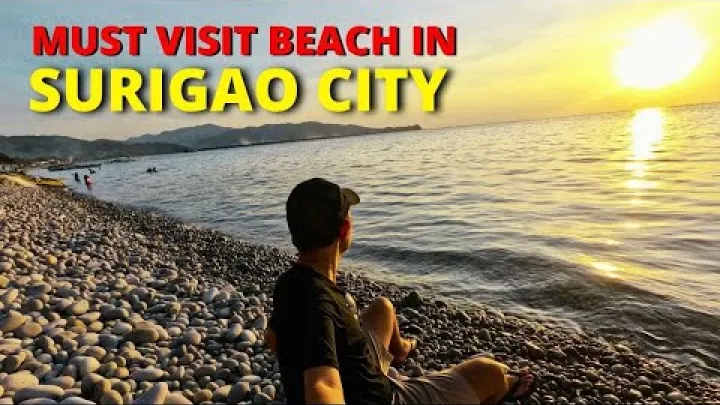
Mabua and nearby coastal areas suit travelers who want a quieter environment and easier access to the coast. Mabua Pebble Beach is the key local anchor, known for its distinctive pebble shoreline rather than a classic white-sand resort scene.
The trade-off is distance from some city services. If you stay near the coast, check how far the property is from the port, airport, markets, restaurants, and transport pickup points. Do not assume that every coastal property has direct beach access, reliable transport, or full resort facilities.
This base is best for travelers who are staying more than one night and are comfortable arranging rides. It is less ideal if you have an early ferry and no confirmed transport.
How to Choose the Best Base
Your best base depends on your reason for visiting. Transit travelers should stay near the center or port. Beach-focused visitors may prefer Mabua or another coastal location. Budget travelers often do better near transport and food options. Families may want easy access to services and shorter rides. Regional explorers should choose a base that makes onward connections simple.
| Traveler type | Best base | Why it works |
|---|---|---|
| Transit traveler | City center or port area | Fast access to ferries, terminals, food, and banks |
| Beach-focused visitor | Mabua or coastal areas | Quieter setting and easier coastal access |
| Budget traveler | Central areas | More choice for meals, short rides, and basic services |
| Family traveler | Central but not too noisy | Useful for pharmacies, restaurants, and flexible transport |
| Regional explorer | Near transport links | Better for onward travel to Siargao, Dinagat, Butuan, or other routes |
Whatever area you choose, read recent reviews carefully. In Surigao City, the most important accommodation details are often practical: working air conditioning, dependable water, quiet rooms, transport access, and internet reliability.
Getting to and Around Surigao City
Transport details can change, so separate the stable route logic from schedules. Surigao City is reachable by air, ferry, and road, but exact departure times, operators, and fares should be checked close to travel.
Getting There by Air, Ferry, or Road
Surigao Airport is the city’s air gateway, but flight availability can vary by season and airline operations. Some travelers also use Butuan as a regional entry point, then continue by road to Surigao City. This can be useful when flight options into Surigao are limited or when Butuan fits a wider Caraga itinerary.
By sea, Surigao Base Port is one of the city’s most important travel anchors. Ferries and passenger vessels may connect Surigao City with nearby islands and other ports, depending on the route and current schedule. If your trip depends on a ferry, confirm the route, departure point, ticketing process, baggage rules, and weather status before you travel to the terminal.
Road connections link Surigao City with other parts of Mindanao, including Butuan and regional towns. Avoid planning tight same-day transfers unless you have confirmed current schedules and realistic travel times. Road conditions, waiting times, and weather can all affect the journey.
Local Transport Inside the City
Local movement inside Surigao City is usually handled by short rides. Depending on the area, travelers may use tricycles, multicabs, motorbike taxis, pedicabs, or small local vehicles. The compact layout makes many short city trips manageable, especially between accommodation, food stops, markets, and transport points.
For non-metered rides, agree on the price before departure. This is especially important if you are carrying luggage, traveling at night, or heading outside the central area. If you are unsure what is fair, ask your accommodation for current local guidance before negotiating.
Outer barangays, beaches, mangrove areas, and some nature sites may require arranged transport or a negotiated return ride. Do not assume that return vehicles will always be waiting, especially late in the day or after rain.
Boat Trips and Inter-Island Connections
There are two different types of boat planning in Surigao City. The first is scheduled ferry travel for inter-island or inter-port routes. The second is locally arranged small-boat travel for island visits, mangrove areas, or coastal trips. Treat them differently.

For scheduled ferry routes, use operators and port information to verify current details. For example, Starlite Ferries publishes Surigao route information that can help travelers check possible ferry planning, but schedules and rates can change. Always confirm close to departure.
For small-boat trips, ask about the total boat cost, maximum passengers, life vests, departure point, return time, and what happens if weather changes. Solo travelers and couples should remember that private boat costs can be high unless shared with others.
Best Things to Do in Surigao City
Surigao City’s attractions are spread between the coast, nearby islands, mangrove communities, inland nature, and low-key urban stops. The City Government of Surigao provides an official local tourism anchor for destination ideas, but travelers should still confirm access details, conditions, and transport locally.
Mabua Pebble Beach
Mabua Pebble Beach is one of Surigao City’s signature coastal stops. Its main feature is the pebble shoreline, which gives the beach a different look and feel from sandy beaches elsewhere in the Philippines. It is a good choice for a half-day outing or a relaxed coastal afternoon.
Wear footwear that is comfortable on pebbles, especially if you plan to walk along the shore. Bring sun protection, water, and a towel, and avoid assuming that facilities will match a full-service resort. If you plan to swim, check the conditions on the day and follow local advice.
Mabua is also a useful place to slow down. Even if you only stay for sunset, a snack, or a coastal walk, it adds a more scenic side to a Surigao City visit.
Day-Asan Floating Village and Mangrove Areas
Day-Asan Floating Village is often associated with Surigao City’s mangrove and coastal-community landscape. It can be one of the more memorable local experiences because it shows a different side of the city from the port and commercial center.
Visit respectfully. Ask before taking close photos of people, homes, or boats. Keep noise low, avoid littering, and follow local boat guidance. The area is a living community, not a theme-park attraction.
Access and boat arrangements should be confirmed locally. Conditions, availability, and the best way to visit may vary, so ask your accommodation or a local tourism contact before building it into your day.
Nearby Islands and Quiet Beaches
Nearby island options such as Danawan Island and Sagisi Island may appeal to travelers who want quieter beaches or a small island outing from Surigao City. Details can change, so plan these trips around current weather, boat availability, group size, and return timing rather than fixed assumptions.
Before committing, ask how long the trip is expected to take, where the boat departs, what facilities are available, and whether you need to bring all food and water. Carry cash, sun protection, drinking water, snacks, and a dry bag for electronics.
Island days are best kept flexible. If sea conditions are not suitable, move the trip to another day or choose an inland activity instead.
Caves, Springs, and Lake Trips
Surigao City and the wider nearby area also offer inland nature possibilities. Songkoy Cold Spring, Mapawa Cave, and Lake Mainit are useful names to know when you want an alternative to beach-only travel. They can fit slower itineraries, especially when the coast is windy or when you want a change of scenery.
Caves require extra caution. Use safe footwear, carry a reliable light if needed, and consider a local guide where access is not straightforward. Paths can be slippery, uneven, or dark, especially after rain.
Springs and lake areas should also be treated with practical care. Check swimming conditions, access, fees, and transport before going. If water levels, rain, or local advice suggest caution, adjust your plan.
Urban Stops, Food, and Slow City Time
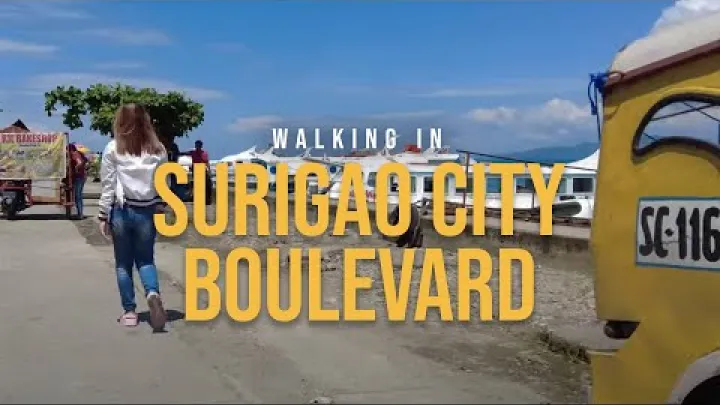
Do not plan Surigao City only as an attraction checklist. Some of the best time here is simple: walking near Surigao City Boulevard, visiting Luneta Park, stopping at a mall such as CityMall Surigao, eating seafood or casual local dishes, and watching the rhythm of a working port city.
Food choices are usually easiest in central areas. International visitors with dietary restrictions should ask clearly about ingredients, especially seafood, meat stock, and sauces. If you are leaving early the next morning, buy snacks and water the night before.
Slow city time also helps with logistics. You can confirm transport, withdraw cash, buy supplies, and adjust plans without feeling rushed. That is one reason Surigao City works well as a practical base.
Costs, Connectivity, and Booking Practicalities
Surigao City can be manageable for a range of budgets, but exact costs vary by season, comfort level, transport choices, and whether you take private boats. Plan by category rather than relying on fixed daily totals.
Budget and Payment Planning
Your main cost categories are accommodation, local rides, meals, entrance or environmental fees, boat hire, ferry tickets, and regional transport. The biggest variable is usually private transport or boat trips. A solo traveler may pay much more per person than a group sharing the same boat or vehicle.
Carry cash for small eateries, tricycles, local markets, entrance fees, and village or island visits. Cards may be accepted in some larger businesses, but they should not be your only payment method. Keep smaller bills when possible because drivers and small vendors may not always have change.
If you are on a budget, choose a central base, use simple local meals, group boat costs when possible, and avoid last-minute private transfers unless necessary.
Internet, Mobile Data, and Wi-Fi
Connectivity is generally more reliable in the city than in outlying islands, rural barangays, or on boats. However, internet quality can vary by provider, building, room location, weather, and local network load.
A local SIM or eSIM can be useful if your phone is compatible. Check coverage for your provider and keep offline maps, ferry details, booking confirmations, and contact numbers saved before leaving the city center.
Remote workers should not choose accommodation based only on a Wi-Fi symbol in a listing. Read recent reviews that specifically mention Wi-Fi reliability, mobile signal, power stability, and workspace comfort.
What to Book Early and What to Confirm Locally
Book accommodation early if you are traveling during holidays, peak local travel periods, or arriving late at night. This is especially important if you need a specific location near the port, airport, or a coastal area.
Confirm ferries, small boats, guides, entrance fees, pickup points, and return transport close to the actual travel date. These details are more likely to change than the general list of things to do.
A useful approach is to book your room and major onward travel in advance, then confirm weather-sensitive activities locally. Keep one flexible day if your itinerary depends on boats or coastal conditions.
Safety, Health, and Responsible Travel
Safety planning for Surigao City should be balanced. Many travelers pass through or visit without major issues, but it is still important to check current advisories, respect local guidance, and take weather and water risks seriously.
Current Advisories and the Mindanao Context
Surigao City is in Mindanao, a region that is often discussed in travel advisories with broad language. Official advisories may refer to risks in the Philippines or parts of Mindanao without describing every city, neighborhood, or travel situation in the same way. The U.S. Department of State advises increased caution in the Philippines and notes that some areas have increased risk.
Use advisories as one input, not as your only planning tool. Check current conditions before travel, ask local contacts for practical guidance, and avoid unnecessary nighttime travel in unfamiliar areas. Keep valuables discreet, use known transport when possible, and share your plans with someone you trust.
This is not a reason to treat Surigao City as either risk-free or unsafe overall. It is a reason to plan with awareness and avoid careless assumptions.
Weather, Transport, and Water Safety
The most relevant travel risks in Surigao City are often practical: rough seas, sudden rain, slippery paths, sun exposure, dehydration, small-boat safety, and variable road conditions. These risks can affect ordinary sightseeing as much as adventure activities.
For boat trips, check that life vests are available and suitable. Avoid water activities when operators, officials, or local residents advise against travel. If the sea looks rough or the weather is changing quickly, postpone the trip.
For health, use standard tropical travel precautions. Drink enough water, protect yourself from the sun, use mosquito protection where needed, and be cautious with unfamiliar food or untreated water. Bring basic medication you normally rely on, especially if you will visit outlying areas.
Respectful Visits to Communities and Natural Sites
Responsible travel in Surigao City is simple but important. In mangrove communities such as Day-Asan, ask permission before close photos, keep noise down, and remember that people are living and working there.
At beaches, caves, springs, and islands, avoid littering, stay on appropriate paths, and do not remove natural materials. Fragile coastal and mangrove ecosystems are part of what makes the area valuable.
Support local operators fairly by agreeing on prices clearly and respecting agreed times. Good communication helps both visitors and hosts, especially for boat trips and community visits.
Suggested Itineraries and Final Planning Tips
The best Surigao City itinerary is flexible. Use the following plans as templates, then adjust them based on your arrival time, weather, and onward transport.
One-Night Transit Stop
For a one-night transit stop, stay near the city center or port area. After arrival, check your next ferry, bus, flight, or pickup details before doing anything else. Then have a simple meal, buy water or snacks, and take a short walk if the area and timing feel comfortable.
If you have extra time, choose one easy add-on such as Surigao City Boulevard, Luneta Park, or a casual local restaurant. Do not overload the evening with distant sightseeing. The purpose of this itinerary is to make your onward travel smooth.
Before sleeping, prepare cash, documents, tickets, offline maps, and transport arrangements for the morning. This reduces stress if your departure is early.
Three-Day First-Time Visit
On day one, arrive, settle into your accommodation, explore the city center, eat locally, and confirm plans for the next two days. If time allows, visit the boulevard or another easy urban stop.
On day two, plan a coastal day around Mabua Pebble Beach. Add a slow meal or sunset stop, and avoid rushing back and forth across the city. If the weather is better suited to boats, you can swap this with the next day.
On day three, choose Day-Asan Floating Village, a mangrove-area visit, a nearby island such as Danawan Island or Sagisi Island, or an inland nature option such as Songkoy Cold Spring, Mapawa Cave, or Lake Mainit. Pick one main activity, not several distant ones. Confirm transport, access, and return timing before you leave.
Four-to-Five-Day Caraga Gateway Route
A four-to-five-day route gives you room to use Surigao City as a gateway rather than only a stopover. Spend the first day orienting yourself, the second day at Mabua or another coastal area, and the third day on a mangrove, island, cave, spring, or lake trip depending on weather.
Use the remaining time for slower exploration or onward links. Possible next steps include Siargao, Dinagat Islands, Butuan, or selected Caraga routes, but do not assume that every transfer will align perfectly. Confirm schedules before committing to same-day connections.
This route is best for travelers who prefer buffers and regional context. It also works well if you are traveling during a period when weather could disrupt boats.
Before-You-Go Checklist
Before traveling to Surigao City, check the weather, confirm your main transport, choose the right base, and carry enough cash for small expenses. Pack sun protection, rain protection, comfortable footwear, mosquito protection, and a dry bag if you will take boats.
Save offline maps, accommodation details, emergency contacts, booking confirmations, and ferry or flight information. If you will visit islands, caves, springs, or mangrove areas, confirm access and return transport locally before leaving the city center.
Surigao City is best for travelers who value practical gateways, local texture, and nature within reach. With flexible planning and realistic expectations, it can be more than a place you pass through on the way somewhere else.
Select area
Create a post
Posting is free and no registration is required.