Surigao City Budget: Daily Trip Costs and Money Tips

A realistic Surigao City budget depends on how you sleep, eat, move around, and whether you use the city only as a gateway or as a base for exploring Surigao del Norte and wider Caraga. For many travelers, Surigao City is less expensive than resort-focused island destinations, but costs can rise quickly with private rides, ferry connections, and Siargao side trips. This guide focuses on on-the-ground travel costs in Surigao City, including lodging, food, short transport, activities, and practical money planning. Use the ranges below as planning estimates, then confirm current prices before booking or riding.
Surigao City Budget at a Glance
Surigao City can work for a low-cost stopover, a practical ferry base, or a modest regional trip. The important step is to separate ordinary city days from transfer or excursion days, because ferries, long land transport, and organized tours can change the total quickly.
Daily Cost Ranges by Travel Style
As a practical starting point, budget travelers can plan around ₱1,500 to ₱2,500 per person per day if they choose simple accommodation, local meals, shared or short rides, and low-cost activities. Mid-range travelers are more likely to spend ₱2,500 to ₱4,500 per person per day, mainly because of better hotels, more restaurant meals, and more convenient transfers. Comfortable travelers should budget ₱4,500 to ₱7,000 or more per person per day if they prefer better rooms, private rides, full-service meals, and paid excursions.
These figures exclude international flights and major long-distance travel days. They also do not include high-cost Siargao activities unless you add them as a separate side-trip budget.
| Travel style | Daily estimate | Typical breakdown |
|---|---|---|
| Budget | ₱1,500 to ₱2,500 | Simple room, local meals, short shared rides, low-cost sights |
| Mid-range | ₱2,500 to ₱4,500 | Better city hotel, casual restaurants, easier transfers, activity allowance |
| Comfortable | ₱4,500 to ₱7,000+ | Higher-comfort lodging, private rides, more dining, tours or day trips |
Food and short rides are usually manageable. Accommodation and excursion choices create the largest difference between a tight Surigao City travel budget and a relaxed one.
What Is Included and What Is Not
This guide covers travel costs after you are already in or near Surigao City. It includes hotel nights, meals, snacks, local transport, short transfers to Surigao City Port or Surigao Bus and Jeepney Terminal, simple city activities, and common add-ons for nearby Caraga travel.
It does not treat international flights as part of the daily budget. Flights to the Philippines, domestic flights, and long overland routes can be the largest part of a full trip cost, but they vary too much by origin and date to include in a local daily estimate.
It also separates normal days from special spending days. A normal day might include a hotel room, three basic meals, a few tricycle rides, and a beach or city visit. A special day might include a ferry to Siargao Island, a long van ride, a boat tour, a guide, or an extra night caused by weather or schedule changes.
Best Budget Fit for Solo Travelers, Couples, and Groups
Solo travelers often pay more per person because many hotel rates are priced per room, not per guest. A budget room that is good value for two people can feel expensive for one person if there are few dormitory or shared-room options available on the chosen date.
Couples usually get better per-person value from private rooms. If a simple room costs around the lower end of available booking-platform rates, two people sharing can keep the lodging part of the budget controlled while still having privacy. Couples may also find mid-range hotels easier to justify because the room cost is split.
Small groups can save on rooms, taxis, private transfers, or hired vehicles when the price is per vehicle or per room. However, groups can also spend more because they are more likely to choose larger rooms, private transport for convenience, and organized activities. Before agreeing to a group rate, confirm whether the quote is per person, per vehicle, per boat, or per group.
Accommodation Costs in Surigao City
Accommodation is the main cost lever in Surigao City. A traveler using the city only before a ferry may care most about price and access to the port. A traveler staying several nights may value Wi-Fi, air conditioning, parking, security, and proximity to food or transport.
Budget Inns and Simple City Hotels
Budget inns, pensions, and simple city hotels are the natural choice for low-cost travelers. Booking platforms regularly show inexpensive Surigao City hotel listings, with some cheap-hotel pages showing starting rates around the low tens of US dollars depending on date and availability. For example, Traveloka lists budget hotel options in Surigao City and shows that lower-priced stays exist, although final rates can change.

For planning, a simple private room may fall around ₱900 to ₱1,800 per night when low-cost rooms are available. Cheaper rooms may be basic and can come with smaller spaces, limited amenities, mixed review scores, or fewer extras. Check whether the room includes air conditioning, private bathroom, Wi-Fi, breakfast, parking, and late check-in if you are arriving from a bus, ferry, or flight connection.
Always review the final booking page, not only the search result. Taxes, service charges, cancellation rules, and payment timing can change the real price. If location matters, compare the room price with the expected cost and time of getting to Surigao City Port, the terminal, or your next connection.
Mid-Range Hotels and Better-Value Comforts
Mid-range hotels are useful for travelers who want more comfort, reception support, stronger Wi-Fi, safer parking, easier check-in, or a smoother transfer day. In Surigao City, this level of accommodation can be the biggest upgrade in the daily budget. A traveler may spend only a few hundred pesos more on food but over ₱1,000 more on a better room.
For planning, many mid-range city stays may fall around ₱2,000 to ₱4,000 per room per night, with higher prices possible on busy dates or for better facilities. For couples, this may still be reasonable per person. For solo travelers, it can move the trip from a budget category into a mid-range category immediately.
The value question is not only the nightly rate. A more convenient hotel can reduce early-morning stress before a ferry, make it easier to arrange transport, or help avoid repeated short rides. If you are traveling with luggage or arriving late, paying more for a reliable location may be a sensible budget decision.
When Location and Season Change Room Prices
Room prices can rise when a property is near practical transport points, city-center food options, the waterfront, parking, or beach-adjacent areas. Rates can also increase during weekends, holidays, peak local travel periods, or when limited rooms are left.
Hotel platforms such as Tripadvisor often show Surigao City rooms across a range of prices, including lower-priced listings, but the displayed rate depends on date, room type, demand, and availability. Treat any old hotel price from a blog or forum as historical information, not a guarantee.
Before booking, compare several channels and consider contacting the property directly if your plan is flexible or if you need to confirm late arrival, ferry timing, or parking. The cheapest room is not always the lowest total cost if it adds extra transport, delays, or uncertainty.
Food and Drink Prices
Food costs in Surigao City can stay low if you eat at simple local eateries and buy snacks from small stores. They rise with full-service restaurants, seafood meals, cafe stops, desserts, alcohol, and repeated small purchases during transit days.
Local Meals, Snacks, and Restaurant Spending
A tight food budget in Surigao City can be around ₱350 to ₱700 per person per day if you eat simple local meals and limit extras. A mid-range food budget is closer to ₱700 to ₱1,200 per day with casual restaurants, snacks, and drinks. A comfortable food budget can exceed ₱1,200 per day if you add seafood, coffee, desserts, milk tea, and full-service meals.
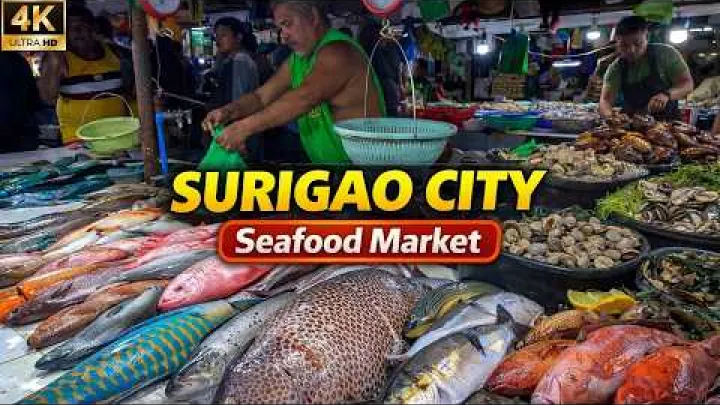
National Philippines price benchmarks can help when city-specific data is limited. Numbeo lists a meal at an inexpensive restaurant in the Philippines around ₱250 as a broad reference point, but local prices vary by establishment and date.
Local menu examples show why snacks and casual food can still add up. A Surigao City Foodpanda listing for F.Y Snack Bar on Borromeo Street has shown snack items such as scallion pancake, fried ice cream, pumpkin pie, and onion rings in the low hundreds of pesos. That means a few snacks can cost as much as a simple meal, especially if ordered with drinks or delivery charges.
On port, airport, or excursion days, budget a little more. Food choices may be limited, and you may buy convenience items because of early departures, waiting time, or missed meal times.
Small Stores, Markets, and Self-Catering
Small stores and markets can help reduce daily food spending. Buying bottled water, fruit, bread, breakfast items, instant coffee, and snacks can prevent repeated restaurant stops. This is especially useful for travelers staying several nights or for groups sharing a room with kitchen access.
For a short stay, cooking every meal may not be worth the time. A practical low-cost approach is to eat simple meals outside, then use small-store purchases for breakfast, water, and snacks. This keeps the budget controlled without turning the trip into a grocery project.
If your room has a refrigerator or kettle, ask what is allowed. Some budget rooms have limited facilities, and some properties may not allow cooking. Do not assume that a low-cost room includes kitchen access unless it is stated clearly.
Coffee, Desserts, and Drinks as Budget Multipliers
Small extras can quietly double a low food budget. Coffee, desserts, milk tea, bottled drinks, beer, and late-night snacks are optional, but they can become a major daily cost if you buy them several times a day.
For example, if a traveler budgets ₱500 for food but buys two cafe or dessert items at around ₱150 each, the daily total can move from budget to mid-range. This is not a problem if planned, but it can surprise travelers who only count main meals.
If you are trying to keep costs low, set a daily allowance for extras. Separate basic meals from discretionary spending. This makes it easier to enjoy snacks on Borromeo Street or near the city center without losing control of the total budget.
Transport Costs Around the City and Region
The cheapest transport choices often require flexibility, small cash, and willingness to use shared routes. In Surigao City, local ride costs are usually smaller than hotel or tour costs, but they can add up on transfer days or when you choose special private trips.
Short Local Rides and Fare Uncertainty
Tricycles and motorcycle rides are common for short local movements in and around Surigao City. The exact fare can depend on distance, route, number of passengers, time of day, luggage, and whether the ride is shared, regular, special, or private.

Fare uncertainty is a real planning issue. A local government document from the Surigao City Council refers to a provisional ₱5 increase added to approved tricycle fares, showing that local fare levels can change through official adjustment.
Before riding, ask your hotel, terminal staff, or a local resident what the typical fare should be for your route. Confirm the price before accepting a private or special trip. Keep small notes and coins so you can pay the agreed amount without needing change for a large bill.
Port, Bus Terminal, and Airport Transfers
Common transfer points include Surigao City Port, Surigao Bus and Jeepney Terminal, and routes connected to airport access. These transfers are often short and may cost far less than a hotel night or organized tour, but they add up if you take many separate rides with luggage.
Travelers connecting to Siargao Island through Surigao City Port should budget for local rides before and after ferry travel. Travelers arriving overland from Butuan or other parts of Caraga should also include a small transfer allowance between the terminal and hotel.
Early departures and late arrivals may justify paying more for convenience. A cheaper hotel far from your transfer point may not be the best value if it creates a difficult morning ride or requires a private hire at an inconvenient hour.
Ferries, Vans, and Buses for Wider Caraga Travel
Surigao City often works as a gateway for wider Caraga travel, including Butuan, Siargao Island, mainland Surigao del Norte, Lake Mainit, and nearby provincial destinations. Shared buses, vans, and ferries are usually cheaper than private transfers, but schedules, availability, and fares can change.
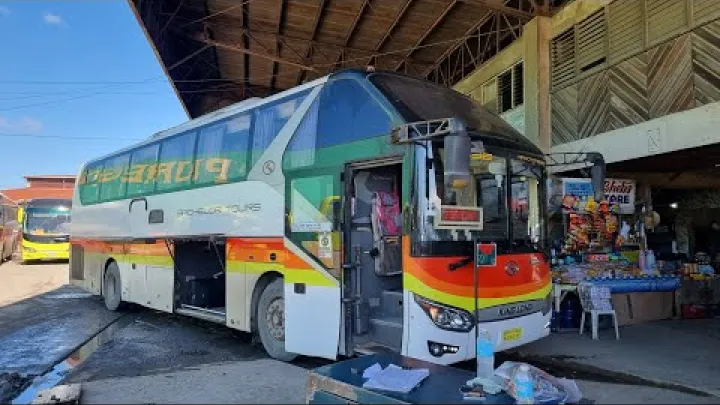
Older DIY travel reports, including route examples from Taonggala, can be useful for understanding route possibilities, but treat the prices as historical. A past fare example for a long RoRo bus to Surigao City does not guarantee the current price, especially when fuel costs, operator schedules, and terminal fees change.
For remote natural attractions, transport may cost more than the entrance fee. A low or modest admission charge does not mean the whole day is cheap if you need a hired vehicle, long wait time, a boat, or a guide. Ask for the total round-trip cost before committing.
Activity and Excursion Costs
Surigao City can be inexpensive if you focus on simple sights, waterfront time, local food, and nearby nature. The budget changes when you add longer trips, boat rides, or island activities.
Low-Cost City Sights and Nearby Nature
Low-cost days in Surigao City may include city walks, waterfront areas, local eateries, beach visits, and nearby nature spots. Mabua Pebble Beach, Day-Asan Floating Villages, and Lake Mainit are examples of places travelers may consider when planning a Surigao del Norte or Caraga itinerary, but each has different transport needs.
Even when a place has a low entrance fee or no obvious ticket cost, the total day cost includes rides, food, drinks, tips, and possible waiting time. A beach visit can be inexpensive if you use simple transport and bring water, but it becomes more expensive with private rides, restaurant meals, or multiple stops.
Before visiting, confirm current access conditions, fees, boat arrangements, and return transport. Weather, tides, road conditions, and local schedules can affect both the experience and the cost.
Excursion Days That Raise the Average Budget
Excursion days raise the average budget because they add costs that do not appear on normal city days. These may include longer land transfers, hired vehicles, boat rides, guides, food stops, optional rentals, entrance fees, and tips.
A useful planning method is to calculate a baseline daily cost first, then add excursions separately. For example, if your normal Surigao City day costs ₱2,000 and one excursion costs an extra ₱2,000, a three-day trip does not cost ₱2,000 per day anymore. The average becomes higher once the excursion is spread across the full trip.
This method prevents underbudgeting. It also helps you choose between more low-cost city days and fewer but higher-value regional trips.
How Siargao Side Trips Affect the Budget
Surigao City can be a practical lower-cost gateway or staging point for Siargao Island, especially for travelers who need a night before or after ferry travel. However, Siargao itself can raise the overall trip cost through ferry fares, port transfers, island transport, environmental fees, surf-related spending, boat tours, and resort-area dining.
Organized activities can cost much more than an ordinary Surigao City day. For example, Island Trek Tours notes a mandatory environmental fee for a Siargao trip, and tour packages may have additional inclusions and exclusions. Check whether a quoted tour price includes boat, guide, lunch, transfers, island fees, rentals, and tips.
If you are visiting only Surigao City, do not include Siargao tour costs in your daily baseline. If you are using Surigao City as part of a Siargao itinerary, keep the Siargao side trip as a separate add-on so the budget remains clear.
Sample Trip Budgets
The following examples show how the daily ranges translate into short trips. They are flexible planning models, not fixed itineraries. Adjust them for your room choice, travel dates, group size, and current fares.
Two-Day Stopover Before Siargao
A two-day stopover is common for travelers sleeping in Surigao City before or after a ferry connection. A budget version might include one or two nights in a simple inn, local meals, short rides between the hotel and Surigao City Port, and a small allowance for snacks or a quick city visit.
For one night, a budget traveler might plan around ₱2,000 to ₱3,500 total, excluding the ferry itself. This could cover a simple room, meals, local rides, water, and a small buffer. For two nights, the same style may fall around ₱3,500 to ₱6,000, depending mainly on the room price.
A mid-range stopover may cost more because of a better hotel chosen for comfort, location, or reception support. Paying extra near transfer points can be worthwhile if you have an early boat, heavy luggage, or a tight connection.
Three-Day City and Nearby Nature Trip
A three-day Surigao City trip focused on city lodging, local meals, nearby sights, and modest transport can stay relatively affordable. A budget traveler might plan around ₱4,500 to ₱7,500 total for three days, excluding flights and major long-distance transfers. This assumes simple lodging, local meals, short rides, and low-cost activities.
A mid-range traveler might plan around ₱7,500 to ₱13,500 for three days. The difference usually comes from a more comfortable hotel, more restaurant meals, and easier transport. If you add a longer nature trip or private ride, add that separately rather than forcing it into the daily estimate.
Include a buffer of at least ₱500 to ₱1,500 for snacks, fare changes, small fees, rain-related changes, or unplanned rides. A buffer is especially useful if you do not know local fare norms yet.
One-Week Stay With Selected Excursions
For a one-week stay, estimate the daily baseline first. A budget traveler might spend around ₱10,500 to ₱17,500 for seven ordinary city days. A mid-range traveler might spend around ₱17,500 to ₱31,500. These estimates exclude flights and assume no major expensive tours.
Then add selected excursions. One or two higher-cost days can increase the total by several thousand pesos, depending on transport, boat use, guide needs, and group size. If you are traveling with others, ask whether vehicles or boats can be split across the group.
Longer stays may allow better room value if a property offers weekly, direct, or extended-stay rates, but this is not guaranteed. Ask the property directly and compare the total cost with booking-platform prices. Keep a contingency fund for fare changes, weather delays, route changes, or an extra night.
Money, Cost Drivers, and Ways to Save
Surigao City is manageable on a modest budget, but good planning matters. The biggest savings usually come from choosing the right room, using shared transport where practical, grouping nearby sights, and avoiding unclear price quotes.
Peak Periods, Weekends, and Fuel-Linked Price Changes
Prices can rise during holidays, weekends, local events, and high-demand travel periods. Hotels may have fewer low-cost rooms available, and transport operators may face higher demand. Ferry, private transfer, and boat-related costs can also be affected by fuel and operating costs.
Fuel-linked changes are especially relevant in island and coastal travel. Reporting from MICE Travel Advisor has discussed how fuel price changes can affect island tourism costs in places including Caraga. The exact effect differs by route, operator, and date.
For planning, add a transport and excursion buffer instead of relying on older prices. If a price looks too low compared with current conditions, confirm it directly before building your budget around it.
Booking and Route Choices That Reduce Spending
Book accommodation earlier for peak dates, especially if you need a specific location near Surigao City Port, the bus terminal, or a practical food area. Compare basic inns and mid-range hotels by total value, not only by nightly rate. A slightly higher room rate may save transport time or reduce transfer risk.
Shared vans, buses, ferries, and regular local routes usually cost less than private hires. Private transport can be useful for early departures, groups, or remote stops, but it should be a conscious upgrade rather than the default choice.
Group nearby sights to reduce repeated rides. Avoid unnecessary backtracking when combining Surigao City, Butuan, Bancasi Airport, Lake Mainit, and Siargao Island. A logical route can save both money and energy.
Cash, Cards, and Small-Denomination Planning
Carry Philippine pesos for small purchases, short rides, market items, snacks, local fees, and tips. Cards may be accepted at some hotels, larger stores, or more formal establishments, but cash remains important for provincial and small-value transactions.
Keep small notes and coins for tricycles, snacks, water, and entrance fees. Large bills can create problems if the driver or vendor has limited change. This is especially true early in the morning or in smaller neighborhoods.
Do not wait until you are leaving for a ferry or excursion to solve cash needs. Prepare enough small cash the day before, while keeping emergency money separate from daily spending money.
What to Verify Before You Pay
Many travel budget surprises come from unclear price units. Before accepting a quote, ask whether the price is per person, per room, per night, per vehicle, per boat, per hour, or per group.
Also ask what is included. For hotels, confirm breakfast, Wi-Fi, air conditioning, parking, taxes, and cancellation rules. For transport, confirm luggage, waiting time, terminal drop-off, and whether the ride is private or shared. For tours, confirm environmental fees, life jackets, guide services, lunch, rentals, and return transfer.
For private rides and tours, agree on the total price before departure. If online information is incomplete, use recent reviews, direct messages, and local advice from hotel or terminal staff to check whether a quote is reasonable.
Frequently Asked Questions
How much money do I need per day in Surigao City?
Plan around ₱1,500 to ₱2,500 per day for a budget trip, ₱2,500 to ₱4,500 for a mid-range trip, and ₱4,500 to ₱7,000 or more for a comfortable trip. These estimates exclude flights and major excursion days.
Is Surigao City cheaper than Siargao?
Surigao City is often cheaper for basic lodging, local meals, and practical stopovers. Siargao can cost more because of resort-area demand, island transport, tours, surf activities, and environmental or activity fees.
Should I bring cash or can I use cards in Surigao City?
Bring cash in Philippine pesos, especially small notes and coins. Cards may work at some hotels and larger establishments, but cash is important for tricycles, small stores, markets, local fees, and snacks.
What extra costs should I add for a Siargao side trip?
Add ferry costs, port transfers, island transport, accommodation price differences, activity fees, environmental fees, meals, and optional tours. Keep these costs separate from your Surigao City daily baseline.
What is the cheapest way to keep local transport costs low?
Use shared or regular routes when practical, group nearby stops into one outing, avoid unnecessary backtracking, and confirm the fare before riding. Private or special hires are convenient but usually cost more.
Final Budget Takeaways
A practical Surigao City budget starts with three decisions: your room standard, your daily food style, and how many excursion or transfer days you will add. For a simple city stay, many travelers can plan around ₱1,500 to ₱2,500 per day, while mid-range comfort often sits around ₱2,500 to ₱4,500 per day.
The city can be a cost-effective base or gateway in Caraga, especially for travelers connecting through Surigao City Port or combining Surigao del Norte with Butuan, Lake Mainit, or Siargao Island. To avoid surprises, confirm current fares, ask what each quote includes, carry small cash, and keep a buffer for transport, weather, and schedule changes.
Select area
Create a post
Posting is free and no registration is required.