Butuan Travel Guide: Practical Tips for First-Time Visitors
![Preview image for the video "[4K] Traveling to Mindanao via 2GO! MANILA TO BUTUAN CITY via Cebu Full Voyage Tour!".](/sites/default/files/styles/media_720x405/public/oembed_thumbnails/2026-06/A5kXek_xEj-JmjnVd3MdgYeMlr01c7KoWgc8LOJvefc.jpg.webp?itok=GQpDGvbI "Preview image for the video \"[4K] Traveling to Mindanao via 2GO! MANILA TO BUTUAN CITY via Cebu Full Voyage Tour!\".")
This Butuan travel guide is designed for first-time visitors who want a practical, balanced introduction to Butuan, Caraga, Philippines. Butuan is best understood as a heritage city and regional gateway rather than a classic beach resort destination. It can work well for museum visits, local food, errands, transit, and planning wider Caraga trips toward places such as Surigao City, Siargao, Surigao del Sur, and Agusan del Sur. This guide covers orientation, trip length, transport, where to stay, things to do, day trips, costs, safety, connectivity, and flexible itineraries.
Getting Oriented in Butuan
Butuan rewards travelers who arrive with realistic expectations. It is a working city with heritage value, practical services, and access to the wider Caraga region. The experience is usually more about history, logistics, everyday local life, and regional movement than resort-style relaxation.
Where Butuan Fits in Caraga and Mindanao
Butuan is in Caraga in northeastern Mindanao, Philippines. For travelers, its value often comes from its position as an urban base in a region that includes coastal routes, island connections, wetlands, rivers, and inland nature areas. The Agusan River is one of the major geographic anchors that helps visitors understand the city and its surrounding landscape.
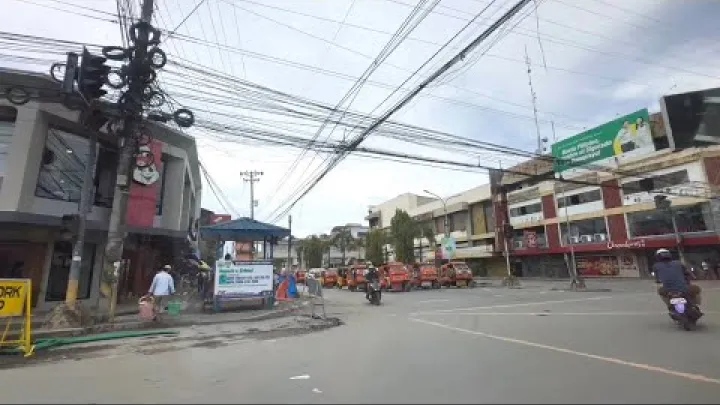
Unlike destinations known mainly for beaches or nightlife, Butuan is more useful as a practical stop, city base, or starting point. Travelers may pass through for airport access, continue by land toward other Caraga provinces, or spend a short stay learning about local heritage before moving on. This makes planning slightly different from a resort trip: location, transport access, weather buffers, and onward connections matter as much as sightseeing.
Map details, road conditions, terminal locations, and route options can change. Before building a tight itinerary, check your exact arrival point, onward departure point, and the distance between your hotel and transport hubs.
What Butuan Is Best For
Butuan is best for travelers who enjoy heritage, local city life, and practical regional access. Its balangay heritage is a core part of its identity, and museums or heritage sites are among the most meaningful reasons to stay in the city rather than only transit through it. Because historical details and site rules can change or require careful interpretation, treat museums and heritage spaces as places to learn respectfully rather than quick photo stops.
The city also works well for practical travel needs. You can use it to rest between longer transfers, buy supplies, recover from weather delays, handle work or communication needs, or organize the next stage of a Caraga itinerary. This is especially useful if you are combining Butuan with destinations that involve boats, long road journeys, or more remote nature areas.
Butuan is not the best choice if your main goal is to stay directly beside a famous beach or spend every day on island activities. In that case, it is often better to treat Butuan as an entry point, exit point, or short cultural stop before moving closer to the coast or island destination you want.
How This Guide Helps First-Time Visitors
This guide is written for international visitors, domestic travelers, solo travelers, couples, families, and remote workers who are considering Butuan as part of a wider Philippines or Mindanao trip. It focuses on decisions that affect comfort and safety: when to go, how long to stay, how to get around, where to base yourself, what to do, and what to check before booking.
Because transport schedules, weather, prices, opening hours, and access rules may change, the advice here is deliberately flexible. Use it to shape your plan, then confirm the details close to your travel date with airlines, accommodation, transport providers, local tourism offices, or the attraction itself.
Best Time to Visit and Trip Length
Planning the timing of a Butuan trip is less about finding one perfect month and more about matching your plans to tropical weather, transport reliability, and your tolerance for changes. Outdoor routes, ferry-linked plans, and long drives need more flexibility than a short city stay.
Weather, Rainfall, and Outdoor Trade-Offs
Visitors should expect warm, humid tropical conditions in Butuan and the surrounding region. Rain can affect comfort, road movement, outdoor sightseeing, river-related activities, and sea transfers. Even when the day starts clear, it is wise to carry rain protection, protect electronics, and avoid scheduling every important activity without backup time.
For city activities such as museums, malls, cafes, markets, and errands, rain is usually manageable with flexible transport. For regional nature trips, wetlands, waterfalls, coastal routes, or ferry journeys, weather matters much more. Check current forecasts before long transfers and avoid building an itinerary that depends on perfect conditions every day.
If your plan includes boats, remote roads, or river-related activities, give yourself extra time. A conservative itinerary is usually more enjoyable than one that forces you to travel in difficult weather or miss onward connections.
How Many Days to Spend in Butuan
One night can be enough if Butuan is mainly a transit stop. This works for travelers arriving late, departing early, or using the city to break up a longer journey. If you choose this option, stay in a location that minimizes transfer stress and confirm your onward transport before arrival.
Two days is a better minimum if you want to experience the city at a relaxed pace. With two days, you can include heritage sites or museums, explore central commercial areas, try local food, handle errands, and understand the city layout without rushing.
Three or more days can make sense for slower travelers, remote workers, families, or people using Butuan as a base for selected regional side trips. A longer stay also gives you space to adapt to rain, rest after travel, or wait for better conditions before moving toward coastal or inland destinations.
Festivals, Holidays, and Buffer Days
Local events, festivals, school holidays, long weekends, and national holiday periods can affect accommodation availability, traffic, restaurant demand, and transport bookings. If you are traveling around a major domestic holiday or a city event, book earlier and expect movement to take longer than usual.
Festivals and cultural events can add value to a Butuan visit, but check current city announcements before planning around a specific date. Event schedules, venues, and road arrangements may change from year to year.
Buffer days are especially useful if your itinerary includes ferries, island connections, early flights, long bus or van rides, or nature trips. If you must catch an international flight or an important appointment, avoid placing a weather-sensitive transfer immediately before it.
Getting to Butuan and Getting Around
Transport is one of the most important parts of a Butuan travel plan. The city may be part of a route involving flights, nearby ports, buses, vans, local transport, and onward transfers. Always confirm the exact departure point, arrival point, baggage rules, schedule, and cancellation policy before committing to a tight plan.
Flights, Airport Transfers, and Arrival Basics
Many travelers reach Butuan by domestic air through the local airport, which you may see referred to in travel contexts with Butuan or Bancasi naming. When booking, rely on the airport name and code shown in the airline system rather than informal descriptions. Flight routes, airline schedules, and frequencies can change, so check directly with the airline or booking platform close to your travel date.

On arrival, think first about luggage, daylight, and your hotel location. If it is your first time in the city, arriving in daylight can make navigation easier. If you arrive after dark or with heavy bags, it is often worth arranging a transfer through your accommodation or using a clearly identified transport option at the arrival area.
Before you fly, save your hotel address offline, keep your booking confirmation accessible, and have enough cash for small transport needs. If you need to continue to a port, bus terminal, or another city, leave a realistic gap between arrival and onward departure.
Ferries, Ports, Buses, and Vans
Nearby coastal ports such as Nasipit may be relevant for some ferry-linked trips, depending on your route. Ferry schedules, operators, port procedures, and weather-related cancellations can change, so confirm details shortly before travel. Avoid assuming that an old timetable or a third-party comment is still accurate.
Buses and vans are common overland options in Mindanao and Caraga, but route patterns, departure points, and comfort levels vary. Some services may be better for budget travelers, while others may be more convenient for direct point-to-point movement. Ask where the vehicle actually departs from and where it will drop you, because terminal names and roadside pickup points can be confusing for first-time visitors.
For any ferry, bus, or van plan, confirm the departure point, arrival point, baggage rules, ticketing method, refund or rebooking policy, and expected disruption risks. If you are connecting from a ferry to a bus, or from a long bus ride to a flight, avoid tight same-day connections unless you can accept the risk of delay.
Local Transport, Walking, and Traffic
Local movement may involve a mix of jeepneys, multicabs, tricycles, taxis, private transfers, or app-based options where available. Availability and fare norms can change, so ask your accommodation what is practical for your exact location and time of day.
Public and shared transport can be low-cost but may require route knowledge, patience, and comfort with heat or rain. Taxis or arranged vehicles can be easier with luggage, children, late arrivals, or unfamiliar destinations. Walking can be useful for short distances in commercial areas, but heat, rain, road crossings, and limited sidewalks may make it less comfortable than it looks on a map.
Before riding, confirm the fare basis when relevant. If a vehicle is metered, make sure the meter is used. If the fare is negotiated, agree before departure. For early morning or late evening trips, arrange transport in advance when possible.
Where to Stay in Butuan
Choosing where to stay in Butuan should be based on your purpose. A traveler catching an early departure has different needs from someone focused on museums, remote work, family comfort, or regional day trips. There is no single best tourist district for every visitor.
City Layout and Useful Base Areas
Butuan is best approached as a practical city with several useful base styles rather than one compact visitor zone. Central commercial areas can be convenient for food, shops, malls, banks, and everyday services. Transport-convenient corridors can reduce stress if you have an early flight, a bus departure, or onward travel plans. Quieter residential areas may suit longer stays, families, or travelers who value rest over immediate access to attractions.
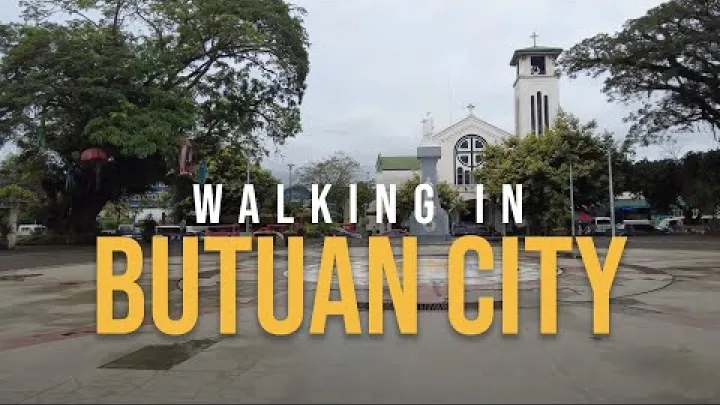
The Agusan River, main roads, airport access, and terminal locations can all affect accommodation choice. A hotel that looks close on a map may still be inconvenient if traffic, road layout, or transport availability is difficult. When comparing options, check recent maps and ask the property how guests usually reach the airport, terminals, heritage sites, and commercial areas.
If you are visiting during heavy rain periods, also think about access. Choose accommodation that is easy to reach by reliable transport and avoid planning every day around long cross-city movement.
Accommodation Types and Booking Checks
Accommodation in Butuan may include business hotels, budget inns, guesthouses, and apartment-style stays. Business-style hotels can be useful for air conditioning, reception support, transport help, and work needs. Budget inns may be adequate for short stays but require more careful checking of location, noise, cleanliness, and security. Apartment-style stays can suit families, longer visits, or travelers who want more space.
Before booking, check the exact location, recent guest comments, air conditioning, Wi-Fi, elevator access if needed, parking, security, and cancellation rules. If you are working remotely, ask about internet reliability rather than assuming that Wi-Fi listed in a booking description is enough.
Avoid choosing only by the lowest price. A cheaper room far from your transport or food options may cost more in time, stress, and local rides. For a short visit, convenience often matters more than saving a small amount on the room.
Choosing a Base by Travel Style
For transit-focused stays, choose a base that makes your next departure simple. This may mean staying near a route to the airport, a terminal, or the road you will use for onward travel. Confirm transport availability for your departure time before booking.
For heritage, food, and city sightseeing, a central or service-rich area is usually more useful. You will have easier access to meals, errands, banks, shops, and local transport. This is a good choice if you want to spend time in museums, markets, cafes, and everyday city spaces.
For longer stays, families, or remote workers, prioritize rest, Wi-Fi, air conditioning, workspace, laundry access, and nearby practical services. Being slightly outside the busiest area can be worthwhile if transport is still reliable.
| Travel style | Best base priority | What to check |
|---|---|---|
| Transit stay | Easy route to airport, port, or terminal | Early transport, luggage space, checkout time |
| City sightseeing | Central access to food and services | Distance to museums, malls, banks, and local rides |
| Remote work | Quiet room and stable connectivity | Wi-Fi, desk, power reliability, nearby cafes |
| Family trip | Comfort and practical services | Room size, security, food options, transport access |
Things to Do in Butuan
Butuan sightseeing is strongest when you combine heritage, civic spaces, food, and everyday local life. The city is not only a checklist of attractions; it is also a practical place to understand how travel in Caraga works before exploring farther.
Balangay Heritage, Museums, and Historic Sites
Balangay heritage is one of the most important themes associated with Butuan. For first-time visitors, museums and heritage sites are a good starting point because they provide context for the city and its place in regional history. The Balangay Shrine Museum is a key local anchor to consider, but always check current opening hours, fees, access rules, and photography policies before going.
Museums and heritage sites are also useful during hot or rainy weather. They allow you to structure a meaningful city day without depending entirely on outdoor conditions. If you are visiting with children or a group, ask in advance whether guided explanations, group rules, or special arrangements are available.
Approach heritage spaces with respect. Avoid touching displays or entering restricted areas, follow staff instructions, and treat the visit as a cultural learning experience rather than only a photo opportunity.
Churches, Civic Spaces, and Riverfront Areas
Churches, plazas, civic spaces, and riverfront viewpoints can help visitors understand everyday Butuan life. These places may not all be formal tourist attractions, but they can be meaningful stops when visited respectfully and with local awareness.
If you enter an active church or religious space, dress modestly, keep noise low, avoid interrupting services, and ask before taking close photos of people. In plazas and public spaces, be aware of traffic, personal belongings, and local rules.
The Agusan River is an important orientation point for the city. If you plan to visit riverfront areas or join any river-related activity, confirm current access, safety conditions, and whether activities are officially operating. Do not assume that all river areas are suitable for independent exploration.
Food, Markets, Cafes, and Everyday Local Life
Food is one of the easiest ways to enjoy Butuan at a local pace. Markets, small eateries, cafes, malls, bakeries, and supermarkets can all be part of the travel experience. A simple meal, coffee stop, or market visit often reveals more about daily life than a rushed attraction list.
Expect familiar Filipino food experiences alongside regional produce and local cooking styles, but be cautious about assuming that every dish is unique to Butuan unless a local source or restaurant clearly explains it. Ask staff what they recommend, especially if you are open to home-style meals or seasonal ingredients.
For food safety, choose busy places with high turnover, drink safe water, and be careful with raw items if your stomach is sensitive. At markets or street-food areas, look for clean handling, fresh preparation, and food served hot. Travelers with allergies should write key allergy information clearly and confirm ingredients more than once.
Festivals and Cultural Events
Festivals and cultural events can make a Butuan visit more memorable, especially if they include heritage, music, food, civic celebrations, or community participation. They can also affect traffic, accommodation demand, restaurant availability, and local transport routes.
If you want to plan around an event, check current announcements from the city or local tourism channels close to your travel date. Confirm the event name, date, venue, start time, road closures, and whether visitors are welcome to specific activities.
During crowded events, keep valuables secure, agree on meeting points if traveling with others, and allow extra time to move around. Be respectful when photographing performers, religious activities, children, or community rituals.
Day Trips and Wider Caraga Itineraries
Butuan can be a useful part of a wider Caraga route, but not every regional destination is a simple day trip. Distances, road conditions, ferry schedules, weather, permits, and early departure needs should shape whether you return to Butuan each night or move closer to your next destination.
Siargao, Surigao, and Northern Caraga Route Ideas
Many travelers think about combining Butuan with northern Caraga routes toward Surigao City and Siargao. This can be a logical regional plan, but it often involves a mix of road and sea segments. Treat island destinations such as Siargao as overnight or multi-night add-ons rather than casual short day trips from Butuan.
![Preview image for the video "[4K] The Budget-Friendly Route to SIARGAO via BUTUAN and SURIGAO CITY! Full Travel Guide".](/sites/default/files/styles/media_720x405/public/oembed_thumbnails/2026-06/ogtYGWZb3AHXSpkLeGUJnDxJU9wrqgmDCfT1tNlPvOs.jpg.webp?itok=eED12hjv "Preview image for the video \"[4K] The Budget-Friendly Route to SIARGAO via BUTUAN and SURIGAO CITY! Full Travel Guide\".")
Before planning this route, confirm the current road transfer options, port details, ferry schedules, baggage rules, and cancellation risks. Sea-linked plans need weather buffers, especially if you must catch a flight or another fixed booking after the island segment.
A sensible approach is to use Butuan for arrival, rest, supplies, or heritage sightseeing, then move closer to Surigao or the relevant port before continuing to an island destination. This reduces the pressure of very long travel days.
Surigao del Sur, Agusan del Sur, and Nature Trips
Wider Caraga itineraries may include routes toward Surigao del Sur, Agusan del Sur, wetlands, waterfalls, rivers, coastal areas, or forested landscapes. Agusan Marsh is one regional nature anchor that travelers may hear about, but sensitive ecological areas often require careful planning and local guidance.
Some nature destinations may involve permits, guides, community coordination, early starts, seasonal access, or overnight stays. Do not assume that every place shown on social media is easy to visit independently. Road quality, weather, conservation rules, and local arrangements can affect access.
Butuan can serve as a supply and recovery base before or after more remote segments. Use the city to buy essentials, confirm transport, withdraw cash, rest, and check weather before heading into areas with fewer services.
When to Use Butuan as a Base and When to Move On
Use Butuan as a base when your priorities are comfort, errands, heritage visits, airport access, work needs, or selected nearby trips. It is also useful if you prefer returning to a city with more services after a day out.
Move on when your main activities are closer to beaches, islands, remote waterfalls, early-start nature sites, or routes that would require repeated long transfers from Butuan. Staying closer to the activity can improve rest, reduce transport fatigue, and give you more time on site.
| Plan type | Use Butuan as a base | Move closer instead |
|---|---|---|
| Heritage and city days | Good fit | Usually not needed |
| Airport or transit needs | Good fit | Only if departure is elsewhere |
| Island trips | Useful before or after | Better for the main stay |
| Remote nature trips | Useful for supplies and rest | Often better for early starts |
Practical Tips for Costs, Safety, and Connectivity
Good planning in Butuan means preparing for ordinary city costs, cash needs, variable connectivity, tropical weather, and current advisory checks. These practical details are not exciting, but they can make the difference between a smooth trip and a stressful one.
Budgeting, Cash, Cards, and Payments
Your Butuan budget should include accommodation, local transport, meals, museum or attraction fees, laundry, mobile data, onward transport, and at least one contingency buffer. If you are connecting to islands or remote nature areas, add extra money for schedule changes, unexpected overnight stays, and alternative transport.
Cards may be accepted in larger establishments such as some hotels, malls, supermarkets, or restaurants, but cash remains important for small eateries, markets, local rides, tips, and smaller services. Carry a practical mix of smaller bills and keep emergency cash separate from your daily wallet.
ATM fees, withdrawal limits, and card acceptance depend on the bank, machine, and your card issuer. Do not wait until you are leaving for a remote area to withdraw cash. Handle money needs while you are still in the city and have more options.
Internet, SIM Cards, and Work-Friendly Planning
For normal travel use, mobile data and hotel Wi-Fi may be enough for messaging, maps, booking updates, and basic browsing. For remote work, video calls, file uploads, or online teaching, you need a stronger plan. Ask your accommodation about internet stability, not just whether Wi-Fi exists.
If buying a local SIM or using mobile data, check current registration and identification requirements before arrival or at the point of purchase. Procedures can change, and requirements may differ for visitors and residents. Keep your passport or valid identification accessible when arranging connectivity.
Remote workers should choose accommodation with a desk or table, reliable air conditioning, backup options for mobile data, and nearby cafes or services. If an important meeting is scheduled, test your connection early and have a backup location or mobile hotspot ready.
Safety, Health, Weather, and Advisory Checks
Safety conditions and travel advisories can change, especially for wider movement around Mindanao and regional routes. Before visiting Butuan or moving around Caraga, check current advice from your government, local authorities, weather agencies, and transport providers. Avoid relying only on old forum posts or social media comments.
Use standard urban precautions. Keep valuables discreet, be alert at transport hubs, avoid displaying large amounts of cash, and choose secure accommodation. At night, use reliable transport and avoid poorly lit or unfamiliar areas if you do not know the city. Solo travelers should share their itinerary with someone they trust.
Health preparation matters in a warm and humid environment. Drink safe water, stay hydrated, use sun protection, and consider mosquito precautions. Travel insurance is strongly recommended, especially if your itinerary includes ferries, remote nature areas, motorbike rides, or adventure activities.
Heavy rain can disrupt roads, local movement, river areas, and sea travel. If rain is intense, ask local staff about current conditions before traveling across town or starting a long route. Do not enter flooded areas on foot unless local authorities or trusted local guidance indicate it is safe.
Language, Etiquette, and Responsible Travel
English and Filipino are commonly useful for travelers in the Philippines, and local languages such as Cebuano or Bisaya may also be heard in Butuan and nearby areas. You do not need to master a local language for a short visit, but polite greetings, patience, and clear communication help.
In markets and transport situations, speak calmly, confirm prices or destinations clearly, and avoid public arguments. In churches and heritage sites, dress and behave respectfully. When taking photos, ask permission before photographing people closely, especially children, workers, religious activities, or private property.
Responsible travel is especially important in nature and community areas. Follow local rules, avoid leaving trash, do not disturb wildlife, and respect guide or community instructions. In heritage spaces, remember that the site may carry cultural meaning beyond its value to visitors.
Sample Itineraries and Final Planning Checklist
The best Butuan itinerary is modular. Instead of planning every hour, choose a realistic sequence that allows for arrival time, weather, opening hours, transport availability, and your energy level.
One-Day, Two-Day, and Three-Day Butuan Itineraries
For a one-day visit, keep the plan simple. Arrive, check in or store luggage, visit a museum or heritage site if hours allow, have a local meal, and prepare for your onward journey. This version works best for travelers using Butuan as a stop between flights, land routes, or ferry-linked plans.
For a two-day visit, use the first day for arrival, orientation, food, and a relaxed walk or mall stop. Use the second day for balangay heritage, museums, churches or civic spaces, markets, cafes, and errands. This gives you a better sense of the city without needing to rush.
For a three-day visit, add flexibility. Use the extra day for a nearby trip, remote work, rest, or a weather buffer. If conditions are good, you can explore beyond the city. If rain disrupts plans, you still have time for indoor activities and onward travel preparation.
| Trip length | Best for | Simple plan |
|---|---|---|
| One day | Transit and quick orientation | Arrival, heritage stop, meal, onward preparation |
| Two days | First-time city visit | Museums, food, civic spaces, errands |
| Three days | Slower travel or buffer time | City day, flexible side trip, rest or work time |
If Butuan is part of a wider Caraga itinerary, place it before or after more complex segments. For example, use the city to recover after long travel, prepare before moving toward Surigao City or Siargao, or organize supplies before exploring inland areas. Avoid building a plan where every connection must work perfectly.
Final Checklist Before You Book
Before confirming your trip, review the essentials. This checklist is especially important if your route includes flights, ferries, long road transfers, remote nature areas, or fixed international connections.
- Confirm your flight details, airport name, baggage allowance, and arrival time.
- Check current ferry, bus, or van schedules directly with the relevant provider when possible.
- Choose accommodation based on location, transport access, security, air conditioning, Wi-Fi, and cancellation terms.
- Check the weather forecast before outdoor plans, long road journeys, river activities, or sea transfers.
- Review current travel advisories and local announcements for Butuan, Caraga, and wider Mindanao movement.
- Confirm museum, heritage site, or attraction opening hours, fees, access rules, and photography policies.
- Plan cash access before leaving the city for smaller towns, islands, or remote areas.
- Prepare your SIM, roaming, or mobile data plan, especially if you need maps or remote work connectivity.
- Carry valid identification, booking confirmations, insurance details, and emergency contacts.
- Leave buffer time before important flights, ferries, appointments, or paid bookings.
Butuan works best when treated as both a heritage city and a practical gateway to Caraga. Give yourself time to understand its museums, river setting, food stops, and daily rhythm, but also respect the planning needs of wider regional travel. With flexible transport choices, realistic weather expectations, and a comfortable base, Butuan can be a useful and rewarding part of a first visit to northeastern Mindanao.
Select area
Create a post
Posting is free and no registration is required.