Butuan Best Time to Visit: Weather and Month-by-Month Guide

The Butuan best time to visit depends on how you balance rain, heat, city comfort, and onward travel in the Caraga Region. For many travelers, February to early March is the most balanced window, while March to early May can be better if you want relatively drier days and can manage stronger heat. Butuan City is warm and humid all year, so the real travel question is not whether it will be cold or hot, but how wet, cloudy, humid, and logistically flexible your trip needs to be. This guide explains the best months, the months to approach with caution, and how to plan around rain, heat, typhoon-season checks, crowds, and short regional trips.
Best Time to Visit Butuan at a Glance
Butuan is not a destination where one month is perfect for every traveler. City sightseeing, inland nature trips, coastal transfers, and budget travel can point to different timing choices.
Best Overall Window for Most Travelers
For most visitors, the best time to visit Butuan is from February to early March. This period usually gives a better balance between comfort and travel practicality: the heat is generally less intense than in April and May, while rainfall is often improving after the wetter early-year pattern shown in local climate normals.
Late January can also work if you prefer slightly more comfortable temperatures and do not mind planning around rain. However, it should not be treated as a guaranteed dry period. PAGASA climate normals for Butuan City show January as a notably wet month, with high average rainfall and many rain days in the long-term record, according to PAGASA.
If your priority is a better chance of drier days, March to early April can be attractive. The trade-off is heat: outdoor sightseeing, long walks, and day trips become more comfortable when scheduled early in the morning or late in the afternoon.
Best Months by Travel Priority
The right month depends on what you want to do. Use this quick comparison before reading the detailed month-by-month guide.
| Travel priority | Good months to consider | Main trade-off |
|---|---|---|
| City sightseeing | February, early March, November, December | Rain can still interrupt plans |
| Outdoor and inland trips | March to early May | Hotter days and stronger sun |
| Coastal or onward Caraga travel | March to early May, with forecast checks | Sea and wind conditions still matter |
| Quieter or value-focused travel | Selected shoulder weeks outside major holidays | Prices vary by events and booking timing |
For a simple city stay, comfort often matters more than the driest possible month. For a trip that includes rural roads, rivers, waterfalls, or coastal transfers, relatively drier months can make planning easier, but current weather is still more important than climate averages.
Periods to Approach With Caution
July to October needs more caution for tight, weather-sensitive itineraries. This does not mean travel is impossible, but it is a period when rainy-season and tropical cyclone risks are more relevant nationally, and flexible plans are helpful.
April and May can be useful for drier-day planning, but they can feel difficult for travelers who are sensitive to heat and humidity. January is the opposite: it can be more comfortable for walking than the hot-season months, but it has a strong rain caveat locally.
Think of the risks in three categories. Light or moderate rain may only be inconvenient. Heavy rain can delay trips, reduce comfort, and affect outdoor access. Severe weather or tropical cyclone advisories require safety-first decisions, official forecast checks, and flexible or refundable plans where possible.
How Butuan Weather Differs From the Rest of the Philippines
Generic Philippines season advice is useful as background, but Butuan needs local interpretation. The city sits in northeastern Mindanao in the Caraga Region, near the Agusan River basin and not far from Butuan Bay, so rain and travel logistics can feel different from well-known beach destinations in other parts of the country.
Tropical Heat With Small Temperature Changes
Butuan is hot and humid throughout the year. Seasonal differences are usually more about rainfall, humidity, cloud cover, and heat index than about a large change from cold to warm weather.
Even the cooler months are warm by international standards. A visitor from a temperate country should plan for lightweight clothing, sun protection, hydration, and breaks in shaded or air-conditioned places. For city walks, it is often more comfortable to start early, rest during the hottest hours, and continue later in the afternoon.
Local Rainfall Patterns and the Meaning of Dry Season
In the Philippines, March to May is commonly described as the hot dry season, and national climate guidance from PAGASA explains the country’s seasonal patterns and rainfall types. In Butuan, however, dry season should be understood as relatively drier, not rain-free.
Local climate normals show rainfall in every month. The practical meaning is simple: you may get better dry-day odds in the hotter months, but you should still pack rain protection and avoid building an itinerary that fails if one afternoon becomes wet.
This is why January can surprise travelers. It falls within a popular broader Philippines travel period, but Butuan’s local pattern can still be wet. Always localize the advice to Butuan City rather than relying only on a national travel calendar.
Monsoons, Typhoons, and Year-to-Year Variability
Monsoons, tropical cyclones, and local thunderstorm patterns can change the experience of a specific travel week. A month that is normally manageable can still have a stormy period, and a wetter month can still include useful dry windows.
For Butuan travelers, heavy rain can affect more than comfort. It can change river conditions around the Agusan River basin, slow road travel, complicate rural day trips, and create uncertainty for coastal or island plans beyond the city. These are planning risks, not reasons to avoid the region completely.
Climate averages help you choose a travel month. Forecasts, advisories, and local guidance help you make safety decisions close to the actual date.
Month-by-Month Weather Feel in Butuan
The table below summarizes the usual travel feel by month. It reflects climate tendencies, not a forecast for your exact week.
Quick Monthly Guide From January to December
| Month | Typical feel | Travel advantage | Main caution |
|---|---|---|---|
| January | Warm, humid, and often wet | Less harsh heat | Do not assume dry weather |
| February | Warm and still rain-aware | Good comfort balance | Keep rain flexibility |
| March | Hotter and relatively drier | Strong all-round choice | Heat planning begins |
| April | Hot and relatively drier | Better for outdoor planning | Strong sun and heat |
| May | Very warm and humid | Useful dry-day odds | Heat can be tiring |
| June | Transition month | Some trips still workable | Rain uncertainty increases |
| July | Rainier and more variable | Possible quieter travel | More caution for fixed plans |
| August | Humid and rain-aware | Flexible city stays possible | Storm-season checks matter |
| September | Rainy-season caution | Can work with flexibility | Avoid tight outdoor schedules |
| October | Possible shoulder feel | Some improving potential | Rain and storm uncertainty remain |
| November | Transition to cooler travel weather | Good for city stays | Residual rain is possible |
| December | Warm, cooler by local standards | Comfortable for short trips | Holiday demand and rain |
January to May: From Wetter Comfort to Hotter Dryness
January and February are better for travelers who dislike extreme heat, but they still require rain planning. January especially should be treated as a wet month in Butuan rather than a guaranteed sunny start to the year.
March is often the best compromise for visitors who want a city stay with better outdoor planning potential. It is warmer than February, but it can be more convenient for walking, short regional trips, and flexible day tours than the wetter months.
April and May can offer better odds for drier planning, but they are hot. If you visit during these months, schedule outdoor activities early, use sun protection, drink water regularly, and build in rest breaks. Do not make May your automatic best month unless you tolerate heat well.
June to October: Rainier and More Uncertain Conditions
June is a transition month. Heat may begin to feel less dominant, but rain and storm uncertainty can increase. This is a time to keep plans flexible rather than booking every day tightly.

July to September is the highest-caution window for weather-sensitive travel. You can still visit Butuan for city-based plans, family visits, business, or flexible travel, but it is wise to avoid rigid schedules for rural roads, river-adjacent activities, coastal transfers, or long day trips.
October can sometimes feel like a shoulder period, with possible improvement toward the end of the rainy pattern. Even so, meaningful rain and storm uncertainty remain, so official weather checks are still important.
November and December: Transition Into Cooler Travel Weather
November can be a pleasant transition month for Butuan travel. It may be more comfortable than the hot-season months, especially for city stays, but late-season rain or storm effects can still occur.

December is often attractive because the weather can feel more comfortable for walking, short regional trips, and cultural stops. It is not rain-free, so keep an umbrella or light rain jacket in your day bag.
December can also be busier because of holiday travel demand across the Philippines. If you plan to fly through Bancasi Airport or travel near Christmas and New Year, book earlier and compare schedules carefully.
Best Time by Trip Type and Nearby Setting
Your ideal timing changes depending on whether Butuan is your main destination or your base for wider Caraga travel.
City Culture, Museums, and Short Urban Stays
For city culture, museums, markets, malls, and short urban stays, February, early March, November, and December are strong choices. These months can be easier for walking than the hotter period, while city plans are generally easier to adjust around showers.
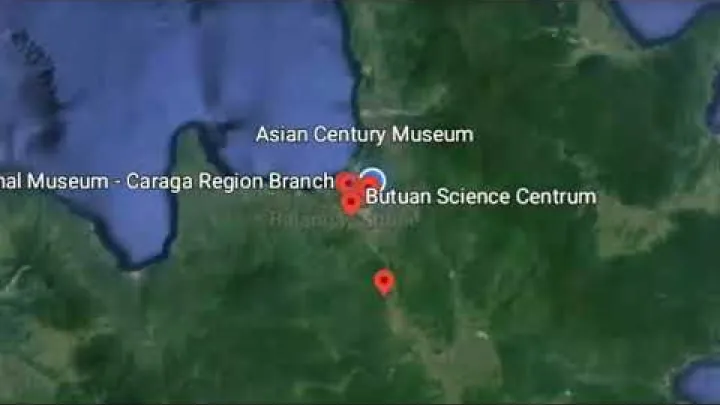
If you plan to visit Butuan National Museum or other heritage-related stops, check current hours before you go and keep an indoor backup for rainy periods. City-based travel is more forgiving because a wet afternoon can be shifted to a café, mall, museum, or rest break.
Rivers, Waterfalls, and Inland Nature Trips
For rivers, waterfalls, rural roads, and inland nature trips, relatively lower-rain months can be more convenient. The Agusan River basin and other water-adjacent settings can be more sensitive after heavy rainfall, so current conditions matter.
This does not mean you need completely dry weather. It means you should avoid exposed trails, slippery paths, or water-based activities during heavy rain or shortly after intense downpours unless local operators confirm conditions are safe.
Before a long day trip outside Butuan City, verify access, travel time, and weather locally. A flexible schedule is useful if rain forces you to delay a rural excursion by a day.
Coastal, Island, and Onward Caraga Travel
Many travelers use Butuan as a gateway to other parts of the Caraga Region. If your itinerary continues toward coastal areas, Butuan Bay surroundings, or island trips beyond the city, pay attention to rain, wind, sea conditions, and tropical cyclone advisories.
March to early May may offer better planning odds for these routes, but heat and marine-weather checks still matter. Avoid treating a sunny morning in the city as proof that sea conditions or coastal routes are safe for the whole day.
Budget Trips and Quieter Travel
Budget travel is harder to tie to one exact month because weather, holidays, school breaks, local events, booking lead time, and airline schedules all affect prices. The cheapest period is not always the most comfortable period.
Shoulder weeks outside major holidays can sometimes offer better value or quieter stays. Compare several adjacent weeks if your dates are flexible, and consider refundable hotel options when traveling in wetter or storm-prone periods.
Practical Weather Planning for a Butuan Stay
Good timing helps, but everyday habits make the biggest difference in Butuan’s tropical climate. Pack for both heat and rain, and plan your days with flexibility.
What to Wear and Pack for Heat and Rain
Pack light, breathable clothing, comfortable walking shoes or sandals with good grip, a compact umbrella or light rain jacket, sun protection, and a reusable water bottle. Quick-drying clothes are useful because humidity can make fabrics feel damp for longer.
For city days, add a small day bag for water, sunscreen, and rain protection. For regional excursions, bring extra water, a change of shirt, insect protection if appropriate, and footwear that can handle wet ground.
How Rain Affects Daily Logistics in the City
Heavy showers can make short trips slower, make walking uncomfortable, and push travelers toward taxis, ride-hailing, malls, cafés, or indoor attractions. If the forecast suggests afternoon rain, consider doing outdoor errands or sightseeing earlier in the day.
A simple rainy-day backup plan works well in Butuan: keep one indoor activity, one nearby meal option, and one flexible rest period available each day. Avoid overgeneralizing the entire city as unsafe during rain, but be more cautious in low-lying or river-adjacent areas after heavy rainfall.
When to Build Flexibility Into Your Itinerary
Build extra flexibility into your itinerary for July to October, for January wet spells, and for any plan involving rivers, rural roads, hiking, beach days, island travel, or coastal transfers. Transition months also deserve flexibility because weather can change quickly.
Practical flexibility can mean leaving a spare day between important transfers, choosing refundable bookings where possible, and avoiding back-to-back day trips that cannot be moved. In hot months, flexibility also means allowing rest breaks instead of forcing a full outdoor schedule.
Crowds, Events, and Seasonal Costs
Weather is only one part of the timing decision. Domestic travel demand, public holidays, school breaks, and local events can also affect availability and costs.
Holiday Peaks and Domestic Travel Demand
December, New Year, Holy Week, and school-break periods can increase travel demand across the Philippines. Butuan may feel less internationally crowded than major resort destinations, but domestic travel can still affect flights, hotels, and transport options.
If you plan to travel through Bancasi Airport during major holidays, book earlier, allow more time for transfers, and avoid assuming that last-minute availability will be easy.
Local Events to Check Before Booking
Before finalizing dates, check official tourism and local event calendars for festivals, observances, and Caraga-area events. The Tourism Promotions Board Philippines provides a national reference point for festivals and monthly observances, but you should also check current local announcements for Butuan-specific details.
Events can raise demand even outside the most comfortable weather months. If your dates overlap with a large local activity, book accommodation earlier and confirm transport plans.
How to Treat Price Advice When Data Is Limited
Weather-best and cheapest do not always align. A comfortable month can be expensive if it overlaps with holidays, while a wetter month may not be cheaper if there is local demand.
Instead of relying on a fixed cheapest-month rule, compare flights and hotels across at least a few adjacent weeks. If your schedule is flexible, weigh the savings against the possibility of more rain, stronger heat, or less convenient travel conditions.
Forecasts, Safety Checks, and Travel Decisions
Use climate averages to choose a general season, then use current forecasts to make final decisions. This is especially important for outdoor, river, coastal, and flight-dependent plans.
Use Climate Averages for Planning, Not Guarantees
Climate normals describe long-term average conditions. They do not tell you exactly what will happen during your travel week. A normally drier month can still have several stormy days, and a wetter month can still include useful clear periods.
Use this guide for early planning: choosing a month, deciding how much flexibility to build in, and understanding heat and rain trade-offs. Use live forecasts and advisories for final day-by-day decisions.
Check Official Weather Before Outdoor or Coastal Trips
Before outdoor or coastal plans, check official forecasts, rainfall advisories, heat index information, and tropical cyclone updates from PAGASA. This is especially important before river-adjacent plans, rural drives, hikes, beach days, island trips, or flights through regional airports.
A simple rule helps: delay or change exposed outdoor plans during heavy rain, severe heat, tropical cyclone alerts, or unsafe sea conditions. Climate averages can support planning, but they should never replace current official warnings.
Frequently Asked Questions
What is the best month to visit Butuan?
March is often the best single-month compromise because it can offer better dry-day odds than the wetter early-year period while being less intense than the hottest late hot-season days. February is also strong if you prefer more comfortable walking conditions and can accept rain flexibility.
Is January a good time to visit Butuan?
January can be good for travelers who want slightly cooler tropical conditions, but it is not a dry guarantee. Butuan’s local climate pattern can be wet in January, so plan indoor backups and flexible day trips.
When is the rainy season in Butuan?
Rain can occur in every month in Butuan. For travel planning, July to October deserves the most caution because rainy-season and tropical cyclone risks are more relevant nationally, while January also needs a local rain caveat.
Which months are hottest in Butuan?
March to May is generally the hotter period, with April and May often feeling most challenging for heat-sensitive travelers. Plan outdoor activities early or late, and take hydration and shade seriously.
Can I visit Butuan during typhoon season?
Yes, but keep the itinerary flexible and check official forecasts close to travel dates. Avoid tight schedules for coastal transfers, island trips, rural drives, and outdoor activities when storm advisories or heavy rain are present.
What should I pack for Butuan weather?
Pack breathable clothing, sun protection, comfortable footwear, a reusable water bottle, and rain protection such as a compact umbrella or light rain jacket. Bring both sun and rain items because Butuan is warm year-round and not rain-free even in relatively drier months.
Final Recommendation for Visiting Butuan
For most travelers, February to early March is the best overall time to visit Butuan because it balances warm tropical comfort with improving travel practicality. Choose March to early May if your priority is relatively drier planning for outdoor or onward Caraga travel, but prepare for stronger heat.
Approach January with rain flexibility, and approach July to October with extra caution if your plans are weather-sensitive. Whatever month you choose, use local climate averages for early planning and official forecasts for final safety decisions. With flexible scheduling, light clothing, rain protection, and heat-aware pacing, Butuan can be a practical and rewarding base in the Caraga Region year-round.
Select area
Create a post
Posting is free and no registration is required.