Santa Ana Travel Guide: Palaui Island, Beaches, Transport
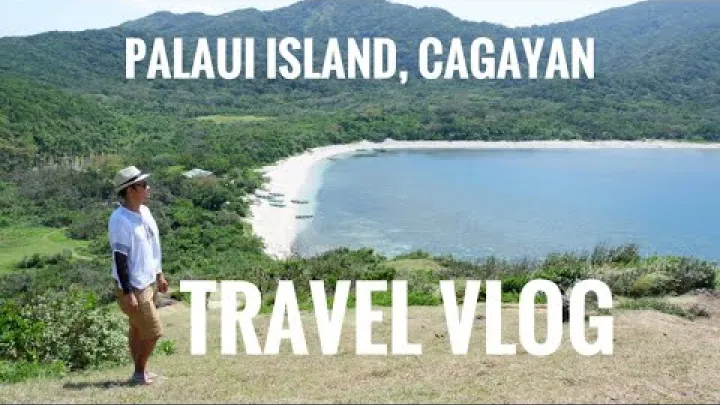
This Santa Ana travel guide is for travelers planning a first visit to the far northern coast of Luzon in the Philippines. Santa Ana, Cagayan is best known for Palaui Island, Cape Engaño Lighthouse, Anguib Beach, boat trips, and a quieter coastal atmosphere than many mainstream beach destinations. It is also a place where good planning matters: transport can take time, weather can affect sea travel, and local arrangements may change. This guide explains where Santa Ana is, how to get there, where to base yourself, what to do, what to budget for, and what to check before you go.
Santa Ana at a Glance
Santa Ana is a rewarding destination for travelers who want nature, sea views, and a less crowded corner of northern Luzon. It is not the easiest beach trip in the Philippines, but that is part of its character. Expect long travel legs, local coordination, and a slower pace once you arrive.
Where Santa Ana Is
Santa Ana is in Cagayan province, within Cagayan Valley, near the northern end of mainland Luzon. The wider Cagayan Valley region sits in the northeastern part of Luzon, with Tuguegarao City often treated as a major regional gateway; Wikivoyage gives useful broad context for the region and its main cities.
For most travelers, the practical route is not a direct jump from Manila to the beach. Many trips first pass through Tuguegarao City, then continue by land toward Santa Ana. This geography affects almost every planning decision: how many days you need, whether to fly or take a bus, how much cash to carry, and how much flexibility to build into the itinerary.
Santa Ana feels remote compared with major Philippine resort areas. That does not mean it is inaccessible, but it does mean you should avoid tight same-day connections, especially if you plan to add boat trips to Palaui Island or coastal beaches.
Why Travelers Go
Travelers come to Santa Ana for coastal scenery, island landscapes, viewpoints, and a low-key northern Luzon atmosphere. The best-known names are Palaui Island, Cape Engaño Lighthouse, Anguib Beach, San Vicente Port, and the waters facing the Babuyan Channel.
The appeal is mainly natural rather than urban. You come here for boat rides, beaches, walking to viewpoints, sunrise or late-afternoon coastal light, and quiet town time. Santa Ana is better understood as a nature and soft-adventure destination than as a nightlife center or a luxury resort hub.
The trade-off is convenience. A trip here usually needs more coordination than a standard beach holiday. Boat departures, local transfers, food availability, and weather conditions all deserve attention.
Who Should Consider It
Santa Ana suits travelers who enjoy remote beaches, simple guesthouses, flexible itineraries, and local transport. It is especially interesting for returning visitors to the Philippines, travelers exploring northern Luzon, photographers, and people who prefer a quieter coastal base over a highly developed resort town.
It may not suit travelers with very limited time, strict schedules, or expectations of extensive resort services. If you have only a short holiday and need guaranteed daily activities, a more connected beach destination may be easier.
A good rule is simple: choose Santa Ana if the journey is part of the experience. If long transfers, basic facilities, and possible weather delays will frustrate you, plan extra days or choose a different base.
Best Time to Visit and Weather Planning
Weather planning is one of the most important parts of a Santa Ana trip. The destination is coastal, humid, and dependent on safe sea conditions for many of its best activities.
Seasonality, Heat, and Rain
Santa Ana is warm and humid throughout the year, so pack for heat, sun, sweat, and sudden showers rather than cold weather. Climate summaries from WeatherSpark indicate warm temperatures year-round and relatively clearer skies around February, but long-term climate averages are not the same as a current forecast.
As a cautious planning window, late December to early April is often a more comfortable period to consider because travelers may have a better chance of clearer days. Even then, avoid assuming guaranteed dry weather. Conditions can change quickly, especially near the sea.
Before boat trips, check the current forecast, ask your accommodation or boat operator about sea conditions, and be ready to move plans around. A clear morning can matter more than the month printed on your itinerary.
Typhoon Risk and Sea Conditions
Northern Luzon can be affected by tropical storms, strong winds, and rough seas. This matters directly for Palaui Island, Cape Engaño Lighthouse, Anguib Beach by boat, and any coastal excursion that depends on safe crossings.
Do not pressure boat operators to travel if they advise against it. A cancelled boat trip is a safety decision, not only a schedule problem. If local authorities, tourism staff, coast guard personnel, or operators say conditions are unsafe, treat that as a no-go.
Build at least one buffer day into your plan if Palaui Island is a priority. This gives you a better chance of moving the boat trip to a calmer day and reduces the temptation to take risks when the weather is poor.
Packing for Humidity, Sun, and Showers
Pack lightweight clothing, a hat, sunglasses, sunscreen, and breathable layers for humid town walks and exposed viewpoints. Quick-dry footwear is useful for boats, beaches, and wet landings. A light rain jacket or compact umbrella helps during sudden showers.
Use a dry bag or waterproof pouch for phones, passports, cameras, power banks, and spare clothes during boat rides. Bring refillable water bottles where practical, but also buy enough drinking water before leaving the town center for beaches or port departures.
For Palaui and Cape Engaño visits, add simple trail essentials: water, snacks, insect repellent, a small towel, basic first aid, and footwear with grip. The goal is not to overpack, but to be comfortable when shade, shops, or quick transport are limited.
How to Get to Santa Ana
Getting to Santa Ana usually takes time. The route is manageable, but it is better planned in stages: reach Tuguegarao or another northern Luzon gateway, continue by land to Santa Ana, then arrange local transfers.
Reaching Tuguegarao From Manila or Other Gateways
Many travelers reach Santa Ana through Tuguegarao City. From Manila or other gateways, the broad choices are a long-distance bus journey or a flight to Tuguegarao, followed by onward land transport.

A bus can be cheaper but takes longer and can be tiring. A flight can shorten the first leg, but schedules, baggage rules, weather, and onward connections still need attention. Check airline, bus company, terminal, and schedule information close to departure because services can change.
Connection timing matters. If you arrive in Tuguegarao late in the day, onward options to Santa Ana may be more limited or less convenient. When possible, plan to arrive early enough to continue without rushing.
Continuing From Tuguegarao to Santa Ana
From Tuguegarao, travelers commonly continue toward Santa Ana by van, bus, or other land transport, depending on current availability. Expect a rural overland route through Cagayan toward the coast rather than a short city transfer.
Travel accounts often mention vans and buses, but older fares and timings should be treated only as examples, not current facts. Ask at your accommodation, local terminals, or transport counters for the latest departure points, prices, and expected travel time.
Start this leg early in the day if possible. Early travel gives you more flexibility if a vehicle fills up, leaves later than expected, or if you still need a tricycle transfer after arriving in Santa Ana. Carry cash in small denominations for local payments.
Arriving at Santa Ana and Transferring Locally
On arrival, the Santa Ana Commercial Center is a useful practical anchor for orientation, supplies, and onward arrangements. Depending on where you stay, you may need a tricycle or similar local vehicle to reach your lodging, San Vicente Port, coastal areas, or nearby beaches.

For current local notices, contacts, and visitor information, the municipal tourism channel can be useful; check Santa Ana Tourism before and during your trip where internet access allows. Your accommodation host can also help confirm late-arrival transfers and boat coordination.
Avoid choosing lodging based only on a map. Ask how you will reach the property after dark, how far it is from food options, and whether the host can help with transport to San Vicente Port or other departure points.
Where to Base in Santa Ana
Your base affects the whole trip. The best area depends on whether you value convenience, port access, beach atmosphere, or quiet coastal scenery.
Santa Ana Town and the Commercial Center
The town center and the area around the Santa Ana Commercial Center are practical choices for first-time visitors. Staying near the center usually makes it easier to find basic food options, shops, local transport, and supplies before a boat trip.
The main trade-off is atmosphere. A town base may not give you immediate beach views, but it can reduce logistical stress. This is often the best option for travelers arriving late, leaving early, traveling without private transport, or wanting easier access to cash, snacks, water, and tricycles.
Accommodation standards may be modest. Before booking, confirm air-conditioning, private bathroom, Wi-Fi, check-in time, and whether food is available nearby.
San Vicente Port for Palaui Access
San Vicente Port is an important launch point for Palaui Island and boat-based excursions. If Palaui Island or Cape Engaño Lighthouse is the main purpose of your trip, staying closer to this area can reduce early-morning transfer time, provided suitable lodging is available.
Proximity to the port is useful, but it does not automatically mean greater comfort. Services may be simpler, dining options may be fewer, and you still need to coordinate boat departures, guide arrangements, fees, and safety checks locally.
Before settling on this base, ask where boats are currently departing, what time you need to be ready, whether a guide is required, and what happens if sea conditions delay the trip.
Beach and Coastal Stays
Beach and coastal stays suit travelers who want sea views, slower days, and a more relaxed setting. Areas such as Palawig may appear in local references and accommodation descriptions, but you should confirm exact location, road access, and transport before booking.
The main advantage is atmosphere. The main disadvantage is distance from shops, transport, and dining. If you stay outside the center, ask whether meals are available on site, whether tricycles are easy to arrange, and whether boat pickup or port transfer can be organized.
| Base area | Best for | Main trade-off |
|---|---|---|
| Town and Commercial Center | Convenience, supplies, first-time visitors | Less beach atmosphere |
| San Vicente Port area | Palaui Island and boat trips | Simpler services and local coordination |
| Beach or coastal stay | Sea views and slower days | Farther from shops and transport |
Top Things to Do in Santa Ana
The main activities in Santa Ana are coastal and nature-based. Plan them around weather, sea conditions, and current local rules rather than trying to force a fixed checklist.
Palaui Island
Palaui Island is one of the main reasons travelers visit Santa Ana. It is associated with protected natural landscapes, island communities, coastal scenery, and lower-impact tourism. Many visitors plan either a day trip or, where current arrangements allow, a simple overnight stay.
Traveler guides such as The Pinay Solo Backpacker describe Palaui logistics, itineraries, and budget examples, but any fees, permits, boat prices, camping rules, homestay options, and guide requirements should be checked locally before you commit.
Treat Palaui as a protected and lived-in place, not only a photo stop. Follow guide instructions, stay on allowed paths, avoid littering, and respect any restrictions on sensitive areas.
Cape Engaño Lighthouse
Cape Engaño Lighthouse is a signature viewpoint and heritage-style stop associated with Palaui Island. For many travelers, it is the image that defines the Santa Ana trip: sea, hills, old lighthouse structures, and wide coastal views.
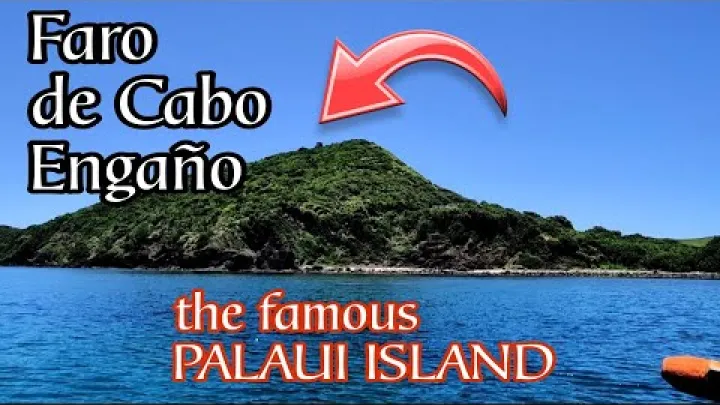
Reaching it may involve boat coordination and walking, depending on the landing point, sea conditions, and current access rules. Do not assume that trail length, landing areas, or access conditions are always the same. Ask your guide or operator what to expect on the day.
Prepare for sun exposure, uneven ground, and limited shade. Bring water, wear suitable footwear, and behave respectfully around heritage structures and viewpoints. Do not climb or enter areas if local guides advise against it.
Anguib Beach
Anguib Beach is a well-known beach option near Santa Ana, often described by visitors for its sand and coastal scenery. Visitor reports on Tripadvisor mention beach character and indicative boat logistics, but user reports should not be treated as official or always current.
Access may involve a boat arrangement or local route advice, depending on weather, road conditions, and the current setup. Before going, confirm entrance fees, boat costs, available toilets, shade, food options, and return transport.
Bring enough water and sun protection. If you are traveling independently, be especially clear about your return plan. A beautiful beach is less enjoyable if you have not confirmed how and when you will get back.
Local Markets and Small-Town Life
Do not treat Santa Ana only as a launch pad for islands. Spending time around the town center, small eateries, markets, and local streets helps you understand the municipality as a working coastal community.
These are supporting experiences rather than major attractions. Use town time to eat simple meals, buy supplies, observe daily life, and recover between longer transfers or boat days.
Be respectful in residential and market areas. Ask before photographing people closely, keep noise low near homes, dress modestly away from the beach, and support small local businesses when possible.
Suggested Itineraries
The best Santa Ana itinerary is flexible. Instead of planning every hour, organize your trip around travel days, one or two major boat excursions, and a buffer for weather.
Two to Three Days for the Main Highlights
A two- to three-day visit can cover the main highlights, but it may feel rushed because of the long access route and weather dependency. If you have limited time, prioritize one major boat excursion rather than trying to do everything.
A practical short plan is simple: arrive and settle in on the first day, use the best-weather day for Palaui Island and Cape Engaño or another boat trip, then visit Anguib Beach or spend relaxed time in town before departure. If sea conditions are poor, you may need to choose between waiting and skipping the boat activity.
Avoid scheduling a same-day long transfer immediately after a weather-sensitive boat trip if you can. Boat timing, showers, sea conditions, and local transport can all affect departure.
Four to Five Days With a Weather Buffer
Four to five days is more comfortable for travelers who want Palaui Island, Cape Engaño Lighthouse, Anguib Beach, and unhurried town time. The extra days do not need to be filled with many separate destinations. Their value is flexibility.
Use a simple decision rule: place your most important boat trip on the calmest forecast day, not necessarily the first available day. If conditions look good early in the trip, take the opportunity rather than saving it for later.
A longer stay also lets you recover from the journey, buy supplies without rushing, compare local advice, and enjoy Santa Ana at a slower pace. This is often the better choice for photographers, families, and travelers coming from Manila by land.
Costs, Accommodation, and Booking Practicalities
Santa Ana can be moderate in cost, but total expenses vary widely. The biggest variables are long-distance transport, private or shared boat hire, accommodation standard, and how many excursions you take.
Main Costs to Budget For
Budget for several categories: transport to Tuguegarao or another gateway, onward land transport to Santa Ana, tricycles or local transfers, boat hire, guide fees, accommodation, meals, drinking water, snacks, and possible environmental or entrance fees.
Boat costs can be a major variable, especially for solo travelers who cannot share a boat. If appropriate and safe, joining other travelers can reduce the per-person cost, but only do this through clear local coordination.
Use older online budgets only as rough historical examples. Before committing, ask current rates for boats, guides, entrance fees, and transfers. Carry small cash denominations because small eateries, tricycles, boats, and homestays may not accept cards.
Accommodation Expectations
Expect a mix of modest guesthouses, small hotels, beach stays, and possible homestays where current rules allow. Santa Ana is not generally a destination where you should assume large resort infrastructure everywhere.
Choose your accommodation by base first, then comfort level. A town stay helps with food and transport. A port-area stay helps with early boat departures. A coastal stay gives more atmosphere but may need more planning for meals and transfers.
Before booking, check air-conditioning, private bathroom, electricity reliability, Wi-Fi, mobile signal, food access, cancellation terms, and help with transport. For any overnight stay on or near island communities, confirm current access rules and arrangements directly.
Cash, Supplies, and Connectivity
Mobile signal and internet can vary outside the town center. Download maps, booking details, contact numbers, and important messages in advance. Tell your accommodation your expected arrival time if you may lose signal on the way.
Before leaving Tuguegarao or the Santa Ana town center for beaches, port areas, or island trips, stock up on drinking water, snacks, sunscreen, insect repellent, and any personal essentials you cannot easily replace. Small shops may be available, but it is safer not to rely on finding exactly what you need at the last minute.
Carry enough cash for tricycles, meals, boat payments, guide fees, small purchases, and possible entrance or environmental fees. Card acceptance and ATM access can be limited or inconvenient outside larger hubs, so confirm options locally and keep smaller bills for everyday payments.
Safety, Health, and Responsible Travel
Santa Ana is a nature-focused destination, so safety planning should focus on weather, boats, heat, roads, and respectful behavior in local communities. Use conservative judgment when conditions are uncertain.
Boat Safety and Weather Decisions
Before any island or beach boat trip, follow the guidance of local tourism staff, coast guard personnel where applicable, weather advisories, and boat operators. Wear a life jacket, keep valuables in a dry bag, and avoid boat travel in rough conditions.
The clearest principle is this: if local operators or authorities advise against travel, do not go. No viewpoint, beach, or itinerary is worth ignoring a no-sail decision.
Plan conservatively. Avoid booking essential onward transport too close to a boat trip, and keep a buffer in case sea conditions delay your return or cancel the activity entirely.
Heat, Road, and Medical Preparedness
Heat and humidity can make simple activities tiring. Drink water regularly, use sun protection, rest in shade when possible, and avoid overloading your schedule during the hottest part of the day.
Bring basic first-aid items, insect repellent, personal medication, and any prescriptions you require. Remote travel can mean slower access to advanced medical care than in major cities, so travel insurance is sensible.
Use road awareness when riding tricycles, vans, or buses, and when walking near roads with limited lighting. At night, arrange transport instead of assuming walking routes will be safe or easy to navigate.
Respecting Palaui Island and Coastal Communities
Responsible travel is central to a good Santa Ana trip. Do not leave litter on beaches, trails, boats, or viewpoints. Carry out what you bring in, and avoid disturbing plants, wildlife, and sensitive coastal areas.
Follow guide instructions and any access rules for Palaui Island, Cape Engaño, camping, swimming areas, and protected landscapes. Do not assume that a place is open just because an older blog or social media post described it that way.
Pay local guides, boat operators, homestays, and small businesses fairly. Ask before taking close-up photos of people, keep noise low in villages and homestays, and respect household norms if staying with a local family.
Final Tips for Planning Your Santa Ana Trip
Santa Ana, Cagayan rewards travelers who plan carefully but stay flexible. The main highlights are clear: Palaui Island, Cape Engaño Lighthouse, Anguib Beach, coastal scenery, and the quiet rhythm of a northern Luzon town. The main challenges are also clear: long access routes, variable transport, weather-sensitive boat trips, cash needs, and modest infrastructure.
For a smoother trip, give yourself enough days, confirm current transport and boat arrangements, carry cash and supplies, and check weather conditions before committing to sea travel. Choose your base according to your priority: town convenience, San Vicente Port access, or coastal atmosphere.
If you approach Santa Ana with realistic expectations, it can be one of the more memorable travel experiences in Cagayan Valley. Treat the destination with patience and respect, and let the weather, local guidance, and slower pace shape the journey.
Select area
Create a post
Posting is free and no registration is required.