Legazpi Travel Guide: First Trip to Bicol's Mayon Gateway

This Legazpi travel guide is for first-time visitors who want a practical base for Mayon Volcano, Albay, and the wider Bicol Region. Legazpi City is often planned around volcano views, Cagsawa Ruins, Bicolano food, and onward travel to places such as Donsol, Sorsogon, or Naga City. The city can be rewarding, but weather, transport timing, and volcanic activity can affect plans. Use this guide to choose where to stay, how long to spend, how to get around, what to prioritize, and what to check before you travel.
Start Here: Understanding Legazpi
Legazpi is best understood as both a destination and a gateway. Many travelers come for Mayon Volcano, but the city also works as a practical starting point for exploring Albay and other parts of Bicol.
Where Legazpi Fits in Bicol
Legazpi City is in Albay, in the Bicol Region of the Philippines. For visitors, its identity is closely linked with Mayon Volcano, the near-perfect cone that dominates many views around the area when the weather is clear. The city is a useful base because it combines transport access, accommodation, food, city services, and proximity to well-known Mayon viewpoints.
Legazpi also fits naturally into a wider Bicol itinerary. Travelers may arrive for two or three days in Albay, then continue toward Donsol for wildlife-focused travel, Sorsogon for coastal and provincial routes, or Naga City for another major Bicol urban base. Current transport options, departure points, and road conditions can change, so treat Legazpi as a flexible hub rather than a place with one fixed route pattern.
City Layout and Main Bases at a Glance
For trip planning, it helps to think of Legazpi in zones. The Legazpi Port District is often convenient for commercial areas, dining, transport, and access to the Albay Gulf side of the city. Old Albay District has a more civic and local feel, with plazas, churches, offices, and everyday city activity. Daraga, next to Legazpi, is useful for travelers focused on Cagsawa Ruins, Daraga Church, Mayon-facing views, and the airport corridor.
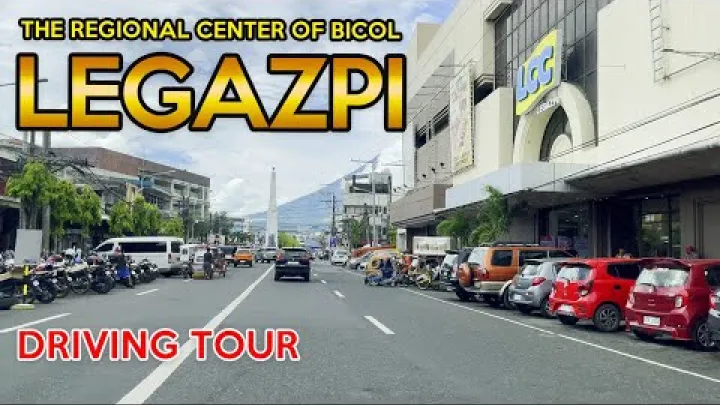
The area is manageable, but not every district is comfortable to explore on foot. Distances, heat, rain, road crossings, and luggage can make short rides more practical than walking. Your base matters: a hotel near food and transport can save time, while a quieter place with a Mayon view may require more planning for meals, transfers, and late arrivals.
How Many Days to Spend
One day in Legazpi can work as a stopover if your goal is simple: see one major Mayon viewpoint, eat a Bicolano meal, and continue onward. It is not ideal if you want a relaxed experience or if Mayon visibility is important, because cloud cover can change quickly.
Two to three days is a more comfortable first-time visit. This gives you time for Cagsawa Ruins, Daraga or Lignon Hill, local food, one rural or lake-based excursion, and at least a few chances for Mayon views. Longer stays are useful if you want a slower pace, remote work time, or extensions around Albay and nearby provinces. In any plan, leave space for rain, transport delays, and changes in access at outdoor sites.
Best Time to Visit Legazpi
Legazpi is a warm tropical destination, so planning is less about finding cold or hot seasons and more about managing rain, storms, visibility, and crowds. Outdoor activities are often the highlight, which makes flexibility important.
Weather, Rain, and Typhoon Risk
Legazpi and the wider Bicol Region can experience heavy rain and tropical weather systems. Conditions vary by year, and a simple month-by-month rule can be misleading. Even during generally favorable periods, short rain showers or cloudy mornings can affect volcano views and rural activities.
Before and during your trip, check current official weather information, especially if you are traveling in wetter months or connecting by flight, ferry, or long overland route. Practical preparation matters: pack light rain protection, protect electronics, avoid scheduling your most important outdoor activity at the last possible moment, and choose bookings with reasonable change or cancellation terms when possible.
Planning Around Mayon Volcano Visibility
Clear views of Mayon Volcano are never guaranteed. Clouds can sit around the summit even when the city below is bright, and visibility can change within the same day. If Mayon photography is a main reason for your trip, plan more than one viewing opportunity rather than relying on a single stop.
Early starts often give travelers a better chance of clearer views, but they do not guarantee success. A useful approach is to keep your mornings flexible, choose accommodation with possible volcano views if that matters to you, and visit more than one viewpoint such as the Daraga side, Cagsawa Ruins area, or hill and city viewpoints when conditions allow.
Festivals, Holidays, and Booking Timing
Local cultural events such as Daragang Magayon and Ibalong can make a visit more lively, but dates and programming should be checked for the specific year of travel. Holy Week, long weekends, school breaks, and public holidays can also affect room availability, transport demand, traffic, and crowds at major sites.
If you enjoy parades, performances, food stalls, and a busier city atmosphere, festival periods may be appealing. If you want lower crowds and easier logistics, a quieter week may suit you better. Book earlier for peak periods, and confirm hotel location carefully because traffic and event closures can change how long it takes to move between districts.
Where to Stay in Legazpi
The best area to stay depends on your arrival point, itinerary style, and tolerance for transport. Legazpi does not have one perfect base for every traveler, so match the district to your priorities.

Legazpi Port District
The Legazpi Port District is a practical choice for travelers who want access to restaurants, commercial areas, transport, and the seafront side of the city. It can work well for first-time visitors who prefer to have food, errands, and evening options nearby rather than relying on long rides after dark.
The trade-off is that busier roads, commercial activity, and traffic may mean more noise or less of a quiet local atmosphere. If you are sensitive to sound, check room position and recent guest comments before booking. This area is often a good fit for short stays, business travelers, and visitors who want convenience over isolation.
Old Albay District
Old Albay District offers a more civic and local-feeling base. It is associated with churches, plazas, offices, and everyday city movement, and it may feel calmer than more commercial zones. For travelers who like observing daily life and staying in a less mall-centered area, it can be a good choice.
Before booking, check the practical details that shape your evenings: nearby dining, ride availability, walking conditions, and distance to the attractions you care about. Old Albay can be connected and atmospheric, but it is not automatically the most convenient option for every itinerary.
Daraga and the Airport Corridor
Daraga and the airport corridor are useful if your schedule revolves around arrivals, departures, Cagsawa Ruins, Daraga Church, or Mayon-facing activities. Staying in this direction can reduce backtracking, especially if you have an early flight or want to start a Mayon viewpoint day without crossing the city first.
The trade-off is atmosphere. Depending on the exact property, you may have less seafront access and fewer city-center dining options within easy walking distance. Confirm airport transfer options, estimated travel time, and whether your accommodation can help with local rides before you arrive, especially if you land late or depart early.
Quieter Stays Near Viewpoints and Outskirts
Some travelers choose inns, guesthouses, or small hotels outside the busiest districts because they want a quieter setting or a better chance of a Mayon view. This can be rewarding, especially for photographers, couples, families who prefer space, or visitors who are not trying to pack many activities into one day.
The main issue is logistics. Outskirts and viewpoint-focused stays may require tricycles, arranged transfers, tours, or private vehicles. Ask about food options, backup power, Wi-Fi reliability, road access in rain, and how the property handles early breakfasts or early departures. A beautiful view is valuable, but it should not create avoidable stress around meals, work calls, or airport timing.
How to Get to Legazpi and Get Around
Transport planning for Legazpi should be current and flexible. Flights, buses, vans, local routes, and tours can all work, but the best option depends on your budget, time, comfort needs, and tolerance for delays.
Flights and Airport Transfers
Bicol International Airport is the key air gateway for many Legazpi-area trips. Travelers commonly plan flights through major Philippine hubs such as Manila, but routes and schedules should be checked close to the travel date. Weather can affect domestic flights, so avoid building an international connection with a very tight buffer.

When arriving, confirm how you will reach your accommodation before you land. Some hotels can arrange transfers, while other travelers use taxis, ride services where available, vans, or local transport. If you have heavy luggage, arrive late, or stay outside the main districts, pre-arranged transport can reduce confusion.
Buses, Vans, and Regional Overland Routes
Overland travel to Legazpi can be cheaper than flying, but it is usually slower and more tiring. Buses and vans may connect Legazpi with Manila and other Bicol points, including routes toward Naga City, Sorsogon, and Donsol. Exact departure points, travel times, and comfort levels vary, so check operators and terminals shortly before traveling.
Overland travel makes sense if you are budget-focused, have flexible time, or want to connect multiple Bicol destinations without returning to an airport. It may be less suitable if you have limited vacation days, children who do not tolerate long rides well, or an important appointment soon after arrival. Build in rest time after overnight or long-distance travel.
Jeepneys, Tricycles, Taxis, and Walking
Local transport may include jeepneys, tricycles, taxis, vans, and arranged rides. Jeepneys can be affordable, but routes may be difficult for first-time visitors to understand without local help. Tricycles can be useful for short trips or areas not convenient by larger vehicle, but it is wise to agree on the fare or ask your accommodation what a normal range may be before you ride.
Walking is useful in selected areas, especially around plazas, commercial zones, or short food errands. It is not the best plan for every movement. Heat, rain, uneven sidewalks, variable crossings, and traffic can make a short vehicle ride safer and more comfortable. If you are unsure, ask your hotel or host for the simplest route rather than relying only on map distance.
Tours, Drivers, and When Private Transport Helps
A tour or private driver can be worth the cost if you want to visit several Mayon viewpoints, rural attractions, Sumlang Lake, Camalig-area stops, caves, hills, or sites spread across different towns. It can also help if you want an early start, have limited time, travel with family, or prefer not to negotiate multiple local rides.
Before booking, check what is included: pickup area, vehicle type, fuel, parking, entrance fees, meal stops, waiting time, safety equipment, and cancellation rules. For adventure activities, ask about safety briefings and whether weather or official restrictions can change the plan. Avoid judging only by price; reliability and clear communication are important.
Things to Do in and Around Legazpi
Most first-time itineraries combine Mayon-focused sightseeing with heritage stops, viewpoints, food, and slower local experiences. The best plan leaves room for weather changes rather than treating every attraction as fixed.
Mayon Volcano Viewpoints and Cagsawa Ruins
For many visitors, Mayon Volcano is the central reason to visit Legazpi and Albay. Cagsawa Ruins is one of the best-known local anchors for Mayon views and historical context. Access, visitor rules, and the visitor experience can change, so check current local information before going, especially during periods of severe weather or volcanic activity.
At viewpoint sites, plan to spend time rather than rush. Clouds may move, light may change, and the best photographs may come after waiting. Bring sun protection, water, and rain cover. If the volcano is not visible, the visit can still be worthwhile for the landscape, local vendors, and the sense of place, but travelers focused only on a perfect photo should keep expectations flexible.
Lignon Hill, Daraga Church, and City Viewpoints
Lignon Hill, Daraga Church, and other city viewpoints can help you see how Legazpi, Daraga, Mayon Volcano, and Albay Gulf relate to each other. These stops are useful early in a visit because they give you a mental map of the area and can be easier to combine than distant rural attractions.
Daraga Church is both a heritage site and an active place of worship, so dress and behave respectfully. Avoid blocking entrances, photographing people in private moments, or treating religious spaces only as backdrops. For hill viewpoints, consider fitness, heat, footwear, and opening or access conditions before you go.
ATV Rides, Sumlang Lake, Caves, and Hills
ATV rides around volcanic terrain are a popular adventure option in the Legazpi and Albay area. Choose reputable operators, listen to safety briefings, wear the required protective gear, and be honest about your driving confidence. Weather, trail condition, and volcanic restrictions can affect routes, so do not assume every ride is available every day.
For a slower pace, Sumlang Lake and Camalig-area stops can add rural scenery, food, and a different view of Mayon. Caves and hill viewpoints may also fit into a day trip, depending on access and your group. These activities are best planned with realistic travel time, because attractions that look close on a map can take longer when you include pickups, tickets, meals, weather, and road conditions.
Coast, Markets, Malls, and Everyday City Life
Legazpi is more than a volcano viewpoint. The Albay Gulf side, local markets, malls, cafes, and casual eateries give visitors a better sense of everyday city life. This matters because weather may interrupt outdoor plans, and because some of the most enjoyable travel moments happen between formal attractions.
Legazpi should not be planned primarily as a beach destination, but coastal views and seafront areas can add variety to your stay. Leave unstructured time for a relaxed meal, a market visit, errands, or a simple walk in a manageable area. This also gives you space to adjust if Mayon appears suddenly after a cloudy morning.
Food, Costs, and Daily Practicalities
Daily comfort in Legazpi depends on small choices: where you eat, how much cash you carry, how you manage transport, and whether your hotel supports the way you travel. Planning these details makes the trip easier.
Bicolano Food to Try
Bicolano food is one of the strongest reasons to slow down in Legazpi. Common flavors include coconut milk, chili, seafood, rice meals, local snacks, and pili nuts. Dishes associated with the region include laing and Bicol Express, though recipes and spice levels vary by kitchen.
If you are sensitive to chili, ask before ordering because a dish that is mild in one restaurant may be much hotter in another. You can eat in casual eateries, hotel restaurants, malls, cafes, markets, and roadside food stops during tours. For international visitors, it is useful to ask about spice, seafood, pork, and coconut milk if you have dietary restrictions.
Budget Planning and Price Expectations
Without relying on exact prices, it is better to plan Legazpi costs by travel style. Budget travelers usually save by choosing simple rooms, local eateries, shared or public transport, and fewer paid activities. Mid-range travelers may prefer comfortable hotels, some taxis or arranged rides, and one or two organized excursions. Comfort-focused travelers may spend more on hotels with views, airport transfers, private drivers, and flexible schedules.
The main cost drivers are accommodation, food, local transport, airport transfers, tours, and day trips. Festivals, holidays, last-minute bookings, weather disruptions, and rooms with Mayon views can raise costs. Keep a small buffer in your budget for transport changes, extra nights, or replacing an outdoor activity with a paid indoor or food-focused option.
Money, Connectivity, Power, and Hotel Logistics
Carry cash for small vendors, local transport, market purchases, tips, and rural stops. Larger hotels, malls, and some restaurants may accept cards or digital payments, but cash remains useful for everyday movement. Break larger bills when you can, because small transport and market transactions may be easier with smaller denominations.
Connectivity and power can vary by property and location. If you need reliable Wi-Fi for remote work, video calls, or business, ask the hotel about connection quality, backup power, workspace, and mobile signal before booking. Also confirm airport transfers, early breakfast, luggage storage, late check-in, cancellation rules, and what happens if severe weather affects your arrival.
Safety, Volcano Awareness, and Current Conditions
Legazpi is generally planned like other active Philippine cities with added attention to weather and Mayon Volcano. The goal is not to be fearful, but to make decisions based on current conditions.
Weather Disruptions and Travel Buffers
Heavy rain, storms, and severe weather can disrupt flights, roads, ferries, tours, and outdoor activities in Bicol. If you have an international flight, cruise, event, or important appointment after Legazpi, add buffer time rather than depending on a same-day connection.
Choose flexible bookings when practical, consider travel insurance for expensive or complex trips, and keep backup plans for rainy days. During unsettled weather, follow current official advisories and local instructions. Avoid making go-or-no-go decisions based only on old travel reports or another visitor's experience from a different season.
Mayon Volcano Alerts and Access Restrictions
Mayon is an active volcano, and access rules can change according to official alert levels and local authority instructions. Some routes, trails, viewpoints, or adventure activities may be restricted or cancelled when conditions require it.
Respect restricted areas, even if they appear close or easy to enter. Scenic interest does not override safety guidance. If a tour operator changes or cancels a route because of volcanic activity, weather, or local instructions, treat that as part of responsible travel rather than as an inconvenience to ignore.
Everyday Safety, Health, and Respectful Travel
Use normal urban precautions in Legazpi. Watch valuables in transport hubs and crowded areas, avoid displaying expensive items unnecessarily, and be cautious when moving through unfamiliar places at night. Ask your accommodation about safe routes and transport options if you are returning late.
Heat, humidity, sun, and rain can affect your energy more than expected. Carry water, use sun protection, wear comfortable footwear, and protect your phone and documents from sudden showers. In churches, markets, residential areas, and community-run attractions, behave respectfully: ask before photographing people, avoid blocking paths, and follow local rules on dress, noise, and waste.
Suggested Itineraries and Final Planning Tips
The best Legazpi itinerary is flexible. Use the following plans as practical frameworks, then adjust for weather, volcano visibility, transport, and your energy level.
One-Day Stopover
For a one-day stopover, keep the plan simple. Start with your arrival or departure timing, then choose one strong Mayon-focused stop such as Cagsawa Ruins or another convenient viewpoint. Add one Bicolano meal and a short city activity near your base.
Do not overload a one-day visit with multiple rural stops, long transfers, and several viewpoints across different towns. If Mayon is hidden by cloud, switch to a food stop, market, mall, church area, or lower-effort city walk. A successful stopover is one that runs smoothly, not one that checks every attraction name.
Two to Three Days in Legazpi and Albay
With two to three days, you can build a balanced first-time plan. Use one morning for Mayon viewpoints and Cagsawa Ruins, then include Daraga Church, Lignon Hill, or another city viewpoint depending on access and weather. Keep another morning flexible for clearer volcano views, an ATV ride, Sumlang Lake, Camalig-area stops, or a slower rural excursion.
Evenings can be for food, errands, and rest rather than constant movement. If the weather changes, prioritize what matters most: Mayon views, heritage, adventure, or food. A flexible plan might feel less ambitious on paper, but it usually works better in a weather-sensitive destination.
Wider Bicol Extensions and Final Checklist
Legazpi can connect naturally to wider Bicol travel. Donsol may interest travelers planning wildlife-focused trips, Sorsogon can fit coastal and provincial routes, and Naga City is another major base in the region. Current transport, road timing, seasonality, and booking requirements should be checked before you commit to a route.
Before you travel, review this final checklist: current weather, Mayon Volcano advisories, hotel district, airport transfer, cash, mobile data, Wi-Fi needs, power backup, travel insurance, festival or holiday dates, and rainy-day alternatives. Legazpi is a rewarding base for Mayon Volcano and Albay, but it works best for travelers who plan with flexibility and treat current conditions as part of the journey.
Select area
Create a post
Posting is free and no registration is required.