Legazpi Best Time to Visit: Weather by Month Guide

The Legazpi best time to visit is usually around March to early May, especially if your main goals are clearer morning views of Mayon Volcano, outdoor sightseeing, and fewer rain interruptions. This is also one of the hotter parts of the year, so the best weather window comes with a heat trade-off. February can be a useful shoulder month if you prefer slightly cooler conditions and can accept more cloud or showers. This guide explains Legazpi weather by season, month, and travel goal so you can choose dates with realistic expectations.
Best Time to Visit Legazpi at a Glance
Legazpi City sits in Albay province in the Bicol Region of the Philippines. For travelers, the main weather questions are not about cold weather, because the city is warm and humid year-round. The bigger issues are rain, cloud cover, wind, storm risk, sea conditions, and whether Mayon Volcano is visible during your visit.
Best Overall Window
For most travelers, the best overall window for visiting Legazpi is around March to early May. During this period, travelers often have better odds of clearer mornings, lower rain disruption, and stronger chances of seeing Mayon Volcano without thick cloud cover. This is not a guarantee, because tropical weather can change quickly, but it is a practical choice for short trips where scenery and outdoor plans matter.
The main trade-off is heat. April and May can feel very hot and humid, especially during midday. If you travel in this period, plan early starts, shaded breaks, sun protection, and enough water. The reward is that morning conditions may be more favorable for viewpoints, photography, and outdoor activities.
February is a good shoulder option for travelers who prefer slightly cooler conditions. It may be more comfortable for city walks and casual sightseeing, but cloud and showers can still affect Mayon views. If you have flexible dates, late February to March can be a balanced choice.
Less Ideal Months for Weather-Sensitive Trips
Roughly July to October is often a less reliable period for travelers who have only a few days and want clear views, coastal excursions, or outdoor activities. These months can bring more rain, more cloud, and a higher chance of weather-related disruption. A short visit during this period may still go well, but it needs flexibility.
November to January can feel cooler by local standards, but these months are not automatically ideal for clear skies. The eastern side of Luzon can still experience cloud, wind, and rain during parts of this period, so Mayon visibility may be inconsistent. December can also bring higher travel demand around holidays, even when weather is not at its clearest.
These are not no-go months. Wet-season days can include bright breaks, and some travelers enjoy quieter periods. Choose these months if you can adapt your plans, book flexible arrangements where possible, and accept that outdoor schedules may change at short notice.
Why Legazpi Weather Is Different
Legazpi weather is shaped by its coastal Bicol location, nearby high ground, and the presence of Mayon Volcano. A good travel plan should consider how conditions affect the activities you actually want to do, not only the general season name.
Coastal Bicol Location and Mayon Volcano
Legazpi City is in Albay province, in the Bicol Region of southern Luzon. It is close to Mayon Volcano and faces the Albay Gulf, which gives the city a strong landscape identity but also makes weather important for travel planning.
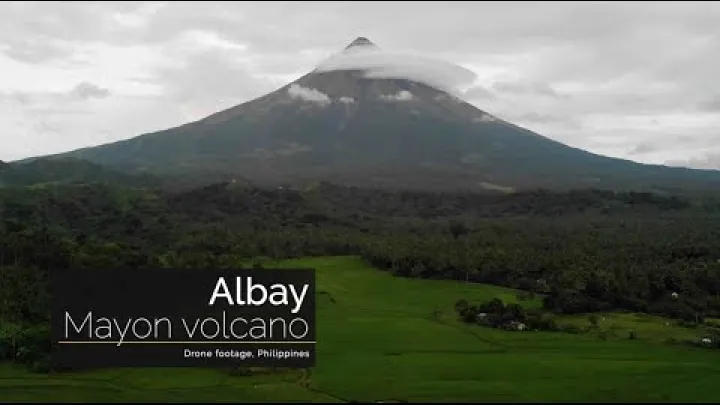
Conditions can feel different between coastal districts, city streets, higher viewpoints, and areas closer to Mayon. Wind, cloud, and passing rain may affect one part of the area more than another. For travelers, this means a cloudy view from one place does not always mean the whole day is lost, but it also means a clear forecast does not guarantee perfect visibility everywhere.
Mayon views are a major reason many people visit Legazpi. Cloud cover matters as much as rainfall. A dry day can still have a hidden volcano, while a rainy period can still offer a short clear morning. This is why it is wise to plan more than one viewing opportunity.
Rain, Heat, Humidity, and Seasonal Winds
Legazpi is warm and humid throughout the year. Travelers do not need to plan for winter cold, but they should plan for heat, sweat, sun exposure, and sudden rain. The biggest seasonal differences are rain frequency, cloudiness, wind, and storm awareness.
Around March to May, conditions are often hotter and relatively more favorable for outdoor plans. During much of the mid-year to late-year period, weather can become wetter and more variable. In parts of the cooler wind season, cloud and rain can still be frequent enough to affect views and day trips.
You may hear local wind terms such as Amihan and Habagat. Amihan refers to the northeast monsoon, which can bring cooler breezes and cloud or rain to some eastern-facing areas. Habagat refers to the southwest monsoon, often linked with wetter conditions in many parts of the Philippines. For a visitor, the key point is simple: check the season, then check the live forecast close to your travel date.
Typhoon Exposure in Travel Terms
The Bicol Region can be affected by tropical cyclones and heavy-rain events. For travelers, the concern is not only whether it rains. Severe weather can cause flight delays, road disruption, outdoor activity cancellations, rough seas, temporary closures, or changes in access to attractions.
Storms are not limited to a single exact set of dates, and seasonal patterns cannot predict your specific trip. Some months carry higher concern, but unusual weather can happen outside the expected period. This is why flexible planning matters, especially if your itinerary includes tight connections, boat-based activities, or outdoor adventure.
Do not treat a general climate guide as a safety forecast. Before and during your trip, check current official weather and local advisories. If local authorities, operators, or accommodations advise against travel to a site because of weather, follow their guidance.
Legazpi Climate by Month
The month-by-month guide below describes the general travel feel, not a promise for any exact date. Use it to choose a season, then use short-range forecasts and local updates when your trip is close.
| Month | General travel feel | Planning note |
|---|---|---|
| January | Cooler by local standards, often cloudy or rainy | Mayon views can be less reliable |
| February | Shoulder month with improving balance | Good for flexible city and sightseeing trips |
| March | Often one of the better months | Strong choice for views and outdoor plans |
| April | Hot and often favorable for clear mornings | Start early and manage heat carefully |
| May | Hot, humid, and still useful for morning scenery | Afternoon showers may become more likely |
| June | Variable shoulder period | Keep rain and storm awareness in mind |
| July | Often wetter and cloudier | Use flexible plans for outdoor activities |
| August | Rain and disruption risk can be higher | Better for travelers who can adapt |
| September | Still weather-sensitive | Views and coastal plans may be less reliable |
| October | Variable and storm-aware | Check updates before travel days |
| November | Cooler feel, but still cloud and rain possible | Comfortable for city stays with flexibility |
| December | Cooler and festive, not always clear | Book early for holiday dates if needed |
January to March
January is usually cooler by local standards, which can make walking around the city more comfortable. The downside is that cloud and rain can still be common enough to reduce Mayon visibility. If seeing the volcano clearly is your top priority, January may require patience and multiple attempts.
February is a transition month for many travelers. It can offer a better balance between comfort and sightseeing, especially if you do not want the stronger heat of April and May. It is still not a guaranteed dry month, so keep outdoor plans adjustable.
March is one of the stronger choices for visiting Legazpi. It often gives better odds of clearer mornings and fewer rain disruptions compared with wetter parts of the year. Heat begins to increase, but many travelers find March a practical balance for Mayon views, city exploration, and day trips.
April to June
April is hot and often favorable for travelers who want clear morning views and outdoor sightseeing. This can be a rewarding month for photography and short adventure activities, but midday heat can be tiring. Plan the most exposed activities early, then use the hottest hours for meals, rest, or indoor stops.
May can still be useful for morning scenery and outdoor plans, especially early in the month. It is also hot and humid, and thunderstorm risk may increase as the month progresses. If you visit in May, avoid overloading each day and leave room for weather changes.
June is a shoulder month. Some travel windows may still be good, but rain and storm awareness become more important. It can work for flexible travelers, but it is less ideal for a very short trip built around one must-see outdoor plan.
July to September
July to September is generally a wetter, cloudier, and more disruption-prone period for weather-sensitive travel in Legazpi. Mayon views can be less reliable, outdoor activities may become more dependent on same-day conditions, and roads or rural access can be affected by heavy rain.
Coastal activities and boat-based plans may also be more vulnerable to rough seas or cancellation. If you plan an excursion near the water, confirm the same-day status with your operator and do not push ahead when conditions are unsafe.
The possible upside is that the city may feel quieter for leisure travel, and some booking opportunities may be easier to find. Do not rely on guaranteed discounts, but do compare options. The main question is whether any savings are worth the higher chance of rain, cloud, and schedule changes.
October to December
October can still be variable and storm-aware. It may feel like a transition period in some years, but rain risk can continue. If your trip falls in October, keep important outdoor activities flexible and monitor updates close to each travel day.
November may feel more comfortable for city stays because heat can be less intense. However, cloud, rain, and late-season storm uncertainty can still affect outdoor plans and volcano views. It can be a reasonable month for food, markets, churches, cafes, and short city exploration if you accept weather changes.
December often has a cooler and festive feel, but it is not automatically one of the clearest months. Holiday demand can also make popular travel dates busier. If you choose December, book key arrangements early and avoid building your itinerary around only one chance to see Mayon.
Best Time by Travel Goal
The best season for Legazpi depends on what you want from the trip. A photographer, a beach or coastal traveler, a food-focused visitor, and a budget traveler may choose different months.
For Mayon Views and Photography
For Mayon views and photography, March to early May is usually the strongest window. The best chance is often in the morning, before heat and cloud buildup reduce visibility. This pattern is useful for planning, but it is not a rule, and no month can promise an unobstructed volcano view.

Plan more than one morning for Mayon viewing. If you arrive for a two- or three-day stay, avoid leaving the volcano photo until your final hour. Give yourself several opportunities from different viewpoints or during different parts of the morning.
Photographers should also prepare for fast-changing light. A clouded summit can clear briefly, and a clear morning can close in quickly. Keep your schedule simple enough to respond when conditions improve.
For Outdoor Activities and Coastal Trips
Late March to May is generally better for outdoor sightseeing, soft adventure, and coastal plans, as long as you manage heat carefully. These months can offer better odds for clearer starts and fewer rain delays than the wetter parts of the year.

Heavy rain can make trails, viewpoints, ATV routes, and rural roads muddy or less safe. Strong winds and rough seas can also affect boat-based plans. Conditions can change by the day, so confirm with local operators before heading out.
February and early June can work as shoulder options. February may be more comfortable but less consistently clear. Early June may still offer good windows, but it requires more rain awareness and a flexible itinerary.
For Culture, Food, and City Stays
If your main interests are food, city walks, churches, museums, cafes, markets, and daily urban life, you have a wider range of acceptable months. Showers are easier to manage when your plans include indoor stops and short transfers.
December to February can be comfortable for travelers who are sensitive to heat. The trade-off is that cloud and rain can still affect views and longer walks. Carry an umbrella and avoid assuming that cooler means dry.
March is a strong balanced month for city exploration before the most intense heat of April and May. Even in hotter months, you can make a city stay more comfortable by walking early, resting at midday, and choosing indoor breaks during the hottest or wettest hours.
For Lower Prices and Fewer Crowds
Wetter months often attract fewer weather-sensitive leisure travelers, which can make Legazpi feel quieter. This may create better booking opportunities, but prices are never guaranteed to be low in any specific month. Major holidays, events, and school breaks can still affect demand.
Budget travelers should weigh possible savings against the risk of rain disruption, reduced visibility, and activity cancellations. A cheap trip can feel disappointing if your main goal is a clear Mayon view and the volcano stays hidden for most of your stay.
Shoulder periods such as late February to March or June can be useful compromises. They may offer a better balance between cost, comfort, and weather than peak holiday dates or the wettest periods. Compare flexible bookings and avoid non-refundable plans when weather risk is higher.
Planning Checks Before and During Your Trip
A good Legazpi itinerary combines seasonal planning with current information. Climate patterns help you choose the month, but live forecasts and local advisories help you make safe daily decisions.
Climate Averages Versus Live Forecasts
This guide describes typical seasonal patterns for planning. It does not predict the exact weather for your trip. Even the better months can have rain, and wetter months can still have clear breaks.
Use climate patterns when choosing your travel dates. Then, close to departure, check short-range forecasts for rain, storms, heat, and wind. During the trip, check again each evening or morning before committing to outdoor plans.
This distinction is especially important for Mayon visibility. A month may be generally favorable, but one cloudy morning can hide the volcano. Build flexibility into your itinerary so normal weather variation does not ruin the whole trip.
Transport, Sea Conditions, and Access Checks
Keep schedules flexible when planning flights, road trips, boat excursions, and outdoor activities during rainier or storm-aware months. Heavy rain can affect roads and site access. Strong winds and rough seas can affect coastal or boat-based plans.
Before a same-day excursion, confirm conditions with your accommodation, tour operator, transport provider, or relevant local office. Ask whether the activity is operating, whether access roads are passable, and whether any schedule changes are expected.
If an activity is delayed, suspended, or cancelled for safety reasons, follow the decision. Do not pressure operators to continue during unsafe weather. A flexible backup plan, such as a city meal, market visit, or indoor stop, makes these changes easier to accept.
Weather and Volcano Advisories
Mayon is an active volcano, and access around volcanic areas can depend on current alert levels, safety rules, and local restrictions. A clear view of the mountain does not automatically mean that restricted areas are safe to enter.
Before outdoor trips near Mayon, check current official weather, disaster, and volcanic advisories. This is especially important during stormy weather, after heavy rain, or when you plan activities close to volcanic slopes or river channels.
Keep the approach simple: enjoy the scenery, respect barriers and instructions, and choose operators who follow local safety guidance. Conditions can change, and current advice should always matter more than a general travel guide.
What to Pack and How to Plan Each Day
Packing for Legazpi is mostly about heat, humidity, sun, and rain. You do not need heavy cold-weather clothing, but you do need items that help you stay comfortable when plans change.
Clothing and Gear for Heat and Rain
Bring lightweight, breathable clothing that works in warm and humid weather. Quick-drying fabrics are useful because showers can happen even outside the wettest months. A light layer can help in breezy places or air-conditioned rooms, but heavy winter clothing is generally unnecessary.
Rain-ready basics are important in every season. Pack a compact umbrella or light rain jacket, footwear that can handle wet streets, and protection for your phone, camera, passport, and other documents. A small dry bag or waterproof pouch can be useful for day trips.
For hot-season travel, bring a hat, sunglasses, sunscreen, and a reusable water bottle. Plan shade breaks and avoid long exposed walks at midday. Heat management is especially important in April and May.
Morning-First Itinerary Strategy
A morning-first itinerary works well in Legazpi. Schedule Mayon viewpoints, short hikes, outdoor photos, and longer walks early in the day when conditions are often cooler and the chance of a clearer view may be better.
Use midday for meals, rest, indoor attractions, or air-conditioned breaks. This is especially helpful during the hottest months, when strong sun and humidity can make outdoor sightseeing tiring. It also gives you a buffer if morning plans take longer than expected.
Keep afternoons flexible. Heat, cloud, showers, or thunderstorms may build later in the day, although rain can happen at other times too. A flexible afternoon plan reduces stress and gives you a better chance of enjoying the city even when the weather changes.
Final Recommendation
For most visitors, the best time to visit Legazpi is March to early May, with March offering a strong balance and April to early May offering good morning-view potential with more heat. Choose February if you want a cooler shoulder option, and consider June only if your plans are flexible. Be more cautious from July to October if your trip depends on clear skies, outdoor activities, or coastal excursions.
No month can guarantee perfect Mayon Volcano views or completely dry days. The smartest plan is to choose a generally favorable season, schedule important outdoor activities in the morning, allow more than one chance for views, and check current weather, transport, sea, and volcano advisories before you go. With that approach, Legazpi can be rewarding in many months, but the best experience usually comes from matching your dates to your travel goals.
Select area
Create a post
Posting is free and no registration is required.