Pyay Travel Guide: Heritage, Safety, and Practical Planning

Pyay is a small Irrawaddy, also called Ayeyarwady, riverside town with a strong connection to Buddhist pilgrimage, Pyu-era archaeology, and everyday market life. It suits travelers who prefer a slower heritage stop over a dense city sightseeing program. A responsible Pyay travel guide must begin with current safety, entry, and access conditions, because those factors can change the value and feasibility of any itinerary. This guide explains what to see, where to base yourself, how to plan transport, and when to leave optional excursions out.
Pyay at a Glance
Pyay is best understood as a practical base for several different experiences rather than as a destination with one compact attraction district. Central Pyay has religious landmarks, streets near the railway station, a riverfront, markets, and local businesses. Outside the center, the Hmawza and Sri Ksetra area offers a much larger archaeological landscape. The town is most rewarding when you allow time for both the heritage sites and the ordinary rhythms of a river community.
What Makes Pyay Worth Considering
Pyay brings together three travel interests that are rarely combined in one small-town stop. Shwesandaw Pagoda provides an active Buddhist pilgrimage setting in the center of town. Sri Ksetra, near Hmawza village, gives the visit a deeper historical focus through the remains of a major Pyu-era city. The Irrawaddy riverfront, Strand Road, local markets, tea shops, and smaller religious sites add an everyday setting around those headline attractions.
The town is especially suitable for visitors interested in archaeology, early Buddhist history, religious culture, photography, and quiet overland travel. It is less suitable for travelers who expect a large selection of international restaurants, highly standardized tours, frequent tourist services, or a tightly organized attraction circuit. A visit may involve arranging local transport, confirming museum access, and adapting the order of sightseeing.
Landmarks such as pagodas, bridges, river scenery, and archaeological remains are more enduring than hotels, restaurants, ticket offices, transport services, or market stalls. Treat facilities as changeable. The sightseeing plan should only be used after the current safety and access decision supports proceeding.
Pyay’s Place in Southern Myanmar
For route planning, Southern Myanmar can be viewed through four contrasting travel roles. Yangon is the major urban base with the widest range of services. Bago is more strongly associated with major Buddhist monuments and religious sightseeing. The Ayeyarwady area offers an agrarian and riverine landscape. Pyay, in Bago Region and on the Irrawaddy corridor, adds a smaller-town atmosphere with a particularly strong heritage focus.
| Area | Travel character | Why it may complement Pyay |
|---|---|---|
| Yangon | Largest urban service base | Useful for arrival, preparation, and supplies |
| Bago | Temple-focused historic stop | Adds major religious sites to a heritage route |
| Ayeyarwady | Delta and riverine setting | Provides a different view of lowland Myanmar |
| Pyay | Quiet river town with dispersed heritage sites | Best for Sri Ksetra, pilgrimage, and slower travel |
Pyay can therefore work as a northern stop within a Southern Myanmar plan or as a heritage-focused side destination from Yangon. Its historical role as a route toward central or western areas is useful only as general planning context. Do not build an onward itinerary around a connection until the carrier, road, railway, and local access conditions are confirmed.
Safety and Go-No-Go Planning
Safety is not a small paragraph at the end of a Pyay itinerary. It is the first decision point. Read the relevant official guidance for your nationality, understand what it means for insurance and movement, and be prepared to postpone the visit even if the attractions themselves remain open.
Check Current Travel Advisories Before Booking
Myanmar has serious and changing risks, including armed conflict, unrest, and arbitrary enforcement. The current U.S. Department of State travel advisory strongly urges U.S. citizens to avoid travel to Burma and describes serious security concerns. This is an official warning for U.S. travelers, not a universal risk rating for every nationality, so readers should also consult their own government and embassy.
Pyay should not be treated as a routine low-risk destination simply because it is smaller than Yangon or because the main plan centers on heritage sites. A town can appear calm while intercity routes, checkpoints, local permissions, communications, or emergency support remain uncertain. Conditions may also differ between central Pyay, the road toward Hmawza, rural areas, and routes beyond the town.
Before paying for nonrefundable travel, consider four practical effects of an advisory. Travel insurance may exclude destinations under a government do-not-travel warning. Consular assistance may be limited in an emergency. Movement may be restricted by events or local instructions. Transport or accommodation bookings may not be easy to change. These issues affect the go-or-no-go decision even when a hotel or attraction accepts reservations.
A simple decision check is:
- Read the latest advisory from your own government and note the date and geographic scope.
- Ask your insurer in writing whether Myanmar, Pyay, overland movement, and optional excursions are covered.
- Confirm that your accommodation has a reliable way to communicate with you and can explain current local access.
- Decide in advance what information would make you cancel, postpone, or shorten the trip.
Read the latest advisory before booking and again before each intercity move. If the official guidance, insurance position, or local information does not support the plan, do not use the itinerary below as a reason to travel.
Build a Flexible, Low-Dependency Itinerary
If you decide that travel is appropriate for your circumstances, build the trip so that one failed booking does not affect every later step. A low-dependency plan is more useful than a detailed schedule when departure times, local services, or site access are not dependable.
- Keep the first booking short. Choose a changeable room or a limited initial stay rather than committing to a long sequence of nonrefundable nights.
- Use one dependable contact. Ask the accommodation to confirm arrival instructions, local transport options, and any current restrictions. Save the contact in more than one place.
- Protect daylight hours. Plan intercity movement and rural sightseeing with spare time. Avoid making a late arrival the condition for a same-day archaeological visit.
- Leave an uncommitted block. Keep at least part of a day available for a delayed departure, a closed museum, a changed road condition, or simple rest.
- Remove optional activities first. A river excursion or distant site should be dropped before the central town visit when the plan becomes uncertain.
Flexible planning reduces dependence on a chain of assumptions, but it does not remove the underlying risks. It is a preparation method for travelers who have already made an informed decision to proceed, not an argument that the destination is safe.
Entry, Access, and Transport
Reaching Pyay involves more than finding a route on a map. National entry rules, carrier requirements, internal movement, road conditions, and local access can each affect the journey. Treat these as separate checks.
Verify Visa and Internal Travel Requirements
Before arranging a Pyay visit, confirm the current visa and entry rules that apply to your passport. Check the official Myanmar immigration or eVisa information and ask the relevant embassy about passport validity, the permitted entry port, visa conditions, accommodation information, exit requirements, and any restrictions that may apply to your nationality.
Being able to enter Myanmar does not automatically mean that you can travel onward to every part of the country. A carrier may apply its own document check. A checkpoint, local authority, road closure, or temporary instruction may affect movement after arrival. Ask specifically about travel from your arrival city to Pyay and about access from Pyay to Hmawza, Sri Ksetra, Htonbo, or other rural areas.
Keep digital and printed copies of your passport identification page, visa or approval information, insurance details, accommodation contact, and transport booking. Store them separately from the originals. Copies do not guarantee admission or onward movement, but they can make ordinary checks and communication easier. Verify all requirements with official authorities and the relevant embassy before paying for nonrefundable travel.
Getting to Pyay from Yangon by Bus or Train
Bus and train have both been documented as overland options between Yangon and Pyay. Published schedules and fares are useful for understanding the types of service that may exist, but they should not be treated as current operating guarantees. The Myanmar Trains route page is a starting point for historical bus and rail context, not a substitute for a current carrier confirmation.
![Preview image for the video "[EngSub] 8-hour train journey from Yangon to Pyay".](/sites/default/files/styles/media_720x405/public/oembed_thumbnails/2026-08/IBC8Qu20-Wn-Y37vSl4HdNpcnhQ4otFuqSbj5LlCrBg.jpg.webp?itok=sFwCUoCD "Preview image for the video \"[EngSub] 8-hour train journey from Yangon to Pyay\".")
| Option | Useful comparison | Confirm before leaving Yangon |
|---|---|---|
| Bus | May offer more route choices when services are running | Departure point, seat, baggage rules, route, fare, and arrival estimate |
| Train | May suit travelers who prefer rail and can accept a less predictable timetable | Operating day, class, ticket process, station instructions, and delays |
| Either option | Actual comfort and reliability depend on current operations | Pyay arrival plan, accommodation contact, and a backup route or night |
Bus travel may be easier to compare when a carrier or local agent is actively selling seats. Train travel may appeal for the experience, but an old timetable should not determine a fixed connection. Ask where the service actually leaves from, how tickets are issued, whether luggage is included, and what happens if the departure changes. Do not assume that a booking-platform listing reflects the current route.
Where possible, arrange an arrival that leaves time to reach central Pyay in daylight. Have the accommodation's name, address, and phone contact available in a form that can be shown locally. If a carrier cannot confirm the departure or arrival plan, choose a different date or remove the connection from the itinerary rather than linking it to a same-day excursion.
Moving Around Pyay and Reaching Sri Ksetra
Central Pyay is easier to understand when you use a few local anchors. Bogyoke Street and Pyay railway station help orient arrivals. Shwesandaw Pagoda is a central reference point. Strand Road follows the Pyay riverfront, while the Hmawza and Sri Ksetra area lies outside the central town. These places should be treated as a spread-out route, not as one walkable attraction cluster.
Walking can work between selected central sights when the weather, traffic, and personal comfort allow. For Sri Ksetra, a locally arranged vehicle may be more practical than trying to connect several rural points independently. A bicycle may suit an experienced rider who has confirmed road conditions, distance, daylight, and a safe return plan. Do not assume that ride-hailing applications, metered taxis, or regular public transport will be available.
A museum-first approach can make the archaeological visit more manageable. If the Hmawza or Sri Ksetra Museum, or the Tharaykhittaya Archaeological Museum, is open, begin by asking about the current site map, selected ruins, access restrictions, and the best way to return to town. Then choose a limited group of remains instead of trying to cover every point in a dispersed landscape.
Assessing River and Rural Excursions
Akauk Taung is an optional excursion rather than a central Pyay attraction. The usual concept involves travel toward Htonbo, access to the river, a crossing or boat journey, and a route toward cliffside Buddha carvings near the western bank of the Ayeyarwady. That combination creates more variables than a visit to a pagoda or market in town.
Ask a locally recommended operator to explain the complete movement plan: departure point, road section, crossing location, boat, return time, daylight remaining, weather limits, and what happens if the river cannot be crossed. Consider the physical demands of riverbank walking, steps, heat, and uneven ground. A low price or attractive photograph is not enough to establish that an excursion is practical.
Use a clear decision rule: skip Akauk Taung if the operator, crossing, weather, local access, or return plan cannot be confirmed. Keep enough time to return to Pyay without relying on a final connection. The excursion should remain conditional and should never replace the core town and Sri Ksetra plan.
Where to Stay and How Long to Stay
Central Pyay is the most practical base for a first visit because it keeps the riverfront, religious sites, markets, and transport contacts within easier reach. The archaeological zone is an important reason to visit, but staying near a dispersed ruin area may reduce access to ordinary services.
Choose a Practical Base in Central Pyay
Strand Road and the central riverfront: This area may suit travelers who want easier access to the river view, market activity, evening food, and a more local atmosphere. The trade-off can include noise, changing street activity, and less direct access to the railway station. Ask whether the room faces the road or river and whether the property can arrange a vehicle for an early archaeological visit.
Streets around Bogyoke Street and the railway station: This base may be more convenient for arrivals, departures, and transport conversations. It can be a practical choice for a short transit night or for travelers who value connection logistics over a river view. Check walking distance to food, noise at night, air conditioning, and whether the property can help if a scheduled service changes.
Compare properties by operating status and current room conditions, not only by old reviews. Ask directly about check-in hours, power backup, water, air conditioning, internet or mobile connectivity, payment method, cancellation terms, and assistance with local transport. A named hotel or guesthouse may have changed its services, room inventory, or booking channels since an older guide was written, so do not assume that a historical listing is active.
Choose a Stay Length by Travel Style
The right length depends on whether Pyay is a transit point, a heritage destination, or a base for slower local exploration. The following comparison describes what each additional night can enable without assuming that every site or route is operating.
| Stay | Best use | What to leave out first |
|---|---|---|
| One night | Central Pyay, Shwesandaw, and a short riverfront visit | Akauk Taung and a broad archaeological circuit |
| Two nights | Central sights plus a focused Sri Ksetra and museum visit | Unconfirmed rural excursions |
| Three nights | Museums, selected ruins, local sites, and a transport or weather buffer | Any activity without a reliable return plan |
One night is workable only when the route is already arranged and the purpose is limited. Two nights usually gives a first-time visitor a more useful balance. Three nights is valuable for travelers who want to study Pyu history, move slowly, or keep an uncommitted half-day. The duration should follow current access and transport conditions, not a fixed checklist.
What to See: Heritage, Sacred Sites, and Riverfront Landmarks
Prioritize Pyay's sights by purpose. Start with the central religious landmark and the archaeological core. Add the riverfront, bridge, markets, and optional rural sites according to time, comfort, and confirmed access.
Shwesandaw Pagoda
Shwesandaw Pagoda is Pyay's most prominent central religious landmark and an active place of Buddhist devotion. Its elevated position, terraces, stairways, and views toward the town and river make it a natural orientation point. It should be approached as a living religious site, not only as a viewpoint or architectural object.
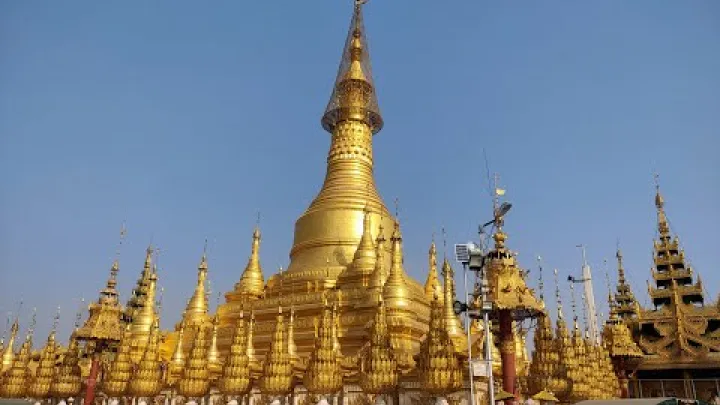
A morning or late-afternoon visit may be more comfortable on the stairs and open terraces, but do not assume a particular crowd level or access arrangement. Festival periods can change the atmosphere and the practical experience. Festival dates follow a lunar calendar and should be confirmed locally if they are important to your plans.
- Wear clothing that covers the shoulders and knees.
- Remove shoes wherever the site requires it and keep socks or footwear together.
- Walk quietly and avoid blocking worshippers on stairways or terraces.
- Ask before photographing worshippers, ceremonies, monks, or private religious activity.
Allow more time than a quick photo stop if you want to observe the devotional setting. The best visit is often one that leaves space for quiet attention rather than rushing directly between viewpoints.
Sri Ksetra and the Pyu Ancient Cities
Sri Ksetra near Hmawza is the largest and most prominent component of the Pyu Ancient Cities World Heritage listing. It is associated with the Pyu era, which the Myanmar Digital News describes in connection with a period from approximately the first to the ninth century AD. The site's importance comes from its broad archaeological landscape rather than from one single monument.
Depending on current access, a visit may include city walls and moats, stupas, burial or urban remains, water-management features, and museum collections. These elements help explain how a large early city functioned, but they are dispersed across an open setting. The experience is different from walking through a compact downtown temple complex with frequent services.
If the Hmawza or Sri Ksetra Museum is open, begin there. A museum visit can provide context, a map, and a way to select a realistic group of ruins. The Tharaykhittaya Archaeological Museum may also be relevant to the local heritage experience when it is operating. Then plan for heat, water, navigation, limited shade, and changing road or site access. World Heritage status confirms historical importance; it does not guarantee current opening hours, transport, staffing, or safety conditions.
Akauk Taung
Akauk Taung is a distinctive river-facing site associated with Buddha carvings on a cliff near the western bank of the Ayeyarwady. Its setting gives the visit a different character from Pyay's central pagodas and the inland archaeological landscape. It is best considered after the core heritage sites, not as the first activity to reserve.
The approach can involve road travel, a boat crossing, riverbank walking, and steps. Wear secure footwear for the approach, carry water, and keep cameras or phones protected around the boat and riverbank. Respect the carvings as religious objects. Ask before photographing worshippers or local residents, and avoid climbing on, touching, or treating the cliff as a recreational prop.
Before setting out, ask the operator about the boat's return arrangement, river conditions, daylight, waiting time, and what happens if water levels or weather prevent the crossing. Do not rely on historic visitor prices, journey times, or unverified counts of carvings. If the complete return route is not clear, choose a central Pyay activity instead.
Sehtatgyi Paya, Nawaday Bridge, and Everyday Pyay
Pyay is more than Sri Ksetra and Shwesandaw. Sehtatgyi Paya is associated with a very large seated Buddha image and can add another religious landmark to a town visit. Nawaday Bridge provides a broad visual reference for the river corridor. Smaller pagodas and local streets can fill a short afternoon when a distant excursion is not practical.
Organize these places by function:
- Religious landmark: Sehtatgyi Paya and smaller pagodas.
- River orientation: the Ayeyarwady riverfront and Nawaday Bridge.
- Local street life: Bogyoke Street, central markets, tea shops, and the Pyay railway area.
- Flexible evening activity: Strand Road and the night market, if stalls and lighting are active.
None of these needs to be essential on a short visit. Use them to understand everyday Pyay or to create a central fallback when the archaeological area, river excursion, or transport connection is not available. Market hours, food stalls, lighting, and access to smaller religious sites can vary, so ask locally after arrival.
Sample Pyay Itineraries
These examples are planning frameworks rather than fixed schedules. They assume that transport and the relevant sites are operating. Use flexible time blocks and remove optional stops when the day becomes difficult.
One-Day Pyay Itinerary
For one full sightseeing day, begin with a central orientation around Bogyoke Street, the railway station area, or the riverfront. Visit Shwesandaw Pagoda during a cooler part of the day, allowing time for the stairs and religious etiquette. Use the hottest part of the day for a rest, meal, or museum visit rather than remaining on exposed terraces or in the open archaeological landscape.
After the rest period, make a focused visit to the Hmawza or Sri Ksetra Museum if it is open, followed by selected Sri Ksetra remains. Choose a limited route and carry water. Return to central Pyay with enough daylight and leave the evening for Strand Road, the riverfront, or the night market if activity is present.
Do not put Akauk Taung into the core one-day plan. The road, crossing, boat, and return logistics add too much uncertainty for a schedule that already includes travel outside town. If the Sri Ksetra transport cannot be arranged, use a central fallback: Shwesandaw Pagoda, Sehtatgyi Paya or another accessible religious site, the riverfront, and a local market.
Two-Night Pyay Itinerary
Two nights does not necessarily mean two full sightseeing days. If you arrive late on the first day, use that evening only for check-in, a short central walk, and a meal. Keep the first evening simple so that the next day does not depend on an immediate connection or a rushed departure.
Use the main sightseeing day for Shwesandaw Pagoda, the museum, and selected Sri Ksetra remains. Add a midday rest and allow time for the return to Pyay. On the second morning or afternoon, choose among Sehtatgyi Paya, smaller religious sites, the riverfront, Nawaday Bridge, or a market. An excursion can be considered only if its complete route and return have been arranged locally.
Keep the departure day flexible. Do not schedule the final archaeological stop so close to a railway or bus departure that a delay would affect the entire onward journey. The core activities are Shwesandaw and a focused Sri Ksetra visit. The easiest activities to remove are an unconfirmed rural excursion, a distant secondary site, or a market stop.
When to Add a Third Night or Skip an Excursion
Add a third night when Pyu history is your main interest, when you want time in both the museum and the wider ruins, or when you prefer a slower town experience. An extra night can also create a weather and transport buffer. It is often more useful to preserve an uncommitted half-day than to fill every hour with another attraction.
Use these decision rules for optional activities:
- Keep Akauk Taung only when the operator, crossing, site approach, and return are all clear.
- Drop it when river or weather conditions make the crossing uncertain.
- Drop it when the journey would use the only safe daylight window for returning to town.
- Drop it when a changed departure would leave you without enough time or a practical fallback.
A third night should reduce pressure, not create an obligation to add more travel. The central town, Shwesandaw, and Sri Ksetra remain the main experience.
Weather, Seasons, and Daily Comfort
Pyay's main sights include exposed pagoda terraces, open archaeological ground, riverbanks, and road travel. Climate affects comfort and the feasibility of outdoor plans, but favorable weather alone does not make an otherwise unsuitable safety or access situation acceptable.
Best Months for Outdoor Sightseeing
Broad Myanmar climate guidance identifies October through May as the dry season, with warm conditions across the country. The Audley Travel climate guide gives this period as a general starting point, but countrywide patterns are not a guarantee for a particular day in Pyay.
Late November through February is often the more comfortable part of the dry season for walking, pagoda stairs, and the open Sri Ksetra landscape. The hotter period can make midday sightseeing tiring. Wetter monsoon months can affect road movement, river excursions, walking surfaces, and the amount of time you want to spend outdoors. These are planning tendencies, not promises about current weather.
Choose dates according to both climate and current operating conditions. Check a local forecast before outdoor activities, and ask the accommodation or operator about conditions on the specific day. Festival dates may follow a lunar calendar and should be confirmed locally rather than inferred from a general seasonal guide.
Plan for Heat, Rain, and Exposed Sites
Schedule pagoda stairways, viewpoints, and the open archaeological area in the cooler morning or late-afternoon periods. Use the middle of the day for a museum, meal, rest, or short central transfer. This approach also gives the itinerary room to absorb a slower vehicle or an unplanned stop.
A simple packing checklist for Pyay includes:
- Refillable drinking water and simple snacks for Sri Ksetra or other dispersed sites.
- Sun protection, such as a hat, sunglasses, and sunscreen.
- Light, modest clothing that covers the shoulders and knees for religious sites.
- Rain protection during wetter periods.
- Secure walking shoes for archaeological ground, riverbanks, and steps.
- Easy-to-remove footwear for pagoda visits, plus a small bag to keep shoes together.
- A secure camera strap or protected bag for boat travel and elevated viewpoints.
Religious sites may require bare feet, while rural approaches may require sturdy footwear. Plan for both situations instead of wearing one type of shoe for the entire day.
Food, Costs, and Choosing Pyay
Pyay is easier to plan when food and money are treated as practical logistics rather than as fixed tourist products. Central services are likely to be more useful than services near dispersed ruins, and old prices should not be used as present-day guarantees.
Eat Around the Riverfront and Local Markets
Look for everyday food along the Strand Road riverfront, in central market areas, at night-market stalls, in tea shops, and at locally operating cafés. These places can show more of Pyay's ordinary character than a short list of tourist restaurants. Activity, opening hours, seating, and food selection may vary by day.
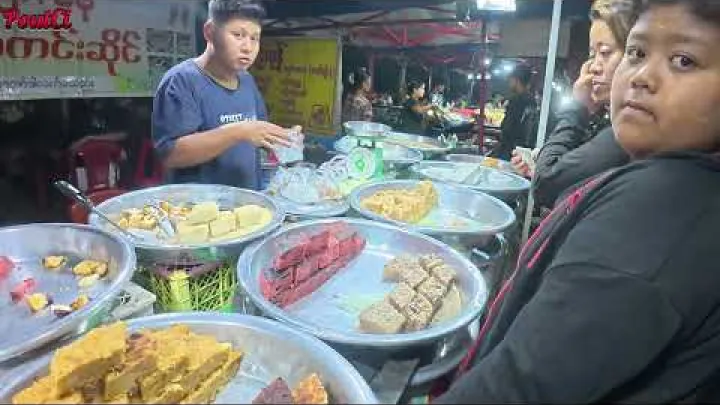
Food choices near the Sri Ksetra area may be more limited than in central Pyay. Carry water and a simple snack when visiting the archaeological landscape, especially if your vehicle will remain outside the main town for several hours. Do not assume that a museum or rural site has a café, shop, or reliable drinking-water supply.
Travelers with dietary restrictions should ask about ingredients before ordering. Use short sentences, a written translation, or a clearly saved list of foods to avoid. Because menus and supplies can change, identify several possible places in the central area rather than depending on one named restaurant. Describe allergies or restrictions clearly, and carry suitable backup food if the requirement is essential.
Estimate Costs Without Relying on Outdated Prices
Older travel guides may show room rates, bus fares, boat prices, or dollar conversions that no longer reflect local conditions. Currency changes, supply disruptions, reduced tourism, and businesses opening or closing can all affect the amount you pay. Use historical prices only to understand the categories of expense, not to set a precise current budget.
| Cost category | What can change the amount | Practical planning step |
|---|---|---|
| Accommodation | Room type, air conditioning, backup power, and current demand | Ask the property for the current rate and payment method |
| Food | Central cafés, market meals, drinks, and rural snacks | Keep a daily food allowance plus a small backup |
| Intercity transport | Carrier, class, route status, and ticket availability | Confirm the fare and departure directly before travel |
| Local transport | Vehicle hire, distance to Sri Ksetra, and waiting time | Agree on the route, waiting period, and return cost first |
| Excursions | Boat, crossing, operator, guide, and weather conditions | Treat the amount as optional and confirm it locally |
| Contingency | Extra night, changed route, communications, or cash needs | Carry a meaningful reserve separate from the sightseeing budget |
For a simple budget, separate the trip into three levels. The core budget covers accommodation, food, intercity transport, local movement, communications, and any basic entry costs. The comfort budget allows for air conditioning, a more convenient base, private transport, or an extra meal and rest period. The contingency budget covers an additional night, a changed departure, a replacement vehicle, or a route that costs more than expected.
International airfare is not included in a Pyay ground budget. Before arrival, confirm the current room price, whether payment is accepted in your preferred form, where cash can be obtained, and how exchange conditions are being handled. Carry a reserve that does not depend on one ATM, one card, one exchange rate, or one transport booking.
Who Will Enjoy Pyay Most
Pyay is most suitable for travelers who value early Buddhist history, living religious culture, quiet river towns, dispersed archaeology, and a slower overland stop. It can be meaningful for someone who wants to spend time understanding Sri Ksetra rather than collecting a long list of attractions. The riverfront, markets, and smaller pagodas also give the visit a local setting beyond the main heritage sites.
The trade-off is limited predictability. Travelers who need extensive tourist infrastructure, reliable online booking, frequent transport, a broad international food scene, or a low-risk destination may find Pyay difficult. If your current safety advisory, entry position, transport confirmation, accommodation arrangements, and local access checks all support proceeding, Pyay can be a worthwhile heritage stop. If they do not, postpone the plan and treat this guide as future planning information rather than a reason to travel.
Select area
Create a post
Posting is free and no registration is required.