Myitkyina Best Time to Visit: Weather by Month

The best time to visit Myitkyina is generally November through February, when the city is cooler, less humid, and usually much drier than during the monsoon. Late October and March can suit travelers who prefer transition scenery or warmer, mostly dry days, while April requires strong heat tolerance and June to August require rain tolerance and flexible plans. This guide explains Myitkyina weather by month, the practical effects of rain and Irrawaddy River levels, and the best timing for culture, walking, hiking, river experiences, and budget travel. It also explains why climate averages are useful for choosing a month but cannot replace live weather and local operational information.
Best Time to Visit Myitkyina at a Glance
For most travelers, November to February offers the best overall balance of comfort and reliability in Myitkyina. Rainfall is generally limited, humidity is lower, and the combination of cooler mornings with warm afternoons is well suited to city walks and cultural visits. The city-level pattern shown by Climate-Data.org also shows a marked contrast between the relatively dry winter period and the much wetter monsoon peak.
| Travel period | Typical conditions | Best suited to | Main consideration |
|---|---|---|---|
| November to February | Cooler, drier, clearer | Walking, culture, excursions | Cool mornings and evenings |
| Late October and March | Seasonal transition | Green scenery or warmer dry days | Rain in October; heat in March |
| April to mid-May | Very hot, then stormier | Heat-tolerant and festival-focused trips | Strong midday heat |
| June to August | Wet and highly humid | Green-season or specialized river interests | Heavy rain and disruption risk |
| September and October | Wet season gradually easing | Green landscapes with some flexibility | Unsettled conditions can remain |
Best Overall Time: November to February
November through February is the broadest favorable window for a first visit to Myitkyina. Compared with the hot season, afternoons are easier for walking, and compared with the monsoon, rain is less likely to interrupt sightseeing. The lower humidity and generally clearer skies also help with photography, riverside time, and moderate excursions around Kachin State.
January can be especially attractive for travelers interested in the Kachin Manaw festival in Myitkyina, when the event program aligns with their trip. Treat the festival as an additional reason to consider January rather than as a fixed annual guarantee: dates, venues, and arrangements should be confirmed before booking. The November-to-February recommendation is also a climate recommendation, not a guarantee of current access, transport availability, or event schedules.
Best Shoulder-Season Alternatives: Late October and March
Late October is a useful transition option. Rainfall and humidity generally begin to ease after the core monsoon, but the landscape can still look lush and green. It may suit travelers who want a balance between wet-season scenery and improving outdoor conditions, provided they can accept occasional unsettled weather.
March is usually a warmer, mostly dry alternative before the most intense pre-monsoon heat. Early March can work well for walking and regional excursions, while the latter part of the month may feel noticeably hotter in the afternoon. Choose late October for greener scenery and March for warmer, drier days, but neither month offers the same comfort margin as the main November-to-February window.
When to Reconsider a Trip: April and June to August
April and early May can be the least comfortable period for travelers who struggle with heat. April is often relatively dry compared with the monsoon, but intense daytime temperatures can make long walks and strenuous excursions difficult. June through August presents a different problem: rainfall, cloud cover, and humidity are typically at their most persistent, making easy sightseeing and regional travel less predictable.
These months are not impossible for every traveler. April may suit someone planning around a cultural celebration and willing to structure the day around cooler hours, while the monsoon may appeal to visitors seeking green landscapes. The trade-off is clear: April demands heat management, and June to August demand rain protection, sheltered alternatives, and more flexibility.
How Myitkyina Weather Changes Through the Year
Myitkyina follows the broad seasonal pattern of northern Myanmar, but the boundaries are gradual rather than fixed. For national context, Britannica describes a relatively cool and dry northeast monsoon from late October to mid-February, a hot intermonsoonal period, and a wetter southwest monsoon. In practical terms, the most important changes for a city stay are heat, humidity, rain frequency, and how easily outdoor or regional plans can proceed.
Cool and Relatively Dry Season: November to February
During the cool and relatively dry season, Myitkyina usually has cooler nights and mornings, warm afternoons, lower humidity, and less frequent rain. The weather is not cold in the way it is in a temperate destination, but winter evenings can feel cool to visitors arriving from hot climates. Light layers are more useful than a single assumption that the city will be uniformly tropical.
These conditions support the widest range of ordinary travel plans. Visitors can spend longer periods walking through Myitkyina, visiting markets and religious sites, exploring riverside areas, or attending cultural venues without planning every activity around storms or heavy humidity. The clearer conditions can also make photography and moderate regional excursions more comfortable than during the hot or wet seasons.
Hot Pre-Monsoon Season: March to Mid-May
March usually begins as a manageable dry-season month, but the heat builds through April and into early May. Rainfall may still be lower than during the monsoon at first, yet pre-monsoon thunderstorms can become more common as the season changes. This means that a month described as relatively dry may still be uncomfortable for strenuous outdoor activity because of heat rather than rain.
Plan outdoor activities for the morning or late afternoon, carry enough water, and use shade during the hottest pre-monsoon weeks. Breathable clothing, sun protection, regular breaks, and accommodation with effective cooling can make a major difference. April should be treated as a clear heat warning, but not as a claim that every day will reach an extreme temperature or follow the same pattern.
Rainy Southwest Monsoon: Mid-May to October
The southwest monsoon typically brings the wettest and most humid conditions from June through August. Rain may be frequent or heavy, streets can stay wet, clothing can take longer to dry, and cloud cover can reduce visibility and photographic clarity. Even when rain is not falling continuously, humidity can make walking and waiting outdoors tiring.
September and October are transition months. Rainfall and humidity generally begin to ease, although October can still be unsettled and should not be treated as fully dry. The reward for accepting these conditions is greener scenery and, during the broader monsoon period, higher Irrawaddy water levels. This season is therefore a reasonable choice for a traveler with a specific green-season interest, but a weaker choice for a tightly scheduled city and regional itinerary.
Myitkyina Month-by-Month Travel Guide
Myitkyina weather changes gradually, so each month has a different travel feel. The descriptions below are useful for choosing a general period, while the actual conditions on your dates may differ.
January to March: From Cool and Dry to Warm and Transitional
January: January is usually the coolest, driest, and clearest month in the preferred travel window. It is a strong choice for walking, photography, cultural visits, and the Kachin Manaw festival if the current program and dates fit your itinerary.
February: February remains highly favorable. Days are generally a little warmer than in January, but rainfall is still limited and outdoor sightseeing is usually comfortable. It can be a good month for visitors who want dry conditions without the strongest heat of spring.
March: March is a generally good transition month, especially earlier in the month. Rain remains limited compared with the monsoon, but afternoons become increasingly warm and the end of March can feel closer to the hot season. It is better for travelers who value mostly dry days and can adjust the timing of outdoor activities.
April to June: Heat, Storms, and Monsoon Onset
April: April is very hot and is mostly dry when compared with the core monsoon. Thingyan, traditionally held in mid-April, may provide a cultural reason to visit, but festival-focused travel involves accepting heat, crowds, and possible changes to local arrangements. Confirm the current celebration details rather than planning around an assumed program.
May: May is a less predictable transition month. Warm conditions continue, while rainfall, thunderstorms, and humidity increase as the southwest monsoon approaches. Some days may still feel mainly hot and dry, while others can bring sudden heavy showers.
June: June marks the beginning of the core wet period. Frequent rain starts to affect the ease of walking around the city, drying laundry, and arranging regional plans. Travelers visiting in June should build their itinerary around indoor or sheltered alternatives rather than expecting every day to remain clear.
July to September: Peak Rainfall and Gradual Improvement
July: July is typically one of the most challenging months for predictable outdoor travel. Rainfall, humidity, and cloud cover are generally high, and the wet conditions can make long walks or excursions less comfortable. Rain itself is normal for the season, but the severity and timing can vary from one period to another.
August: August continues the peak monsoon pattern, with frequent rain and high humidity. River levels are also generally high during this part of the year, which may add visual interest for some visitors but does not make every river activity easier. Rigid regional itineraries are more difficult to manage than in the cool season.
September: September may bring the first signs of improvement, but it can still be very wet. Rain, reduced visibility, flooding, or landslides can affect roads and hilly approaches in some periods. Such disruption is not an automatic feature of every September trip, so separate typical seasonal conditions from exceptional events when deciding how much flexibility to build in.
October to December: Transition to the Preferred Season
October: October is still a green transition month. Rainfall generally declines, but unsettled weather can continue, especially earlier in the month. It suits travelers who value lush scenery and can accept a greater chance of showers than they would face in November or December.
November: November is a strong compromise. The landscape may retain some recent monsoon greenery, while rain and humidity usually become less troublesome. It is one of the best alternatives for travelers who want to avoid both the hottest months and the wettest part of the year.
December: December is cooler and drier and leads into the core January travel window. It is a reliable choice for city walks, cultural visits, and moderate excursions, although light layers can still be useful for cooler mornings and evenings.
Choose the Best Time by Travel Purpose
The best month depends on what you want to do in Myitkyina. A comfortable city stay, a strenuous excursion, a river-focused experience, and a low-cost trip may each favor a different seasonal compromise.
Best Months for City Culture and Walking
For exploring Myitkyina on foot, November through February is the clearest recommendation. Lower rain frequency and cooler afternoons make it easier to spend time at markets, religious sites, riverside areas, and cultural venues without dealing with persistent wet streets or intense pre-monsoon heat.
January may be the best choice for visitors whose main interest is Kachin cultural celebration, especially if the Kachin Manaw festival schedule aligns with their dates. The weather also gives travelers more comfortable conditions for combining a festival visit with ordinary city exploration. March can work as a warmer alternative, but early starts and shaded breaks become more important as the month progresses.
Best Months for Hiking and Regional Excursions
November through February generally offers the most favorable climate for hiking and regional excursions from Myitkyina. Early March can also work before the heat becomes too strong, and late October may suit travelers willing to accept residual showers in exchange for greener scenery. These periods are more comfortable for walking and usually provide better visibility than the wettest months.
Rain can make trails slippery, reduce visibility, and complicate hilly approaches outside the city. Heat creates a different limitation: even with little rain, April and early May can be too demanding for strenuous plans in the middle of the day. A favorable climate month is not proof that every trail, road, or excursion is open, so treat seasonal suitability and confirmed route access as separate questions.
Best Months for River and Green-Season Experiences
The monsoon can appeal to travelers who specifically want lush landscapes or a different view of the Irrawaddy near Myitkyina. Higher water levels can make the river appear broader and more dynamic, and the surrounding landscape may be at its greenest. This is a specialized seasonal preference rather than the easiest general travel option.
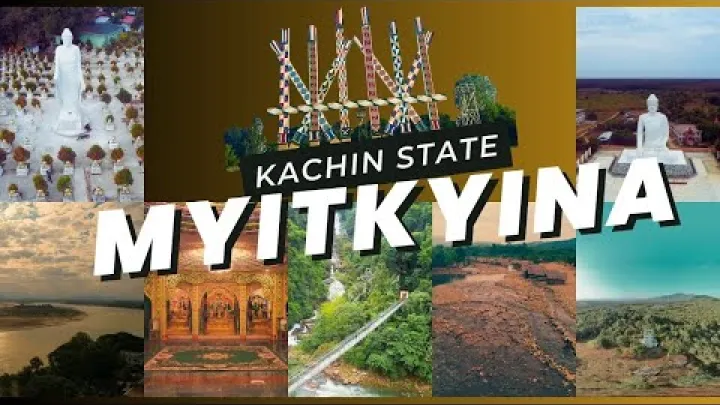
![Preview image for the video "【K】Myanmar Travel-Myitkyina[미얀마 여행-미치나]이라와디 강이 시작되는 미치나/Irrawaddy River/Start point".](/sites/default/files/styles/media_720x405/public/oembed_thumbnails/2026-08/VJELqp88ZlCeHchl1Om3XQM23V_9TuwFFBgz-v39pcA.jpg.webp?itok=mqXvSkyQ "Preview image for the video \"【K】Myanmar Travel-Myitkyina[미얀마 여행-미치나]이라와디 강이 시작되는 미치나/Irrawaddy River/Start point\".")
The Britannica overview notes a broad seasonal contrast near Myitkyina, with the river's lowest level in February and highest level in August. High water does not automatically mean that every river trip is available, safe, or operated on a fixed schedule. River travel should therefore be chosen for its seasonal character, not assumed to be more convenient simply because the water is higher.
Best Months for Lower Costs and Fewer Crowds
There is no reliable Myitkyina-specific price or crowd calendar in the available evidence, so seasonal bargains should not be presented as guaranteed. January festival dates may increase demand for accommodation and local services, but the effect depends on the current program and the size of the event.
Some travelers may find lower demand during the wet season, yet that does not mean every hotel, room type, route, or transport service will be cheaper. Compare current accommodation and transport prices for your exact dates. If budget is the priority, consider late October, March, or a flexible wet-season trip only after checking the practical availability that matters to your itinerary.
Rain, River Levels, and Travel Reliability
Weather affects more than whether you need an umbrella. In Myitkyina, monsoon rain can change walking comfort, riverside plans, city logistics, and the reliability of travel beyond the urban core.
What Monsoon Rain Means Inside Myitkyina
During heavy rain, ordinary city activities can take longer. Streets may be wet, walking speeds may slow, clothing and footwear may remain damp, and high humidity can make even short journeys uncomfortable. Reduced visibility can also affect photography and views along riverside areas. Plan to include sheltered alternatives such as cultural venues, markets, cafés, or rest periods rather than filling every day with outdoor activities.
Myitkyina's setting near the Irrawaddy and the presence of low-lying areas mean that some monsoon rain can become more than a short afternoon inconvenience. A June 2025 report by Mizzima described floodwaters lingering in low-lying parts of Myitkyina. That report illustrates a possible seasonal impact, not a prediction that every wet-season visitor will experience flooding or an emergency.
Seasonal Irrawaddy Conditions Near Myitkyina
The Irrawaddy near Myitkyina follows a broad seasonal water-level cycle. Winter levels are generally lower, with the lowest level noted in February, while late-monsoon levels are higher and commonly peak around August. The period from December to March is therefore associated with lower river levels than the monsoon months.
These changes can influence navigation, riverside activities, and the feasibility of longer river experiences. Lower water may alter channels or access points, while higher water can change currents, banks, and operating conditions. A seasonal water-level pattern is useful background information, but it does not establish a current route, operator schedule, or safe conditions for a particular day.
Roads, Excursions, and Flexible Planning
Heavy rain can make regional road and excursion plans less reliable, especially outside the urban core and on hilly approaches. The practical response is not to assume that every route will close, but to avoid building an itinerary in which one delayed journey causes the rest of the trip to fail.
During the monsoon or unsettled shoulder periods, sequence the most important activities with some flexibility, keep backup city activities available, and leave buffer days for regional travel. Confirm current road, river, and excursion conditions locally before setting out, particularly after heavy rain, and allow extra time for changes to regional plans.
Practical Planning for a Myitkyina Stay
Good timing makes a trip easier, but suitable clothing and realistic planning matter in every season. Pack for the difference between daytime heat, cooler winter periods, sudden rain, and wet walking surfaces.
What to Wear and Pack by Season
- November to February: Pack light layers for cooler mornings and evenings, breathable clothing for warm afternoons, comfortable walking shoes, and sun protection. A light outer layer is more practical than heavy cold-weather clothing.
- March to mid-May: Choose loose, breathable clothing, a hat, sun protection, and a refillable water bottle. Plan for heat rather than assuming that relatively low rainfall will make strenuous activity comfortable all day.
- Mid-May to October: Carry quick-drying clothing, compact rain protection, a waterproof bag for electronics and documents, and footwear with suitable grip for wet surfaces. Pack items that can dry efficiently in humid conditions.
Across the year, avoid relying on a single tropical-weather assumption. Myitkyina can combine warm daytime conditions with cooler winter mornings or sudden wet weather, so a small amount of flexible layering is more useful than packing only one type of clothing.
Climate Averages Versus Live Forecast Needs
Long-term climate averages help compare one month with another, but they cannot predict the weather, river level, flooding, or road condition on a specific travel date. Different climate datasets may also show slightly different values because they use different periods, stations, or calculation methods.
For example, the monthly summary from Climate-Data.org identifies July as the wettest month in its dataset and reports an average of about 585 mm of rainfall. That figure describes a historical monthly pattern, not a forecast for your particular July. Check current official weather and disaster information before departure and again before regional excursions, because live conditions can change the practical advice for a specific day.
Verify Events, Accommodation, and Current Operations
Before finalizing an itinerary, confirm the dates and venue details for the Kachin Manaw festival or Thingyan if either event is central to your trip. Also confirm accommodation availability, current transport operations, and any arrangements for river or regional excursions directly with the relevant local providers.
A seasonal recommendation cannot establish current business hours, event arrangements, route schedules, room availability, or whether a particular excursion is operating. Direct confirmation is especially important for January festival travel and for wet-season plans that depend on river or regional access. Keep the final itinerary consistent with the latest information rather than relying only on a historical weather pattern.
Final Recommendation for Visiting Myitkyina
For the widest balance of comfort, clearer weather, walking conditions, and planning reliability, choose November through February. January adds potential Kachin cultural interest, while late October and March are useful alternatives for greener scenery or warmer, mostly dry days. April is best reserved for travelers who accept strong heat or have a specific festival reason, and June to August is most suitable for visitors who deliberately want monsoon greenery or higher-river scenery.
Use the monthly climate pattern to choose your travel window, then match your clothing, activities, and itinerary flexibility to the season. The final decision should combine the broad November-to-February recommendation with current weather, event, accommodation, and transport information for your exact dates.
Select area
Create a post
Posting is free and no registration is required.