Loikaw Best Time to Visit: Seasons, Weather & Monthly Guide
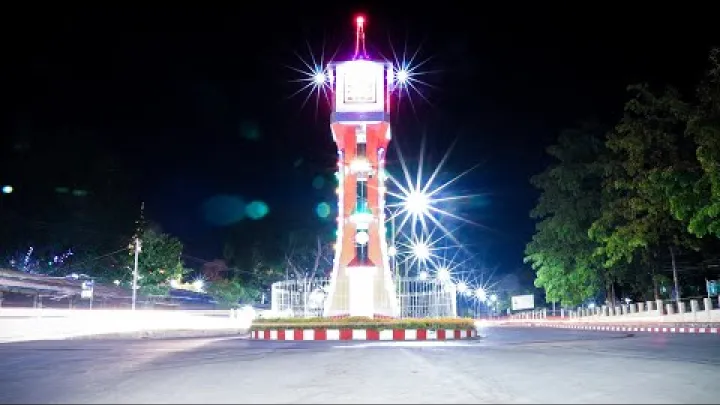
The best time to visit Loikaw depends on how much you value dry weather, green scenery, lower demand or flexible travel plans. Loikaw’s elevated setting in Kayah State gives it cooler nights than many lowland parts of Myanmar, but the monsoon still brings humidity, cloud and periods of heavy rain. For most visitors, November to February offers the easiest combination of comfortable days, low rainfall and reliable conditions. This guide compares every season and month, then matches Loikaw weather with hiking, Taung Kwe Pagoda, town and countryside sightseeing, photography, budgets and practical packing needs.
Quick Answer: When Is the Best Time to Visit Loikaw?
For most first-time visitors, the best overall time to visit Loikaw is November to February. These months usually offer the clearest and driest conditions, comfortable daytime temperatures and easier planning for outdoor sightseeing. They are especially useful if your trip includes walks, visits to Taung Kwe Pagoda, time in Loikaw town and excursions into the surrounding countryside and villages.
Best Overall: November to February
November to February is the most broadly suitable travel window because rainfall is usually low and skies are often clearer than during the monsoon. Days can feel warm or mild in the sunshine, while the lower humidity makes walking and sightseeing more comfortable. The weather pattern is also more dependable for travelers who have only a short stay and cannot easily move an excursion to another day.
Loikaw’s upland setting is important at this time of year. A pleasant afternoon does not mean that the morning or evening will feel tropical. Dawn, sunset and nighttime conditions can be noticeably cool, particularly from December through February. Rooms without strong heating may also feel cool to visitors who are used to warm climates, so a light layer is useful even when the daytime forecast looks warm.
This recommendation is based on a long-term climate pattern, not a promise of perfect weather. Destination guidance from Agoda also identifies November to February as Loikaw’s typical dry-season period. The main trade-off is popularity: this is the preferred weather window, so accommodation availability and prices may be less flexible than in wetter months. That difference is possible rather than guaranteed and depends on current local demand.
Best Shoulder-Season Alternatives
October and March are the most useful shoulder-season alternatives. October usually sits in a gradual shift away from the wettest conditions. The landscape can remain green, temperatures begin to feel easier than in the hot season, and the weather may improve as the month progresses. It can suit visitors who want a fresh landscape and a little more flexibility without choosing the core monsoon.
March is a stronger option for travelers who prefer dry conditions but do not mind warmer afternoons. It is generally drier than April and can work well for walking and cultural sightseeing when activities are arranged around the cooler parts of the day. Early May is a less predictable compromise. It may still include dry intervals, but pre-monsoon storms and the developing southwest monsoon can make conditions change quickly.
Shoulder months may sometimes bring less demand than the November-to-February peak, which can create more choice in accommodation or local arrangements. However, lower prices and smaller crowds should be treated as possibilities, not fixed seasonal rules. October is better for travelers seeking improving access and greenery, March for dry-weather trips with warmer afternoons, and early May only for people who can change plans easily.
Loikaw Climate and Travel Seasons
Loikaw follows the broad Myanmar pattern of a relatively cool and dry season, a hot pre-monsoon period and a rainy monsoon. The national seasonal framework is described by Britannica, while local climate summaries help show how the pattern appears around Loikaw. Exact dates do not repeat in the same way every year, so the seasonal labels are more useful for planning than a rigid start or end date.
| Period | Typical conditions | Best planning fit |
|---|---|---|
| November to February | Cooler nights, warm or mild days, low rainfall and clearer skies | First visits, hiking and reliable sightseeing |
| March to early May | Warmer afternoons, mostly dry March, increasing storm risk later | Dry-weather travelers who manage heat and flexibility |
| Mid-May to October | Frequent rain, high humidity, cloud and greener landscapes | Flexible trips, atmospheric photography and lower demand |
Why Loikaw Feels Different from Lowland Myanmar
Loikaw is an inland city in the elevated Kayah State uplands rather than a lowland tropical city. That setting generally brings cooler nights and more moderate conditions than visitors may expect from Myanmar. The practical result is a larger change between day and night: a sunny afternoon may be warm, while an early morning or evening can feel distinctly cool.
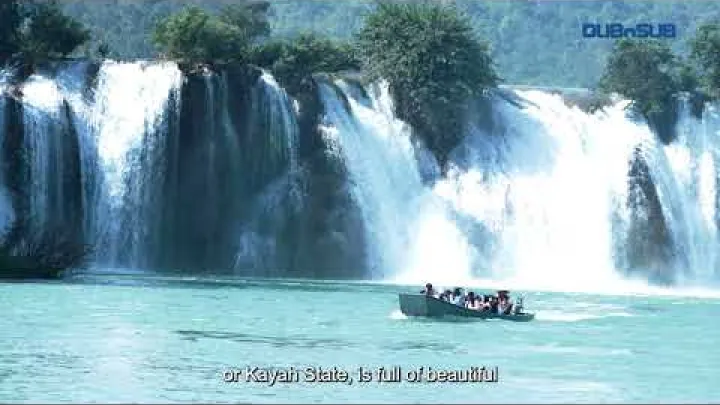
Elevation moderates heat, but it does not remove monsoon conditions. During the rainy season, Loikaw can still experience humidity, extensive cloud, heavy showers, wet paths and reduced visibility. The surrounding uplands may look cooler on a map or in a climate summary, but rural travel can still become slower and less predictable after substantial rain.
For orientation, one available Loikaw climate summary lists a mean yearly temperature of about 21.7°C and annual rainfall close to 1,550 millimetres. These figures describe a particular dataset and baseline rather than a universal official record. They are useful for understanding Loikaw’s moderate upland character, but monthly trends and the live forecast matter more when choosing dates for a specific trip.
Cool Dry Season: November to February
The cool dry season is usually Loikaw’s clearest and most comfortable period. Rainfall is low compared with the monsoon, humidity is lower, and outdoor plans are less likely to be interrupted by long wet periods. The strongest conditions are usually found from late November through February, although November itself can retain some post-monsoon variation.
This season works well for combining several types of activity in one day. You can visit Taung Kwe Pagoda, explore Loikaw town, spend time at local markets and arrange a countryside or village excursion without making every part of the itinerary depend on a rain break. Clearer conditions can also help with views and landscape photography, although visibility is never guaranteed on a particular morning.
The main drawback is the cool start and end to the day. Travelers who pack only lightweight tropical clothing may be uncomfortable before breakfast, after sunset or in rooms that are not designed for cold conditions. For most people, the season is comfortable rather than cold, but the temperature change is an important part of the Loikaw experience.
Hot Pre-Monsoon Season: March to Early May
March and April are generally the warmest part of the year in Loikaw. The elevated setting can make the heat less intense than in some central lowland areas, but sunny afternoons can still feel tiring during long walks or exposed visits. March is usually the drier part of this period. In April, heat tends to build and afternoon thunderstorms become more possible. Early May is a transition rather than a stable continuation of either pattern.
This does not make Loikaw uniformly too hot to visit. Travelers who prefer dry weather, warmer evenings and potentially lower demand may enjoy March, especially if they are comfortable starting the day early. April can also work for visitors who accept heat and occasional storm variation. The most practical approach is to place demanding outdoor activities in the cooler part of the day, use shade during midday and avoid filling every afternoon with exposed activities.
Rainy Monsoon Season: Mid-May to October
From around the monsoon onset in mid-May, rain becomes more frequent. July and August are generally the wettest part of the year in available Loikaw climate summaries, while September can remain wet and October usually begins a gradual transition toward drier conditions. Rain does not necessarily fall continuously every day, but the chance of showers and the number of weather-affected days are much higher than in the cool dry season.
Rain changes more than the appearance of the sky. Cloud can reduce visibility, humidity can make walking feel tiring, and paths outside the town may become wet or muddy. Heavy showers can affect the timing of countryside visits and may make a remote excursion less practical on a particular day. These are possibilities rather than certain closures or disruptions, and conditions can differ between Loikaw town and the surrounding uplands.
The monsoon also has clear advantages. Kayah State’s uplands become greener, vegetation looks more saturated and cloud or mist can create atmospheric conditions for photography. Temperatures may feel more moderate than in March and April, even though the damp air can be uncomfortable. July and August are best suited to travelers who value landscape character and lower demand more than predictable roads, trails and outdoor schedules.
Best Time to Visit Loikaw by Travel Style
The best month depends on the kind of trip you want to make. A traveler taking photographs may accept cloud and rain that would frustrate someone with a fixed countryside itinerary. A short city break benefits from the most reliable weather, while a longer stay can absorb an occasional wet day.
For Hiking and Countryside Excursions
November to February is the strongest period for hiking and countryside excursions around Loikaw and the Kayah State uplands. Lower rainfall usually means firmer paths, lower humidity and more predictable timing. These conditions are useful when a walk or rural visit involves several hours outside the town rather than a short stop near the center.
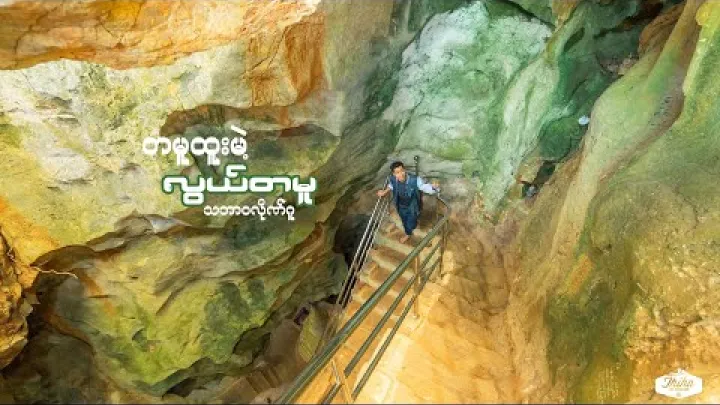
March can also suit dry-weather hikers, but warmer afternoons make route timing more important. During March and April, schedule strenuous walks for the morning or late afternoon, carry enough water and reduce exposure during the hottest part of the day. Shade, rest periods and shorter midday plans can make a greater difference than choosing a particular date within the month.
Monsoon hiking is possible for flexible travelers, but wet paths, mud, cloud and changing access conditions require a different standard of preparation. Do not assume that a route that is comfortable in January will be equally practical in July. Current trail information should guide remote plans, with the local confirmation steps described in the rain-planning section.
For Culture, City Sightseeing, and Short Visits
November to February is the easiest choice for a short cultural or city-based stay. Visitors can usually arrange time at Taung Kwe Pagoda, explore Loikaw town markets and visit nearby cultural places without building the entire schedule around rain breaks. The cooler air also makes walking between stops more comfortable than during the hottest weeks of April.
City sightseeing does not stop during the monsoon. A longer stay can still include town activities and cultural visits by grouping outdoor stops within the most suitable part of the day. Keep nearby or indoor alternatives available for periods of heavy rain. This approach is more realistic than expecting every monsoon day to be unusable, but a short visit still benefits from the more dependable dry-season window.
For Photography and Green Landscapes
November can offer an appealing balance for photographers who want greener scenery after the monsoon but also want conditions to begin improving. The exact mix of greenery, cloud and clear light varies from year to year, so November should be treated as a promising balance rather than a guaranteed photography month.
The dry season generally offers clearer light and better odds of open visibility. Monsoon months can instead bring cloud, mist, saturated vegetation and short openings after rain. Travelers seeking predictable blue skies should favor November to February or, for warmer conditions, March. Travelers who prefer lush and atmospheric landscapes may choose October or a wet-season visit and accept that viewpoint visibility and outdoor timing can change.
For Lower Crowds and Budget Travel
Visitor demand is generally lower during the rainy season than during the popular November-to-February weather window. That may create more flexibility in some accommodation or local transport arrangements, and selected dates in March, October or the wet season can be useful compromises. There is no reliable local price dataset that supports a fixed seasonal discount, so do not assume that every hotel or excursion becomes cheaper.
March can offer a balance of mostly dry conditions and potentially lower demand, while October may combine improving weather with post-monsoon greenery. July and August may suit budget travelers who are comfortable with more weather risk. Lower visitor numbers do not compensate for every access limitation, especially when a rural plan depends on firm paths or a tightly timed road journey.
Month-by-Month Guide to Visiting Loikaw
The month-by-month guide below describes the usual feel of each period rather than a forecast for a particular year. It is best used to choose a travel window and decide how much flexibility to build into your itinerary.
January and February
January and February are at the heart of Loikaw’s cool, dry season. Rainfall is usually very low, skies are often clear or mostly clear and daytime conditions are warm without the full intensity of the pre-monsoon heat. Nights and early mornings are among the coolest of the year.
These months are a strong choice for first-time visitors, hiking, cultural sightseeing and trips that require dependable outdoor scheduling. They are also suitable for combining Taung Kwe Pagoda with Loikaw town and countryside activities. The main preparation point is cool-weather layering for dawn, evening and unheated rooms.
March and April
March begins the shift toward warmer conditions while often retaining relatively dry weather. It is the better of these two months for visitors who want a dry shoulder season and can arrange walks early in the day. Demand may be less concentrated than during the coolest dry-season weeks, but this is not a guarantee of lower prices.
April is usually the hottest part of the year, with a growing chance of pre-monsoon afternoon storms. A storm does not mean that the whole month is rainy, but it makes afternoon plans less certain. April suits travelers who tolerate heat and can use morning sightseeing, shaded breaks and shorter exposed itineraries.
May and June
May is a transition month. Early May may still provide dry intervals, but conditions can change quickly as pre-monsoon storms become more common and the southwest monsoon becomes established. Later May is generally wetter and more humid than the start of the month.
By June, monsoon conditions are usually more established, with increasing rain, cloud and humidity. Daytime heat may feel less extreme, but wet travel days become more likely. May and June are better for flexible visitors interested in green scenery and potentially lower demand than for tightly scheduled rural excursions.
July and August
July and August are generally the wettest months in the available Loikaw climate summaries. Expect frequent rain, high humidity and extensive cloud, with a greater chance that outdoor plans will need to move. This does not mean rain falls continuously every day, but fully dry days are less dependable than in the cool season.
The landscape is often at its lushest during this period, and temperatures can feel moderate despite the damp conditions. Choose July or August if greenery, atmosphere and lower demand matter more to you than predictable roads and trails. Travelers with fixed rural schedules or very little time may prefer to avoid these months.
September and October
September can remain distinctly wet, so it should not be treated as an early dry-season month. Rain and cloud may still affect countryside plans, although the temperature can feel easier than in April. October usually begins a gradual transition toward drier conditions, while greenery remains an important part of the landscape.
October can be an attractive shoulder month for photography and for travelers who want improving access without choosing the busiest weather period. It is not automatically dry, however. Keep backup options for outdoor plans, particularly when traveling beyond Loikaw town.
November and December
November bridges the post-monsoon landscape and the clearer, cooler dry season. Some early or mid-month variation is still possible, but conditions usually become more suitable for outdoor plans as the month progresses. This combination of remaining greenery and improving access makes November a useful balance for many visitors.
December is generally more settled and increasingly dry, with cooler mornings and evenings becoming more noticeable. It is a strong month for sightseeing, hiking and a first visit when dependable conditions are important. As the year moves toward January and February, remember that a warm afternoon does not remove the need for a light layer after sunset.
Practical Planning for a Loikaw Stay
Good timing makes a Loikaw visit easier, but simple preparation matters in every season. Pack for the difference between day and night, allow more time for wet-season plans and use climate averages only as a starting point for decisions.
What to Wear and Pack
Use a season-based packing plan rather than treating Loikaw as uniformly tropical. From November to February, bring light layers, including a sweater or light jacket for cool mornings and evenings. Breathable clothing is still useful for sunny afternoons. Travelers who are sensitive to cold should ask their accommodation about room facilities instead of assuming that every room has heating.
For March and April, choose light, breathable clothing and add sun protection for exposed visits. A hat, sunglasses and sunscreen are practical for walking, viewpoints and countryside stops. For May to October, add reliable rain protection, quick-drying clothing and footwear with useful grip. A compact rain jacket or umbrella can protect a day plan from a passing shower, while an extra dry layer helps after heavier rain.
- November to February: Light layers, a warm top for mornings and evenings, and comfortable walking shoes.
- March to April: Breathable clothing, sun protection and enough water capacity for outdoor activities.
- May to October: Rain protection, quick-drying clothes, secure footwear and a way to protect small belongings from water.
Rain Logistics and Flexible Day Planning
During May to October, place fixed outdoor activities in the most reliable part of your day plan and leave room for delays. A short shower may only require a pause, while a heavy downpour can affect paths, visibility and the timing of a countryside excursion. Avoid making a remote visit the only important activity on a tightly scheduled day.
Wet paths and muddy rural routes can make a journey outside Loikaw take longer than expected. Reduced visibility can also change the value of a viewpoint or landscape stop. City-based plans are easier to adjust, so keep Loikaw town activities or nearby alternatives available when the weather is unsettled.
Before committing to a remote or countryside plan, confirm current road, trail and local excursion conditions with accommodation staff or a local guide. Ask specifically whether recent rain has affected the route you intend to use and whether a different departure time is more practical. Do not assume that a seasonal pattern proves a particular road is closed or open; local conditions are the deciding information.
Climate Averages versus Live Weather Forecasts
Climate averages help answer the question of which month is usually drier, warmer or wetter. They cannot predict the exact rain, temperature, visibility or road conditions for your travel dates. A dry-season average can still include an isolated shower, and a monsoon average can include a useful dry interval.
Before departure, and again before rural excursions, consult Myanmar’s Department of Meteorology and Hydrology for current forecasts and warnings. Use the live forecast to decide what to do on a particular day, and use local accommodation staff or a guide for access information that a weather bulletin may not cover. If a warning or local advice recommends delaying an excursion, treat that as more important than a general monthly expectation.
Different climate websites may show different annual rainfall totals or temperature values because they use different stations, periods, models and calculation methods. This is why a single number should not be treated as Loikaw’s definitive climate record. The consistent planning pattern is more useful: November to February is usually the driest and coolest period, March and April are warmer, early May is transitional, and mid-May through September or October is generally wetter, with a gradual improvement toward October and November.
Conclusion: Choose the Season That Matches Your Priorities
For the best overall balance, choose November to February for a Loikaw trip. You are more likely to have low rainfall, comfortable daytime conditions and reliable opportunities for Taung Kwe Pagoda, Loikaw town, hiking and countryside sightseeing, while still needing a warm layer for cool mornings and evenings.
Choose October or November if green scenery and improving conditions matter, March if you prefer a drier but warmer shoulder season, and the monsoon if you value lush landscapes, atmosphere and flexible low-season travel. If your itinerary depends on rural roads or trails and you have little spare time, the wettest months are less suitable. Whatever month you choose, combine climate patterns with a live forecast and current local access information for the safest and most practical plan.
Select area
Create a post
Posting is free and no registration is required.