Naypyidaw Where to Stay: Best Areas, Hotels, and Base Guide

Choosing where to stay in Naypyidaw is different from choosing a hotel in a compact city center. The capital is spread across functional zones, with wide roads, separated attractions, and limited pedestrian connections between many services. For most first-time visitors, the main Hotel Zone is the most workable base, while Pyinmana, market areas, and conference-oriented locations suit different priorities. This guide compares the main bases, accommodation types, transport needs, walkability, costs, and important checks to make before booking.
Quick Answer: Where Most Visitors Should Stay
For a short sightseeing trip or a first visit, start by comparing properties in the main Hotel Zone. Move toward a market or shopping area if daily food and errands matter most, consider Pyinmana when a lower room rate and local town atmosphere outweigh the commute, and choose a hotel with a dependable route to the Ministry Zone or MICC 1 and MICC 2 for official work.
The Main Hotel Zone Is the Default Base
The main Hotel Zone is the default recommendation because accommodation is concentrated there and road access is generally easier to plan than from a distant residential or outlying property. It is a practical starting point for travelers who want one base for several attractions, business visitors who need hotel transport, and people arriving without a detailed local transport plan. The recommendation is about reducing logistical difficulty, not naming one hotel as the best.
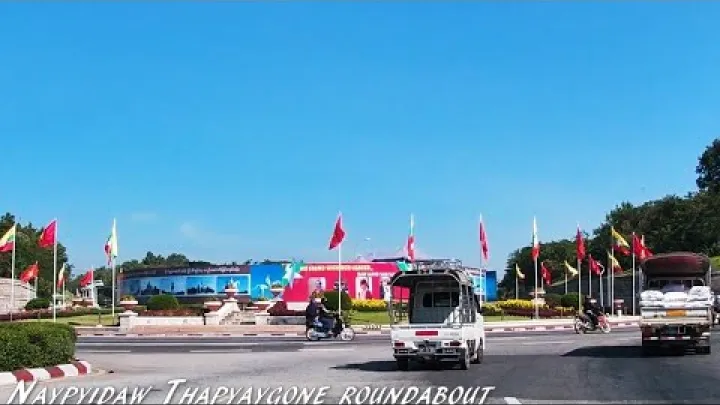
Booking pages such as Agoda show Hotel Zone properties and describe access toward major roads, highway travel, and nearby Junction Supermarket. Treat listing descriptions as useful leads rather than guarantees of current availability or service. The Hotel Zone is not a dense traditional downtown, so most visitors should still expect to use a taxi or private car for attractions, offices, and some meals. Its main advantage is a workable hotel compound and simpler routing, not continuous street life.
Choose a Market or Shopping-Adjacent Hotel for Daily Convenience
A hotel near Thapyaegone Market, Myoma Market, or Junction Supermarket can be more useful than a property that simply carries a city-center label. These reference points may help with snacks, bottled water, basic supplies, casual food, and longer-stay errands. For a traveler staying more than one or two nights, that daily convenience can matter more than a small map advantage to one isolated attraction.
Do not assume that a market or shopping location creates a comfortable walking neighborhood. Wide arterial roads, heat, sparse development, and poor pedestrian routes can make a short map distance feel impractical. Compare the exact walking route with the driving route, ask the hotel whether guests normally walk to the nearby service, and check whether food is available on site. If you do not have a private vehicle, choose a property with verified access to meals, shopping, and a dependable taxi option rather than choosing only by the lowest nightly rate.
How Naypyidaw's Layout Changes the Decision
Naypyidaw's planned layout changes the meaning of central, convenient, and close. A hotel can be near an important destination on a map but still require a vehicle for every practical trip. Choosing a base works better when you identify your main route first and then compare hotels around that route.
Think in Functional Zones, Not a Traditional Downtown
Naypyidaw is commonly described through separate functional areas rather than one mixed historic center. These include the Residential Zone, Ministry Zone, Military Zone, Hotel Zone, Shopping Zone, and an International Zone described in some relocation material. The zones help explain why offices, hotels, shopping, and homes may be separated by broad roads and undeveloped spaces.
A relocation overview from Acs-Ami is useful for understanding this functional pattern, but general relocation information should not be treated as a current legal map. For hotel selection, the practical lesson is simple: choose the zone that supports your daily destination and transport plan. Low density also means that a property can feel isolated even when it is technically within the wider Naypyidaw urban area.
What Central Means for a Hotel Search
In Naypyidaw, central may mean near the Hotel Zone, a shopping area, a major highway, a ministry route, or a conference venue. It does not necessarily mean a compact pedestrian core with restaurants and shops around every corner. A listing that says city center may therefore be less useful than an exact address and a realistic route to your main destination.
Check the map pin against the Ministry Zone, MICC 1, MICC 2, Junction Supermarket, or the attraction you most need to visit. Ask the hotel how long the journey usually takes at the time you expect to travel, and ask whether the route is affected by road access or local conditions. Separate three questions: how close the property looks on a map, how easy the drive is, and whether you can obtain food or transport without advance planning.
Why Attractions Do Not Create One Tourist Neighborhood
Important sights are spread across the wider city. Depending on your plans, you may visit Uppatasanti Pagoda, Naypyidaw Zoological Gardens, the National Museum, Naypyitaw Water Fountain Park, or Yan Aung Myin Golf Course. These places do not form one compact tourist district, so staying beside one sight will not necessarily make the rest of the visit easier.

For that reason, select a base for overall road access, food, vehicle availability, and the quality of the hotel's practical services. Visit attractions as separate trips rather than expecting one property to provide walking access to all of them. Route times can change with the chosen road, weather, traffic, and local access, so use current map directions and hotel advice for the exact day.
Compare the Main Bases in and Around Naypyidaw
The best area depends on the balance between room cost, local atmosphere, transport time, and the reason for your stay. This summary is a starting point; the detailed checks below are more important than the area label alone.
| Base | Best for | Main advantage | Main trade-off |
|---|---|---|---|
| Hotel Zone | First visits and short stays | Concentrated lodging and easier planning | Limited street life and higher rates at some properties |
| Market or shopping area | Meals and daily errands | Better access to supplies | Walking may still be difficult |
| Pyinmana | Lower-cost stays and local atmosphere | More conventional town services | Longer trips to ministries and attractions |
| Ministry or conference route | Official and business travel | More direct work-related journeys | Not automatically a visitor lodging district |
| Residential or outlying area | Selected long stays | May offer a different price or setting | More access and eligibility questions |
Hotel Zone: The Easiest All-Purpose Base
The Hotel Zone is usually the simplest choice for a first visit because it brings several lodging options into a more recognizable accommodation cluster. Some properties cater to official visitors, conferences, and international travelers, and many offer on-site dining or assistance with transport. These features can reduce the number of decisions required when the city is unfamiliar.
The trade-off is that the area may feel self-contained rather than connected to local street life. A resort-style compound can be comfortable but distant from casual restaurants, markets, and ordinary neighborhood activity. Rates can also be higher at some properties, especially when facilities or meeting services are included. Compare the exact hotel, not only the zone, and check dining hours, vehicle arrangements, and the route to your main destination.
Pyinmana: A Lower-Cost and More Conventional Base with a Commute
Pyinmana can appeal to travelers who prefer an older, more conventional town setting, local services, and potentially lower-cost lodging. It is also associated with a railway station and may provide a different everyday atmosphere from the planned hotel compounds. Local recommendations may mention properties such as Myint Mo Nann Motel, but a named motel should be treated as a lead to investigate, not as a quality ranking or a guarantee of current availability.
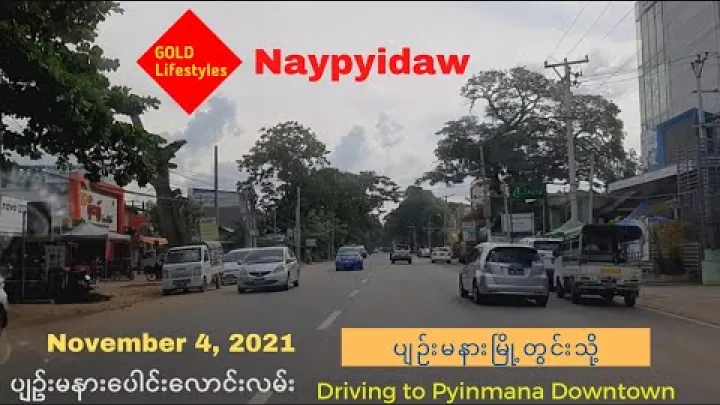
The main cost is the commute. Add regular car or taxi journeys to ministries, conference venues, and attractions before deciding that the lower room rate is cheaper overall. Pyinmana may work for a longer visit with a reliable vehicle plan, but it can be inconvenient for a short official trip or a sightseeing schedule with several destinations. Ask the property about guest acceptance, transport, check-in, and current road conditions before relying on an outlying base.
Ministry and Conference Access
The Ministry Zone is an important destination, but it should not automatically be treated as a normal visitor lodging district. If your purpose is official work, compare hotels by the route to the relevant ministry, MICC 1, or MICC 2 rather than by the neighborhood name shown on a booking page. A hotel that is slightly farther away may still be more practical if it can arrange a dependable vehicle and early departure.

Work-focused checks include breakfast timing, a desk or usable workspace, communication services, meeting rooms, printing support, and staff who can help with transport. Ask about the time needed for early morning journeys and whether the services you need are currently operating. A high star label or international branding does not guarantee that every business facility, restaurant, internet service, or meeting room is available during your dates.
Residential or Outlying Locations: Verify Before Choosing
Residential and outlying locations can look attractive because they may offer lower prices, more space, or a quieter setting. In practice, they can create uncertainty about check-in, local registration, foreign-guest eligibility, food access, and transport after arrival. They may also leave you dependent on a vehicle for every meal and appointment.
Before choosing one, identify the exact address and ask how guests reach the property from the airport, bus stop, or main road. Ask whether food, shops, and a taxi service are realistically accessible, not merely visible on a map. A property outside the main Hotel Zone is not automatically unavailable to foreign travelers, but it deserves more direct questions than a standard hotel listing. The specific passport and registration checks are covered below.
Choose Your Base by Travel Purpose
Start with the purpose of the trip, then compare areas and accommodation types. The following priorities are useful when the map offers many properties but little meaningful neighborhood information.
- For sightseeing, prioritize a central road position, breakfast, on-site dining, and vehicle access to several attractions.
- For business, prioritize the route to the Ministry Zone, MICC 1, or MICC 2 and the hotel's early-morning support.
- For a low-cost stay, compare the room rate with transport, meals, and time spent commuting.
- For a longer stay, prioritize laundry, a refrigerator, workspace, supplies, and reliable meal options.
Sightseeing and a First Visit
The main Hotel Zone is the default base for a first-time sightseeing visit because it is easier to organize than a distant property. You can keep one room while making separate trips to Uppatasanti Pagoda, the zoological gardens, museums, parks, or golf facilities. The value is not that every attraction is nearby, but that hotel staff and drivers are more likely to understand the accommodation area and common visitor routes.
When comparing listings, give priority to four practical features: a workable route to several sights, breakfast or on-site meals, a nearby supply option, and help arranging a taxi or private car. Do not choose a hotel only because it appears beside one attraction. Confirm whether the route is genuinely walkable before treating distance as an advantage, particularly if you plan to return after dark.
Official, Business, and Conference Travel
Business travelers should choose by route reliability rather than by a generic city-center label. Identify whether the daily destination is in the Ministry Zone, at MICC 1, at MICC 2, or elsewhere, then ask the hotel for a realistic journey plan. The most convenient hotel may be the one with an experienced driver and early breakfast, even if another property looks closer on a map.
Check for a desk, stable communication options, breakfast timing, meeting rooms, printing or document support, and staff assistance with transport. These facilities vary by property and may change, so ask direct questions before payment. If you need an early departure, confirm the breakfast alternative, vehicle pickup time, luggage arrangements, and the expected route instead of assuming that normal hotel services will operate at every hour.
The Lowest Practical Cost
The lowest room rate is not always the lowest total cost. A cheaper property in Pyinmana may require repeated car trips to Naypyidaw offices or attractions. A budget hotel near the main lodging cluster may cost more per night but save money on transport, meals, and time. Compare the complete stay using the room total, daily vehicle cost, meals outside the property, and any transfer charges.
An earlier accommodation search snapshot showed some budget listings from about US$25 per night, but that figure is only an indication and is not a current quote. Prices, taxes, availability, and operating status can change. Hostel-style inventory also appears limited in the available accommodation landscape, so budget travelers should not assume that a dormitory bed will be available. A verified private room with clear guest terms is often the safer planning fallback.
Longer Stays and Self-Catering
For a stay of a week or more, a kitchenette, refrigerator, laundry access, workspace, and market access may be more valuable than a pool or large grounds. A property near Thapyaegone Market, Myoma Market, or Junction Supermarket may reduce the need for daily vehicle trips, although the actual walking route still needs checking. On-site dining is a useful backup when shopping or restaurants are not practical.
Self-catering and long-stay categories may show weekly or monthly options, but a category page does not prove that a suitable apartment is currently available. Ask about the length of the agreement, deposit, utilities, housekeeping, kitchen equipment, laundry, registration, payment schedule, and cancellation terms. If those details cannot be confirmed, compare a verified hotel with a refrigerator and practical meal service instead of planning around an unconfirmed apartment.
Choose the Right Accommodation Type and Price Level
Naypyidaw accommodation ranges from large resort-style hotels to local budget properties, while independent apartments and hostels may be less dependable to find. Think of price as one part of the decision. Location, transport, meals, guest eligibility, and current operating facilities can change the real value of every category.
Luxury and Resort Hotels
Travelers looking at the upper end of the market may encounter names such as Aureum Palace Hotel and Resort, Grand Amara Hotel, The Lake Garden Nay Pyi Taw MGallery, PARKROYAL Nay Pyi Taw, and Hilton Nay Pyi Taw. This is an example list, not a ranking. Check each property's current operation, room inventory, and included services for your dates rather than assuming that a familiar name guarantees a particular experience.
Luxury and resort hotels can suit travelers who value landscaped grounds, pools, restaurants, meeting facilities, and a more self-contained stay. They may also work well when comfort and on-site services matter more than local street access. The trade-off is a higher rate and possible isolation from markets, casual dining, and other parts of the city. Include transport in the budget for every trip outside the property.
Mid-Range and Business Hotels
Mid-range hotels can provide a practical balance for travelers who need a private air-conditioned room, Wi-Fi, breakfast, and basic services without paying the highest resort rate. Examples that may appear in accommodation searches include The Hotel Myat Taw Win and Royal Nay Pyi Taw. Use these names as category illustrations rather than universal recommendations, because service quality and operating conditions can change.
Compare verified facilities instead of relying on star labels. Check whether the restaurant, pool, conference room, internet service, English-language assistance, and transport support are actually available during your stay. For business travelers, a reliable workspace and a workable route may be more valuable than decorative facilities. Ask for the full price and current cancellation conditions before choosing between a mid-range hotel and a cheaper property farther away.
Budget Hotels and Local Motels
The budget segment may include local properties such as The Hotel Amara, Myat Nan Yone Hotel, Oattara Thiri Hotel, The Hotel Royal Ace, and The Golden Lake Hotel. Their presence in accommodation searches does not establish a current ranking, open status, room condition, or foreign-guest acceptance. Compare the exact address and current property response rather than choosing from a name alone.
For a budget room, check air conditioning, Wi-Fi, breakfast, room type, water supply, payment method, transport help, and the route to your daily destination. Also ask whether the property is in the main capital area or in Pyinmana, because the same nightly price can produce a very different total cost. If a listing shows a starting rate near the earlier US$25 snapshot, treat it as an indicative starting point and confirm taxes, fees, availability, and cancellation terms directly.
Self-Catering Apartments and Hostels
Self-catering and long-stay apartments can be attractive for travelers who need a kitchen, refrigerator, laundry, or more living space. In Naypyidaw, however, search categories may be broader than the dependable, currently bookable inventory. Confirm that the kitchen contains the equipment you need, rather than assuming that self-catering means a complete kitchen.
Hostel availability also appears limited in the accommodation options considered for Naypyidaw. Do not build an itinerary around a dormitory unless the property confirms the bed, dates, guest documents, and payment conditions directly. When a hostel or apartment cannot be confirmed, a private budget hotel with clear facilities and transport information is a more practical fallback.
Transport, Walkability, and Everyday Comfort
Transport is part of choosing where to stay in Naypyidaw, not a separate detail to solve after booking. The city's scale means that a hotel with a slightly higher nightly price can be better value if it reduces daily vehicle use and makes arrival easier.
Plan on Taxis or a Private Car
Naypyidaw does not have a metro or urban rail spine connecting the main hotel, ministry, shopping, and attraction areas. A local transport overview from Things to Do in Naypyidaw describes taxis and private cars as the practical ways to get around. Availability, fares, payment expectations, and service hours should not be treated as fixed across every route or date.
Ask the hotel to recommend or arrange a current taxi or private-car option before you depend on it. Request an approximate fare structure, whether the driver waits between stops, how payment works, and whether a full-day vehicle is more practical for your itinerary. Add daily vehicle costs to the accommodation budget, especially if you are comparing the Hotel Zone with Pyinmana or an outlying property. A low room rate can lose its advantage when every meal and appointment requires a separate ride.
Check Walkability, Night Access, Noise, and Dining
Wide roads, low density, heat, and long gaps between services can make a hotel that looks central on a map inconvenient on foot. Ask the property for an actual pedestrian assessment: the route to the nearest food, market, supermarket, or taxi pickup; the road crossings involved; and whether guests normally use a vehicle instead.
Night access deserves its own check. Ask about street lighting, practical return options, road-facing rooms, generators, conference events, and other possible noise sources. Do not assume that a sparse hotel area is automatically quiet, comfortable, or suitable for walking after dark. If you do not want to arrange transport for every meal, choose on-site dining or a property near a verified restaurant, market, or shopping cluster.
Match Arrival and Intercity Plans to Your Hotel
Airport, highway, bus, and rail arrangements matter more in a spread-out city, particularly when your hotel is in Pyinmana or outside the main lodging cluster. Before traveling, confirm the exact hotel entrance, the expected airport transfer point, the bus or luxury-bus drop-off location if relevant, and the distance from any railway station you plan to use.
Also confirm check-in time, luggage arrangements, driver contact details, and the route for the final part of the journey. A hotel name may cover a broad area in online searches, so use the exact address and a map pin. Ask about current road conditions and what happens if your arrival is delayed. Flexible planning is useful when transport availability or local conditions can change, but do not assume that a late arrival will be simple without arranging it with the property.
Check Current Conditions and Hotel Details Before You Book
A booking page is only one part of the decision. Current travel conditions, foreign-guest rules, property operations, and transport availability can affect whether a hotel is usable even when a room appears online.
Make a Current Travel and Safety Decision
Travel decisions for Naypyidaw must be based on the latest official government advisory and current local conditions. Advisory material covering the 2025-2026 period describes serious Myanmar-wide concerns related to political instability, natural disasters, and health conditions; a travel overview from Go Myanmar Tours is a useful reminder to review those issues, but it is not a substitute for a current official advisory.
Decide first whether the trip is necessary and whether the route is practical. Check the latest advice from your government, local conditions along the intended route, transport status, and any restrictions affecting the destination. Do not describe a neighborhood as safe simply because it is called a Hotel Zone or because an individual traveler had an uneventful visit. The comfort, security measures, and staff quality of one hotel cannot remove destination-level risks. If you proceed, consider flexible booking terms and avoid paying for a non-refundable stay until the decision is current.
Verify Foreign-Guest Eligibility and Registration
Ask the property directly whether it currently accepts foreign guests and whether it can complete the required registration for your passport. This is especially important when comparing hotels outside the main Hotel Zone, including Pyinmana, residential areas, and properties that appear under a broad Naypyidaw location label.
Request the exact address and ask which documents are needed at check-in. Confirm how passport details are recorded, whether the booking platform is sufficient, and whether any local or administrative restriction affects your stay. Relocation descriptions of Naypyidaw's zones can help explain why rules may differ by location, but they are not a replacement for a current property response or official guidance. A room shown as bookable online is not, by itself, proof that the property can host every traveler.
Confirm Live Price, Facilities, and Cancellation Terms
Hotel counts, prices, star labels, room categories, availability, and operating facilities can change. Before payment, compare the displayed total with the property's direct confirmation and make sure the room shown is the room you will receive. Keep the hotel's current phone number or messaging contact and ask for written confirmation when the stay is important.
- Confirm the total price, taxes, fees, currency, and payment method.
- Confirm the room type, air conditioning, Wi-Fi, meals, water supply, and any required equipment.
- Confirm check-in time, passport or registration documents, foreign-guest acceptance, and late-arrival arrangements.
- Confirm transport help, airport or bus access, and the exact property address.
- Confirm cancellation, refund, modification, and no-show terms.
- Keep a backup property if the stay depends on current operating conditions or a time-sensitive business appointment.
Bottom Line: Where to Stay in Naypyidaw
For most first-time visitors, the main Hotel Zone is the best starting point because it offers the clearest lodging cluster and the simplest transport planning. Choose a market or shopping-adjacent property when daily supplies and meals matter most, Pyinmana when lower cost and local town access justify the commute, and a route-oriented hotel near the Ministry Zone, MICC 1, or MICC 2 for official work. Whichever base you choose, judge the complete stay by transport, food, walkability, guest eligibility, current facilities, and cancellation terms rather than by a map label or nightly rate alone.
Select area
Create a post
Posting is free and no registration is required.