Naypyidaw Budget: Daily Travel Costs and Price Guide

Naypyidaw, also written Nay Pyi Taw, can look inexpensive on a hotel listing yet cost more to explore than its room price suggests. The main reason is the city's spread-out layout: a low room rate does not automatically mean a low Naypyidaw travel budget when attractions, markets, and meals require vehicle travel. As a starting point, plan about US$25–40 per person per day for lean travel, US$45–80 for mid-range travel, and US$90–150 or more for comfortable travel, excluding intercity arrival and departure fares. This guide explains the assumptions behind those ranges and shows how to update them for your dates, room occupancy, transport plan, and payment method.
Naypyidaw Budget at a Glance
The most useful Naypyidaw budget is a range rather than one city-wide average. Accommodation can be reasonable, but the final amount depends heavily on whether you share a room, eat near your hotel, use a private vehicle, and visit paid attractions. The figures below are planning bands for one person on a normal city day, not guaranteed prices.
Indicative Daily Budget Bands
| Travel style | Accommodation share | Meals and drinks | City transport | Sightseeing | Contingency | Working total |
|---|---|---|---|---|---|---|
| Lean | US$15–25 | US$6–10 | US$2–6 | US$0–4 | US$2–5 | US$25–40 |
| Mid-range | US$22–35 | US$10–18 | US$8–18 | US$2–8 | US$3–8 | US$45–80 |
| Comfortable | US$40–65 | US$18–30 | US$15–30 | US$5–15 | US$8–15 | US$90–150+ |
The category figures overlap because they are flexible allowances, not fixed invoices. A lean traveler may spend nothing on admission but more on a necessary ride. A comfortable traveler may pay less for a room during a quiet period but spend more on hotel dining or a private car. Intercity bus fares, airport transfers, visas, flights, and major shopping are not included in the daily totals.
What the Daily Figure Includes
These ranges are stated per person per day. The accommodation line assumes that two people share one room, so a US$50 room contributes US$25 per person. A solo traveler pays the full room rate unless a suitable single-room option is available, while a group can reduce the room share but may need a larger vehicle.
The daily figure covers a normal overnight stay, meals, movement within Naypyidaw, selected sightseeing, and a small contingency. It does not mean that every category must be spent each day. For example, a day at a free landmark can offset a day with a paid attraction, and a hotel near practical food options can reduce the transport allowance.
Keep one-time costs separate from recurring costs. Add the Yangon–Naypyidaw or Mandalay–Naypyidaw fare once for the arrival or departure journey instead of adding it to every day. Also keep an adjustable reserve for vehicle changes, exchange-rate movement, unexpected fees, and a room or ticket that is no longer available.
How the Three Naypyidaw Budget Levels Work
The three levels describe choices rather than fixed classes of traveler. The same hotel can fit different budgets depending on whether the room is shared, the same vehicle is shared with others, and how many attractions are included.
Lean Budget Travel
Lean travel combines a lower-priced available room, local meals, free or low-cost sightseeing, and limited paid driving. It is most realistic for a traveler who plans activities by area, avoids repeated cross-city trips, and accepts that the lowest advertised room may not be the most convenient base.
The lean band should not assume a large hostel network, reliable walkability, or a cheap point-to-point taxi for every journey. If a hotel is far from food or the day's attractions, a room that saves US$10 can create a larger vehicle bill. The practical compromise is to choose one or two main sightseeing areas, eat near the accommodation when convenient, and treat paid transport as the scarce part of the budget.
Mid-Range Naypyidaw Travel
Mid-range travel usually means a comfortable private room, regular local meals, a realistic allowance for city transport, and selected paid attractions. It gives more freedom to change plans and is often the most useful planning level for a first visit because it does not depend on finding the absolute cheapest room or walking between distant locations.
A sample mid-range day might include a shared private room, two or three ordinary meals, one or more planned vehicle movements, and an admission allowance. One day with a hired vehicle can move the total toward the upper end of this band, especially if the traveler pays alone. Conversely, two people sharing the room and car can bring the per-person cost closer to the lower or middle end.
Comfortable or Resort-Style Travel
Comfortable travel adds a better hotel or resort property, more private transport, hotel dining or cafés, and a broader sightseeing allowance. It is not defined only by the room. A comfortable plan may mean paying for convenience, air-conditioned transfers, flexible timing, and fewer compromises about where to eat.
A resort property may provide useful facilities, but its location can increase the need for a car or make hotel dining the simplest option. The upper range can pass US$150 per day when a traveler pays for a private vehicle extensively, chooses a higher-priced room, eats most meals at the hotel, or travels during a high-demand period. Treat each upgrade as a separate decision rather than assuming that every resort-style feature is necessary.
Accommodation Costs in Naypyidaw
Accommodation is often the easiest cost to compare because booking pages show a nightly figure. It is not always the largest part of the final budget, however. A lower room rate can be offset by repeated rides to Thapyaygone Market, restaurants, Uppatasanti Pagoda, or other attractions.
Budget Rooms, Hotels, and Resort Properties
An available Agoda booking snapshot reports an average of about US$55 per night for cheap hotel rooms in Nay Pyi Taw. This is a booking-site benchmark, not a city-wide rate. It can change with dates, occupancy, location, taxes, and availability.
An Expedia hotel page advertises Naypyidaw rooms from about US$39. A separate booking snapshot showed an individual property around €60 for one night for two adults. These figures illustrate the spread between a starting price, an average-style result, and an individual listing; they should not be combined into one typical nightly rate.
When comparing a room, record the exact dates, number of adults, room type, currency, taxes, breakfast, cancellation terms, internet access, and any pickup service. A displayed price may be for the room rather than for each person. Do not convert an older Myanmar kyat price into US dollars without also recording the exchange-rate context, because the dollar equivalent may no longer describe what you will pay.
Listings also show that Naypyidaw accommodation can include formal hotels and resort-style properties alongside more basic local options. Read the description for location and included services rather than treating the word budget as a guarantee of low total spending.
Choosing a Base for Lower Total Cost
Compare a room by using this simple question: what will the room plus the likely daily transport cost? A property with a higher nightly rate may be cheaper overall if it has practical food nearby, a reliable pickup arrangement, or easier access to the places on your itinerary.
Thapyaygone Market can be a useful local anchor when you want to look for everyday food and activity, while Uppatasanti Pagoda, National Landmark Garden, and Naypyidaw Zoological Garden may require a different transport plan. The point is not to assume that one area is always cheapest. Use the map, ask the property about nearby services and vehicle arrangements, and compare the total cost for your specific schedule.
For a short stay, convenience can matter more than a small room-rate difference. For a longer stay, the balance may change: a room with reliable internet, breakfast, laundry, or a comfortable workspace can reduce other daily costs. Confirm which services are actually included rather than adding them to the budget as assumptions.
Food and Drink Prices in Naypyidaw
Food costs vary with location as much as with the meal itself. Local restaurants and market stalls may support a lower food allowance, while cafés and hotel restaurants can be more convenient when the city layout makes another ride impractical.
Local Meals, Cafés, and Hotel Dining
Separate three food categories in your worksheet: inexpensive local meals, café meals and drinks, and hotel or resort dining. A provisional starting assumption is about US$2–4 for an inexpensive meal or simple café spend, with roughly US$14 for a dinner for two sometimes used as an initial planning figure. These are placeholders, not verified Naypyidaw-wide menu averages, so do not treat them as a current price list.
Always distinguish a meal for one from a meal for two. Also separate food from bottled drinks, coffee, desserts, service charges, and hotel dining supplements. A cheap lunch can fit the lean band, but several café visits or hotel dinners can move the daily food total toward the mid-range or comfortable allowance.
Thapyaygone Market and local eateries may be useful places to look for practical food options, but opening times, available dishes, hygiene conditions, and payment methods can differ by business. A hotel restaurant may cost more while saving a vehicle trip. The right comparison is the meal price plus the cost and time of reaching it.
Food-Saving Choices That Fit the City Layout
Choose meals near the accommodation or near the day's main attraction when the alternative is a separate vehicle journey. This does not mean every meal must be bought at the hotel. It means that a lower menu price farther away is only a saving if the added transport cost does not consume the difference.
- Plan one food area for several meals when its opening hours match your schedule.
- Ask whether a market stall or restaurant accepts your intended payment method before ordering.
- Use a hotel breakfast only when its price and convenience are better than the alternatives available near your first activity.
- Keep drinks and café stops in a separate line so they do not disappear inside an unrealistically low meal estimate.
These choices work best when they are linked to a specific cost driver. Saving on lunch may help little if it requires a long private-car trip, while paying slightly more for a nearby meal may keep the full day within budget.
Transport and Distance Costs
Transport has two separate parts in a Naypyidaw budget: getting to the city and moving around it. Intercity travel is usually a one-time cost, while local transport can recur several times in one sightseeing day.
Getting to Naypyidaw and Intercity Fares
Keep Yangon–Naypyidaw and Mandalay–Naypyidaw bus fares outside the normal city-day total. Add the fare once for the relevant journey, then add any terminal transfer, baggage charge, meal stop, or overnight accommodation required by the travel schedule.
JJ Express lists Naypyidaw among its major-city destinations and indicates that it operates mostly night buses. Route availability is useful for planning, but the operator page should not be treated as a permanent fare table. Older travel discussions can show dollar amounts that no longer match the date, departure point, seat type, or payment conditions.
Before booking, confirm the current bus fare, departure point, baggage terms, departure time, ticket availability, and payment method directly with the operator. Ask whether the quoted amount includes any booking or holiday surcharge. Keep the confirmed fare in Myanmar kyat in your worksheet and treat a dollar conversion as a display estimate only.
If you arrive by bus and immediately begin sightseeing, separate the intercity journey from the local vehicle allowance. Otherwise, a travel day can make an ordinary Naypyidaw daily budget look unusually high.
Why Local Transport Can Change the Daily Total
Naypyidaw's hotels, administrative areas, residential zones, markets, and attractions are spread across a broad planned urban area. That makes walking between every useful stop less practical than it would be in a compact city. The result is a wider range of possible local transport costs even when two travelers stay in rooms with similar prices.
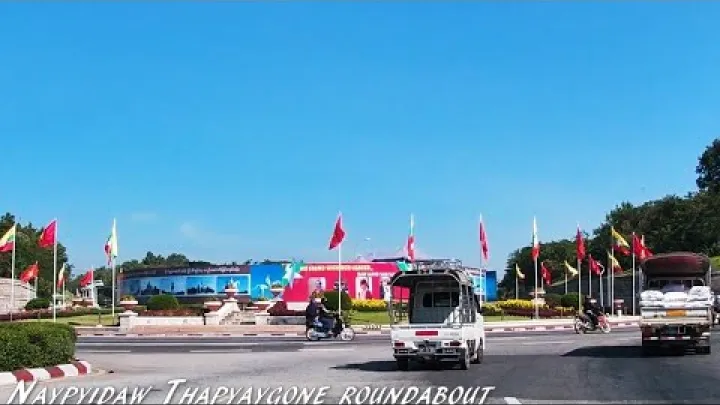
A low-driving day might involve one short transfer and mostly time at a nearby hotel or attraction. A middle-cost day might use one vehicle to connect several planned stops. A high-cost day may involve repeated taxis, a driver waiting during visits, or a private car traveling between separated areas. Use the lower, middle, or upper part of the transport allowance according to that pattern rather than assuming a single average taxi fare.
Uppatasanti Pagoda, National Landmark Garden, and Naypyidaw Zoological Garden can be used as planning anchors, but the budget question is how many separate vehicle movements they create. Grouping stops by area may matter more than adding another low-cost attraction to the list.
Comparing Taxis, Private Cars, and Shared Travel
Point-to-point taxis can work when you have one clear journey and do not need the driver to wait. A hired vehicle can be easier to budget when several attractions are spread out, because one agreed arrangement may be more predictable than a series of unpriced rides. Shared travel is often the most important factor: the same vehicle cost divided among two or more people can change the per-person total substantially.
- Choose a taxi for a simple transfer when the destination, pickup, and final price are clear.
- Choose a private car when you need several stops, flexible timing, or waiting during visits.
- Share a vehicle when your itinerary matches another traveler or group and the arrangement is reliable.
- Keep transfers separate from sightseeing. An intercity or airport transfer may not be included in a daily vehicle quote.
Obtain a current taxi or private-car quote before committing to sightseeing transport. The quote should state whether waiting time, fuel, parking, tolls, and return travel are included, and whether the price covers the whole vehicle or each passenger. Ask how the driver calculates extra stops or late returns. Without those details, a low headline price may not be comparable with another quote.
Sightseeing and Other Daily Costs
Sightseeing costs include more than admission. A free landmark can still require a paid ride, while a paid attraction near your base may be cheaper overall than a free site across the city.
Free and Paid Attractions
Use Uppatasanti Pagoda, National Landmark Garden, and Naypyidaw Zoological Garden as three different sightseeing anchors in your worksheet. A major pagoda visit may be free or low-cost in some circumstances, while organized gardens and zoological sites may have separate admission rules. Do not treat either category as permanent without checking the current local conditions.
For each attraction, record the entrance fee, any local or foreign visitor difference, opening hours, closure days, ticket restrictions, and the transport required. Also check whether a ticket covers only entry or includes a particular exhibit or activity. A fee that looks small can become a meaningful part of a short trip when combined with a private vehicle.
Before visiting, check the current admission fee and opening status for each named attraction. If access details are unclear, keep the attraction in the budget as a provisional line rather than promising that it is free or open on your travel day.
Small Expenses Travelers Often Forget
Keep a separate small-expenses line for mobile data, laundry, drinks, tips where customary, exchange losses, and unexpected booking or transport charges. These items do not need to be inflated, but they should not be hidden inside an unrealistically low food or hotel estimate.
Separate recurring costs from one-time purchases. Mobile data may recur daily or be bought as a package, while laundry may occur once during a longer stay. An extra vehicle change or booking fee belongs in the contingency line. The longer the stay, the more important it is to multiply recurring costs instead of treating them as one-off expenses.
What Makes a Naypyidaw Trip More Expensive
The largest changes usually come from timing, transport choices, room occupancy, and currency conversion. These factors can affect a trip even when restaurant and attraction choices remain the same.
Peak Periods, Weekends, and Events
Hotel availability and transport fares can change around public holidays, weekends, conferences, and major events. A room that fits the mid-range band on a quiet date may be unavailable or more expensive when demand rises. A private vehicle can also cost more when many visitors need the same service.
A report by The Global New Light of Myanmar described highway express fares reaching as high as K17,000 during the Myanmar New Year holiday when passengers did not book in advance. This is a date-specific example, not a forecast for every route or holiday, but it shows why intercity transport should not be copied from an old budget.
Compare the same hotel, room occupancy, bus service, and cancellation terms across several dates before finalizing the plan. If an event affects the city, increase the availability reserve rather than assuming that the lowest displayed price will remain open.
Exchange Rates, Cash, and Card Payments
US dollar figures are useful for international comparison, but they can become unreliable when official, market, and transaction rates differ or change quickly. The underlying local price may be unchanged while its dollar equivalent moves. Record the date, currency, exchange rate, and any fee whenever you convert a price.
Build the working budget primarily in Myanmar kyat. Check current legal exchange rules through a recognized bank or official information source, and ask each hotel, operator, or attraction whether cards are accepted before relying on electronic payment. Keep enough kyat for the planned stay and an emergency cash reserve for transport or businesses that do not accept cards. Do not base the trip on an illegal, unverified, or informal exchange arrangement.
Keep currency uncertainty separate from the local price. For example, write the hotel as a kyat amount with a dated US dollar display estimate, then update the conversion without changing the room price line. This makes it easier to recalculate the budget when the exchange rate changes.
How to Save Without Underbudgeting Transport
- Compare total base cost: add the room rate, likely rides, and nearby food options before choosing the cheapest listing.
- Cluster sightseeing: place Uppatasanti Pagoda, National Landmark Garden, or the zoological garden into a practical day plan instead of making separate cross-city journeys without a reason.
- Share private transport: divide an agreed vehicle cost among travelers who have compatible schedules, while keeping the inclusions clear.
- Use practical food choices: choose local meals or nearby cafés when they reduce a separate ride, but do not assume that every market or eatery is open or accepts cards.
- Use free or lower-cost sights selectively: savings are real only after adding the transport needed to reach them.
- Compare intercity dates: secure a suitable bus option early when a holiday or event may affect availability, without assuming that advance booking always guarantees the lowest fare.
Each saving has a trade-off. Spending slightly more on a convenient base may reduce vehicle use, while spending less on a room may be worthwhile for a traveler who already has shared transport and plans to stay out all day.
Build a Realistic Naypyidaw Trip Budget
A useful worksheet makes every assumption visible. Start with accommodation share, add meals, city transport, activities, and contingency, then add intercity fares separately. The formula is: accommodation share plus meals plus city transport plus activities plus contingency, followed by one-time arrival and departure costs.
A One-Day and Multi-Day Budget Worksheet
The following example uses a US$55 room price and illustrative allowances of US$15 for meals, US$15 for city transport, US$5 for activities, and US$7.50 for contingency. It is a calculation model, not a current quote. The room price is divided between two people, and intercity fares are excluded from the city totals.
| Scenario | Daily calculation | Three-day city total | Five-day city total |
|---|---|---|---|
| Two people sharing | US$27.50 room share + US$15 meals + US$15 transport + US$5 activities + US$7.50 reserve = about US$70 each | About US$210 each | About US$350 each |
| Solo traveler | US$55 room + the same variable costs = about US$97.50 | About US$292.50 | About US$487.50 |
| Two people with a private-car day | Base of about US$70 each, plus the agreed vehicle cost divided by two on each car day | US$210 plus vehicle shares | US$350 plus vehicle shares |
The solo example shows why a room that looks affordable per night can place one traveler above the mid-range band. The private-car example shows why transport should remain an adjustable line rather than being hidden in the hotel or activity estimate. If only one of three days uses a car, add the vehicle share once; do not multiply it across the whole stay.
Turning Price Checks into a Final Budget
- Set the basis: write the travel dates, number of travelers, room occupancy, currency, and number of nights.
- Record accommodation: use the exact room total and note taxes, breakfast, cancellation terms, and included services.
- Plan movement: divide local transport into low-driving, shared-vehicle, or private-vehicle days, and keep intercity journeys as one-time costs.
- Price food and activities: use a food allowance that matches your preferred meal type and list each attraction separately from its transport.
- Label confidence: mark an exact booking or operator quote as confirmed, a broad budget band as indicative, and an unpriced taxi, vehicle, or admission as needing a local check.
- Recalculate: update the total when room occupancy, travel dates, transport arrangements, admission fees, or the currency conversion changes.
A final worksheet should show both the local amount and the international display amount, with the conversion date beside it. This prevents a stale dollar estimate from hiding a change in the actual kyat price. It also makes it clear which assumption is responsible if the final budget rises.
Final Naypyidaw Budget Takeaways
A practical Naypyidaw travel budget starts at about US$25–40 per person per day for lean plans, US$45–80 for mid-range travel, and US$90–150 or more for comfortable or resort-style travel. These figures work only when their assumptions are clear: shared or solo accommodation, local or hotel dining, low or high vehicle use, and free or paid sightseeing.
Keep Yangon–Naypyidaw or Mandalay–Naypyidaw fares outside the normal daily total, and pay special attention to local transport because the city's dispersed layout can change the cost more than a small difference in meal prices. Choose a base by total daily cost, keep a separate contingency, and update the worksheet in Myanmar kyat using current hotel, operator, attraction, payment, and exchange information.
Select area
Create a post
Posting is free and no registration is required.