Takamatsu Where to Stay: Best Areas for Every Trip
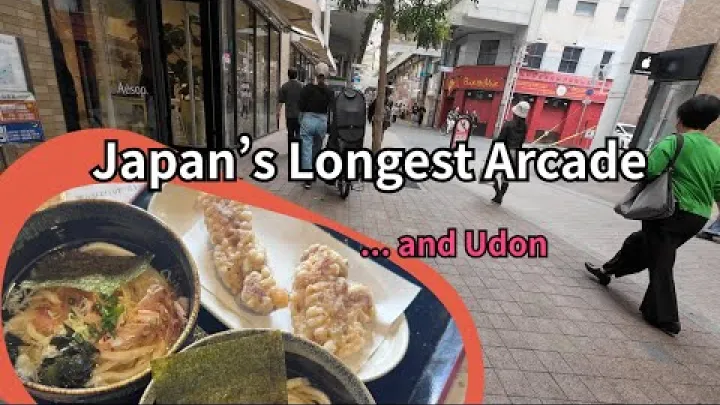
![Preview image for the video "[4K/HDR] Evening Walk in Takamatsu Japan Dusk to Night Retro Shopping Arcades".](/sites/default/files/styles/media_720x405/public/oembed_thumbnails/2026-08/3kMCSd2douyh-uZLk_N97fbxEJVDhcZ3Dg6koliZRFU.jpg.webp?itok=kSPNtl9B "Preview image for the video \"[4K/HDR] Evening Walk in Takamatsu Japan Dusk to Night Retro Shopping Arcades\".")
Where to stay in Takamatsu is mainly a base-selection question, not a contest between hotel brands. The clearest choice for many visitors is between the JR Takamatsu Station and Sunport area, with convenient access to rail and the port, and Kawaramachi, with stronger access to central dining, shopping, and evening activity. Quieter options near Ritsurin Garden, Yashima, and Shionoe Onsen suit different trip purposes but involve different transport trade-offs. This guide compares access, walkability, noise, relative cost, accommodation types, and island-trip planning so you can choose a stay that fits your itinerary.
Where to Stay in Takamatsu: The Quick Decision
Takamatsu is a practical base for exploring Kagawa and the Setouchi area. Japan Travel describes the city as a lively port town and a gateway to nearby islands. That location makes transport an important part of choosing accommodation, especially if your plans include an early ferry, a JR train, or a day trip beyond central Takamatsu.

The Best Default Base for First-Time Visitors
For most first-time visitors, begin by comparing two areas: the JR Takamatsu Station and Sunport zone, and Kawaramachi. Staying near JR Takamatsu Station or Sunport is the simplest option when you will use ferries, trains, or an airport bus. It also works well for luggage-heavy arrivals, short stays, and itineraries with several regional day trips.
Kawaramachi is the stronger choice when your main goal is to eat out, shop, and experience a more active city center in the evening. The central arcades, including Marugamemachi Shopping Street and nearby streets such as Lion Street, put more restaurants and shops within an easy evening walk. The trade-off is that the port and main JR station are less immediate than they are from Sunport.
There is no universal winner for safety, luxury, or value. The best Takamatsu hotel area depends on your departure time, evening habits, preferred noise level, and room budget. For a first visit with both city sightseeing and island travel, the station and Sunport area is the safest default in terms of logistics. Choose Kawaramachi instead when central dining and evening atmosphere matter more than the shortest route to the port.
Match Your Base to Your Main Priority
Use four questions to narrow the choice. How much onward transport will you use? Do you want to walk to dinner after dark? Do you sleep better near a quiet waterfront or in an active central district? Finally, does the area offer enough available rooms for your dates and room type at a price you accept?
| Main priority | Area to compare first | Main benefit | Main trade-off |
|---|---|---|---|
| Early island departure | JR Takamatsu Station and Sunport | Closer to the port and rail area | Quieter evening atmosphere |
| Food and nightlife | Kawaramachi | Arcades, restaurants, and shops | Less immediate port access |
| Garden-focused stay | Ritsurin Garden vicinity | Greener and more residential setting | Smaller lodging and dining choice |
| Views or hot springs | Yashima or Shionoe Onsen | Scenery or a dedicated retreat | Less practical for daily city transport |
JR Takamatsu Station and Sunport: Best for Ferries and Transport
The station and waterfront area is the most useful base for travelers who want to reduce transfer friction. It is also the easiest area to understand on arrival because several important landmarks sit in the same broad central zone.
Access to Takamatsu Port, JR Trains, and the Airport Bus
Place these anchors on a map before choosing a hotel: JR Takamatsu Station, Takamatsu Port, Sunport Takamatsu, Takamatsu Castle park, and Kotoden Takamatsu-Chikko Station. Their relationship is more useful than a broad label such as “near Takamatsu.” A hotel can be in the station area but still require a longer walk to the exact ferry terminal or airport-bus stop.

JR Takamatsu Station is the natural reference point for arrivals and departures by train. Takamatsu Port is the key reference point for island travel, while Sunport Takamatsu provides a waterfront orientation. Takamatsu Castle park is another helpful landmark when comparing the north side of the central area. Kotoden Takamatsu-Chikko Station is relevant for travelers using the local Kotoden network.
If you arrive through Takamatsu Airport, identify the airport-bus stop that serves the selected property rather than assuming that every station-area hotel has the same access. Check the route from the stop with your luggage, including crossings, stairs, and the hotel entrance. This is especially important for late arrivals or travelers carrying large bags.
| Anchor | Why it matters | What to compare |
|---|---|---|
| JR Takamatsu Station | Regional rail arrivals and departures | Hotel route, luggage handling, and local connections |
| Takamatsu Port | Island departure area | Exact terminal, sailing, and morning access |
| Sunport Takamatsu | Waterfront orientation | Distance from the property to the station and port |
| Takamatsu Castle park | Central sightseeing landmark | Whether the setting suits a quieter evening |
| Kotoden Takamatsu-Chikko Station | Local rail reference point | Connection to the selected sightseeing route |
| Takamatsu Airport bus | Airport transfer option | Exact stop and walking route for the property |
A map can confirm geographic relationships, but it cannot confirm departure times, service frequency, or operating conditions. Treat those as separate transport questions when building the itinerary.
The Station Area's Atmosphere, Lodging Mix, and Trade-Offs
The station and Sunport cluster has a strong supply of business and mid-range hotels. Travelers can also find some upscale and budget choices, although the exact selection changes with dates, events, room type, and availability. The area is designed for practical arrivals, so predictable check-in arrangements, compact rooms, and standard hotel facilities are common features of the market.
The main advantages are simple arrival, access to rail and port routes, waterfront surroundings, and proximity to Takamatsu Castle park. This is a particularly good fit when you have an early start, only one or two nights in the city, or luggage that you do not want to move through a busy shopping district.
The main trade-off is atmosphere. Even when the area has restaurants, it may feel quieter at night and offer less immediate dining and bar variety than Kawaramachi. Do not assume that it is always cheaper. Compare the exact dates, room type, breakfast plan, and cancellation conditions across both central areas.
Station and Sunport strengths: efficient transport, easy orientation, practical hotel supply, and a good starting point for island departures.
Station and Sunport trade-offs: fewer evening choices immediately outside some properties and a less active nightlife setting than Kawaramachi.
A listing such as Hotel AreaOne Takamatsu can illustrate the type of simple station-area accommodation available. A Booking.com station-area listing describes it as a short walk from JR Takamatsu Station. Use examples like this to understand the location and accommodation style, not as a universal ranking of the area.
Kawaramachi and the Central Shopping Arcades: Best for Dining and Nightlife
Kawaramachi is the better base when the city itself is the main part of the evening. It combines local transport access with the central shopping arcades and a wider choice of restaurants, cafes, bars, and shops than the quieter waterfront setting.
Central Arcades for Dining, Shopping, and Walkability
Use Kawaramachi Station, Takamatsu Central Shopping Area, and Marugamemachi Shopping Street as the main anchors when searching for accommodation. The covered arcades make it easier to combine shopping, meals, and short walks in one central setting. This is useful in wet weather and for travelers who prefer not to plan every meal around a train or taxi ride.
The central arcades are also useful for visitors who want flexible evenings. You can return to the hotel between activities, choose a restaurant after seeing the area, or walk through several shopping streets without making a separate sightseeing journey. A property directly on a busy arcade will feel different from one on a quieter side street, even if both are marketed as Kawaramachi accommodation.
Kawaramachi remains a convenient city base, but access to JR Takamatsu Station and Takamatsu Port is less immediate than from Sunport. Compare the actual route for the selected property rather than relying on a broad district name. The same approach applies to cost: a central shopping-area stay is not automatically more expensive or cheaper. Current prices can overlap with station-area hotels, especially when room type and demand differ.
An area search around Marugamemachi can help show the range of properties near the arcades. For example, Expedia provides a lodging search focused on this shopping street. Use the map to separate hotels on active streets from those on nearby side roads.
Nightlife, Noise, and Evening Comfort
Kawaramachi, Lion Street, and nearby entertainment streets generally provide more late-evening activity than the station waterfront. That can be an advantage for solo travelers who want a meal without returning early, couples who enjoy city walks, and visitors who want local atmosphere close to the hotel.
The same activity can create noise differences from one block to another. A room facing a busy arcade, restaurant entrance, road, or nightlife street may have a different experience from a room on an upper floor facing a side street. Ask whether the property can note a quiet-room preference, but do not assume that the request can be guaranteed.
Do not use a general district label as a safety ranking. The available information does not support an authoritative comparison of crime levels between Kawaramachi and the station area. Instead, read recent reviews for the exact property and its street. Look for repeated comments about nighttime noise, the entrance route, nearby activity, and how comfortable guests found the walk from the main street. Choose a side street, an upper floor, or a room away from active frontage when sleep is more important than being directly above the evening action.
Ritsurin Garden, Yashima, and Shionoe: Quieter and Scenic Alternatives
These areas can make a Takamatsu trip more distinctive, but they are specialized bases rather than interchangeable alternatives to the center. Choose them because the garden, views, or hot-spring experience is a main purpose of the stay.
Ritsurin Garden Area for Green Space and a Residential Feel
The vicinity of Ritsurin Garden offers a quieter and greener setting than the station and central arcades. It suits travelers who want a slower morning, a residential atmosphere, and convenient access to one of Takamatsu's major attractions. It can also work well for visitors who prefer to return to a calm neighborhood after a day in the city.
The immediate lodging and restaurant inventory is smaller than in the station and Kawaramachi areas. That does not guarantee lower prices or better value. It means that the available room type, meal plan, and location may matter more when comparing properties.
Do not assume that every hotel described as being near Ritsurin Garden is next to a garden entrance. Check the exact property map and identify its nearest verified local rail station or bus stop. Choose this area when the garden and a quieter setting are more important than direct access to the port and a large choice of evening restaurants.
Yashima for Views and a Scenic Stay
Yashima is associated with Seto Inland Sea views, temple visits, heritage sites, and a more scenic setting. A stay here can be rewarding when the landscape is part of the experience rather than just a background for a city itinerary.
Yashima has a smaller lodging cluster and is less central for the arcades, the main JR rail interchange, and ferry departures. It is therefore better suited to a specialized stay or an itinerary supported by a car than to a first-time default base. If you plan to spend most days in central Takamatsu or leave early for an island, the transport trade-off can outweigh the scenery.
A property such as Yashima no Yado Momotaro can be used as a starting example when searching for a scenic ryokan-style stay. Do not treat the name or the area description as proof that every room has a summit view. Compare the exact location of the property with Yashima mountain, the nearest station, nearby attractions, and your planned transport.
Shionoe Onsen for a Retreat Rather Than a City Base
Shionoe Onsen is a rural hot-spring destination, not simply another central Takamatsu neighborhood. Its ryokan and resort-style accommodation is most suitable for a dedicated relaxation segment, often one or two nights, rather than for daily ferry departures, nightlife, or intensive city sightseeing.
The experience can include traditional lodging, hot-spring bathing, and meals, but these features differ by property and by booking plan. Check whether bathing access, dinner, breakfast, private facilities, and room style are included before comparing the price with a city hotel.
Use a simple stay-or-skip test: choose Shionoe only when the onsen and rural setting are a main purpose of the trip. Before booking it as your main base, confirm the last public-transport connection for your arrival and return plans, or arrange a car. Do not assume that a late city arrival or an early ferry departure will fit comfortably with the area's transport pattern.
Using Takamatsu as a Base for Naoshima and Shodoshima
Takamatsu works well as a mainland base when you want city amenities alongside Setouchi island travel. The important question is not only which island you will visit, but where you will sleep on the night before the departure and how much luggage and transfer time you want to manage.
Choose the Station and Sunport Area for Early Island Departures
For an itinerary involving Naoshima, Shodoshima, or another Setouchi island, work backward from the next day's sailing. Start with the correct island route, then identify the operator and exact terminal. After that, compare the hotel-to-terminal route, check-out process, luggage, and the amount of time you need to orient yourself at the port.

The station and Sunport area is the most straightforward choice when the ferry departure is early. It reduces the distance between your accommodation, the rail area, and the port-side departure zone. It also makes it easier to deal with luggage without crossing the whole city before the trip begins.
Routes, timetables, terminals, and service status can change. Before booking around an early island departure, check the current ferry operator timetable and service notices for your travel date. Confirm the correct terminal rather than relying on a general reference to Takamatsu Port, and allow enough time for check-out, walking, ticketing, and any luggage arrangements.
A simple rule is useful: one early island departure favors port-adjacent lodging, while a later departure gives you more freedom to stay in Kawaramachi or near another attraction. If the ferry is the most time-sensitive part of the itinerary, choose the base that protects that departure first.
When Kawaramachi Is Better for a City-and-Island Trip
Kawaramachi works well when you want several evenings of food, shopping, and local atmosphere and your island departure is not early. It lets the city remain the main evening base while Takamatsu provides the wider regional connection.
The trade-off is a less immediate approach to the port than from Sunport. That may be unimportant for a later sailing, but it becomes more noticeable when you have luggage, a fixed check-out time, or a connection that leaves little margin. Treat the route as a practical part of the booking decision, not only as a sightseeing map question.
There are several useful patterns. Stay in Kawaramachi for the whole trip when city evenings matter most and the island day starts later. Stay in Kawaramachi first and move to the station area for the night before an early ferry. Or choose one station-area base for the entire trip when you value fewer check-ins more than immediate access to nightlife.
Takamatsu, Naoshima, Uno, or Shodoshima: When to Split the Stay
These bases serve different itinerary purposes. Takamatsu offers the broadest balance of city amenities and regional connections. Naoshima is for art-island immersion. Uno is useful for an itinerary built around Uno-side departures to Naoshima. Shodoshima is for travelers who want to spend time on the island rather than return to the mainland after each visit.
| Base | Access profile | Atmosphere | Best use |
|---|---|---|---|
| Takamatsu | Balanced rail, city, and port planning | Active regional city | Several destinations from one base |
| Naoshima | Island-focused transport | Art-island setting | Immersive art and island stay |
| Uno | Port-focused for some Naoshima plans | Departure-oriented | Reducing mainland access for a specific route |
| Shodoshima | Island transport pattern | Slower island experience | Exploring Shodoshima over more than one day |
Staying outside Takamatsu can reduce transfers for one specific island, but it can also reduce dining choice, lodging choice, and flexibility for the rest of the itinerary. Keep central Takamatsu as the balanced option when you are combining city sightseeing with more than one regional destination.
Choose Your Accommodation Type and Budget
Once you select an area, choose the lodging format by purpose rather than by star label alone. A business hotel, hostel, guesthouse, serviced apartment, ryokan, and resort can all suit different trips in Takamatsu.
Business and Mid-Range Hotels for Predictable Convenience
Business and mid-range hotels form the practical core of the lodging supply around JR Takamatsu Station, Sunport, and Kawaramachi. They are a strong match for first-time visitors, short stays, rail and ferry users, and travelers who want a familiar check-in process with standard facilities.
Use these hotels when location and routine matter more than a destination-style experience. A compact room near the station may be more useful than a larger room in a peripheral area if you have an early departure. For a longer stay or remote work, pay attention to desk space, internet information, laundry access, and daytime noise instead of assuming that every business hotel offers the same working conditions.
Budget labels should remain relative. Rates change with dates, demand, events, room type, meal plans, and cancellation conditions. Before assigning a budget label, compare the total price and cancellation terms for the exact dates and room plan. Include taxes or fees shown at booking, breakfast, laundry costs, and any non-refundable conditions in the comparison.
The available material is stronger for hotels and guesthouses than for serviced apartments. If you find an apartment-style option for a longer stay, confirm that it really provides the features you need, such as a kitchen, washing machine, minimum-stay rules, clear check-in instructions, and suitable cancellation terms. Do not assume that an apartment listing has hotel-style reception or daily housekeeping.
Hostels and Guesthouses for Budget or Social Stays
Hostels, capsule-style stays, and guesthouses cover several different experiences. A hostel may offer dormitory beds and sometimes private rooms. A guesthouse may be a small property with shared spaces and a more personal atmosphere. A capsule stay usually prioritizes a compact sleeping space and central convenience over a conventional private room.
These formats can suit solo travelers, social travelers, and visitors who prefer to spend money on food and day trips rather than on a large hotel room. They can also provide central locations close to the station or arcades, but the facilities vary widely. A Booking.com hostel search can help you compare current listings and guest reviews without treating every hostel as the same type of stay.
Compare the bathroom arrangement, dormitory size, private-room availability, luggage storage, check-in hours, room size, and noise expectations. Do not assume that a hostel provides coworking space, English-language support, an elevator, or late reception. Read the property description carefully when your arrival time or luggage needs are unusual.
Upscale Hotels, Ryokan, and Onsen Stays
Separate upscale city hotels near central transport from ryokan and onsen properties in scenic or peripheral areas. An upscale city hotel can suit travelers who value service, views, dining, or room comfort while remaining close to rail and city activities. A ryokan or resort can instead make the accommodation itself part of the destination.
Match features to the exact booking plan. Do not assume that an upscale room includes a particular view, restaurant access, or special service. Likewise, do not assume that a ryokan reservation includes dinner, breakfast, a private bath, traditional bedding, or access to every bathing facility. Those details can change by room plan and property.
A Shionoe Onsen stay is a destination choice with a rural transport pattern, not simply a higher hotel category. Choose it for hot springs and relaxation. Choose an upscale central hotel when you want comfort with easier access to Takamatsu Station, Takamatsu Port, or Kawaramachi.
Booking Checklist for Takamatsu
After choosing an area and accommodation type, make the final decision from the exact property page and map. Location labels on booking sites can cover a large area, so the property address and entrance route matter more than the district name.
Check the Exact Location and Nighttime Surroundings
Use this checklist before paying:
- Transport: Map the route to JR Takamatsu Station or Takamatsu Port, then identify the nearest Kotoden or JR stop and the airport-bus stop that actually serves the property.
- Sightseeing: If you are choosing Ritsurin Garden or Yashima, compare the property with the nearest verified station or bus stop and with the attractions you plan to visit.
- Street setting: Look at the street-level map to distinguish a busy arcade, a main road, a side street, or a quieter residential approach.
- Arrival: Confirm late check-in, reception hours, the entrance route, elevator or stairs, and how luggage can be stored before check-in or after check-out.
- Room comfort: Check room orientation, non-smoking policy, bed arrangement, room size, and whether the property can handle a quiet-room request.
- Reviews and facilities: Use recent reviews for practical information about the entrance, luggage process, check-in experience, and whether the listed facilities match the current property description.
- Booking terms: Read the exact cancellation policy, meal plan, payment conditions, and facilities shown for your selected room.
Recheck the current property page for its address, check-in rules, luggage policy, and listed facilities before paying. Treat rates, availability, transport claims, and facility information as date-sensitive. Prioritize the route and arrival process before amenities when two properties otherwise look similar.
Choose One Base or Split Your Stay
For most short city-and-island trips, one central base is the most practical choice. It reduces packing, check-in, room changes, and the chance of leaving something behind. A station or Sunport hotel is usually the easiest single base when the itinerary includes rail travel and an island day.
Splitting the stay makes sense when it solves a real logistics problem. Move closer to the port before an early ferry, or add a dedicated night in Yashima or Shionoe Onsen when scenery or bathing is a main purpose. A split can also create a useful change from active city evenings to a quieter retreat.
Do not change hotels only to sample Kawaramachi and the station area if the move adds more inconvenience than value. A simple rule is to use one base when transport and sightseeing are flexible, and split only when departure timing or a specialized scenic or onsen experience clearly justifies the extra move.
Final Recommendation for Where to Stay in Takamatsu
For most first-time visitors, the JR Takamatsu Station and Sunport area is the best default place to stay in Takamatsu. It offers the clearest logistics for trains, ferries, luggage, and airport-bus planning. Choose Kawaramachi when food, shopping, and evening activity are the main priorities and your island departure is not early.
Choose the Ritsurin Garden area for a greener and quieter city stay, Yashima for a specialized scenic visit, and Shionoe Onsen for a dedicated rural retreat. If you are combining Takamatsu with Naoshima, Uno, or Shodoshima, let the exact ferry plan determine whether you need a port-adjacent night or can keep the more active Kawaramachi base.
The strongest booking decision is the one that matches your itinerary, not the one with the highest category label. Start with the area, compare the exact property location and terms, and choose one base unless a ferry departure or a clearly defined retreat makes splitting worthwhile.
Select area
Create a post
Posting is free and no registration is required.