Takamatsu Budget: Daily Travel Costs, Prices, and Saving Tips

A Takamatsu budget can stay moderate when you focus on the city, walk between central sights, and use local food such as Sanuki udon. The total rises when you add a private room, intercity travel, premium dining, or a Seto Inland Sea island day. This guide gives approximate per-person daily budgets, typical lodging and meal ranges, local transport costs, attraction fees, and a practical method for building your own total. All prices are planning figures in Japanese yen and can change with dates, availability, and operator policies.
How Much Does a Takamatsu Trip Cost?
The most useful starting point is a daily budget tier. These figures are approximate, date-sensitive, and stated per person per day. They include an allocation for accommodation, food, local transport, and activities, but they do not include international airfare, major shopping, or optional island and regional excursions unless stated separately.
Daily Takamatsu Budget Tiers
For a city-focused visit, use the following ranges as a first estimate. A budget traveler can keep costs down with a hostel bed or other low-cost room, simple meals, walking, and mostly low-fee sights. A mid-range traveler usually pays more for a private room, varied meals, and several paid activities. Comfortable travel allows more flexibility for restaurants, taxis, admissions, and higher-quality accommodation.
| Travel style | Approximate daily budget | Typical choices | Usually excludes |
|---|---|---|---|
| Budget | ¥5,000-¥7,000 | Low-cost bed or room allocation, simple meals, walking, low-fee sights | International airfare, shopping, major island trips |
| Mid-range | ¥7,000-¥12,000 | Business hotel allocation, varied meals, local trains or buses, selected admissions | Premium dining, extensive shopping, regional rail |
| Comfortable | ¥12,000-¥20,000 or more | Higher-comfort room, restaurant meals, drinks, taxis, and several paid activities | International airfare and large discretionary purchases |
These tiers describe a planning average rather than a fixed Takamatsu tariff. One day may cost less if you walk, eat udon, and visit nearby sites, while another may exceed ¥20,000 after a ferry, bicycle rental, museum admission, and a special dinner. A multi-day average can still fit your chosen tier if you separate those high-cost days from the normal city baseline.
What Each Daily Budget Includes
Accommodation is often the largest variable, and the displayed price may be for a bed, a pod, or an entire room. For example, a ¥10,000 business hotel room is ¥10,000 for the room, not automatically ¥10,000 for each traveler. Two people sharing it would normally allocate about ¥5,000 per person before considering taxes, breakfast, or other conditions.
| Budget tier | Accommodation allocation | Food | Local transport | Activities |
|---|---|---|---|---|
| Budget | About ¥2,000-¥5,000 per person | About ¥1,700-¥2,900 | About ¥0-¥1,000 or more | Free or low-fee sights, up to about ¥800 |
| Mid-range | About ¥4,000-¥7,000 per person when sharing a standard room, or more when alone | About ¥3,000-¥5,000 | About ¥500-¥1,500 | About ¥500-¥2,000 |
| Comfortable | About ¥7,000-¥10,000 or more per person | About ¥5,000-¥8,000 | About ¥1,000-¥3,000 or more | About ¥1,000-¥4,000 or more |
The table is a planning model, not a promise that each category will fall at the same time. Airport access, a ferry, regional buses, a museum ticket, or shopping should be listed as one-time or optional additions. Before booking, recalculate every line for the number of travelers and label it as per person, per room, per night, or one-time. This prevents a room price from being counted once per person or a return ticket from being counted as two separate trips.
Build a Total Trip Budget From Fixed and Variable Costs
A simple formula helps when your itinerary includes different types of days:
Total trip budget = accommodation for the required nights + food and local spending for each full day + arrival and departure costs + optional island or regional modules + a practical contingency.
For a three-night, four-day itinerary, calculate three room nights but plan food and sightseeing for four days. Do not automatically multiply the room rate by four. Arrival and departure days may have less sightseeing but can still include airport bus fares, intercity bus fares, a meal, luggage storage, or a taxi.
- Price the room first. Multiply the room rate by the number of nights, then divide the room total between the people sharing it.
- Choose a non-lodging daily allowance. Combine the food, local transport, and activity ranges that match your travel style.
- Add fixed access costs. Include airport, highway bus, regional rail, or other arrival and departure costs separately.
- Add optional modules. A Naoshima, Teshima, Megijima, Ogijima, or wider Shikoku day needs its own ferry, mobility, meal, and admission lines.
- Leave room for changes. A small contingency is more useful than forcing every yen into the base estimate, especially when the itinerary includes weather-sensitive transport or limited availability.
This method lets you compare a low-cost Takamatsu city break with a more expensive art-island itinerary without making either one look like the universal cost of visiting the city.
Accommodation Costs in Takamatsu
Takamatsu offers several accommodation formats, but the price you see depends heavily on exact dates, room type, occupancy, cancellation conditions, and location. Booking-platform snapshots are useful for setting a range, not for treating one displayed rate as a guaranteed local price. A recent listing page from Expedia has shown examples from roughly ¥3,050 at the low end and other displayed rates around ¥8,597, ¥11,114, and ¥12,182 per night.
Hostels, Capsules, and Budget Rooms
For a hostel bed, a useful initial planning range is roughly ¥2,000-¥5,000 per night. A capsule pod may be planned at about ¥4,000-¥6,000, although the boundary between a capsule, hostel, and low-cost private room varies by property and date. These are bed or pod prices, not private-room prices.
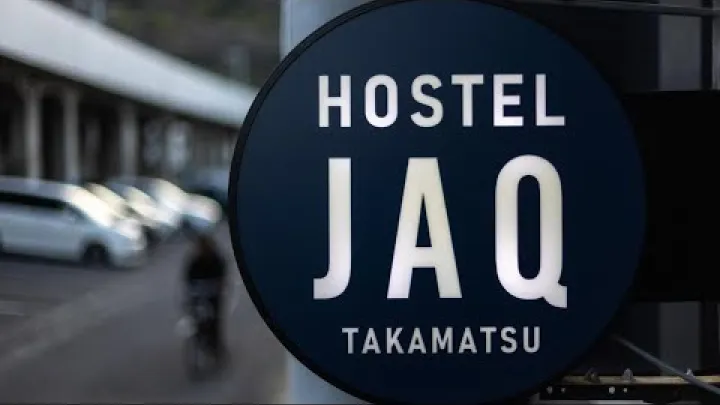
A dormitory bed usually offers the lowest entry price but less privacy. Check the number of beds, locker arrangements, bathroom sharing, quiet hours, and whether towels or other basics are included. A capsule can provide a more individual sleeping space, but the sleeping area is still limited and shared facilities are common. A private budget room may cost more while simplifying luggage storage and late-night rest.
Use the lower end of the range only as a target to search for, not as an assumption. Foreign-currency booking snapshots and monthly averages can look precise while changing with exchange rates, occupancy, and the dates selected. Compare the exact check-in date, number of guests, room type, taxes, breakfast, cancellation terms, and payment timing. This is particularly important for solo travelers, who cannot divide a private room with another person.
Business Hotels and Comfortable Stays
For a standard business hotel or mid-range private room, plan approximately ¥8,000-¥14,000 per room per night. Higher-comfort properties can be planned at about ¥14,000-¥20,000 or more per room per night. These are useful snapshots for budgeting, not fixed rates.
![Preview image for the video "[Japan Hotel] Comfort Hotel Takamatsu | Setouchi & Kamakura Stays | 日本高松凱富飯店、瀨戶內與鎌倉".](/sites/default/files/styles/media_720x405/public/oembed_thumbnails/2026-08/CUqgzuTL_pQFt7l6C7MRPMgs4fkRqCaPeHmHE9HIAPg.jpg.webp?itok=gZZW0q0Y "Preview image for the video \"[Japan Hotel] Comfort Hotel Takamatsu | Setouchi & Kamakura Stays | 日本高松凱富飯店、瀨戶內與鎌倉\".")
Occupancy changes the calculation substantially. A ¥8,000-¥14,000 room shared by two travelers becomes approximately ¥4,000-¥7,000 per person per night. For one traveler, the full room rate is assigned to one person. A private hotel room can therefore be competitive with two separate low-cost beds for a couple or a pair of friends, while a solo traveler may find a hostel more economical.
Look beyond the headline rate. Confirm whether breakfast and taxes are included, whether the reservation is refundable, how large the room is, and whether the property is convenient for JR Takamatsu Station, Takamatsu Port, or a nearby Kotoden station. A room with a slightly higher nightly rate can reduce local transport and simplify an early ferry or airport departure. Conversely, a cheaper room farther away may be worthwhile if the extra travel is small and does not require frequent taxis.
How Dates and Location Change the Room Price
Compare accommodation around JR Takamatsu Station, Takamatsu Port, Takamatsu-Chikko Station, and central shopping areas with properties a little farther from the main transport points. Central lodging can save time and make walking easier. A less central property may offer a lower nightly rate, but the complete saving depends on local fares, luggage handling, and the number of journeys you make.
Exact weekdays, national holidays, festivals, art-related events, and periods of limited island capacity can affect both availability and price. Avoid relying on a universal claim that one month is always the cheapest. Instead, search the exact dates, compare several room types, and check the property's direct booking channel where practical. If central rooms are limited, compare the cost of moving your base to another part of the city with the cost of keeping a convenient location.
A useful decision is to choose convenience when your itinerary starts early at Takamatsu Port or includes several central visits, and to choose a less central base when the room saving is meaningful and your daily schedule is flexible. The cheapest room is not always the cheapest complete itinerary.
Food and Drink Prices in Takamatsu
Food costs are flexible because Takamatsu supports both simple local meals and more substantial restaurant experiences. The clearest local budget anchor is Sanuki udon, but one inexpensive bowl should not be used to represent every restaurant in the city.
Sanuki Udon as the Budget Price Anchor
A basic bowl of Sanuki udon can be planned at roughly ¥400-¥700, with one localized itinerary example placing a bowl near ¥500. The Trip.com itinerary also illustrates how low-cost local meals can support a modest daily travel budget.
The final price depends on the portion, broth or style, toppings, specialty ingredients, and whether you choose a simple counter-service shop or a more elaborate restaurant. A basic bowl with limited toppings can anchor a budget lunch, while tempura, meat, seafood, or larger portions can move the meal higher. Check the displayed menu and topping prices when your daily limit is strict.
One practical pattern is to make udon the inexpensive lunch, then reserve more of the food budget for dinner. This keeps the local food experience while avoiding the mistake of assuming every meal in Takamatsu should cost the same as a basic bowl.
Daily Food Budgets by Travel Style
Use these food scenarios separately from lodging and transport. They are planning patterns based on simple local meals and limited itinerary evidence, not a complete survey of Takamatsu menus.
| Eating style | Breakfast | Lunch | Dinner | Snacks and drinks | Daily food plan |
|---|---|---|---|---|---|
| Careful budget | Simple breakfast | Udon or another casual meal | Simple dinner | Limited | ¥1,700-¥2,900 |
| Varied mid-range | Simple or hotel breakfast | Casual restaurant | More substantial meal | Some drinks or snacks | ¥3,000-¥5,000 |
| Comfortable dining | Hotel or restaurant breakfast | Restaurant meal | Specialty meal or drinks | Flexible | ¥5,000-¥8,000 |
A hotel breakfast can reduce the amount needed in the morning but may have a higher fixed price than a simple convenience-store or bakery option. If breakfast is included in the room rate, allocate more of the food budget to lunch or dinner only if you actually want to do so. For a strict budget, decide in advance whether drinks, coffee, dessert, and snacks are part of the daily food allowance.
When Dining Choices Push the Budget Higher
Dinner is usually the easiest meal at which to exceed a basic food plan. Drinks, seafood, izakaya dishes, hotel restaurants, premium toppings, and venues near waterfront or major attractions can all increase the bill. The issue is not only the main dish; several small shared dishes and drinks can change the total quickly.
For a controlled budget, make lunch your main restaurant meal, keep one meal simple, and create a separate food-splurge allowance for a specialty dinner. This approach protects the rest of the itinerary without suggesting that saving money means eating only udon. When a particular restaurant is central to your plans, use its current menu and ordering conditions rather than a general meal estimate.
Transport Costs in and Around Takamatsu
Takamatsu's central layout can make walking an important part of a low-cost itinerary. Paid transport becomes more relevant for Ritsurin Garden, Yashima-area attractions, the airport, and trips beyond the city.
Walking, Kotoden, and Local Buses
JR Takamatsu Station, Takamatsu Port, Takamatsu-Chikko Station, and Tamamo Park are close enough to connect on foot for many central plans. Walking between these anchors can reduce both fares and the number of short taxi rides. Ritsurin Garden and attractions around Yashima may require a local train, bus, or taxi, so place those costs beside the activity in your itinerary rather than assuming every city sight is walkable.

The official Kotoden train information lists a one-day ticket at ¥1,400 for adults and ¥700 for children. Details are available from Kotoden. The pass is useful only when the rides you actually plan would justify it; buying a pass automatically can cost more than paying for a small number of individual journeys.
| Choice | Budget effect | Best use |
|---|---|---|
| Walk | No fare, but more time and walking effort | Central station, port, park, shopping, and waterfront plans |
| Individual train or bus rides | Variable fare based on the route | One or two necessary journeys |
| Kotoden one-day ticket | ¥1,400 adult or ¥700 child | Several eligible rides that together justify the ticket |
| Taxi | Variable and usually best treated as an occasional addition | Late arrivals, heavy luggage, or locations poorly matched to the planned transit |
Check the current operator fare and the ticket's validity before relying on a pass. Your decision should be based on the number of planned rides, not on the idea that a day ticket is always cheaper.
Takamatsu Airport and Intercity Connections
The Takamatsu Airport limousine bus connects the airport with the JR Takamatsu area. For a cautious planning estimate, allow approximately ¥1,000 one way, then confirm the current fare, terminal, timetable, and service status for your travel date. Treat the airport bus as a one-time arrival or departure cost rather than part of a normal city sightseeing day.
Highway buses connecting Takamatsu with Osaka or Kobe can add roughly ¥4,000-¥4,500 one way based on an operator snapshot used for planning. That estimate should not be treated as a guaranteed current fare. Confirm the active operator, departure terminal, route, booking conditions, and whether the quoted amount is one way or return before adding it to your total.
Keep airport and intercity transport outside the everyday Takamatsu allowance until you deliberately decide to average it across the trip. This makes a short visit look realistic and prevents a large arrival fare from being hidden inside a daily food or sightseeing number.
Ferry Costs for Island Day Trips
Ferries to Naoshima, Megijima, Ogijima, and other Seto Inland Sea destinations should be treated as separate modules. A city-day budget that covers Tamamo Park, walking, udon, and one local admission does not automatically cover a return crossing, island transport, and art venues.
For a provisional worksheet, local planning anchors are approximately ¥370 one way to Megijima and ¥510 one way to Ogijima. That produces about ¥740 and ¥1,020 respectively for a return passenger fare, before any additional mobility or activity costs. Use these figures only as starting points and confirm the current operator tariff before fixing the day. Passenger fares should also be kept separate from bicycle, vehicle, or other transport charges.
| Island trip line | What to record |
|---|---|
| Ferry | One-way and return passenger fares, plus the current timetable |
| Island mobility | Bus, bicycle rental, taxi, or walking needs |
| Food | Lunch, drinks, and snacks on the island |
| Admissions | Museums, galleries, gardens, or other selected venues |
| Overnight option | Additional room night if the island visit becomes more than a day trip |
Naoshima should be priced by the operator and venues you choose rather than assigned one universal ferry figure. A return ferry is only the first line. Add local mobility, admission, food, and any advance reservation cost so the island day can be compared fairly with a low-cost Takamatsu city day.
Sightseeing and Activity Costs
Takamatsu makes it possible to combine low-fee historical sites, gardens, walking areas, and higher-fee attractions. The activity budget is easiest to control when you choose a small number of paid priorities and fill the rest of the day with places that do not require a large standard admission.
Ritsurin Garden and Tamamo Park
Ritsurin Garden is a useful paid-sightseeing anchor at ¥500 for an adult and ¥170 for a child according to the official tourism information from My Kagawa. The same information lists a ticket book of ¥5,000 for 11 tickets, which is more relevant to repeated or group visits than to a typical short trip.
Tamamo Park, near the station and port, has an admission anchor of ¥200 for an adult and ¥100 for a child. A day that combines the two sites would therefore have an adult admission total of about ¥700 or a child total of about ¥270, before transport and food. Their proximity to central transport points can help keep access costs low, although opening information and admission rules still belong in the final itinerary check.
| Attraction | Adult planning price | Child planning price | Budget role |
|---|---|---|---|
| Ritsurin Garden | ¥500 | ¥170 | Moderate admission with time for a substantial garden visit |
| Tamamo Park | ¥200 | ¥100 | Low-fee central historical visit |
These prices make it possible to build a meaningful city sightseeing day without a large admissions total. The value depends on how long you stay and how the sites fit your interests, not on a general claim that every Takamatsu attraction is inexpensive.
Shikoku Mura and Other Paid Attractions
Shikoku Mura can be planned as a higher-fee but still moderate local attraction, with a pre-research adult snapshot of about ¥1,600. Treat that amount as a planning anchor rather than a current guaranteed admission price. Some regional museum visits have also appeared in itinerary estimates at roughly ¥300-¥500, but that is not a universal price for every museum.
To control the activity budget, rank your choices by admission impact. A low-cost day might combine Tamamo Park, walking around the central area, and one low-fee site. A balanced day might add Ritsurin Garden. A paid-sightseeing day could include Shikoku Mura or a museum, while keeping other activities free or low cost. This lets you choose between low-cost, balanced, and admission-heavy itineraries without cutting every cultural experience.
Do not assume that a child rate, group discount, opening day, or special ticket applies unless the current venue page confirms it. The same rule applies to any attraction that is important enough to determine your schedule.
Budgeting for Naoshima and Other Art Islands
Naoshima, Teshima, and similar art-island visits should be added as complete travel modules. The worksheet should contain separate lines for the ferry, island bus or bicycle rental, venue admission, food, and any overnight stay. If a venue requires advance booking or has a special admission rule, record that before treating the day as available.
| Art-island cost | Budget question |
|---|---|
| Ferry | What is the current one-way and return passenger fare? |
| Local mobility | Will you walk, use an island bus, rent a bicycle, or need another option? |
| Admission | Which venues will you visit, and do they require reservations? |
| Food | Will you carry a meal, eat at a venue, or budget for island restaurants? |
| Lodging | Is a return to Takamatsu practical, or is an island night required? |
An art-island day can place one day's spending well above the normal Takamatsu city range even when your room and everyday meals remain budget-friendly. A nearby low-fare island may have a smaller admission line, while a Naoshima or Teshima plan can become more admission-heavy depending on the venues selected. Neither is automatically better value; the right choice depends on whether your priority is art, scenery, food, or keeping the day simple.
Check current museum admissions, reservation requirements, ferry schedules, and island transport costs before committing to the plan. Some costs may be paid in advance and others locally, so record them in separate lines rather than using one unexplained island-day total.
What Raises a Takamatsu Budget
The largest changes usually come from accommodation and optional experiences rather than from a basic bowl of udon or a short walk in the center. Trip design matters as much as the city itself.
Peak Dates, Weekdays, and Event Demand
Accommodation prices and availability can change with exact weekdays, national holidays, festivals, art events, and short-term demand. A general monthly average is not reliable enough to decide whether your own dates are cheap. Third-party hostel snapshots can show very different low and high periods because they may use different dates, currencies, properties, or occupancy assumptions.
Compare live rates for the exact dates before fixing the itinerary. If your dates are flexible, test nearby weekdays as well as weekends. For an event period, book earlier and compare nearby bases if central rooms are limited. The goal is not to identify a universal cheapest month; it is to find the complete room and transport cost for the dates you can actually use.
Location, Comfort, and Trip Design Choices
Choosing a base near JR Takamatsu Station or Takamatsu Port can cost more than choosing a room farther away, but it may reduce transfers and make an early departure easier. A lower nightly rate is useful only when the added local transport, travel time, and inconvenience do not erase the saving.
| Base choice | Room cost | Transport cost | Convenience and privacy | Useful for |
|---|---|---|---|---|
| Central station or port | May be higher on popular dates | Can reduce short local journeys | High convenience; private rooms available | Ferries, early departures, and central sightseeing |
| Farther city location | May offer a lower nightly rate | Requires more local rides or walking | Depends on the property and schedule | Flexible travelers who value room savings |
| Island or resort-style overnight | Limited capacity can change the rate | Adds ferry and island mobility costs | Distinct setting but fewer alternatives | Travelers making the island the main experience |
Solo travelers and shared-room travelers also need different calculations. One person pays the full private-room rate, while two friends or a couple can divide it. Compare both the total room cost and the per-person cost before choosing between a dormitory bed and a private business hotel.
Prioritize Experiences Instead of Cutting Everything
Saving is more effective when you choose one or two priorities. For example, you could use a low-cost city day with walking, Sanuki udon, and Ritsurin Garden, then reserve a separate splurge envelope for an art-island ferry and admissions. Another traveler may prefer a central hotel and better dinners while skipping a regional rail journey.
Judge a Kotoden one-day ticket or a wider rail pass against the exact number and distance of your planned rides. A pass is not automatically a saving. Set a daily base cap for ordinary spending and a separate allowance for museums, island trips, drinks, or a special meal. This reallocates money toward experiences that matter instead of reducing every category equally.
Takamatsu Budget Examples and Final Checklist
The examples below are quick planning scenarios, not booking quotes. They use the daily tiers as a city baseline and keep island, intercity, and major arrival costs separate. Recalculate the accommodation line using your actual room type and occupancy.
Two-Day, Three-Day, and Four-Day Budget Scenarios
| Scenario | Accommodation assumption | Budget baseline | Mid-range baseline | Comfortable baseline | Add separately |
|---|---|---|---|---|---|
| Two-day city visit | About 1 night | ¥10,000-¥14,000 | ¥14,000-¥24,000 | ¥24,000-¥40,000 or more | Airport or intercity access, shopping, premium meals |
| Three-day stay with one island or art day | About 2 nights | ¥15,000-¥21,000 | ¥21,000-¥36,000 | ¥36,000-¥60,000 or more | Ferry, island mobility, admissions, and island food |
| Four-day stay with a regional connection | About 3 nights | ¥20,000-¥28,000 | ¥28,000-¥48,000 | ¥48,000-¥80,000 or more | Highway bus, regional rail, extra admissions, and access costs |
The baseline is intended to show the scale of each travel style across two, three, or four full spending days. For an exact total, use the formula rather than multiplying blindly. For example, a three-night business hotel room at ¥8,000-¥14,000 would cost ¥24,000-¥42,000 for the room. Two travelers would allocate about ¥12,000-¥21,000 each, while a solo traveler would assign the full room amount to one person. Then add the food, transport, and activity allowance for the four days.
The three-day island example still needs the island module added to the city baseline. The four-day regional example likewise needs the relevant highway bus or rail cost. A localized three-night, four-day itinerary from Trip.com includes item-level anchors such as approximately ¥500 for Sanuki udon and ¥200 for a historical landmark. Such an itinerary is a useful reality check for individual costs, but it is not a universal average for every traveler.
What to Verify Before Booking
Run through this checklist in order, starting with the costs most likely to change the total:
- Confirm the exact room dates, number of guests, room type, nightly rate, taxes, breakfast, cancellation terms, and payment timing.
- Record the number of accommodation nights separately from the number of full food and sightseeing days.
- Add airport or intercity access as a separate one-way or return line, with the operator, terminal, and service status noted.
- Compare individual local rides with the Kotoden ticket's current price and validity for your actual itinerary.
- For an island day, record the current ferry timetable and fare, return crossing, passenger or bicycle charges, island mobility, food, admissions, and any overnight stay.
- For Naoshima, Teshima, or another art island, confirm venue admission rules, reservations, and current local transport costs before treating the module as available.
- Keep food estimates separated into breakfast, lunch, dinner, drinks, and snacks so a planned splurge is visible.
- Keep calculations in yen and mark any foreign-currency conversion as variable. Add a practical contingency for price changes, an extra local ride, or a necessary schedule adjustment.
Final Takamatsu Budget Takeaways
For a city-focused trip, begin with about ¥5,000-¥7,000 per person per day for budget travel, ¥7,000-¥12,000 for mid-range travel, and ¥12,000-¥20,000 or more for comfortable travel. Then replace the accommodation allocation with the actual room calculation, add arrival and departure costs, and price any island or regional day as a separate module.
Takamatsu is easiest to budget when the affordable city baseline is kept separate from optional high-cost experiences. Choose your priorities, compare the complete cost of convenience against a lower nightly rate, and recheck live accommodation, transport, ferry, and attraction information before booking.
Select area
Create a post
Posting is free and no registration is required.