Ishigaki Where to Stay: Best Areas by Trip Style

Choosing where to stay in Ishigaki depends less on finding one universally best hotel and more on selecting a base that matches your daily plans. For most first-time visitors, the area around Ishigaki City downtown and Ishigaki Port is the most flexible choice. Coastal areas offer better access to beaches, views, and resort facilities, but they usually require more planning for transport and meals. This guide compares Ishigaki areas, night-time walkability, ferry access, car-free travel, accommodation types, and the total cost of each base.
Where to Stay in Ishigaki: The Short Answer
Stay in Downtown Ishigaki or Near the Port for the Best All-Round Base
For a first visit, a short stay, or an itinerary that includes ferries, stay in Ishigaki City downtown or near Ishigaki Port Ferry Terminal. This is the default recommendation for travelers without a rental car and for visitors who want to change plans easily. The central area places you near the port, Ishigaki City bus terminal, Euglena Mall, restaurants, convenience stores, shopping streets, and evening venues.
A central hotel also makes it easier to separate sightseeing days from travel days. You can walk out for breakfast, reach the ferry terminal for a trip to another Yaeyama island, return for a break, and choose dinner without arranging another transfer. Downtown accommodation often includes a wider range of business hotels, mid-range hotels, guesthouses, hostels, and apartments than the more specialized coastal zones. It is frequently more economical than a full resort when you plan to spend much of the day exploring.
The tradeoff is atmosphere. Downtown has urban streets, traffic, and possible noise from restaurants or nightlife. Most central properties are not directly beside a swimmable beach, so you will need a bus, taxi, rental car, or organized tour for many beach visits. Choose this area when access and flexibility matter more than having the sea outside your room.
Choose a Coastal Base When the Hotel and Beach Are the Main Experience
Choose a coastal base when you expect the accommodation itself to be a major part of the holiday. Maezato suits travelers looking for a beach-oriented setting with relatively practical access to the city. The southwest coast around Fusaki and Nagura is suitable for resort facilities, quieter evenings, sunsets, and a slower schedule. Kabira Bay and the northwest coast appeal to visitors who prioritize scenery, coastal landscapes, and a more removed setting.
These areas are not interchangeable. A resort near Fusaki may offer a different experience from a small property in Nagura, while a place described as being in the Kabira area may still be some distance from Kabira Bay. Coastal lodging works best when you are comfortable spending time at the property, arranging tours or transfers, or driving to different parts of the island. It is less convenient if your main plans involve frequent ferry departures, independent downtown dining, or spontaneous shopping.
How Ishigaki’s Layout and Transport Affect Your Base
Ishigaki is easier to understand as a hub-and-spoke destination. The airport is in the northeast, while Ishigaki City and Ishigaki Port are in the south. Many transport connections, shops, restaurants, and accommodation services are concentrated around the southern city area, so the address of your hotel can affect the time, cost, and effort required for every other activity.
Understand the Relationship Between the Airport, Port, and City Center
Painushima Ishigaki Airport is the main arrival point in the northeast of the island. Ishigaki City and Ishigaki Port are farther south, and the city bus terminal is an important practical node for moving between the center, airport corridor, and other areas. The port is also the departure point for ferry services to nearby Yaeyama islands, including Taketomi, Iriomote, and Kohama, subject to current operations.
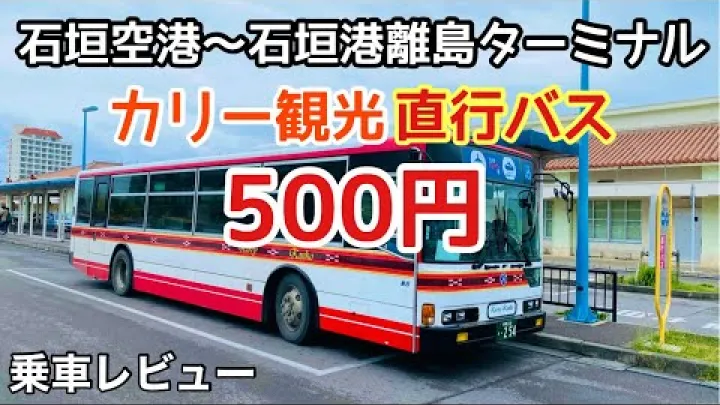
For a general orientation, Ishigaki Tripassist describes airport access to downtown or the ferry terminal by Karry Bus, Azuma Bus, and taxi, with indicative journey times that differ by service and traffic. These options mean that airport arrival is manageable from both the city and some coastal areas, but the transfer is only one part of the decision. A hotel that is easy to reach once may still be inconvenient if you need to repeat the journey for ferries, meals, or evening activities every day.
Think about the island in terms of your most frequent journeys. If you will use the port several times, a central base reduces repeated transfers. If you will spend most days at one resort or beach, being near the port may matter less. This is why location can be more important than comparing two rooms with similar facilities.
Decide Whether You Need a Rental Car or Can Rely on Buses
Ishigaki has no rail network for island sightseeing. Buses and taxis are most practical around Ishigaki City and the airport corridor, while beaches, viewpoints, villages, and nature areas are spread across the island. A rental car gives you more control over departure times and makes it easier to combine several distant stops in one day. A downtown base, by contrast, allows you to use buses, taxis, and organized tours without making a car part of the whole trip.

The official Okinawa travel guidance explains that Azuma Bus operates local routes on Ishigaki and offers passes for unlimited travel on eligible routes for periods such as 24 hours or five days. The Official Okinawa Travel Guide is useful for understanding the available bus pass structure, but a pass does not make every rural hotel equally convenient. Routes, operating hours, luggage practicality, and the distance from a stop to the exact property all matter.
Before booking outside Ishigaki City, check the current bus route and timetable for the exact accommodation address or reserve a rental car or transfer. Confirm whether parking is included, whether the rental company can serve your arrival time, and how you will reach food and activities on days when you do not want to drive. Remote lodging is a poor fit when transport has been assumed rather than arranged.
Compare Night-Time Walkability and Practical Safety
Downtown is the easiest area for walking to restaurants, izakaya, bars, shopping streets, and Euglena Mall after dark. This is valuable for visitors who want to choose dinner spontaneously, for solo travelers who prefer not to drive at night, and for anyone arriving late and needing nearby services. It can also be practical for families who want access to several food options rather than depending on one hotel restaurant.
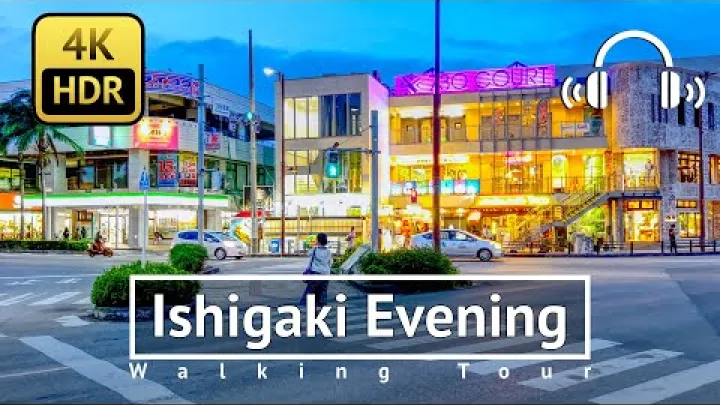
Resort and rural areas usually have fewer independent evening venues. Guests may rely on in-house dining, a taxi, a hotel shuttle, or a designated driver. That can be comfortable if your schedule is centered on the property, but it can become inconvenient if you want several downtown dinners or plan to drink. The issue is not a broad label of a district as safe or unsafe; it is the practical combination of road familiarity, transport availability, weather, and access to services.
If evenings will include downtown dining or drinks, book within walking distance or arrange the return taxi plan in advance instead of relying on an unfamiliar night drive. Families should also consider late check-in, access to food, lighting around the property, and how much walking is realistic after a full day outdoors.
Build Flexibility Around Weather and Ferry Conditions
Many Ishigaki itineraries depend on the sea. Ferry trips, boat tours, snorkeling outings, and some flight plans can be affected by weather and operating conditions. A remote resort may still be comfortable during a disruption, but it gives you fewer alternative restaurants, shops, and indoor activities than a connected city base.
Downtown is therefore useful when your schedule contains several moving parts. If a ferry trip is delayed, you can spend the day in the city, visit shops, or choose a different meal without arranging a long transfer. If a tour is canceled, the city can provide a simpler replacement day, although no accommodation area can prevent travel disruption.
Check current airport, ferry, and tour operating notices before committing to a tight island-hopping schedule and keep one flexible plan. A buffer in the itinerary, especially around a flight or a ferry-dependent connection, is more useful than relying on a general seasonal expectation.
Best Areas to Stay in Ishigaki
Use the comparison below as a first filter, then examine the exact accommodation address. Area names cover a broad part of the island, and the experience can change significantly between a port hotel, a beachfront resort, and a small property several roads away from the coast.
| Area | Best for | Main advantage | Main compromise |
|---|---|---|---|
| Downtown and port | Ferries, no-car trips, short stays | Walkable services and transport | Limited direct beach access |
| Maezato | Beach and city compromise | Coastal setting with practical access | Fewer independent venues |
| Fusaki and Nagura | Resort stays and quiet coast | Beach atmosphere and space | More transport planning |
| Kabira and northwest coast | Scenery and seclusion | Iconic coastal environment | Less convenient for ferries |
| Shiraho and rural areas | Local immersion and quiet stays | Village setting and coral interest | Fewer services and connections |
Downtown Ishigaki and the Port Area
The area around Ishigaki Port, the city bus terminal, Euglena Mall, and the central shopping and dining streets is Ishigaki’s most versatile base. It is the strongest choice for ferry users because you can organize your day around the port rather than adding a long cross-island transfer. It is also convenient for airport connections, restaurants, pharmacies, shops, and services that are useful when plans change.
Accommodation choice is broad. A current city inventory on Booking.com illustrates the range of places available across Ishigaki, from smaller stays to standard hotels and vacation properties. Use booking platforms to understand the current lodging mix and availability, not to assume that a dynamic list is a permanent ranking. Map the individual property against the port and bus terminal because two hotels described as central can still serve different daily routines.
The disadvantages are straightforward. Downtown feels urban rather than secluded, and some streets may have traffic or evening noise. The port is a transport hub, not a resort beach. Choose this area if a simple base, walkable meals, and flexible island access are more valuable to you than a pool, sea view, or private beach setting.
Maezato and the Southeast Urban Fringe
Maezato is a useful compromise between a city base and a coastal stay. The area is associated with Maezato Beach and sits closer to Ishigaki City and the airport corridor than the more distant resort zones. It can suit travelers who want to see the sea from their accommodation area but still expect occasional access to shopping, restaurants, or ferry connections.
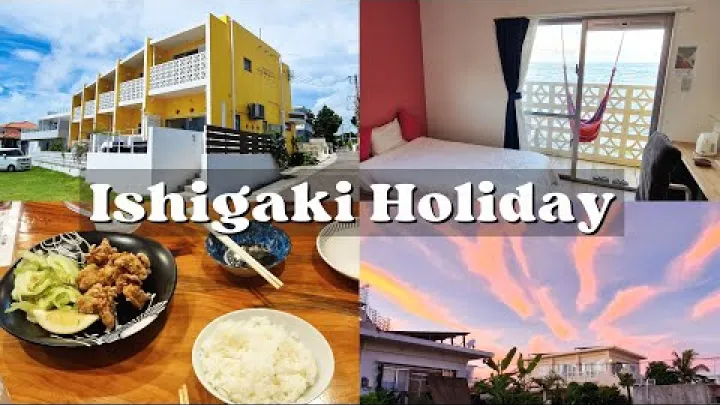
Maezato is less concentrated for independent dining and nightlife than downtown. That difference may be minor for a couple planning relaxed evenings at the hotel, but it matters more for solo travelers, families with changing meal needs, or visitors who want to walk out each night. Treat the area as a compromise rather than assuming every property has the same beach access, view, facilities, or connection to town.
When comparing listings, use a map to inspect the actual route to Maezato Beach, the nearest bus stop, and nearby food options. A beach-oriented description may refer to the wider Maezato area rather than a room directly beside the water.
Fusaki, Nagura, and the Southwest Coast
The southwest coast is a practical resort alternative for travelers who want beach time, sunsets, pools, villas, or a quieter setting without choosing the most remote part of the island. Fusaki is more associated with a conventional beach-resort environment, while Nagura and nearby coastal areas can feel more nature-oriented and lower density. The two should be compared as distinct settings rather than treated as one uniform hotel district.
This region suits guests who are happy to spend much of the day on-site, dine at the accommodation, use planned transfers, or drive. It can also work well as the second part of a split stay after several nights downtown. Compared with Kabira and the northwest coast, the southwest is the more practical choice for travelers who still want some connection with city services, but the exact level of convenience depends on the property and its transport arrangements.
Look beyond photographs when comparing a southwest coast stay. Check whether the property has actual beach access, a pool that operates during your dates, on-site dining, a shuttle, family facilities, and suitable parking. These features can vary by accommodation and season.
Kabira Bay and the Northwest Coast
Kabira Bay is the scenic choice for travelers who prioritize coastal views, marine activities, nearby Yonehara Beach, and a resort-centered schedule. The northwest coast can provide a stronger sense of landscape and seclusion than downtown, especially for visitors who want to wake up near an iconic coastal area rather than commute to it.
Accommodation in the wider Kabira area ranges from resorts to smaller properties, so the exact location matters. A listing may use Kabira as an area label without being immediately beside Kabira Bay. Check the map, nearby food options, transport arrangements, and whether the property offers the facilities you expect.
Kabira is less suitable for travelers who want frequent ferries, varied downtown dining, or easy no-car flexibility. It makes more sense when the scenery is central to the trip and you are content to organize transport in advance or spend long periods at the accommodation. Do not assume that a coastal photograph guarantees swimming, snorkeling, or the same beach conditions throughout your stay.
Rural and Coral-Village Stays: Who They Suit
Shiraho and Other Rural Bases
Shiraho is a southeast village known for its blue coral environment and small-scale local stays. The Japan National Tourism Organization describes Shiraho as an area with striking blue coral colonies, more than 120 types of coral, and accommodation that includes stays and farm stays. This makes it appealing to visitors interested in local landscapes, guided marine experiences, conservation awareness, and a quieter alternative to the city.
The village setting is also the main limitation. Shops, restaurants, and public transport are less concentrated than around Ishigaki Port, so a rural stay requires more preparation for meals and daily activities. It is not the easiest base for a first-time visitor who wants to move around spontaneously or catch several early ferries.
Shiraho and similar rural locations suit repeat visitors, eco-focused travelers, and guests who have arranged a car, meals, and daily access before arrival. Ask the host about the route from the airport, pickup arrangements, meal availability, internet, parking, and any requirements for guided activities or participation in the local setting. Choose rural lodging because you value the place itself, not because it appears to be a cheaper version of a central hotel.
Choose an Ishigaki Area by Trip Style
The best Ishigaki base changes according to what you will do between check-in and check-out. Start with your daily priorities, then choose an area and lodging type that removes the most friction from those plans.
First-Time Visitors and Short Island-Hopping Trips
Stay downtown or near the port if you are visiting Ishigaki for only a few nights or planning ferries to Taketomi, Iriomote, Kohama, or another Yaeyama island. A central base reduces the number of long transfers and keeps restaurants, shops, and practical services close at hand. It also gives you more options if a ferry or tour does not fit the original plan.
This recommendation prioritizes convenience over direct beach access. You can still visit beaches and coastal sights as day trips, but your accommodation will function as a launch point rather than a beach retreat. A resort is worth the additional transport only when spending substantial time at the property is more important than ferry access and flexible city meals.
Beach-Focused Vacations, Couples, and Families
Choose a coastal resort or beach hotel when you expect to spend a large part of the holiday at the accommodation. Pools, sea views, organized activities, on-site dining, villas, and family facilities can make a higher room rate worthwhile when they replace daily travel. The southwest coast is a practical resort choice, Kabira suits scenery and seclusion, and Maezato offers a middle position between beach access and the city.
Couples should compare privacy, views, dining, and evening atmosphere. Families should look at room configuration, shade, pool access, meal arrangements, laundry, and the distance to food outside the property. A beautiful photograph does not establish that a beach is suitable for children, swimming, or the activities you have in mind. Ask about the facilities attached to the exact accommodation and plan your days around the property’s real services.
Also include mobility in the decision. A resort may save effort during an on-site holiday but add taxi, rental-car, or transfer costs for every city or ferry trip. A slightly less scenic base can provide better value if you plan to explore continuously.
Budget Travelers, Solo Visitors, and No-Car Trips
Downtown is usually the strongest starting point for budget travelers because it combines a wider range of hotels, guesthouses, hostels, and smaller rooms with walkable meals and public transport. A central room is not always the lowest advertised rate, but it may reduce taxis, car hire, parking, and resort-dining costs. Compare the complete trip cost rather than the room price alone.
Hostels and guesthouses can suit solo visitors and social travelers who value shared kitchens, local atmosphere, or the chance to meet other guests. Central properties generally make no-car travel simpler than rural small inns, although a lower price in a remote area can disappear once transport and meals are added.
Use broad categories such as budget, mid-range, and resort premium rather than relying on old nightly-rate examples. Before choosing a hostel or guesthouse, check whether the booking is for a dormitory or private room, how many bathrooms are shared, when reception operates, whether there are house rules or curfews, and how close the property is to the areas you will use.
Long Stays, Remote Work, and Repeat Visits
Longer visits can justify a serviced apartment, villa, long-stay hotel, or selected rural property. Extra space, a kitchen, laundry, and a residential setting become more valuable when you are staying for a week or more. Repeat visitors may also prefer Nagura, Shiraho, or another quieter area because they have already covered the most convenient city sights.
For remote work or an extended stay, examine practical services that are easy to overlook on a short holiday. Reliable internet, a comfortable work surface, groceries, laundry, parking, medical access, and transport can matter more than a sea view. Internet quality should be confirmed for the exact property rather than assumed from a general booking category.
If you are unfamiliar with Ishigaki, beginning near the city and moving to a preferred coastal or rural base can reduce uncertainty. A split stay is optional, not necessary. It is most useful when you have enough time to justify changing accommodation and want both city access and a quieter setting.
Choose the Right Lodging Type in Ishigaki
Area and lodging type should be chosen together. A city hotel can be ideal for an active itinerary, while a villa or resort can be better when the accommodation is part of the destination.
Business Hotels and Mid-Range City Hotels
Business hotels and mid-range city hotels are efficient bases for ferry users, short stays, and travelers with active daily schedules. Their main strength is location combined with predictable services. Useful features may include breakfast, laundry, Wi-Fi, front-desk support, luggage storage, and a position near the port or bus terminal, although facilities and policies differ by property.
These hotels are generally a better match for a traveler who leaves after breakfast and returns in the evening than for someone seeking a private beach holiday. Compare the room size, bed arrangement, breakfast hours, laundry access, and exact position instead of treating the business-hotel label as a guarantee of a particular service.
Beach Resorts and Full-Service Hotels
Beach resorts and full-service hotels are self-contained destinations. Depending on the property, they may combine pools, restaurants, beach access, activities, family facilities, villas, or spa services. They suit couples, families, and travelers who prefer to spend most of the day on-site with fewer independent arrangements.
The likely tradeoffs are higher room rates, resort dining costs, transport expenses, and less convenient access to downtown or ferries. A resort may be good value when its pool, meals, activities, and setting are central to your plan. It may be poor value when you intend to eat downtown every night and leave for island trips each morning.
Check which amenities are included, which have separate charges, and which operate only during certain seasons. Beach access, shuttle services, children’s facilities, restaurants, and pools are property-specific details rather than features of every resort in an area.
Hostels, Guesthouses, and Small Inns
Hostels, guesthouses, and small inns are useful for backpackers, solo travelers, social stays, and visitors who value local atmosphere or shared facilities more than extensive hotel services. A central guesthouse can be a practical low-cost base, while a rural small inn can provide a quieter and more personal experience.
The difference in location changes the experience substantially. A downtown guesthouse may support walkable meals and bus travel, but a rural inn may require advance planning for dinner, transfers, and activities. Neither style is automatically better; choose according to whether you want convenience or immersion.
Check dormitory and private-room arrangements, bathroom access, shared kitchens, reception hours, curfews, common spaces, house rules, and cancellation terms. Small properties may operate differently from large hotels, and the listing details should be read as carefully as the photographs.
Serviced Apartments, Villas, Farm Stays, and Eco-Lodging
Serviced apartments and villas are practical for families, remote workers, and longer stays that require a kitchen, extra space, laundry, or self-catering. They can also help travelers maintain a routine rather than eating every meal at restaurants. Confirm grocery access and cooking equipment because a kitchen does not necessarily mean that every essential item is provided.
Farm stays and eco-lodging are deliberate choices for local immersion, coral awareness, and quiet surroundings. They should not be treated as direct substitutes for a convenient city hotel. Rural immersion may mean fewer shops, limited meal times, a particular check-in process, and a greater need to respect local community expectations.
Before choosing an apartment, villa, farm stay, or eco-property, confirm transport, groceries, meals, internet, parking, check-in procedures, and the practical expectations of the host. Environmental or cultural descriptions should be connected to what the specific property or local organization actually explains, rather than assumed from a marketing label.
Booking Checklist and Practical Base Strategies
The final choice is usually a balance between travel friction and the experience you want outside your room. Use the following strategies before paying for accommodation.
Choose Between One Base and a Split Stay
Choose one central base for a short visit, a no-car itinerary, frequent ferry trips, or a schedule that benefits from simplicity. One hotel means no second check-in, no luggage transfer, and fewer problems when weather or transport changes the day’s plan. Downtown is usually the easiest one-base solution for visitors who want to explore widely.
A split stay can combine several nights downtown for ferries, restaurants, and arrival logistics with several nights on the southwest or northwest coast for beach relaxation. This gives you two different experiences without making every day a long return journey. It is most useful on a longer trip or when the coastal accommodation has facilities that you genuinely plan to use.
Moving also has costs. You must pack, check out, arrange a transfer, manage luggage, and lose time during the change. A split stay should be conditional on having enough nights to justify that effort and on being comfortable with a less flexible schedule.
Verify the Exact Location and Current Accommodation Details
Before payment, place the property on a map and compare it with Ishigaki Port Ferry Terminal, the city bus terminal, beaches, restaurants, Painushima Ishigaki Airport, and the roads you expect to use. Do not let labels such as downtown, beach, Kabira, or resort area replace the exact address.
- Confirm the current bus stop, route, operating hours, and luggage practicality.
- Check whether parking is available and whether rental-car pickup or delivery is offered.
- Ask about airport transfers, reception hours, late arrival, and check-in procedures.
- Confirm meals, laundry, internet, pool access, and the property’s actual beach access.
- Read the current cancellation, payment, and change terms before booking.
Booking platforms are useful dynamic sources for availability and lodging-type context, but important details should also be confirmed through the accommodation’s current official information. A property’s facilities, transfer service, reception schedule, and seasonal operations can change.
Compare the Full Cost, Not Only the Room Rate
Compare accommodation together with car hire, fuel, parking, taxis, bus fares, resort meals, activities, and the value of time spent traveling. A cheaper remote room can become less economical if you need a taxi each evening, cannot self-cater, or spend a large part of each day reaching the places you want to visit.
A higher-priced resort can be reasonable when its pool, beach setting, meals, and activities are the main purpose of the holiday. Downtown is usually better value for travelers who plan frequent city dinners, ferry trips, shopping, and island-wide sightseeing. The right question is not whether the room is cheap, but whether the base supports your daily plan at a sensible total cost.
Use a simple rule: pay the resort premium when its facilities are central to the trip, and choose downtown when access, flexibility, and independent dining matter more.
Final Recommendation: The Best Base for Your Ishigaki Trip
For most first-time visitors, the best place to stay in Ishigaki is downtown or near Ishigaki Port. It is the clearest choice for short trips, ferry connections, no-car travel, budget control, walkable evening meals, and plans that may change. It gives up direct resort beaches, but it gives you the island’s most useful combination of transport and services.
Choose Maezato or the southwest coast when beach time and a quieter setting matter more than nightlife. Choose Kabira and the northwest coast for scenery and a resort-centered stay. Choose Shiraho or another rural base when local immersion and coral-village surroundings are the purpose of the trip and you have planned transport and meals. Once you decide how you will spend each day, the right Ishigaki accommodation area becomes much easier to identify.
Select area
Create a post
Posting is free and no registration is required.