Ishigaki Travel Guide: Plan Your Island and Yaeyama Trip
This Ishigaki travel guide helps first-time visitors plan more than a beach holiday. Ishigaki combines a convenient city and ferry hub with coral reefs, subtropical scenery, quiet coastal areas, and access to the wider Yaeyama Islands. You will learn how long to stay, when to visit, where to base yourself, how to get around, and how to plan trips to Taketomi, Iriomote, Kohama, and Kuroshima. The most important choice is whether you want the convenience of Ishigaki City or more direct access to quieter natural areas.
Start Here: What to Know About Ishigaki
Ishigaki works in two ways: it is an island destination with its own beaches, viewpoints, food, and nature, and it is the main practical base for exploring nearby Yaeyama islands. That combination makes it a useful choice for travelers who want variety without changing accommodation every night. The Ooritoori Ishigaki tourism site is a useful local starting point for destination information and updates.
What Makes Ishigaki Different
Ishigaki has a subtropical island setting, but it is not only a resort shoreline. The island brings together coral reefs, beaches, forested landscapes, coastal viewpoints, village areas, local food, and a working urban center. Ishigaki City concentrates many of the restaurants, shops, services, and transport connections that make a first visit simple.
The city is also the gateway to the Yaeyama Islands. Travelers can stay on Ishigaki and make selected excursions to smaller islands, or they can divide the trip between Ishigaki and a quieter island overnight. These are different travel styles. Staying only on Ishigaki gives you easier logistics and more choice of restaurants. Adding another island can create a stronger nature or village experience, but it introduces ferry schedules, limited services, and more decisions.
Expect some contrast between the urban hub and the rest of the island. A meal, shopping trip, or ferry departure is easiest to organize from Ishigaki City. A beach, viewpoint, or rural drive may require more time and a car or carefully planned transport. A good Ishigaki itinerary accepts this contrast instead of trying to make every day look the same.
How Long to Stay
There is no single ideal length for an Ishigaki trip. Choose the number of nights according to the number of activities you want and how much transport complexity you are comfortable with.
- Short stay of two or three nights: Focus on Ishigaki City, one coastal sightseeing route, and either a marine activity or a nearby-island visit. This is enough for an introduction, but a weather or ferry disruption can affect a large part of the plan.
- Balanced stay of four or five nights: Combine city time, one scenic drive, a beach or viewpoint day, one marine activity, and one selected Yaeyama excursion. This gives you more room to separate activities rather than combining too many distant stops.
- Extended stay of six nights or more: Add slower beach days, more time in northern Ishigaki, a second island excursion, or an overnight on another island. Extra nights are especially useful when you want flexibility around sea conditions or prefer not to move quickly.
For a first visit, the balanced option is often the easiest framework. It lets you experience Ishigaki itself before deciding whether you want more ferries, more marine time, or more quiet scenery. If your trip is short, reduce the number of areas rather than attempting to see every named attraction.
The Island's Main Areas at a Glance
Ishigaki is easier to plan when you think in regional clusters. The following comparison is a planning guide, not a claim that every property or transport service in an area is the same.
| Area | Atmosphere | Useful for | Transport choice |
|---|---|---|---|
| Ishigaki City and port | Urban and convenient | Restaurants, services, ferries, car-free trips | Walking, buses, taxis, tours |
| Kabira Bay and northwest coast | Scenic and quieter | Coastal views, beaches, slower evenings | Car or planned transfers are useful |
| Shiraho and east coast | Village and coastal | Airport access, local atmosphere, selected shore areas | Car or a location-specific bus plan |
| Northern Ishigaki | Rural and spacious | Scenic drives, quiet beaches, viewpoints | A car is usually the most flexible option |
Use Ishigaki City as the default base if you want simple meals, ferry access, and less dependence on a vehicle. Choose Kabira or the northwest coast if scenery and quiet evenings matter more than convenience. Shiraho and the east coast can suit travelers who want a village setting or a shorter relationship with the airport. Northern areas are attractive for a slower nature-focused stay, but advance planning for meals, shopping, and transport becomes more important.
Choose the Best Time to Visit Ishigaki
The best time to visit Ishigaki depends on your main activity. Warm water and marine experiences may lead you toward the warmer period, while driving, walking, photography, and quieter sightseeing may be more comfortable in shoulder or cooler periods. Weather is variable, so seasonal labels should guide your priorities rather than act as guarantees.
Peak, Shoulder, and Cooler Seasons
The warmer and busier part of the year is the natural choice for travelers who place swimming, snorkeling, and diving at the center of the trip. It can also bring stronger heat, humidity, and greater demand for popular accommodation and tours. If marine activities are your priority, reserve the most important experience before filling every day with other plans.
Late spring and early summer can include seasonal rain. A shower may be brief, but several wet periods can change the feel of a coastal sightseeing day. This period may still work well for visitors who value flexible planning, green landscapes, or the possibility of lower demand than the busiest travel dates.
Later summer and autumn require more awareness of typhoon-related disruption. The cooler season may suit travelers who prefer scenic drives, viewpoints, local food, photography, or outdoor exploration without making warm-water swimming the main purpose. Water and air conditions are not identical across the year, so choose the season for the activity you most want to protect.
A useful decision rule is simple:
- Choose the warmer period for a trip led by swimming and marine activities.
- Choose shoulder periods when you want a balance of outdoor activities and potentially quieter travel.
- Choose cooler periods when sightseeing, driving, culture, and nature walks matter more than warm-water time.
Rain, Typhoons, Heat, and Sea Conditions
Ishigaki weather can affect more than comfort. Strong weather may interrupt flights, ferries, beach access, boat tours, and outdoor activities. Ordinary showers and high humidity call for a different response from severe weather, so do not treat every cloudy day as a lost vacation or every calm-looking shoreline as proof that marine activities are suitable.
Before finalizing weather-sensitive activities, check the current Japan Meteorological Agency forecast, warnings, and advisories for the Ishigaki area. The Japan Meteorological Agency provides current forecast information and warning context. Use that information together with local notices and the advice of activity providers.
Build at least one flexible alternative into the schedule. A food-focused city day, shopping, a cultural experience, or a slower hotel day can replace a boat or beach plan when conditions change. Leave the most weather-sensitive activity enough space that one disruption does not cancel the whole purpose of the trip.
Getting to Ishigaki and Planning Your Arrival
Most visitors arrive by air and then decide how to reach Ishigaki City, their accommodation, or the ferry terminal. The arrival plan matters because the island has several distinct areas, and a late arrival can make a remote first night less convenient than an overnight in the city.
Flying to New Ishigaki Airport
New Ishigaki Airport is the island's main air gateway. Many international visitors reach Ishigaki by connecting through a major Japanese airport or another regional hub. Direct routes and flight frequencies can vary by season and airline, so treat the route available for your travel dates as a date-specific planning detail rather than a permanent feature of the airport.
When comparing flights, consider the whole arrival chain. A flight that arrives late may still work for a city hotel, but it can be less practical for a remote accommodation, a rental-car collection, or an early ferry the next morning. A connection with a large time gap may also be useful if it reduces the risk of missing the island flight, even if it makes the journey longer.
Check the airline schedule and baggage rules for your exact dates. If you are carrying diving, snorkeling, or other specialist equipment, include baggage restrictions and transfer time in the decision rather than comparing flight duration alone.
Airport Transfers and First-Day Logistics
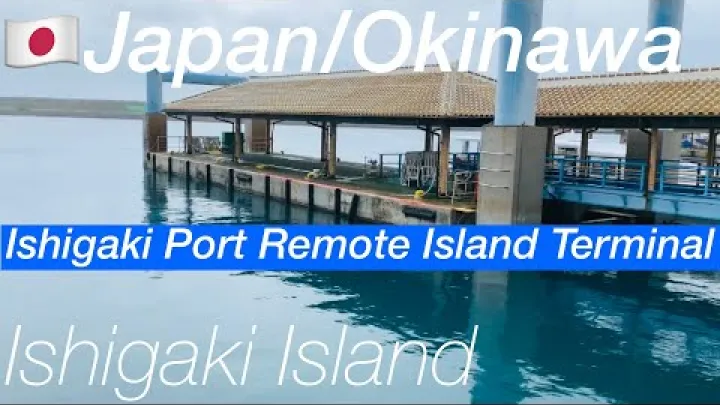
From New Ishigaki Airport, the main choices are a scheduled bus, taxi, rental car, or an accommodation transfer when one is available. Ishigaki City, the central bus area, and the Ishigaki Port Remote Island Terminal are useful reference points when you compare where to stay and how much movement your first day requires.

A bus can be a practical choice for a central hotel, while a taxi may simplify a late arrival or a group with substantial luggage. A rental car is useful when you plan to drive immediately, but collecting a vehicle adds another step after the flight. An accommodation transfer can be convenient, but availability and booking conditions differ by property. The official local tourism channel, Ooritoori Ishigaki, is a useful starting point for current arrival information.
Coordinate your landing time with luggage collection, vehicle pickup, the bus or taxi plan, and any onward ferry or tour. Leave a buffer before a same-day ferry or time-sensitive activity. If the flight arrives late, a first night in Ishigaki City is often the simpler choice because it places you closer to restaurants, services, and the next day's ferry connections.
Getting Around Ishigaki and Between Islands
Getting around Ishigaki is mainly a choice between flexibility and simplicity. A car opens more of the coast, while the city is manageable on foot and the main transport corridors can be covered by buses, taxis, or organized tours.
When to Rent a Car
A rental car is the most flexible option for combining distant beaches, viewpoints, villages, and northern or coastal drives. It is especially useful when your accommodation is outside Ishigaki City or when you want to stop at several places in one day. A car also reduces the need to build the entire schedule around a bus departure.
You may not need a car if you stay in central Ishigaki City, plan to walk to restaurants, use ferries, and book organized activities. In that case, renting only for selected days may be more efficient than keeping a vehicle for the whole trip. Compare the convenience of a car with parking, fuel, insurance, and the time needed to collect and return it.
Japan uses left-side traffic. Before pickup, confirm that your driving documents are accepted for Japan and by the specific rental company. Depending on the country that issued your license, the required documents may include an eligible International Driving Permit or an official Japanese translation, as well as your passport. The document rules are not the same for every nationality or every international license. The Toyota Rent a Car explains important document requirements and notes that a passport must be presented with an applicable permit. Confirm the exact document set before travel and carry the originals when collecting the vehicle.
Parking is generally easier outside the busiest city areas, but do not assume that every scenic stop has unlimited space or the same facilities. Drive conservatively on unfamiliar roads and avoid planning so many stops that the return journey becomes rushed.
Buses, Taxis, Walking, and Bicycles
Each local transport option has a useful role. Walking is practical in central Ishigaki City, especially for dining, shopping, and reaching nearby services. Outside the urban core, distances and the spread of attractions make walking less suitable as a complete island strategy.
| Option | Strength | Limitation | Best fit |
|---|---|---|---|
| Scheduled bus | Lower-cost planned travel | Coverage and frequency may be limited | Central routes and selected attractions |
| Taxi | Direct airport or point-to-point travel | Less economical for many long stops | Short transfers, luggage, or small groups |
| Walking | Simple and flexible in the city | Not practical for dispersed coastal sights | City hotels, meals, and services |
| Bicycle | Quiet local exploration | Heat, hills, distance, and road conditions matter | Short routes for prepared riders |
Buses can reduce the cost of sightseeing, but they require more planning than urban transit in a large Japanese city. Use the current timetable when building a route and allow time between stops. Taxis work well for an airport transfer or a short group journey. Bicycles can be enjoyable for a local route, but they are not a substitute for a car when your plan covers widely separated beaches and viewpoints.
Ferries to Taketomi, Iriomote, Kohama, and Kuroshima
The Ishigaki Port Remote Island Terminal is the practical gateway to several nearby Yaeyama islands. From there, travelers can choose independent ferry travel or an organized package that combines transport with activities. Independent travel gives you more control over the day, while a package can simplify transfers, equipment, and activity timing.

Taketomi is usually the simplest nearby-island concept for a short excursion. Iriomote involves more decisions because activities and inland access are less concentrated. Kohama and Kuroshima can suit travelers looking for a smaller-island pace, but their limited scale means that a timetable or rental arrangement has a greater effect on the day.
Ferry departures, sea conditions, return connections, and activity availability determine whether an island visit is comfortable as a half-day trip, a full-day trip, or an overnight stay. Before traveling, confirm the current ferry timetable and operating status directly with the relevant operator, then make sure the return connection matches your planned activity. The official local tourism site can help you identify the relevant island information, but the operator's current notice should control the final decision.
Where to Stay on Ishigaki
The best place to stay depends on how often you want to eat out, whether you will rent a car, and how much time you plan to spend on ferries or remote beaches. Ishigaki City is the easiest general base. The coastal and northern areas offer a quieter setting but require more planning.
Ishigaki City and the Remote Island Terminal
Central Ishigaki City is the default recommendation for many first-time visitors. It offers the strongest combination of restaurants, shops, services, walkability, and access to the Remote Island Terminal. It is particularly practical for travelers without a car and for anyone planning several day trips to nearby islands.
The city also works well when your arrival or departure time is uncertain. You can reach essential services without a long drive, and an early ferry morning is easier to organize when you are already near the port. A city base can also reduce the number of separate transfers during a short trip.
The trade-off is atmosphere. Central Ishigaki feels more urban than the island's rural coasts, and reaching northern viewpoints or distant beaches takes longer. Choose it when convenience, food choice, and transport connections are more important than stepping outside your accommodation into a quiet natural setting.
Kabira Bay and the Northwest Coast
The Kabira area suits travelers who want a scenic and quieter base. Kabira Bay is one of the island's best-known coastal viewpoints and is associated with glass-bottom-boat experiences. The bay itself should be treated primarily as a viewing and boat-experience location rather than as a standard swimming beach. Nearby beaches are separate places with different conditions and access arrangements.
A stay on the northwest coast can create a slower evening rhythm and make it easier to group Kabira, nearby beaches, and coastal scenery into the same sightseeing area. It is less convenient for ferry departures from Ishigaki City, and dining and shopping choices are more limited than in the city. A car or a carefully arranged transfer plan is therefore more useful.
Choose Kabira when the setting is part of the accommodation experience. Choose the city when you want to decide each evening where to eat or when most of your trip involves neighboring-island ferries.
Shiraho, the East Coast, and Northern Ishigaki
Shiraho and the east coast can suit travelers who prefer a village atmosphere, coastal scenery, and a location with a practical relationship to New Ishigaki Airport. These areas may work well for a first or final night, or for a longer stay that combines local surroundings with selected drives.
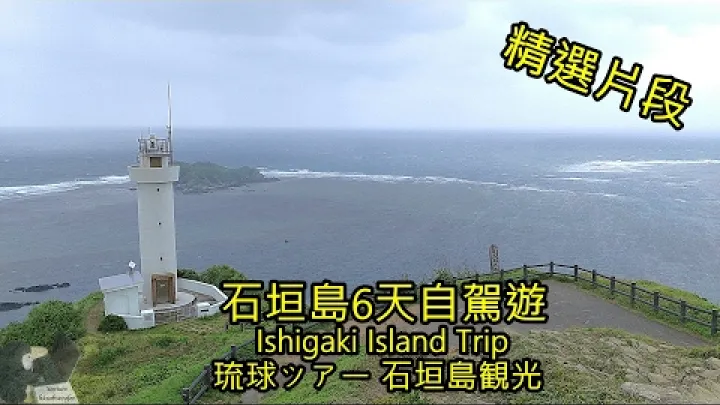
Northern Ishigaki, including the Hirakubo area, is better suited to travelers who value quiet beaches, open scenery, and a rural road trip. Tamatorizaki Observatory is a useful geographic anchor when thinking about the east and northern parts of the island. Northern accommodation can reduce daily driving to selected natural sights, but it does not remove the need to plan.
Remote bases may have fewer nearby restaurants, shops, and transport choices. If you choose one, understand how you will handle meals, luggage, airport transfers, and activities before arrival. A car is often the most flexible solution, although the exact need depends on the property and the rest of your itinerary.
Best Things to Do in Ishigaki
Ishigaki rewards a mixed itinerary. Combine one scenic route with a marine or beach activity, then leave time for food, local surroundings, and slower moments. The island's named sights are not interchangeable, so match each stop to the experience you want.
Beaches, Viewpoints, and Coastal Scenery
Organize coastal sightseeing by purpose. Kabira Bay is suited to iconic views and glass-bottom-boat experiences. Tamatorizaki Observatory is a viewpoint choice for travelers who want a broad coastal perspective. Maesato Beach and Fusaki Beach can suit accessible beach time near more developed accommodation areas, while Sukuji Beach and Yonehara Beach offer a more nature-oriented coastal setting.
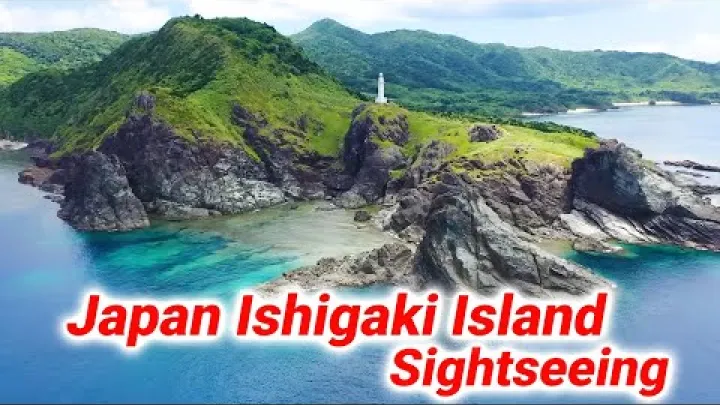
These places differ in more than appearance. Access, facilities, reef conditions, swimming suitability, and the level of supervision or protection can vary. A beach that is excellent for photographs may not be the best choice for swimming, and a beautiful shallow area may not suit every tide, wind, or water condition.
For a car-based day, choose one viewpoint and one or two beaches in the same broad region. This is more comfortable than trying to stop at every coastal location. Use the viewpoint for sightseeing and photography, then select a beach according to the facilities and water experience you actually want. Treat current signs and local access information as more important than an old online description.
Snorkeling, Diving, and Coral Reefs
Ishigaki is a strong choice for travelers whose main interest is the sea. Coral reefs, clear-water experiences, snorkeling areas, diving sites, and specialist boat trips create options for beginners, experienced divers, and visitors who only want a short introduction to marine life.
Shore-based snorkeling can be simpler and less dependent on a boat schedule, while a boat trip can reach sites that are not available from the beach. A guided activity may be the better choice if you are unfamiliar with local conditions, do not have equipment, or want instruction. Compare what each activity includes, such as equipment, transport, instruction, and time in the water.
Manta-focused diving is an interest for some visitors, but it is seasonal and condition-dependent. No operator can guarantee a wildlife encounter, visibility, or a particular sea state. Plan the trip around the experience of diving or snorkeling rather than a single animal sighting.
Keep marine visits low impact. Do not touch coral or marine animals, avoid standing on reef areas, and follow the operator's instructions about entry points and movement in the water. More detailed precautions for heat, currents, and changing conditions belong in the safety section below.
Inland Nature, Culture, and Local Life
An Ishigaki island travel guide should include more than beaches. Inland and village areas add subtropical vegetation, local food, markets, viewpoints, and Yaeyama cultural context. Spend time in Ishigaki City for the practical side of island life, then use a drive or guided experience to understand the landscape beyond the urban center.
Ishigaki is part of the broader environment represented by Iriomote-Ishigaki National Park. The Iriomote-Ishigaki National Park information describes a subtropical setting of evergreen forests, mangroves, coral reefs, and marine life. This helps explain why responsible travel matters across both land and sea.
The nature experience on Ishigaki is generally easier to combine with city accommodation and a scenic drive than the more extensive river and jungle environments found on Iriomote. That does not mean every trail or natural site is easy. Terrain, rain, heat, and access can change the experience, so choose activities that match your fitness, equipment, and available time.
Yaeyama Day Trips from Ishigaki
Ishigaki's position makes neighboring islands tempting, but adding an island is not automatically better than spending the day on Ishigaki. Choose one island according to the experience you want, and allow the transport plan to shape the length and pace of the visit.
Taketomi for Village Landscapes and a Short Excursion
Taketomi is a strong choice for a first nearby-island visit. Travelers often choose it for traditional village scenery, coral-sand lanes, beaches, cycling, walking, and water buffalo cart experiences. Its small scale makes it easier to understand as a half-day or full-day excursion than a larger, more activity-dependent island.
Taketomi works well when you want cultural and coastal variety without adding a complex itinerary. You can spend part of the day walking or cycling and then return to Ishigaki for a wider choice of restaurants and accommodation. Services and accommodation on Taketomi are more limited than in Ishigaki City, which can be an advantage for a short visit and a limitation for travelers who want many choices.
Visit village areas respectfully. Keep to public routes, avoid entering private spaces, and treat local traditions as part of a living community rather than as a theme-park display. The practical experience depends on the activities operating on your travel date, so do not build the entire trip around one optional attraction.
Iriomote for Mangroves and Jungle Experiences
Iriomote is the stronger choice for travelers who want mangroves, rivers, canoeing, trekking, and denser subtropical nature. It offers a different scale of landscape from Ishigaki's coastal drives and is often the best match for visitors who want an active outdoor day.
A structured day tour from Ishigaki can simplify the relationship between ferry travel, local transfers, and an activity. It is suitable when you want one focused experience and do not want to arrange every connection independently. An overnight stay is better for travelers who want more time in the island environment, a slower pace, or several activities that would feel rushed in one day.
Iriomote requires more logistical planning than Taketomi because ports, activity meeting points, and inland nature experiences are less concentrated. Match the tour or route to your available time rather than assuming that every river or trail experience fits comfortably into a day trip. Travelers with limited mobility, little outdoor experience, or a tight return schedule may prefer a shorter guided activity.
Kohama and Kuroshima for a Different Island Pace
Kohama and Kuroshima offer alternatives for travelers who want smaller-island scenery and a less urban rhythm. Depending on your interests, they can suit cycling, pastoral landscapes, coral environments, open coastal views, or a quiet change from Ishigaki City.
Compare them by experience rather than by a fixed ranking. Kohama may appeal to travelers who want scenery and a small-island atmosphere, while Kuroshima may suit those drawn to open landscapes and a slower rural setting. The right choice depends on the activities available during your visit and how much time you want to spend moving between transport points.
Smaller islands usually offer fewer services and less room for spontaneous changes than Ishigaki City. They are appealing precisely because the pace is different, but that also means you should select one clear purpose for the visit and avoid expecting the same restaurant, shopping, or tour choice as on Ishigaki.
Costs, Safety, and Your Final Planning Checklist
A successful Ishigaki trip is not only about choosing attractive places. You also need a realistic budget, a safe approach to outdoor activities, and an itinerary that can absorb changes without becoming stressful.
Typical Cost Categories and Budget Choices
Build your Ishigaki budget by category instead of relying on one average daily figure. Prices vary with travel dates, accommodation type, transport choices, activity level, and what is included in a booking.
| Cost category | What changes the total | Budget question |
|---|---|---|
| Flights | Season, route, airline, baggage, connections | What is the complete journey cost? |
| Accommodation | City or remote base, room type, dates, meal plan | Does the rate include the services you need? |
| Airport and local transport | Bus, taxi, rental car, fuel, parking, transfers | Is flexibility worth the added cost? |
| Ferries | Island choice, passenger tickets, packages, changes | Does the plan include a reliable return? |
| Activities | Boat or shore access, guide, equipment, duration | What is included in the advertised price? |
| Food and contingency | Dining style, remote location, weather changes | Can the budget absorb an unplanned taxi or meal? |
City accommodation may reduce taxi and transfer costs while giving you more dining choices. A remote base may provide a quieter setting but increase the need for a car, advance meal planning, or longer transfers. Independent ferry travel can cost less than a package, while a package may include transport and equipment that would otherwise be separate.
For a simple worksheet, add your fixed costs first: flights, accommodation, and any pre-booked major activity. Then estimate each day using a transport amount, food amount, and activity amount. Add ferry tickets for every island excursion and keep a separate contingency for weather-related changes or an extra transfer. Before paying, compare the current total price, inclusions, deposits, equipment charges, and cancellation terms rather than comparing only the headline rate.
Safety and Responsible Travel
Ishigaki is an enjoyable destination for outdoor travel, but the same sun, sea, terrain, and distance that create its appeal require preparation. Use conservative decisions when conditions or your own experience are uncertain.
- Heat and strong sun: Plan breaks, carry enough drinking water, use sun protection, and avoid treating a long exposed route as a casual walk. Heat and humidity can make a short activity feel more demanding than expected.
- Swimming and marine activities: Currents, waves, visibility, and sea conditions can change. Seasonal marine hazards, including possible jellyfish, should be taken seriously. Follow beach signs and operator instructions, and do not enter the water when local guidance says conditions are unsuitable.
- Boats and tours: Use a reputable operator that provides a clear briefing and appropriate equipment. Tell the guide about relevant experience or limitations, and follow instructions about entry, exit, flotation, and movement around reefs.
- Roads and remote areas: Allow more time than a map estimate suggests when you are unfamiliar with the roads. Avoid rushed driving, fatigue, and poorly planned routes to remote viewpoints or beaches.
- Trails and natural terrain: Wet, uneven, slippery, or exposed ground may require suitable footwear and a slower pace. Do not leave marked routes or continue when your equipment and ability do not match the conditions.
- Wildlife and conservation: Do not touch coral, collect natural material, or handle marine life. Keep a respectful distance and leave beaches, reefs, villages, and forests as you found them.
Current local conditions take priority over a static guide. Follow posted beach and trail guidance, local warnings, and the instructions of qualified activity providers. If conditions become doubtful, replace the activity with a safer alternative instead of trying to protect an inflexible itinerary.
A Simple Ishigaki Planning Sequence
Use this order to build an Ishigaki itinerary:
- Choose the main focus. Decide whether the trip is led by beaches, diving and snorkeling, scenic drives, local food and culture, or nearby-island nature.
- Select the base. Choose Ishigaki City for restaurants, services, and ferry convenience. Choose Kabira, Shiraho, the east coast, or the north when the setting matters more and you accept additional planning.
- Decide on transport. Stay car-free if your plans center on the city, ferries, and organized activities. Consider a rental car for remote beaches, viewpoints, villages, and several coastal areas.
- Add one or two island excursions. Choose Taketomi for a shorter village-and-coast experience, Iriomote for mangroves and active nature, or Kohama and Kuroshima for a smaller-island pace.
- Shape each day around one region. Group nearby sights instead of crossing the island repeatedly. Leave space around marine or ferry-dependent plans.
Three planning patterns work well. A city-and-ferry trip uses Ishigaki City as a convenient base and adds Taketomi or another selected island. A car-based coastal trip focuses on Kabira Bay, Tamatorizaki Observatory, beaches, villages, and northern scenery. A nature-and-marine trip combines one or more guided sea activities with a carefully chosen Iriomote visit and slower time on Ishigaki.
The central trade-off is consistent throughout the island: Ishigaki City provides convenience, while remote bases provide quieter access to nature. Choose the structure that supports your priorities, rather than trying to cover every beach, viewpoint, and Yaeyama island in one trip.
Select area
Create a post
Posting is free and no registration is required.