Nagasaki Travel Guide: Sights, Stays, Transport & Itineraries

This Nagasaki travel guide helps first-time visitors plan a balanced trip around one of Kyushu's most distinctive port cities. Nagasaki combines peace history, international heritage, hillside views, local food, and active shopping and residential districts. The city center is manageable, but its bay, slopes, memorial sites, and boat excursions make route planning important. Use this guide to choose the best time to visit, where to stay, how to get around, how many days to allow, and whether to add Gunkanjima or the Goto Islands.
Understand Nagasaki Before You Go
Nagasaki rewards visitors who combine major sights with time in ordinary city neighborhoods. Before booking, think about the pace you want, the amount of walking you can manage, and whether your main interest is history, food, scenery, or a slower island extension. The Discover Nagasaki visitor guide is a useful starting point for broad regional planning.
What Makes Nagasaki Different from Other Kyushu Stops
Nagasaki is a western-Kyushu port city shaped by its harbor, surrounding hills, and long history of overseas exchange. Its attractions bring together several themes that are often separate in other destinations: peace education, Christian heritage, international trade history, Chinese-influenced culture, foreign residences, and panoramic harbor scenery.
The central sightseeing area is compact enough for a city break, but it is not a flat grid. A short distance on a map can include a slope, stairs, or a tram transfer. The most satisfying Nagasaki itinerary therefore alternates between planned sightseeing and unstructured time. After a reflective visit to Peace Park or the Nagasaki Atomic Bomb Museum, you might spend the evening in Shinchi Chinatown, walk through Hamano-machi Shopping Arcade, or have a quiet meal near the harbor.
Nagasaki should not be reduced to one historical event. Its memorial sites are essential for many visitors, but the city is also a living place with schools, shops, churches, shrines, restaurants, and residential streets. That contrast is part of what makes a thoughtful visit different from a simple list of attractions.
How Long to Spend in Nagasaki
Two full days is a practical starting point for the main city sights. This usually allows one day for the Urakami area and another for Dejima, the southern hillside, Chinatown, and central streets. A third day creates room for slower walking, a second look at a favorite district, a museum, or one major excursion.
Choose your length of stay by separating city time from island travel time. The Goto Islands are not a simple addition to a rushed Nagasaki city visit because transfers, accommodation, and dispersed attractions require their own plan.
- Short Kyushu circuit: Allow at least one full city day if Nagasaki is one stop among several. This is a compressed visit, so choose one geographic cluster and avoid trying to cover every hillside attraction.
- Balanced city break: Stay for two full days to combine memorial history, international heritage, food, shopping, and a viewpoint.
- History-focused or slower visit: Add a third full day for museums, churches, shrines, neighborhoods, and more time at emotionally important sites.
- Island extension: Treat the Goto Islands as a separate multi-day section of the trip rather than as a casual day trip from the city.
Official model routes can help you compare themes and areas; the Discover Nagasaki itineraries are useful for seeing how regional attractions can be grouped.
Who Will Enjoy a Nagasaki Trip
Nagasaki is a strong fit for travelers interested in modern history, peace education, cross-cultural heritage, religious history, food, urban exploration, and views over water and hills. It also works well for travelers who like to combine structured attractions with independent wandering. Trams make many central journeys straightforward, and the city has enough cafes, shopping streets, and local restaurants to support a flexible schedule.
The main trade-offs are hills, stairs, changing elevations, and the emotional weight of memorial visits. Travelers with limited mobility should build routes around confirmed accessible transport and facilities rather than assume that every historic street or hillside attraction is step-free. Visitors who prefer nature and open landscapes may want to add the Goto Islands or another rural destination, while visitors who prefer a slower city plan can stay near tram routes and select fewer attractions each day.
Choose the Best Time to Visit Nagasaki
There is no single best season for every Nagasaki traveler. Walking comfort, flowers, festivals, nighttime views, and boat trips may point to different dates, so choose the season according to your main activity rather than a general ranking.
Seasonal Weather and Sightseeing Trade-Offs
Spring can be appealing for comfortable outdoor sightseeing and seasonal flowers. It is a good period for walking between central districts and hillside attractions, although popular dates may create stronger demand for accommodation. Plan enough time to enjoy the city rather than treating seasonal scenery as a reason to rush.
The rainy early-summer period can make slopes, streets, and viewpoint plans less predictable. Indoor attractions such as museums, Dejima, shopping arcades, and restaurants become useful parts of the itinerary. Summer is generally hot and humid, so early starts, shorter walking sections, and breaks indoors can make a major difference. The longer days may help with sightseeing, but exposed viewpoints and uphill routes can feel demanding.
Autumn often suits visitors who want a comfortable balance between walking and sightseeing, while winter brings cooler conditions and a different atmosphere around the harbor and hills. Cooler weather does not guarantee a clear view, and seasonal operating arrangements can affect individual attractions. Think in terms of trade-offs: a season that is good for walking may not be the best match for a festival or a particular boat plan.
Festivals, Crowds, and Flexible Dates
Nagasaki Kunchi is a major cultural highlight that may influence when travelers choose to visit. It is associated with a specific annual period, performances, and venues, but dates and arrangements should be treated as current event information rather than a permanent assumption.
A major festival can change accommodation demand, restaurant availability, local traffic, and the ease of moving through central areas. If attending is your main reason for visiting, plan around the official event program. If you prefer quiet sightseeing, choose dates outside the busiest event period and keep your accommodation search broad across the station, central, and Dejima areas. The official visitor information for Nagasaki is the safest place to confirm current event dates and arrangements.
Choose Travel Timing by Your Main Activity
Use a simple activity-based framework when selecting dates:
- Comfortable walking: Favor a season with milder temperatures and plan routes that group nearby attractions.
- Seasonal atmosphere: Choose dates for flowers, cooler air, or a particular cultural event, while accepting that demand may be higher.
- Clear harbor and night views: Allow more than one possible evening so the Mount Inasa plan is not tied to a single viewing opportunity.
- Boat excursions: Keep Gunkanjima or other marine activities movable within the itinerary because departure and landing conditions can affect the experience.
Before fixing a boat trip or summit-view plan, check the current forecast and marine conditions. Place weather-sensitive activities where they can move to another day, and keep an indoor alternative available.
Get to Nagasaki and Get Around
Nagasaki travel planning has two separate parts: reaching Nagasaki City and moving between its districts. Rail, air, long-distance bus, and ferry services suit different origins and trip designs. Once in the city, trams, buses, walking, and occasional taxis work together, but the hills make geographic planning worthwhile.
Arriving by Rail, Air, Bus, or Ferry
Rail is a natural choice for travelers arriving from other parts of Kyushu or continuing through a wider Japan itinerary. Depending on the current service pattern and your origin, a rail journey may involve Hakata and the Nishi Kyushu Shinkansen, with a transfer as part of the route. Rail is often convenient for travelers carrying luggage between major cities, but the best connection depends on the date and ticket arrangement.

Air can be practical for longer-distance domestic journeys. Nagasaki Airport and the city are separate points, so include the airport-to-city connection in your arrival plan rather than comparing only flight time. An airport bus is a common part of this journey, but its departure location, arrival point, fare, and timetable are time-sensitive. Long-distance buses may suit travelers prioritizing price or direct access from another city. Ferries and high-speed boats are especially relevant when Nagasaki is the gateway to islands within the prefecture. Map the exact terminal, city connection, and hotel location together.
Before departure, verify current rail, airport-bus, city-transit, and ferry schedules with the relevant operator. Compare options by total door-to-door time, number of transfers, luggage, arrival hour, and any onward Gunkanjima or island departure.
Use Trams, Buses, and Walking in the City
The Nagasaki Electric Tramway is the easiest first orientation tool for many visitors. It connects practical areas around Nagasaki Station with the Peace Park and Urakami side, central districts, Chinatown, Dejima, and the southern sightseeing area. It will not take you to every hillside attraction, but it provides a useful framework for deciding which parts of the city to explore together.
On a first tram journey, identify the stop nearest your destination, confirm the route direction, and check whether a transfer is needed. Buses supplement the tram network where routes do not line up well, while walking is most enjoyable between nearby attractions rather than as an attempt to cross every hill.
For the latest fare, day-pass, payment, and transfer information, consult the official Nagasaki Electric Tramway information. Pass value depends on how many rides you will actually make, and accepted payment methods should not be assumed from another Japanese city. If you have luggage, avoid planning several short transfers when one bus or taxi could simplify the route.
Plan Hillside and Mobility-Intensive Routes
Nagasaki's hills affect both walking time and energy. A route that looks close on a map may involve a steep street, stairs, or a long approach. Group nearby places such as Dejima and central shopping streets, or the southern hillside attractions, instead of repeatedly descending and climbing through the city.

Mount Inasa is a useful example of a viewpoint that needs a separate access decision. The ropeway can reduce uphill walking, but the full route also depends on how you reach the lower station and return afterward. If a plan involves Fuchi Shrine, do not assume that it is the easiest or step-free option; confirm the current route directly with the attraction or transport operator.
If stairs or steep paths may affect your mobility, check the current ropeway, bus, taxi, entrance, and step-free route information before committing to the visit. If visibility is poor or the route feels too demanding, choose a central museum, Dejima, a shopping arcade, or a harbor-side activity instead.
Choose Where to Stay in Nagasaki
The best area to stay depends on luggage, departure time, preferred atmosphere, and the attractions you plan to visit most. Hotel listings can appear close together while being separated by a slope or a different tram corridor, so compare the exact property location on a map.
Nagasaki Station Area: Best for Transfers
The Nagasaki Station area is a practical base for rail arrivals, early departures, heavy luggage, short stays, and travelers combining Nagasaki with other Kyushu destinations. It offers access to city transit and commercial facilities. The trade-off is atmosphere: the immediate station area may feel more like a transport and commercial district than an older central neighborhood. Check the exact walking route from the current station exit when booking.
Central Nagasaki, Dejima, and Chinatown: Best for First-Time Convenience
Central Nagasaki, the Dejima area, Shinchi Chinatown, and the streets around Hamano-machi Shopping Arcade form a convenient cluster for many first-time visitors. Staying here makes it easier to combine meals, shopping, heritage sites, and evening walks without returning to the station for every activity.
Dejima feels tied to international and port history, Shinchi Chinatown suits food-centered exploration, and the central shopping streets feel urban and practical. Compare listings by district name rather than searching only for central Nagasaki, then check the route to the nearest tram stop and the walk back after dinner.
Heiwa and Port Areas: Best for Specific Priorities
Heiwa, near Peace Park, can suit visitors whose main purpose is memorial and peace-related sightseeing or those who prefer a quieter base. It may make an early visit to Urakami easier, but it can mean more travel for southern hillside attractions and central evening dining.
The Motofuna and port areas are purpose-specific choices. They may be convenient for a waterfront stay or an early Gunkanjima or ferry departure, but the advantage depends on the exact terminal and operator. Map the hotel to the precise check-in location, and consider evening restaurants, grocery access, and the return route.
See Nagasaki's Essential Sights
A first Nagasaki trip works best when its sights are organized into geographic and emotional groups. The following areas cover important experiences without suggesting that every visitor must see them in one rushed schedule.
Peace Park and the Atomic Bomb Museum
Peace Park and the Nagasaki Atomic Bomb Museum form a core, reflective area for first-time visitors. Peace Park is built on a low hill north of the atomic bomb hypocenter and was created to express a wish for world peace. The park provides an open memorial setting, while the museum offers a more concentrated historical and educational experience.

Allow a meaningful part of the day rather than treating the area as a quick stop. The museum visit may be emotionally demanding, and different travelers will need different amounts of time. A quiet walk, simple meal, or return to the hotel can be a better follow-up than immediately adding another crowded attraction.
Follow photography and visitor instructions, keep your voice low where appropriate, and do not treat memorial spaces as ordinary photo backdrops. The official Nagasaki Peace Park information provides useful context. Check museum-specific opening, admission, and access details when building your day.
Dejima and Nagasaki's International Heritage
Dejima is a historically reconstructed trading site in the central city and an efficient stop for visitors interested in Nagasaki's international exchange. Its buildings, exhibits, and layout help explain how the port connected local life with overseas commerce. It also fits naturally into a route with nearby waterfront areas, Shinchi Chinatown, and central shopping streets.
Opening hours, last entry, admission, and access arrangements can change. Confirm current details through the official Dejima visitor information before setting a tightly timed itinerary.
Glover Garden, Oura Church, and the Southern Hillside
Glover Garden, Oura Church, and the Dutch Slope make a strong southern-hillside cluster. Together they show the relationship between Nagasaki's port, foreign residences, landscaped grounds, streets with historic character, and Christian heritage. The appeal is the combination of architecture, elevation, harbor outlooks, and the walk between sites.
Glover Garden is situated on a southern mountain slope, so its landscape is part of the experience. Oura Church adds a religious and architectural dimension, while the Dutch Slope is a streetscape to experience slowly. The route may include stairs or inclines, and weather, footwear, and energy can affect how much you enjoy it. Check current entrance routes, hours, and access information for each site, and follow photography rules at religious places. The official Glover Garden page is a useful reference.
Mount Inasa for Harbor and Night Views
Mount Inasa rises 333 meters above sea level in the center of Nagasaki and is known for its observation experience over the harbor and city. The ropeway is the most recognizable way to make the ascent, although the practical route also involves reaching the lower station and arranging the return journey.
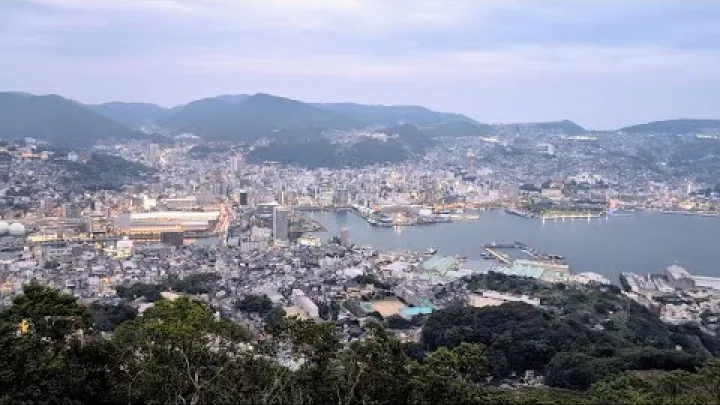
Sunset into early night is an attractive planning window because the city changes from daylight scenery to illuminated harbor views. It is also a popular period, so queues and return logistics deserve attention. Visibility depends on the conditions of the day. The official Mount Inasa and Nagasaki Ropeway information should be used for current ropeway access and operating details.
Build a Two- or Three-Day Nagasaki Itinerary
The most efficient Nagasaki itinerary groups attractions by side of the city. It also leaves space for meals, slopes, emotional pacing, and changes to any fixed-departure activity.
A Focused Two-Day First-Time Itinerary
Day one: Urakami and the north. Begin with Peace Park and the Nagasaki Atomic Bomb Museum, allowing enough time for a reflective visit. Continue through the Urakami area at a manageable pace. In the evening, return toward the central city for dinner, or use the evening for Mount Inasa if the access plan and viewing conditions suit you.
Day two: central and southern Nagasaki. Start with Dejima, then continue toward the southern hillside for Glover Garden, Oura Church, and the Dutch Slope. After the hillside route, use Shinchi Chinatown or the central streets for food and shopping. This order reduces backtracking, although reversing it may be better if you want to reach the garden earlier.
If rain or low energy makes the hillside difficult, spend more time at Dejima, a museum, or Hamano-machi Shopping Arcade. If the memorial visit feels heavier than expected, shorten the afternoon and choose a quiet meal.
When to Add a Third Day
A third city day is useful when you prefer depth over speed. Possible additions include Suwa Shrine, Meganebashi, the Siebold Memorial Museum, central shopping arcades, local food, or a return to a district that felt rushed. Choose according to your interests rather than treating every secondary sight as essential.
Use the extra day for a slower pattern: one planned attraction in the morning, a long meal or neighborhood walk, and one optional activity later. If you add an excursion, select one major departure-based activity and keep a lower-effort indoor plan available if the excursion does not fit your schedule.
Extend Your Trip Beyond Nagasaki City
Nagasaki Prefecture offers islands and coastal experiences that require a different travel rhythm from the compact city center. Add them when you have enough time for transfers and when the island itself is a main destination.
Gunkanjima (Hashima Island) by Authorized Cruise
Gunkanjima, also called Hashima Island, is a controlled boat excursion to the remains of an industrial island. It is not an attraction where visitors can arrive independently and walk around at will. The experience depends on an authorized cruise operator, a reserved departure, and the operator's rules for access and landing.
Book through an authorized operator and pay attention to the reservation name, check-in time, departure port, and ticket instructions. Build enough margin around the tour because a late arrival can be more serious than missing a flexible city attraction. The landing experience is not guaranteed on every departure, so understand the difference between a cruise that passes the island and a trip that lands when conditions allow.
Read the current Gunkanjima landing tour information and the selected operator's instructions before booking. Confirm the check-in point, departure status, landing eligibility, cancellation terms, and what happens if a landing is not possible.
Goto Islands for a Slower Multi-Day Extension
The Goto Islands suit travelers who want a slower extension with beaches, coastal scenery, rural landscapes, seafood, and Christian heritage. They offer a different experience from Nagasaki City: more open space, longer distances between sights, and a greater need to plan around transport and accommodation.
Access patterns may include a regular ferry, high-speed boat, or flight, depending on the island and current service. The best route depends on your chosen island, arrival port or airport, accommodation, and return plan. Once there, attractions may be dispersed and local public transport may not match a major city network. A rental car can be relevant for some itineraries, while others require buses, taxis, cycling, or accommodation transfers. Confirm current ferry, flight, local transport, rental, and accommodation arrangements with the relevant operators.
Eat, Budget, and Travel Responsibly
Food, accommodation, and responsible behavior shape the quality of a Nagasaki trip as much as the attraction list. Plan spending by category and leave room for the different costs of a city stay, a fixed boat tour, and an island extension.
Nagasaki Food and Dining Areas
Nagasaki's port history is reflected in food influenced by Chinese exchange and Western contact. Shinchi Chinatown is a natural starting area for a food-focused walk, while central streets around Hamano-machi and the Dejima side offer choices for combining meals with sightseeing.
Use the day's route to choose where to eat. A meal near Chinatown fits naturally after the southern hillside, while central restaurants are convenient after Dejima or shopping. For current restaurant suggestions, local specialties, opening hours, and reservation information, consult the official city tourism site, Travel Nagasaki. Restaurant hours can differ by day, so check menus and allergy information directly when needed.
Typical Costs and Booking Priorities
Nagasaki does not have one useful daily price for every traveler. Separate predictable city expenses from variable accommodation, tours, and island transfers. Your budget will change with season, event demand, room type, booking lead time, restaurant style, and the number of paid attractions.
| Category | What changes the cost | Planning approach |
|---|---|---|
| Accommodation | Area, room type, dates, and event demand | Compare the total nightly price and route to your main departure point |
| Meals | Restaurant style, location, and number of planned meals | Mix central restaurants, Chinatown options, and simpler meals |
| City transit | Ride frequency, pass choice, buses, taxis, and luggage | Group attractions and compare individual rides with a current pass |
| Admissions | Attraction, special exhibit, and current ticket policy | List only the museums, gardens, and sites you expect to enter |
| Boat excursions | Operator, tour type, reservation terms, and landing status | Budget separately from ordinary city sightseeing |
| Island transfers | Ferry, high-speed boat, flight, local transport, and accommodation | Price the complete island route, not only the first ticket |
As a current planning example, the official tram information lists an adult single journey at 150 yen. Use that figure only as a reference point and compare it with current day-pass terms and your actual number of rides. Recheck fares, admissions, accommodation prices, boat-tour charges, ferry or flight fares, and booking fees before setting a final budget. Keep a small reserve for taxis when hills, luggage, late arrivals, or missed connections make them worthwhile.
Safety, Respect, and Last-Minute Checks
Use current official local information and the travel advisory for your own government when reviewing safety, entry documents, weather notices, and transport changes. A visa or entry statement for one nationality should not be generalized to every traveler. For U.S. citizens, the current Japan Travel Advisory is one reference; other travelers should consult guidance for their passport and purpose of travel.
At Peace Park and the Atomic Bomb Museum, behave as you would at a place of mourning and education. Follow signs and staff instructions, avoid disruptive photography, and give other visitors space. Churches and shrines also have their own customs, so observe posted rules and photography guidance. In residential neighborhoods, keep voices low, avoid blocking narrow streets, and do not photograph private homes or people without permission.
Before departure, review the current advisory and local site notices, and keep booking confirmations, operator contacts, accommodation details, and emergency information accessible offline. If a memorial visit, hillside route, or excursion becomes too demanding, changing the plan is a sensible travel decision.
Final Nagasaki Trip Checklist
A well-planned Nagasaki trip begins with a realistic choice of pace. Decide whether you have one, two, or three full city days, then choose one main focus for each day: Urakami and peace history, central and international heritage, the southern hillside, or slower neighborhood exploration.
- Choose a base near Nagasaki Station for transfers, or near central Nagasaki, Dejima, and Shinchi Chinatown for first-time convenience.
- Map every hotel and departure point, especially for Gunkanjima cruises, ferries, and island connections.
- Group attractions geographically so you do not repeat steep climbs or cross the city unnecessarily.
- Allow quiet time after memorial visits and avoid treating every listed sight as essential.
- Separate city expenses from accommodation, boat excursions, and Goto Islands transport when setting your budget.
- Keep reservation details, current operator contacts, and travel documents easy to access.
Nagasaki is most rewarding when you combine its difficult history with its living city: harbor views, food, shopping streets, heritage sites, and conversations with the landscape. With a flexible route and realistic transfer planning, this Nagasaki travel guide can become the foundation for a thoughtful Kyushu trip rather than a rushed checklist.
Select area
Create a post
Posting is free and no registration is required.