Nagasaki Best Time to Visit: Weather by Season and Month
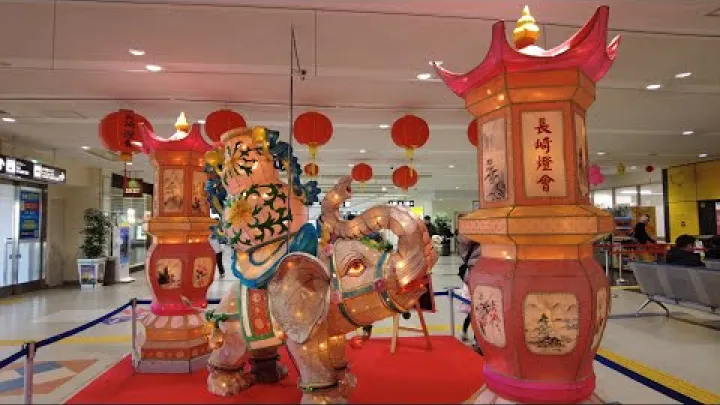
Choosing the best time to visit Nagasaki depends on more than finding one perfect month. The city combines steep streets, harbor views, historic districts, parks, memorial sites, and outdoor attractions, so rain, heat, visibility, and walking comfort can shape each day. This guide explains Nagasaki weather by season and month, including the rainy season, summer heat, typhoon considerations, festivals, crowds, and prices. It also shows how to match your travel dates with sightseeing, hiking, culture, or a quieter and potentially more affordable trip.
Best Time to Visit Nagasaki at a Glance
The Short Answer
For most first-time visitors, the best time to visit Nagasaki is late March to May or September to November. The most comfortable climate-focused periods are often mid-April to mid-May and mid-October to mid-November, when daytime conditions are generally well suited to walking and outdoor sightseeing. A climate summary from Climates to Travel also identifies spring and autumn as the strongest overall seasons.
There is no single best month for every traveler. Late March and early April may suit visitors who want a chance of cherry blossoms, while late autumn is better for seasonal foliage. February can be the right choice for travelers whose main goal is the Nagasaki Lantern Festival. Winter may offer quieter streets and potentially lower demand, while summer is possible for people who accept heat, humidity, rain, and a more flexible schedule. Climate averages describe typical conditions, not a guarantee of blossoms, clear views, or comfortable weather in a particular year.
- Best all-purpose windows: Mid-April to mid-May and mid-October to mid-November, with a balance of walking comfort and seasonal scenery.
- Best for blossoms: Late March to early April is a useful planning range, but the exact peak changes from year to year.
- Best for the Lantern Festival: February is the key winter period to investigate, with cold evenings and possible event-related demand.
- Best for quieter travel: December to early March outside major holidays and events, provided you are comfortable with shorter days and colder evenings.
- Least comfortable for outdoor-heavy plans: The main rainy-season period from approximately early June to mid-July and the hottest part of summer, especially August.
Nagasaki Weather by Season
Spring: Mild Walking Weather and Cherry Blossoms
Spring begins as a cool transition rather than an immediate warm season. March can bring cool mornings and evenings, with conditions becoming milder toward the end of the month. This makes early March useful for quieter cultural sightseeing, but it may feel less comfortable for long hill walks than April. Late March and early April are often considered for cherry blossoms, yet the exact flowering and peak viewing period vary by year and location.

April is usually one of the easiest months for exploring on foot. Mild daytime conditions can suit routes through Glover Garden, historic streets, the harbor area, and Tateyama Park, although a light layer remains useful in the morning. May is warmer and often bright, but humidity begins to increase before the main rainy-season period. It can be an excellent month for outdoor sightseeing, although Golden Week in late April and early May may bring more visitors and higher accommodation demand.
Summer: Rainy Season, Heat, and Humidity
June and early July are defined more by rain and humidity than by the dry, bright conditions many visitors want for viewpoints and long walks. Wet pavements can make Nagasaki's hills more tiring, while cloud and downpours can reduce visibility from elevated locations. Rain does not necessarily last all day, so a summer visit can still include outdoor activities, but it works better with flexible timing and indoor alternatives.

Late July and August bring the strongest summer heat, high humidity, strong sun, and warm nights. Walking uphill to outdoor memorials, parks, gardens, or viewpoints can feel demanding, particularly around midday. Breathable clothing, quick-drying layers, sun protection, hydration, and regular air-conditioned or indoor breaks are useful. Summer is not a reason to cancel every trip, but it is generally less comfortable for a first visit built around continuous outdoor sightseeing.
Autumn: Comfortable Temperatures and Seasonal Scenery
September can still feel like summer, especially early in the month. Temperatures and humidity usually become easier later in September, but the transition is gradual rather than immediate. October is often a strong month for city sightseeing because it can provide comfortable conditions for hills, harbor walks, gardens, and historic areas. November is cooler but remains attractive for walking, especially for visitors interested in late-autumn color.
![Preview image for the video "🍂 ✨ SECRET AUTUMN Spot Lost In Nagasaki Prefecture (長崎) ASMR [4K HDR]".](/sites/default/files/styles/media_720x405/public/oembed_thumbnails/2026-08/_aGtF0JLUb2vek4msoMeJ6U8kIXz89jgnNaiycgwU1s.jpg.webp?itok=IWpEOa8L "Preview image for the video \"🍂 ✨ SECRET AUTUMN Spot Lost In Nagasaki Prefecture (長崎) ASMR [4K HDR]\".")
Autumn offers a useful balance between the heat of summer and the colder evenings of winter. Rainfall is generally more manageable than during the main Baiu period, although a seasonal average cannot promise clear skies. For November, pack light layers and a jacket for mornings and evenings. The exact timing of foliage also varies, so travelers should treat late autumn as a broad scenery window rather than a fixed peak date.
Winter: Cooler Days, Quiet Streets, and Lower Demand
December through February are cool to cold in Nagasaki, with shorter daylight, occasional wind, and cold outdoor evenings. Rainfall totals are generally lower than during the summer peak, but winter is not guaranteed to be sunny or completely dry. The coastal city setting can still be suitable for visitors who prefer a quieter pace and do not mind planning outdoor visits around colder periods of the day.
Winter can work well for museums, memorial sites, historical displays, Dejima, and other culture-focused activities because demand is often lower outside holidays and major events. Warm layers are important for waterfront areas, hilltop viewpoints, and evening walks. The Nagasaki Lantern Festival creates an important cultural exception to the generally quieter winter pattern, so February dates around the festival may be busier and should be planned separately from a normal low-season visit.
Rainfall, Heat, Typhoons, and Local Conditions
When Is Nagasaki's Rainy Season?
The main rainy season in Northern Kyushu, known as Baiu, is approximately from early June to the middle of July. The Japan Meteorological Agency explains that the rain is associated with a stationary Baiu front. The start and end can vary each year, so these dates should be used as a planning range rather than a fixed calendar rule.
![Preview image for the video "[CC] Rainy Season in Nagasaki / Staying Indoors, Cooking Up a Storm, Strolling Around Peace Park".](/sites/default/files/styles/media_720x405/public/oembed_thumbnails/2026-08/KdSfByNFKQDNZsm52VzSThtV8y7D2qPI9lHi6JU1094.jpg.webp?itok=KFNQzj8c "Preview image for the video \"[CC] Rainy Season in Nagasaki / Staying Indoors, Cooking Up a Storm, Strolling Around Peace Park\".")
June and July have the highest rainfall totals in the climate information used for Nagasaki, but a high monthly total does not mean that it rains continuously every hour. A rainy-season day may include short dry periods, light rain, or a heavy downpour followed by a break. The practical issue is the disruption that sudden or prolonged rain can cause to long city walks, outdoor viewpoints, photography, hiking, and exposed attractions.
If you travel during this window, treat early June to mid-July as the highest-rain planning period. Pack reliable rain gear rather than relying only on a small umbrella, and keep indoor alternatives available for days built around parks or viewpoints. Museums, historical displays, cafés, and other indoor stops can make the itinerary useful when a heavy shower affects outdoor plans.
Heat, Humidity, and Typhoon Risk
July and August combine high temperatures, high humidity, strong sunlight, and limited nighttime cooling. These conditions can make Nagasaki's hills and outdoor memorial areas more tiring than the temperature alone suggests. A route that looks short on a map may involve repeated slopes, stairs, or exposed pavement, so summer travelers often get more from the city by starting outdoor activities earlier, taking breaks, and avoiding the most demanding walking in the middle of the day.
Late summer and autumn can also be affected by typhoons or other tropical weather systems. The possible effects include heavy rain, strong winds, low visibility, and changes to outdoor plans. A storm may affect one part of the wider region more than another, and the supplied climate information does not establish a precise Nagasaki-specific typhoon frequency. Treat typhoon exposure as a variable planning factor, not as a fixed reason to reject every summer or autumn trip. The current forecast and warning process belongs in the final travel-date check described later.
Nagasaki City and the Wider Prefecture
This guide mainly discusses Nagasaki City, which has a lower-elevation coastal setting. Nagasaki Prefecture is much broader and includes exposed coastlines, hills, inland areas, the Shimabara Peninsula, and islands such as Tsushima and Iki. Wind, perceived temperature, visibility, and outdoor comfort can therefore differ between a city stay and a day trip elsewhere in the prefecture.
Do not assume that conditions in central Nagasaki City represent the entire route to a coastal or island destination. Before traveling beyond the city, confirm current road, rail, ferry, sea, and attraction status with the relevant operator or local authority. The official Discover Nagasaki guide is useful for understanding the prefecture's wider range of destinations, but route-specific transport information still needs to come from the operator handling your journey.
The Best Time for Different Trip Purposes
City Sightseeing, Walking, and Viewpoints
Spring and autumn are the strongest choices for a city itinerary that involves substantial walking. Comfortable conditions make it easier to combine Nagasaki's hilly streets with the harbor, Glover Garden, Tateyama Park, Nagasaki Peace Park, Dejima, and historic districts without making the entire day a test of heat or rain tolerance. These seasons also offer a better chance of enjoying elevated views when visibility is good, although clear conditions are never guaranteed by the month alone.
Winter can also work well for city sightseeing if you prefer quieter museums, memorial sites, and streets and are prepared for cold evenings. Summer requires a different rhythm: place demanding outdoor walks in the cooler part of the day, shorten exposed routes, and leave time for indoor or air-conditioned breaks. Nagasaki's terrain makes the physical effect of heat more noticeable than it may be in a flat city.
Hiking, Nature, and Coastal Outings
For hiking, viewpoints, and broader outdoor exploration, mid-April to mid-May and mid-October to mid-November are the most comfortable periods identified in the available climate guidance. These windows generally avoid the main rainy-season pattern and the most intense summer heat. They are particularly useful when the trip includes exposed paths, long walks, or several outdoor stops rather than only short urban transfers.
Rainy-season downpours can affect visibility, trail surfaces, and the feasibility of a planned hike. Summer heat and humidity can make exertion difficult even when there is no rain. Exposed trails, islands, and coastal outings should therefore be treated differently from ordinary city walks. Climate averages cannot establish whether a particular beach or sea excursion will have suitable conditions or access; that decision requires current local marine and operator information.
Culture, Festivals, and Seasonal Scenery
Choose late March to early April if cherry blossoms are a major goal, while late autumn is more suitable for foliage. Both are broad windows, not promises of a particular peak date. Weather, location, and yearly seasonal development can change the best viewing days, so avoid building an entire trip around one exact blossom or foliage date unless your schedule is flexible.
Culture-focused travel is less dependent on perfect weather. Museums, memorial spaces, historical displays, Dejima, and other cultural locations can remain worthwhile in winter or during rainy periods. February is especially important for visitors interested in the Nagasaki Lantern Festival. The official Discover Nagasaki festival guidance highlights the need for warm clothing in the cold season. Confirm the annual dates and program before booking, because event timing and details can change.
Budget Travel and Quieter Streets
December to early March, outside major holidays and event peaks, is the main lower-demand period described in the available research. Travelers may find quieter streets and potentially better value for accommodation and transport during this period. The trade-off is colder evenings, shorter daylight, and a greater need for warm clothing, especially if you plan to visit waterfront or elevated locations after sunset.
Early March and late May can be useful shoulder-season compromises. Early March may offer lower demand before the main spring period, while late May can provide warm conditions before the main rainy-season window. Neither period guarantees a particular blossom display or dry weather. Summer is also not automatically a budget season, because domestic holidays and events can support demand even when heat and rain make outdoor sightseeing less comfortable.
Nagasaki Month-by-Month Feel
The table below gives a quick city-stay impression for each month. It is designed for choosing a broad travel window, not for making a daily weather decision. Clothing advice should also reflect your own tolerance for heat and cold.
| Month | Typical climate feel | Travel note | What to pack |
|---|---|---|---|
| January | Cool to cold, with shorter daylight and lower rainfall than the summer peak. | Quiet city visits are possible, but outdoor evenings feel cold. | Warm layers and a wind-resistant outer layer. |
| February | Cool, with cold mornings and evenings. | Lantern Festival dates may make this a busier winter month. | Warm clothing for evening events and outdoor walks. |
| March | Cool early and milder later; daylight increases. | A changeable transition month approaching the blossom period. | Light layers, a jacket, and compact rain protection. |
| April | Mild and often comfortable for walking. | Good for gardens, hills, and blossom-focused visits, depending on the year. | Light layers and a compact rain layer. |
| May | Warm and bright, with increasing humidity. | Strong for outdoor sightseeing, but Golden Week can be busy. | Breathable layers and light rain protection. |
| June | Warm and humid; the Baiu period may begin. | Rain can interrupt outdoor-heavy plans, especially later in the month. | Breathable quick-drying clothes and reliable rain gear. |
| July | Rainy-season conditions may continue into mid-month, followed by hotter weather. | A transition month requiring both rain planning and heat management. | Quick-drying clothes, rain protection, and sun protection. |
| August | Hottest and most humid, with warm nights and long bright days. | Use shorter outdoor periods and regular cooling breaks. | Breathable clothing, sun protection, and hydration supplies. |
| September | Often still summery early, with gradual cooling later. | Outdoor plans become easier later, but conditions remain variable. | Light layers, sun protection, and a rain layer. |
| October | Usually comfortable for walking, with less summer humidity. | One of the strongest all-purpose months for city and outdoor plans. | Light layers and a light jacket for evenings. |
| November | Cooler, with shorter days developing toward winter. | Good for autumn scenery and cultural sightseeing. | Layered clothing and a warmer jacket for evenings. |
| December | Cool, with shorter daylight and a quieter winter feel. | Potentially lower demand outside holidays, but cold outdoor periods. | Warm layers and a wind-resistant outer layer. |
January to March
January and February are cool, quieter months with shorter daylight and a greater need for warm clothing. February should not be treated as an ordinary low-season month if your dates overlap the Nagasaki Lantern Festival, because the event can change local demand and the experience of evening sightseeing. March is more variable: early dates can still feel wintry, while the end of the month becomes milder and may approach the cherry blossom period.
For these three months, the main decision is whether you value quiet streets and culture-focused visits more than warm outdoor conditions. March gives a gradual improvement in walking comfort, but it does not provide a fixed blossom date or a guarantee of spring weather.
April to June
April is mild and often blossom-friendly, May is warmer and brighter, and June marks the shift toward humid Baiu conditions. This three-month period can change quickly from comfortable outdoor sightseeing to rain-sensitive planning. Early June may still feel like late spring, while the later rainy-season period is more likely to require flexible outdoor scheduling.
Pack light layers for April and May. For June, use breathable clothing, quick-drying footwear or socks, and dependable rain protection. If your itinerary is built around parks, viewpoints, or long walks, May is usually a simpler choice than the main rainy-season window.
July to September
July is a transition month: the main Baiu period may continue into the middle of the month, after which hotter summer conditions become more dominant. August is usually the hottest and most humid month, while September begins to cool gradually but may still feel summery, especially early in the month.
These months suit travelers who can start walks early, rest during the hottest part of the day, and change outdoor plans when conditions are uncomfortable. Use breathable clothing, hydration, and sun protection. Late summer and early autumn can also bring unsettled weather, so a flexible itinerary is more useful than a tightly timed sequence of exposed activities.
October to December
October is one of the strongest all-purpose months for Nagasaki, with conditions often suited to city walks, viewpoints, gardens, and day trips. November is cooler and more closely associated with autumn scenery, but it remains a good walking month for travelers who bring layers. December begins the quieter winter period, with shorter daylight and colder evenings.
Choose October if you want a broad balance of comfort and outdoor time. Choose late November for a cooler foliage-focused trip, or December for lower-season conditions and quieter cultural visits. The practical difference is the need to move from light layers toward warmer outerwear as the year ends.
Crowds, Holidays, and Price Changes
Crowd and Price Peaks
Golden Week in late April and early May can bring higher domestic demand, fuller accommodation, and more crowded attractions even when the weather is favorable. Cherry blossom and autumn foliage periods can also create shorter demand peaks within the wider spring and autumn seasons. Major festivals may produce a similar effect during dates that would otherwise be considered low season.
If your travel dates overlap Golden Week, a likely blossom or foliage peak, or a major event, compare accommodation options early and avoid assuming that every spring or autumn date has the same price. Reserve earlier when your schedule is fixed, especially if you need a particular neighborhood, room type, or connection to a wider prefecture itinerary.
Low-Season and Shoulder-Season Trade-Offs
Winter outside major holidays and events can offer quieter streets, potentially lower accommodation and transport costs, and easier access to indoor cultural sites. These benefits come with colder evenings, shorter daylight, and less time for comfortable outdoor wandering. Value is a likely seasonal pattern rather than a guaranteed discount, because prices also depend on booking timing, availability, and the exact dates.
Early March and late May are possible shoulder-season compromises. They may balance moderate demand with better outdoor comfort than winter or the height of summer, but they also carry less predictable blossom, humidity, or rain conditions than a peak-season label suggests. Decide separately how much you value lower demand, comfortable weather, and seasonal scenery.
Practical Planning for Your Travel Dates
What to Wear and Pack by Season
Nagasaki sightseeing often involves extended walking, slopes, stairs, and changing exposure between the harbor, streets, parks, and hilltop locations. Comfortable footwear is important in every season. Because Nagasaki has a moist climate throughout the year, include some form of rain protection even when you choose a relatively drier travel period.
- Spring: Pack light layers, a light jacket for mornings and evenings, comfortable shoes, and a compact rain layer. Add a warmer layer if visiting in early March.
- Summer: Choose breathable, quick-drying clothing, sun protection, and shoes that remain practical on wet pavements. Reliable rain gear is more useful in June and early July than a fragile emergency cover.
- Autumn: Use light layers in September and October, then add a warmer jacket for November mornings and evenings. Keep a rain layer available for changing conditions.
- Winter: Bring warm layers and a wind-resistant outer layer, particularly for evening festivals, waterfront walks, parks, and elevated viewpoints.
These are flexible starting points rather than rigid temperature rules. Personal tolerance, the amount of hill walking, and whether you spend evenings outdoors should determine the final balance of layers.
Climate Averages Versus the Live Forecast
Long-term climate averages help you choose a month, but they cannot decide what to wear on a particular day or whether an exposed plan will be comfortable. Before departure, review the current forecast for Nagasaki City and any separate destination outside the city. During the trip, review it again before planning hikes, viewpoints, island travel, coastal outings, or long outdoor days.
Use the Japan Meteorological Agency for current forecasts, warnings, and typhoon information. Pay attention to unusual heat, heavy rain, strong winds, and storm tracks that differ from normal seasonal patterns. For a ferry or excursion, combine the weather information with the latest status from the relevant operator. If conditions change, adjust clothing, timing, and exposed outdoor plans rather than treating the monthly average as a guarantee.
A Simple Date-Selection Checklist
Use this short decision path to choose dates without treating the phrase best time as a universal answer:
- Choose your main priority. Decide whether the trip is mainly for general sightseeing, blossoms or foliage, hiking and coastal outings, a festival, or lower cost and fewer crowds.
- Select a broad seasonal window. Start with spring or autumn for balanced city sightseeing, winter for quieter value-focused travel, February for the Lantern Festival, or summer only if you are comfortable with heat, rain, and schedule changes.
- Screen the dates for demand. Compare your window with Golden Week, likely blossom or foliage peaks, and major festival dates before choosing accommodation.
- Compare the trade-offs. Mild spring and autumn weather may bring more demand; winter may be cheaper but colder; summer may offer long bright days but more heat, humidity, and rain.
- Use the live conditions for the final plan. Keep the broad month choice separate from decisions about daily clothing, exposed routes, and wider-prefecture excursions.
- First-time sightseeing: Choose mid-April to mid-May or mid-October to mid-November for the best overall balance, while allowing for higher demand around seasonal peaks.
- Value or the Lantern Festival: Choose a winter date, especially February for the festival, and accept colder evenings and shorter daylight.
- Summer travel: Choose July or August only if heat, rain, and flexible outdoor timing are acceptable, and build the itinerary around breaks rather than continuous walking.
Conclusion
The best time to visit Nagasaki for most travelers is spring or autumn, with mid-April to mid-May and mid-October to mid-November offering particularly useful conditions for walking, viewpoints, culture, and wider outdoor plans. Choose late March or early April for a chance of blossoms, late autumn for foliage, winter for quieter or potentially lower-demand travel, and February when the Lantern Festival is the main goal. Summer remains possible, but the rainy season, humidity, heat, and variable outdoor comfort require more flexibility. Select the season according to your priority, then use the live forecast and local operator information to shape the final itinerary.
Select area
Create a post
Posting is free and no registration is required.