Kumamoto Travel Guide: Sights, Regions & Transport
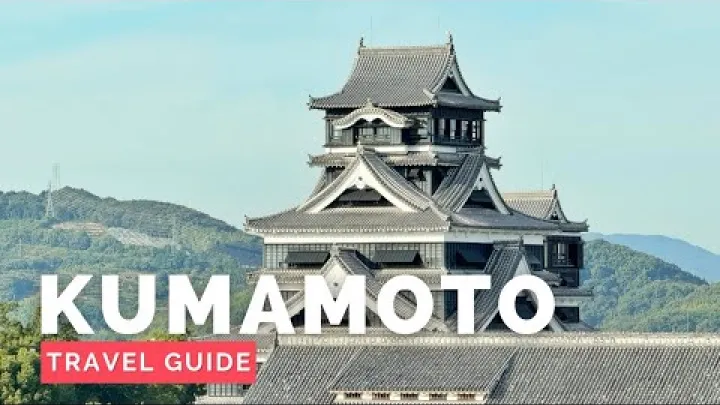
This Kumamoto travel guide covers both Kumamoto City, the compact urban base, and Kumamoto Prefecture, the much larger region around it. First-time visitors can combine castle history, Japanese gardens, volcanic landscapes, hot springs, coastal scenery, and distinctive local culture, but these experiences are not all close together. This guide explains how many days to spend, when to visit, where to stay, how to travel between regions, and how to build a realistic itinerary. It also highlights the access and weather checks that matter most when planning time in the Aso area.
Kumamoto at a Glance
Kumamoto works well as both a destination in its own right and a practical stop in a wider Kyushu journey. The city is easy to explore without a car, while the prefecture rewards travelers who can allow more time for rural transport or driving.
What Kumamoto Is Known For
Kumamoto is best understood as two connected travel areas. Kumamoto City is the regional capital and the simplest place for a first visit, with Kumamoto Castle, Sakura no Baba Josaien, Suizenji Jojuen Garden, shopping arcades, restaurants, and Kumamon-related attractions. Kumamoto Prefecture extends far beyond the city into the central highlands, mountain valleys, hot spring towns, and the coastal and island landscapes of Amakusa.
The most recognizable wider-region experience is Aso, where a huge volcanic landscape creates broad grasslands, viewpoints, walking areas, and a very different atmosphere from the city. Kurokawa Onsen and Oguni offer a slower rural retreat centered on traditional inns and bathing. Amakusa adds sea views, seafood, island scenery, and historical sites. These destinations are not walkable extensions of central Kumamoto, so a trip that includes them needs separate transport planning and, in many cases, additional nights.
For a useful overview of the prefecture's contrasting destinations, the Official Kumamoto Prefecture Tourism Website is a good starting point. A first-time route often combines one city day with either Aso or a hot spring stay, rather than trying to cover every major region.
How Many Days to Spend in Kumamoto
Allow one to two full sightseeing days for Kumamoto City. That is enough time to visit the castle area, walk through Sakura no Baba Josaien and the central arcades, see Kumamon Square, and add Suizenji Jojuen Garden without turning every stop into a rushed photo break. A short city stay is especially practical for travelers arriving by train or using Kumamoto as part of a longer Kyushu route.
Separate sightseeing days from nights and transfer time. Two nights may provide only one full day if you arrive late or leave early. A regional trip also uses time for moving luggage, reaching a bus terminal, waiting for a scheduled service, or checking in at an accommodation with a fixed dinner time.
- Short city stop: Spend one full day in Kumamoto City, or one night and a partial day if your schedule is tight.
- City and Aso: Plan two to three days, with one city day and one full day for Aso. An overnight near Aso can reduce repeated transfers.
- Slower prefecture trip: Allow four or more days and choose one main extension, such as Kurokawa Onsen, Amakusa, or another rural area.
Aso, Kurokawa Onsen, and Amakusa each need more than a quick city excursion to feel worthwhile. Combining the city, Aso, a hot spring town, and the coast in a compressed schedule usually produces long travel days and little time at the destinations themselves.
Best Time to Visit Kumamoto
Kumamoto is a year-round destination, but the best season depends on whether you value flowers, outdoor comfort, lower demand, or access to mountain scenery. Conditions in the city and the higher Aso area can differ, so choose the season for the activities you most want to do.
Spring and Autumn for Comfortable Sightseeing
Spring is popular for mild sightseeing weather and cherry blossoms, commonly around late March to early April. The exact blossom period varies each year, and the most attractive dates can bring stronger demand for rooms and transport. If blossoms are your main reason for visiting, keep some flexibility rather than planning around one guaranteed date.
Autumn, particularly October and November, is a strong choice for combining Kumamoto City with open landscapes in Aso. Cooler air makes walking and outdoor viewpoints more comfortable than in midsummer, while autumn color can add interest to gardens, mountain roads, and rural scenery. Late October to November may offer a useful balance of foliage and comfortable temperatures, although the best timing varies by elevation.
Spring and autumn involve a clear trade-off. Peak blossom or foliage periods can provide the most memorable scenery, but a quieter week just before or after the main season may offer easier accommodation choices and a more relaxed pace. Travelers who prefer certainty and comfort should choose the season first and treat exact natural events as a bonus.
Summer Rain, Heat, and Winter Conditions
Early summer can bring a rainy period, while July and August are generally hot and humid in Kumamoto City. City sightseeing is easier if you start outdoor visits earlier in the day, take breaks in shaded or indoor places, and avoid building a schedule that depends on long walks during the hottest hours.
Aso can feel cooler and more exposed than central Kumamoto because of its elevation and open terrain. Even when the city is warm, a highland viewpoint can be windy, cloudy, or wet. Before an outdoor day, check the forecast for both Kumamoto City and the higher Aso area. Pack light layers, comfortable shoes, and rain protection rather than relying on a single city-weather forecast.
Winter is cooler and can be pleasant for city sightseeing, especially for travelers who prefer fewer seasonal visitors. Mountain areas require more care because cold, snow, ice, or temporary road problems can affect comfort and access. Bring warmer clothing for Aso and rural nights, and keep indoor city attractions available if a highland plan becomes impractical.
Crowds, Holidays, and Shoulder-Season Trade-Offs
Domestic travel demand can rise during Golden Week in late April and early May, the Obon period in summer, and the New Year holiday. Accommodation in the city may become more competitive, while rural inns and hot spring properties can have limited room inventories even outside the largest national holidays.
May, October, and quieter periods outside peak blossom or foliage dates can appeal to travelers seeking a balance between weather and availability. This does not guarantee low prices or empty attractions, but it can make it easier to choose the room type, train, bus, or ryokan that fits your route.
Late summer and early autumn can still bring heavy rain or weather disruption. A flexible plan is useful if your itinerary includes mountain roads or long rural transfers. Demand also affects the best base: a city hotel usually gives more replacement dining and transport choices, while a rural inn may require a firm arrival time and advance planning.
Kumamoto's Main Regions and Travel Experiences
The right region depends on your priorities and transport style. Kumamoto City is the easiest general base, Aso is the main landscape destination, Kurokawa is designed for a slower hot spring stay, and Amakusa or the southern and northern areas suit longer specialist trips.
Kumamoto City for Castle History, Gardens, and Downtown Life
Kumamoto City is the best starting point for many first-time visitors, especially those arriving by rail or traveling without a rental car. Its main visitor experiences combine history, gardens, food, shopping, and contemporary regional identity. Kumamoto Castle and Sakura no Baba Josaien form the main historical district, while Suizenji Jojuen Garden provides a quieter landscape experience.
The city has two important visitor nodes. Kumamoto Station is the rail gateway and a useful place to arrive, depart, or stay before an early train. The historic downtown area around Sakura Machi, Kumamon Square, the shopping arcades, and the castle is a separate node connected to the station by tram and bus. Understanding this layout prevents the common mistake of assuming that a hotel beside the station is immediately beside the castle.
Choose the city for a short stay, a rail-based Kyushu itinerary, or a trip that mixes culture and food with simple navigation. It is also a good recovery base before or after a rural route because it offers more accommodation and dining choices than smaller destinations.
Aso and the Central Highlands for Volcanic Landscapes
Aso is the prefecture's main nature-focused experience. The region is associated with a broad volcanic caldera, grasslands, viewpoints, mountain scenery, and outdoor activities. It suits travelers who want open landscapes, walking, photography, rural roads, or a slower stay away from the city.

Aso Station is a useful rail and local travel anchor. Aso Sanjo Terminal is another important reference point when planning movement toward the mountain and crater area. Kusasenrigahama and the Aso Volcano Museum can complement a crater visit by adding views, interpretation, and time in the surrounding highland landscape.
Do not assume that every Aso highlight is one simple walk from the station. The area is spread out, and the most efficient route depends on buses, a rental car, an organized tour, or a suitable accommodation base. Aso is a good choice for a full day or an overnight stay, particularly when outdoor scenery is more important to you than collecting many separate attractions.
Kurokawa Onsen and Oguni for a Rural Retreat
Kurokawa Onsen and the Oguni area offer a slower alternative to an urban Kumamoto stay. The appeal is the combination of a traditional inn, bathing, small-town walking, wooded scenery, and time with fewer scheduled activities. The destination is best treated as a lodging experience rather than as another quick sightseeing point.

A dedicated overnight makes the journey more worthwhile. It gives you time to arrive without rushing, enjoy the atmosphere around the hot spring town, and match your plans to the ryokan's check-in and dinner schedule. A two-night-style pace is especially attractive for travelers who want rest after city sightseeing or a long Kyushu journey.
A rental car gives more freedom for Oguni and nearby natural areas, but scheduled buses can work for travelers who prefer not to drive. Public transport requires more advance route planning than a city tram system. Choose the area when relaxation is a main purpose, not simply because it appears close on a regional map.
Amakusa and Other Rural Extensions
Amakusa is a coastal and island extension associated with sea views, seafood, boat activities such as dolphin watching, pottery, and hidden-Christian heritage. Its appeal is different from both Kumamoto City and Aso, so it deserves its own route and enough time to appreciate the coast rather than being reduced to a long transit day.
For shorter regional additions, Yamaga and Kikuchi can suit travelers interested in traditional culture, crafts, historic performance spaces, gorges, or hot springs. Hitoyoshi and Kuma are quieter southern options for experienced travelers seeking rural landscapes and a slower pace. These areas are not equal substitutes for one another; choose based on a specific interest.
Rank the options by time. Amakusa and Hitoyoshi and Kuma are stronger choices for a longer rental-car itinerary or a traveler who has already seen the main city sights. Yamaga or Kikuchi may fit more easily into a regional loop, but transport still needs to be planned around the selected attraction rather than the town name alone.
How to Get to Kumamoto and Get Around
Kumamoto is easy to reach, but the best arrival point depends on your first overnight. Kumamoto Station serves rail travelers, Aso Kumamoto Airport serves air travelers, and Kumamoto Sakuramachi Bus Terminal is central for many highway and regional bus journeys.
Arriving by Rail, Air, and Highway Bus
Kumamoto Station is on the Kyushu Shinkansen and connects naturally with journeys toward Hakata and Fukuoka in the north and Kagoshima in the south. It is the most convenient arrival point when your itinerary begins in the city, when you are carrying large luggage, or when you are continuing by train.
Aso Kumamoto Airport is the main air gateway for the region, but it is not a city-center rail station. Airport buses provide connections toward Kumamoto Station and central Kumamoto, and some services or connections can support onward travel toward Aso, Kurokawa Onsen, and other destinations. Highway buses are another choice for regional and longer-distance arrivals, with Kumamoto Sakuramachi Bus Terminal serving as an important city hub.
The practical decision is simple. Choose rail if speed, luggage handling, and a central station matter most. Choose the airport if your flight makes it the natural entry point, then select a bus route based on your first overnight. Choose a highway bus when its destination and price suit your route and you are comfortable trading some speed for a direct or lower-cost journey. The Aso Kumamoto Airport Official Website provides access information and links to bus timetables.
Using Aso Kumamoto Airport and the Main Transfer Hubs
Airport buses to Kumamoto Station and Kumamoto Sakuramachi Bus Terminal are useful for travelers whose first base is in the city. Sakura Machi is especially practical if you are staying downtown, using a highway bus, or connecting to a regional service without first returning to the railway station.
Travelers heading toward Aso or Kurokawa Onsen should compare direct and connecting options with the location of their accommodation. A route that looks efficient on a map may still require a change at a station or bus terminal, while a direct service may operate at a time that does not match a flight arrival or ryokan check-in.
Tourist information centers at Kumamoto Station and in central visitor areas can help with maps, route explanations, and local orientation. Use a transfer hub as part of your itinerary design: staying near the hub can save time, but staying beside a preferred sightseeing district may provide a better overall experience if you are not making a regional trip that day.
Getting Around Kumamoto City
Kumamoto City has two tram lines and many bus services. The trams connect Kumamoto Station with central downtown, the castle area, and the direction of Suizenji Jojuen Garden, making them useful for first-time visitors who want a clear route between the main sightseeing nodes. Walking is practical around Sakura Machi, Kumamon Square, the covered shopping arcades, and the castle surroundings.
A simple city route often uses the tram for the longer links and walking for each district. Visitors making several rides in one day can compare a city tram day ticket or a wider city transport pass with the cost of individual journeys. The Kumamoto Castle tour bus may also be useful when its route matches your sightseeing plan.
For exact fares, pass validity, and payment details, use the current Kumamoto City Official Guide. Payment acceptance can differ between services and may change, so keep a backup payment method rather than assuming that one card or mobile option works everywhere.
Reaching Aso, Kurokawa Onsen, and Amakusa
The JR Hohi Line and Aso Station form the basic public-transport approach to the Aso area. From there, local buses or other transfers may be needed for the caldera, Kusasenrigahama, the crater zone, and mountain viewpoints. Public transport reduces the burden of driving and parking, but rural services are less frequent and connect places according to fixed departure times.
A rental car is useful when you want to combine Aso, Oguni, Kurokawa Onsen, waterfalls, viewpoints, or several small towns in one route. It also gives more control over luggage and departure times. The trade-offs are driving on unfamiliar roads, parking, fuel, tolls, and the responsibility for planning a safe route in mountain or coastal areas.
Public transport is often the better fit for a city-focused traveler, a solo visitor who does not want to drive, or someone staying near a station and visiting one main area. A car is more attractive for families, small groups, photographers, or travelers making a multi-stop rural itinerary. Before leaving Kumamoto City for a rural day trip, confirm current regional train and bus timetables, any required reservations, and the last return service. If the final return is too early, an overnight base is usually more comfortable than forcing a same-day return.
Where to Stay in Kumamoto
There is no single best area for every Kumamoto trip. Base your choice on whether you value castle access, rail connections, airport and bus convenience, early access to Aso, or a traditional hot spring atmosphere.
Downtown Kumamoto, Sakura Machi, and the Castle Area
Downtown Kumamoto is the strongest default base for first-time visitors. Staying near Sakura Machi, the central arcades, or the castle area puts restaurants, shopping, Kumamon Square, and evening walks within a practical urban area. It is also convenient for travelers who want to return to the same hotel after a day trip.
Sakura Machi has particular value for transport because it is a major city and highway bus hub. That can simplify airport arrivals, regional departures, and journeys with luggage. The castle area offers a more sightseeing-focused setting, while the bus terminal area is often more useful for connections. These areas overlap in a short urban itinerary, but they are not identical, so check the walking route from the hotel to the stop you will actually use.
Choose downtown if you do not have a car, have one or two nights, want flexible dining, or plan to spend most of your time in Kumamoto City. It is also the easiest base when a delayed arrival would make a rural check-in inconvenient.
Kumamoto Station Area
Kumamoto Station is the better choice when Shinkansen access is your main concern. It works well for an early departure, a late arrival, a first or final night, or an itinerary that continues by rail to another Kyushu destination.
The main downtown and castle sights are not directly beside the station. You will normally use a tram, bus, or a longer walk to reach the historic center and Suizenji Jojuen Garden. In exchange, the station area gives you immediate access to rail connections and a straightforward arrival with luggage.
Use this comparison when booking:
| Base | Best for | Main trade-off |
|---|---|---|
| Downtown and Sakura Machi | Castle, dining, shopping, buses | Train requires a city transfer |
| Kumamoto Station | Shinkansen and early departures | Central sights are farther away |
| Aso area | Landscapes and outdoor time | Fewer urban conveniences |
| Kurokawa Onsen | Ryokan and bathing | Fixed schedules and rural logistics |
A station hotel can therefore be ideal for one night without being the best choice for an entire city stay. Match the area to the part of the itinerary that matters most rather than choosing only by the name Kumamoto.
Aso, Kurokawa Onsen, and Other Regional Bases
Stay in Aso when early access to landscapes, outdoor activities, and rural scenery is more important than being near city restaurants. An Aso base can reduce repeated travel from Kumamoto City and make it easier to spend a full day in the highlands. Choose a property according to its relationship with the station, bus stop, or planned activities rather than assuming the whole Aso region is equally accessible.
Stay in Kurokawa Onsen when the accommodation itself is a main part of the trip. A ryokan stay, bathing, and a slower walking pace justify dedicating time to the area. The setting is less convenient for spontaneous city sightseeing, and property logistics such as dinner and check-in may shape the whole day.
Amakusa, Yamaga, Kikuchi, Hitoyoshi, and Kuma are specialist bases for longer itineraries. They can prevent repeated returns to Kumamoto City, but they also make the route more dependent on local transport or a rental car. Organize regional bases by traveler type: Aso for scenery, Kurokawa for relaxation, Amakusa for coast and islands, and the other towns for a specific cultural or rural interest.
Best Things to Do in Kumamoto City
Kumamoto City's main attractions fit together well in a city itinerary. The castle provides the historical focus, Suizenji Jojuen Garden slows the pace, and the downtown districts add food, shopping, and modern local identity.
Visit Kumamoto Castle and Sakura no Baba Josaien
Kumamoto Castle is the city's main historical anchor. Its fortress design and long history connect the city to major chapters of Japanese history, including the influence of the Hosokawa clan and other important figures. The castle's official history describes a story spanning around four centuries, while the continuing restoration story adds a contemporary dimension to a visit.
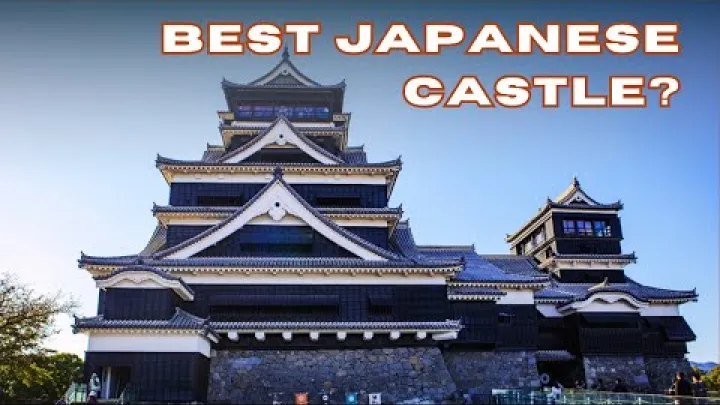
Pair the castle with Sakura no Baba Josaien. The complex provides a useful visitor setting with information, food, shopping, and a castle-town context, so it works well before or after the main castle visit. This sequence gives the historical site more meaning than treating it as only a viewpoint or photo stop.
Allow enough time for elevated paths, slopes, and uneven sections around the castle grounds. Current restoration work and visitor access can affect which areas are available, so consult the Kumamoto Castle Official Website for the latest visitor information. Wear comfortable shoes and avoid placing the castle between two tightly timed regional transfers.
Stroll Through Suizenji Jojuen Garden
Suizenji Jojuen Garden is a Japanese stroll garden built around a pond and changing landscape views. It offers a slower experience than the castle, with paths that encourage visitors to pause rather than move quickly from one exhibit to another.
The garden's spring water is associated with Mount Aso, creating a subtle connection between the city and the volcanic region. That connection makes the garden a useful complement to an Aso trip, but it does not replace seeing the wider highland landscape.
Plan it as a half-day complement to castle and downtown sightseeing. The garden can be reached by tram followed by a short walk, so it fits naturally after a morning in the castle district. Give it more time if you enjoy landscape photography or seasonal atmosphere, and less time if your priority is the city's historical sites and shopping.
Explore Kumamon Square, Sakura Machi, and the Shopping Arcades
Kumamon Square represents the contemporary side of Kumamoto's regional identity. It is a natural stop for mascot fans, families, and visitors who want to understand how Kumamon is used in local tourism and products. Travelers who are not especially interested in mascots can still combine it with nearby dining and shopping rather than treating it as a separate major excursion.
Sakura Machi and the central covered arcades are practical places for meals, everyday shopping, souvenirs, and a break between sightseeing visits. Their location helps balance the castle and garden's historical and landscape focus with ordinary city life.
A useful afternoon route is to return from the castle toward the arcades, stop at Kumamon Square, and choose dinner in the central area. Treat any character appearance or special event as optional rather than as a guaranteed part of the visit. This keeps the itinerary useful even when no performance or event matches your travel date.
Sample Kumamoto Itineraries
Build the itinerary around one main experience per day. City sightseeing is flexible, while rural areas are shaped by transport and accommodation times.
One Day in Kumamoto City
Start in the castle district with Kumamoto Castle and Sakura no Baba Josaien. Beginning there gives you time for the grounds, historical displays, visitor facilities, and a meal or snack before moving on. Walk between nearby castle-area stops, then continue toward the central arcades and Sakura Machi.
Use the afternoon for Kumamon Square, shopping, and a relaxed meal in downtown Kumamoto. If your arrival was early and you prefer gardens to shopping, use the tram to reach Suizenji Jojuen Garden after the castle. The tram is usually the clearest choice for the longer city link, while walking works well within each central district. The castle tour bus may suit visitors who prefer a sightseeing-oriented route.
Travelers arriving by train and leaving the same day should shorten the plan to the castle, Josaien, and one downtown area. Do not add Aso simply because it is the prefecture's most famous landscape. Aso needs a separate block of time and a route that fits rural transport.
In rain, spend longer in the castle visitor areas, Josaien's indoor facilities, central shops, and cafés, and treat the garden as optional. This preserves the shape of the day without requiring a long outdoor walk.
Two to Three Days with Aso
The simplest version uses one full day for Kumamoto City and one full day for Aso. On the city day, visit the castle, Josaien, downtown, and either Suizenji Jojuen Garden or Kumamon Square. On the Aso day, focus on the caldera landscape, Kusasenrigahama, the Aso Volcano Museum, and the crater area if it fits the route and is accessible.
Travelers using public transport can either return to Kumamoto City after the Aso visit or spend the night near Aso Station or another suitable base. Returning to the city keeps the hotel arrangement simple and works well if your next destination is reached by rail. Staying near Aso gives you a slower morning and reduces the need to make the same regional journey twice.
A rental car allows more control over viewpoints and stops, but a public-transport plan should be built around actual departure times rather than a list of every possible attraction. Leave buffer time for walking between stops, meals, and missed connections. If the landscape is your priority, one or two well-chosen viewpoints are better than a rushed circuit.
With three days, consider two city nights and a long Aso day, or one city night followed by an Aso overnight. The second option works best when the next part of your trip continues through the mountains or toward Kurokawa Onsen.
Four or More Days with Hot Springs or the Coast
For a longer trip, start with Kumamoto City and add one main extension. Kurokawa Onsen and Oguni suit travelers who want a ryokan, bathing, forest scenery, and a slower pace. Add an overnight rather than treating the hot spring town as a rushed stop between city and Aso.
Amakusa is a separate coastal choice for travelers interested in islands, sea views, seafood, boat activities, pottery, or hidden-Christian heritage. Its distances make it more satisfying as an overnight route, particularly when using a rental car. Plan the coast as its own direction instead of combining it with every mountain highlight.
Yamaga or Kikuchi can suit travelers looking for traditional culture, crafts, gorges, or hot springs with a different pace from Aso. Hitoyoshi and Kuma are better for travelers who have more time and specifically want southern rural landscapes. Each choice should be built around an overnight base and a realistic transfer day.
A four-day plan might use two city nights, one regional night, and a final city or onward-travel night. A slower five-day plan can combine the city, Aso, and Kurokawa Onsen, but it is still better to select one main extension than to attempt the entire prefecture in a single loop.
Costs, Food, and Practical Travel Tips
Kumamoto costs vary more by route and accommodation style than by sightseeing alone. A city trip can be kept simple with walking and trams, while rural extensions add longer transport, extra nights, car expenses, or the higher cost of a traditional inn.
Typical Cost Categories and How to Control Them
Plan the budget in separate categories: accommodation, city transport, regional transport, admissions, food, and a rental car if needed. This is more useful than relying on one daily figure because a city day and a Kurokawa Onsen stay have very different cost patterns.
- Lower-cost city plan: Choose a budget hotel or simple lodging, walk between central sights, use public transport only for longer links, and eat in casual central venues.
- Mid-range plan: Stay in a central hotel, visit several paid attractions, use a regional train or bus, and allow for sit-down meals and shopping.
- Onsen-focused plan: Budget more for a ryokan experience, especially when dinner and breakfast are included or when the property and bathing experience are central to the trip.
Rural travel can raise costs through extra nights, less frequent transport, car rental, fuel, tolls, and parking. A pass may be useful, but compare its price with the actual route and the individual tickets you would otherwise buy. A pass is not automatic savings if most of your stay is walkable in Kumamoto City.
Control costs by choosing the base before buying transport, grouping nearby attractions on the same day, and avoiding unnecessary returns to Kumamoto Station or downtown. Keep seasonal accommodation demand in mind, particularly for small hot spring inns with limited rooms.
Food, Shopping, and Regional Souvenirs
Downtown Kumamoto is the easiest place to combine meals and shopping with sightseeing. Sakura Machi, the covered arcades, castle-town shops, and nearby department-store areas give travelers options without requiring a separate trip across the prefecture.
Use central districts to try local dishes, buy packaged regional products, and look for Kumamon merchandise during natural breaks in the itinerary. The benefit is convenience: you can shop after the castle, eat before a tram journey, or make final purchases near a bus or rail connection.
Plan shopping around luggage. If you are moving to Aso or Kurokawa Onsen, buy fragile or bulky items near the end of the city portion when possible. Travelers departing from Kumamoto Station may prefer to leave souvenir shopping until the final city stop, while travelers using Sakura Machi can use the downtown area before a highway bus.
Reservations, Cash, Luggage, and Daily Logistics
Rural accommodation often shapes the day's schedule more than a city hotel does. Check the property's arrival window, dinner time, meal arrangements, and route from the station or bus stop before booking. If your transport reaches the area late, select a lodging option whose check-in process and meal schedule match your arrival.
A city hotel near a major terminal can simplify the first or last night of a trip. It reduces the distance you need to carry luggage and gives you more dining choices if a train or flight arrives later than expected. A station-area hotel is particularly practical before an early Shinkansen, while a Sakura Machi or downtown hotel may be better for a city sightseeing stay.
Carry a payment backup for smaller businesses, rural transport, and situations where a preferred card or mobile payment is not accepted. Keep essential booking details, addresses, and route information available offline. Writing the accommodation name and address in a form that can be shown to staff or a driver can also reduce confusion during regional travel.
Tourist information centers can provide maps and practical orientation. The Kumamoto City tourism information center at Kumamoto Station is a useful first stop for visitors who need help matching a route to their arrival time, luggage, or next destination. Ask about the specific service you plan to use rather than assuming that a general regional map represents the latest operating pattern.
Safety and Final Planning Checklist
Kumamoto is straightforward for most visitors, but a successful trip depends on matching your plan to the geography. City sightseeing is flexible; mountain and coastal routes need more attention to access, transport, and weather.
Check Current Volcanic, Weather, and Road Conditions
Aso is an active volcanic area, so access to the crater, nearby roads, trails, and viewpoints can be affected by volcanic activity, volcanic gas conditions, weather, or temporary restrictions. A route that was available on a previous visit or described in an older guidebook may not be available on your travel day.
Make current-condition checking the final required step before committing to an Aso excursion. Use official updates from local authorities, the attraction or site, transport operators, and reliable weather services. Check not only whether a destination is open, but also whether the road, bus route, trail, or viewpoint needed to reach it is operating.
Keep a lower-stress alternative ready. Depending on the situation, this could include a Kusasenrigahama viewpoint when accessible, the Aso Volcano Museum, another nearby attraction, or a return to Kumamoto City's castle, garden, and downtown areas. If mountain access is unsuitable, changing the base or replacing the day is better than continuing without reliable information. These checks are practical planning, not a reason to avoid Aso.
Choose the Right Kumamoto Trip Shape
Choose Kumamoto City if you want castle history, gardens, food, shopping, and the easiest trip without a car. Choose Aso if broad volcanic landscapes and outdoor time are your main priorities. Choose Kurokawa Onsen if you want a ryokan, bathing, and a slower pace. Choose Amakusa, Yamaga, Kikuchi, or Hitoyoshi and Kuma when you have more time and a specific coastal, cultural, or rural interest.
Select the base before booking transport, then build each day around realistic travel time rather than the number of places on a map. For a first visit, the most practical combination is usually one or two city days plus one carefully planned Aso day or a dedicated hot spring stay. This leaves room for Kumamoto's strongest mix: castle history, volcanic scenery, regional culture, and manageable city travel.
Select area
Create a post
Posting is free and no registration is required.