Kumamoto Best Time to Visit: Weather by Month
The best time to visit Kumamoto is generally late March to April or late October to mid-November. Spring offers cherry blossoms and a lively atmosphere, while autumn usually provides the most comfortable balance for city walks, hiking, and scenic trips. Kumamoto City, the Aso highlands, and the Amakusa coast can feel quite different, so the ideal month also depends on your route. This guide compares seasonal weather, monthly climate averages, crowds, prices, clothing, and the live checks you should make before traveling.
Quick Answer: When Is the Best Time to Visit Kumamoto?
For most first-time visitors, choose late October to early November if comfortable weather and a flexible sightseeing schedule are your main priorities. Choose late March to early April if cherry blossoms and spring scenery matter more than avoiding peak crowds.
The Short Answer
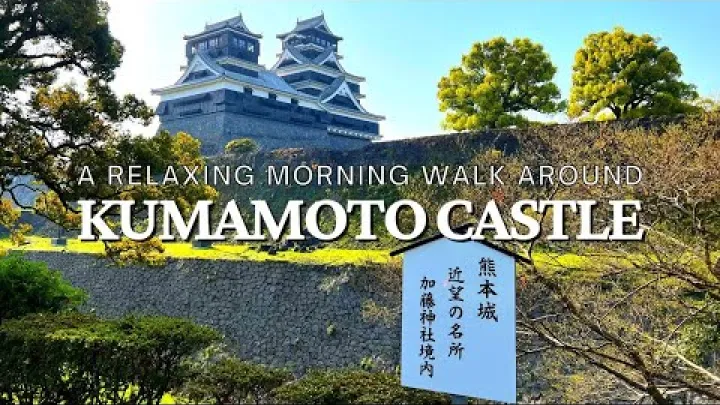
Late March and April are strong choices for a culture-focused trip. Days become mild enough for walking around Kumamoto Castle, Suizenji Park, and the central shopping and dining areas, while cherry blossoms usually add a distinctive seasonal atmosphere from around late March to early April. The trade-off is that popular blossom-viewing dates can bring more visitors, higher accommodation pressure, and less flexibility. The late-April-to-early-May Golden Week holiday can also make transport and hotels busier.
Late October through mid-November is often the best all-purpose window. October is warmer for long walks and outdoor excursions, while November is cooler and suits visitors who want autumn scenery, including the usual late-October-to-mid-November foliage period in the Aso area. Autumn is not guaranteed to be dry every day, but rainfall is normally lower than in the summer months and daytime conditions are usually easier for walking and hiking.
January and February are quieter alternatives for travelers who prefer city sightseeing, food, hot springs, or lower seasonal demand over warm weather. June through September can still be rewarding, particularly for festivals or travelers with fixed schedules, but early summer brings rainy-season disruption and July through September brings more heat, humidity, and storm sensitivity. These recommendations are based on climate patterns, not a forecast for a particular week.
- Best overall comfort: late October to early November.
- Best for cherry blossoms: late March to early April, with yearly variation.
- Best for Aso hiking and foliage: October to early November.
- Quieter and potentially better value: after the New Year holiday in winter or during parts of late autumn.
- Most weather-sensitive: June through early July for rain, and storm-affected dates in late summer.
Kumamoto Climate and Regional Differences
Kumamoto has a humid subtropical climate. Summers are hot and humid, winters are cool, and rain can occur in every month. The most useful planning distinction is between the wetter early-summer period, the hot midsummer period, and the cooler, generally more comfortable autumn period.
Kumamoto City Climate Normals at a Glance
The table below gives rounded estimates for Kumamoto City, including approximate daytime highs, nighttime lows, and monthly precipitation. The figures follow the 1991–2020 station normals published by the JMA Kumamoto normals. They describe long-term averages and should not be read as a prediction for your travel dates.
| Month | Average high | Average low | Approx. rainfall | General feel |
|---|---|---|---|---|
| January | 11°C | 1°C | About 52 mm | Cool and relatively dry |
| February | 12°C | 2°C | About 73 mm | Cool with some showers |
| March | 16°C | 6°C | About 119 mm | Milder spring transition |
| April | 21°C | 10°C | About 137 mm | Mild and good for walking |
| May | 26°C | 15°C | About 174 mm | Warm and increasingly humid |
| June | 28°C | 20°C | About 405 mm | Very wet and warm |
| July | 32°C | 24°C | About 386 mm | Hot, humid, and often wet early |
| August | 33°C | 24°C | About 191 mm | Hottest month and storm-sensitive |
| September | 30°C | 21°C | About 178 mm | Hot transition month |
| October | 25°C | 14°C | About 89 mm | Comfortable and relatively dry |
| November | 19°C | 8°C | About 83 mm | Cool, clear-feeling autumn |
| December | 13°C | 4°C | About 54 mm | Cool and increasingly wintry |
June and July stand out as the wettest months in this city baseline. July and August are the hottest, with warm nights that can make accommodation without strong cooling feel uncomfortable. October and November usually offer the most balanced combination of moderate temperatures and lower rainfall. Rainfall totals do not mean that every day in a wet month is rainy, just as a dry monthly average does not guarantee clear skies.
How City, Highlands, and Coast Feel Different
Kumamoto City is the most useful lowland reference for an itinerary based around Kumamoto Castle, Suizenji Park, restaurants, museums, and public-transport sightseeing. Urban walking can be planned around shorter distances and indoor breaks, and the city generally has milder winter conditions than the higher parts of the prefecture.

The Aso highlands and Aso caldera are cooler because of elevation. This can make summer excursions more comfortable than in the city, but it also means colder mornings and greater exposure to frost, ice, and occasional snow in winter. Wind, cloud, and visibility can change the experience of a viewpoint or hike even when the city forecast looks pleasant.
The Amakusa coast has stronger maritime influences, which can moderate temperature extremes compared with inland areas. Coastal planning is still sensitive to wind, visibility, wave conditions, and storm disruption. A day that is suitable for walking in Kumamoto City may not be suitable for a ferry, boat tour, swimming, or a sea-view drive.
These differences affect what you pack and how much time you allow for travel. Light city clothing may be enough for a warm day in Kumamoto, while Aso may require an extra layer. Coastal routes need more attention to marine conditions, and highland routes need separate road and trail information. Do not apply a city average mechanically to every part of the prefecture.
Kumamoto by Season
Spring: Comfortable Days and Cherry Blossoms
Spring moves quickly in Kumamoto. March usually begins with cool mornings and mild afternoons, April brings comfortable temperatures for extended city walks, and May becomes warmer with increasing humidity. Rainfall is moderate compared with June and July, although showers can still affect outdoor plans.
Cherry blossoms around Kumamoto Castle and other major city viewing areas usually appear from late March to early April. The exact flowering and peak-viewing dates vary by year, so travelers who are visiting mainly for blossoms should allow some flexibility. Late March can feel cool after sunset, while early April often combines mild daytime weather with chilly mornings.
Spring's main disadvantage is demand. Peak blossom weekends can make popular areas busier and put pressure on accommodation. Golden Week, from late April into early May, is another important domestic holiday period with increased demand and busier transport. If your schedule allows, the period after Golden Week and before the core rainy season can be a useful compromise: it is warmer than early spring and avoids the main blossom rush, although prices and availability still depend on the year and local events.
Pack flexible layers rather than one heavy outfit. A light jacket or cardigan is useful in March and April, especially in the morning and evening. May generally suits lighter clothing, but a compact umbrella or rain layer remains practical throughout spring.
Summer: Rainy Season, Heat, and Festivals
June, July, and August should not be treated as one identical season. Early summer is defined more by rainy-season logistics, while the middle and later part of summer is defined by heat, humidity, and warm nights. The transition between these patterns is not fixed on the calendar, and a week can contain both heavy showers and very hot clear periods.
June and early July can bring frequent rain or intense showers. Wet pavements, reduced visibility, and interruptions to rural travel can make mountain scenery and long outdoor sightseeing days less reliable. Even when rain stops, humidity can keep clothes and walking shoes damp. Indoor attractions and shorter city routes are valuable in this period.
July and August are generally the most demanding months for midday sightseeing. High temperatures, strong sun, high humidity, and warm nights can make a short walk feel harder than the thermometer suggests. Late summer also has greater exposure to typhoons and related transport disruption. This does not make every summer day unsuitable, but it increases the value of flexible plans and sensible timing.
Summer festivals provide a cultural reason to visit despite the weather. Travelers who prioritize local events can schedule outdoor activities in the morning, use indoor or air-conditioned attractions during the hottest hours, and keep some flexibility for rain. Visitors seeking easy daytime walking, long hikes, or predictable coastal conditions will usually find spring or autumn simpler.
Autumn: Clearer Weather and Aso Foliage
September is a transition month rather than a full return to cool weather. It can still feel hot and humid, and rain or tropical storm systems may affect plans. Travelers who want autumn conditions should generally look later, especially from October onward.
![Preview image for the video "[4K] "Milk Road" on Mt. Aso in autumn at Kumamoto, Japan".](/sites/default/files/styles/media_720x405/public/oembed_thumbnails/2026-08/MK8eMn0QPKb__WXepO63AaNC7u4PfCtQ56OlaU2P7cg.jpg.webp?itok=rElgYFFF "Preview image for the video \"[4K] "Milk Road" on Mt. Aso in autumn at Kumamoto, Japan\".")
October and November are the most balanced autumn months. October retains warmer afternoons that are comfortable for walking between Kumamoto Castle, Suizenji Park, and other city attractions. November is cooler, with crisp mornings and a stronger late-autumn atmosphere. Both months are usually easier for outdoor excursions than the rainy and hot summer period.
In the Aso area, autumn foliage usually develops from late October to mid-November, with early November a useful general guide. The Aso foliage guide also notes that timing varies with elevation and the year. Higher or exposed areas can change earlier or later than lower viewpoints, so foliage dates should be treated as a range rather than a promise.
Choose October when you want warmer walking conditions and a broad mix of city and outdoor activities. Choose November when cooler temperatures and Aso foliage are more important. For a first visit with no single seasonal requirement, late October to early November is the clearest general recommendation.
Winter: Quiet City Sightseeing and Colder Highlands
December through February are cool in Kumamoto City rather than continuously severe. Mornings and evenings can be chilly, rainfall is generally modest, and occasional snow is possible in the city without dependable snow cover. December becomes progressively colder, while January and February are the core winter months.
The Aso highlands can feel substantially colder than the city. Frost, ice, and occasional snow are more likely at elevation, and outdoor access can be more demanding. A city itinerary based around restaurants, cultural attractions, and historic sites therefore needs a different packing and transport plan from a winter day in the mountains.
Winter can suit travelers who value quieter streets, local food, hot springs, and seasonal city experiences. The period after the New Year holiday is generally a calmer alternative to spring blossom travel, but the New Year period itself can be busy and may have altered opening hours. Late December can also bring holiday demand and schedule changes.
Bring warm layers, a wind-resistant outer layer, and shoes suitable for cool or wet surfaces. If your route includes Aso, allow for a separate highland plan and confirm current illumination or seasonal event dates before treating them as fixed itinerary features.
Best Time to Visit Kumamoto by Travel Goal
For Culture, Cherry Blossoms, and City Walks
For cherry blossoms and a spring atmosphere, choose late March to early April. Kumamoto Castle and nearby city parks are natural parts of a blossom-focused route, and the mild season is well suited to combining historic sites with meals and shopping. Peak dates can be busy, so travelers who dislike crowds may prefer the shoulder weeks around the main flowering period.
For comfortable city walking without making blossoms the central goal, choose October or November. These months are generally easier for moving between Kumamoto Castle, Suizenji Park, food districts, and other attractions than the hot summer months. October is warmer, while November is more comfortable for travelers who prefer cool air.
July and August can suit travelers whose main priority is festival culture. They are less suitable for relaxed, all-day walking unless the itinerary is organized around early starts, indoor breaks, and evening events. A simple decision rule is: choose spring for blossoms and seasonal energy; choose autumn for the highest chance of comfortable general sightseeing.
For Hiking, Aso, and Scenic Views
Choose October to early November for the strongest general combination of cooler hiking conditions, autumn scenery, and scenic excursions around the Aso highlands and caldera. The temperatures are usually easier for sustained activity than in July or August, and autumn color adds interest to viewpoints and walking routes.
Late spring can be a useful shoulder option before the wettest part of the year. April and much of May may offer mild to warm hiking weather, although conditions become less predictable as the rainy season approaches. This is a good alternative for travelers who want green scenery and cannot travel in autumn, but it is not as clear a recommendation as October or early November.
June and early July are less reliable for trails and mountain views because heavy rain can affect surfaces, visibility, and rural travel. Winter can still provide clear days, but frost, ice, and occasional snow require more preparation. The feasibility of a particular trail, viewpoint, or road depends on its elevation and local conditions rather than on Kumamoto City averages alone.
For Beaches and Coastal Activities
For coastal sightseeing, compare late spring before the core rainy-season peak with October. Both can be reasonable periods for an Amakusa coast itinerary, but neither guarantees calm water or a full day of beach weather. The best choice depends on your exact activity, such as coastal walking, swimming, a ferry journey, or a boat tour.

Amakusa and the Ariake Sea coast can feel different from Kumamoto City because wind, visibility, and sea conditions matter as much as air temperature. A warm city day does not establish that a boat trip will be comfortable. Rainy-season fronts, typhoons, strong wind, and rough seas can affect ferries, marine excursions, swimming, and beach access.
Before traveling to the coast, confirm marine conditions and the same-day operating status of the ferry, boat-tour company, or beach operator. This local check is more useful than choosing a month from climate averages alone, especially when a coastal activity is the main purpose of the trip.
For Festivals, Quieter Travel, and Budget Value
Summer has a strong cultural appeal even though it is not the easiest season for daytime sightseeing. The Kumamoto City events information lists summer options such as Higo Honmyoji Temple Tonshae in July, the Castle Town Kumamoto Yukata Festival in July, and the Hinokuni Festival in August. Event dates and programs can change, so use the current listings when planning around a festival.
These events may justify accepting heat, humidity, and a higher chance of rain. Plan cultural activities around the event schedule rather than assuming that all-day outdoor touring will be comfortable. Festival evenings can be more manageable than hot afternoons, but weather can still affect outdoor programs.
For quieter travel and possible value, consider the period after New Year or parts of late autumn. These periods may have lower seasonal demand than cherry blossom weekends, Golden Week, and the mid-August holiday period. Lower demand does not guarantee a discount, and late December through early January can be busy, so compare accommodation availability and opening hours for your exact dates.
Kumamoto Month-by-Month Guide
January to March
| Month | Average high | Average low | Approx. rainfall | Travel feel |
|---|---|---|---|---|
| January | About 11°C | About 1°C | About 52 mm | Chilly and quieter after New Year |
| February | About 12°C | About 2°C | About 73 mm | Cool cultural sightseeing |
| March | About 16°C | About 6°C | About 119 mm | Milder spring transition |
January: Expect chilly mornings, cool afternoons, and relatively modest rainfall. A warm coat, long trousers, and layers are useful for walking around the city. The period after New Year can be a quiet time for cultural sightseeing, although the holiday itself may affect opening hours and demand.
February: Conditions remain cool, with slightly more rainfall than January. Occasional light snow is possible in Kumamoto City, but dependable snow cover should not be expected. February suits travelers who prefer quieter museums, historic sites, food experiences, and winter outings rather than warm outdoor activity.
March: The shift toward spring is clear, with afternoons near 16°C and mornings near 6°C in the city baseline. Showers become more common, and cherry blossoms may appear early or late in the month depending on the year. Move from a winter coat toward a jacket and flexible layers as the month progresses.
April to June
| Month | Average high | Average low | Approx. rainfall | Travel feel |
|---|---|---|---|---|
| April | About 21°C | About 10°C | About 137 mm | Mild and excellent for walking |
| May | About 26°C | About 15°C | About 174 mm | Warm shoulder season |
| June | About 28°C | About 20°C | About 405 mm | Warm with frequent wet-weather logistics |
April: Mild days and cool nights make April one of the most comfortable months for city walking. It is also the main cherry blossom month, so demand can be higher around peak viewing. A light jacket, comfortable walking shoes, and a rain layer cover most city itineraries.
May: May is warmer, with afternoons near 26°C and nights near 15°C. The period after Golden Week can offer a useful shoulder-season atmosphere before the core rainy period, although it is not guaranteed to be quiet or inexpensive. Wear light layers and expect increasing humidity.
June: June remains warm but has a major increase in rainfall. Frequent showers or heavy rain can change the pace of rural and mountain travel, so city itineraries benefit from indoor alternatives. Carry a reliable rain layer and choose footwear that can cope with wet pavements.
July to September
| Month | Average high | Average low | Approx. rainfall | Travel feel |
|---|---|---|---|---|
| July | About 32°C | About 24°C | About 386 mm | Rainy-season risk early, intense heat later |
| August | About 33°C | About 24°C | About 191 mm | Hottest, humid, and busy around holidays |
| September | About 30°C | About 21°C | About 178 mm | Still hot and storm-sensitive |
July: The city average is near 32°C for the high and 24°C for the low. Early July can still feel like the rainy season, while later July can bring intense heat and humidity. Choose July mainly for a specific event, summer atmosphere, or a fixed vacation period rather than for the easiest weather.
August: August is usually the hottest month, with very warm nights and strong humidity. School holidays and the mid-August Obon period can increase demand, while typhoon exposure adds another source of disruption. If you travel in August, arrange sightseeing for cooler hours and keep the middle of the day flexible.
September: September is a transition month, but it can remain hot, rainy, and sensitive to tropical storm systems. Temperatures are lower than in August but still not ideal for long midday walks. Travelers seeking autumn comfort should usually wait until October.
The practical rule for July through September is simple: choose these months for a festival, a work schedule, or another specific reason, and plan around the conditions rather than expecting consistently easy daytime sightseeing.
October to December
| Month | Average high | Average low | Approx. rainfall | Travel feel |
|---|---|---|---|---|
| October | About 25°C | About 14°C | About 89 mm | Comfortable all-purpose window |
| November | About 19°C | About 8°C | About 83 mm | Cool city walks and Aso foliage |
| December | About 13°C | About 4°C | About 54 mm | Cool and increasingly quiet |
October: October is one of the strongest all-purpose months, with afternoons near 25°C, cooler nights, and lower rainfall than summer. It is well suited to Kumamoto Castle, Suizenji Park, day trips, and outdoor activities without the peak summer heat.
November: November brings cooler days near 19°C and nights near 8°C. It is a good month for city sightseeing and commonly overlaps with the Aso foliage period from late October to mid-November. Bring a jacket for mornings and evenings, especially if your route includes the highlands.
December: December returns to cool conditions, with average highs near 13°C and lows near 4°C. Seasonal demand may be lower, but late December and New Year can change normal crowd levels, opening hours, and accommodation availability. Use warmer layers as the month progresses.
Weather Risks and Practical Checks
Rainy Season and Typhoon Disruptions
The rainy-season pattern in northern Kyushu commonly falls from late May or June into mid-July, but the start, end, and intensity vary by year. Persistent cloud, heavy showers, and saturated ground can make mountain routes, rural drives, and scenic viewpoints less convenient. The JMA Northern Kyushu climate guidance provides regional context for the area's high rainfall and summer weather. Use that regional information as context, not as a fixed Kumamoto timetable.
August and September retain meaningful typhoon exposure. A storm can affect coastal activities, roads, flights, rail services, and wider regional transport even when the center of the storm does not pass directly over Kumamoto. If avoiding weather disruption is your main goal, be cautious about June through early July and about late-summer dates affected by storm systems.
When traveling during these periods, keep an indoor or lowland backup instead of assigning every day to Aso, remote roads, or the coast. A Kumamoto City day based around museums, food, shopping, Kumamoto Castle, or other indoor attractions can protect the trip when outdoor conditions deteriorate. Leaving schedule space also makes it easier to move a rural or coastal excursion to a more suitable day.
Heat, Humidity, and Outdoor Activity
July and August can feel more difficult than their air temperatures suggest. High humidity reduces the relief provided by shade, nights can remain warm, and strong sun makes exposed paths tiring. A long route between attractions may therefore require more time and energy than the same distance in April or October.
Plan strenuous or exposed activities for early morning or late afternoon. Carry water, choose breathable clothing, and take regular breaks in shade or air-conditioned spaces. Indoor attractions are not only rainy-day backups; they are useful parts of a summer itinerary during the hottest part of the day.
Aso may feel cooler than Kumamoto City, but it is not a guaranteed escape from heat, sun, rain, or humidity. The highlands still require sensible clothing, hydration, and pacing. Travelers who are sensitive to heat will generally find April, October, and much of November easier choices for long walking and hiking days.
Winter Frost, Snow, and Highland Access
Kumamoto City usually has milder winter conditions than the Aso highlands. At elevation, frost, ice, and occasional snow are more likely, particularly during cold spells. A clear or snow-free city forecast therefore does not establish safe or comfortable conditions in Aso.
Winter weather can affect mountain roads, viewpoints, hiking trails, driving times, and the practicality of a highland day trip. Before leaving the city, check local road and trail conditions for the route you intend to use. If ice or snow is reported, change the itinerary, allow additional time, or use suitable winter equipment rather than assuming that the route will be unchanged.
For a city-only winter stay, warm layers and a wind-resistant outer layer are usually more important than heavy snow equipment. For a combined city-and-Aso trip, pack for both environments and keep the highland portion flexible enough to change if access conditions become difficult.
Climate Averages Versus Live Forecasts
Climate normals help you choose a month, but they cannot predict the weather, rainfall, sea state, road conditions, or attraction access for a particular trip. A month with low average rainfall can still contain a wet weekend, and a wet month can include clear days. The JMA two-week forecast provides near-term temperature guidance for Kumamoto and is updated daily.
- Use the monthly averages to select the season that best matches your priorities.
- As the trip approaches, consult the current forecast for the dates and locations on your route.
- Check again shortly before departure and during the trip when rain, heat, storms, or winter cold may affect your plans.
- For Aso, Amakusa, and other rural areas, confirm road, trail, ferry, boat-operator, and attraction status separately because a general city forecast does not answer every access question.
This two-stage approach gives climate data the right role: it helps you choose when to go, while live official information helps you decide what to do on a specific day.
Final Recommendation: Match Your Dates to Your Priorities
If you want one general answer, visit Kumamoto in late October to early November for comfortable city walks, Aso scenery, and a strong balance between weather and seasonal appeal. Choose late March to early April for cherry blossoms and spring atmosphere, accepting more crowd and accommodation pressure. Choose late spring or October for coastal plans, October to early November for hiking, and winter after New Year for a quieter city stay. Summer is best approached as a festival or schedule-driven choice, with heat, rain, and flexibility built into the plan. Start with climate normals, then use live forecasts and local access information to shape the final itinerary.
Select area
Create a post
Posting is free and no registration is required.