Kagoshima Getting There: Air, Train, Bus, Car & Ferry Guide

Getting to Kagoshima is straightforward once you choose the right arrival hub for your itinerary. Flights connect Kagoshima Airport (KOJ) with major Japanese gateways and selected overseas markets, while the Kyushu Shinkansen brings travelers directly to Kagoshima-Chuo Station. Highway buses, cars, and ferries suit different budgets and travel plans, especially when Kagoshima is part of a wider Kyushu or southern-island journey. This guide compares the main options and explains how to continue from the airport, stations, and ports into central Kagoshima.
Choose the Best Way to Get to Kagoshima
Kagoshima is a regional transport hub for southern Kyushu and the islands to the south. The best route depends on more than the vehicle's travel time. Departure location, airport or station access, baggage, booking conditions, arrival terminal, and your next connection can all change the most practical choice. Kagoshima Yokanavi provides useful orientation from major cities, but date-specific services should be checked with the relevant operator.
Choose Air, Rail, Bus, Car, or Ferry by Trip Priority
Air is usually the fastest long-distance option from Tokyo, Osaka, or another distant Japanese city, although Kagoshima Airport requires a road transfer into the city. Rail is often the simplest city-center option from northern Kyushu because the Kyushu Shinkansen arrives at Kagoshima-Chuo Station. Highway buses can reduce the fare but take longer and may be affected by traffic. A car is useful for rural Kagoshima Prefecture or multi-stop Kyushu itineraries. Ferries and hydrofoils are essential when the main destination is Yakushima, Tanegashima, Amami-Oshima, or Okinawa.
| Mode | Best for | Typical cost level | Main arrival point | Booking and comfort |
|---|---|---|---|---|
| Flight | Long-distance trips | Medium to high | Kagoshima Airport | Fast and comfortable, but a road transfer is required |
| Shinkansen | Fukuoka and rail itineraries | Medium to high | Kagoshima-Chuo Station | City-center access and comfortable seating |
| Highway bus | Lower-cost Kyushu travel | Low to medium | Tenmonkan or Kagoshima-Chuo | Reservations may be needed; traffic affects arrival |
| Car | Rural and multi-stop trips | Variable | Airport or rental office | Flexible, but tolls, parking, and documents matter |
| Ferry or hydrofoil | Island travel and vehicles | Variable | A designated Kagoshima port | Useful for luggage or cars; sailing conditions matter |
For a short Kagoshima City visit, compare a flight to Kagoshima Airport with a train to Kagoshima-Chuo. For a budget trip from Fukuoka, compare the Shinkansen and highway bus using the complete journey and final stop. For a countryside tour, calculate rental, fuel, toll, parking, and one-way costs against public transport. If an island is the main purpose of the trip, check the onward ferry or flight first and fit the mainland arrival around it.
Know Kagoshima's Main Arrival Hubs
Kagoshima Airport (KOJ) is the main air gateway, but it is outside the city center and requires a road transfer. Kagoshima-Chuo Station is the main Shinkansen station and a major bus and local transport hub. Kagoshima Station is separate and is closer to the waterfront, with a different local rail and city transport role. A ticket to Kagoshima-Chuo does not mean that you have arrived at Kagoshima Station.
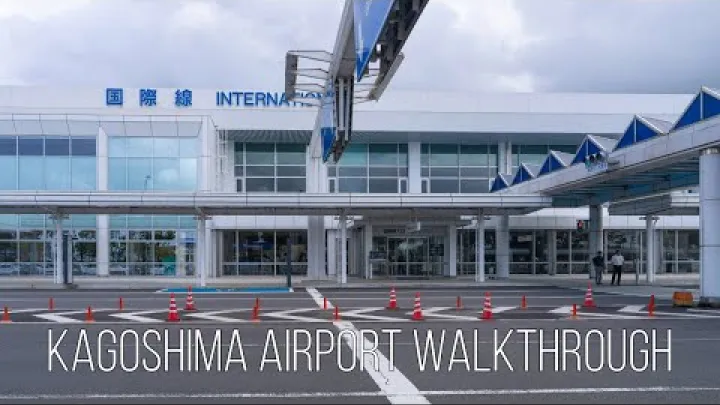
Kagoshima Port describes a wider maritime area rather than one universal ferry counter. Travelers may need to use Kagoshima New Port, a high-speed ferry facility, Taniyama Port, or the Sakurajima Ferry terminal, depending on the operator and route. The appropriate gateway therefore depends on whether the next destination is Kagoshima City, another part of Kyushu, Yakushima, Tanegashima, Amami-Oshima, or Naha.
Before booking a multimodal journey, write down the exact station, airport, port, terminal address, and last connection. A small difference in headline fare is often less important than arriving at the correct side of the city with enough time for check-in.
Getting to Kagoshima by Air
Flying is the main long-distance access option for Kagoshima. It is particularly useful when the alternative is a long rail journey from eastern or central Japan, or when an island flight is more convenient than a mainland ferry.
Fly into Kagoshima Airport
Kagoshima Airport is the principal airport serving Kagoshima Prefecture and southern Kyushu. It handles domestic flights and selected international or regional services. Destinations and airlines can change by season or date, so use the airport's current route information as the starting point rather than relying on an old route list.
The airport is inland and has no direct rail arrival into Kagoshima City. Travelers normally continue by airport limousine bus, taxi, or rental car. Add time for leaving the aircraft, collecting baggage, reaching the bus or taxi area, and traveling by road to Kagoshima-Chuo, Tenmonkan, or the accommodation. The airport is convenient for a rental-car itinerary around the prefecture; for a city-only stay, a car may add parking and rental costs without improving access.
Use Domestic Flights from Tokyo, Osaka, Fukuoka, and Other Japanese Cities
Domestic flights may be available from Tokyo airports, Osaka airports, Fukuoka, and other regional Japanese gateways. The actual nonstop options depend on the selected date, so confirm them on the current airport route map and airline booking page.
Compare air with rail using the complete trip. A short flight still requires access to the departure airport, check-in, security, waiting, baggage collection, and the road journey from Kagoshima Airport. Rail usually starts at a city-center station and ends at Kagoshima-Chuo, which can make it more convenient even when the train takes longer. Compare baggage allowances, change conditions, airport locations, and the final price rather than the first displayed airfare.
Use Limited International Flights or Connect Through a Major Hub
Direct overseas services to Kagoshima can be limited, seasonal, or subject to operational changes. The official Kagoshima Airport international route page identifies current markets and airlines; confirm availability with the airport and airline for your travel date.
Travelers arriving from farther overseas may connect through Tokyo, Osaka, Fukuoka, or another regional hub. Check whether baggage is transferred, whether terminals change, and whether immigration or security procedures are repeated. Separate tickets carry greater delay and baggage-transfer risk than a through ticket. If the connection is late or tight, an overnight stop may be more practical than trying to protect an unconnected onward flight.
Getting to Kagoshima by Train
Rail is the clearest way to reach Kagoshima from northern Kyushu and suits travelers who prefer city-center departures, predictable station transfers, or a nationwide rail itinerary.
Take the Kyushu Shinkansen from Hakata
The Kyushu Shinkansen connects Hakata Station in Fukuoka with Kagoshima-Chuo Station. It is the principal fast rail route between northern and southern Kyushu and arrives in the city rather than at an outlying airport.

Mizuho, Sakura, and Tsubame are different service types. Broadly, Mizuho makes fewer stops, Sakura has an intermediate stopping pattern, and Tsubame generally stops more frequently. Actual stopping patterns and journey times vary by departure, so check the current timetable. The JR Kyushu English site is the official starting point for current routes, booking conditions, seat types, fares, and applicable tickets or passes.
From Fukuoka, the Shinkansen normally costs more than a highway bus but provides a faster, more comfortable city-center journey with less exposure to road traffic. Check whether your selected service requires a reserved seat and confirm the conditions of any discount ticket.
Reach Kagoshima from Osaka, Kyoto, or Tokyo by Rail
Journeys from Osaka, Kyoto, and Tokyo use connected Tokaido, Sanyo, and Kyushu Shinkansen networks rather than one simple local train. Shin-Osaka is the key practical station for Osaka travelers. Kyoto travelers must include the connection to the relevant Shinkansen service. Depending on the ticket and timetable, a transfer may be required at Shin-Osaka or Hakata.
From Tokyo, the complete rail journey crosses several regions and is substantially longer than flying for a short Kagoshima visit. Rail can still suit travelers who prefer station-to-station travel, carry substantial luggage, are using an eligible rail product, or are combining Kagoshima with several cities. Compare seat type, train category, advance-purchase conditions, transfer rules, pass eligibility, and travel date. Current rail-pass restrictions or supplements should be checked before relying on a pass.
Arrive at Kagoshima-Chuo Station
Kagoshima-Chuo Station is the main Shinkansen arrival point for Kagoshima City. It connects with local JR lines, city buses, and trams, and is convenient for hotels near the station and for onward travel toward Tenmonkan.
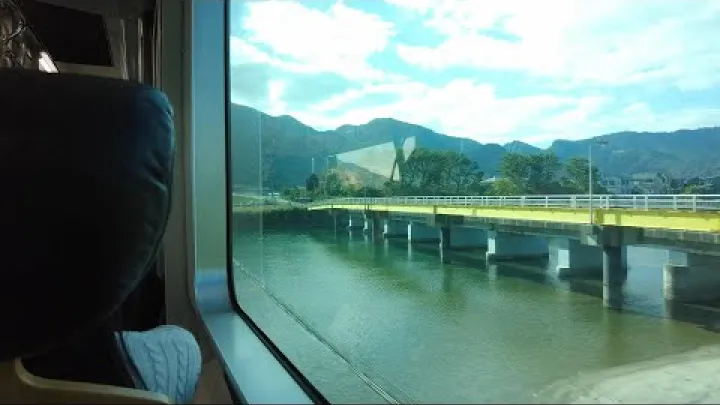
Kagoshima-Chuo is not Kagoshima Station. Kagoshima-Chuo is the long-distance rail hub; Kagoshima Station is a separate station closer to the waterfront. If a hotel or ferry instruction refers to Kagoshima Station, allow time for a local transfer.
Arrival at Kagoshima-Chuo is not arrival at a ferry terminal. When trains and sailings are booked separately, allow time to locate the local bus, tram, or taxi, travel to the correct wharf, and complete the operator's check-in process.
Getting to Kagoshima by Highway Bus or Car
Highway buses are useful for lower-cost travel, while cars provide access to places that are difficult to combine by public transport.
Use Highway Buses from Fukuoka and Other Kyushu Cities
Intercity buses may connect Kagoshima with Fukuoka, Kumamoto, Miyazaki, Oita, and other Kyushu cities. Services can be daytime or overnight, depending on the operator and date. Buses may cost less than the Shinkansen but generally take longer, and traffic, road conditions, or weather can affect arrival.
Important Kagoshima arrival areas include Tenmonkan and Kagoshima-Chuo. Tenmonkan can be convenient for downtown hotels, while Kagoshima-Chuo is useful for rail and onward connections. Confirm the exact stop, operator, departure point, reservation deadline, luggage policy, and ticket format. The airport's bus information page directs travelers to current information, including HighwayBus.com for express-bus reservations outside Kagoshima Prefecture.
An overnight bus may save a hotel cost but can make the first day tiring. Compare the lower fare with sleep quality, arrival time, and the walk or taxi journey from the bus stop to your accommodation.
Drive to Kagoshima for Rural and Multi-Stop Trips
Driving is useful for rural districts, hot-spring areas, coastal roads, viewpoints, and several locations across Kagoshima Prefecture. It can also work for a wider Kyushu trip. A car is less necessary for a short Kagoshima City stay, where trams, buses, local rail, and taxis cover the main arrival areas.
Calculate the full cost: rental fee, fuel, expressway tolls, parking, insurance, optional equipment, and any one-way drop charge. Toll products vary by rental company and reservation, so check their current conditions rather than assuming a pass will be available.
International visitors should confirm driving eligibility with the rental company before payment. Requirements can depend on the issuing country and the documents presented at the counter. Ask about the original licence, any translation or international permit, insurance, toll payment, child seats, navigation language, and vehicle-return procedure. Rural fuel stations, parking, and public transport alternatives may be less convenient, so keep the route realistic and allow time for stops.
Arrive Through Kagoshima's Ports
Kagoshima's maritime network makes the city an important mainland gateway to southern islands. The key planning task is identifying the correct terminal and arranging a dependable land connection to it.
Identify the Correct Kagoshima Port or Terminal
Kagoshima Port is a broad area with different facilities and access patterns. Travelers may see Kagoshima New Port, high-speed ferry facilities, Taniyama Port, or the Sakurajima Ferry terminal in their instructions. A booking that says Kagoshima does not necessarily identify the exact berth.

Different operators and vessel types use different wharves. A high-speed passenger service, car ferry, long-distance ferry, and Sakurajima Ferry should not be assumed to share a building. Taniyama Port is not interchangeable with more central facilities. Match the operator name, sailing date, terminal name, full address, check-in time, and vehicle requirements. If traveling with a car, confirm the vehicle check-in location and required arrival time. Use the current operator notice if it differs from a general map.
When a ferry is booked separately from a train or flight, allow time for the transfer and port check-in. Kagoshima-Chuo or Kagoshima Airport solves only the mainland part of the journey.
Travel by Ferry or Hydrofoil to Yakushima and Tanegashima
Yakushima and Tanegashima can be reached by different vessel types. High-speed hydrofoils prioritize a shorter crossing, while slower passenger, car, freight, or overnight ferries may offer greater luggage or vehicle capacity. Compare speed, price, comfort, capacity, port location, and onward transport.
Yakushima sailings may use Miyanoura or Anbo, which are separate ports. Plan accommodation and island transport around the port printed on the ticket. Tanegashima services likewise require attention to the exact destination port and onward road connection. Check whether the service accepts vehicles, bicycles, large luggage, or only passenger baggage.
Vessel availability, repairs, seasonal timetables, and sea conditions can change the practical choice. Check the operator's weather-related sailing notice close to departure and keep a flexible day when an island connection is important. Avoid placing a fixed international departure immediately after an island sailing unless you have a suitable buffer.
Use Long-Distance Ferries to Amami and Okinawa
Long-distance ferries connect Kagoshima with Amami-Oshima, other southern islands, and Naha in Okinawa. They suit travelers carrying a car, traveling with more luggage, staying longer, visiting several islands, or preferring a slower overnight journey.
Compared with flying, a ferry takes longer but may provide more luggage space and vehicle transport, along with seating or cabin choices. These services are generally more relevant to island-focused, vehicle-based, or long-stay itineraries than to a quick Kagoshima City visit. Confirm whether the sailing is a through service with intermediate stops or a separate local connection. The operator determines current frequency, fares, cabin availability, vehicle rules, and port assignment.
Plan the mainland transfer carefully because Kagoshima-Chuo and Kagoshima Airport may be on a different side of the city from the ferry terminal. A ferry is not automatically the fastest way to reach Kagoshima City; it is most useful when the sea journey is itself part of the itinerary.
Get from Each Gateway to Kagoshima City Center
The final connection determines where your Kagoshima stay begins. Kagoshima-Chuo and Tenmonkan are common destinations, but the best transfer depends on luggage, hotel location, arrival time, and the exact port or airport.
Transfer from Kagoshima Airport to the City
Airport limousine buses are the normal public transport connection from Kagoshima Airport to Kagoshima-Chuo, Tenmonkan, and other city areas. They are usually the first option to compare for a daytime arrival. Use the airport's current bus information for stops, destinations, and timetable details.
Scheduled bus time is not the complete transfer. Include baggage collection, waiting for the next departure, road traffic, and any onward walk, tram, local bus, or taxi from Kagoshima-Chuo to the hotel. A taxi can suit groups, heavy luggage, remote accommodation, or an arrival outside the useful bus period. A rental car is more appropriate for a rural itinerary than for a city-only stay.
Continue from Kagoshima-Chuo Station to Downtown
From Kagoshima-Chuo, choose a tram, local bus, taxi, or walking route according to the accommodation. Tenmonkan is a common downtown destination, while Kagoshima-Chuo is itself a major hotel, shopping, rail, and bus area.
Walking avoids waiting and costs nothing but may be uncomfortable with large luggage, rain, or a long journey behind you. Trams and buses are economical when the route matches the destination, but check the correct stop and operating hours. A taxi is often simplest for a group or several bags. Treat Tenmonkan and Kagoshima-Chuo as different reference points when reading hotel or bus instructions.
Reach the City from the Main Port and Kagoshima New Port
The main port area is relatively close to central Kagoshima, but access depends on the berth. Walking, tram, bus, and taxi can all be suitable. Do not choose to walk from a generic Kagoshima Port map pin without checking the exact pier.
Kagoshima New Port is a separate arrival point and may need a dedicated bus or taxi rather than the short walk possible from another berth. Taniyama Port requires additional planning from central Kagoshima. The Sakurajima Ferry terminal is also distinct and serves the Sakurajima crossing, not necessarily the long-distance island routes.
Before boarding, identify the onward stop. If your hotel is near Tenmonkan, compare the terminal-to-hotel taxi route with local transport. If you are continuing to Kagoshima-Chuo, include the port-to-station journey in the itinerary rather than ending the plan at the ferry arrival time.
Handle Late Arrivals and Common Transport Traps
A late flight, delayed bus, or overnight ferry can leave fewer airport bus, tram, local bus, or taxi choices than a daytime arrival. A ferry ticket may also show Kagoshima while using a terminal farther from central Kagoshima than expected.
For a late arrival, confirm the last airport bus, tram, or port connection for the actual arrival time. If it is uncertain, arrange a backup overnight stay near the arrival hub or make a taxi plan using the official pickup area. Do not assume that the last airport bus will wait for a delayed flight or that a city bus will match every ferry arrival.
Use official ticket counters, operator signs, marked taxi stands, and confirmed booking information. Avoid unsolicited transport offers at an airport, station, or port. If unsure, ask staff at the designated information desk or ticket counter to identify the official route and fare.
Compare Typical Routes to Kagoshima
These route patterns are planning frameworks rather than fixed timetables. Fares, schedules, and terminal assignments depend on the travel date.
Typical Route from Tokyo
For most short Tokyo-to-Kagoshima trips, compare a flight to Kagoshima Airport with a Shinkansen journey to Kagoshima-Chuo. Tourism information describes the Haneda-to-Kagoshima flight as approximately 1 hour and 50 minutes, but this is only the time in the air. Add travel to Haneda, airport procedures, baggage collection, and the road transfer from KOJ.
The rail route uses the Tokaido, Sanyo, and Kyushu Shinkansen networks and ends in the city. It avoids the airport-to-city bus but is a long journey and may involve a transfer or coordinated services. Rail can suit a nationwide itinerary, an eligible pass, substantial luggage, or a preference for stations. Choose by comparing complete door-to-door cost and time.
Typical Route from Osaka or Kyoto
Distinguish Osaka Itami Airport, Kansai International Airport, Shin-Osaka Station, and Kyoto Station. The best option depends on the starting neighborhood. Someone near Shin-Osaka may find rail straightforward, while someone near Itami may prefer a flight. Kansai International Airport can require a longer access journey.
By rail, the journey begins on the Tokaido or Sanyo Shinkansen and continues through the Kyushu network, with the transfer pattern depending on the selected service. Air travelers must include the trip to the chosen Osaka airport and the road transfer from Kagoshima Airport. Compare fare, change conditions, baggage, airport or station access, and current pass eligibility rather than headline prices alone.
Typical Route from Fukuoka
From Fukuoka, the Kyushu Shinkansen from Hakata to Kagoshima-Chuo is usually the main fast city-center option. It is convenient for travelers near Hakata Station or arriving in Fukuoka by train.
A highway bus may cost less and may arrive near Tenmonkan or Kagoshima-Chuo, depending on the service. It suits travelers who accept a longer journey and possible traffic delays. Driving is useful for travelers stopping in Kumamoto, Miyazaki, coastal areas, or other Kyushu destinations. A flight may be less attractive after airport access, check-in, security, baggage, and the Kagoshima Airport road transfer are included, but compare the actual date-specific schedule before deciding.
Combine Kagoshima with the Southern Islands
Kagoshima can be a mainland staging point for Yakushima, Tanegashima, Amami-Oshima, and Okinawa. Combine a mainland flight or Shinkansen with an onward flight, hydrofoil, passenger ferry, or long-distance ferry according to speed, vehicle needs, luggage, fare, and the island itinerary.
For Yakushima or Tanegashima, compare the speed of a hydrofoil with the capacity of a slower ferry and check whether the destination is Miyanoura, Anbo, or another designated port. For Amami-Oshima and Naha, compare a long-distance ferry with a flight by crossing time, cabin or seat preference, vehicle transport, and intermediate stops.
Leave a buffer when a mainland arrival must connect with a fixed island departure. Same-day travel is practical only when the exact arrival, road transfer, terminal check-in, and sailing schedule align. An extra night in Kagoshima can protect a separate-ticket itinerary from a missed sailing.
Plan and Verify Your Kagoshima Arrival
Use general route information to choose a mode, then use current operator information for the exact trip.
Check Current Schedules, Fares, and Booking Rules
Complete this checklist before paying:
- Confirm that the route operates on your travel date and note the departure and arrival times.
- Check the full fare, fare type, reservation requirement, change rules, and refund conditions.
- Confirm whether you need a printed ticket, mobile ticket, or identification.
- Read baggage rules; for ferries and car services, check vehicle size, bicycle rules, loading time, and separate vehicle reservations.
- Write down the exact hub: Kagoshima Airport, Kagoshima-Chuo Station, Kagoshima Station, Kagoshima Port, Kagoshima New Port, Taniyama Port, or the Sakurajima Ferry terminal.
- Match the terminal name and address with the operator's current instructions and confirm the last local connection to your hotel or port.
- Check service notices for route changes, repairs, suspensions, delays, and weather-related restrictions close to departure.
Use official airport, airline, JR, bus, ferry, port, and local transport pages for the chosen mode. The English JR Kyushu site is a useful official reference for Shinkansen operations and booking conditions. General route maps help with orientation but may not reflect seasonal service, temporary suspension, vessel repair, or a date-specific terminal change.
Match the Route to Your Time, Budget, and Itinerary
Choose air when long-distance speed is the priority. Choose the Shinkansen when city-center rail travel and arrival at Kagoshima-Chuo matter most. Choose a highway bus when a lower fare outweighs extra travel time. Choose a car for dispersed Kyushu or Kagoshima itineraries after calculating the complete road cost. Choose a ferry or hydrofoil when southern islands, luggage capacity, or vehicle transport is central.
Select the arrival hub as carefully as the mode. A flight ends at Kagoshima Airport, a Shinkansen at Kagoshima-Chuo, and a ferry at a port that may not be close to central Kagoshima. If your hotel is near Tenmonkan or your next journey begins at a port, include that final connection in the original comparison.
The practical sequence is simple: choose the gateway that matches your itinerary, confirm the current service and booking rules, identify the exact arrival terminal, plan the last-mile connection, and leave flexibility for a separate island or ferry departure. This makes getting to Kagoshima safer and more efficient even when schedules and fares change.
Select area
Create a post
Posting is free and no registration is required.