Kagoshima Best Time to Visit: Weather by Month and Travel Tips

The best time to visit Kagoshima depends on the kind of trip you want to take. For most travelers staying in Kagoshima City, spring and autumn offer the most comfortable balance of mild temperatures, outdoor access, and manageable humidity. The prefecture is much larger than the city, however, so Yakushima, Kirishima, and Amami-Oshima can have very different rain, elevation, sea, and transport conditions. This guide explains Kagoshima weather by month, the rainy season and typhoon trade-offs, and how to choose dates for sightseeing, hiking, beaches, hot springs, and budget travel.
The Best Time to Visit Kagoshima at a Glance
Kagoshima City has a warm maritime climate, with mild winters, hot and humid summers, and significant rainfall in several seasons. The best overall choice for a first visit is usually mid-March to late May, or mid-October to late November. These windows are broad planning guides rather than guarantees of dry weather or clear views.
Best Overall: Mid-March to Late May
Spring is one of the strongest periods for visiting Kagoshima City. Temperatures become increasingly comfortable for walking around the city, crossing the bay for a view of Sakurajima, visiting historical sites, and taking trips to Ibusuki or Kirishima. April and May are especially useful for travelers who want outdoor time without the most intense summer heat.

Late March and early April are the usual focus for cherry blossoms, although flowering dates change from year to year. If blossoms are your priority, allow some flexibility and use current seasonal information rather than booking solely around an average date. May is a better fit for fresh greenery, longer days, and walking or short hikes when you prefer warmer conditions and are less concerned about seeing flowers.
The main disadvantages are demand and timing. Accommodation and transport can be more competitive around blossom periods and the late-April to early-May Golden Week holiday period. Spring also has occasional rain, so it should not be described as uniformly dry. The Kagoshima Visitors' Guide identifies spring, particularly April and May, as a leading climatic travel season before the main rainy-season pattern.
Best Autumn Window: Mid-October to Late November
Mid-October to late November is the main alternative to spring. The weather is often comfortable for city walks, scenic drives, hot springs, food-focused travel, and nature excursions. Humidity is generally less oppressive than in summer, and autumn colors may appear in suitable higher or cooler areas, including parts of the Kirishima region.

Autumn is a good choice if you prefer foliage, seasonal food, and hot-spring visits over cherry blossoms. November is usually cooler and more settled in feel than early October. Early October can still be warm and can retain some tropical-storm uncertainty, so the whole of October should not be treated as equally reliable. No date is completely storm-free, and conditions can vary between Kagoshima City, the mountains, and the islands.
Autumn weekends and popular foliage periods can increase demand for accommodation in scenic and hot-spring areas. Compared with spring, autumn may suit travelers who want comfortable sightseeing without having to target a short blossom window. It is also a practical season for combining Kagoshima City with Ibusuki or Kirishima.
Periods to Approach Carefully
June to early July is the most difficult period for a rain-sensitive itinerary. Kagoshima City normally receives its greatest rainfall in June, and early July can remain unsettled before the full transition to summer. Persistent rain, high humidity, wet surfaces, lower visibility, and cloud around volcanoes can reduce the reliability of outdoor plans.
Late August and September require the greatest flexibility for many island and marine itineraries because tropical storms can affect flights, ferries, sea conditions, and excursions. This does not mean that every summer or early-autumn day is unsuitable. July and August can be appealing for beaches, festivals, snorkeling, diving, and long daylight hours if you accept heat and operational uncertainty.
Use the phrase plan carefully rather than do not visit. A city-based cultural trip can still work during the rainy season or summer, especially when it includes indoor alternatives. The more an itinerary depends on a particular ferry, mountain route, or boat activity, the more important flexibility becomes.
Kagoshima Climate and Regional Differences
Kagoshima City is the default reference point for general Kagoshima weather advice, but the prefecture includes coastlines, volcanic highlands, and subtropical islands. A temperature or rainfall pattern in the city should not be applied automatically to the entire region.
Kagoshima City Climate Baseline
The most useful standard comparison is the Japan Meteorological Agency's 1991–2020 climate-normal period. These normals describe typical monthly conditions over three decades, not the forecast for a future travel date. For Kagoshima City, they show an annual mean temperature of about 19°C, a January mean of about 9°C, and an August mean of about 29°C. June is the clear rainfall peak, with roughly 450 mm in the normal data, while the annual total is around 2,400 mm.
This pattern explains why Kagoshima feels warm for much of the year but cannot be described as having a completely dry season. Winter is mild compared with colder parts of Japan, summer is hot and humid, and late spring or early summer can be very wet. The Japan Meteorological Agency provides the official climate-normal tables used for long-term comparisons.
Rounded representative figures are useful for choosing a season, but they hide daily variation. A monthly mean does not tell you whether your particular day will be sunny, windy, humid, or rainy. It also does not describe the conditions at a mountain trail or on a separate island.
Mainland Conditions: Kagoshima City, Sakurajima, Ibusuki, and Kirishima
The mainland part of the prefecture contains several practical climate zones for travelers. Kagoshima City and Sakurajima are the urban and volcanic sightseeing references, with bay-side walks, museums, historical attractions, and viewpoints whose enjoyment depends heavily on heat, cloud, and visibility. The city is a convenient base when you want a mixture of outdoor scenery and indoor activities.
Ibusuki lies farther south on the coast and is best understood as a coastal hot-spring and sand-bath base. Its appeal is closely connected to bathing comfort and relaxed sightseeing, so the hottest summer afternoons may feel less convenient for travelers who want to walk extensively between activities. Spring, autumn, winter, and early spring offer different balances of warmth and comfort.
Kirishima includes higher-elevation nature and hot-spring areas. Higher ground can feel cooler than Kagoshima City, which may improve walking comfort in warm weather, but mountain cloud and rain can also reduce visibility. A city forecast is therefore a broad planning reference, not a complete description of a Kirishima route. When your itinerary moves from the bay to the coast or highlands, compare information for the actual destination and route.
Island Conditions: Yakushima and Amami-Oshima
Yakushima should not be planned using Kagoshima City rainfall expectations. Its mountains create a much wetter local climate, and rain can have a stronger effect on forest trails, streams, visibility, clothing, and hiking feasibility. Even when the city has a comfortable sightseeing day, Yakushima may be wet or cloudy in the areas that matter most to a hiking itinerary.
Spring is often a particularly practical period for Yakushima travel. The Japan National Tourism Organization notes that spring is a favorable time for Yakushima because it is less rainy than usual. This is a relative seasonal advantage, not a promise of dry trails. Autumn can also suit nature-focused travel, but conditions vary by route and elevation.
Amami-Oshima has a more subtropical maritime pattern than Kagoshima City. Warm weather and marine activities are important attractions, but the island is also more exposed to the practical effects of tropical storms. Flights, ferries, sea excursions, and coastal plans can be affected even when a short city stay in Kagoshima appears comfortable. The best time for Kagoshima City is therefore not automatically the best time for every island in the prefecture.
Kagoshima Weather Month by Month
The table below gives a simple Kagoshima climate by month using rounded Kagoshima City mean temperatures from the 1991–2020 normals. The final column describes the broad rainfall pattern rather than predicting the weather for a particular year.
| Month | Rounded mean temperature | Typical planning feel |
|---|---|---|
| January | About 9°C | Cool and relatively quiet |
| February | About 10°C | Mild winter; gradual warming |
| March | About 13°C | Spring begins; rain increases |
| April | About 17°C | Comfortable for sightseeing |
| May | About 21°C | Warm greenery; outdoor-friendly |
| June | About 24°C | Wettest period; humid |
| July | About 28°C | Hot; summer transition |
| August | About 29°C | Hottest period; marine appeal |
| September | About 26°C | Warm; storm flexibility needed |
| October | About 21°C | Warm autumn; improving comfort |
| November | About 17°C | Cooler and comfortable |
| December | About 12°C | Mild early winter |
January to February: Mild Winter and Low-Crowd Sightseeing
January is the coolest month in Kagoshima City, but its average conditions are mild compared with much of Japan. About 9°C as a monthly mean does not mean that every afternoon is warm. Mornings, evenings, bay-side wind, and rainy days can feel chilly, so a warm outer layer and rain protection are useful.
Winter works well for museums, markets, food, historical sites, city walks on clear days, and hot springs. It is less suitable if swimming or high-elevation hiking is the main purpose of the trip. A winter visit can also make it easier to focus on Kagoshima cuisine, cultural attractions, and an onsen stay without trying to fit in a full outdoor program each day.
January and February may be quieter than the major spring and autumn travel periods, and they can sometimes offer better availability. Neither lower demand nor a lower rate is guaranteed, because prices depend on dates, events, and booking timing. Live cold snaps and wet spells can also differ from the normal seasonal pattern.
March to May: Blossoms, Greenery, and the Spring Sweet Spot
March brings a clear transition toward spring. Temperatures rise from a city mean of about 13°C toward about 17°C in April and 21°C in May. This gradual warming makes the season flexible: March can suit travelers who want early spring atmosphere, April is strong for comfortable sightseeing and blossoms, and May favors greenery and longer outdoor days.
Cherry blossoms usually become a consideration in late March and early April, but the exact flowering and full-bloom dates vary with the year's temperatures. Treat the usual window as orientation rather than a guarantee. If the flowers are essential, avoid building a long, inflexible trip around one predicted day.
May is often the most balanced spring choice for travelers who want walking, short hikes, gardens, regional excursions, and comfortable temperatures without making blossoms the central goal. Demand rises around the Golden Week holiday period, and spring showers remain possible. Pack layers and a light rain shell even during an otherwise favorable spring itinerary.
June to Early July: Rainy Season and Humidity
June is normally Kagoshima City's wettest month, with a mean temperature of about 24°C and high humidity. Early July can remain unsettled before the rainy-season pattern gives way to hotter summer weather. The issue is not that rain falls continuously every day, but that the probability of disruptive or persistent wet periods makes a weather-sensitive itinerary harder to manage.
Rain can cloud views of Sakurajima, make volcanic and coastal scenery less visible, leave walking surfaces wet, and reduce the enjoyment of long outdoor days. Island travel becomes more difficult to plan when a ferry, flight, forest walk, or boat excursion is a central part of the schedule. Lower crowds and atmospheric landscapes may still appeal to experienced travelers who are comfortable changing plans.
Yakushima deserves special attention in this period because heavy rain has a stronger effect on forest trails, streams, visibility, and hiking feasibility than it does on a short city sightseeing day. For a first Kagoshima trip built around clear views and outdoor excursions, June to early July is usually a weaker choice. For travelers with flexible plans and indoor alternatives, it can still be workable.
Mid-July to September: Summer Heat, Festivals, and Marine Activities
After the main rainy-season pattern, Kagoshima becomes hot and humid. The August city mean is about 29°C, but the practical sensation can be more demanding because of humidity, strong sun, and limited shade. July, August, and September suit travelers who value long daylight hours, festivals, beaches, snorkeling, diving, and other marine activities more than cool walking weather.
Amami-Oshima can be especially attractive for a summer-centered marine itinerary when sea conditions are suitable. The benefits are warm, summer-like surroundings and greater daylight, but they come with heat stress, thunderstorms, rough seas, and the possibility of tropical-storm disruption. Warm conditions do not make every boat or coastal activity operational.
Schedule exposed or strenuous activities in the early morning during hot weather, then use the middle of the day for shade, rest, indoor attractions, or a slower meal. Carry water, use sun protection, and choose breathable clothing. Late summer and early autumn also need more flexibility than spring or late autumn because storm-related changes can affect island and marine plans.
October to December: Autumn Comfort and Mild Early Winter
October and November are often the most balanced autumn months. October begins near a mean of about 21°C, while November is closer to 17°C. These conditions support comfortable walking, scenic excursions, food-focused travel, hot springs, and visits to cooler nature areas. Suitable higher-elevation locations may also show autumn color, although timing varies by place.
Early October can still be warm and may retain some typhoon-related uncertainty. As autumn progresses, the general risk of tropical-storm disruption decreases, and November usually feels more settled and cooler. This is one reason mid-October to late November is a strong alternative for travelers who do not need cherry blossoms.
December marks the transition into mild early winter, with a city mean of about 12°C. It has no major beach advantage, but it can be excellent for city culture, local food, historical attractions, and onsen-focused travel. Pack a warm outer layer for mornings and evenings, while remembering that Kagoshima does not usually require the same winter equipment as snowy or colder mountainous parts of Japan.
The Best Time for Different Kagoshima Experiences
The ideal Kagoshima travel season changes when the purpose of the trip changes. A city and culture itinerary is easier to operate across more months than a plan based on one mountain trail, ferry, or marine excursion.
City Sightseeing, Sakurajima, and Cultural Attractions
Spring and autumn are the easiest seasons for walking around Kagoshima City, visiting museums and historical sites, enjoying Kagoshima Bay, and planning a Sakurajima excursion. Spring offers fresh color and gradually warming temperatures. Autumn offers cooler walking conditions and a comfortable setting for combining city streets with scenic areas.

Winter is a practical alternative when your priority is quiet city sightseeing, indoor culture, food, and hot springs rather than blossoms or swimming. It can be a good choice for a shorter city stay because museums, markets, restaurants, and historical attractions provide structure even when the weather is not ideal for a long outdoor day.
Summer city sightseeing is possible, but it works better with early starts, a shaded or indoor midday stop, regular hydration, and time away from direct sun. Views of Sakurajima and the bay depend on the weather on the day. A season may improve the odds of comfortable viewing without guaranteeing that the volcano will be visible.
A simple priority choice is: choose spring for blossoms and new greenery, autumn for comfortable scenery and hot springs, or winter for quieter culture and food. The city is the most adaptable base because one wet or hot period does not remove every type of activity.
Hiking and Nature: Yakushima and Kirishima
Spring and autumn are the most broadly comfortable periods for nature-focused travel, but elevation and island location matter. Kirishima's higher ground can feel cooler than Kagoshima City and may be more comfortable for walking in warm weather. At the same time, mountain cloud, rain, and route conditions can change the experience even when the lowland forecast looks favorable.
Yakushima is substantially wetter than Kagoshima City. Spring is often a useful choice because rainfall is relatively lower than usual, while autumn can also suit travelers seeking forest scenery and cooler hiking conditions. Rain can make streams rise, paths slippery, and visibility poor. A forest route should be treated differently from a city walk, especially after a period of heavy rain.
Do not begin a mountain or forest route solely because the Kagoshima City forecast looks acceptable. Before a wet-season hike, check trail and river conditions with the relevant local authority, park information service, or an experienced local guide. If the route information is unclear or conditions have deteriorated, changing to a shorter or lower-risk activity is the safer decision.
Beaches and Marine Activities: Amami-Oshima and Southern Islands
July and August offer the warmest, most summer-like setting for swimming and marine leisure when storms are absent. Long days and warm air can make this period attractive for travelers whose main goal is the sea rather than city walking. Amami-Oshima is a more natural fit for an island-centered marine itinerary than a short Kagoshima City visit.
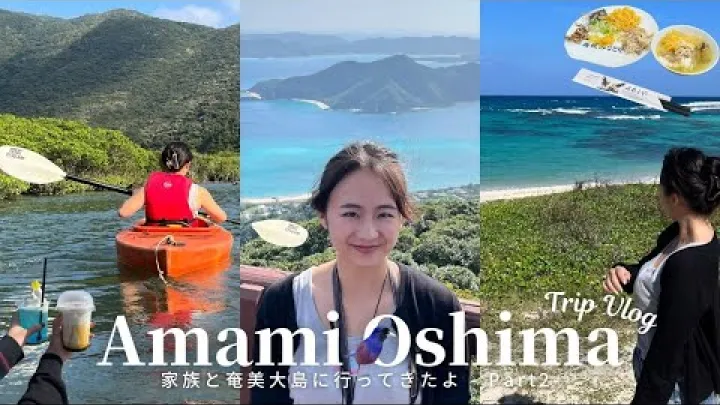
The trade-off is significant. Summer brings heat, humidity, strong sun, thunderstorms, and the possibility of rough seas. A warm forecast on land does not guarantee calm water, and an island itinerary can be affected by conditions away from the city. Marine activities should therefore be treated as weather-dependent parts of the trip rather than fixed promises.
A shoulder-season visit may reduce heat or some storm exposure, but the water can feel cooler and marine comfort can be less predictable. Choose a shoulder season only if you value lower heat, quieter travel, or broader sightseeing more than guaranteed summer warmth. If swimming is the single purpose, the warmest months are more logical; if the trip combines beaches with hiking or culture, spring or autumn may offer a better overall balance.
Hot Springs, Ibusuki Sand Baths, and Budget Travel
Autumn, winter, and early spring are comfortable choices for hot springs and Ibusuki sand baths because bathing can be less demanding than in the hottest part of summer. Ibusuki is a coastal wellness base with its own atmosphere, while Kirishima offers a different mainland setting associated with highland nature and hot springs. They should not be treated as interchangeable stops.
Winter can provide a quieter atmosphere for bathing, food, and relaxation. Spring and autumn offer a stronger combination of bathing comfort and outdoor sightseeing. The best temperature is personal: some travelers enjoy a warm outdoor bath in cool air, while others prefer milder conditions for walking between facilities or spending time outside after bathing.
Rainy-season travel may offer better availability on some dates and can be a possible budget trade-off, but lower demand does not guarantee a lower price. The value is only attractive if you are willing to accept wet weather, reduced visibility, and more flexible outdoor plans. A hot-spring itinerary is more resilient than a beach itinerary because bathing, meals, and relaxation can remain enjoyable in varied weather.
Rainy Season, Typhoons, and Flexible Travel Logistics
Kagoshima travel logistics become more important when rain, wind, sea conditions, or mountain access are central to your itinerary. The key is to use seasonal climate information for broad date selection, then make daily and transport decisions using current information.
How to Plan Around the Rainy Season
Heavy rain changes the usefulness of a sightseeing day even when attractions remain technically open. Volcano views may disappear behind cloud, walking surfaces may become slippery, and an outdoor excursion may be tiring rather than enjoyable. Rain can also make a route feel slower because you need more time for clothing, transport connections, and drying equipment.
Build a replacement structure rather than leaving a rainy day empty. For example, keep a museum or historical site for the morning, choose a market or food-focused stop around lunch, and reserve an indoor cultural activity, shopping area, or hot spring for the afternoon. If the rain eases, a short bay-side walk can become an optional addition instead of the foundation of the day.
Pack a light waterproof outer layer, quick-drying clothing, footwear with dependable grip, and protection for phones or cameras. An umbrella can help in the city, but an outer layer is often more useful when you are moving between transport, outdoor viewpoints, and wet streets. Keep one dry change of socks and a small bag for damp items if rain-sensitive activities are part of the plan.
Rain is not automatically a reason to cancel Kagoshima. It is a reason to reduce the number of fixed outdoor commitments and to give indoor attractions equal importance in the itinerary.
How to Plan Island Trips During Typhoon Season
Typhoon effects matter especially for Amami-Oshima and other island itineraries because flights, ferries, marine excursions, and coastal activities depend on wind and sea conditions. A storm does not need to make a direct landfall at your destination to create travel problems. Disruption can also occur before or after the center of the storm reaches the region.
July through October is a broad period in which typhoon exposure should be considered, with August and September generally requiring the greatest flexibility. The timing and strength of storms vary from year to year. A general Kyushu travel guide, Little Kyushu Adventures, describes this broad seasonal pattern while emphasizing the need for flexible planning.
If you travel during this period, consider adding a buffer day and choosing accommodation and transport terms that allow changes when possible. Keep an alternative mainland or indoor plan available, particularly if the island segment is short. Do not assume that a booked departure will operate: verify ferry or flight status with the operating company immediately before each island departure, and follow current official advisories and operator notices over any seasonal average.
A direct hit is not the only concern. Rough seas, wind, rain, and temporary changes to excursions can affect the practical value of an island day. The safest planning approach is to accept that the island portion may need to move, shorten, or change rather than treating it as the immovable center of the whole trip.
Climate Averages Versus Live Forecasts and Access Notices
Climate normals describe typical conditions over many years. They can help answer whether April is usually milder than August or whether June is generally wetter than November, but they cannot confirm the weather, visibility, heat, rainfall, or sea state for a specific date. A normal also cannot confirm whether a trail, ferry, flight, attraction, or activity is operating.
Use a simple three-step decision sequence:
- Choose a season with climate normals. Use the Kagoshima City baseline to compare spring, summer, autumn, and winter, then adjust the choice for Yakushima, Kirishima, or Amami-Oshima.
- Plan each day with the short-range forecast. Use the current forecast to decide whether a volcano viewpoint, long walk, beach visit, or indoor alternative makes the most sense.
- Confirm access before departure. Check official weather warnings and local conditions before mountain or outdoor activities, and check the relevant ferry, flight, attraction, or activity operator before an access-dependent trip.
Kagoshima City, Yakushima, Kirishima, and Amami-Oshima can show different conditions on the same day. When deciding whether to go, modify the plan, or postpone, use information for the actual destination and activity. Seasonal averages are for choosing dates; live forecasts and access notices are for making the final decision.
Crowds, Costs, Packing, and Booking Strategy
Weather is only one part of choosing the best time to visit Kagoshima. Demand, availability, luggage, and the number of fixed transport connections can change how comfortable a trip feels even when the climate is favorable.
Peak Demand Around Blossoms, Golden Week, and Autumn Weekends
Late March and early April can be busy when travelers target cherry blossoms. The late-April and early-May Golden Week holiday period creates another strong demand window. Popular autumn weekends and foliage periods can also fill accommodation in scenic and hot-spring areas.
Kagoshima City may feel more manageable than Japan's most famous urban destinations, but popular local bases and island gateways can still have limited availability. A multi-stop itinerary involving Yakushima or Amami-Oshima has more booking dependencies than a city-only stay. A room in Kagoshima City does not solve the problem of finding the right island accommodation or a suitable connection on the same dates.
When dates are fixed, book popular spring and autumn accommodation early, especially for weekends and holiday periods. Compare the total route rather than looking only at the city hotel. If the trip includes several stops, confirm that the accommodation dates, transport schedule, and planned activities fit together before making non-flexible payments.
Lower-Crowd and Potentially Better-Value Periods
January, February, early December, and some rainy-season dates may be quieter. They can offer better availability for travelers who prioritize city culture, food, hot springs, and a slower pace. Winter is particularly useful when beaches, blossoms, and long outdoor days are not essential.
Lower demand does not guarantee low prices. Fares and accommodation rates depend on the exact dates, local events, booking lead time, and the type of room or transport selected. Treat value as a possibility, not a fixed seasonal discount.
The decision is a trade-off. January and February bring cooler conditions and less outdoor appeal. Rainy-season dates may reduce crowds but make outdoor and island plans less reliable. Early December can provide mild early-winter sightseeing but fewer beach advantages. Choose a lower-demand period when the reduction in crowds or improved availability matters more to you than perfect weather.
What to Pack for Each Season
Kagoshima does not require one fixed packing list all year. Layers are more useful than a single heavy outfit, particularly when a trip combines the city, coast, and higher ground.
- Spring and autumn: Pack layers, comfortable walking shoes, and a light rain shell. Mornings and evenings can feel cooler than the afternoon, and occasional showers are possible.
- Summer: Choose breathable clothing, sun protection, a hat, water, and rain protection. Plan for heat and humidity rather than relying on the temperature number alone.
- Rainy season and island trips: Bring quick-drying clothing, waterproof protection for electronics and luggage, and footwear suited to wet surfaces. Extra socks can make a long day more comfortable.
- Winter: Bring a warm outer layer and adaptable clothing for cool mornings, evenings, wind, and occasional rain. Heavy snow equipment is not normally needed for an ordinary Kagoshima City stay.
Travelers visiting Yakushima for hiking should separate ordinary city clothing from route-specific equipment. Wet forests and mountain paths place greater demands on grip, rain protection, and drying capacity than a museum or bay walk.
Booking Strategy for Mainland and Island Itineraries
Book popular spring and autumn accommodation early when your dates are fixed. For island plans that depend on weather, consider flexible or refundable terms when the price and conditions are acceptable. Read the change, cancellation, and rebooking rules before paying for a non-flexible room, ticket, excursion, or package.
A city-only itinerary is easier to adjust than one built around a single ferry, flight, mountain route, or marine excursion. If you want both the mainland and an island, avoid making every day depend on a perfect sequence of connections. Leave space for a changed activity or a slower transfer.
When possible, place the most weather-sensitive island or hiking segment early enough in the itinerary to preserve some options later. This does not guarantee that a disruption will be avoided, but it can be more practical than leaving the only island departure for the final day. Keep a mainland alternative ready and know which reservations can be changed.
Final Recommendation for Choosing Your Kagoshima Dates
For most first-time visitors, the best time to visit Kagoshima is mid-March to late May or mid-October to late November. Choose spring for blossoms, greenery, and gradually warming outdoor conditions. Choose autumn for comfortable walking, hot springs, seasonal food, and a strong balance between scenery and humidity.
Choose January, February, or early December if you prefer quieter city culture, food, and onsen travel. Choose July or August for beaches and marine activities only if you are comfortable with heat, humidity, and a greater need for flexible island planning. Choose June to early July only when rain is acceptable and your itinerary has strong indoor alternatives.
Most importantly, treat Kagoshima City, Yakushima, Kirishima, and Amami-Oshima as different travel environments. Use long-term climate averages to select your season, then use current forecasts, warnings, and transport or access notices to decide what to do on the actual day.
Select area
Create a post
Posting is free and no registration is required.