Where to Stay in Osaka: Best Areas for First-Time Visitors
Where to stay in Osaka is less about finding one universally best hotel and more about choosing the right daily base. Namba is usually the easiest choice for a first Osaka visit focused on food, shopping, nightlife, and walkable sightseeing, while Umeda is stronger for rail connections, shopping, and a polished city setting. Honmachi, Tennoji, Osaka Castle, the Bay Area, and Shin-Osaka each make sense for different itineraries. This guide compares the main areas by access, walkability, nighttime atmosphere, noise, cost, and accommodation type.
How to Choose Where to Stay in Osaka
Start With Your Main Daily Priority
For many first-time visitors, the default recommendation is Namba or the wider Minami area. It puts Dotonbori, Shinsaibashi, shopping arcades, restaurants, and Osaka's energetic downtown atmosphere within easy reach. Choose it when your main goal is to experience Osaka as a food and entertainment city and you want to walk out of the hotel into an active area.
- Choose Namba or Minami for food, shopping, nightlife, and a highly walkable first visit.
- Choose Umeda or Kita for major rail connections, department stores, underground shopping, and a more modern hotel environment.
- Choose Honmachi for a central but quieter compromise between Namba and Umeda.
- Choose Tennoji for parks, large shopping complexes, value-oriented options, and useful connections toward Nara or Kansai International Airport.
- Choose Osaka Castle, the Bay Area, or Shin-Osaka only when the location directly supports your itinerary.
This is a recommendation about areas, not a permanent ranking of individual hotels. A well-located property with the right room and cancellation terms can be a better choice than a more famous hotel in a less convenient part of the same district.
Decide Whether You Need a Sightseeing Base or a Transit Base
A sightseeing base reduces the effort of returning to your hotel after dinner and makes spontaneous walks easier. A transit base prioritizes a large rail hub, an airport route, regional day trips, or an early Shinkansen departure. Namba, Osaka and Umeda Stations, Tennoji, and Shin-Osaka can all be useful, but they support different patterns of travel.
For a short Osaka-focused visit, central walkability often matters more than saving one transfer on a regional journey. For a multi-city trip involving Tokyo, Hiroshima, Kyoto, or other parts of Japan, a base near a suitable railway hub may be worth the less immersive atmosphere. Look at the route from the actual hotel entrance to the station entrance, not only at the neighborhood name or a map pin.
Set Your Tolerance for Crowds, Night Noise, and Walking
The busiest parts of Dotonbori and central Minami are convenient because restaurants, signs, shops, and evening activity are close together. The same qualities can mean crowds, bright streets, taxi traffic, and noise late into the night. Honmachi, Osaka Castle, and some streets in Umeda or Tennoji generally offer a more measured evening atmosphere, although quiet streets can also mean fewer restaurants immediately outside the property.
Consider the exact block rather than judging an entire district as good or bad. Families may prefer a straightforward station route and a room with enough space for luggage. Older travelers may value elevators and fewer underground changes. Solo travelers may prefer a bright, active route without choosing a hotel directly above bars. The key comparison points throughout this guide are station access, walkability, nighttime comfort, noise, and the full cost of the stay.
Namba, Umeda, and Central Osaka: The Main Bases
Namba and Umeda are the two most useful starting points for most visitors. Honmachi sits between them and offers a different balance: central movement without the same concentration of nightlife.
Namba and Minami: The Default Base for First-Time Sightseeing
Namba is the strongest all-purpose base for a first trip centered on Osaka itself. Dotonbori is known for its dense restaurant and entertainment environment, while Shinsaibashi extends north as a major shopping area. Namba around the station has its own mix of department stores, arcades, restaurants, and transport connections. These areas are close, but they are not identical lodging choices: a hotel near Dotonbori feels more immersed in nightlife, while a property closer to the station or on a quieter side street may offer easier logistics and better sleep.
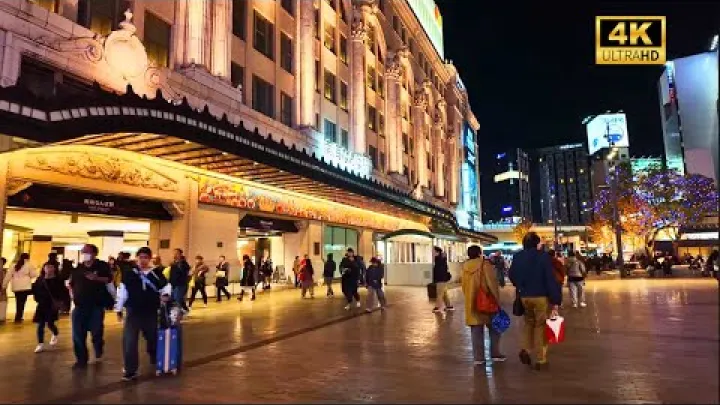
Namba Station is a major transport anchor with Nankai services, subway connections, JR Namba, and private railway access in the wider area. OCAT is another useful local anchor for airport buses and other road transport. This combination makes Namba practical for visitors arriving through Kansai International Airport as well as those spending most evenings in Minami.
The trade-off is intensity. The busiest streets can be crowded, highly illuminated, and active late at night. When booking, compare the hotel's exact walking route, street frontage, and recent comments about noise. Accommodation listings can include hotels, business hotels, hostels, and apartment-style rooms, so compare room size, access, and policies rather than selecting from a fixed list of supposedly best properties.
Umeda and Kita: Best for Transport, Shopping, and Comfort
Umeda, also called Kita, is a strong choice for travelers who value rail access, shopping, and a modern urban base. JR Osaka Station and the surrounding Osaka-Umeda, subway, and private railway stations form a large complex. Department stores, underground shopping areas, restaurants, and higher-capacity hotels make the area useful for families, business-leisure trips, and visitors planning several regional excursions.
![Preview image for the video "Japan - Sunday Walk Around Osaka Umeda Spring 2026 Walking Tour [4K/HDR/Binaural]".](/sites/default/files/styles/media_720x405/public/oembed_thumbnails/2026-08/sE9q1BfsZURfqiaEwUMMi8fLVL49Q6pBIqGWtvoX3E0.jpg.webp?itok=r0lANuT9 "Preview image for the video \"Japan - Sunday Walk Around Osaka Umeda Spring 2026 Walking Tour [4K/HDR/Binaural]\".")
Japan Travel presents Umeda within Osaka's broader northern city area, alongside other distinct parts of the city. In practical terms, do not assume that every hotel described as Umeda is close to every station entrance. The complex can involve long indoor walks, multiple levels, and different routes depending on the railway operator.
Umeda is less immediately immersive than Dotonbori. A visitor who wants Minami street food and nightlife will usually need a train ride or a longer walk. In return, Umeda can feel more orderly and convenient for a hotel-centered stay, rainy-day shopping, and rail-heavy itineraries.
Honmachi: A Central and Quieter Compromise
Honmachi is central but not immersive. Its position between Umeda and Namba makes it useful for moving around Osaka, while its business-oriented character often produces calmer evenings than the entertainment streets of Minami. Honmachi Station and the Midosuji corridor are the main local anchors.
This area suits travelers who want efficient subway access but do not need to step directly into nightlife every evening. It can also work well for business travelers, remote workers, and visitors who prefer design-led or practical hotels in a quieter setting. The compromise is that restaurant choices can be less concentrated after office hours, so consider where you will eat in the evening and how the direct walk from Honmachi Station feels with luggage.
Tennoji and Abeno: Value, Parks, and Regional Connections
Tennoji and Abeno offer a broad mix of transport, shopping, parks, and cultural sights. Tennoji Station and the nearby Osaka-Abenobashi area connect the district to several parts of Osaka, while Abeno Harukas provides a prominent landmark and a large commercial setting. Tennoji Park and Shitennoji add open space and historic interest that are less central to the Namba experience.
The area can suit families, value-focused travelers, and visitors who prefer a calmer sleeping base but still want substantial shopping and dining nearby. Connections toward Nara and Kansai International Airport can also make Tennoji useful for regional itineraries. Value is not fixed, however; room size, dates, weekends, events, and station distance all affect the total.
Pay attention to the exact location of a property. The wider Tennoji label covers redeveloped Tennoji and Abeno as well as streets closer to Shinsekai, where the atmosphere changes. Staying in Tennoji proper can provide a quieter base, but trips to Umeda or Dotonbori may take more time than they would from a hotel in the central Minami area.
Alternative Bases for Parks, Theme Parks, and Bullet Trains
These areas are not poor choices; they are specialist choices. Select one when its main advantage matches the purpose of your trip.
Osaka Castle Area: Green Space and Historic Surroundings
The Osaka Castle area is attractive for travelers who value open space, historic scenery, morning walks, and a calmer hotel setting. Osaka Castle Park provides a different experience from the dense streets of Namba, and it can be particularly appealing to families or visitors who want room for a slower start to the day.
Use Temmabashi Station and Tanimachi Yonchome as practical anchors when comparing properties. Being close to Osaka Castle Park does not automatically mean being close to a convenient subway station, and a hotel near the park may have fewer restaurants immediately outside its entrance. This base is a good fit for quiet evenings, but visitors wanting Minami nightlife should expect additional transit rather than an easy walk.
Osaka Bay and Universal Studios Japan: Choose It for a Theme-Park Trip
Universal City Station and the surrounding Bay Area are practical when Universal Studios Japan is the main purpose of the visit. Staying nearby can simplify an early park start, reduce the journey for tired children, and make a one- or two-night theme-park stay feel more relaxed. Official, partner, and nearby Bay Area hotels may offer different room layouts, dining facilities, leisure features, or themed rooms, but those details vary by property.
A booking page such as Agoda shows examples of accommodation around the Bay Area, including properties near Universal Studios Japan. Treat such listings as current market examples rather than a permanent ranking. Confirm the hotel's present park access, shuttle details, family room arrangements, and any park-related benefit in the specific offer. Park admission, timed-entry arrangements, and early-entry benefits should not be assumed to be included.
The Bay Area is less convenient for daily visits to Namba, Umeda, Tennoji, or Osaka Castle. A central hotel is usually better for a mixed Osaka itinerary with only one day at USJ. A split stay can work when multiple park days justify it, but moving luggage may cancel out the time saved.
Shin-Osaka: A Practical Shinkansen Base
Shin-Osaka is best for travelers prioritizing an early or late Shinkansen connection. Its main advantage is functional rail access and the convenience of staying close to the departure point, especially before a journey to or from Tokyo, Hiroshima, or another destination served by the bullet train.
Shin-Osaka is not interchangeable with Osaka Station or Umeda. The surrounding area is more utilitarian and business-focused, with fewer immediate sightseeing streets and less evening atmosphere than Namba or Umeda. It works well for a short stop before or after a train journey, but it is rarely the default choice for experiencing Osaka.
Large stations can make a short map distance feel longer once you add platforms, lifts, ticket gates, and luggage. Compare the exact station exit and the hotel's walking route before choosing a property for a time-sensitive departure.
Compare Osaka Areas by Access, Walkability, Noise, and Budget
Area labels are useful for narrowing the search, but the daily route and the exact property usually determine whether a stay feels easy. The following sections compare the practical differences that matter after booking.
Airport Access from Kansai International Airport
Kansai International Airport, or KIX, connects with Osaka through several patterns. Nankai services are the natural rail option for Namba. JR services can be useful for Tennoji, Osaka, and Shin-Osaka, depending on the train and final destination. Airport buses serve central hotel clusters and can reduce the need to navigate a large station with bulky luggage.
Japan Guide describes direct buses from KIX to destinations including Osaka Station and Namba, with an Osaka Station example listed at about 60 minutes and 1,800 yen. Treat those figures as a planning indication rather than a guaranteed current fare or duration. Rail and bus schedules, stopping patterns, fares, and operating conditions can change.
Namba can be the simplest airport choice for a Minami-focused itinerary. Tennoji can balance airport access with parks and regional connections. Umeda works well when the rest of the trip centers on northern Osaka or major rail links, while Shin-Osaka is logical when the airport transfer is followed quickly by a Shinkansen journey. None is automatically best for every arrival.
For a late arrival or early departure, check the current KIX timetable and the last train or bus before booking. If public transport does not match your arrival time, consider an airport-side stay, a confirmed taxi plan, or a base with a suitable transport option. With heavy luggage, fewer changes and a short walk from the arrival stop may matter more than the fastest advertised route.
Local Rail Access and the Cost of a Station Walk
The Osaka Metro Midosuji Line is a useful central spine because it links the Umeda area with Honmachi, Shinsaibashi, and Namba. This makes hotels near suitable stations attractive for visitors who want to move between northern and southern central Osaka without planning every journey around a taxi.
More connections do not always mean easier movement. Namba and Umeda contain multiple railway operators, station names, exits, underground passages, and levels. A hotel that appears close on a map may require a long walk from the platform or a change between separate station areas. Distinguish a direct ride from a journey that includes a transfer and a large interchange walk.
When comparing listings, trace the route from the hotel entrance to the relevant station exit. Note elevator access, escalators, luggage-friendly surfaces, and the route you are likely to use each day. This matters more for families, travelers with mobility concerns, and anyone arriving with large suitcases.
Walkability, Nighttime Atmosphere, and Sleep Quality
Dotonbori and Shinsaibashi offer some of Osaka's most pedestrian-oriented evening environments. Restaurants, shopping, and entertainment are close, so visitors can return to the hotel without depending on late transport. The cost of that convenience can be crowds, bright signs, traffic, and activity near the property.
Honmachi, Osaka Castle, and parts of Tennoji or Umeda can provide a quieter compromise. Quiet does not necessarily mean inconvenient, but it may mean a short subway ride for late meals. Families and light sleepers should look for a room away from bars, major roads, and busy restaurant streets. Solo travelers and older visitors may prefer a well-lit main route even if it is slightly longer.
Read recent reviews with a specific purpose. Look for comments about late-night noise, sound insulation, street activity, and the hotel's position above or beside entertainment businesses. Also inspect the street frontage and room orientation where the booking information makes them clear. The exact building can matter more than the reputation of the wider district.
Compare Price Levels Without Promising a Fixed Budget
Prime locations in central Namba and Umeda can command more, especially when the hotel is close to a major station or a popular entertainment area. Honmachi, Tennoji, and Shin-Osaka may offer different value, but no district has a permanent low, medium, or high price level. A smaller room in a prime location may cost more than a larger room farther from the main attractions.
Seasonal demand, weekends, events, room occupancy, room size, station distance, and cancellation flexibility can change the total more than the district label. Compare the same dates and the same number of guests across two or three areas. Use the full dated stay total rather than the first nightly figure shown in a search result.
- Include taxes and any mandatory charges.
- Compare breakfast as included, optional, or unavailable.
- Check room size, bed configuration, and maximum occupancy.
- Note cancellation conditions and payment timing.
- Include luggage storage and the practical cost of a longer station walk.
This method reveals whether a cheaper room actually saves money or simply moves the cost into transport, time, reduced space, or less flexible booking conditions.
Choose the Right Accommodation Type
The best lodging type depends on the length and purpose of the trip as much as on the neighborhood. A central business hotel can be efficient for two nights, while an apartment or resort may earn its extra cost during a longer or more specialized stay.
Hotels for Short City Breaks and Easy Logistics
Modern city hotels are often the straightforward choice for a short Osaka visit. They usually make it easier to arrange predictable check-in, luggage storage, daily housekeeping, and a central location without managing a private residence. Business hotels can suit solo travelers and couples, while mid-range, boutique, and international hotels may offer larger rooms or more facilities.
Compare the property rather than relying on brand category. Room dimensions, bed configuration, elevator access, breakfast, reception hours, and distance from the station affect comfort more directly than a hotel label. A higher category is not automatically a better base if the property is far from the useful station entrance or beside unwanted nighttime activity. International travelers who need English-language support should look for clear check-in information and recent guest comments, without assuming that every property provides the same level of service.
Serviced Apartments for Families and Longer Stays
A serviced apartment can be useful for a longer Osaka stay, a family that needs separate sleeping areas, or travelers who want a dining space and a more home-like layout. Extra space can also make it easier to organize luggage, children, or work equipment. A slightly less central apartment may be worthwhile when you stay several nights, because the layout is used repeatedly.
Check the actual facilities instead of assuming that every apartment has a full hotel-style service. Confirm the kitchen equipment, laundry access, bathroom layout, room separation, housekeeping schedule, maximum occupancy, and sleeping arrangements for children. Also compare reception hours, luggage handling, breakfast availability, elevator access, and cancellation terms with a conventional hotel.
For a one-night stop, the added check-in instructions and reduced reception service may outweigh the extra living space. For a longer stay, those same facilities can reduce daily friction and make a quieter neighborhood more practical.
Hostels and Budget Lodging: What to Compare
Hostels and budget properties suit solo travelers, social trips, and visitors who place location and price above room size or full hotel service. The choice may include a dormitory bed, a private room, or a compact room with a shared bathroom. Compare privacy and operating rules as carefully as the headline price.
- Check dormitory layout, bed curtains, lockers, and security arrangements.
- Confirm whether private rooms have private or shared bathrooms.
- Read the quiet-hour policy and recent comments about sleep.
- Check luggage storage, check-in requirements, and reception hours.
- Consider the late-night route around the exact property, not only the neighborhood name.
A low nightly price is not automatically good value if the property requires extra transport, a long walk with luggage, or a room arrangement that does not suit your group. Compare live dates and the surrounding block before deciding.
Resort Hotels for Universal Studios Japan
Resort-style hotels near Universal City Station are most useful when Universal Studios Japan is the central purpose of the trip. Walking access, family room designs, nearby dining, leisure facilities, and the ability to return easily after a long park day can be valuable for families or visitors spending more than one day at USJ.
Compare official, partner, and nearby Bay Area properties by actual walking distance, room occupancy, bed layout, dining options, spa or leisure facilities, and any current park-related benefit. Hotel convenience is separate from park admission, timed-entry arrangements, and other tickets, which may require separate purchase. Confirm the details in the current offer for the specific dates and room.
If the trip includes only one park day and several days of city sightseeing, staying in Namba, Umeda, or another central area may be simpler overall. A split stay is a logistical option, not an automatic improvement; account for luggage movement and the time needed to change hotels.
Safety and Practical Booking Checks
A comfortable Osaka base should work for your route, sleeping habits, luggage, and personal sense of ease. Consider safety together with lighting, crowding, late-night transport, and the exact streets around the property.
What Safety Usually Means for an Osaka Base
Japan has a generally low-crime country-level environment, but that does not remove the need for normal urban precautions. The OSAC country security report describes Japan's crime rate as generally below the U.S. national average and identifies 110 as the crime emergency number. This is broad national context, not a guarantee about every Osaka street or hotel.
In crowded trains and entertainment areas, keep valuables secure and pay attention to bags and phones. Alcohol can reduce awareness, so moderate drinking and keep your return route simple. Save the hotel name and address in a form you can show or share, and make sure everyone in your group knows where you are staying. A base is practical when you feel comfortable using its station route, lighting, entrances, and surrounding streets.
Shinsekai and Nishinari: Understand the Local Trade-Off
Shinsekai and parts of Nishinari have a more visibly rough-edged environment than mainstream Namba, Umeda, or Abeno. Visitors may encounter adult-oriented businesses, mixed social conditions, or side streets that feel poorly lit or less comfortable late at night. These observations should not be turned into a blanket claim that every visitor faces serious danger, and the atmosphere can change significantly from one block to the next.
Separate daytime sightseeing on the main streets around Tsutenkaku from choosing a hotel on an isolated side street. Travelers who prefer a polished or family-oriented base can stay in central Namba, Tennoji proper, Umeda, or another clearly suitable area and visit Shinsekai selectively. Neighborhood reputation is not a substitute for inspecting the exact property.
Open the exact hotel pin and trace the main walk from the station in daylight before booking accommodation in or near Shinsekai or Nishinari. Pay attention to the station exit, lighting, road crossings, businesses along the route, and whether you would feel comfortable returning with luggage or after dinner.
Verify the Exact Property Before Booking
Hotel names, room conditions, facilities, prices, and operating arrangements can change. Use this checklist on the live booking page for the exact dates and room:
- Confirm the full address and match the property pin with the hotel name.
- Identify the nearest useful station exit, elevator, and walking route with luggage.
- Check the maximum occupancy, bed layout, room size, and sleeping arrangements for children.
- Confirm check-in hours, reception availability, late-arrival instructions, and luggage storage.
- Read the cancellation, payment, tax, breakfast, and other booking conditions.
- Review recent guest comments for noise, cleanliness, access, and differences between room types.
- For a short-term rental, check the current official Japanese or Osaka guidance on identification and legal accommodation requirements rather than relying only on a platform description.
Use stable selection principles such as station access and room suitability to narrow the search, then confirm time-sensitive details in the current offer. If a special shuttle, park benefit, renovation status, or reception service matters to your trip, make sure it is stated for your booking and not merely mentioned in an old review.
Conclusion: Where to Stay in Osaka
For most first-time visitors, Namba or Minami is the best default because it combines food, shopping, nightlife, and easy downtown sightseeing. Choose Umeda for rail access and a polished city base, Honmachi for a quieter central compromise, or Tennoji for parks, value, and regional connections. Osaka Castle, the Bay Area, and Shin-Osaka are strongest when your itinerary specifically calls for a park setting, Universal Studios Japan, or a Shinkansen connection. Compare the exact hotel route, room conditions, nighttime atmosphere, full dated cost, and booking terms before you pay.
Select area
Create a post
Posting is free and no registration is required.