Osaka Best Time to Visit: Weather & Monthly Guide

The best time to visit Osaka depends on what you want from the trip. For most travelers, October, November, and May offer the strongest balance of comfortable weather, walkable sightseeing, and broad activity choices. Late March and early April are better for visitors focused on cherry blossoms, while winter can suit travelers who prefer food, shopping, museums, and a quieter city. This guide compares Osaka's seasons, monthly climate, crowds, prices, clothing needs, rainy-season logistics, typhoon planning, and Kansai day trips.
What Is the Best Time to Visit Osaka?
Osaka is a year-round destination, but the experience changes significantly with temperature, humidity, rainfall, seasonal scenery, holidays, and visitor demand. There is no single best month for every traveler.
Best Overall: Spring and Autumn
For a general Osaka city stay, October and November are the strongest overall choices. October usually brings mild afternoons, cooler evenings, and lower humidity than summer. November is also comfortable for walking and adds a stronger opportunity for autumn foliage, although popular foliage dates can be busy. May is another excellent all-purpose month: it is warm enough for outdoor sightseeing but usually less demanding than July and August.
Choose late March or early April if cherry blossoms are the main reason for your trip. This is a narrower and more date-sensitive window than the broad comfort of May or October. Spring blossoms and peak autumn colors can increase demand across Osaka, Kyoto, and Nara, so the most scenic dates may not be the easiest dates for availability or relaxed sightseeing. Winter and the rainy season can offer different advantages, but they involve a clearer trade-off in scenery or weather predictability.
Osaka Climate and Seasons at a Glance
Osaka has a humid temperate climate with four noticeable seasons. The city is generally milder and less snowy than northern or mountainous parts of Japan, but summer heat and humidity can be intense. The broad figures below are based on climate-normal patterns, not a forecast for a particular year. The Japan Meteorological Agency climate normals provide the official framework for comparing Osaka by month.
| Season | Typical feel | Good for | Main trade-off |
|---|---|---|---|
| Spring | Cool in March, mild to warm by May | Blossoms, parks, walking, day trips | Blossom demand and variable dates |
| Summer | Wet, hot, humid, and warm at night | Festivals, evening activities, indoor attractions | Rain, heat, humidity, and late-summer storm concerns |
| Autumn | Warm in September, mild and cooler later | Walking, culture, foliage, outdoor trips | Early-autumn rain and peak foliage demand |
| Winter | Cool and relatively dry | Food, shopping, museums, nightlife | Cold mornings and evenings, limited seasonal color |
Spring: Comfortable Days and Cherry Blossoms
Spring develops quickly in Osaka. March is still cool, with changeable conditions and a noticeable difference between mornings, afternoons, and evenings. April is milder and often suits long walks, while May is warmer and usually more comfortable than midsummer. Layers are useful early in the season; by late spring, lighter clothing is often enough for daytime, with an extra layer for cooler periods.
Cherry blossoms are a narrow seasonal attraction rather than a guaranteed feature of all spring travel. The most popular period is usually around late March and early April, but the timing changes from year to year. Blossom demand can affect hotels, attractions, and transport throughout the wider Kansai region, especially when visitors combine Osaka with Kyoto and Nara.
Rainy Season and Summer: June to August
Osaka's typical rainy season begins around early June and can continue into July. June is usually the wettest normal month, with warm temperatures, high humidity, cloudy periods, showers, and occasional heavier rain. Rain does not necessarily continue without interruption every day, so a flexible urban itinerary can still work.
As summer advances, the main challenge shifts from frequent rain to heat. July and August commonly bring very warm afternoons and nights, making long outdoor visits more tiring. At the same time, summer festivals, seasonal food, evening events, and indoor attractions give the season a strong appeal. Demand and prices can vary widely by holiday, event, weekend, and booking timing, so summer should not be treated as automatically quiet or inexpensive.
Autumn: Cooling Weather, Rain Risk, and Foliage
September can still feel like summer in Osaka. It is warm, humid, and often wetter than the later autumn months. October normally brings a clearer transition to cooler and more comfortable conditions, while November is usually mild, drier, and well suited to walking.
Late summer and early autumn can also bring tropical weather systems, so the first part of the season is less settled than the foliage period that follows. October is a good balance month, while November is a stronger choice for travelers whose priority is autumn color. Foliage timing varies by year and by location, with nearby hills and higher elevations often changing at a different pace from central Osaka.
Winter: Mild, Drier, and Quieter
December through February is Osaka's cool and relatively dry season. January is usually the coldest period, but central Osaka generally has milder conditions and less snow than northern Japan or mountainous areas. Cold mornings and evenings are more important for visitors than heavy snow equipment during a typical city stay.
Winter works well for travelers focused on Osaka food, shopping, museums, indoor cultural attractions, and nightlife. The period after the New Year rush is often more favorable for availability and value than major holiday dates, although this is a seasonal tendency rather than a guarantee. Warm layers are still important, especially for evening walks and outdoor queues.
Osaka Weather by Month
A month-by-month guide is useful for choosing travel dates, but monthly averages cannot describe the exact weather during your trip. Use the descriptions below to set expectations for clothing, walking, outdoor attractions, and day trips.
January: Cold, Dry, and Quiet
January is usually Osaka's coldest month. Typical daytime temperatures are near 10°C, while nights can be around 3°C. The air is often relatively dry, and snow is not normally the main planning issue for a central Osaka itinerary.
After the New Year holiday period, the city can feel calmer, which suits visitors interested in food, shopping, museums, and urban neighborhoods rather than seasonal scenery. Pack a warm coat, layers, and comfortable shoes. If your itinerary includes the New Year period, check attraction opening hours because holiday schedules can differ from normal operations.
February: Low Season with a Late-Winter Feel
February remains cool and relatively dry, with temperatures broadly similar to January. Days gradually become longer, but the month still feels like late winter rather than spring. Warm layers, a coat, and comfortable walking shoes are usually the most useful clothing combination.
February can appeal to repeat visitors and budget-focused travelers who prefer indoor attractions, shopping streets, restaurants, and a less crowded urban experience. It does not reliably provide the classic cherry blossom trip, so travelers seeking blossoms should look closer to the later spring window instead.
March: Early Spring Transition
March is a changeable transition month. Average afternoon highs move toward the mid-teens Celsius, but early mornings and evenings can remain cool. A flexible layer system is more useful than packing only for the mildest part of the day.
Some blossoms may begin late in March, but a March booking does not guarantee full bloom. The more reliable historical focus is usually closer to early April, and actual timing varies each year. Visitor interest often rises as blossom forecasts develop, so March can become more demanding near the end of the month than it is at the beginning.
April: Cherry Blossom Peak and Mild Weather
April is mild and well suited to walking, with typical daytime highs near 20°C. Mornings and evenings can still feel cool, and moderate rainfall means that a light rain layer is useful. These conditions make parks, historical areas, shopping districts, and neighborhood walks comfortable on many days.
Early April is the main cherry blossom focus in Osaka, including popular viewing areas around Osaka Castle Park. This is a historical pattern, not a fixed annual schedule. The most sought-after spring dates can bring high demand, busy transport, and tighter accommodation availability, so travelers should plan layers and secure important arrangements before relying on a specific blossom window.
May: Warm Spring Comfort Before Summer
May is one of the best choices for travelers who want warm spring weather without needing cherry blossoms. Typical afternoon highs are around 25°C, while evenings are usually cooler. The month suits city walks, outdoor parks, Universal Studios Japan, and day trips through the Kansai region.
Golden Week can increase domestic travel and demand around a group of national holidays, but that does not describe the whole month. Middle and later May can offer a more relaxed spring feel, although weekends, events, and current booking conditions still influence the actual experience. Light clothing with one layer for evenings is usually practical.
June: Rainy Season and Budget-Friendly Flexibility
June is warm, humid, and typically Osaka's wettest month, with normal daytime temperatures near 28°C. Rain may appear as showers, cloudy intervals, or heavier downpours separated by drier periods. The rainy season does not mean that every day is unusable, but it does reward travelers who avoid a schedule built entirely around outdoor attractions.
Bring a compact umbrella or lightweight rain layer, and choose footwear that can dry quickly or tolerate wet streets. Museums, shopping arcades, dining, and other indoor activities can balance a visit to Osaka Castle Park or another weather-sensitive plan. Some dates may have lower demand than the spring peaks, but any price or crowd advantage should be judged against live hotel and flight availability.
July: Rainy Season to Extreme Heat
July is hot and humid, with typical highs around 32°C and warm nights. Early July can still have a stronger rainy-season feel, while rainfall may ease toward the end of the month, but the transition is gradual rather than uniform. Outdoor sightseeing is usually more manageable when the most exposed activities are not placed in the hottest part of the day.
Summer events, festivals, seasonal food, and evening activities are reasons some travelers choose July despite the climate. Breathable clothes, water, shade, and indoor breaks make the city easier to enjoy. A plan that combines a shorter outdoor visit with air-conditioned attractions is usually more practical than a full day of continuous walking.
August: Peak Heat, Humidity, and Typhoon Risk
August is usually Osaka's hottest month. Typical highs are in the low to mid-30s Celsius, nights can remain very warm, and high humidity can make long midday walks difficult even when the temperature does not appear extreme. Heat management should be central to any plan involving Osaka Castle Park, theme parks, or other exposed areas.
Late summer also brings an additional typhoon-planning concern. School holidays, Obon-related travel, and summer events can increase demand on some dates, so August is not automatically a low-cost or low-crowd month. Travelers who choose it should allow the itinerary to adapt to heat, rain, and possible weather disruption rather than treating every day as interchangeable.
September: Warm, Wet, and Typhoon-Prone
September is still warm, with typical highs near 29°C, and the first half of the month can feel like an extension of summer. Humidity and substantial rainfall can make early autumn less comfortable for long outdoor days than the word “autumn” suggests.
Tropical weather systems are relevant to tightly scheduled flights and day trips during this period. Late September may begin to feel more comfortable, but it should not be treated as a guaranteed storm-free window. Light clothing, a rain option, and a less rigid itinerary are more useful than packing only for cool fall conditions.
October: Comfortable Weather and Early Foliage
October is one of the most balanced months for Osaka. Typical daytime highs are around 23–24°C, humidity is lower than in summer, nights are cooler, and rainfall is generally manageable. These conditions suit Osaka Castle Park, Universal Studios Japan, the Umeda Sky Building, neighborhood walks, and Kansai day trips.
Some foliage may begin changing late in October, but peak color is usually later and varies by location. Pack light jackets or sweaters for evenings rather than winter clothing. October is a particularly strong choice when comfort and flexibility matter more than seeing the first or final day of a seasonal display.
November: Dry, Mild, and Best for Autumn Foliage
November is usually mild and relatively dry, with typical highs near 18°C and lows near 10°C. Afternoons can be comfortable for walking, while mornings and evenings feel noticeably cooler. Layers are therefore more useful than a single heavy garment.
Mid to late November is attractive for foliage, historical sites, parks, food, and long urban walks. Osaka can be an easier base than some of the most popular Kyoto and Nara viewing areas, but peak color can still increase regional demand. November is a strong choice for travelers who want autumn scenery and comfortable sightseeing without the summer heat.
December: Early Winter and a Quiet Pre-Holiday Window
December is cool and relatively dry, with typical highs around 12–13°C and colder evenings. Early December can suit travelers who want winter food, shopping, urban illuminations, and a quieter city visit. A warm layer becomes increasingly important after sunset.
Any remaining foliage early in the month should be treated as a possibility rather than a main reason to book. Late December has a different demand pattern because of holiday travel and the approach of the New Year period. Check the operating schedules of attractions and restaurants that are central to your plans, and prepare for cold outdoor waits.
Best Time to Visit Osaka by Travel Goal
The best Osaka travel season changes with the purpose of your trip. Spring and autumn are broad comfort choices, while summer and winter can be better when a particular event or indoor experience matters more. For current seasonal event information, the Osaka Official Tourism Guide is a useful local reference.
Cherry Blossoms and Autumn Foliage
For cherry blossoms, early April is the clearest typical choice in Osaka, with Osaka Castle Park providing a practical city anchor. The exact bloom sequence changes each year, so historical dates should guide your search rather than serve as a promise. If blossoms are essential, a flexible travel window is more useful than a single fixed date.
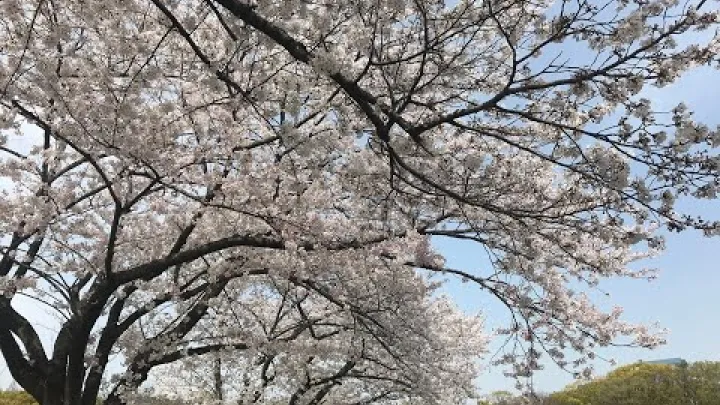
October can offer early foliage possibilities, while November is the stronger choice for a broader peak-foliage experience in Osaka and nearby Kyoto and Nara. Autumn color also varies by species, elevation, and location. The most scenic periods may be the busiest, so check hotel and attraction availability before confirming an itinerary around peak dates.
Culture, Food, Festivals, and Nightlife
Spring and autumn are comfortable seasons for combining cultural attractions with food-focused walking. Visitors can move between parks, historic areas, markets, and restaurants without planning around the strongest summer heat. May is especially useful for travelers who want outdoor time but do not need cherry blossoms.
Summer is worth considering for festival-focused travel, evening activities, and seasonal food. The Osaka tourism guide lists seasonal programming such as the Expo Summer Festival at Expo '70 Commemorative Park, but event dates and details change. Winter offers a different cultural rhythm: food neighborhoods, shopping, museums, indoor attractions, and nightlife can remain the main focus when blossoms and foliage are not priorities.
Budget Travel and Smaller Crowds
The period after the New Year rush through February, early December, and selected late-spring or early-summer dates may offer lower demand than the most popular blossom, foliage, and holiday periods. Rainy-season travel can also reduce demand on some dates, but it comes with a clear weather trade-off and may require more indoor planning.
There is no month that is always the cheapest. Compare live hotel and flight prices for your exact dates, and account for weekends, public holidays, school holidays, major events, and booking lead time. A simple decision rule is to trade seasonal highlights for possible value: winter may be quieter, while June may be less predictable but still workable for a flexible city stay.
Hiking, Coastal Outings, and Outdoor Day Trips
May and October to November are useful starting points for walking, outdoor attractions, and many Kansai day trips because Osaka's city weather is generally more comfortable. Osaka itself is primarily an urban base, not a universal beach or mountain destination. Conditions around Osaka Bay and the Osaka Plain can differ from those on trails, lakeshores, or higher ground.
Lake Biwa, coastal areas, and higher-elevation parts of Nara or Wakayama may have different temperatures, visibility, rainfall, sea conditions, road access, and hiking feasibility. A comfortable Osaka forecast does not establish that a trail, road, viewpoint, or shoreline will be suitable. Treat each outdoor destination as a separate local-weather decision.
Rain, Heat, Typhoons, and Live Forecast Checks
Choosing a month and planning a particular sightseeing day require different kinds of information. Climate patterns help you compare seasons, while current conditions determine whether an outdoor plan is comfortable, wet, dangerously hot, or affected by severe weather.
How to Handle the Rainy Season
The rainy season usually means more frequent rain and cloud cover, not uninterrupted rainfall every day. Osaka can have dry intervals between showers, so travelers do not need to cancel every outdoor plan simply because they are visiting in June or early July.
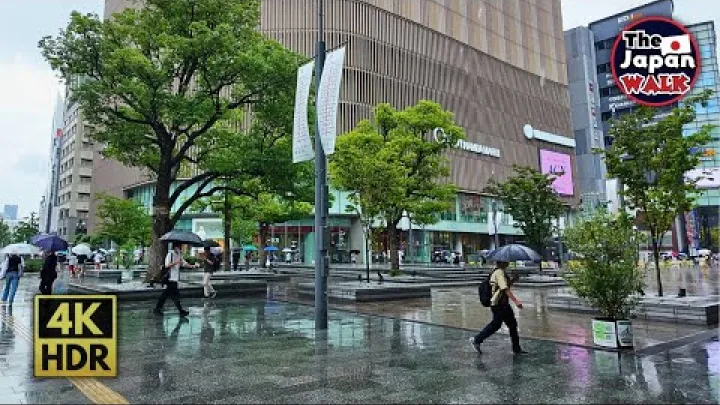
Use a compact umbrella or lightweight rain layer, water-resistant or quick-drying footwear, and a day plan that can change order. Pair weather-sensitive activities with museums, shopping, dining, covered shopping streets, and other indoor alternatives. For example, a park visit can be placed beside a flexible indoor block instead of making the entire day depend on clear skies. Japan Travel describes June as the period when the rainy season sets in and rainfall increases across the country.
How to Plan Around Typhoons and Severe Weather
August and September carry the most important typhoon-planning concern for Osaka. A storm can bring heavy rain and strong wind and may affect flights, trains, outdoor attractions, and tightly timed day trips. This is different from an ordinary rainy afternoon because the safest choice may be to delay, change, or cancel an outdoor plan.
If a typhoon may affect Kansai, use flexible sequencing, keep indoor alternatives available, and allow extra time around important connections. Check the Japan Meteorological Agency Osaka forecast for current forecasts, warnings, and advisories, then check the relevant airline or rail operator before traveling. A buffer day is valuable when a flight, long-distance train, or fixed reservation is essential.
How to Reduce Heat Stress in July and August
July and August can be more demanding than the temperature alone suggests because high humidity, warm nights, and long periods outdoors increase fatigue. A full day of walking between exposed attractions may feel very different from a short visit followed by time in an air-conditioned building.
Move exposed sightseeing, such as Osaka Castle Park, toward the early morning or evening when practical. Wear breathable clothing, use shade, take regular cooling breaks, and drink water. Follow current heat alerts and change the day's plan when conditions are dangerous rather than relying only on a monthly average. This is especially important for children, older travelers, and anyone who does not normally travel in humid summer climates.
Climate Normals versus the Forecast for Your Trip
Climate normals are useful for choosing a month, comparing seasons, and deciding what clothing to pack generally. They explain why November is usually more comfortable than August, why June needs rain planning, and why January requires warm layers. They do not predict the weather on a particular sightseeing day.
Use current forecasts for exact outdoor plans, rain gear, heat decisions, typhoon monitoring, and possible travel disruption. The practical two-step approach is simple: use normals to choose your dates, then use official forecasts and warnings shortly before departure and during the trip to make day-level decisions. Actual conditions can differ from the average, especially during seasonal transitions.
Practical Osaka City-Stay Planning
Osaka sightseeing often involves substantial walking between stations, neighborhoods, parks, viewpoints, restaurants, and attractions. Packing and scheduling should therefore reflect both the weather and the amount of time spent outside.
What to Wear in Each Season
For March and April, use layers that can be added in the morning and removed during a mild afternoon. October and November also benefit from layers, with a light jacket or sweater for cooler mornings and evenings. May and September usually call for lighter clothing, although September can still be humid and a thin layer can help indoors.
July and August are best handled with breathable fabrics, comfortable walking shoes, sun protection, and a separate plan for heat rather than heavy waterproof clothing. June, July, and wet early-autumn days also call for compact rain protection and footwear that manages wet streets. From December through February, bring a warm coat and layers for cold mornings, evenings, and outdoor queues. Comfortable shoes matter in every season.
Build a Flexible Osaka Itinerary
Pair weather-sensitive anchors with indoor or covered alternatives instead of making every day depend on one outdoor attraction. A visit to Osaka Castle Park can be combined with a museum, shopping area, or food stop. A Umeda Sky Building visit can sit beside indoor activities, while Universal Studios Japan deserves enough flexibility for heat, rain, queues, and the energy required for a long day.
Place the most weather-exposed activities in the more comfortable part of the day when seasonal conditions require it. In hot months, that may mean outdoor sightseeing earlier or later, with indoor breaks in between. In wet months, it may mean switching the order of activities. Avoid a tightly packed route with no space for rain, heat breaks, queues, or changing conditions.
Use Osaka as a Kansai Base
Many visitors stay in Osaka while also visiting Kyoto and Nara. This makes regional seasonal demand part of the accommodation decision: an Osaka hotel may be convenient even when a nearby destination is experiencing peak blossoms or foliage. It also means that one city forecast should not be applied automatically to every day trip.
Conditions can change between Osaka's low-lying plain, Osaka Bay, inland areas, and higher elevations. Visibility, rainfall, road access, sea conditions, and hiking feasibility may differ at Lake Biwa, in higher-elevation areas of Nara or Wakayama, or along another regional route. Use one verification habit for every day trip: check the destination-specific weather and access situation before leaving Osaka.
Bottom Line: Match the Month to Your Priorities
For the best general balance, choose October, November, or May. Choose early April when cherry blossoms are the main goal, and favor November for a stronger autumn foliage focus. Choose January, February, or early December if quieter urban experiences and possible value matter more than seasonal scenery. June can work for flexible travelers who accept rain, while July and August suit visitors who specifically want summer events and can manage heat. Whatever month you choose, use climate averages to set expectations and current official forecasts to make decisions for each sightseeing day.
Select area
Create a post
Posting is free and no registration is required.