Okayama Best Time to Visit: Weather, Seasons & Monthly Guide
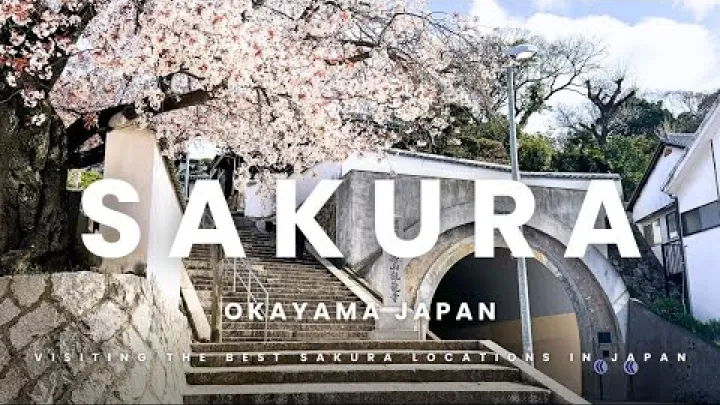
The best time to visit Okayama depends on whether you value comfortable sightseeing, seasonal scenery, summer fruit and festivals, or quieter streets and potentially better value. For most travelers, spring and autumn offer the best balance, especially from mid-April to mid-May and from late October to mid-November. Summer can be rewarding for peaches, grapes, festivals and Setouchi coastal trips, while winter suits visitors who prefer a calm atmosphere. This guide explains Okayama weather by season and month, regional differences, crowd and price patterns, and practical ways to plan around changing conditions.
Best Time to Visit Okayama at a Glance
Okayama is a flexible destination because a city stay can work in every season. The best choice changes when you compare scenery, comfort, weather reliability, activities, and demand rather than looking for one perfect month.
The Best Overall Windows for Comfortable Sightseeing
For an all-purpose trip, start with mid-April to mid-May or late October to mid-November. These periods usually provide a useful balance between outdoor comfort and seasonal appeal. They are well suited to walking between Okayama Castle, Korakuen Garden and other city sights, while also leaving room for day trips beyond the central area.
Spring brings cherry blossoms, new leaves and a fresh landscape. April is the main month for classic blossom scenery, although the exact peak changes from year to year. May is often a better choice if you prefer fresh greenery and a little less pressure to visit on a particular blossom date.
Autumn offers comfortable sightseeing conditions as summer heat fades. Late October can be a strong general-purpose period, while November is more suitable for travelers focused on foliage. Korakuen Garden's autumn color can continue into early December, so the best dates are not fixed on the calendar. Treat these windows as practical starting points, then refine them using current local information.
When Another Season May Suit You Better
Choose winter if quiet attractions, crisp days and a slower pace matter more than blossoms or colorful foliage. January and February can suit travelers who want to spend time in gardens, historic areas and cultural attractions without making seasonal scenery the main purpose of the trip. Conditions are cool, and daylight is more limited, but winter can be an efficient time for a city-focused itinerary.
Choose summer if your priorities include Okayama peaches and grapes, summer-night events, the Okayama Momotaro Festival, or the atmosphere of the Setouchi coast and islands. The trade-off is substantial heat, humidity, warm nights and a greater need to adapt outdoor plans.
The rainy season, broadly from around June into July, and September can work for flexible or budget-conscious travelers, but they are less suitable for a tightly scheduled outdoor itinerary. They are not automatic no-go periods. Instead, compare the value of lower-demand dates with your tolerance for showers, reduced visibility and possible storm disruption. Accommodation prices and crowd levels vary by year, so check current rates and holiday dates before deciding that a season will be cheaper or quieter.
Okayama Climate and Seasonal Travel Patterns
Okayama's climate is easiest to understand through its geography and its changing annual pattern. The city and southern lowlands are different from the northern and higher parts of the prefecture, and long-term averages are different from the weather expected during one particular trip.
Okayama's Setouchi Climate and Local Geography
Okayama City lies on the southern side of the prefecture near the Setouchi coast. This setting helps explain why a city itinerary is often associated with mild conditions and comparatively limited snow compared with northern or mountainous parts of Okayama Prefecture. It does not mean that every day is dry, warm or easy. Winter cold, summer humidity, heavy rain and strong winds can still affect travel.
For visitors staying around central Okayama, the main practical effect is that many key sights can be connected through outdoor walking. Korakuen Garden and Okayama Castle are appealing in spring, autumn and winter, but the experience changes with sun, rain, wind and temperature. A comfortable city day does not necessarily describe conditions elsewhere in the prefecture.
Northern Okayama includes cooler and higher areas where snow and frozen roads can be more relevant in winter. Conditions may also differ between lowland city streets, inland valleys, hills and the coast. If your plans extend beyond Okayama City, use the city as a starting point rather than assuming that its weather applies across the whole prefecture.
Rainy Season, Typhoons, Heat, and Winter Cold
The broad annual pattern is straightforward. December through February is generally the cooler and comparatively drier part of the year. Conditions become more changeable in spring, then more humid as summer approaches. The rainy-season pattern is usually associated with June and early July, followed by hotter midsummer weather in late July and August.

Late summer and September can bring greater storm uncertainty. Tropical systems and related rain or wind can affect transport, coastal activities and outdoor sightseeing, even when a particular week also includes sunny weather. September is therefore better viewed as a warm transition month than as a guaranteed extension of summer.
Okayama's reputation for favorable weather should not be read as a promise of uninterrupted sunshine. Heavy rain, strong winds, uncomfortable heat and sudden changes can all occur. The rainy season and the late-summer or early-autumn storm period are less predictable for itineraries that depend on gardens, cycling, hiking, ferries or long coastal views. Travelers with flexible plans can still enjoy these periods by treating the weather trade-off as part of the choice.
Climate Normals Versus a Live Weather Forecast
A climate normal describes a long-term pattern. A forecast describes the conditions expected during a specific day or trip. The two answer different questions: normals help you choose a season, while forecasts help you decide what to pack and whether a particular outdoor plan is sensible.
The Japan Meteorological Agency explains climate-normal tables based on a 1991–2020 reference period for major observatories in Japan. Such averages can show whether a month is typically cooler, wetter, sunnier or more humid than another. They cannot guarantee the weather for your travel dates, and figures from one station should not automatically be applied to every part of the prefecture.
Use long-term patterns to select your preferred season, then use a reliable short-range forecast and official rain or typhoon advisories shortly before departure. Recheck them before weather-dependent outdoor days. This is especially important for clothing, garden visits, viewpoints, cycling, hiking, coastal excursions and decisions about whether to move an activity indoors. A forecast is a planning tool, not a reason to assume that a whole month will be good or bad.
Okayama by Season
Each season offers a different version of Okayama. The following sections focus on what a traveler is likely to notice in the city and what changes when the trip includes the wider prefecture.
Winter: Dry, Cool, and Quiet
December to February is a cool, comparatively dry period that can work well for visitors who prefer quiet attractions and clear-feeling sightseeing days. The absence of spring blossoms and autumn foliage is balanced by a calmer atmosphere and a straightforward city itinerary. Garden paths, castle views and historic neighborhoods can still be enjoyable when you are prepared for cold mornings and earlier darkness.
Snow is generally less central to a city stay than to travel in northern or mountainous Okayama. However, cold spells and occasional light snow remain possible, and conditions can change quickly outside the lowlands. Pack warm layers, a wind-resistant outer layer and comfortable shoes. Before traveling from Okayama City into northern or higher-elevation parts of the prefecture, confirm snow and road conditions because access may be more affected there than in the city.
Winter is best for a quiet city break, cultural sightseeing and travelers who do not need seasonal color. It is less suitable if your main goal is cherry blossoms, lush spring growth or peak autumn foliage.
Spring: Cherry Blossoms and Comfortable Walking Weather
March is a changeable transition month. Some days begin to feel mild, but mornings and evenings can remain cool, so layers are useful. April is the main cherry-blossom month and often the most visually memorable time for a first visit. May brings fresh greenery and generally comfortable walking weather before the wetter summer pattern becomes more prominent.
Korakuen Garden and Okayama Castle are natural spring anchors. They can be combined with a broader city walk, but the best blossom experience depends on the year's temperatures. Early April, mid-April and later dates may produce different results from one year to the next, so do not treat a fixed calendar date as a guarantee of peak bloom.
Mid-April to mid-May is a practical all-purpose spring window because it covers more than one type of scenery. Choose the earlier part if blossoms are the priority. Choose late April or May if you prefer green landscapes, comfortable walking and less dependence on a short peak period. Early spring nights can still be cool even when afternoons feel pleasant.
Summer: Rainy Season, Heat, Fruit, and Festivals
June and early July are commonly associated with rainy-season conditions: higher humidity, more frequent showers and changing comfort for outdoor activities. Later July and August are hotter and often feel more intensely summery, with strong sun and warm nights. The transition is not exact, and one week can differ considerably from another.

Summer is attractive when seasonal experiences matter more than easy walking weather. Okayama's peaches and grapes are important local food interests, while summer events and the Okayama Momotaro Festival add evening energy. The Setouchi coast and island excursions can also be appealing at this time, especially for travelers who enjoy a coastal atmosphere and are willing to adjust plans around heat or rain.
Late summer and September require extra awareness of storm uncertainty. August should not be treated as risk-free simply because some periods can be sunnier than June or July. Summer works best when the itinerary includes flexible outdoor time, shaded or indoor alternatives and enough room to respond to changing conditions.
Autumn: From September Storms to November Foliage
September remains warm and can be more weather-sensitive because of rain and storm patterns. October is usually the stronger transition month for general sightseeing, with more comfortable conditions for walking and regional day trips. November brings a cooler atmosphere and is the main period for autumn color.
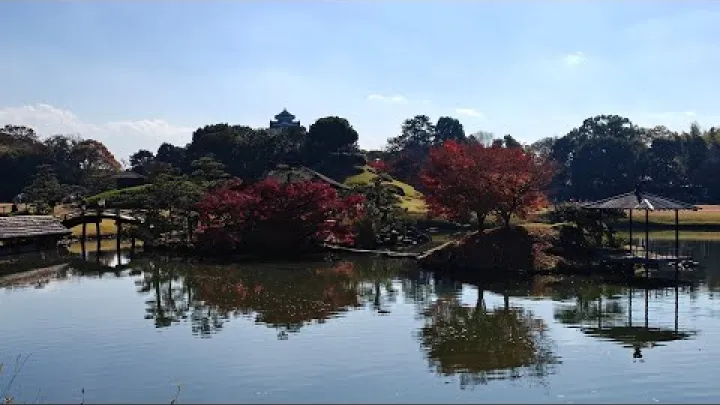
Late October to mid-November is a practical balance for travelers who want comfortable days and seasonal scenery. If foliage is the main purpose, extending the window toward late November or early December may be useful, particularly at Korakuen Garden. The timing depends on temperatures during the year, so local foliage information is more useful than a fixed promise.
December gradually returns to winter conditions. It suits travelers who prefer a quieter atmosphere and do not need autumn color to be at its peak. A late-autumn trip can therefore be adjusted by priority: October for broad sightseeing, November for foliage, and December for a winter-style city visit.
Okayama Weather by Month
This month-by-month guide describes the typical feel of each period rather than a guaranteed forecast. It is useful for narrowing down dates, but specific bloom, rain, heat and storm conditions can shift between years.
January and February: Dry, Cool, and Quiet
| Month | Typical feel | Best fit |
|---|---|---|
| January | Cool, often bright, with short winter days | Quiet city sightseeing and winter atmosphere |
| February | Still wintery, with some milder afternoons | Calm visits before the spring transition |
January: January has a coldest-month feel, so warm layers are important. It can offer good conditions for a compact city itinerary when you prefer less seasonal competition. The days are shorter, and the gardens will not have spring's fresh color.
February: February remains cool but begins to move toward spring. Occasional milder afternoons can make walking easier, while mornings and evenings still call for warm clothing. These months are more suitable for solitude or value than for blossoms or lush garden scenery.
March to May: Spring Transition and Blossom Season
- March: Changeable and layer-friendly, with a gradual move from winter toward spring. Plan for cool periods as well as milder afternoons.
- April: The main classic spring month and the leading choice for cherry blossoms, subject to the year's bloom timing. It is also a strong month for gardens, castle views and city walks.
- May: Mild-looking fresh greenery and generally comfortable walking conditions make May a good choice for travelers who do not need peak blossoms. Humidity gradually increases as summer approaches.
If your goal is a specific blossom scene, use current bloom reports rather than assuming that early, mid- or late April will always be the peak. If your goal is a relaxed spring landscape, late April to mid-May usually gives you a broader planning margin.
June to August: Rainy Season, Heat, and Summer Events
- June: Increasingly humid and associated with the start of the rainy-season pattern. Showers can make outdoor schedules less predictable.
- July: A transition from rainy-season conditions toward intense summer. Heat and humidity become more important as the month progresses.
- August: The hottest, most festival-oriented month in the guide. It is appealing for fruit, summer nights, fireworks and coastal experiences, but strong sun, warm nights and storms remain possible.
Summer plans need tolerance for showers, changing outdoor comfort and high heat. Event dates, fruit availability and the weather on the day should be treated as separate planning questions. A trip can be worthwhile in August without every planned outdoor activity working exactly as scheduled.
September to December: Storm Risk, Autumn Color, and Winter Return
- September: Warm and still summer-like, but more weather-sensitive because rain and storm uncertainty can affect outdoor and coastal plans.
- October: A comfortable transition month and one of the best choices for general sightseeing, walking and regional exploration.
- November: The main autumn-color month, with cooler conditions and a strong fit for Korakuen Garden and other seasonal landscapes.
- December: Cooler and quieter, with a gradual return to winter conditions and a need for warmer outerwear.
Use lighter layers in September and October, add a warmer layer for November, and prepare for winter clothing by December. For foliage, the calendar is only a guide: the year's temperatures can move the most attractive period earlier or later.
Best Time to Visit Okayama for Different Travel Goals
The best month for one activity may be a poor match for another. Choose the experience that matters most, then accept its main weather or demand trade-off.
Gardens, Cherry Blossoms, Autumn Foliage, and Culture
For cherry blossoms, aim for early to mid-April, while recognizing that bloom timing changes annually. Korakuen Garden and the area around Okayama Castle provide strong city anchors for combining seasonal scenery with cultural sightseeing. If you prefer fresh greenery and a less precise blossom target, late April and May can be more forgiving.
For autumn foliage, choose late October through November, with the possibility of extending the trip toward early December. The Korakuen Garden Official Website lists autumn foliage as a mid-November to early-December seasonal feature. This makes November especially attractive for travelers who want color in the garden, while October may offer a more comfortable general sightseeing balance.
Spring and autumn are the easiest seasons for combining gardens, castle views, walking and cultural stops. Winter can be quieter for the same activities, but it offers a different landscape. The best season for scenery is therefore not automatically the quietest or cheapest season.
Hiking, Cycling, Coast, and Setouchi Island Trips
Spring and autumn are the strongest general choices for active days because walking, cycling and hiking are usually more comfortable outside the peak summer heat. They also offer a useful balance for travelers who want to combine an urban base with the Setouchi coast or island excursions.

Summer can be appealing for a coastal or island atmosphere, but heat affects exertion, visibility and the comfort of long exposed routes. Rain and wind can affect cycling and hiking, while sea conditions and visibility are especially important for ferries and island excursions. A city itinerary may remain workable even when a regional outdoor plan does not.
For any island trip, check the ferry or excursion operator's status and the sea conditions the day before departure. Keep enough flexibility to change the order of activities if a crossing, coastal view or outdoor route becomes unsuitable. Do not assume that a favorable city forecast guarantees calm conditions on the water.
Fruit, Festivals, and Summer Experiences
Summer is the clearest choice for travelers interested in Okayama peaches and grapes, summer-night events and the Okayama Momotaro Festival. The national tourism guide describes summer nights with fireworks, street food and dancing, and also highlights peaches and grapes as seasonal attractions. You can read its regional overview at Japan Travel.
Exact festival dates and the availability of a particular fruit variety can change. Farm experiences, markets and events may also follow their own schedules, so confirm current local information when these are the main reason for your trip.
The trade-off is heat, humidity and possible rain or storm disruption. Schedule exposed summer activities for cooler morning or evening hours, carry water, and use sun protection. This approach makes summer more manageable without pretending that the season has spring or autumn walking comfort.
Budget, Quiet Streets, and Lower-Demand Travel
January and February, outside the New Year period, are likely choices for travelers who value quiet streets and potentially better value. Mid-to-late May can provide a shoulder-season alternative after the main blossom period. Some September dates may also be less in demand, although the weather trade-off is greater.
Demand can rise during cherry blossom periods, Golden Week, summer holiday periods and the autumn foliage season. The effect on accommodation depends on the year, the property and local events. A season that is often described as quiet may still be busy on a particular weekend.
Compare three factors before fixing dates: accommodation rates, expected crowd pressure and weather comfort. Check current hotel prices and national holiday dates at the same time. The lowest price is not necessarily the best value if rain, heat or a short daylight window would prevent you from enjoying the activities you planned.
Planning an Okayama Visit in Any Season
Good seasonal planning is less about packing for an average day than about making your itinerary resilient. Decide which experiences need comfortable outdoor conditions and which can remain enjoyable when the weather changes.
What to Wear and Pack by Season
Spring: Pack layers, a light rain layer and comfortable walking shoes. March can feel cool, while May may feel more humid, so clothing that can be adjusted during the day is useful.
Autumn: Light layers work well in September and October. Add a warmer outer layer for November and December as mornings and evenings become cooler. A compact umbrella or packable rain layer is useful in spring and autumn without assuming that every day will be wet.
Winter: Bring a warm coat or jacket, insulating layers and shoes suitable for cool streets and garden paths. The city may need less snow-specific equipment than northern or higher parts of the prefecture, but warmth remains important.
Summer: Choose breathable, quick-drying clothing, comfortable shoes, sun protection and a compact rain option. Outdoor time can involve long walks, so practical footwear matters in every season. Keep the packing list focused on adjustable comfort rather than trying to predict every possible condition.
Build a Flexible Itinerary Around the Weather
Cluster weather-dependent activities into the most favorable part of each day. Gardens, castle viewpoints, cycling and coastal excursions usually benefit from conditions that are comfortable and reasonably clear. Leave some flexibility around rain-sensitive plans, and use cultural or indoor stops when outdoor conditions are poor without relying on any particular venue's policy or availability.
Separate a compact Okayama City stay from longer regional excursions. A city day built around Korakuen Garden, Okayama Castle and nearby cultural sights may be easier to rearrange than a day involving several connections, a long ride or an island crossing. This structure prevents one disrupted regional plan from affecting the entire trip.
A simple decision sequence works well: first choose a seasonal goal, such as blossoms, foliage, fruit, festivals, quiet streets or active travel. Next compare the goal's weather and crowd trade-off. Finally, refine the dates with current forecasts, official advisories and local schedules. That method works for a short city visit as well as a wider Chugoku itinerary.
Conclusion: Choose the Best Time to Visit Okayama for Your Trip
For most travelers, spring and autumn are the best times to visit Okayama. Choose mid-April to mid-May for blossoms, fresh greenery and comfortable walking, or late October to mid-November for autumn scenery and pleasant sightseeing conditions. Choose summer for fruit, festivals and Setouchi experiences, and winter for a quieter city break with cool, comparatively dry conditions.
The strongest choice is the season that matches your main purpose. Use climate patterns to narrow the options, then use current weather information, local schedules and regional access details to select the dates that fit your itinerary.
Select area
Create a post
Posting is free and no registration is required.