Medan Travel Guide: First-Time Tips for Sumatra, Indonesia
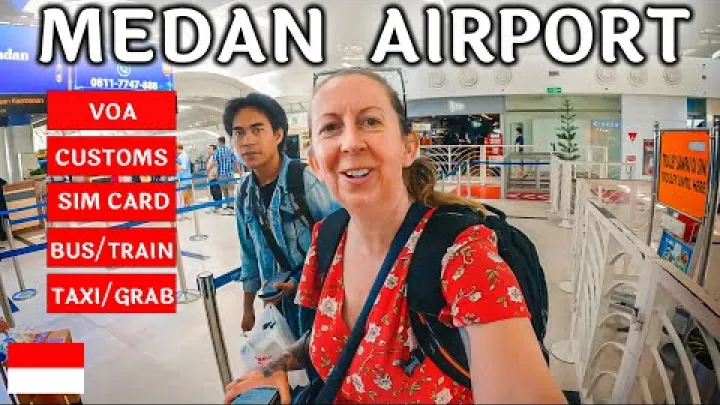
This Medan travel guide is for first-time visitors who want a practical introduction to North Sumatra’s main gateway city. Medan is not a polished resort destination, but it is useful, energetic, food-focused, and well placed for routes to Lake Toba, Samosir Island, Bukit Lawang, Gunung Leuser National Park, Berastagi, and Mount Sibayak. This guide explains how long to stay, where to base yourself, how to arrive from Kualanamu International Airport, how to move around, what to see, and what to check before you go.
Medan at a Glance
Medan is the main urban hub for many North Sumatra itineraries. Most travelers use it for arrivals, departures, tour arrangements, banking, shopping, SIM cards, and rest between longer road journeys. It is easier to enjoy when you understand its role: a busy gateway city with strong food culture and heritage, not a beach or mountain retreat.
Where Medan Fits in a North Sumatra Trip
Medan is often the first stop for travelers flying into North Sumatra. Kualanamu International Airport connects the region with other Indonesian cities and some regional routes, while the city itself has the hotels, malls, tour offices, transport services, and supplies that are useful before traveling onward.

The classic pattern is simple: arrive in Medan, stay one night if needed, then continue to Lake Toba, Bukit Lawang, Berastagi, or another regional destination. Some travelers return to Medan at the end of the trip for a final night before flying out.
That does not mean Medan is only a waiting room. The city has a multicultural identity shaped by Malay, Chinese-Indonesian, Indian, Batak, and Islamic influences. Tjong A Fie Mansion, Jalan Jenderal Ahmad Yani, Maimun Palace, Masjid Raya, local markets, and food streets can make a short stay worthwhile if you plan realistically.
How Long to Stay in Medan
For a transit-focused trip, one night in Medan is often enough. This gives you a buffer after a flight, time to rest, and a safer margin before a long road transfer. It is especially useful if you arrive late, travel with children, carry heavy luggage, or plan to continue to Lake Toba or Bukit Lawang the next morning.
Two to three nights work better if you want to see the main heritage landmarks, try local food, visit a market, use a mall for practical errands, and avoid rushing through traffic. Longer stays are usually best for slow travelers, remote workers, family visits, business trips, or people using Medan repeatedly as a logistics base.
| Stay length | Best for | Planning note |
|---|---|---|
| One night | Airport buffer and onward travel | Choose a central hotel or easy transfer option |
| Two nights | Landmarks, food, markets, and rest | Good balance for most first-time visitors |
| Three nights or more | Slow travel, work, family, or repeated logistics | Useful if you need flexibility between regional trips |
What to Expect from the City
Expect heat, humidity, traffic, and a city that feels more functional than curated for tourism. Sidewalk comfort varies, road crossings can feel intense, and many short journeys are easier by Grab, Gojek, taxi, or becak than on foot.
The rewards are local rather than postcard-perfect: food, bakeries, street snacks, heritage buildings, religious sites, markets, and the feeling of a large Sumatran city that serves local life first. If you arrive expecting Bali-style leisure, Medan may feel difficult. If you treat it as a gateway and culture stop, it becomes much easier to appreciate.
Best Time to Visit Medan
Medan is hot and humid throughout the year. The main travel question is not whether it will be cold or warm, but how to manage rain, humidity, and outdoor comfort.
Weather Patterns and Rainy Months
Medan has an equatorial climate, with rain possible in any month. Climate summaries from Climates to Travel describe the city as hot, humid, and rainy year-round, with wetter conditions often occurring from around August to December. Some periods, such as February to April, may be relatively drier, but monthly patterns are not guarantees.
Because temperature variation is limited, the best time to visit Medan is usually about comfort and risk management. If you plan jungle trekking, volcano walks, long road transfers, or ferry connections, check the short-term forecast close to travel. Heavy rain can slow city traffic and make regional roads feel longer.
How to Plan Around Heat, Humidity, and Rain
Plan outdoor sightseeing in the morning when possible. Use the middle of the day for lunch, hotel rest, a mall visit, or travel between places by car. Afternoon rain is common enough that it is wise to keep your schedule flexible.
Pack breathable clothing, a light rain jacket or umbrella, quick-dry footwear, sun protection, and a waterproof pouch for your phone and documents. Families and travelers with limited mobility should avoid overloading a single day with too many cross-city stops. In Medan, a short route on a map can still take time because of traffic, heat, and rain.
Getting to and Around Medan
Most visitors arrive by air, then use a mix of airport train, taxis, ride-hailing, private transfers, and occasional local transport. The right choice depends on arrival time, luggage, hotel location, group size, and comfort level.
Arriving at Kualanamu International Airport
Kualanamu International Airport is the main airport for Medan and a key arrival point for North Sumatra. Many international travelers reach it through regional hubs or connect through other Indonesian cities. When booking, the airport code KNO can help avoid confusion.
Before departure, check passport, visa, entry, and health requirements through official channels. Requirements can change, and travelers should rely on their own government and Indonesian authorities for current rules.
Leave a margin between your flight arrival and any onward road transfer. Immigration, baggage, weather, and traffic can all affect timing. If you plan to continue directly to Lake Toba, Bukit Lawang, or Berastagi, confirm the transfer arrangement in advance and consider whether a night in Medan would make the journey safer and less tiring.
Airport Train, Taxis, and Transfers into the City
The airport train is one of the most useful ways to reach central Medan when the schedule suits your arrival and your hotel is near the center. Practical airport train guidance from Discover Sumatra describes it as a key link between Kualanamu International Airport and Medan. Before relying on it, check current schedules, fares, and operating hours.
For many first-time visitors, the decision is straightforward. Use the train if you arrive during operating hours, travel light, and stay near Medan Railway Station, Merdeka Square, or another central area. Choose a taxi, ride-hailing option, hotel transfer, or private car if you arrive late, carry large luggage, travel as a family, or stay far from the station.
Ride-Hailing, Becak, Buses, and Walking
Inside the city, Grab and Gojek are usually the easiest options for short-term visitors. Taxis are also useful, especially from hotels and malls. Becak rides can be atmospheric and practical for short local trips, but agree on the price before departure if there is no app-based fare.
Trans Metro Deli buses and angkot can be inexpensive, but routes may be less intuitive for first-time visitors who do not speak Indonesian or know the city layout.
Walking can work for short heritage clusters, but long walks are often uncomfortable because of heat, traffic, uneven pedestrian space, and road crossings.
| Transport | Good for | Watch for |
|---|---|---|
| Grab or Gojek | Most city trips | App availability, pick-up points, traffic |
| Taxi | Hotels, malls, late arrivals | Use reputable services and confirm payment method |
| Becak | Short local rides | Agree price before starting |
| Bus or angkot | Low-cost travel | Routes may be confusing for new visitors |
| Walking | Short clusters only | Heat, traffic, and limited pedestrian comfort |
Local transport options can change, and fare estimates are often temporary. A travel overview from Trip.com also notes the mix of ride-hailing, angkot, becak, buses, and walking. For visitors, the safest approach is to compare options in your app or with your hotel on the day of travel.
Where to Stay in Medan
For a first visit, location matters more than neighborhood atmosphere. A central base reduces friction when you need airport access, food, transport, malls, and tour pick-ups.
Best Central Base Around Medan Station and Merdeka Square
The area around Medan Railway Station and Merdeka Square is the most practical base for many first-time visitors. It works well if you plan to use the airport train, need an easy pick-up point, or want access to central hotels, restaurants, and city services.
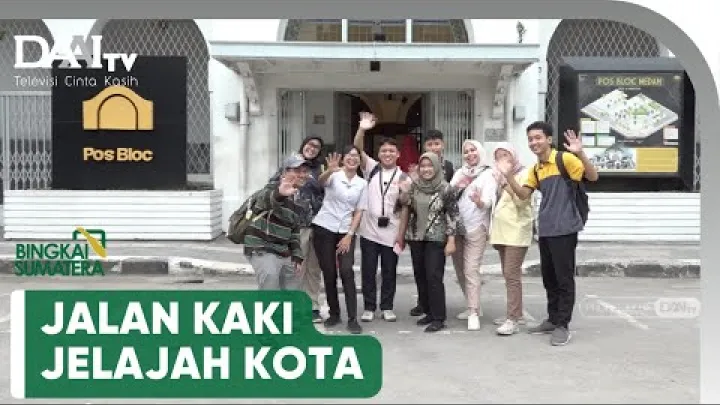
Sun Plaza and Medan Mall are useful orientation points for shopping, ATMs, meals, and cooling down. Central convenience usually matters more than charm for a short stay in Medan. The trade-off is that central areas can be noisy and traffic-heavy, and they are not always relaxing for long walks.
Heritage Areas Near Tjong A Fie Mansion, Maimun Palace, and Masjid Raya
The heritage cluster around Tjong A Fie Mansion, Maimun Palace, and Masjid Raya is one of the most meaningful parts of the city for visitors. Even if you do not sleep in this area, it is worth grouping these stops into one outing to reduce transport time.
Tjong A Fie Mansion helps explain Medan’s Chinese-Indonesian commercial history. Maimun Palace connects visitors with Malay royal heritage. Masjid Raya is an important Islamic landmark and an active religious site. Dress and behave respectfully, especially around prayer times, and check current access rules, opening hours, and photography guidance before visiting.
Budget, Family, and Comfort-Oriented Stays
Medan has budget guesthouses, hostels, mid-range business hotels, and higher-comfort properties. Budget travelers should compare low room prices with the added cost and time of staying far from the center. A cheap room can become less convenient if every meal, errand, and pick-up requires a long ride.
Families should prioritize air-conditioning, larger rooms, reliable lifts, breakfast, pool access if needed, and easy transport. Comfort-focused travelers may find good value compared with more tourist-heavy Indonesian destinations, but prices change by season, demand, and booking platform.
As a simple rule, stay central for one or two nights, choose a more comfortable hotel if you need recovery time between regional journeys, and avoid remote accommodation unless you already understand local transport.
Top Things to Do in Medan
Medan’s best experiences are a mix of heritage, food, markets, and practical urban stops. Do not try to cover the city like a checklist. Choose a few areas and allow time for transport.
Historic Landmarks and Religious Sites
A good first-time sightseeing route includes Tjong A Fie Mansion, Maimun Palace, and Masjid Raya. These places give context to Medan’s multicultural identity and help visitors understand why the city feels different from many other Indonesian destinations.
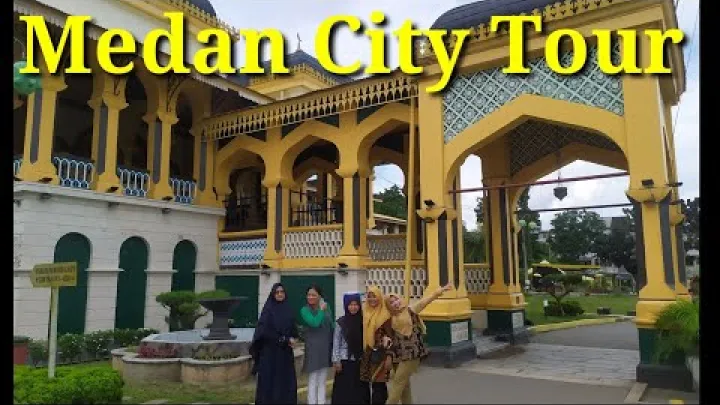
Visit earlier in the day if possible, both for cooler weather and to leave time for traffic delays. At religious sites, dress modestly, speak quietly, and follow local guidance. Entrance fees, opening times, and photography rules may change, so confirm details shortly before visiting.
Food, Markets, and Local Souvenirs
Medan’s food scene is a good reason to slow down in North Sumatra. The city is known for local eateries, bakeries, snacks, and edible souvenirs. Bika Ambon and Lapis Legit are popular sweet gifts, while local snacks and coffee can be easy to pack for onward travel if properly sealed.
Pajak Ikan Lama is a useful market anchor for visitors interested in textiles and local shopping. Batak textiles such as Ulos may also interest travelers looking for a meaningful souvenir, but quality, origin, and price vary. Ask questions politely and compare before buying.
Carry cash for small restaurants, stalls, becak rides, small shops, and some local transport.
Choose busy food places with good turnover, check whether food is cooked fresh, and use your judgment with ice, sauces, and cut fruit if you have a sensitive stomach. If you buy edible souvenirs before a flight or long road trip, ask about packaging and shelf life.
Malls, Museums, Parks, and Evening Options
Malls are practical infrastructure in Medan. They offer air-conditioning, restaurants, coffee, supermarkets, ATMs, toilets, and a place to wait during rain. Sun Plaza and Medan Mall are common visitor reference points, but the best choice depends on your hotel location and errands.
Museums, parks, family attractions, and evening venues can be worthwhile if they match your interests, but check recent reviews and current hours before planning around smaller sites. At night, use trusted transport, avoid poorly lit unfamiliar areas, and keep valuables secure. Nightlife exists, but it is better approached with awareness of local norms and a clear plan for getting back to your hotel.
Day Trips and Wider North Sumatra Routes
Medan is the staging point for some of North Sumatra’s most memorable destinations. The important planning point is that many of these places are better as overnight routes than as rushed day trips.
Lake Toba and Samosir Island
Lake Toba and Samosir Island are major highlights of North Sumatra and common reasons travelers fly into Medan. Parapat is a common access point for lake connections, but current transport and ferry arrangements should be checked before travel.
Although some travelers ask about a Lake Toba day trip from Medan, it is usually more rewarding to stay overnight near the lake. Road time, traffic, weather, and ferry logistics can make a same-day return tiring. If Lake Toba is a priority, plan it as a separate stage of your itinerary rather than a quick city excursion.
Bukit Lawang and Gunung Leuser Access
Bukit Lawang is a common gateway for jungle and orangutan-focused trips near Gunung Leuser National Park. Medan’s role is mainly practical: you arrive, organize transport, confirm a guide or operator, and continue to the forest area.
Wildlife tourism requires care. Do not expect guaranteed sightings, do not feed or touch wildlife, and choose reputable guides who follow current rules. Before travel, confirm access conditions, guide requirements, trekking difficulty, and what is included in the price. Good planning matters more here than in a simple city sightseeing day.
Berastagi, Mount Sibayak, and Highland Stops
Berastagi is a cooler highland base often paired with markets, volcano views, and Mount Sibayak activities. It can be a good contrast to hot, busy Medan, especially for travelers who want a calmer stop between the city and Lake Toba.
Highland weather can differ from Medan, and mountain conditions can change quickly. If you plan to hike Mount Sibayak, check current volcanic activity, trail access, guide needs, and transport options before setting out. Berastagi is often better as an overnight stay than as a repeated out-and-back drive from Medan.
Costs, Money, Safety, and Travel Logistics
Medan can be budget-friendly, but total cost depends heavily on comfort level, transfer style, tours, and how many regional destinations you include. The most expensive parts of a North Sumatra trip are often private transport, guided trekking, and multi-day routes, not local meals.
Typical Budget Ranges and Cost Drivers
Rather than relying on fixed daily budgets, think in categories. Budget travelers can save by using simple accommodation, local food, and shared or public transport where practical. Mid-range travelers usually spend more on central hotels, ride-hailing, private transfers, and organized day planning. Comfort-focused travelers may choose higher-end hotels, private cars, guided trips, and flexible schedules.
| Cost driver | Lower-cost choice | Higher-cost choice |
|---|---|---|
| Accommodation | Guesthouse or simple hotel | Central comfort hotel |
| City transport | Short app rides, bus, angkot | Taxi, private car, hotel car |
| Regional travel | Shared transfer where available | Private transfer or custom tour |
| Food | Local eateries and bakeries | Hotel dining and formal restaurants |
| Activities | Self-guided city stops | Guided treks and multi-day tours |
Paying more for a central hotel can be good value if it reduces transport friction, especially on a short trip. For regional routes, compare not only price but also departure time, vehicle comfort, safety, and whether delays are likely to affect your next booking.
Cash, Cards, ATMs, and Booking Habits
Carry cash for small restaurants, stalls, becak rides, small shops, and some local transport.
Cards are more likely to be accepted at larger hotels, malls, and formal restaurants, but you should not rely on cards everywhere.
Keep small denominations for short rides and small purchases. Confirm prices before accepting informal services, including becak rides and local transfers. App-based payments may not always be simple for foreign visitors, so having cash and a backup card is useful.
Book accommodation and long transfers early if you have fixed travel dates, arrive late, or travel around holidays. For jungle treks, volcano activities, or Lake Toba connections, confirm what is included and what happens if weather or transport delays affect the plan.
Safety, Health, and Cultural Practicalities
Medan is a place where normal urban caution matters. Watch traffic carefully, keep valuables secure, use trusted transport at night, and avoid displaying expensive items in crowded areas. For current country-level risk, entry, and safety information, consult your own government advice; the U.S. Department of State is one example of an official advisory source.
Health basics are important because of the heat and humidity. Drink bottled or treated water, manage sun exposure, rest during the hottest part of the day, and carry any personal medication you need. Travel insurance is especially important if you plan jungle trekking, volcano hiking, motorcycle travel, or long regional transfers.
Cultural respect goes a long way. Dress modestly at mosques and religious sites, ask before photographing people, speak calmly when negotiating prices, and be patient with drivers and guides when traffic or weather changes the schedule.
Frequently Asked Questions
Is Medan worth visiting or only a transit stop?
Medan is worth a short visit if you enjoy food, markets, and multicultural heritage. It is also a practical transit stop for Lake Toba, Bukit Lawang, and Berastagi, so even a one-night stay can be useful.
How many days do you need in Medan?
One night is enough for transit. Two to three nights are better if you want to see Tjong A Fie Mansion, Maimun Palace, Masjid Raya, markets, malls, and local food without rushing.
What is the best area to stay in Medan for a first visit?
The most practical base is central Medan around Medan Railway Station and Merdeka Square. It gives easier access to the airport train, hotels, food, malls, and tour pick-ups.
How do you get from Kualanamu International Airport to central Medan?
You can use the airport train, taxi, ride-hailing, hotel transfer, or private car. The train is useful for central stays when the schedule fits, while a car is easier for late arrivals, groups, heavy luggage, or hotels away from the station.
Is Medan safe for tourists?
Medan can be visited safely with normal urban caution. Use trusted transport at night, watch traffic, secure valuables, manage heat and hydration, and check current travel advisories before departure.
Can you visit Lake Toba or Bukit Lawang as day trips from Medan?
They are usually better as overnight trips. Road time, weather, traffic, and local logistics can make same-day returns rushed and tiring, especially for Lake Toba and jungle activities near Bukit Lawang.
Final Planning Tips for Medan
Medan works best when you plan it as a practical gateway with a few rewarding city experiences, not as a relaxed resort destination. Stay central if it is your first visit, keep your schedule flexible, and leave buffers for traffic, rain, and onward transfers.
Use your time for the city’s strongest points: heritage landmarks, local food, markets, and preparation for wider North Sumatra. If Lake Toba, Bukit Lawang, or Berastagi is the real focus of your trip, give those places overnight time and use Medan to make the journey smoother.
Select area
Create a post
Posting is free and no registration is required.