Manado Travel Guide: Plan Your North Sulawesi Trip
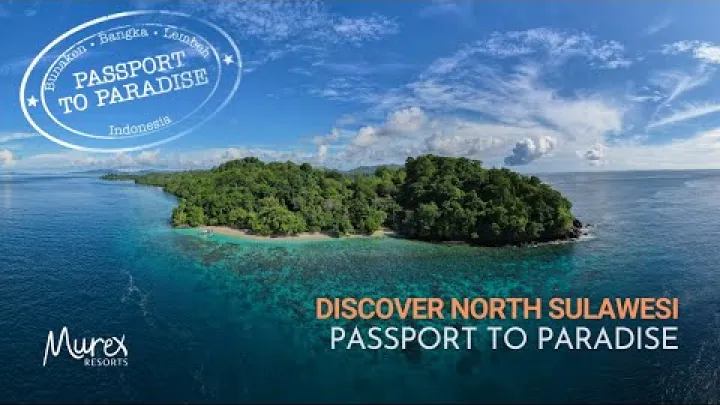
This Manado travel guide is for first-time visitors who want to understand how the city, islands, highlands, and wildlife areas fit together. Manado is not usually a simple beach-resort stop; it is a practical gateway to Bunaken National Marine Park, the Minahasa Highlands, Lembeh Strait, Tangkoko Batuangus Nature Reserve, and other parts of North Sulawesi. A good trip depends on choosing the right base, allowing enough time for transfers, and keeping plans flexible for weather, sea conditions, and local logistics. This guide covers when to visit, where to stay, what to do, how to get around, what to budget for, and how to plan a realistic itinerary.
Manado Travel Guide Overview
Manado works best when you think of it as both a city and a regional hub. The city gives you airport access, hotels, restaurants, shopping, and tour coordination, while the strongest travel experiences are often outside the urban core.
Where Manado Is and Why It Matters
Manado is on the northern arm of Sulawesi in Indonesia. It is the capital of North Sulawesi and the main arrival point for many travelers visiting this part of the country. For international visitors, it is usually the place where the trip begins, where transfers are arranged, and where you prepare before moving to islands, highlands, dive resorts, or wildlife areas.
The city faces Manado Bay, with Bunaken Island, Siladen, and Manado Tua among the nearby marine anchors. Inland, Tomohon and the Minahasa Highlands offer a cooler contrast with lakes, volcanic landscapes, markets, and viewpoints. To the east, Bitung is the practical direction for Lembeh Strait, while Tangkoko Batuangus Nature Reserve is a major wildlife-focused side trip. Bangka Island can also be part of a longer marine itinerary.
This makes Manado different from better-known Indonesian destinations such as Bali or Jakarta. It has tourism infrastructure, but the trip is often more activity-led and logistics-led. You are not simply choosing a beach district; you are deciding whether your priority is diving, snorkelling, wildlife, food, highlands, or a multi-base North Sulawesi route.
Who Manado Is Best For
Manado is especially strong for divers and snorkellers. Bunaken National Marine Park is one of the main reasons travelers come, while Lembeh Strait is widely associated with macro and critter diving. Travelers with more time may also consider Bangka Island as a marine base, depending on their interests and comfort with transfers.
Manado is also worthwhile if you do not dive. Non-divers can enjoy Minahasan food, coastal views, markets, highland scenery around Tomohon, Lake Linow, and guided wildlife trips to Tangkoko. The region suits travelers who like nature, boats, local food, and a slightly more adventurous planning style.
It may be less ideal for travelers who want dense nightlife, a polished resort strip, or very simple point-to-point logistics. Manado can be rewarding, but it asks you to plan carefully, confirm transfers, and choose activities that match the conditions during your visit.
How Many Days to Spend in Manado
A short visit of two or three days can work as an introduction. You might spend one day settling into the city and trying local food, then choose one major excursion such as Bunaken or the Minahasa Highlands. This is a taster, not a complete North Sulawesi trip.
Four to five days gives a better first-time balance. With careful planning, you can combine Manado city, one marine day, a highlands trip, and perhaps a wildlife-focused outing if you are comfortable with a fuller schedule. This length also gives more room for weather changes and transport delays.
One week or more is better for divers, wildlife watchers, and travelers who want to split bases. Divers often need extra nights because dive schedules, boat transfers, rest periods, and safe no-fly intervals after diving affect the plan. If you want Bunaken, Lembeh, Bangka, Tomohon, and Tangkoko in one trip, it is usually better to sleep in more than one place rather than return to Manado city every night.
Best Time to Visit Manado
Manado has a warm, humid tropical climate. Instead of four clear seasons, it is more useful to think in terms of wetter and relatively drier periods, with local variation between the coast, islands, forests, and highlands.
Weather Patterns and Seasonal Trade-Offs
Travel in Manado is shaped by heat, humidity, rain, and sea conditions. Wetter periods can bring heavier rain and less predictable outdoor plans. Relatively drier periods may be more comfortable for boat trips, viewpoints, and forest walks, but dry weather is never guaranteed.
Local conditions can change between areas. A shower in Manado city does not always mean the same weather on Bunaken, in the Minahasa Highlands, or near Tangkoko. Highland areas can feel cooler, especially in the evening, while boat days can feel hotter because of sun exposure and reflected light from the sea.
The best approach is to avoid planning every important outdoor activity on one fixed day. Build in a buffer if Bunaken, Tomohon, Tangkoko, or Lembeh is a major reason for your trip.
Best Timing for Diving, Snorkelling, and Wildlife
Marine activities depend on more than sunshine. Visibility, currents, wind, surface chop, tides, and operator judgment can all affect diving and snorkelling. Bunaken may be the headline marine destination for many visitors, but conditions should still be checked close to the date of travel.
Lembeh Strait is often planned by divers with specific interests, especially macro-focused diving. Because this is a specialist activity, it is wise to speak with dive operators before booking flights and accommodation. Ask about suitable experience level, equipment, transfer arrangements, and how weather may affect boat operations.
Wildlife trips also have timing considerations. Tangkoko visits are often planned around early or late parts of the day, when guided walks may have better chances of activity. Sightings are never guaranteed, so treat wildlife viewing as a patient nature experience rather than a fixed checklist.
Packing for Coast, Islands, and Highlands
Pack for mixed environments. In Manado city you need light, breathable clothing for heat and humidity. For boat days, bring strong sun protection, a hat, sunglasses, a dry bag, and clothing that dries quickly. Physical sun protection is often more reliable than depending only on sunscreen during long boat days.
Rain protection is useful even outside the wettest periods. A light rain jacket or compact umbrella can help during sudden showers, and a dry bag protects phones, documents, and cameras during boat transfers. If you are prone to motion sickness, prepare before island transfers or longer boat trips.
For Tomohon, Lake Linow, highland viewpoints, and forest areas, bring comfortable footwear and a light layer for cooler evenings. Insect repellent is also practical for rural, forest, and lakeside settings. If you plan to dive, confirm with your operator what equipment is included and what you should bring yourself.
How to Get to Manado and Get Around
Transport planning is one of the most important parts of a Manado trip. The city is the gateway, but many highlights require boats, road transfers, guides, or early starts.
Arriving by Air
Sam Ratulangi International Airport is the main air gateway for Manado. Travelers usually arrive through available regional connections or through major Indonesian hubs, depending on current airline schedules. Routes, flight times, and direct connections can change, so check current airline information before building the rest of your itinerary.
Your arrival time matters. If you land late, it may be simpler to spend the first night in Manado city before moving to an island, dive resort, or wildlife base. If you plan to continue directly to Bunaken, Lembeh, Bangka, or another resort area, confirm whether same-day transfer is realistic for your flight time.
For departures, avoid making the final transfer too tight. Boats, roads, rain, traffic, and airline schedule changes can all affect timing. This is especially important if you are carrying dive gear or returning from an island base.
Boats to Bunaken and Nearby Islands
Bunaken Island and nearby islands are reached by boat from Manado or nearby departure points. The exact departure location, schedule, cost, and transfer type should be confirmed with your accommodation, tour provider, or dive operator shortly before travel.

Public boats may be cheaper, but they can require more local coordination, patience, and flexibility. Private resort or tour transfers usually cost more, but they can be easier for travelers with luggage, dive equipment, limited time, or late arrivals. The right choice depends on your budget, comfort level, and how much uncertainty you can accept.
Do not plan a tight international or domestic flight immediately after an island transfer. Sea conditions and departure timing can vary. Keep important documents and electronics protected from spray, and ask operators what to expect if weather affects the crossing.
Transport Inside Manado
Manado is not always as walkable as it may appear on a map. Heat, humidity, traffic, road design, and uneven walking conditions can make short distances feel less convenient on foot. Choose accommodation with your daily needs in mind, especially if you want easy access to restaurants, shops, or pickup points.
Transport options can include taxis, ride-hailing where available, hotel-arranged cars, private drivers, and local minibuses. Availability, rules, and pricing can change, so confirm details locally. For early departures, late arrivals, or trips with luggage, a hotel-arranged transfer is often the simplest option.
When possible, confirm fares, pickup points, and times in writing. This is useful for airport transfers, day tours, island departures, and wildlife trips that begin before sunrise or end after dark.
Road Trips to Tomohon, Bitung, and Tangkoko
Tomohon and the Minahasa Highlands are common southward or inland directions from Manado. Travelers go for cooler air, volcanic landscapes, local markets, Lake Linow, viewpoints, and a slower pace than the city. Some people visit as a day trip, while others stay overnight to reduce rushing.
Bitung is the practical direction for Lembeh Strait, especially for dive-focused travelers. If Lembeh is a central part of your trip, consider treating it as a separate base rather than a simple sightseeing stop from Manado.
Tangkoko Batuangus Nature Reserve is a wildlife-focused trip that may require an early start or an overnight stay, depending on your plan. Road timing can be affected by traffic, rain, road conditions, and tour logistics. Build buffers into any day that includes a long drive, a boat transfer, or a flight.
Where to Stay in Manado and North Sulawesi
Choosing where to stay is one of the biggest decisions in a Manado visitor guide. The best base depends on whether you value convenience, marine access, highland scenery, wildlife timing, or dive logistics.
Central Manado for Convenience
Central Manado is the safest default base for many first-time visitors. It gives easier access to restaurants, malls, errands, tour pickups, airport transfers, and general city services. If you are only staying one or two nights, central Manado usually keeps logistics simple.
The trade-off is atmosphere. Central areas can feel busy, noisy, and urban rather than resort-like. Traffic can also affect movement, especially if you plan several cross-city transfers.
Choose this base if your priority is convenience, if you are arriving late, if you need a first-night stop before moving onward, or if you want one place from which to organize day trips.
Waterfront Areas for Views and Boat Access
Waterfront or sea-facing areas can give views across Manado Bay and may be useful for some boat-based activities. They can feel more connected to the marine side of the city, especially if Bunaken or island trips are part of your plan.
However, Manado should not be imagined as one continuous beach-resort strip. A sea view does not always mean easy swimming, quiet surroundings, or direct boat departure. Before booking, check the exact location, road access, walkability, and where your boat or tour will actually leave from.
Waterfront stays can be a good compromise for travelers who want city services but prefer a more scenic setting than a purely central business area.
Island and Dive Resort Bases
If your trip is focused on diving or snorkelling, staying on or near Bunaken, Bangka, or Lembeh can make more sense than commuting from Manado city. Island and dive resort bases can reduce daily transfer time and make early boat schedules easier.
The advantages include quieter evenings, easier access to marine activities, and deeper immersion in the environment you came to experience. Dive packages may also combine accommodation, meals, boat transfers, and dives, which can simplify planning.
The trade-offs are fewer city services, more dependence on resort schedules, more advance coordination, and possibly higher package-based costs. Before booking, confirm what is included, how transfers work, what happens in poor weather, and whether the base suits non-diving companions.
Highland and Wildlife Bases
Tomohon or other highland stays can suit travelers who want cooler air, volcano views, lakes, gardens, markets, and a slower rural pace. Staying inland also helps if you want to spend more than a few hours in the Minahasa Highlands without returning to Manado at the end of every day.
For Tangkoko, staying closer to the reserve can improve logistics for dawn or dusk wildlife walks. It can reduce the pressure of a very early departure from Manado and may make the experience feel less rushed.
Facilities outside Manado city may be simpler. Check room comfort, meals, transport, internet access, and guide arrangements before booking. These areas can be rewarding, but they work best when expectations are realistic.
Best Things to Do in and Around Manado
The strongest Manado travel tips are activity-based. Decide first whether your priority is marine life, highland scenery, wildlife, food, or a combination, then choose bases and transfer days around that priority.
Bunaken National Marine Park
Bunaken National Marine Park is one of the main reasons travelers visit Manado. It is especially known as a diving and snorkelling destination, with boat trips, reef scenery, island stays, and marine landscapes forming the core experience.

Even if you are not a diver, Bunaken can still be appealing for snorkelling, sea views, and a quieter island atmosphere. However, comfort levels vary by operator, season, and sea conditions, so ask questions before booking if you are a beginner or a nervous swimmer.
Responsible marine behavior is essential. Do not touch coral or wildlife, do not stand on reefs, avoid chasing animals, and follow park rules and operator instructions. Before visiting, verify current fees, conservation rules, permitted activities, and transfer arrangements.
Minahasa Highlands and Tomohon
The Minahasa Highlands give Manado an inland contrast. Around Tomohon, travelers commonly look for cooler air, volcanic scenery, markets, agriculture, lakes, and viewpoints. Lake Linow is one of the local anchors often included in highland plans.
This area is important for non-divers because it shows that North Sulawesi is not only a marine destination. A highland day or overnight stay can balance boat-heavy itineraries and give a different sense of local life.
If you plan volcano hikes, forest trails, or remote viewpoints, use local guidance. Weather, trail conditions, access rules, and volcanic activity can affect safety. Do not assume that a route is suitable just because it appears on a map or in old travel posts.
Tangkoko Batuangus Nature Reserve
Tangkoko Batuangus Nature Reserve is a forest and wildlife-focused trip within reach of Manado. It is associated with species such as tarsiers and crested black macaques, but wildlife viewing should always be treated as possible, not guaranteed.

Guided walks are important. Local guides understand trails, timing, quiet behavior, and reserve rules. Dawn and dusk may be part of the plan, so confirm start times, footwear, lighting, and transport before you go.
Ethical behavior matters. Keep a respectful distance from animals, avoid loud noise, do not feed wildlife, and follow guide instructions. The best wildlife trips are patient and low-impact, not rushed photo hunts.
Lembeh Strait and Bangka Island
Lembeh Strait is best understood as a dive-focused extension rather than ordinary city sightseeing. It is especially associated with macro and critter diving, which appeals to divers who enjoy small marine life, photography, and specialist dive conditions.
Bangka Island is another marine base that can complement Bunaken and Lembeh for travelers with more time. It may suit visitors who want a quieter island experience and a broader North Sulawesi marine itinerary.
For most travelers, Lembeh and Bangka work better as multi-day extensions than casual day trips. Confirm transfer routes, dive schedules, experience requirements, package inclusions, and weather policies before committing.
Food, Culture, and Everyday Etiquette
Manado is part of the Minahasa cultural region, and local identity is a major part of the travel experience. Food, religion, language, and everyday manners all shape how visitors experience the city and surrounding areas.
Minahasan Culture and Local Identity
Manado has a local identity that feels distinct from many other Indonesian destinations. It sits within the wider Minahasa cultural region, and visitors will notice regional food traditions, local languages, community life, and a visible sense of place.
Christianity has a visible presence in Manado and parts of North Sulawesi, while the region is also religiously diverse. Churches, services, holidays, and community events can be important parts of local life.
Travelers should behave respectfully around religious sites and events. Dress modestly when appropriate, avoid interrupting services, ask before photographing people, and show patience if schedules or closures are affected by community activities.
What to Eat in Manado
Food is one of the best reasons to explore Manado. Minahasan cooking is often bold, aromatic, and spicy, with strong use of seafood, herbs, vegetables, and regional cooking traditions. If you enjoy heat and strong flavors, local meals can be a highlight of the trip.
Pork is more visible in parts of North Sulawesi than in many majority-Muslim regions of Indonesia. At the same time, travelers with halal, vegetarian, allergy-related, health, or religious needs should ask about ingredients before ordering.
Some local food traditions may include ingredients that visitors have personal, ethical, or conservation concerns about. The safest approach is to ask clearly, choose what matches your values, and avoid judging local people while still making informed choices for yourself.
Language, Religion, and Respectful Behavior
Indonesian is the main language for travel interactions. English ability varies by setting. It may be more common in hotels, dive operations, and tour businesses, and less common in local markets, small transport settings, and rural areas.
Learning a few Indonesian phrases helps. Simple greetings, numbers, thank you, how much, where, and please stop here can make transport, markets, and restaurants easier. Translation apps can help, but do not rely on them for urgent safety instructions.
Polite communication is important. Speak calmly, confirm details, and allow extra time when plans involve boats, weather, traffic, or multiple local operators. Modest dress is sensible in religious settings and rural communities, even when beach or boat clothing is normal elsewhere.
Costs, Money, Safety, and Booking Logistics
Costs and logistics can vary widely because a Manado trip may be a simple city stay, a guided nature trip, a dive holiday, or a multi-base route across North Sulawesi.
Typical Trip Costs to Budget For
Plan your budget by category rather than relying only on fixed daily numbers. Main costs can include hotels, meals, airport transfers, city transport, boat transfers, guided day trips, dive packages, park or reserve fees, equipment rental, tips, and travel insurance.
A city-based trip can be relatively flexible. You can choose simple meals, arrange selected day trips, and keep accommodation costs separate. An island or dive resort trip may be packaged, with accommodation, meals, transfers, and dives bundled together. This can be convenient but makes the total price structure different.
Diving, private transfers, specialist guides, and remote bases can raise costs quickly. Before booking, ask what is included and what is extra. Pay attention to marine park fees, reserve fees, equipment rental, night dives, camera fees where applicable, airport pickups, and payment methods.
Money and Payments
Indonesia uses the Indonesian rupiah. Cash remains important for smaller vendors, markets, local transport, tips, and rural areas. Cards are more likely to be accepted in larger hotels, malls, and formal restaurants, but a backup is useful.
Prepare cash in Manado before heading to islands, smaller towns, or wildlife areas. Do not assume that every base has convenient ATM access or reliable card payment. Keep smaller notes for local purchases and transport.
If you are booking a resort, dive package, or private tour, ask in advance how payment works. Some businesses may require deposits, bank transfers, cash balances, or card payments. Written confirmation reduces confusion.
Health, Safety, and Travel Insurance
Safety in Manado is mostly about practical risk management. Consider road safety, boat safety, sun exposure, dehydration, insects, food tolerance, rain, slippery paths, and fatigue from early starts or long transfers.
For boat trips, use operators that take weather and sea conditions seriously. For diving and snorkelling, choose operators that explain safety procedures, equipment, currents, and experience requirements clearly. Divers should make sure their insurance covers diving at the planned level and should follow safe no-fly guidance after diving.
Travel insurance should match your activities. If you plan diving, snorkelling, hiking, boat transfers, remote stays, or wildlife trips, check exclusions carefully. Before departure, review official travel advisories, health guidance, entry rules, and operator safety practices, because conditions and requirements can change.
What to Verify Before You Go
Before traveling, verify visa and entry rules, passport validity, airport routes, domestic flight timing, baggage allowances, boat transfers, park or reserve fees, guide requirements, weather forecasts, and any volcanic or marine safety notices that may affect your plans.
For activity bookings, confirm dates, pickup times, meeting points, transfer inclusions, cancellation policies, and what happens if weather changes. This is especially important for Bunaken boat trips, Lembeh dive transfers, Bangka stays, Tangkoko guides, and highland excursions.
Keep written confirmations for airport pickups, island transfers, tour start times, and dive schedules. Save key phone numbers offline, and carry enough cash for small costs if you are leaving Manado city.
Suggested Manado Itineraries
The best Manado itinerary depends on your main interest. Do not try to include every highlight in a short trip. Prioritize one or two experiences and leave space for transport and weather.
Two to Three Days in Manado
With two to three days, keep the plan simple. On arrival day, stay in Manado city, settle in, confirm transfers, and try local food. Use the next full day for one major excursion, such as Bunaken for a marine experience or Tomohon and the Minahasa Highlands for inland scenery.
If you have a third day, choose a light city day, another nearby excursion, or a flexible buffer before your flight. Trying to include Bunaken, Tomohon, and Tangkoko in such a short stay can feel rushed and vulnerable to delays.
This itinerary is best for travelers passing through Manado as part of a wider Indonesia or Sulawesi trip. It gives you a useful first impression, but it will not cover the full range of North Sulawesi.
Four to Five Days in Manado
Four to five days is the most practical first-time length for many non-specialist travelers. You can base in Manado city and take day trips, or split your stay between Manado and one nearby base such as Bunaken, Tomohon, or a wildlife-oriented area.
A balanced route might include arrival and city orientation, a Bunaken marine day, a Minahasa Highlands day around Tomohon and Lake Linow, and a Tangkoko-focused wildlife day if timing allows. Add one rest or buffer period rather than filling every hour.
If you dive, this itinerary may still be short. Consider whether you want one sample dive day or a true dive-focused trip. For a serious dive itinerary, a longer stay and a dedicated marine base usually work better.
One Week or More in North Sulawesi
With one week or more, you can plan North Sulawesi as a multi-base trip. A common structure is to start in Manado, spend time at Bunaken, add Lembeh or Bangka for a different marine environment, and include Tomohon or Tangkoko for inland and wildlife contrast.
This length is best for divers, wildlife watchers, photographers, and travelers who dislike rushing transfers. It also gives you more flexibility if rain, sea conditions, or operator schedules require changes.
Divers should leave enough no-fly time after the final dive before departure. Everyone should avoid placing the most important activity on the last possible day, especially if it involves a boat transfer, long drive, or early flight.
Final Manado Travel Planning Checklist
- Choose your main trip purpose: diving, snorkelling, wildlife, food, highlands, or a balanced first visit.
- Decide whether central Manado, a waterfront stay, an island resort, Tomohon, Lembeh, Bangka, or Tangkoko is the best base for your priorities.
- Check current flights to Sam Ratulangi International Airport and allow enough time for onward transfers.
- Confirm boat transfers to Bunaken, Siladen, Manado Tua, Bangka, or other island bases before arrival.
- Build flexibility into plans for rain, sea conditions, traffic, and early wildlife starts.
- Prepare cash in Indonesian rupiah before leaving the city for islands, highlands, or rural areas.
- Verify current park fees, reserve rules, guide requirements, and safety notices before visiting protected areas.
- Choose travel insurance that covers your planned activities, especially diving, snorkelling, hiking, and boat travel.
- Pack for heat, rain, boats, sun exposure, insects, forest trails, and cooler highland evenings.
- Keep written confirmations for airport pickups, tours, transfers, dive schedules, and accommodation inclusions.
Manado rewards travelers who plan with a clear purpose. Use the city as your gateway, then match your base to the experiences that matter most: Bunaken for marine life, Tomohon for highland scenery, Tangkoko for wildlife, and Lembeh or Bangka for a deeper dive-focused trip. With realistic timing, flexible logistics, and respectful local behavior, Manado can become one of the most memorable entry points to Sulawesi and eastern Indonesia.
Select area
Create a post
Posting is free and no registration is required.