Kendari Travel Guide: Plan Your First Trip to Southeast Sulawesi

This Kendari travel guide is for first-time visitors who want a realistic, practical overview of Southeast Sulawesi’s bay-side capital. Kendari is not a polished resort hub like Bali, but it is a useful base for seafood, local city life, coastal escapes, waterfalls, and longer marine trips. The main planning challenge is logistics: flights, boats, weather, hotel location, and transport can shape the experience as much as the attractions themselves. Use this guide to decide when to go, where to stay, how to move around, and how to build a flexible itinerary.
Why Kendari Belongs on a Southeast Sulawesi Itinerary
Kendari rewards travelers who enjoy regional Indonesia, practical travel planning, and destinations where daily life is part of the experience. It works best when you see it as both a city and a gateway.
Kendari at a Glance
Kendari is the capital city of Southeast Sulawesi, Indonesia, located on Sulawesi’s southeastern side around Kendari Bay. For local context and official city information, the Kendari City Government is a useful reference point, especially for announcements that may affect public services or local events.
For travelers, Kendari is best understood as a bay-side urban base rather than a single-attraction destination. You can find hotels, restaurants, banks, transport, and airport access, but tourism services are less standardized than in Bali, Jakarta, or Makassar. This means the city can feel more local and less packaged, but it also means you should confirm details before relying on boats, drivers, or day-trip plans.
Kendari Bay gives the city its basic orientation. Waterfront views, port activity, seafood meals, and access toward nearby coastal areas are central to how many visitors experience the city. If you are coming for remote islands, diving, or Southeast Sulawesi nature, Kendari often becomes the place where you organize the trip, rest between transfers, and handle practical errands.
Who Kendari Is Best For
Kendari suits travelers who are comfortable with flexible plans. It is a good match for nature-focused visitors, divers and snorkelers using the city as a staging point, slow travelers who enjoy everyday Indonesian cities, business visitors with extra time, and domestic travelers connecting through Southeast Sulawesi.
It is also appealing if you want seafood, nearby beaches, waterfalls, and access to places such as Bokori Island, Labengki Island, Moramo Waterfall, and the wider marine landscapes of Southeast Sulawesi. Some of these trips require local coordination, so travelers who enjoy independent planning will do better than those expecting everything to be arranged instantly on arrival.
Kendari may not be ideal if your main priorities are luxury beach resorts, intense nightlife, extensive international flight access, or a highly walkable tourist district. It is not difficult in the way remote field travel can be difficult, but it does ask for patience with traffic, weather, language barriers, and changing transport conditions.
How Kendari Fits Into Sulawesi and Indonesia
Many first-time Sulawesi itineraries focus on Makassar, Tana Toraja, Manado, Bunaken, or Wakatobi. Kendari belongs to a different travel rhythm. It is a connector between Indonesian air hubs and Southeast Sulawesi’s islands, reefs, waterfalls, and coastal communities.
Do not plan Kendari as a quick side trip from Bali without considering transit time. Indonesia is large, and Sulawesi is not a compact island to cross casually. Most international visitors first enter Indonesia through a larger gateway, then connect domestically to Kendari through cities such as Jakarta, Makassar, Surabaya, or Yogyakarta, depending on current routes.
Makassar is often a practical regional connection point because it is a major city in Sulawesi with many onward domestic links. Jakarta can also be useful if you are arriving from abroad and building a through-ticket or separate domestic connection. Whatever route you choose, leave space for delays and avoid planning tight same-day transfers to boats or remote islands.
Best Time to Visit Kendari
Kendari is warm and humid throughout the year. The best time to visit depends less on finding cool weather and more on reducing the chance that rain and rough seas disrupt outdoor or boat-based plans.
Weather, Heat, and Humidity
Kendari has a tropical coastal climate, so expect heat, humidity, strong sun, and sudden rain showers at different times of year. Broad Indonesia climate guidance from Enchanting Travels describes a general dry-season and rainy-season pattern, but local conditions in Southeast Sulawesi can vary.
Plan around comfort. Do city walks, viewpoints, markets, and outdoor errands in the morning or late afternoon when possible. Midday is better for indoor meals, hotel rest, shopping, or travel between areas. Wear breathable clothing, use sun protection, and drink water regularly.
Before boat trips, waterfall visits, or long drives, check local weather and ask your hotel, driver, or operator about current conditions. A sunny morning in the city does not guarantee calm seas or good road conditions outside the urban area.
Dry Season, Wet Season, and Sea Conditions
For much of Indonesia, May to October is often treated as the drier travel window, while November to March is often wetter. Use this only as a broad planning guide, not a guarantee. Rain can still occur in the drier months, and local microclimates in Southeast Sulawesi may not follow national patterns perfectly.
Sea conditions matter as much as rainfall. Trips to Bokori Island, Labengki Island, Wakatobi, or smaller coastal destinations can be affected by wind, waves, and operator decisions. If your main reason to visit Kendari is snorkeling, diving, or remote island travel, add buffer days.
A good rule is to avoid stacking boat trips, ferries, domestic flights, and international departures too tightly. Marine travel is more enjoyable when your schedule can move by a day if the weather changes.
What to Pack for Tropical Conditions
Pack light, breathable clothing, a hat, sunglasses, sunscreen, insect repellent, and a compact rain jacket or umbrella. Sandals are useful in the city, while closed shoes or sturdy footwear are better for waterfall paths, wet surfaces, and uneven ground.
For boat trips, bring a dry bag or waterproof pouch for your phone, passport copy, cash, and camera. A quick-dry towel, reef-safe sun protection where available, and a reusable water bottle are also useful. Carry cash in small notes when visiting beaches, villages, or boat departure points.
Modest clothing is important for mosque visits and conservative public settings. If you visit Al-Alam Mosque or other religious places, cover shoulders and knees, behave quietly, and follow local instructions.
How to Get to Kendari
Most visitors reach Kendari by domestic flight after entering Indonesia through a larger international gateway. Sea travel is important within Southeast Sulawesi, but it usually requires more flexibility than air travel.
Entering Indonesia Before Flying to Kendari
International visitors normally enter Indonesia through a designated international airport or port before taking a domestic connection to Kendari. Visa and entry rules can change, so check passport validity, visa-on-arrival, electronic visa, and document requirements on the Official Indonesia eVisa website shortly before travel.
Avoid relying on old blog posts for immigration details. Eligibility, fees, required documents, and length of stay can change. If you are using separate international and domestic tickets, allow enough time for immigration, baggage collection, customs, terminal changes, and possible delays.
Treat Haluoleo Airport in Kendari as a domestic-arrival airport unless current official airport information confirms otherwise for your route. For most international travelers, this means the immigration process happens before the domestic flight to Kendari.
Domestic Flights to Haluoleo Airport
Kendari is served by Haluoleo Airport, also known as Wolter Monginsidi Airport, with airport code KDI. Current route-planning tools such as FlightConnections can help you see available domestic links, but airline schedules and routes can change.
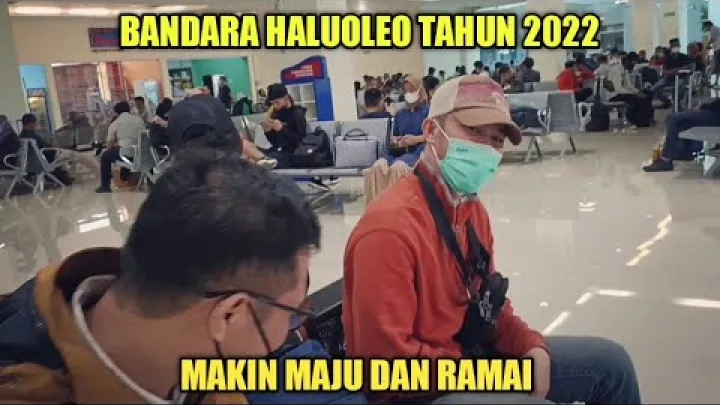
Common routing may involve Indonesian hubs such as Jakarta, Makassar, Surabaya, or Yogyakarta. Makassar is especially useful to check because it is a major Sulawesi hub and often fits regional itineraries. When comparing flights, look beyond the lowest fare. Check baggage allowance, connection time, arrival hour, and whether tickets are protected on one booking.
If you arrive in Indonesia on one ticket and continue to Kendari on a separate ticket, build in generous connection time or consider an overnight stop at the gateway city. A missed domestic connection can affect hotels, drivers, boats, and onward island packages.
Ferries and Boats from Kendari Port
Kendari Port supports regional sea travel used by residents and some travelers. Depending on current services, routes may connect toward other Southeast Sulawesi destinations such as Bau-Bau, Raha, Wanci on Wangi-Wangi, or smaller ports, but schedules can change and should be checked locally.
Understand the difference between public ferries, speedboats, and private charters. Public ferries may be cheaper but less flexible. Speedboats can reduce travel time but may be more sensitive to sea conditions. Private charters or operator-arranged boats can be convenient for groups or remote islands, but costs can rise quickly.
Do not plan a tight same-day boat-to-flight connection unless you have strong local confirmation and a backup plan. For Wakatobi, Labengki, or smaller islands, coordinate with your accommodation, dive operator, or local tour provider before committing to fixed flights.
Where to Stay and How to Get Around
Your hotel location can strongly affect the ease of a Kendari trip. The city is spread out enough that most visitors will use cars, taxis, motorcycle taxis, or hotel-arranged transport rather than walking everywhere.
How the City Is Laid Out Around Kendari Bay
Kendari is oriented around Kendari Bay, with waterfront areas, port-related zones, inland commercial districts, and hotel or business corridors. For visitors, the most useful mental map is simple: choose between bay atmosphere, practical central access, or hotel comfort.

Mandonga is often useful as a central commercial reference point for errands, shopping, banking, and practical city access. Kendari Barat and other established hotel areas may suit travelers who want more comfortable properties, business facilities, or easier arranged transport. Bay-adjacent areas can be attractive for views and seafood, but convenience depends on your exact hotel and daily plans.
Because attractions, departure points, and restaurants are not all clustered in one compact tourist district, ask hotels about travel time to the airport, port, waterfront, and any day-trip pickup points before booking.
Best Base Areas for First-Time Visitors
There is no single best neighborhood for every traveler. Choose your base according to what you need most: waterfront atmosphere, practical errands, hotel comfort, or easy pickup for island trips.
| Base area | Best for | Main trade-off |
|---|---|---|
| Bay-adjacent areas | Water views, seafood, port or boat logistics | May not be closest to errands or every hotel option |
| Mandonga or central commercial areas | Shopping, banking, city access, practical stays | Less scenic than the waterfront |
| Kendari Barat or hotel corridors | Business travel, mid-range comfort, hotel services | May require rides for waterfront dining or departures |
| Operator-recommended hotels | Labengki, Bokori, or Wakatobi connections | Best location depends on your pickup point |
If you are booking a marine trip, ask the operator which hotels are easiest for pickups and whether early-morning departures are involved. A slightly less scenic hotel can be the better choice if it reduces stressful dawn transfers.
Accommodation Styles and Price Expectations
Kendari offers simple guesthouses, budget hotels, local business hotels, and mid-range branded properties. Listings on Booking.com show examples such as Swiss-Belhotel Kendari, Claro Hotel Kendari, and RedDoorz-style budget options, though availability and rates vary by date.
Backpackers and budget travelers should check recent reviews carefully for cleanliness, noise, location, and air-conditioning. Mid-range travelers should compare Wi-Fi, breakfast, airport or port transfer help, and whether staff can assist with drivers or local bookings.
Kendari does not have the same resort depth as Bali, but it has enough accommodation for a short or medium stay. Avoid making decisions only on price. A hotel that saves money but increases transport time may not be the best value if you are catching boats or early flights.
Local Transport, Airport Transfers, and Private Drivers
Taxis, app-based ride-hailing, motorcycle taxis, hotel transfers, and private cars are usually the most practical transport choices for visitors. Practical travel guidance from Kupi notes that mobile apps such as Grab or Gojek-style services can make taxis or motorcycle taxis easier where available.
App-based rides can reduce bargaining and language barriers, but availability and airport pickup rules can vary. Keep your destination name written clearly, use map pins when possible, and carry cash for smaller providers or situations where card payment is not accepted.
For longer day trips such as Moramo Waterfall, Taipa Beach, or coastal departure points, a private driver is often more practical than trying to piece together public transport. Self-driving is not recommended for most short-term visitors unless they are experienced in Indonesian traffic conditions and have appropriate licensing and insurance.
Things to Do in and Around Kendari
Kendari’s best experiences are a mix of low-key city time and nature excursions. The city itself is useful and atmospheric, while many headline activities require travel beyond the urban core.
Waterfront, Seafood, and City Landmarks
Start with Kendari Bay. A simple city orientation can include bay views, a seafood meal, and a relaxed evening near the water. This is not a dense museum or historic-core destination, so plan for atmosphere rather than a checklist of major monuments.
Al-Alam Mosque is one of the notable landmarks associated with the bay area. If you visit, dress modestly, avoid disturbing worshippers, and follow any posted or local instructions. Religious sites should be approached as active community spaces, not only as photo stops.
Evening is often a pleasant time for dining and waterfront views after the heat of the day. Avoid inventing a strict plan around specific restaurants unless you have checked current opening hours and recent reviews.
Bokori Island and Short Coastal Escapes
Bokori Island is commonly associated with Kendari travel and may be a more manageable marine outing than remote island expeditions. Before going, confirm the current boat departure point, price, travel time, and sea conditions through your hotel, driver, or local operator.
Bring sun protection, water, snacks if needed, swimwear, a dry bag, and cash. Do not assume card payments or extensive facilities will be available. If you are on a tight schedule, ask whether the trip is realistic as a same-day excursion under current conditions.
Because weather and sea conditions can change quickly, keep your plan flexible. If boats are not running or conditions are uncomfortable, use the day for city errands, seafood, cafés, or an easier coastal drive.
Moramo Waterfall and Mainland Nature Trips
Moramo Waterfall is one of the mainland nature excursions linked to Kendari travel planning. It appeals to visitors who want rainforest scenery, water, and a break from the city, but access conditions matter.
Road conditions, rain, walking surfaces, and current local rules can affect the experience. Arrange transport in advance, especially if you do not speak Indonesian. Ask about travel time, waiting time, entry procedures, and whether the walking route is suitable for your fitness and footwear.
Wear sensible shoes, protect electronics from rain, and avoid risky behavior on wet rocks. In waterfall and forest areas, stay on established paths, carry out rubbish, and follow local guidance.
Labengki Island and Other Longer Marine Excursions
Labengki Island is a more involved marine excursion from the Kendari region, not a simple city outing. Depending on current access, you may need a package, charter, or local operator coordination. Costs and time requirements can rise quickly because remote islands involve boats, fuel, meals, crew, accommodation, and weather planning.
Before booking, confirm what is included: boat safety equipment, meals, drinking water, accommodation, snorkeling or diving arrangements, pickup location, and what happens if weather delays the trip. Ask whether you need to bring cash, reef-safe sun protection, personal medication, and extra drinking water.
Remote island travel is one of the main reasons to plan Kendari carefully. It can be memorable, but it is less forgiving than a normal city day. Build in buffer time before flights and avoid scheduling major transfers immediately after returning from an island.
Using Kendari as a Gateway to Wakatobi
Wakatobi National Park is one of Southeast Sulawesi’s major marine destinations, but it should not be treated as a quick day trip from Kendari. Travel may involve multiple legs, depending on your route, current flights, ferries, operator transfers, and which island you are visiting.
Names you may encounter include Wanci on Wangi-Wangi, Tomia, Bau-Bau, and other transfer points. The exact route can vary, so divers and snorkelers should coordinate with dive resorts or operators before committing to flights. Ask how guests usually arrive, what happens during bad weather, and how many buffer days are recommended.
If Wakatobi is your main goal, Kendari can still be a useful organizing base before or after the trip. Keep city nights available for rest, luggage repacking, cash withdrawals, and recovery after long transfers.
Suggested Kendari Itineraries
The right length of stay depends on whether Kendari is a stopover, a short city-and-nature break, or the logistics base for a wider Southeast Sulawesi journey.
One Night or One Full Day in Kendari
For a stopover, keep the schedule light. Arrive, check in, rest, and use the afternoon or evening for Kendari Bay, a seafood meal, and simple city orientation. If you are tired after a connection through Jakarta, Makassar, Surabaya, or Yogyakarta, do not force a distant day trip.
Use the evening to confirm the next day’s airport transfer, port timing, driver pickup, or boat arrangement. Pack a day bag if you are leaving early. Keep important documents, cash, and charging cables easy to reach.
If rain affects the plan, choose a café, mall, hotel meal, or rest period instead of chasing outdoor activities. A successful one-night stay is about smooth onward movement, not seeing everything.
Three to Four Days for Kendari and Nearby Nature
Three to four days is a sensible first-time length if you want more than a transit stop. It gives you time for the city, one marine or coastal outing, one mainland nature trip, and a flexible day.
| Day | Plan | Flexibility tip |
|---|---|---|
| Day 1 | Arrive, settle in, Kendari Bay, seafood | Keep it light after travel |
| Day 2 | Bokori Island or a coastal escape | Move this if seas are poor |
| Day 3 | Moramo Waterfall or mainland nature | Check rain and road conditions |
| Day 4 | Buffer, errands, rest, onward travel | Use for delays or recovery |
The exact order should follow weather and operator advice. If your island day looks uncertain, switch to the waterfall or city day and keep the boat trip for a calmer window.
One Week or More for Southeast Sulawesi
With a week or more, Kendari becomes the organizing hub rather than the only destination. You can spend a night or two in the city before continuing to Labengki, Wakatobi, or another Southeast Sulawesi destination, then return for rest before flying out.
Do not try to cover every island, waterfall, beach, and village in one trip. Southeast Sulawesi rewards slower planning. Choose fewer places, add rest days, and leave room for ferry, boat, or flight changes.
Think about luggage storage and packing. Remote island trips are easier with a smaller bag, while city hotels may be more convenient for storing extra clothing or work equipment if they allow it. Confirm this directly with the hotel.
Costs, Money, Food, and Connectivity
Kendari can be affordable for city stays and local meals, but the total trip cost depends heavily on flights, drivers, boats, and marine activities.
Daily Budget Ranges and What Changes the Cost
Accommodation and casual food in Kendari may feel less expensive than in Indonesia’s most famous tourist centers, but remote logistics can change the budget quickly. Domestic flights, private drivers, island charters, diving, and multi-day excursions are the main cost drivers.
| Travel style | Likely focus | Cost risk |
|---|---|---|
| Budget | Simple hotels, warungs, app rides | Private boats may exceed expectations |
| Mid-range | Comfortable hotel, drivers, selected day trips | Multiple excursions add up |
| Higher comfort | Better hotels, private transfers, packages | Remote island logistics can be costly |
Separate city costs from island costs when planning. A few affordable days in Kendari can be followed by a much more expensive remote excursion, especially if you need a private boat or specialized dive services.
Cash, Cards, ATMs, and Money Changing
Indonesia uses the Indonesian rupiah. Carry cash for small vendors, drivers, local boats, parking, simple eateries, and rural or island settings. ATMs are expected in the city, but you should withdraw before leaving for smaller islands or nature areas.
Cards may work at some hotels and larger businesses, but do not assume universal acceptance. When using ATMs or card terminals, choosing local-currency billing can help avoid unfavorable dynamic conversion rates.
If you need to change money, use reputable services and check the rate before agreeing. Avoid carrying all your cash in one place, and keep a small daily amount separate from your backup funds.
Food, Water, and Local Etiquette
Seafood, warungs, and casual Indonesian meals are a central part of the Kendari experience. Menus may be simple, local, and less oriented toward international visitors than in major tourist destinations. A few Indonesian phrases can make ordering easier.
Drink bottled, boiled, or properly filtered water rather than untreated tap water. In hot weather, dehydration can happen quickly, especially if you are walking, boating, or visiting waterfalls.
Etiquette is straightforward: dress modestly in religious settings, remove shoes where appropriate, use respectful behavior around mosques, and ask before photographing people closely. Be patient if English is limited in some places.
Mobile Data, Wi-Fi, and Remote Work Practicalities
As a provincial capital, Kendari should generally offer better connectivity than remote islands, but reliability can vary by hotel, provider, building, weather, and location. If you need data, consider an Indonesia-ready SIM or eSIM and check recent hotel reviews for Wi-Fi quality before booking.
Remote workers should treat Kendari as workable for light tasks, not as a guaranteed digital-nomad hub. Important calls, uploads, and deadlines should be scheduled while you are in the city, not during a boat trip, rainforest excursion, or remote island stay.
Have a backup plan for essential work: mobile data, a second connection option, offline documents, and extra time before deadlines. Power banks are useful for long transfers and boat days.
Safety, Health, and Responsible Travel
Kendari does not need to be approached with fear, but it does require normal urban awareness, heat management, and extra caution around boats, roads, weather, and remote areas.
Urban Safety and Common Travel Precautions
Use balanced precautions. Keep bags and phones secure, avoid displaying valuables, use trusted transport, and keep luggage in sight. General traveler safety advice from Penn State Global includes protecting belongings and staying aware of personal items, which is sensible in any city.
Avoid demonstrations or tense public gatherings, especially if you do not understand the local context. Keep copies of your passport, visa, insurance, and key bookings. Share your itinerary with someone you trust if you are heading to remote islands or nature areas.
Check your own government’s current Indonesia travel advisory before departure. Advisory levels and advice can change, and they may include information about natural hazards, health, regional security, or transport disruption.
Health Basics for a Hot, Humid Destination
Heat and humidity are everyday concerns. Drink water regularly, take rest breaks, use sun protection, and watch for signs of heat exhaustion such as dizziness, headache, nausea, or unusual fatigue. Do not underestimate sun exposure on boats.
Mosquito precautions are also important. Use repellent, wear longer clothing at dawn or dusk when practical, and consider accommodation with screens or air-conditioning. Mosquito-borne illnesses can occur in Indonesia, so consult a travel clinic or health professional before a longer or remote trip.
Carry basic medication, personal prescriptions, and any important health documents. Remote islands and nature areas may not have quick access to medical care, so plan more conservatively if you have a health condition.
Natural Hazards and Travel Disruption
Indonesia can experience earthquakes, tsunamis, volcanic activity, heavy rain, flooding, and transport disruption, though risk varies by region and time. For a Kendari trip, the practical planning point is flexibility: boats may be delayed, roads can be affected by rain, and flights can be disrupted.
Monitor reputable local and national alert sources during travel, especially in bad weather or before marine trips. Ask operators about weather decisions and safety equipment. If a boat operator advises postponing, take the advice seriously.
Buffer days are especially important before international flights, expensive onward bookings, or fixed dive packages. Travel insurance that covers delays, missed connections, medical care, and relevant marine activities can reduce financial risk.
Reef, Rainforest, and Community Respect
Kendari’s appeal is closely tied to marine and rainforest environments, so responsible behavior matters. When snorkeling or diving, do not touch coral, stand on reefs, chase marine life, or leave waste behind. Choose operators who communicate safety rules and environmental expectations clearly.
At waterfalls and forest sites, stay on trails, avoid littering, and follow local rules. Wet rocks and informal paths can be dangerous, so do not take risks for photographs.
Small-island waste systems can be limited. Reduce single-use plastics where possible, bring a reusable bottle when safe refills are available, and carry rubbish back to the city if disposal options are poor.
Final Planning Checklist for Kendari
Before You Book
Before booking a Kendari trip, check Indonesia entry rules, passport validity, domestic flight routing, baggage limits, hotel location, airport or port transfers, seasonal conditions, and boat schedules. If your itinerary includes Labengki, Wakatobi, Bokori Island, or other marine plans, confirm the logistics directly with operators or accommodations.
Choose your hotel based on your real plan. Waterfront areas may suit seafood and bay atmosphere, central areas such as Mandonga may be better for errands, and Kendari Barat or established hotel corridors may suit business or comfort-focused travelers. For early departures, the easiest pickup location may matter more than the view.
Kendari is most rewarding when expectations are practical. Treat it as a flexible gateway with its own low-key appeal, build buffer days for weather and transport, carry cash before leaving the city, and keep plans adjustable. With careful logistics, Kendari can be a useful and memorable starting point for Southeast Sulawesi.
Select area
Create a post
Posting is free and no registration is required.