Manokwari Travel Guide: Papua, Indonesia Planning Tips

This Manokwari travel guide is for travelers who want a practical introduction to one of Indonesia’s less mainstream coastal cities. Manokwari is not a polished resort destination, but it can be a rewarding base for quiet beaches, local city life, forest outings, and guided trips into the Arfak Mountains. Planning matters here because transport, weather, language, and tour logistics can be less predictable than in Bali, Java, or Raja Ampat. This guide covers when to visit, how to get there, where to stay, what to do, daily costs, safety, and how Manokwari can fit into a wider Papua or West Papua itinerary.
Manokwari at a Glance
Manokwari works best for travelers who are comfortable with simple logistics and flexible plans. It is a coastal city with nearby islands, beaches, forested hills, and access to mountain areas that attract birders and nature travelers.
Where Manokwari Fits in Indonesian Papua
Manokwari sits on the Bird’s Head Peninsula in the Indonesian part of New Guinea. For travelers, it is useful to think of it as a coastal city base rather than a classic beach resort. The city gives access to waterfront areas, local markets and restaurants, Mansinam Island, Gunung Meja Nature Park, beaches such as Bakaro Beach and Petrus Kafiar Beach, and longer nature trips toward the Arfak Mountains.
Compared with major Indonesian tourism centers, Manokwari has fewer English-language services and less tourist-focused infrastructure. That is part of its appeal for some visitors, but it also means you should plan transport, accommodation, cash, and guides with more care. A general destination overview from Kupi also frames Manokwari around its coast, nature access, food, and local history.
Sorong and Raja Ampat are important regional reference points, but they are not the same trip. Sorong is the better-known gateway for Raja Ampat, while Manokwari is more useful for travelers interested in a quieter city, nearby rainforest, and the Arfak Mountains.
Who Manokwari Is Best For
Manokwari is best for travelers who enjoy nature, birding, low-key beaches, local food, and a slower look at Indonesian Papua. It can suit independent travelers who are patient with changing schedules, as well as visitors who prefer to use local drivers or guides for more complicated day trips.
It may not be the best base if you want a wide choice of luxury resorts, easy nightlife, polished tourist streets, or simple online booking for every activity. English may be limited outside hotels, airport services, and specialist operators. If your priority is marine tourism with established visitor systems, Raja Ampat may be a better focus. If your priority is forest, mountain birds, and a less-touristed city experience, Manokwari becomes more interesting.
How Many Days to Spend
For a short city-and-coast visit, plan two to three days. This gives you time to arrive, adjust, visit Mansinam Island or a nearby beach if conditions allow, see Gunung Meja, and enjoy a simple local meal without rushing every hour.
For birding, trekking, or the Arfak Mountains, plan more time. Five to seven days is a more realistic starting point because guides, road conditions, mountain weather, and simple accommodation arrangements can affect the schedule. If you have separate domestic flights or an onward ferry connection, add a buffer day rather than planning every leg back to back.
Best Time to Visit Manokwari
Manokwari is warm, humid, and tropical. Weather should be treated as a planning factor, not as a fixed guarantee. Rain can affect beach visibility, mountain roads, boat trips, and trail conditions.
Weather Patterns to Expect
Expect heat, humidity, strong sun, and the possibility of rain at any time of year. Tropical destinations in this part of the world can be influenced by seasonal wind and rainfall shifts. NOAA NESDIS explains a monsoon as a seasonal shift in winds that can bring wetter or drier conditions, but that does not mean every day follows a simple wet-season or dry-season pattern.
Conditions can also vary between the city, the coast, the bay, and mountain areas. A morning may be usable for outdoor plans even if the afternoon turns wet. Before traveling, check a current forecast and ask local hosts or guides about recent conditions, especially before boat trips, mountain roads, and forest walks.
Best Timing by Trip Style
The best timing depends on what you want to do. General sightseeing is possible in many periods if you accept rain risk and build flexible days into the plan. For beaches, snorkeling, and boat trips, calmer seas and clearer water matter more than a date on the calendar. For birding and trekking, trail conditions, guide availability, and wildlife behavior may matter more than general city comfort.
| Trip style | Best conditions to look for | Planning note |
|---|---|---|
| City sightseeing | Usable mornings, manageable rain, easy transport | Keep plans light on arrival day |
| Beaches and snorkeling | Calmer sea, better visibility, safe local conditions | Check boat and swimming conditions locally |
| Birding | Guide availability, suitable trail access, early starts | Consult specialist operators before fixing dates |
| Trekking | Less slippery trails and passable roads | Avoid tight schedules after heavy rain |
| Surf or exposed-coast activities | Suitable swell and safe local advice | Do not rely on general weather summaries |
Flexible travelers can still visit outside ideal windows. The key is to adjust expectations: choose shorter outings, keep spare time, and avoid making one weather-sensitive activity the only reason for the trip.
Packing and Buffer Days
Pack for a humid city, a sunny coast, and wet forest edges. Lightweight rain protection, quick-drying clothing, sun protection, insect repellent, and shoes with grip are more useful than formal clothing for most leisure trips. If you plan to visit the Arfak Mountains, add warmer layers because higher elevations can feel cooler than the coast.
- Use a dry bag or waterproof pouch for documents, electronics, and cash.
- Carry a small umbrella or compact rain jacket for city walks and transfers.
- Bring reef-safe sun protection if you plan to swim or snorkel.
- Use practical footwear for wet steps, uneven paths, and forest trails.
- Schedule outdoor activities early when possible, then keep afternoons flexible.
Buffer days are especially useful if you have domestic flights, mountain travel, or a Raja Ampat connection. A spare night in Manokwari can reduce stress if rain, transport, or guide coordination changes the plan.
How to Get to Manokwari and Move Around
Most visitors reach Manokwari by air and then use hotel pickups, taxis, drivers, motorbike taxis, boats, or guide-arranged transport. The city is not difficult to understand, but it is not designed around a large tourist transit system.
Flying into Rendani Airport
Rendani Airport is the main air gateway for Manokwari. International travelers usually enter Indonesia through a larger hub, then connect by domestic flights. Current carriers, routes, and connection times can change, so check flight schedules close to booking and again before departure.

An airport guide from Kupi identifies Rendani Airport as Manokwari’s airport and recommends official taxis or hotel-arranged transfers for a smoother arrival. If you book separate tickets, leave a generous buffer between flights because a delay on one ticket may not be protected by the next airline.
Airport Transfers and Local Transport
For a first arrival, the easiest option is usually a hotel-arranged pickup or an official airport taxi. Confirm the pickup point and fare before starting the ride. If your hotel is near central Manokwari, Jalan Yos Sudarso, or a commercial area, the transfer should be more straightforward than if you are staying outside the city.
Local movement is usually by car, taxi, motorbike taxi, hired driver, or transport arranged by an operator. Walking may look possible on a map, but heat, humidity, hills, traffic, and limited pedestrian space can make short distances feel longer. For beaches, the waterfront, outlying areas, or the Arfak Mountains, arrange transport in advance rather than assuming you can find a return ride easily.
Connecting Manokwari with Sorong and Raja Ampat
Many travelers combine Manokwari with Sorong and Raja Ampat, but it requires separate planning. Sorong is the common gateway for ferries to Waisai in Raja Ampat. Stay Raja Ampat describes the Sorong to Waisai ferry route from Pelabuhan Rakyat and notes that the journey is about two hours, but ferry schedules and ticket details should always be checked locally before travel.
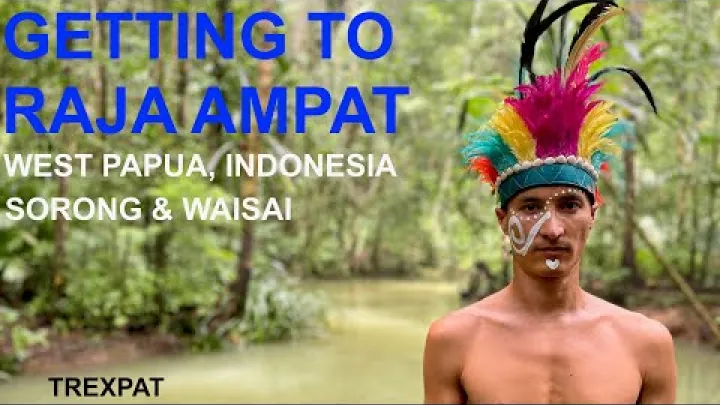
Do not plan a tight same-day international departure after a remote domestic flight or ferry leg. A safer structure is to move from Manokwari to Sorong, overnight if needed, take the ferry to Waisai, and keep another buffer before your final international flight. This may feel slower, but it reduces the chance that one delayed connection disrupts the whole itinerary.
When to Use Drivers, Guides, or Tour Operators
Use drivers, guides, or local operators when the trip involves uncertain roads, outlying beaches, boat arrangements, village coordination, birding, trekking, or the Arfak Mountains. A good local contact can help with timing, transport, simple lodging, meals, and communication with hosts.
Before booking, ask what is included. Clarify transport, fuel, meals, guide fees, accommodation, boat costs, entrance or community fees if relevant, pickup times, cancellation terms, and what happens if weather changes the plan. For specialist nature trips, also ask about fitness level, trail conditions, expected start times, and whether you need to bring your own binoculars, rain gear, or sleeping gear.
Where to Stay in Manokwari
Where you stay affects how easy the trip feels. For a first visit, choose convenience before scenery unless you already have transport arranged.
Central Manokwari for Logistics
Central Manokwari is usually the simplest choice for first arrivals, short stays, business-style comfort, and coordination with guides or drivers. Areas around main roads such as Jalan Yos Sudarso and nearby commercial zones are practical because shops, restaurants, banks, and transport options are more likely to be close by.

Central hotels may not be the most scenic, but they reduce friction. This matters if you need to meet a guide early, withdraw cash, buy supplies, arrange a boat to Mansinam Island, or recover after a flight. Manokwari City Mall can also work as a simple orientation point for travelers who want a recognizable commercial landmark, but it should not be treated as the center of all visitor activity.
| Base area | Best for | Main trade-off |
|---|---|---|
| Central Manokwari | Short stays, errands, flights, guide coordination | Less scenic than coastal or mountain stays |
| Coastal areas | Quieter atmosphere and sea views where available | Fewer spontaneous transport and dining options |
| Arfak Mountains | Birding, trekking, guided nature trips | Basic facilities and more dependence on hosts |
Coastal Areas for a Quieter Stay
Staying closer to the coast can feel more relaxed and scenic than staying in the center. It may suit travelers who prefer quiet evenings, sea air, and a slower pace. However, not every coastal property has easy swimming access, reliable meal options, or simple transport.
Before booking, check recent reviews, road access, meal availability, and whether the property can arrange pickups or drivers. If you plan to go out for dinner, return after dark, or visit several beaches, pre-arranged transport is important. Carry enough cash for small payments because card acceptance may be limited outside larger businesses.
Arfak Mountain Stays for Guided Nature Trips
Arfak Mountain stays are usually part of a guided nature or birding trip rather than a casual hotel choice. Accommodation may be in simple lodges, guesthouses, homestays, or operator-arranged places outside the city. Facilities can be basic, connectivity may be limited, and the temperature can be cooler than Manokwari’s coast.
The reward is proximity to forest landscapes, birding sites, and mountain communities, but comfort expectations should be adjusted. Respect host rules, ask before photographing people or homes, and follow your guide’s advice about behavior in villages and on trails.
Nature, Beaches, and Cultural Highlights
Manokwari’s main appeal is the mix of coast, forest, islands, and mountains within reach of the city. Most highlights are best approached with flexible timing and local advice.
Mansinam Island for History and Snorkeling
Mansinam Island is one of the key day trips from Manokwari. It is associated with local cultural and religious history and also attracts visitors for its beaches and snorkeling when conditions are suitable. Most travelers need to arrange a local boat from the waterfront, through accommodation, or with help from a guide.
Before going, check sea conditions, the return arrangement, and the agreed boat price. Snorkeling visibility depends on weather and water conditions, so avoid treating it as guaranteed. Around community or religious sites, dress and behave respectfully, keep voices low where appropriate, and ask before taking close-up photographs.
Beaches near Manokwari
Bakaro Beach and Petrus Kafiar Beach are useful local beach anchors for travelers exploring beyond the city center. Expect a low-key local beach experience rather than a commercial beach-club setting. Facilities, road access, food stalls, shade, and swimming conditions can vary, so check locally before setting out.
Bring water, sun protection, cash, and any snorkeling gear you specifically need. Do not assume lifeguards, rentals, showers, or card payments are available. Before swimming, ask local residents, your driver, or your accommodation about currents, surf, rocks, and recent conditions.
Gunung Meja Nature Park
Gunung Meja Nature Park is a practical option for travelers who want a shorter nature outing near the city. It is a lower-commitment alternative to a longer Arfak Mountains trip and can be useful if you have limited time or uncertain weather.
Prepare as you would for a humid forest walk: carry water, use insect protection, wear shoes with grip, and protect your phone and documents from rain. Access, fees, and opening conditions can change, so ask your hotel or a local contact before visiting. Wildlife sightings should be treated as a possibility, not a promise.
Arfak Mountains for Birding and Trekking
The Arfak Mountains are one of the strongest reasons nature-focused travelers come to Manokwari. Birding tours in the wider region often include areas near Manokwari and the Arfak Mountains, and specialist operators such as Birding Ecotours highlight the region for Papuan birdlife and forest experiences.
Plan this part of the trip carefully. Access, accommodation, weather, road conditions, and physical difficulty can vary. A guide is strongly recommended for birding, trekking, and community-based visits because local knowledge improves safety, timing, and respectful coordination.
Responsible wildlife viewing matters. Stay quiet, follow your guide’s instructions, avoid flash or intrusive behavior, and do not pressure guides to approach wildlife too closely. When visiting Indigenous or village areas, remember that communities are living places, not displays for visitors.
Food, Costs, Cash, and Daily Practicalities
Daily life in Manokwari is manageable if you prepare for simple dining, cash use, and variable connectivity. Travelers who need strict dietary control or constant internet should plan more carefully.
Food, Markets, and Simple Dining
Visitors can expect a mix of local warungs, simple restaurants, markets, seafood, and common Indonesian rice or noodle dishes. Eating is usually informal rather than tourist-oriented. Markets and casual eateries are part of everyday local life, so approach them with patience and basic Indonesian phrases if possible.
If you have dietary restrictions, carry translation notes in Indonesian. This is especially important for allergies, vegetarian or vegan diets, halal or non-halal concerns, gluten avoidance, or medical restrictions. Do not assume staff will understand English descriptions of ingredients. If you are traveling into the mountains, ask in advance what meals are included and whether special food can be prepared.
Daily Budget Ranges
Published Manokwari-specific price data is limited, so use Indonesia-wide cost benchmarks only as a starting point. A budget overview from Never Ending Footsteps gives general Indonesia travel cost examples, but Manokwari can feel more expensive when private transport, boat trips, limited accommodation choice, or guided Arfak excursions are involved.
| Budget type | What it usually includes | What can raise costs |
|---|---|---|
| Simple city budget | Basic room, warungs, short local rides | Airport transfers, beach trips, limited room choice |
| Comfortable city budget | Midrange hotel, taxis or drivers, flexible meals | Private day trips and boat arrangements |
| Nature-focused budget | Guides, vehicle hire, simple mountain lodging | Remote access, specialist birding, extra buffer days |
For planning, separate your budget into accommodation, food, local transport, and activities. A city day can be moderate if you eat simply and stay central. A guided mountain day can change the average significantly because it may include vehicles, guides, meals, host payments, and overnight stays.
Cash, ATMs, and Connectivity
Carry Indonesian rupiah in small denominations for markets, local transport, beach trips, small restaurants, and tips where appropriate. Cards may work at some hotels or larger businesses, but they should not be your only payment method. Withdraw enough cash before leaving central Manokwari for beaches, villages, or mountain areas.
Use backup cards and keep them separate from your main wallet. Save booking details, maps, addresses, and guide phone numbers offline. Connectivity may be acceptable in central areas but weaker outside the city and limited in the Arfak Mountains. Tell your accommodation or guide your next step if you will be out of signal for long periods.
Safety, Health, and Responsible Travel
Safety planning for Manokwari should be calm, current, and practical. Conditions can differ across Indonesian Papua, so avoid assuming that one report applies equally to every place.
Current Advisories and Local Conditions
Check your government’s current travel advice before departure and again before regional travel. The U.S. Department of State advises increased caution for Indonesia and notes that some areas have increased risk. Travelers from other countries should also check their own government advisories.
For Manokwari specifically, ask your hotel, local operator, or host about current local conditions. Avoid demonstrations and large political gatherings, monitor local news when possible, and be cautious with regional travel plans during periods of tension or disruption. This is not a reason to avoid all travel automatically, but it is a reason to stay informed and flexible.
Road, Water, and Outdoor Safety
Road and outdoor safety are often the most relevant day-to-day issues. Rural roads can be affected by rain, visibility, landslides, or changing surface conditions. Avoid unnecessary night travel outside the city, especially on unfamiliar routes. For mountain trips, use drivers who know the road and accept delays if conditions are poor.
For boat trips, confirm weather, sea conditions, return timing, and basic safety equipment before leaving. For swimming or snorkeling, ask local people about currents, rocks, surf, and safe entry points. For trekking, expect slippery ground, heat, rain, insects, and uneven trails. Travel insurance should cover the activities you plan to do, including trekking, boat travel, and remote medical evacuation if relevant.
Cultural Respect and Low-Impact Travel
Respectful behavior is essential in Manokwari, Mansinam Island, villages, religious sites, and Indigenous areas. Ask before photographing people, homes, ceremonies, or community spaces. Dress modestly around religious or community sites and follow local instructions from hosts or guides.
Arrange village or Indigenous-area visits through appropriate local contacts rather than arriving unannounced. Spend money with local guides, hosts, drivers, and small businesses where possible. Reduce plastic waste, stay on trails, avoid disturbing wildlife, and leave beaches and forest areas cleaner than you found them.
Suggested Itineraries and Final Planning Tips
Use these itinerary structures as flexible frameworks, not fixed schedules. Manokwari rewards travelers who leave room for weather, transport changes, and local advice.
Two to Three Days in Manokwari
On a short trip, keep the first day easy. Arrive through Rendani Airport, transfer to a central hotel, withdraw cash, confirm transport, and take a relaxed walk or meal near your accommodation. If you are staying near Jalan Yos Sudarso or another central area, use the first evening to understand distances and arrange the next day.
For the second day, choose one main outing: Mansinam Island if boats and sea conditions are suitable, or a nearby beach such as Bakaro Beach or Petrus Kafiar Beach if local advice is favorable. Keep the afternoon flexible for rain or a simple city meal. On the final morning, consider Gunung Meja Nature Park or a short local visit before your flight.
Five to Seven Days with the Arfak Mountains
A longer trip can combine city logistics with mountain nature. Spend one night in Manokwari after arrival, meet your guide, buy supplies, and confirm cash and transport. Then spend several days in the Arfak Mountains for guided birding, forest walks, trekking, or community-based stays, depending on your interests and fitness.
Return to Manokwari for at least one buffer night before flying onward. This gives you time to recover from basic mountain conditions, clean gear, handle delays, and avoid missing a flight if the road or weather changes. Do not build the itinerary around guaranteed wildlife sightings. Treat birding and trekking as patient nature experiences.
Combining Manokwari with a Wider West Papua Trip
Manokwari can fit before or after Sorong and Raja Ampat. Choose Manokwari first if you want mountains, forest, and city logistics before marine time. Choose it after Raja Ampat if you want a quieter land-based ending before flying onward. Either way, add buffer days between domestic flights, ferries, and international departures.
Before departure, confirm your flights, first-night accommodation, airport transfer, cash access, guide arrangements, weather forecast, and current advisories. Manokwari is most rewarding when you choose it for what it does well: quiet coastal city life, nearby rainforest, birding access, local beaches, and a less-touristed view of Indonesian Papua.
Frequently Asked Questions
Is Manokwari worth visiting for a first trip to Indonesian Papua?
Yes, if you are interested in nature, birding, local city life, quiet beaches, and access to the Arfak Mountains. It is less suitable if you want a polished resort destination with easy English-language tourism services.
How many days do you need in Manokwari?
Plan two to three days for a short city, island, and beach visit. Plan five to seven days if you want to include guided Arfak Mountains travel, birding, trekking, and buffer time.
Is Manokwari safe for tourists?
Many safety concerns are practical: transport, rain, roads, boats, swimming, and remote access. Check current government advisories, avoid demonstrations, ask local hosts about conditions, and use reliable guides or drivers for outlying areas.
Do you need a guide for the Arfak Mountains?
A guide is strongly recommended. The Arfak Mountains involve variable roads, basic accommodation, local community coordination, forest trails, and specialist birding knowledge that are difficult to manage independently.
What is the best way to combine Manokwari with Raja Ampat?
Plan Manokwari and Sorong as separate logistics steps, then use Sorong for the ferry to Waisai in Raja Ampat. Avoid tight same-day connections between domestic flights, ferries, and international departures.
Can you visit Manokwari without speaking Indonesian?
Yes, but it is easier with basic Indonesian phrases, translation apps, and hotel or guide support. English may be limited outside airports, some hotels, and specialist tour operators.
Select area
Create a post
Posting is free and no registration is required.