Biak Getting There: Flights, Ferries and Arrival Tips

Biak getting there planning is mainly about choosing between a domestic flight and a slower sea route. Biak is an island in Papua, Indonesia, set in Cenderawasih Bay, so the final long-distance approach is by air or by boat rather than by road. For most visitors, Frans Kaisiepo Airport is the practical gateway, while ferries are useful for flexible travelers, residents, and anyone moving a vehicle. This guide explains the main routes to check, how to connect through Indonesian gateways, what to expect on arrival in Biak City, and how to verify schedules before you travel.
Quick Answer: How to Get to Biak
The simplest way to get to Biak is usually to fly to Frans Kaisiepo Airport, then take a short local transfer into Biak City. Ferries can work, especially from Manokwari or other regional ports when services are operating, but they require more time and more careful schedule checking.
Best option for most travelers
Flying to Frans Kaisiepo Airport is the best option for most travelers because it reduces travel time and avoids the uncertainty that can come with regional ferry planning. Biak is not a place where most international travelers arrive directly from abroad. In practice, visitors usually enter Indonesia through a larger gateway and continue on domestic flights toward Papua.
Start by searching for flights to Biak with the airport code BIK. Depending on your starting point and travel date, you may need to connect through Jakarta, Makassar, Jayapura, Sorong, or another Indonesian city. Direct and connecting routes can change, so treat any route list as a starting point, not a guarantee.
If your trip includes fixed commitments such as a work visit, a diving plan, a boat charter, or a family event, prioritize air travel and add buffer time. A missed connection in eastern Indonesia can be harder to recover from than a missed connection on a high-frequency route between major cities.
When ferries make sense
Ferries make sense when time is flexible, when cost matters more than speed, or when you need to bring a motorcycle, car, or other vehicle to Biak. They may also be useful for travelers already moving around Papua by sea. Manokwari is the clearest ferry gateway to check first, while possible routes involving Nabire or other mainland Papua ports should be verified carefully before you rely on them.
The main challenge is not simply the length of the crossing. It is the need to confirm current departures, ticket rules, cabin availability, and vehicle-loading conditions. Online ferry information for regional Papuan routes can be incomplete or out of date, so you should confirm with ferry offices, port contacts, operators, hotels, or recent local contacts close to your travel date.
What is not possible by land
You cannot reach Biak by an all-road route, by rail, or by direct intercity bus from mainland Papua or elsewhere in Indonesia. Biak is an island, and there is no bridge or road link that connects it to the mainland.
Road transport is still part of the journey, but only at the beginning or end of a trip. You may use a car, taxi, bus, or motorcycle taxi to reach an airport, a mainland port, your hotel, or Biak City after arrival. The long-distance crossing itself must be by air or by sea.
Main Arrival Gateway: Frans Kaisiepo Airport
For most visitors, the airport is the center of Biak transport planning. It is the easiest arrival point to understand, the most practical for fixed-date travel, and the most convenient gateway for reaching Biak City after landing.
Airport identity and location
Frans Kaisiepo Airport, commonly searched with the code BIK, is Biak’s main passenger airport. A general airport overview is available from Frans Kaisiepo Airport, but travelers should always check current passenger services directly through airlines or flight search tools before booking.
The airport is close to Biak City, so the final transfer is usually much simpler than the long-distance journey to the island. This is useful if you arrive after a long domestic connection, because you are not facing a remote overland transfer after landing.
Frans Kaisiepo Airport has international status in historical and administrative contexts, but that does not mean you should expect direct scheduled international passenger flights. Unless you have current airline confirmation, plan as if you will enter Indonesia through another airport and then continue to Biak on domestic flights.
Flight routes to check first
When searching for flights, check routes through Jakarta, Makassar, Jayapura, and Sorong first. Jakarta is a broad national gateway for international arrivals. Makassar is often useful for eastern Indonesia connections. Jayapura is relevant for travelers already in Papua, while Sorong can matter for trips that combine Biak with Raja Ampat or western Papua routes.
Use current airline websites and reliable flight search tools for your exact date. A flight search page such as Google Flights can help you see available routings to Biak, but you should still confirm ticket conditions, baggage rules, and connection details before payment.
| Gateway to check | Why it may be useful | Planning note |
|---|---|---|
| Jakarta | Major entry point for international travelers | Allow time for immigration, baggage, and domestic check-in |
| Makassar | Important eastern Indonesia hub | Check whether same-day onward flights fit your arrival time |
| Jayapura | Useful for Papua itineraries | Confirm direct or one-stop options on your travel date |
| Sorong | Relevant for western Papua and Raja Ampat combinations | Do not assume daily service without checking |
Avoid relying on old route maps or forum comments. Airline networks in eastern Indonesia can change with demand, aircraft availability, and seasonal operating decisions.
Booking and connection buffers
Book domestic flights ahead when your dates matter, especially around Indonesian public holidays, school breaks, and busy local travel periods. Availability can become limited, and rerouting options may be less flexible than on routes between major Indonesian cities.
Be cautious with tight same-day connections, especially if you use separate tickets. If you arrive internationally in Jakarta and need to continue domestically, you may need to pass immigration, collect luggage, clear customs, change terminals, check in again, and pass security. Each step can add time.
If a ferry is part of your plan, add even more buffer. A late flight can make you miss a sailing, and the next departure may not be convenient. Travelers with tours, fieldwork, official meetings, or boat connections should aim to arrive in Biak at least one day early when possible.
Common Flight Itineraries to Biak
There is no single route that works for every traveler. Your best itinerary depends on where you enter Indonesia, which airlines operate on your date, and whether your trip includes other parts of Papua or eastern Indonesia.
From Jakarta and other international entry points
International travelers usually enter Indonesia first, then continue to Biak on domestic flights. Jakarta is the most common broad gateway to consider because it has many international arrivals and domestic connections, but it is not the only possible entry point. Depending on your airline and country of origin, you may also connect through other Indonesian cities before heading east.
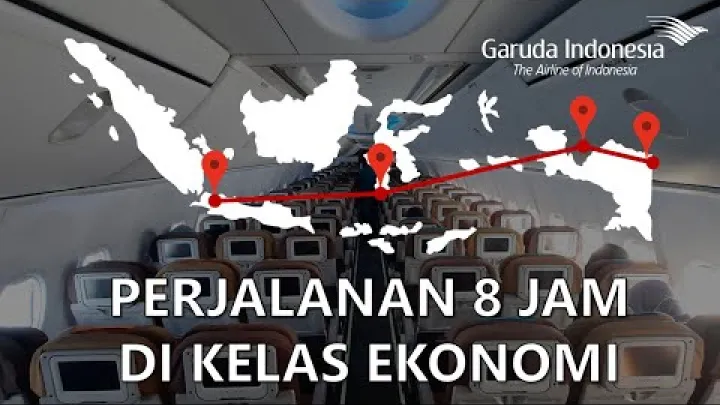
A typical planning pattern is: international origin to Jakarta, Jakarta to Makassar or another domestic gateway, then onward to Biak if the schedule works. This is only an example, not a fixed route. Your actual itinerary should be based on live availability for your travel date.
If your first Indonesian airport is also your immigration point, leave enough time for arrival formalities. Even when flights appear close together on a search screen, separate tickets can create risk because the onward airline may not protect you if your first flight is delayed.
From Makassar, Jayapura, and Sorong
Makassar is one of the most important cities to check for travel to Biak because it connects many routes in eastern Indonesia. If you are coming from western Indonesia, a Makassar connection may be more practical than routing through several smaller airports.
Jayapura is useful for travelers already in Papua or for visitors combining Biak with the provincial capital area. Direct or one-stop links may be available depending on the date and airline schedule, but you should confirm the actual routing before building hotel or ferry plans around it.
Sorong is relevant for travelers combining Biak with Raja Ampat or other western Papua routes. This combination can be attractive, but it needs careful planning because flight days, connection times, and baggage rules may not align smoothly. Always check your exact travel date rather than assuming that a route exists every day.
Combining Biak with wider Papua travel
Biak can fit into a wider Papua itinerary with Jayapura, Sorong, Manokwari, Nabire, or other regional points. The most practical combination depends on whether flights, ferries, or both are operating at times that match your schedule.
For example, a traveler might fly into Papua through Jayapura, continue to Biak by air, and then consider a ferry connection toward Manokwari if sea schedules fit. Another traveler might combine Sorong and Biak by air if the routing is available. These are planning ideas, not guaranteed itineraries.
When using more than one transport mode, verify each leg separately. A flight may be available even when the ferry is not convenient, or a ferry may run at a time that makes the flight connection too tight. Build the itinerary around the least frequent leg and keep one flexible day if possible.
Ferries and Sea Access to Biak
Sea access is an important part of Biak transport, but it requires more patience than flying. Ferries and passenger-cargo vessels can be useful, yet schedules and ticket conditions should be confirmed close to travel because online information may be limited.
Manokwari to Biak by ferry
Manokwari is the clearest ferry gateway to discuss for Biak because it is commonly associated with sea links in the region. Ferry listing sites such as Direct Ferries can be a starting point for research, but they should not be treated as the final authority for a remote regional journey.

A ferry from Manokwari to Biak is slower than flying, but it may suit travelers with flexible schedules, people traveling on a tighter budget, or anyone moving a vehicle. It can also make sense for regional movement when you are already in West Papua or Papua and do not want to route everything through airports.
Before committing to this option, confirm the sailing day, departure time, boarding deadline, fare, cabin options, luggage rules, and vehicle requirements. If you are connecting from a flight, do not plan a tight same-day transfer unless the ferry timing is confirmed and you have a backup plan.
Nabire and other mainland Papua routes
Other mainland Papua sea links may exist, including routes involving Nabire, but publicly available English-language information can be inconsistent. Treat these routes as possible options to investigate, not as dependable fixed plans until you have current local confirmation.
The best people to ask are ferry offices, port staff, local transport agents, hotels in Biak City or the mainland port city, and recent travelers who have used the route. If you speak Indonesian or can ask your hotel to call on your behalf, confirmation is often easier.
- Ask whether the route is operating this week, not only whether it exists in general.
- Confirm the departure port and arrival port name.
- Ask when ticket sales open and whether you need identification.
- Check whether passenger cabins, seats, or deck space are available.
- For vehicles, confirm loading time, documents, and payment rules.
If you have a fixed arrival date in Biak, flying is usually safer. If you have time and want to use ferries, they can be considered after local verification.
Bringing a vehicle or traveling by boat
Any car or motorcycle coming to Biak must arrive by ferry or cargo-passenger vessel because there is no road bridge to the island. Vehicle transport adds more variables than a normal passenger ticket. You may need to arrive earlier, show vehicle documents, follow loading instructions, and accept limited space.
If you are using a private yacht or small craft, treat Biak as a separate maritime planning issue. Clearance, harbor procedures, safety, weather, and navigation requirements are outside the needs of most ordinary travelers and should be checked with appropriate maritime authorities and local port contacts.
For most visitors, the practical question is simple: if you are not moving a vehicle, compare the ferry mainly on schedule, total time, comfort, and reliability. If those factors do not suit your trip, choose a flight.
Arriving in Biak City After the Airport or Port
Once you reach the island, the final step is usually straightforward, but it is still worth planning. Have your hotel name, address, and phone number ready, especially if you arrive late or after a long journey.
Airport to town
The transfer from Frans Kaisiepo Airport to Biak City is short compared with the long-distance journey to the island. Basic route-planning services such as Rome2rio frame the local airport connection as a simple road transfer, but fares and availability should be confirmed locally.
The easiest options are usually a taxi or a hotel pickup arranged before arrival. If your hotel offers pickup, send your flight number and arrival time, and ask where the driver will wait. This is especially useful if you arrive with heavy luggage, work equipment, or dive gear.
If you take a taxi or local vehicle from the airport, confirm the fare before leaving. Keep small cash available in Indonesian rupiah, because card payment or app-based transport should not be assumed unless your hotel confirms it is available.
Port to town
Port arrivals require a little more preparation because ferries may arrive early, late, or outside normal hotel check-in hours. If you are arriving at Biak port by sea, try to arrange your onward transfer before the sailing, especially for early morning, late evening, or overnight arrivals.
Possible options may include taxis, hotel pickup, or local motorcycle taxis, depending on timing and availability. Confirm what your hotel recommends. If you do not speak Indonesian, keep the hotel name and address written clearly, and save a map screenshot while you still have an internet connection.
Do not assume that every service will be available at the port at all hours. A little preparation can make the arrival calmer and reduce the need to negotiate while tired.
Touts, fares, and practical arrival habits
As in many transport hubs, it is sensible to agree on a fare before you enter a vehicle. Use a known driver, an official taxi stand, or a hotel-recommended pickup when possible. Keep your luggage close while you are negotiating or waiting.
If someone approaches you with an unclear offer and you feel pressured, step back and choose another option. This is general travel caution, not a claim that Biak has a special problem. The goal is to make decisions calmly after a long journey.
Useful arrival habits include carrying small cash, saving your hotel contact offline, keeping your phone charged, and knowing the Indonesian words for airport, port, hotel, and thank you. Simple preparation often matters more than detailed local knowledge.
Choosing the Best Route for Your Trip
The best route to Biak depends on your priorities. Speed, budget, reliability, comfort, luggage, and flexibility all matter, and the right choice can be different for a tourist, a resident, a researcher, or a traveler moving a vehicle.
Compare speed, cost, reliability, and difficulty
Flying is normally the fastest and simplest way to reach Biak. It is the best choice if your dates are fixed, if you are connecting from outside Indonesia, or if you want to reduce uncertainty. The main difficulty is choosing the right domestic connection and leaving enough time between flights.
Ferries are slower, but they can be useful. They may suit travelers who are already near a ferry port, people who can wait for the next sailing, or anyone who needs to transport a vehicle. The main difficulty is confirming reliable schedule information and accepting longer travel time.
Multimodal routes can work well for flexible travelers. For example, you might fly one leg and travel by ferry on another. The more modes you combine, the more important it becomes to check each segment separately and avoid tight transfers.
| Route type | Best for | Main caution |
|---|---|---|
| Flight to BIK | Most visitors and fixed-date trips | Routes and connection times can change |
| Ferry to Biak | Flexible travelers and vehicle transport | Schedules may be harder to confirm online |
| Flight plus ferry | Regional Papua itineraries | Each leg needs separate confirmation |
| Land-only route | Not possible to Biak | Biak is an island with no road or rail link |
How to verify current schedules before you travel
Schedule verification is the most important part of planning transport to Biak. Start with airline websites and trusted flight search tools for flights. For ferry travel, check operator offices, ferry counters, port contacts, hotels, local agents, and recent travelers.
Recheck your schedule shortly before departure. Flight times can shift, ferry departures can change, and regional services may be affected by weather, operational needs, or demand. Do not rely only on a screenshot taken weeks earlier.
Keep airline booking references, ferry office phone numbers, hotel contacts, and a copy of your identification where you can access them without mobile data. This is useful if connectivity is weak during travel.
Suggested planning approach
Use a simple sequence. First, choose your main gateway: Jakarta, Makassar, Jayapura, Sorong, Manokwari, or another city that fits your wider trip. Second, confirm whether the route to Biak is available on your exact date. Third, book the most important leg before arranging hotels or onward transport.
Fourth, arrange your arrival transfer from Frans Kaisiepo Airport or Biak port into Biak City. Fifth, add buffer time. If you have a fixed commitment, arrive early. If you are flexible and want to use ferries, keep your schedule open enough to absorb changes.
A practical planning rule is to build the trip around the least frequent service. If the Biak flight runs only at a time that limits your connection, adjust the earlier flight. If the ferry is the uncertain part, do not book a non-refundable activity immediately after arrival.
Frequently Asked Questions
What is the easiest way to get to Biak?
The easiest way to get to Biak is usually to fly to Frans Kaisiepo Airport, airport code BIK, then take a taxi or pre-arranged hotel pickup into Biak City.
Are there direct international flights to Biak?
Do not assume there are direct international flights to Biak. Most international travelers should plan to enter Indonesia through a larger gateway, then continue to Biak on domestic flights unless a current airline schedule confirms otherwise.
Can I get to Biak by ferry?
Yes, ferry travel to Biak may be possible, especially through regional gateways such as Manokwari, but schedules and ticket rules must be confirmed with current operator, port, or local information.
Can I take a train or intercity bus to Biak?
No. Biak is an island, so there is no all-land, rail, or direct intercity bus route to Biak. Land transport only helps you reach airports, ports, or your final address after arrival.
How should I verify Biak transport schedules before traveling?
Check airline websites or reliable flight tools for flights, and confirm ferry details with ferry offices, operators, port contacts, hotels, or recent local sources. Recheck shortly before departure.
Final Checklist Before You Travel
Biak is reachable, but it rewards careful planning. For most travelers, the practical answer is to fly to Frans Kaisiepo Airport and arrange a short transfer to Biak City. Ferries are a useful alternative when time is flexible or when you need to move a vehicle, but they require direct schedule confirmation.
- Search for flights to Frans Kaisiepo Airport using the code BIK.
- Check possible gateways such as Jakarta, Makassar, Jayapura, and Sorong.
- Do not assume direct international flights to Biak are available.
- If using a ferry, confirm the sailing with the operator, port, or local contacts.
- Remember that Biak cannot be reached by land-only travel.
- Arrange airport or port transfer into Biak City before arrival when possible.
- Carry small cash, save confirmations offline, and keep hotel contact details ready.
- Add buffer time if you have a fixed tour, meeting, ferry, or onward flight.
The safest planning approach is simple: choose your gateway, confirm the route for your exact date, book with enough buffer, and prepare the final transfer before you arrive. With those steps in place, getting to Biak becomes much easier to manage.
Select area
Create a post
Posting is free and no registration is required.